Canadian Rockies Essentials: Mountains, Lakes & Scenic Drives You Can’t Miss
The Canadian Rockies sweep across Alberta and British Columbia with a concentration of glaciers, emerald lakes and jagged peaks that define western Canada’s wild heart. For first-time visitors, the region is a curated collection of iconic sights — Moraine Lake’s blue waters, the soaring corries of Mount Temple, and long stretches of road where every turn reveals a new postcard. But the Rockies aren’t just a photo backdrop: they are an active playground of hiking trails, lakeside lodges, and scenic drives that knit together small mountain towns like Banff, Lake Louise, Jasper and Golden. This guide focuses on the essentials — which mountains and lakes to prioritize, which drives offer the best vistas, and how to experience the region like a seasoned traveler while staying safe and sustainable.
Must-See Attractions
The Canadian Rockies are defined by a handful of unmistakable sights that should be on every itinerary.
-
Lake Louise and Victoria Glacier — Renowned for its brilliant turquoise water, Lake Louise sits beneath the Victoria Glacier and provides year-round appeal: canoeing and lakeside hiking in summer, ice skating in winter.
-
Moraine Lake — Perched in the Valley of the Ten Peaks, Moraine Lake’s color and dramatic backdrop have anchored many classic images of the Rockies; visit early in the morning or late in the day to avoid crowds and capture calm reflections.
-
Banff National Park — Canada’s oldest national park contains accessible peaks like Sulphur Mountain (reachable by a short hike or gondola), the rugged Bow Valley, and countless alpine trails.
-
Icefields Parkway — The drive between Lake Louise and Jasper is widely regarded as one of the world’s great road trips: glaciers, waterfalls, and sweeping valleys appear around every bend.
-
Columbia Icefield and Athabasca Glacier — Accessible from the Icefields Parkway, this remnant of the Pleistocene can be experienced via guided glacier walks or from the Glacier Skywalk viewpoint.
-
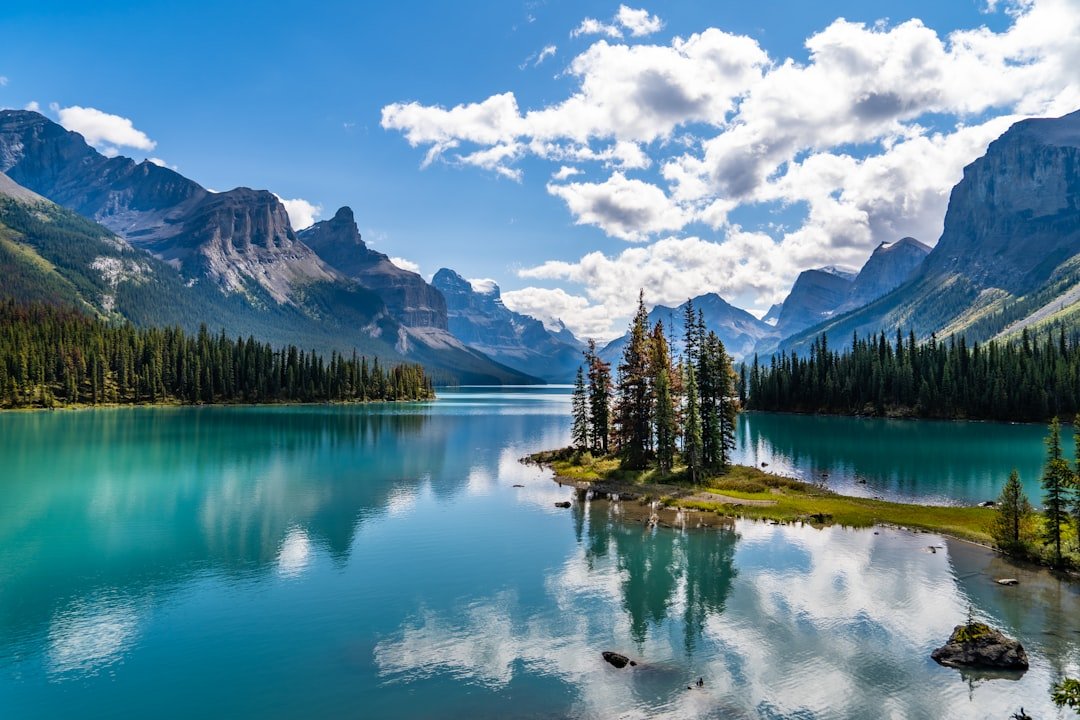
Maligne Lake and Spirit Island — Near Jasper, this long glacial lake offers boat tours to Spirit Island, one of the most photographed spots in the Rockies.
-
Peyto Lake — A short walk from the Icefields Parkway gives a vantage over an intensely blue, wolf-head-shaped lake fed by glacial melt.
Local Experiences
To move beyond staged vistas, seek out authentic activities that connect you with local mountain life.
-
Food and Drink — Mountain towns like Banff and Canmore have lively culinary scenes: try Alberta beef or bison dishes, locally brewed ales and farm-to-table restaurants that feature regional game and freshwater fish. Farmers markets (seasonal) in Canmore and Banff are great for local cheese, preserves and maple products.
-
Markets and Artisan Shops — Jasper and Banff host artisan shops selling Indigenous art, handmade jewelry and woolen goods. Purchasing directly supports local makers and cultural programs.
-
Viewpoints & Short Hikes — For sunrise, head to the Lake Louise lakeshore or the Peyto Lake viewpoint. Short, rewarding hikes include Lake Agnes Teahouse above Lake Louise, Johnston Canyon’s catwalks, and the Sulphur Mountain boardwalk for panoramic views.
-
Neighborhoods and Small-Town Life — Stroll Banff Avenue for shops and galleries; explore Canmore’s historic downtown for a quieter, more local feel; Jasper’s townsite is compact and ideal for post-hike rest and local breweries.
-
Festivals and Events — Seasonal events such as the Banff Mountain Film and Book Festival (winter) and Jasper Dark Sky Festival (fall) add cultural depth; check municipal calendars for local concerts and outdoor markets.
-
Outdoor Activities — Beyond sightseeing, options include guided multi-day pack trips, rock climbing, mountain biking on established trail networks, canoeing on quiet lakes, and wildlife-viewing tours that teach safe, respectful practices.
Best Time to Visit
Choosing when to visit depends on the experience you want and how you handle weather and crowds.
-
Summer (June–August) — Warmest weather and almost all trails and roads are open. This is peak season with the most visitors, especially late July and August. Ideal for hiking, canoeing and scenic drives.
-
Shoulder seasons (May and September–early October) — Cooler temperatures and fewer crowds. Wildflowers bloom in late June and July; September brings crisp air and fall color at lower elevations. Many services remain open through early October.
-
Winter (November–March) — Snow transforms the landscape: skiing, snowshoeing and ice walks. Popular for winter sports in Lake Louise, Sunshine Village and Marmot Basin, but some roads and services are reduced.
-
Weather and elevation — Mountain weather changes quickly; afternoons can be warm and sunny while mornings and evenings are cold. Higher trails often retain snow into June; always check conditions before setting out.
-
Crowds — Expect large visitor numbers mid-July to August. For smaller crowds at marquee sites like Moraine and Lake Louise, plan early morning or late afternoon visits or use less-traveled trailheads.
Essential Travel Tips
Practical tips will make your trip smoother and safer in an alpine environment.
-
Transportation — Renting a car offers the most flexibility for scenic drives and trail access. During peak season, park early at popular trailheads; consider using shuttle services where available (e.g., Banff to Lake Louise shuttles) to reduce parking stress.
-
Money — Credit and debit cards are widely accepted; keep some Canadian cash for farmers markets, tips and small vendors. ATMs are available in park towns but can be limited in remote areas.
-
Safety — Wildlife is common: store food securely, keep distance from animals, and follow park guidelines. Check trail conditions and avalanche forecasts if traveling in shoulder or winter months. Carry a map, headlamp, and layers; cell coverage can be intermittent.
-
Packing — Pack layered clothing, waterproof outerwear, sturdy hiking boots, sun protection and a refillable water bottle. For glacier viewpoints or higher elevations, include warm gloves and a hat year-round.
-
Local etiquette and sustainability — Stay on marked trails, pack out all trash, and minimize disturbance to wildlife and plants. Respect Indigenous sites and local signage. Supporting local businesses keeps tourism benefits within communities.
-
Permits and reservations — Some campgrounds, backcountry routes and rental equipment require advance booking. During the busiest months, reserve accommodation and special activities well ahead.
Frequently Asked Questions
Do I need a special permit to enter Banff or Jasper National Parks?
Yes. All visitors to Canadian national parks require a valid park pass. Day-use passes are available at park gates and online; annual passes are an option if you plan repeat visits.
Can I drive the Icefields Parkway in a day?
Technically yes — it’s about a 3.5–4 hour drive one way without stops — but it’s best experienced over at least a full day or two with time to hike, visit viewpoints and take a Columbia Icefield tour.
Are the lakes safe for swimming?
Most lakes are safe for casual swimming but remain cold year-round due to glacial melt; hypothermia risk is real. Wear a wetsuit for extended swims and always assess water temperature before entering.
What wildlife should I expect and how do I stay safe?
You may see elk, deer, bears, mountain goats and bighorn sheep. Keep at least 100 meters from bears and wolves and 25 meters from other animals. Store food properly, make noise while hiking, and carry bear spray where recommended.
Is there public transportation between Banff, Lake Louise and Jasper?
Yes. Shuttle services and intercity buses operate seasonally between major towns and attractions. For the greatest flexibility, a vehicle is preferable, but buses are a reliable alternative during peak season.
Conclusion
The Canadian Rockies condense some of North America’s most dramatic alpine scenery into a compact, highly accessible region. From the jewel-toned lakes at Lake Louise and Moraine to the sweeping panoramas along the Icefields Parkway, this landscape rewards both quick visits and deeper explorations. Plan around seasonal conditions, book key services in advance during summer, and balance iconic viewpoints with quieter trails and local experiences to leave space for discovery. With common-sense safety, respect for wildlife and a readiness for changing weather, the Rockies deliver memorable vistas and outdoor adventures that linger long after you return home.