
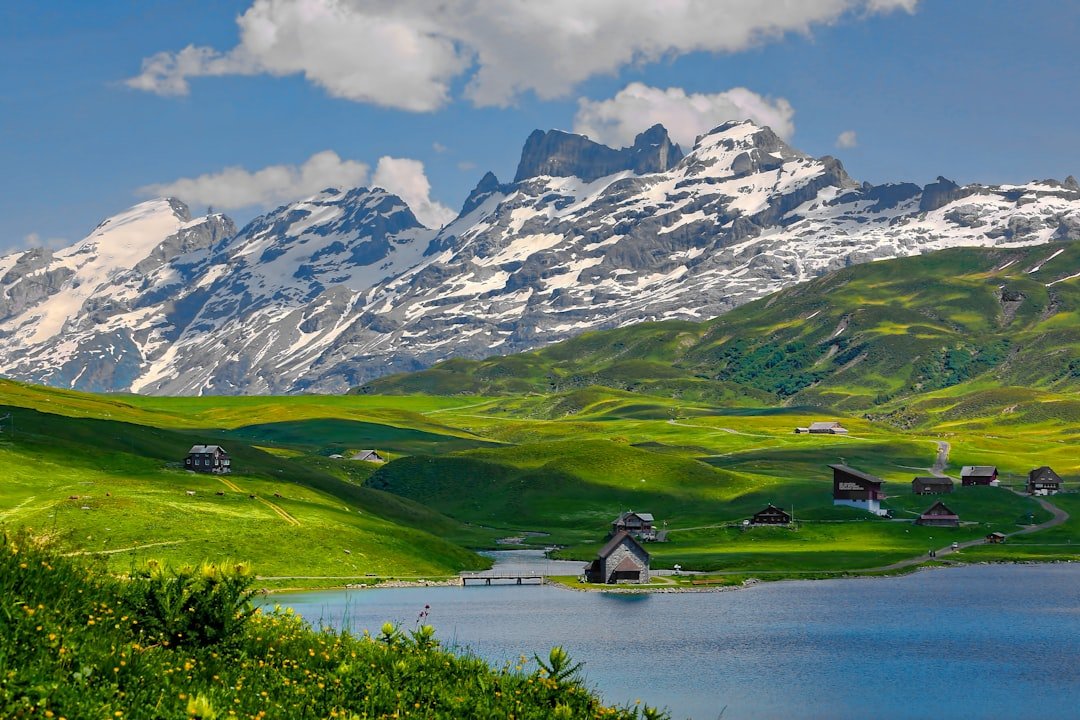
High-Altitude Journeys: A Practical Guide to the Swiss Alps’ Villages, Trains and Adventures
The Swiss Alps are a compact atlas of dramatic peaks, glacier-carved valleys and charming highland settlements. From the car-free lanes of Zermatt to the waterfall-ringed basin of Lauterbrunnen, the region pairs postcard panoramas with efficient public transport and long-established alpine culture. Scenic railways—like the Glacier Express and Bernina Express—turn travel days into the highlight of a trip, while cable cars and cogwheel trains deliver hikers to high meadows and glacier viewpoints. Whether you want face-to-face views of the Matterhorn, an adrenaline rush from paragliding above Interlaken, or slow mountain-village life with thick-cut raclette and timber chalets, the Swiss Alps reward both active travelers and those seeking contemplative beauty.
Must-See Attractions
The Swiss Alps contain many of Europe’s most recognizable mountain sights. These are the places to prioritize on your itinerary:
- Zermatt and the Matterhorn: The village of Zermatt sits beneath the iconic pyramidal Matterhorn. Explore car-free streets, visit the Matterhorn Museum, and take the Gornergrat Railway for sweeping alpine panoramas and glacier views.
- Jungfrau Region — Grindelwald, Wengen and Lauterbrunnen: A cluster of striking valleys with dramatic cliffs and waterfalls. The Jungfraujoch “Top of Europe” railway rises to high-alpine vistas and scientific stations, while Mürren and Wengen offer classic alpine charm and access to the Eiger north face.
- Interlaken: Nestled between Lakes Thun and Brienz, Interlaken is a gateway for outdoor sports and sightseeing. Nearby Harder Kulm provides quick panoramic views; paragliders often land in town after flights from the surrounding ridges.
- Glacier Express and Bernina Express: Two of the world’s most famous scenic train routes. Glacier Express links Zermatt and St. Moritz through deep gorges and high mountain passes. The Bernina Express crosses the UNESCO-listed Bernina Pass, connecting Chur (or St. Moritz) to Tirano in Italy with dramatic viaducts and glacial landscapes.
- Saas-Fee and the Allalin Glacier: A high-altitude, car-free village surrounded by 13 peaks over 4,000 meters. Saas-Fee’s glacier world offers year-round snow experiences and accessible hiking routes.
- Aletsch Glacier: Europe’s largest glacier, viewed best from the Bettmerhorn or Eggishorn. The glacier lies in a UNESCO World Heritage site and provides a stark example of glacial scale and recent retreat.
Local Experiences
Authentic alpine moments come from food, community rituals and the way locals live with mountains every day. Seek out these experiences for a textured visit:
- Alpine Cuisine: Sample fondue and raclette in mountain chalets—look for restaurants that source cheese from local dairies. Try rösti for a hearty side, and alpine herbs in soups and sausages. In Valais, taste raclette in its home region; in central alpine valleys, try local cured meats and Schlorzifladen (a savory flatbread).
- Village Markets and Local Producers: Weekly markets in regional towns sell cheese, honey, cured meats and mountain bread. In towns like Brig (gateway to the Simplon) and regional market days, you can buy directly from producers and learn about alpine cheesemaking traditions.
- Sunrise and Sunset Viewpoints: Take an early cogwheel train or cable car to viewpoints such as Gornergrat, First (Grindelwald) or Schynige Platte for golden hours. The light transforms glaciers and peaks and rewards early risers with quieter trails.
- Festivals and Traditions: Watch for local festivals like Unspunnenfest-style alpine games (dates vary) celebrating wrestling, stone throwing and folk music. Seasonal cattle drives (Alpabzug) in late summer see cows decorated and herded from high pastures into valleys.
- Outdoor Activities: Hike well-marked trails from short alpine strolls to multi-day hut-to-hut routes like those around the Bernese Oberland. Winter brings world-class skiing in Verbier and the Jungfrau area; summer offers via ferrata routes, mountain biking and glacier walking with guides. For panoramic running, many valleys have graded trails suitable for trail running.
Best Time to Visit
The ideal time depends on the activities you prioritize.
- Summer (June–September): Best for hiking, alpine flowers, cable cars on full schedules and long daylight hours. Trails are generally snow-free by July at mid elevations; July–August are busiest months, particularly in Jungfrau and Zermatt.
- Late Spring (May–June) and Early Autumn (September–October): Shoulder seasons offer fewer crowds and lower prices. Snow may linger on high passes in late spring; early autumn brings rich fall colors in larch forests and crisp, clear weather.
- Winter (December–March): Prime season for skiing, snowboarding and winter sports. Resorts fill during the Christmas and February school-holiday periods. High-altitude glaciers provide year-round snow for limited summer skiing.
- Considerations: If you want to ride the Glacier Express and Bernina Express with comfortable weather around the passes, aim for late June to early September. For cheaper travel and quieter trails, late September is excellent—days can be cooler but often remain clear and crisp.
Essential Travel Tips
Practical advice will make an alpine trip smoother and safer.
- Transport: Use the Swiss Travel Pass for unlimited trains, buses and many mountain railways (some mountain lines require a supplement). Trains and PostBuses are punctual and frequent; book panoramic train seats (Glacier/ Bernina Express) in advance, especially in summer.
- Money and Costs: Switzerland uses the Swiss franc (CHF). Card payments are widely accepted, but carry cash for small mountain hut purchases or remote markets. Expect alpine transport and dining to be pricier than in lowland Europe.
- Safety and Altitude: Descend immediately if you experience severe altitude sickness. Allow a day to acclimatize when ascending rapidly to heights above 2,500–3,000 m. Check avalanche conditions and local forecasts before winter backcountry trips; hire certified guides for glaciers and technical terrain.
- Packing: Layering is essential—temperatures change quickly with altitude. Bring waterproof outer layers, insulated mid-layers, sturdy hiking boots, a warm hat and sun protection (sunglasses and high-SPF sunscreen for glacier glare). Pack a basic first-aid kit and a reusable water bottle.
- Local Etiquette and Environment: Respect quiet hours in villages (often 10 p.m.–7 a.m.), keep to marked trails, and carry out waste—Swiss nature is strictly conserved. Greet locals with a polite “Grüezi” (German-speaking areas) or “Buongiorno”/”Bonjour” in other linguistic regions; simple phrases are appreciated.
Frequently Asked Questions
How do I book scenic train journeys like the Glacier Express?
Reservations are required for panoramic trains during much of the year. Book seats in advance through the official operators’ websites (Matterhorn Gotthard Bahn for Glacier Express segments, Rhaetian Railway for Bernina Express) or via Switzerland’s rail service SBB. Consider flexible tickets if your plan may change.
Are mountain hikes safe for beginners?
Many alpine valleys offer well-marked, non-technical trails suitable for beginners—look for routes labeled as “family” or “easy”. Hire a local guide for glacier walks, high-alpine routes, or if you plan to use via ferrata. Always check trail conditions, weather, and estimated times before setting out.
Can I use the Swiss Travel Pass for mountain railways?
The Swiss Travel Pass covers most regular trains, buses and many boats. Some mountain railways and cable cars are fully covered; others offer a discount rather than full coverage. Check each mountain line’s policy; you may still need to pay a supplement for premium scenic services.
What should I know about weather in the high Alps?
Weather changes quickly at altitude—sunny mornings can turn to storms by afternoon. Afternoon thunderstorms are common in summer. Carry waterproof clothing, check updated forecasts, and start hikes early to avoid afternoon weather. Mountain stations and huts will display real-time warnings when conditions worsen.
Is tipping expected in Switzerland?
Tipping is not mandatory because service charges are often included in bills; however, rounding up or leaving a 5–10% tip for exceptional service is appreciated. In mountain huts, small cash tips for staff are welcomed but not required.
Conclusion
The Swiss Alps deliver an outsized variety of landscapes, experiences and transport wonders within a compact area. Scenic trains and efficient mountain railways make accessing high viewpoints and remote villages straightforward, while each valley preserves its own culinary and cultural notes—from Valais cheese traditions to Bernese folk music. Whether you plan peak bagging, glacier exploration, or leisurely cheese-tasting in a timber chalet, thoughtful timing and simple preparations will amplify your enjoyment. Travel responsibly, respect fragile mountain ecosystems, and allow extra time—sometimes the best discoveries are found on the slow ride between peaks.
Inspired? Start planning your trip.
Move from inspiration to planning with BookingTabs — explore hotels, tours and travel options in one place.
Join the conversation
Ask a question, share a travel tip, or help another traveler plan with confidence.
Leave a comment
No account or email required.