
South Africa Uncovered: Safaris, Coastlines and Cultural Encounters
South Africa moves with many rhythms: the low thunder of elephant herds in Kruger, the wind-driven surf along the Garden Route, and the layered histories that shape Cape Town’s neighborhoods. This country condenses wide landscapes and a rich cultural fabric into a travel experience that is both accessible and endlessly varied. Whether you’re tracking the Big Five on a morning game drive, driving cliff-hugging coastal roads, or lingering over a spicy Durban curry, the travel rewards are tangible and immediate. Practical infrastructure and a range of accommodation—from community-run lodges to classic guesthouses—make exploration straightforward, while local guides provide context that lifts every moment beyond the postcard. Read on for an organized route through South Africa’s can’t-miss highlights, the authentic experiences worth planning for, and the practical tips that keep a trip smooth and respectful.
Must-See Attractions
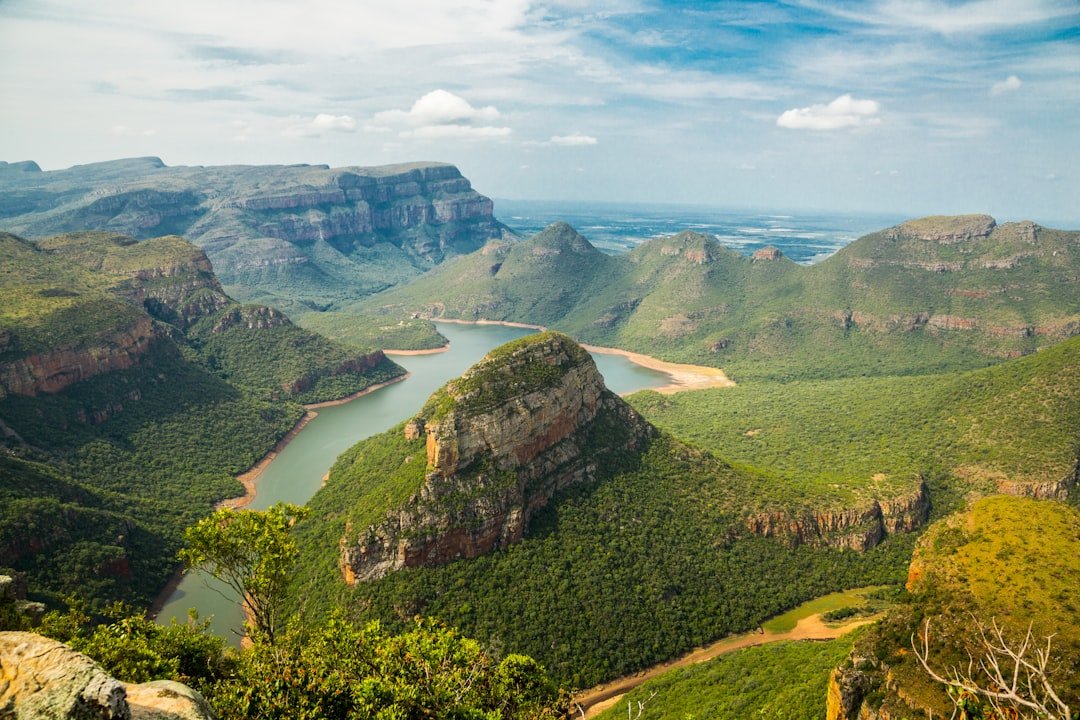
South Africa’s most iconic sights sit across varied ecosystems and cities. In northeastern South Africa, Kruger National Park is the premier safari destination for seeing the Big Five in diverse habitats; morning and late-afternoon drives are best for sightings. Along the southern coast, Table Mountain dominates Cape Town’s skyline—its plateau offers trails and panoramic vistas accessible by the Table Mountain Aerial Cableway. The Garden Route, a sequence of coastal towns, lagoons and forests between Mossel Bay and Storms River, rewards slow driving with stops in Knysna and Plettenberg Bay. For dramatic inland scenery, the Blyde River Canyon in Mpumalanga provides sweeping viewpoints like God’s Window and the Three Rondavels. The Drakensberg Mountains offer highland hiking and San rock art, while Robben Island (accessed from the V&A Waterfront in Cape Town) is a solemn historical site that explains South Africa’s recent political past. On the eastern seaboard, iSimangaliso Wetland Park (a UNESCO World Heritage Site) merges wetlands, beaches and coral reefs—excellent for birding, hippo sightings and snorkeling.
Best Time to Visit
South Africa’s large size means weather varies widely by region. For wildlife safaris in Kruger and the Lowveld, the dry winter months (May–September) are prime: foliage thins, water sources concentrate animals, and temperatures are mild in the daytime. Coastal Cape Town and the Western Cape enjoy Mediterranean weather—warm, dry summers (November–March) and wet winters. Visit Cape Town in late spring to early summer (October–December) for fewer crowds than high summer yet excellent weather.
The Garden Route is pleasant year-round but is at its warmest and driest between November and March. For whale watching in Hermanus, plan for July through November. If your trip includes both Cape Town and Kruger, consider shoulder seasons (April–May or September–October) to balance good weather, lower prices, and manageable crowds.
Essential Travel Tips
Transportation: Domestic flights connect major centers (Cape Town, Johannesburg, Durban, Port Elizabeth) and save time. Renting a car is the best way to explore the Garden Route and many coastal towns—remember South Africans drive on the left. Roads are generally well maintained on primary routes; exercise caution on gravel secondary roads and in rural areas.
Money and payments: The currency is the South African rand (ZAR). Credit and debit cards are widely accepted in cities and tourist areas; carry some cash for markets, tips, and remote lodges. ATMs are common in towns but less frequent in rural national park gate areas.
Safety: Use standard travel caution—don’t display valuables, stay aware in urban centers at night, and follow local advice. When on safari, always obey guide instructions and keep a safe distance from wildlife. Avoid walking alone in unfamiliar urban neighborhoods and be cautious photographing people without consent, especially in townships.
Packing: Pack layers—coastal mornings can be cool while inland afternoons warm quickly. Include sun protection, a wide-brim hat, binoculars for wildlife viewing, and sturdy walking shoes. If visiting in winter for safaris, pack a warm jacket for early-morning drives. Electrical outlets are Type M (three large round pins); bring an adapter.
Local etiquette: Greetings matter—quick pleasantries and a smile go a long way. When visiting cultural sites or attending guided township tours, be respectful, ask permission before taking photos of people, and listen to local guides who provide community context and boundaries for visitors.
Frequently Asked Questions
Do I need vaccinations or malaria prophylaxis?
Healthcare needs depend on the regions you’ll visit. Malaria prophylaxis is recommended for parts of the northeast, including Kruger and some areas of Mpumalanga and Limpopo—consult your doctor or a travel clinic for personalized advice. Routine vaccinations should be up to date.
How long should I spend in South Africa to sample highlights?
A comfortable first visit is 10–14 days: a few days in Cape Town and surrounds (Table Mountain, Cape Peninsula), 3–4 days on the Garden Route or in the Western Cape, and 3–4 days for a safari in Kruger or a private reserve. Adjust based on priorities and flight connections.
Is it possible to self-drive safaris, or do I need a guide?
In many national parks like Kruger, self-drive safaris are a popular option and can be very rewarding. For private reserves and guided game drives, professional guides greatly increase sighting success and add conservation insights.
What languages are spoken and will I be understood?
South Africa has 11 official languages; English is widely spoken in urban and tourist areas and used in signage and business. Learning a few phrases in local languages (like isiXhosa or isiZulu) is appreciated but not necessary.
Are credit cards accepted everywhere?
Cards are accepted in most hotels, restaurants, and larger shops. Smaller market stalls, remote lodges, and some rural businesses may prefer cash—keep a small reserve of rand for these situations.
Conclusion
South Africa rewards travelers who balance nature with culture. From close encounters with wildlife on morning game drives to contemplative walks through Cape Town’s layered neighborhoods, the country offers experiences that are sensory and substantive. Coastal drives reveal changing geologies and seaside towns with distinct flavors, while markets and local eateries provide an immediate taste of regional identities. With reliable transport links, diverse accommodation options, and welcoming guides, South Africa is eminently approachable for both first-time visitors and return travelers seeking deeper connections. Plan thoughtfully for seasons and regions, respect local customs and conservation rules, and you’ll leave with stories—and perspectives—that endure long after the trip ends.
Inspired? Start planning your trip.
Move from inspiration to planning with BookingTabs — explore hotels, tours and travel options in one place.

Join the conversation
Ask a question, share a travel tip, or help another traveler plan with confidence.
Leave a comment
No account or email required.