
Brazil Unpacked: From Rio’s Rhythms to the Amazon’s Wild Heart
Brazil is a country of dramatic contrasts: sun-baked beaches and thundering waterfalls, modern megacities and centuries-old colonial towns, endless rainforest and seasonally flooded wetlands. Travel here moves from the samba beats of Rio de Janeiro and the skyscraper canyons of São Paulo to the mossy trails of the Amazon and the wildlife-rich wetlands of the Pantanal. Along the coast, sugar-white sands meet surf breaks and intimate island hideaways; inland, baroque churches and mining towns trace Brazil’s colonial past. This guide unpacks the essentials—must-see attractions, authentic local experiences, when to go, and practical tips—to help you plan a trip that balances iconic highlights with moments that reveal why Brazil feels so alive, diverse, and impossible to forget.
Must-See Attractions
Brazil’s iconic sights are spread across vast distances but each offers a clear sense of place.
-
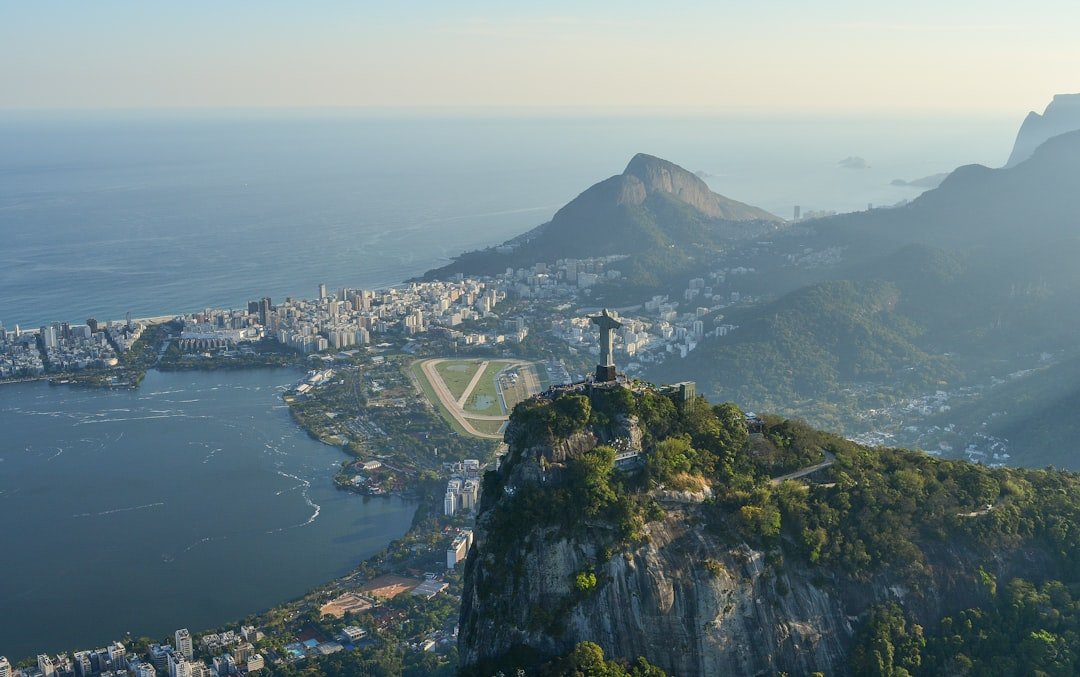
Christ the Redeemer and Sugarloaf Mountain (Rio de Janeiro) — Perched above Rio, Corcovado’s statue delivers panoramic views over Copacabana, Ipanema and Guanabara Bay; Sugarloaf’s cable car ride at sunset is a photographer’s dream.
-
Copacabana and Ipanema — Two of the world’s most famous beaches, lively by day and full of beachfront kiosks and bars well into the night.
-
Iguazu Falls — On the border with Argentina, this UNESCO-listed system of waterfalls on the Parana River is best viewed from multiple platforms on the Brazilian side for sweeping vistas and from boat trips that spray you with mist.
-
Salvador and Pelourinho — The colonial center of Salvador is a swirl of colorful facades, Afro-Brazilian culture, Candomblé influences and music-filled squares.
-
Amazon Rainforest (Manaus gateway) — Manaus’s opera house hints at rubber-boom opulence; river cruises and jungle lodges allow wildlife spotting, canopy walks and night safaris in the world’s largest tropical forest.
-
Pantanal — The planet’s largest tropical wetland is unrivaled for close wildlife encounters: jaguars, capybaras, caimans and hundreds of bird species concentrated during the dry season.
-
Fernando de Noronha — A remote archipelago off the northeast coast famed for crystal-clear waters, abundant marine life and strict conservation rules—one of Brazil’s best snorkeling and diving spots.
-
Ouro Preto — An exquisite example of Baroque architecture set amid Minas Gerais hills, its churches and cobbled streets recall Brazil’s gold-mining era.
-
São Paulo — A global city of museums (MASP), diverse neighborhoods (Liberdade, Vila Madalena), a thriving culinary scene and a gritty, energetic urban culture.
Best Time to Visit
Brazil’s size means weather and crowds vary widely; plan by region, not the calendar alone.
-
Brazilian summer (December–March) — Warmest season across the country and peak beach time. Carnival, usually in February or March, draws huge crowds and higher prices in coastal cities.
-
Autumn and spring (April–May and September–November) — Often the most comfortable months for many regions: fewer crowds in cities, pleasant temperatures and good conditions for outdoor activities.
-
Northern Amazon (dry season June–November) — Lower water levels make forest trails and some wildlife easier to access; river cruises may prefer this window for overland excursions.
-
Pantanal (dry season July–October) — Best for wildlife viewing as animals concentrate around shrinking water sources.
-
Iguazu Falls — High water flow is dramatic in rainy months (December–March), but the best balance of access and scenery is often during shoulder seasons.
Choose timing based on what you want to see: beaches and Carnival for spectacle; Amazon and Pantanal dry seasons for wildlife; shoulder months for milder crowds and better prices.
Essential Travel Tips
Practical advice helps you travel Brazil with confidence.
-
Transportation — Domestic flights connect distant regions; long-distance buses are efficient and comfortable for shorter interstate trips. In cities, use licensed taxis or ride-hailing apps (Uber operates in many Brazilian cities).
-
Money — The currency is the Brazilian real (BRL). Credit cards are widely accepted in cities; carry cash for markets, small vendors and remote areas. ATMs are common but use machines inside banks or hotels when possible.
-
Safety — Exercise standard urban caution: avoid displaying valuables, stay aware in crowded tourist zones, and ask locals or your accommodation about neighborhoods to avoid after dark. In wilderness areas, travel with reputable guides and ensure vaccinations and antimalarial advice where recommended.
-
Packing — Lightweight, breathable clothing for most of the country; rain gear for the Amazon and wet season; insect repellent and a good sunscreen. If visiting higher-altitude towns, pack a warm layer for cooler evenings.
-
Health and Documents — Carry travel insurance. Check entry requirements for visas and recommended vaccinations—Yellow Fever vaccination is advised for certain regions. Keep both digital and printed copies of important documents.
-
Local Etiquette — Brazilians are warm and sociable: a single cheek kiss or handshake is common for greetings. Learning a few Portuguese phrases—boa tarde, por favor, obrigado/obrigada—goes a long way.
Frequently Asked Questions
Do I need to speak Portuguese to travel in Brazil?
Portuguese is the national language. In major tourist centers many people working in hospitality speak English, but learning basic Portuguese phrases will improve interactions, especially in smaller towns and markets.
Is Brazil safe for solo travelers?
Many solo travelers visit Brazil safely each year by staying alert, avoiding risky neighborhoods, using trusted transportation and not flashing valuables. Research areas before arrival and consider guided tours for isolated excursions.
What vaccinations or health precautions should I take?
Routine vaccinations should be up to date. Yellow Fever vaccination is recommended for travel to parts of the Amazon and other inland regions—check official health advisories. Bring mosquito repellent and follow food-and-water safety advice in remote areas.
How should I get between distant destinations like Rio and the Amazon?
Brazil’s distances are large; domestic flights are the fastest and often most practical option. Overnight buses work for certain routes and can be economical, but flights save time when crossing regions.
When is Carnival and how do I experience it?
Dates vary each year (February or March). Rio and Salvador host massive official parades and thousands of street blocos; smaller towns have their own lively celebrations. Book accommodation and event tickets well in advance.
Conclusion
Brazil resists simple summaries: it is both sprawling and intimate, loud and reflective, remote and cosmopolitan. Whether you’re watching the sun set from Sugarloaf, navigating flooded forest channels under a green canopy, exploring baroque churches in Minas Gerais, or tasting the layers of regional cuisine, the country rewards travelers willing to mix iconic stops with slower, local rhythms. Planning by region and season, respecting local customs, and balancing guided activities with independent exploration will help you see Brazil’s major highlights while leaving space for unexpected, memorable encounters.
Inspired? Start planning your trip.
Move from inspiration to planning with BookingTabs — explore hotels, tours and travel options in one place.

Join the conversation
Ask a question, share a travel tip, or help another traveler plan with confidence.
Leave a comment
No account or email required.