Coastal Charms of Portugal: A Road-Trip Through the Country’s Most Picturesque Villages
Portugal’s coastline threads salt-scrubbed dunes, sheer cliffs and tiny harbors where fishing boats tilt in the surf. A road trip along this shore is less about cities and more about villages that still feel like discoveries: whitewashed houses, azulejo tiles, fresh seafood, and ocean views that change by the hour. From the surf-savvy hamlets north of Lisbon to the golden coves of the Algarve and the wild Alentejo coast, each stop offers a different pace and palette. This guide leads a clockwise route and highlights the must-see attractions, authentic local experiences, practical travel tips and the best times to visit. It’s written for drivers who want to slow down, sample regional flavors and sleep to the sound of the sea.
Must-See Attractions
Start north of Lisbon and work southward: Cascais is an elegant seaside town with promenades and the historic Boca do Inferno cliffs. Azenhas do Mar, perched dramatically on a cliff with ocean-facing terraces, rewards a short photo stop and a coastal walk. Ericeira, a World Surfing Reserve, combines a compact old town with famous surf breaks at Ribeira d’Ilhas and Coxos.
Peniche and the neighboring island-like peninsula of Baleal are essential for wave watchers; take the short boat to the Berlenga Islands for seabird colonies and crystalline waters. Nazaré’s lofty Sítio viewpoint offers the dramatic spectacle of huge winter waves and a working fishing harbor below. West of Lisbon, the shell-shaped bay at São Martinho do Porto provides calm water for swimming and family-friendly beaches.
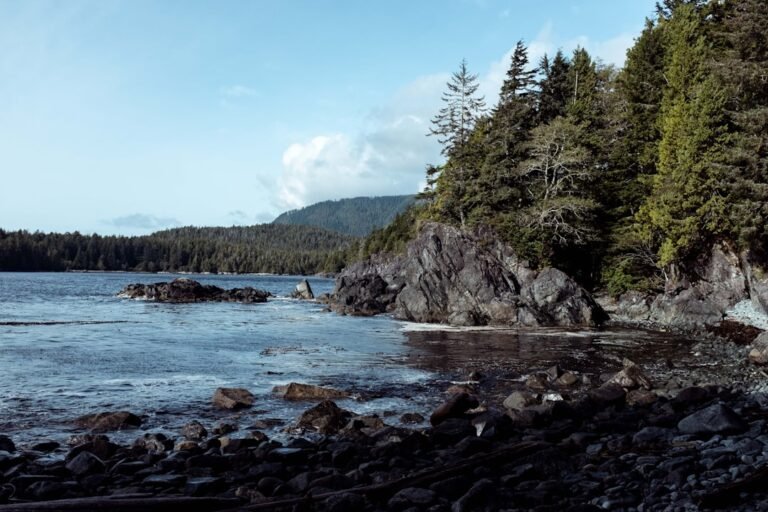
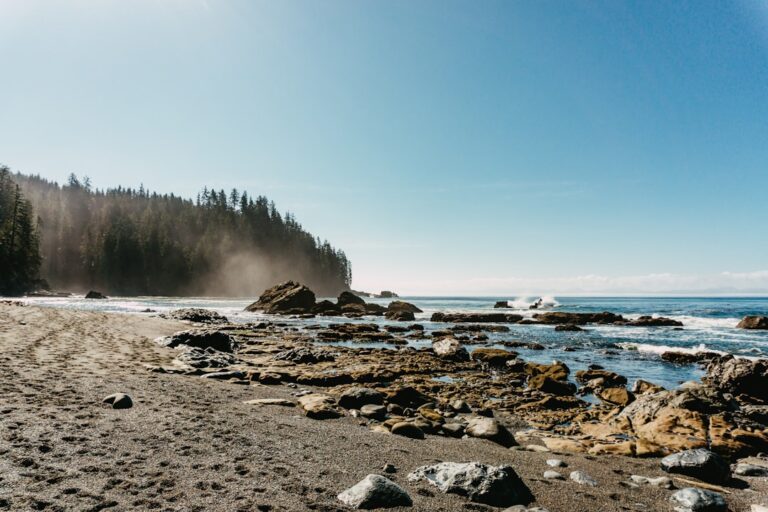
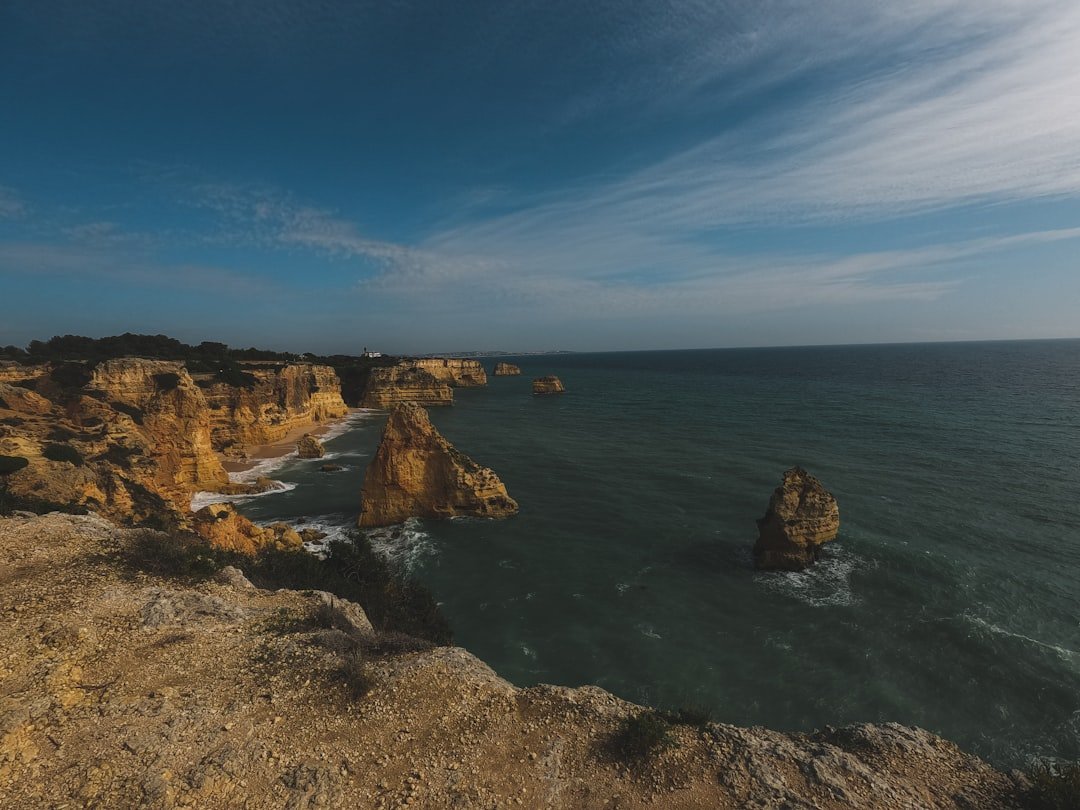
On the Alentejo coast, Vila Nova de Milfontes sits where the Mira River meets the sea—great for kayaking and riverside dining. Zambujeira do Mar and Odeceixe present rugged cliffs and quiet beaches; Odeceixe’s river mouth creates a rare freshwater-saltwater estuary. In the Algarve, Sagres and its Fortaleza de Sagres deliver raw Atlantic panoramas and wild hiking, while small villages like Carvoeiro and Ferragudo offer postcard cliffs and lovely harbor scenes. End in Tavira on the eastern Algarve: its Roman bridge and ferry to Ilha de Tavira are ideal for a gentle finish.
Best Time to Visit
Seasons: The Portuguese coast has distinct moods by season. Summer (June–August) offers reliably warm weather, long daylight and swimming conditions but also peak crowds, especially in the Algarve and near Lisbon. Late spring (May–June) and early autumn (September–October) are sweet spots—sea temperatures are pleasant, attractions are less crowded and prices ease off high-season levels.
Weather: The Atlantic moderates extremes. Northern and central coasts can be foggy or breezy in summer mornings with rapidly clearing afternoons. The Alentejo and Algarve are drier and sunnier; heat peaks in July and August but sea breezes often bring relief.
Crowds and best months: For a balance of good weather and fewer crowds aim for May, June, September and early October. If you want to photograph giant Nazaré waves, winter months (November–February) bring the biggest swells, but conditions are rough and many businesses run reduced hours.
Essential Travel Tips
Transportation: Renting a car is the most flexible way to visit multiple villages; narrow village streets are navigable but park centrally and walk. Drive times along the western coast can be longer than map estimates due to winding roads; allow extra time for scenic stops. Fuel stations thin out in remote Alentejo stretches—top up when you can.
Money and payments: Credit cards are widely accepted in tourist areas but carry some cash for small cafes, markets and remote towns. ATMs are common in larger towns; inform your bank of travel dates to avoid card blocks.
Safety: Portugal is very safe by European standards. Standard precautions apply: watch belongings in crowded areas, and be cautious on cliff edges and rocky beaches where currents and drop-offs can be dangerous. Swim where lifeguards are present if you’re unsure.
Packing: Bring layered clothing for breezy coastal conditions, reef shoes for rocky shores, sunscreen and a windproof jacket. If you plan to surf or snorkel, a wetsuit rental is common in surf towns—rent rather than pack bulky gear unless you’re dedicated.
Local etiquette: Greet shopkeepers and servers with a friendly “Bom dia” or “Boa tarde.” Mealtime sits later than in some countries—lunch often starts after 12:30, dinner from 7:30–9:30 pm in many places. Tipping is appreciated but modest: 5–10% for good service.
Frequently Asked Questions
Do I need a 4×4 vehicle to drive the coastal roads?
Not for the main coastal route. Most roads linking villages are paved. A 4×4 or car with good clearance can be helpful for dirt tracks to remote beaches or viewpoints in the Vicentine Coast Natural Park, but is not essential for towns and popular beaches.
How many days do I need to explore Portugal’s coastal villages?
A focused coastal road trip from Lisbon to the western Algarve can be done in 5–7 days with selected stops, but two weeks allows for relaxed exploring, time for surfing or boat trips, and visits to lesser-known hamlets.
Are these villages family-friendly?
Yes. São Martinho do Porto and many Algarve villages offer calm, sandy beaches suitable for families. Some surf towns like Ericeira also have family-friendly beaches, though certain spots have strong waves and are better for experienced swimmers.
Can I combine this route with visits to Lisbon or Porto?
Absolutely. Cascais and Sintra are an easy day trip from Lisbon and make logical starting points for a coastal itinerary. Porto is farther north; a separate coastal loop from Porto down to Lisbon can be planned if you have extra time.
What wildlife might I see along the route?
Expect seabirds, gulls and raptors along cliffs; the Berlenga Islands host nesting seabirds. In the Alentejo and Algarve you may spot dolphins on boat trips, and the Atlantic can show seasonal whale sightings further offshore, typically on organized excursions.
Conclusion
A coastal road trip through Portugal’s villages is a study in contrasts: dramatic cliffs and calm bays, surf culture and centuries-old fishing traditions, quiet off-season lanes and lively summer promenades. Traveling by car lets you linger at viewpoints, sample regional seafood straight from the boats and discover small museums, chapel squares and markets that speak to local life. Whether you chase waves in Ericeira, watch towering surf in Nazaré, kayak at Milfontes, or watch the sunset from an Algarve cliff, these coastal villages reward slow travel. Pack layers, plan flexible driving days, and leave room in your itinerary for unexpected coves—the coastline is best experienced unhurried.