
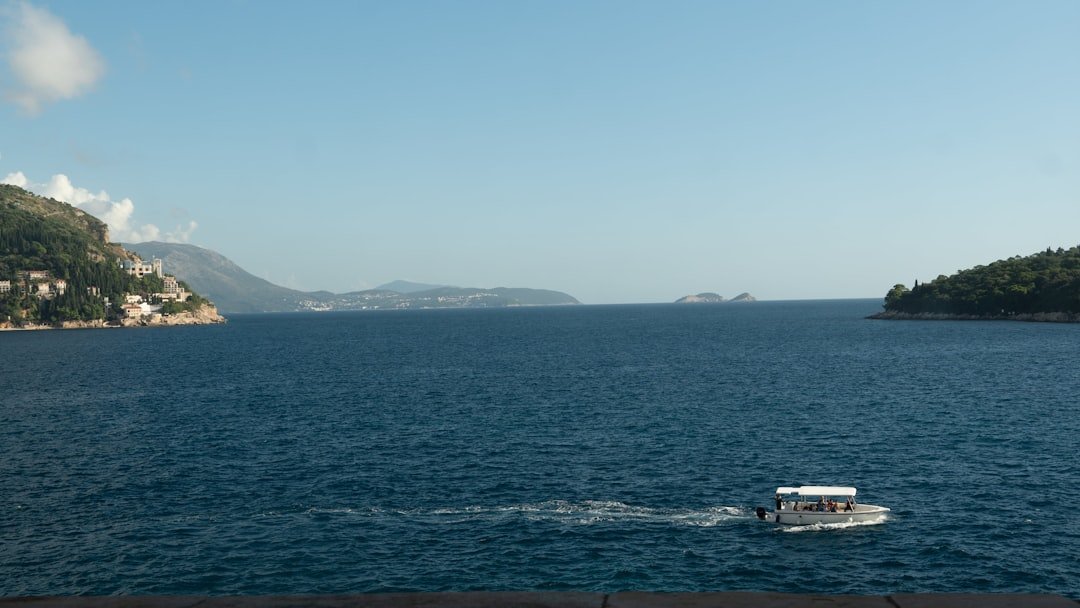
Coastlines and Culture: Top Croatian Seaside Towns Worth Visiting
Croatia’s coastline stretches like a string of pearls along the Adriatic, where ancient stone streets meet pine-fringed beaches and sun-baked harbors hum with life. From the baroque red roofs of Dubrovnik to the Venetian-flavored lanes of Rovinj and the island charisma of Hvar, each town offers a distinct mix of history, sea and local flavor. This guide highlights the coastal towns that capture the country’s variety—urban ruins and quiet coves, world-class festivals and intimate family-run konobas. Whether you’re planning a week-long island hop or a relaxed road trip down the Dalmatian coast, these towns serve as the perfect base to explore Croatia’s maritime heritage, cuisine and outdoor adventures.
Must-See Attractions
The Croatian coast is dotted with iconic sights that showcase its layered history and natural beauty. In Dubrovnik, walk the ancient City Walls for sweeping views of the Adriatic and the terracotta rooftops of the Old Town; explore Stradun, Rector’s Palace and nearby Lokrum Island.
Split centers on Diocletian’s Palace, a living Roman monument with cellars, peristyles and cafés squeezed between its stone columns. Climb the bell tower of St. Domnius for a panoramic city view.
Zadar is famous for two modern installations along its waterfront: the Sea Organ, an experimental musical instrument played by the waves, and the Sun Salutation light sculpture that creates colorful displays at dusk.
Rovinj’s hilltop St. Euphemia Church commands views over the Istrian coast; the town’s narrow lanes and pastel houses recall its Venetian past. Nearby Pula is notable for the remarkably well-preserved Roman Arena, one of the largest surviving amphitheaters in Europe.
On the islands, Hvar Town blends Renaissance palaces and a lively harbor; Fortica (Španjola) overlooks the bay. Korčula Town claims a dense medieval core with narrow streets and the reputed birthplace of Marco Polo. Šibenik’s Cathedral of St. James, a UNESCO World Heritage site, is an architectural highlight of the region. Trogir’s compact historic center and Kamerlengo Fortress are a step back into the medieval Adriatic.
For nature and adventure, Omiš sits at the mouth of the Cetina River, combining dramatic canyon scenery with rafting and climbing opportunities.
Local Experiences
Food and drink are central to coastal life. Sample fresh-caught Adriatic seafood at konobas (family-run taverns) across Dalmatia—grilled fish, black risotto, and buzara shellfish are regional specialties. Try Istrian truffle dishes and Malvasia wine in Rovinj and Pula.
Markets offer a glimpse into everyday life: Split’s Green Market by the fish market bustles with produce and local cheese; Zadar’s fruit and vegetable stalls are lively in the morning; small island markets sell homemade olive oil and preserves. Visiting a morning market lets you taste seasonal ingredients and meet producers.
Viewpoints and promenades define the coast. Walk Dubrovnik’s Walls at sunrise to avoid crowds, stroll Split’s seaside Riva at dusk, and climb Rovinj’s bell tower for sunset over the archipelago. The coastal promenades in Zadar and Pula are ideal for relaxed evening walks.
Neighborhoods to explore include Dubrovnik’s Old Town alleys, Split’s Varos district with its traditional houses, and Korčula’s maze-like Old Town where scooter-free lanes preserve a medieval atmosphere.
Festivals bring towns to life: Dubrovnik hosts classical music and theatre events during the Summer Festival; Split is known for Ultra Europe (electronic music) and cultural programming; Hvar and Korčula run summer cultural nights and local fiestas—check town calendars for dates.
Outdoor activities are abundant: island hopping by ferry or private boat, snorkeling and diving at underwater sites around Vis and Hvar, sea kayaking near the Pakleni Islands, and canyoning or rafting on the Cetina River near Omiš. Cycling routes in Istria and coastal hiking trails provide alternatives to sea-based sightseeing.
Best Time to Visit
The ideal time to visit Croatia’s coast balances weather and crowd levels. Late spring (May to early June) and early autumn (September to mid-October) offer warm, pleasant weather, clearer sea temperatures, and fewer tourists than the peak summer months. These shoulder seasons are excellent for sightseeing, walking historic centers and enjoying open-air dining without the height-of-summer congestion.
July and August bring reliably hot weather and festival activity, but expect crowded towns, higher prices and booked-out accommodations—book well in advance if traveling then. Winter months are quiet; some island services scale back, though towns like Dubrovnik and Split remain lively with off-season cultural offerings and lower rates. For beach swimming, July and August are the warmest months, while May and September still allow comfortable swims in many sheltered bays.
Essential Travel Tips
Transportation: Ferries and catamarans connect mainland ports with most islands—book popular routes ahead in summer. Fast catamarans link Split, Hvar and Korčula; Jadrolinija and Krilo are major operators. Driving the coast gives flexibility, but expect narrow roads and limited parking in historic centers. Trains are limited along the coast; buses are reliable and cover many coastal and inland routes.
Money: Croatia uses the euro. Credit cards are widely accepted in towns and restaurants, but carry some cash for small purchases, markets and remote islands. ATMs are common in larger towns.
Safety: Croatian coastal towns are generally safe; take normal precautions against petty theft in crowded tourist areas. Swim within marked areas and heed local warnings about currents. If renting a scooter or car, local driving can be assertive—drive defensively.
Packing: Bring sturdy walking shoes for cobbled streets and hill climbs, lightweight clothing for summer, a light jacket for evenings in shoulder seasons, swimwear and reef shoes for rocky beaches, and sunscreen. If planning boat trips or island hopping, a daypack and quick-dry layers are useful.
Local etiquette: Respect religious sites by dressing modestly when entering churches. Tipping around 10% in restaurants is appreciated but not mandatory; round up taxi fares. Learn a few Croatian phrases—simple greetings and thank-yous go a long way. When photographing private property or people, ask permission, especially in fishing villages or religious processions.
Frequently Asked Questions
Which coastal town is best for first-time visitors?
Split and Dubrovnik are excellent entry points: Split offers a mix of Roman history and lively waterfront life, while Dubrovnik presents a compact, highly walkable Old Town rich in history. Both have frequent transport links to islands and other coastal towns.
How do I island hop in Croatia?
Use a combination of public ferries, catamarans and private boat transfers. Major hubs like Split, Zadar and Dubrovnik offer multiple daily connections in summer. For flexible schedules and quieter bays, consider renting a small boat or booking local day cruises.
Are English speakers common in Croatian coastal towns?
Yes. English is widely spoken in tourist areas, hotels and restaurants, though learning a few Croatian phrases is appreciated. Younger locals and service staff typically speak good English.
Can I swim at these towns or is it mainly rocky shorelines?
The Adriatic has both pebble and sandy beaches. Many Dalmatian beaches are pebbly, offering clear water and excellent snorkeling; some towns and islands have sandy coves suitable for families. Bring reef shoes for rocky entries.
Is it possible to visit multiple towns in one trip?
Absolutely. Coastal towns are well connected by ferry and bus networks. A common itinerary pairs Split with nearby islands like Hvar and Korčula, or combines Rovinj and Pula in Istria. Allow extra time in summer for ferry schedules and traffic.
Conclusion
Croatia’s coastal towns combine ancient heritage, island landscapes and a Mediterranean pace that suits a wide range of travelers. From Dubrovnik’s monumental walls and Split’s living Roman palace to the Venetian charm of Rovinj and the island escapes of Hvar and Korčula, each town offers distinct experiences that reward slow exploration. Plan around the shoulder seasons if you prefer milder weather and fewer crowds, use local ferries to link island and mainland destinations, and leave room in your itinerary for markets, seaside meals and spontaneous swims. With its accessible transport links and enduring coastal culture, Croatia remains one of the Adriatic’s most compelling travel regions.
Inspired? Start planning your trip.
Move from inspiration to planning with BookingTabs — explore hotels, tours and travel options in one place.
Join the conversation
Ask a question, share a travel tip, or help another traveler plan with confidence.
Leave a comment
No account or email required.