
Off-the-Beaten-Path Slovenia: Charming Hidden Villages Worth the Detour
Slovenia’s compact size makes it deceptively easy to move from Alpine peaks to Mediterranean coasts, yet the country’s soul lives in small settlements tucked between karst cliffs, vineyards and high pastures. These hidden villages—each with distinct architecture, local traditions and spectacular viewpoints—reward travelers who slow down. Visit an ancient Karst castle, ride a cable car to a shepherds’ plateau, sip world-class wine in a fortified hilltop hamlet and watch the Julian Alps glow at dawn from a tiny churchyard. This guide profiles a selection of Slovenia’s most memorable off-the-beaten-path villages, explains what to see and do in each place, and gives practical advice to help you plan a trip that favors quiet lanes and authentic local experiences over crowded landmarks.
Must-See Attractions
Each village below has an attraction that exemplifies its character—architecture shaped by geology, a viewpoint that defines the place, or a cultural site that anchors local life.
- Predjama: Predjama Castle (Predjamski grad) clings dramatically to a 123-meter cliff above the village. The Renaissance castle integrated into a cave system is a unique medieval stronghold—tour its rooms and imagine its secret passages.
- Štanjel (Stanjel): A stone-walled village on the Karst plateau known for its narrow lanes, medieval core and the Ferrari Garden. Walk the compact center and climb to the village castle for sweeping views of the karst landscape.
- Šmartno in Brda: A fortified hilltop village surrounded by vineyards. The town’s tower and stone houses make it one of the best bases for exploring Slovenia’s wine country—ideal for winery visits and panoramic sunsets.
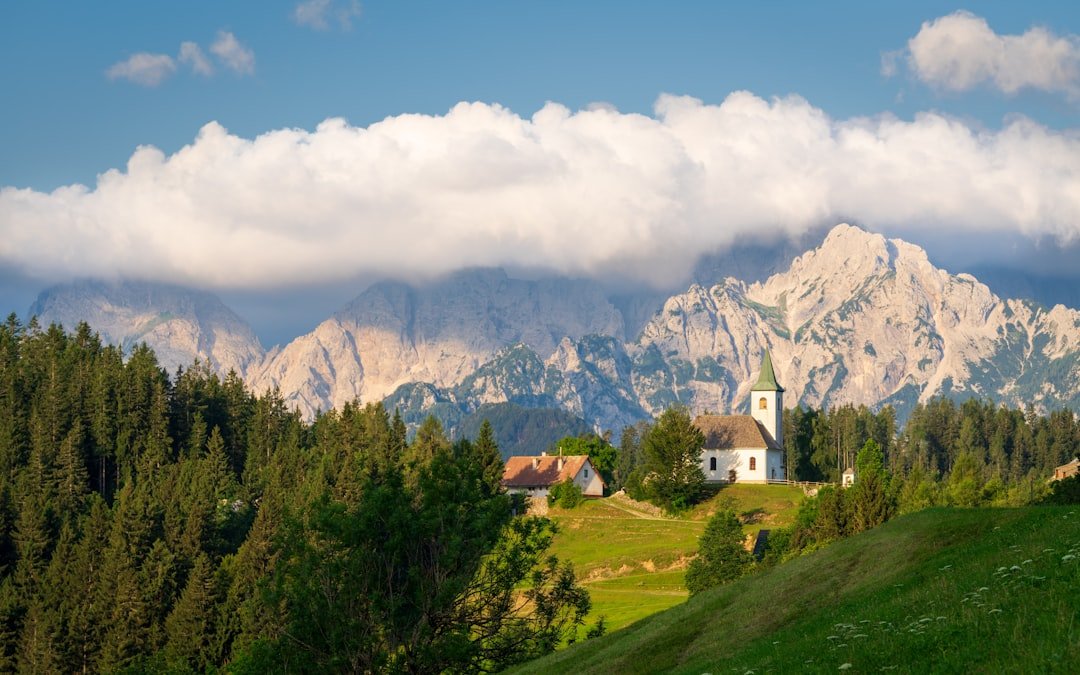
- Jamnik: Perched above the Poljane Valley, Jamnik’s small church of St. Primož provides one of Slovenia’s classic photo compositions: the tiny church set before the jagged Julian Alps and often framing Lake Bled in the distance.
- Velika Planina: A high alpine plateau and pastoral settlement with traditional wooden herdsmen’s huts (pastirske hiše). Accessible by cable car from Kamnik, it’s a living mountain community with grazing cattle and shepherd cheese in summer.
- Kropa: A historic ironworking village in the foothills north of Ljubljana. Kropa’s smithing tradition is visible in its architecture and small museums—look for ornamental ironwork and the local forge culture.
- Robidišče: Slovenia’s westernmost village—tiny and remote, offering unspoiled views of the surrounding hills and a sense of true rural seclusion.
Local Experiences
Hidden villages in Slovenia shine through everyday experiences. These activities bring you close to local food, traditions and landscapes.
- Wine tasting in Brda: Use Šmartno as a base to visit boutique wineries. Sample Rebula and Merlot alongside local pršut (air-dried ham) and olives—many producers offer informal tastings by appointment.
- Shepherd life on Velika Planina: Spend a morning wandering between wooden huts, try plateau sheep’s cheese (trnič or sir) and, if available, join a short guided walk to learn about herding and sustainable alpine practices.
- Forge and craft workshops in Kropa: Seek out demonstrations of traditional blacksmithing and wrought-iron work. Local craftsmen sometimes give short introductions to their techniques—great for souvenir insight rather than mass-produced items.
- Sunrise and photography at Jamnik: Arrive before dawn to capture the church against a pink-tinged mountain backdrop. The slope is placid and quiet—ideal for contemplative walks and landscape shots.
- Cave and castle exploration in Predjama: Combine a castle visit with the nearby Postojna Cave complex or shorter guided cave walks. The juxtaposition of karst geology and medieval architecture is especially vivid here.
- Local markets and seasonal fairs: In smaller towns near these villages you’ll find monthly or seasonal markets that focus on local produce—cheeses, cured meats, honey and homemade preserves. Brda’s harvest events (martinovanje) in autumn celebrate the new wine season.
- Hiking and viewpoint trails: Most of these villages are starting points for short hikes or scenic drives. Trails around Štanjel and Predjama traverse karst features, while routes from Velika Planina and Jamnik access Alpine ridgelines.
Best Time to Visit
Timing your visit depends on the experiences you prioritize. Each season highlights different strengths of Slovenia’s rural settlements.
- Late spring (May–June): Wildflowers on Velika Planina and mild temperatures make this an excellent shoulder season. Trails are green and fewer tourists visit the smaller villages.
- Summer (July–August): Warm weather is perfect for high-altitude pastures and outdoor dining in Brda, but expect more visitors at accessible sites like Predjama and Velika Planina’s cable car.
- Early autumn (September–October): Harvest time in Brda is prime for wine lovers; cooler days and golden light make village lanes and vineyards especially attractive. Crowds thin after the main summer months.
- Winter (December–February): If you want solitude, winter brings stark beauty. Velika Planina becomes a snowy plateau (weather permitting) and many small village attractions are peaceful—but check access, as some mountain roads close seasonally.
Overall, May–June and September offer the best balance of weather, light for photography and reduced crowds.
Essential Travel Tips
Visiting Slovenia’s hidden villages is straightforward with a little preparation. These practical tips will help you move between tiny lanes and mountain roads efficiently and respectfully.
- Transportation: Renting a car is the most flexible option—many villages are served by limited public transport. If you prefer public transit, combine regional trains with local buses, and check schedules in advance since weekend and seasonal frequency can be low.
- Navigation: Narrow, historic streets may be one-way; park in designated areas and be prepared for short walks. Offline maps or a local SIM card will help in spots with weak coverage.
- Money: Slovenia uses the euro. Small vendors and rural taverns may accept only cash—carry some notes and coins for market stalls and small purchases.
- Safety and health: Slovenia is generally very safe. For hiking, bring appropriate footwear, water and basic first-aid supplies. Trail conditions can change quickly in mountain areas.
- Packing: Layered clothing is essential—mountain mornings can be chilly even in summer. Bring a light rain jacket, sturdy shoes for uneven village lanes and a reusable water bottle.
- Local etiquette: Greet shopkeepers and locals with a simple “Dober dan” (good day) if you wish—people appreciate the effort. Respect private property, especially in small hamlets where public paths often pass near homes and working farms.
- Language: Slovene is the official language, but English is widely spoken in tourist areas. In very small villages, older residents may speak limited English; a few Slovene phrases go a long way.
- Booking and timing: For popular experiences (winery tours, guided cave visits, or artisan workshops), book ahead during peak months. For solitude, aim for early mornings or weekdays.
Frequently Asked Questions
Are these villages easy to visit without a car?
Some are reachable by regional buses and occasional local shuttles, but many hidden villages are most easily accessed by car. If you rely on public transport, plan itineraries around bus timetables and consider combining a few villages per day that lie along one route.
Is English widely spoken in these rural areas?
In tourist-oriented villages and younger locals, English is common. In more remote settlements you may encounter limited English among older residents—learning a few Slovene phrases or carrying a phrasebook helps.
Can I visit Predjama Castle and Postojna Cave in one day?
Yes. Predjama Castle and Postojna Cave are close to each other and can be combined into a full-day trip. Start early to avoid peak crowds, and book cave tickets in advance during high season.
Are there accommodations inside these villages?
Some villages offer guesthouses, farm stays (turistična kmetija) or small boutique hotels, especially in Brda and near Velika Planina’s base. For very small settlements like Robidišče, plan to stay in a nearby town and make day visits.
What cultural customs should visitors observe in small Slovenian villages?
Keep noise low in residential areas, show respect at religious sites (dress modestly when entering churches), and ask before photographing people or private property. If invited into a home, removing shoes is appreciated in many places.
Conclusion
Slovenia’s hidden villages reward curiosity with compact slices of landscape, history and living tradition. From the cliff-hugging Predjama Castle and the stone alleys of Štanjel to the pastoral calm of Velika Planina and the wine terraces of Šmartno, each place reveals a different facet of Slovenian life. Slow travel and simple local experiences—tasting wines at a family cellar, watching shepherds on a high plateau, or learning about smithing in a mountain forge—are what make these villages memorable. Plan for flexible transport, favor shoulder seasons to avoid crowds, and let time slow down: the best discoveries here often happen while lingering on a quiet street or watching the light change over a vineyard.
Inspired? Start planning your trip.
Move from inspiration to planning with BookingTabs — explore hotels, tours and travel options in one place.
Join the conversation
Ask a question, share a travel tip, or help another traveler plan with confidence.
Leave a comment
No account or email required.