
Thailand Travel Guide: Beaches, Temples and Island Escapes for First-Time Visitors
Thailand is a compact country of contrasts: neon-lit city life, centuries-old temples, street-food alleys and some of the world’s most photographed beaches. Whether you’re chasing sunrise over gilded stupas in Bangkok, trekking misty hills in the north, or island-hopping across crystalline waters in the south, Thailand delivers experiences that are vivid and varied. This guide focuses on the essentials—iconic attractions, authentic local experiences, the best months to visit, and practical travel advice—so you can plan an itinerary that balances culture, cuisine and relaxation. Expect actionable tips for transport, money and etiquette, plus answers to common traveler questions to make your trip smoother and more rewarding.
Must-See Attractions
Thailand’s highlights span temple complexes, historical parks and coastal gems. In Bangkok, the Grand Palace and Wat Phra Kaew house the Emerald Buddha and ornate architecture; nearby Wat Pho is famous for its reclining Buddha and traditional massage school, while Wat Arun’s riverside prang glows at sunset. A short drive north, the ancient capital of Ayutthaya reveals evocative ruins and riverside temples that trace the kingdom’s history.
Chiang Mai in the north is a cultural hub: visit Wat Phra That Doi Suthep for panoramic views and the old city’s temples for a quieter, contemplative atmosphere. For history buffs, Sukhothai Historical Park showcases early Thai art and architecture amid lotus ponds.
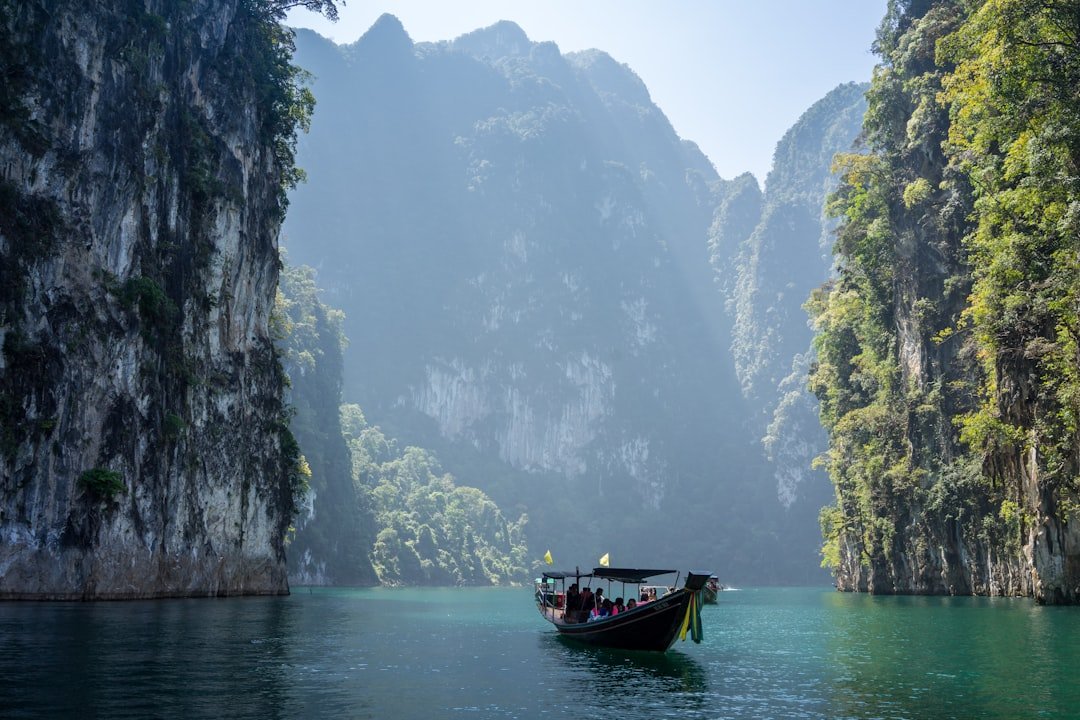
The southern coastline and islands are a separate draw. Phuket is a jumping-off point with beaches and nightlife. Krabi’s Railay Beach and the limestone karsts are world-renowned for climbing and kayaking. The Phi Phi Islands offer dramatic cliffs and clear bays; Koh Lanta is calmer and family-friendly. In the Gulf of Thailand, Koh Samui blends palm-fringed beaches with wellness retreats, while Koh Phangan is best known for its full-moon parties and quieter bays. For diving, Koh Tao and the Similan Islands provide excellent visibility and marine life.
Local Experiences
Food is central to experiencing Thailand. Street food stalls and markets are where dishes like pad Thai, som tum (green papaya salad), khao soi (northern coconut curry noodle) and boat noodles reveal regional variation. Bangkok’s Chinatown (Yaowarat) and the street-food alleys of Chiang Mai are unmissable for a culinary crawl. Night markets—from Chiang Mai’s Sunday Walking Street to Phuket’s Chillva Market—blend food, crafts and live music.
Early-morning floating markets such as Damnoen Saduak and Amphawa offer a colorful glimpse into river-based commerce—go early to avoid crowds. For a quieter, local feel, explore provincial wet markets where vendors sell fresh produce and prepared meals.
Outdoor and neighborhood experiences are diverse: cycle among rice paddies around Chiang Mai and Sukhothai, hike to viewpoints like Doi Inthanon for cloud forests, or rent a kayak to explore Krabi’s limestone caves and mangroves. Attend cultural festivals if timing aligns—Songkran (mid-April) for water-throwing celebrations and Loy Krathong (November) for floating lanterns and river ceremonies are particularly memorable.
Best Time to Visit
Thailand’s climate is tropical with three general seasons: hot, rainy and cool. The cool season (November to early March) is the most popular for travelers—temperatures are moderate and humidity lower, making it ideal for sightseeing and beach time. December and January are peak months with higher prices and larger crowds, especially in Phuket, Krabi and Chiang Mai.
The hot season (March to May) brings high temperatures across the country and is best for early starts and beach retreats; Songkran in April is both a highlight and a crowd magnet. The monsoon season varies: the Andaman coast (Phuket, Krabi, Phi Phi) sees heavy rains from May to October, while the Gulf islands (Koh Samui, Koh Tao) typically get wetter from October to December. If diving is a priority, check local seasons—Similan Islands are open and best from October to May.
Essential Travel Tips
Transportation: Domestic travel is efficient—short flights connect major hubs (Bangkok, Chiang Mai, Phuket, Krabi, Koh Samui). Trains are scenic for overnight journeys to/from Chiang Mai. In cities use BTS/MRT in Bangkok for speed; tuk-tuks and motorcycle taxis are useful for short trips but agree prices in advance or insist the meter is used. For islands, ferries and speedboats link popular destinations; book transfers through reputable operators.
Money: The currency is the Thai baht (THB). Cash is king for markets, food stalls and small hotels; ATMs are widespread but may charge fees. Many restaurants and larger hotels accept credit cards. Notify your bank before traveling and carry a small emergency cash reserve.
Safety: Thailand is generally safe for tourists, but common-sense precautions matter—watch belongings in crowded places, avoid unlicensed taxis, and be cautious with alcohol around cliffs or on boats. Marine safety is important: check weather conditions before boat trips and use life jackets.
Packing: Pack light, breathable clothing, a rain jacket for sudden showers, comfortable walking shoes, reef-safe sunscreen, and a sarong or scarf for temple visits. Include insect repellent for rural and jungle areas.
Etiquette: Respect Buddhist customs—dress modestly at temples (shoulders and knees covered), remove shoes before entering prayer halls, and don’t touch monks (especially women). Use the wai (slight bow with palms together) as a polite greeting if comfortable. Avoid pointing your feet at people or sacred images and be mindful when photographing locals—ask permission.
Frequently Asked Questions
Do I need a visa to visit Thailand?
Visa requirements depend on your nationality and length of stay. Many countries receive visa-free entry for short visits (often 30 days by air), while longer stays or specific purposes require visas. Check the Thai embassy or consulate website for current rules before you travel.
Is tap water safe to drink?
Tap water in Thailand is generally not recommended for drinking. Stick to bottled or filtered water for drinking and brushing teeth, and be cautious with ice at street stalls—choose busy vendors who use commercial ice sources.
What is the best way to get between islands?
Ferries and speedboats are the typical options; schedules vary by season and operator. Book tickets through reputable companies or your accommodation, and allow extra travel time for delays. For longer distances, consider short domestic flights to island hubs like Phuket or Koh Samui and a ferry onward.
Are scams common, and how can I avoid them?
Minor scams exist in tourist areas—watch for tuk-tuk drivers offering full-day tours that lead you to specific shops, or overly friendly strangers offering unsolicited help. Use licensed transport, confirm prices ahead of time, and research big purchases.
Can I drink alcohol and smoke publicly?
Alcohol is widely available, but sales are restricted during some national holidays and near temples. Smoking is banned in many public indoor spaces and beaches; look for signs and designated areas. Fines apply for violations in some places.
Conclusion
Thailand’s blend of warm hospitality, dramatic landscapes and rich cultural heritage makes it easy to craft a trip that suits your style—whether you prioritize temples and markets, jungle trekking, or island relaxation. By timing your visit according to regional weather patterns and following local etiquette, you’ll get more from each encounter. Use public transport and domestic flights to cover ground efficiently, savor street food responsibly, and balance popular sights with quieter neighborhoods and markets to experience the country’s layered charms. With a little planning and an open mind, Thailand rewards travelers with unforgettable moments and a desire to return.
Inspired? Start planning your trip.
Move from inspiration to planning with BookingTabs — explore hotels, tours and travel options in one place.




Join the conversation
Ask a question, share a travel tip, or help another traveler plan with confidence.
Leave a comment
No account or email required.