
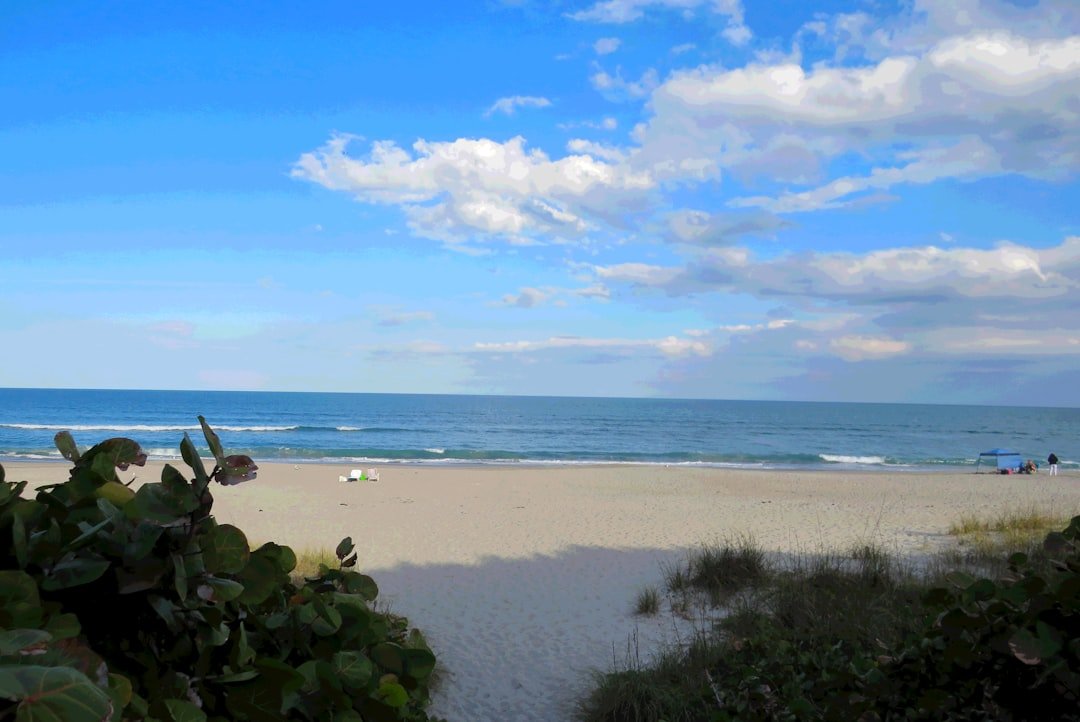
Florida Coastal Highlights: A Guide to the Sunshine State’s Best Beaches
Florida’s coastline stretches for more than a thousand miles, offering a startling variety of beach experiences—from powdery white sand and gentle Gulf waves to lively Atlantic surf and laid-back island retreats. Whether you crave people-watching and nightlife, serene barrier islands, or family-friendly stretches with shallow water, Florida delivers. This guide highlights the state’s most notable beaches and coastal towns, practical advice for getting the most out of your visit, and authentic local experiences—food, markets, viewpoints and outdoor activities—to help you plan a trip that matches your rhythm, not just a postcard photo.
Must-See Attractions
Florida’s beaches vary widely in character. In South Florida, South Beach (Miami Beach) blends iconic Art Deco architecture with a lively oceanfront scene, while nearby Fort Lauderdale offers a more relaxed yacht-lined waterfront and broad sandy strands. On the Gulf Coast, Clearwater Beach is famous for wide sands and family amenities, and nearby St. Pete Beach and Madeira Beach showcase impressive sunsets and friendly beach towns. Siesta Key on Sarasota Bay is repeatedly praised for its powdery quartz sand and calm swimming.
Further west and north, Destin and the Emerald Coast in the Florida Panhandle boast some of the region’s clearest, emerald-green water and are popular for offshore fishing and watersports. Panama City Beach combines long beaches with a vibrant tourist infrastructure. On the Atlantic side, Daytona Beach retains a unique driving-on-the-sand tradition and a strong motorsports connection, while Cocoa Beach is a classic surf town and the nearest popular beach to Kennedy Space Center.
For island escapes, Key West and the Lower Keys offer quirky charm, Caribbean-style sunsets at Mallory Square, and southernmost vibes; the Keys also provide excellent snorkeling and diving opportunities. On the southwest Gulf, Sanibel and Captiva Islands are celebrated for shelling and quiet natural landscapes, while Naples offers upscale dining, pristine beaches and calm seas for families. Historic St. Augustine’s nearby Anastasia State Park combines soft sand with a scenic shoreline and views of the Vilano and Matanzas inlets, plus the city’s colonial-era streets are a short drive away.
Local Experiences
Florida’s coastal towns are as much about local flavor as they are about sand. Food is central: try fresh ceviche and Cuban sandwiches in Miami’s neighborhoods; sample stone crab claws in South Florida during season (October–May); savor grouper sandwiches and shrimp platters across the Gulf Coast; and don’t miss conch fritters and Key lime pie in the Florida Keys.
Markets and neighborhoods reveal everyday life. St. Petersburg’s Saturday Morning Market is a lively spot for local produce, crafts and street food. Naples’ Third Street South and 5th Avenue South are walkable hubs with boutique shops and alfresco dining. On Sanibel Island, the Bailey-Matthews National Shell Museum complements morning shelling along the shore.
Viewpoints and waterfront promenades give memorable perspectives: the Clearwater Beach Pier 60 area hosts daily sunset celebrations; the St. Augustine Lighthouse offers dramatic coastal views after a climb; and the Miami Beach Boardwalk runs along the Atlantic for great people-watching and sunrise walks.
Outdoor activities range from snorkeling and diving on the Keys’ coral reefs and John Pennekamp Coral Reef State Park (Key Largo) to kayaking and paddleboarding through mangroves in the Everglades’ coastal fringe. Fishing charters depart from Destin and Fort Myers for inshore and offshore trips. For birding, the coastal preserves of the Gulf Coast and Big Talbot Island on the Atlantic side are quiet spots to observe shorebirds and migratory species.
Best Time to Visit
Florida’s climate is warm for much of the year, but choosing when to visit depends on your priorities.
- Winter (December–February): Mild temperatures and low humidity make winter ideal for avoiding summer heat. Crowds increase around holidays and in popular winter-resort towns, but this season is excellent for outdoor activities and festivals.
- Spring (March–May): Spring combines warm days, manageable humidity and lively spring-break tourism in some hotspots. March can be busy, especially in Miami and the Panhandle; April and May are often sweet spots for good weather and fewer crowds.
- Summer (June–August): Hot, humid and storm-prone—summer is high season for families and beachgoers. Expect daily afternoon thunderstorms and higher prices in tourist centers. The Atlantic hurricane season begins in June, so plan accordingly.
- Fall (September–November): Early fall can be hot and humid with hurricane risk; by October and November, humidity drops and crowds thin. Fall is a good time for deals and quieter beaches.
For best overall conditions—comfortable weather and manageable crowds—late February through May and late October through early December are strong choices. If you want specific wildlife events, plan around seasonal migrations: for example, sea turtle nesting occurs on many Gulf and Atlantic beaches from late spring through summer.
Essential Travel Tips
Practical preparation enhances any Florida beach trip.
- Transportation: Renting a car is often the most convenient way to explore multiple beaches, especially in the Panhandle and Southwest Gulf. Major cities have rideshare services; some beach towns like Key West and Sanibel are compact and walkable or bike-friendly.
- Money: Credit cards are widely accepted; small cash can be handy for parking meters, local markets and tips. Expect higher prices in peak season, particularly in tourist hubs.
- Safety: Swim near lifeguard-patrolled areas when possible and heed posted flags indicating surf and rip current conditions. Be mindful of local wildlife—jellyfish, stingrays and occasional sharks—and use the “stingray shuffle” when wading in shallow Gulf waters.
- Packing: Bring reef-safe sunscreen, a wide-brim hat, sunglasses and a reusable water bottle. For shelling or reef exploration, water shoes are useful. If visiting during hurricane season (June–November), have travel insurance and flexible plans.
- Local etiquette: Respect posted signs in protected areas and dunes—staying off vegetation helps preserve fragile ecosystems. Tip service workers generously during peak season, and be mindful of noise ordinances and local ordinances in residential beach towns.
Frequently Asked Questions
What are Florida’s best beaches for families with young children?
Beaches with shallow, calm water and lifeguard coverage are ideal. Siesta Key, Clearwater Beach, Naples, and many stretches of the Gulf Coast provide gentle waves, soft sand and family-friendly amenities.
Where can I find the clearest water in Florida?
The Gulf Coast of the Florida Panhandle—Destin and surrounding Emerald Coast beaches—often feature exceptionally clear, green-hued water. The Florida Keys and some parts of the Gulf near Sanibel and Captiva also offer clear snorkeling sites.
Are Florida beaches free to visit?
Many public beaches in Florida are free, but some municipalities charge for beach parking or access at popular areas. State parks and preserves may also charge an entrance or parking fee.
When is sea turtle nesting season and can I see turtles?
Sea turtle nesting typically runs from late spring into summer, with hatchlings emerging through late summer. Many beach towns have protected nesting areas with posted restrictions after dark; guided turtle-watching programs are offered in some communities during nesting season.
Can I drive on the beach in Florida?
Driving on the beach is allowed in a few places, such as certain stretches of Daytona Beach and some barrier islands that permit vehicles, but rules vary widely. Check local regulations and use caution—driving on sand can be hazardous and is often restricted to permit holders.
Conclusion
Florida’s beaches offer a spectrum of coastal experiences: high-energy city shores with nightlife and design flair, tranquil barrier islands rich in wildlife and shelling, and emerald waters favored by swimmers and anglers alike. By matching your priorities—whether surfing, snorkeling, shell hunting, family time or culinary discovery—with the right stretch of sand and time of year, you can shape a memorable coastal getaway. Pack for sun and sudden showers, respect local conservation efforts, and let the state’s variety guide your plans; every shoreline has its own rhythm, waiting to be discovered.
Inspired? Start planning your trip.
Move from inspiration to planning with BookingTabs — explore hotels, tours and travel options in one place.





Join the conversation
Ask a question, share a travel tip, or help another traveler plan with confidence.
Leave a comment
No account or email required.