Mirror Waters and Mountain Rims: Touring Austria’s Most Stunning Alpine Lakes
Austria’s alpine lakes are the country’s quiet masterpieces: glassy basins that mirror jagged peaks, villages that seem painted into the shoreline, and trails that rise into panoramas you remember long after you return home. From the UNESCO-listed village of Hallstatt beside the Hallstätter See to the wind-carved waves of Achensee, each lake offers a distinct combination of water-based recreation, cultural heritage and mountain drama. Whether you want serene paddling beneath snow-capped ridges, historic market towns, or family-friendly beaches and hiking, Austria’s lakes deliver. This article guides you through the must-see lakes, local experiences that bring them to life, practical timing and travel tips so you can move beyond postcards and really explore the mirror waters and mountain rims that define Austrian alpine travel.
Must-See Attractions
These lakes are among Austria’s most photographed and visited—each with a character shaped by geology, settlement and activity.
-
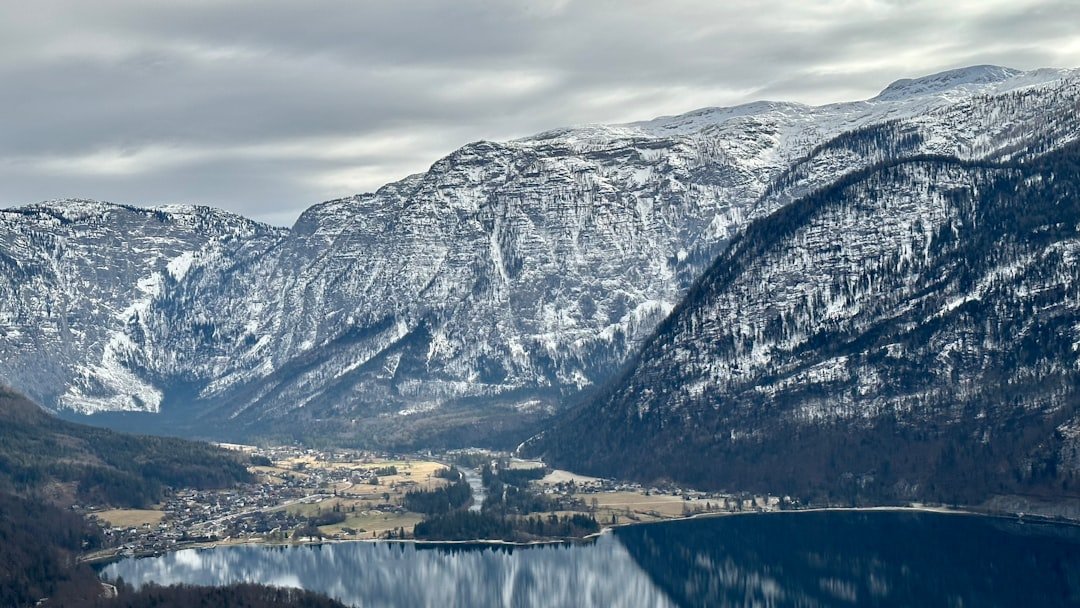
Hallstätter See (Hallstatt): The village of Hallstatt perches on steep terraces between lake and mountain in the Salzkammergut. The Hallstatt-Dachstein/Salzkammergut Cultural Landscape is a UNESCO World Heritage Site. Walk the lakeside promenade, visit the 16th-century Protestant church, and take the funicular up to the salt mine and the Dachstein Ice Cave viewpoint for sweeping scenery.
-
Wolfgangsee: Framed by Schafberg and the Salzkammergut ridge, Wolfgangsee is a hub for boating and alpine railways. The Schafbergbahn cog railway climbs to panoramic views over multiple lakes; St. Wolfgang’s white church and lakeside promenades are ideal for relaxed sightseeing.
-
Achensee: Often called the “Tyrolean Sea,” Achensee is Tyrol’s largest lake. Its long, fjord-like basin and clear water attract sailing, windsurfing and sup. The shoreline villages of Pertisau and Achenkirch make convenient bases for hiking and mountain biking into the Rofan and Karwendel Alps.
-
Attersee: The largest lake entirely in Austria, Attersee is famed for crystalline water and a history as an artists’ retreat—Gustav Klimt painted here. It’s popular for sailing, swimming and lakeside cycling, with picturesque villages like Steinbach and Unterach.
-
Traunsee & Gmunden: Traunsee’s steep eastern wall is dominated by the Traunstein peak. The town of Gmunden at the northern tip features Schloss Ort, a small island castle connected by a wooden bridge, and ceramic traditions visible in local shops and the lakeside promenade.
-
Zeller See (Zell am See): Set beneath the Hohe Tauern range and near the Kitzsteinhorn glacier, Lake Zell provides easy access to alpine skiing and summer hiking. The lakeside town’s compact old quarter and waterfront make it a popular all-season destination.
-
Weißensee (Carinthia): A quieter, conservation-minded lake in Carinthia, Weißensee is prized for its water quality and protected shorelines. In winter, the lake becomes one of Europe’s longest natural ice rinks when conditions permit—a traditional draw for long-distance skating.
-
Plansee (Tyrol): Near Reutte and the Fern Pass, Plansee is a mountain mirror with clear, cold water set against dramatic rock faces. It’s a favorite for paddling, diving and alpine photography, often less crowded than the more famous Salzkammergut lakes.
Best Time to Visit
Choosing when to visit depends on whether you want swimming and boating, hiking, or winter sports.
-
Summer (June–August): Warmest months with swimming, boating, festivals and full service for tourism. Expect the highest crowds in Hallstatt and popular lakesides on weekends. Water temperatures are pleasant in July–August, though alpine lakes remain cooler than lowland lakes.
-
Shoulder seasons (May–early June, September–October): Fewer crowds, crisp mornings and vivid autumn colors in September. Good months for hiking, cycling and photography; some lakeside boat schedules are reduced.
-
Winter (December–March): Ideal for winter sports around Zell am See and for experiencing frozen lakes like Weißensee when natural ice forms. Many lakeside summer attractions are closed; mountain railways and ski lifts dominate activity.
-
Weather and crowds: Weather can change quickly in alpine valleys—warm, calm mornings can give way to afternoon storms. Peak crowd pressure hits July and August, and the immediate vicinity of Hallstatt and the Schafberg gain the most visitors.
Essential Travel Tips
Practical advice to make your trip smooth and enjoyable.
-
Getting around: Austria’s ÖBB trains and regional buses connect many lake towns; some lakes like Wolfgangsee and Hallstätter See have timed boat links. Rent a car for flexibility, especially if you plan to hop between lakes across regions (Salzkammergut, Tyrol, Carinthia).
-
Money and costs: Austria uses the euro. Small villages may have limited card acceptance—carry some cash for markets, small cafés and boat tickets. Tipping is customary: round up or add 5–10% in restaurants if service is good.
-
Safety: Temperatures in alpine lakes are lower than expected; always assess water temperature and local conditions before swimming. Mountain weather can turn quickly—check local forecasts and inform someone of your route if hiking. Use marked trails.
-
Packing: Layered clothing for variable alpine conditions, waterproof outerwear, sturdy shoes for rocky paths, sun protection and a refillable water bottle. For paddle sports bring water shoes or sandals and a quick-dry towel.
-
Local etiquette: Austrians value punctuality and quiet in residential areas. Observe any “Badezone” or protected area signs—some shorelines are ecologically sensitive. Respect private property near lakeside houses and docks.
-
Connectivity: Mobile coverage is generally good in towns but can be patchy in high valleys and remote trails. Download trail maps or schedules if you’ll rely on them away from towns.
Frequently Asked Questions
Which lake is best for swimming?
Attersee and Achensee have some of the warmest and clearest waters for swimming in summer, while Zeller See is also popular. Water temperatures remain cooler than lowland lakes, so expect refreshing swims.
Can I visit Hallstatt in a single day from Salzburg?
Yes—Hallstatt is a common day trip from Salzburg by car or train-plus-ferry, but a day trip can feel rushed. Staying overnight lets you enjoy the village in quieter early-morning and evening hours.
Are Austrian alpine lakes family-friendly?
Many lakes are family-friendly with shallow bathing zones, playgrounds and rental options for boats. Check local beaches for lifeguards and amenities; Achensee and Zeller See have good family infrastructure.
Do I need special permits for boating or fishing?
Boating rentals are widely available without special permits for recreational use. Fishing typically requires a local fishing license and compliance with regulations—buy permits locally and inquire about catch rules.
Is English widely spoken around the lakes?
Yes—English is commonly spoken in tourism-focused towns and by service staff. Learning a few basic German phrases is appreciated and useful in smaller villages and markets.
Conclusion
Austria’s alpine lakes are a study in contrasts: placid mirrors that reflect towering rock, lively lakeside towns steeped in regional traditions, and rugged trails that open into sweeping panoramas. Whether your trip centers on sailing across Achensee, lingering in Hallstatt’s storied lanes, or hiking the ridgelines above Traunsee, these lakes offer layered experiences for photographers, families and outdoor enthusiasts alike. Prioritize the season that suits your activities, plan for changing mountain weather, and allow time to savor quieter moments on the water—those are the memories that stay with you long after the trip ends.