South Korea Travel Guide: Seoul, Coastal Highlights, and Cultural Immersion
South Korea blends hypermodern cities, rugged coastlines and centuries-old traditions into a compact, endlessly discoverable country. Start in Seoul, where palace gates, neon shopping districts and leafy hanok neighborhoods coexist within subway distance. Then follow the coastline south to Busan’s beaches, seafood markets and colorful villages, or cross to Jeju Island for volcanic landscapes and tranquil beaches. Along the way, engage with local life through markets, temple stays, bathhouses and seasonal festivals. This guide focuses on practical routes, unmissable sights and immersive experiences so you can move beyond the highlights to understand why Koreans are so proud of their cuisine, art and history.
Must-See Attractions
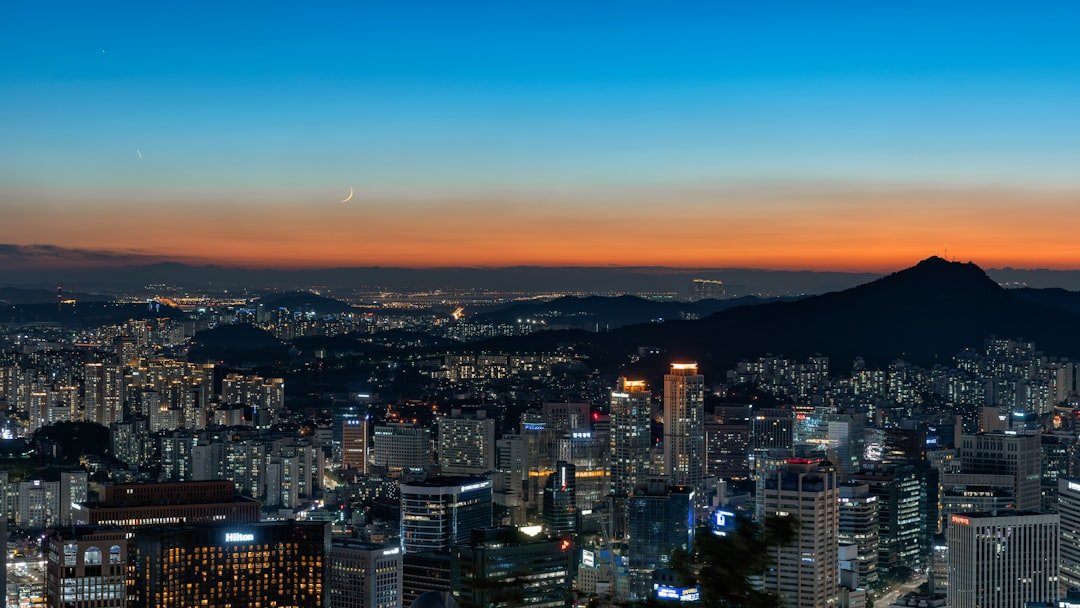
Seoul is the obvious starting point. At the city’s heart, Gyeongbokgung Palace showcases Joseon-era architecture and daily royal guard ceremonies; nearby the National Folk Museum explains Korea’s past with accessible exhibits. Stroll Bukchon Hanok Village for preserved traditional houses, then lose yourself in Insadong’s antique shops and teahouses. For contemporary culture, visit Hongdae for street performances, Myeongdong for shopping and street food, and Gangnam for slick high-rise energy. The N Seoul Tower on Namsan offers panoramic city views, especially at sunset.
South along the coast, Busan is the country’s maritime gateway. Haeundae Beach is ideal for sun and nightlife, while the Jagalchi Fish Market delivers an authentic seafood experience. Gamcheon Culture Village’s painted houses and alleys make for excellent photographs and slow wandering. Gyeongju, the ancient capital nearby, houses Bulguksa Temple and the Seokguram Grotto, both UNESCO World Heritage sites that tell Korea’s Buddhist heritage.
Jeju Island deserves time for its volcanic scenery: Hallasan National Park, lava tubes and coastal cliffs. On the southern and western coastline, smaller towns such as Tongyeong and Yeosu offer quieter harbors, island-hopping and seafood specialties. The eastern coast around Sokcho and Seoraksan National Park is an excellent option for mountain hiking with sea views.
Best Time to Visit
South Korea’s four seasons are distinct. Spring (late March to May) brings cherry blossoms, mild temperatures and lower humidity—ideal for city sightseeing and hikes. Autumn (mid-September to November) is widely considered the best time: crisp air, clear skies and vibrant foliage, especially in mountainous areas like Seoraksan and Hallasan.
Summer (June to August) is hot and humid, with a monsoon (jangma) typically in late June to July; beaches on Jeju and Busan are lively but expect higher prices and crowds. Winter (December to February) is cold and dry with snow in inland mountains; it’s excellent for winter sports in Gangwon Province and for fewer crowds in cities.
For a balance of good weather and manageable crowds, visit in April–May or late September–October. If beach time or island hiking is your priority, July–August will deliver the warmest sea temperatures, but plan around monsoon rain.
Essential Travel Tips
Transportation: South Korea’s public transport is efficient. Use the subway systems in Seoul and Busan for most city travel; buy a T-money card for seamless fare payment on buses, subways and many taxis. Intercity travel is fastest by KTX high-speed rail (Seoul–Busan ~2.5 hours). Ferries connect the mainland to Jeju and smaller islands; book in advance during peak season.
Money: South Korea uses the Korean won (KRW). Credit cards are widely accepted, but carry cash for small markets, rural areas and some taxis. ATMs are plentiful; look for international ATMs at convenience stores and post offices.
Safety: Korea is generally very safe for travelers. Petty theft is rare. Observe local rules—no drinking on some subway lines and respect quiet carriage rules. Emergency number is 112 for police and 119 for fire/medical assistance.
Packing: Bring layers—temperatures change by season and altitude. Comfortable walking shoes are essential for city streets and temple grounds. A compact umbrella is useful during the monsoon season; sunscreen and a hat are advised for beach days.
Local etiquette: Bow slightly when greeting older people and remove shoes when entering traditional homes and some restaurants. When dining, wait for the eldest to begin and use both hands when offering or receiving items like money or gifts. Learning a few Korean phrases—annyeonghaseyo (hello), gamsahamnida (thank you)—is always appreciated.
Frequently Asked Questions
Do I need a visa to visit South Korea?
Visa requirements depend on your nationality. Many countries enjoy visa-free entry for short stays; check the Republic of Korea Foreign Ministry website or your local embassy well before travel to confirm requirements and any electronic travel authorizations.
How do I get from Seoul to Busan?
The fastest way is the KTX high-speed train from Seoul Station to Busan Station (about 2.5–3 hours). Overnight buses and domestic flights are alternatives. Booking KTX tickets in advance secures preferred departure times.
Is English widely spoken?
English is commonly taught in schools and signage in major cities often includes English. In tourist areas and hotels, staff usually speak English, but knowledge of English can be limited in rural towns; use translation apps or carry key phrases.
What should I know about eating and dietary restrictions?
Korean cuisine features soy, garlic, seafood and chili. Vegetarians should note many dishes use fish-based broths or sauces—ask about ingredients, and carry a phrase card for dietary restrictions. Temple cuisine (sachal) offers vegetarian options focused on seasonal vegetables and grains.
Can I use my phone and internet easily?
Yes. Free Wi‑Fi is common in cafes, hotels and many public spaces. Buy a prepaid SIM card or pocket Wi‑Fi at the airport for continuous coverage; major carriers also offer tourist data plans for short stays.
Conclusion
South Korea rewards visitors who mix city exploration with coastal relaxation and cultural participation. From Seoul’s palaces and neighborhoods to Busan’s seafood markets, Jeju’s volcanic coast and temple stays that slow the pace, the country offers concentrated diversity in a small area. Plan for the season you prefer—blossoms, clear autumn skies or a bustling beach summer—and leave room for unplanned market detours, local meals and conversations that reveal everyday Korean life. With efficient transport, friendly service and clear seasonal character, South Korea is a destination that invites repeat visits and deeper discovery.