Portugal’s Most Charming Coastal Villages: A Seaside Road-Trip Itinerary
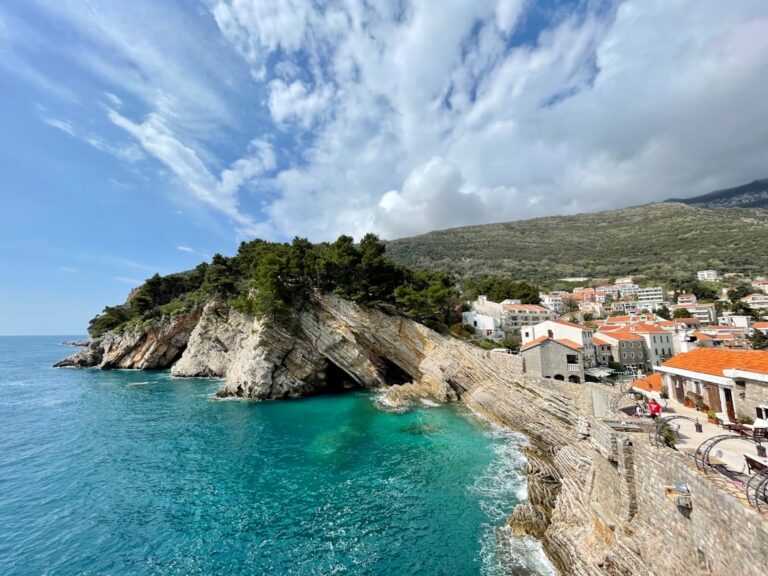
Portugal’s coastline condenses an astonishing variety of landscapes into a single, easily driven arc: limestone cliffs and Atlantic surf in the west, wide sandy plains and rice paddies in the south, and sheltered coves dotted with fishing boats. This guide threads together a practical road-trip route linking some of the country’s most charming coastal settlements—places where tile-fronted houses meet fishermen’s boats, surf towns hum with cafés, and tiny promenades open onto wide, wind-swept bays. Whether you have a long weekend or two weeks, the villages below offer concentrated encounters with Portuguese coastal life: local seafood, sunrise surf sessions, dramatic viewpoints and quieter moments in salt marshes and dunes. Read on for a compact itinerary, must-see sights, authentic experiences, weather guidance and practical tips to plan a memorable seaside journey.
Must-See Attractions
Each stop on this route has a handful of unmistakable highlights that capture its character.
- Cascais: The historic marina, Boca do Inferno cliff formation and the Museu Condes de Castro Guimarães for a dose of seaside aristocracy and well-maintained promenade walks.
- Ericeira: The old fishing quarter and the World Surfing Reserve coastline—praias like Ribeira d’Ilhas are iconic for surfers and spectators alike.
- Peniche & Baleal: Surf beaches around Baleal, the fortress (Forte de Peniche) that tells 20th-century history, and boat trips to the Berlenga Islands nature reserve (seasonal).
- Nazaré: The Sitio viewpoint on the clifftop above Praia do Norte where you can watch giant-wave sessions in winter, plus the long sandy bay lined with fishermen’s boats.
- Costa Nova / Aveiro: The striped moliceiro houses of Costa Nova and the canals of Aveiro, often called the ‘Venice of Portugal’, with colorful boats and salt-harvesting landscapes.
- Comporta: Dune-backed beaches and rice fields—low-key luxury and expansive sand, perfect for long walks and birdwatching in the Sado estuary area.
- Porto Covo & Zambujeira do Mar: Small fishing harbors and dramatic coastal trails along the Costa Vicentina Natural Park; natural rock pools and quiet coves.
- Vila Nova de Milfontes: The confluence of the Mira River and the Atlantic, with accessible beaches and scenic cliffside walks.
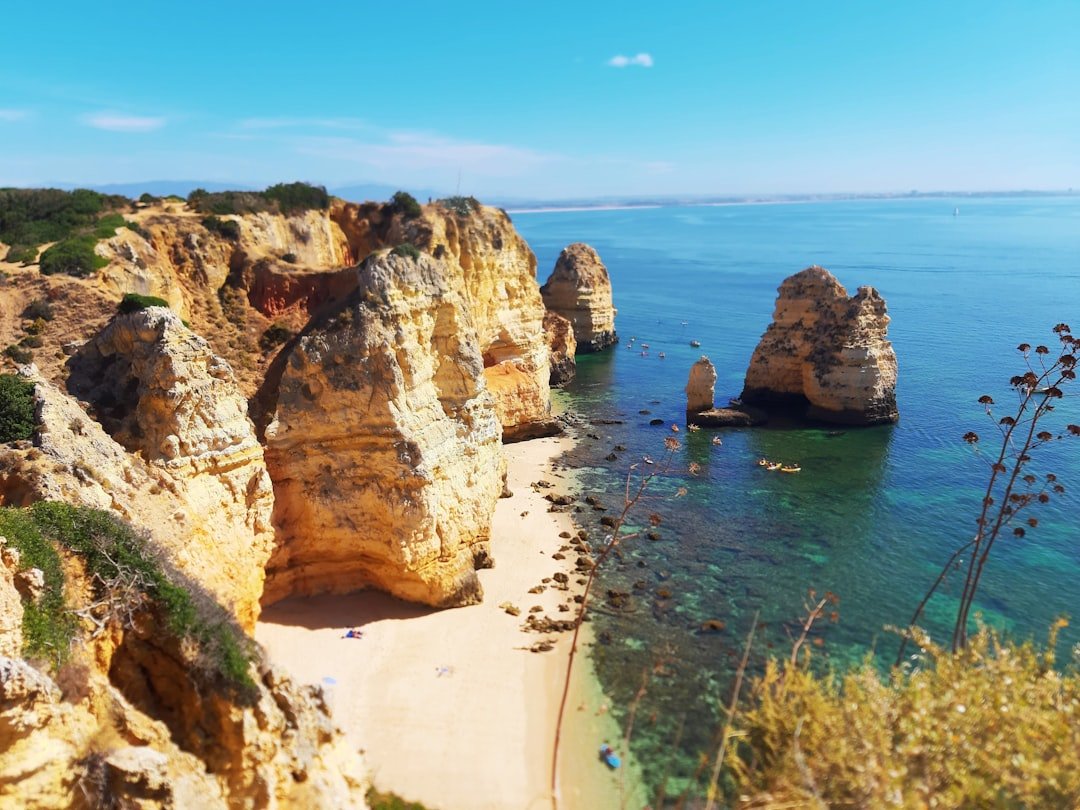
- Lagos & Sagres (Western Algarve): Historic old town of Lagos, Ponta da Piedade rock formations and the wide, wind-exposed headland of Sagres and Cape São Vicente for dramatic sunsets.
Best Time to Visit
Choosing when to travel depends on whether you prioritize weather, ocean conditions or crowd levels.
- Spring (April–June): One of the best windows: warming air, fewer crowds than summer, wildflowers on coastal cliffs and good conditions for walking and sightseeing. Sea water remains cool but tolerable for briefer swims later in May and June.
- Summer (July–August): Warm, sunny and at its busiest—expect packed beaches, full restaurants and higher prices. Ideal for swimming and late sunsets, but book accommodations well in advance.
- Autumn (September–October): Another excellent period: sea temperatures stay warm through September and early October, crowds thin, and surf can pick up. October retains pleasant weather for road trips and outdoor activities.
- Winter (November–March): Mild compared with northern Europe, but cooler, rainy and windy—best for dramatic coastal scenery, big-wave watching in Nazaré and off-season rates. Some ferry connections and island boat trips run less frequently in winter.
Essential Travel Tips
Practical advice to keep the road trip smooth, safe and enjoyable.
- Transportation: Rent a car for maximum flexibility—many charming villages are best reached by road. Portuguese highways (autoestradas) are well maintained; expect tolls (electronic and cashless on many routes). In Lisbon and Porto you can combine public transit with shorter rental legs.
- Navigation: Use a GPS app with offline maps for areas with patchy coverage. Narrow streets in older towns demand cautious driving; park in designated lots and walk town centers.
- Money: Euros only. Card payments are widespread, but carry small notes and coins for markets, parking meters and remote cafés.
- Safety: Portugal is generally safe—use common-sense precautions for valuables and beach gear. Be cautious of strong currents at Atlantic beaches; heed flag warnings and local advice.
- Packing: Layered clothing for coastal breezes, a windproof jacket for cliff walks, reef shoes for rocky coves, sunscreen and a hat. Bring a lightweight daypack and a plug adapter (Type C/E).
- Local etiquette: Greet with a simple “Bom dia” or “Boa tarde”; politeness goes a long way. Respect fishing gear on beaches, and avoid disturbing nesting birds in dune areas. Tipping is appreciated but modest—5–10% in restaurants is common if service is not included.
Frequently Asked Questions
How long should I allow for a coastal road trip in Portugal?
For a relaxed experience covering the highlights from central Portugal to the Algarve, plan 7–10 days. Shorter trips (3–5 days) can focus on a single stretch like Lisbon to Ericeira and Peniche or the western Algarve from Lagos to Sagres.
Are these coastal villages suitable for families with children?
Yes—many villages have calm, family-friendly beaches (such as São Martinho do Porto and parts of the Algarve). Check seasonal sea conditions and choose beaches with lifeguards for safer swimming.
Is driving along Portugal’s coast difficult for international visitors?
Not particularly. Roads are generally in good condition. Urban centers have narrow lanes and limited parking; allow extra time for summer traffic. Familiarize yourself with toll systems and local signage before you go.
Can I surf if I’ve never tried before?
Absolutely. Ericeira, Peniche and many Algarve beaches have surf schools offering lessons and board rental for beginners. Winter brings bigger swells—beginners should select sheltered beaches or book lessons with experienced instructors.
What local foods should I not miss on a coastal route?
Prioritize fresh grilled fish, percebes (gooseneck barnacles) if available, clams in rice, cataplana in the Alentejo/Algarve, and regional pastries like pasteis de nata and doces conventuais. Seafood is often best eaten where it’s landed—in small coastal marisqueiras and family restaurants.
Conclusion
A coastal road trip through Portugal is a study in contrasts: surf towns with a youthful pulse sit a short drive from peaceful estuaries and dune-backed beaches where the pace slows to the rhythm of tides. By weaving together stops like Cascais, Ericeira, Nazaré, Comporta and the rugged towns of the Alentejo and Algarve, you’ll encounter a range of experiences—excellent seafood, memorable viewpoints, and authentic local rhythms—that define Portugal’s maritime culture. Travel slowly, choose a few favorite villages and let the coastline shape your itinerary; the best discoveries often happen between scheduled stops, on quiet promenades, at market stalls and while watching another Atlantic sunset.