Discover South Korea: Seoul Essentials, Coastal Highlights and Cultural Immersion
South Korea mixes neon-city energy with centuries-old traditions and a coastline that ranges from rugged cliffs to soft-sand beaches. This guide focuses on three complementary strands: Seoul’s fast-paced urban core, coastal highlights that reveal a different tempo and character, and the cultural experiences that let you move beyond sightseeing to real understanding. Whether you have a week or a month, combine palaces, markets and museums with sea breezes, seafood and island hikes. Practical tips on transport, etiquette and seasonal timing ensure you spend time enjoying places rather than figuring out logistics. Read on for an approachable, insider perspective to plan an itinerary that balances iconic must-sees with authentic local life.
Must-See Attractions
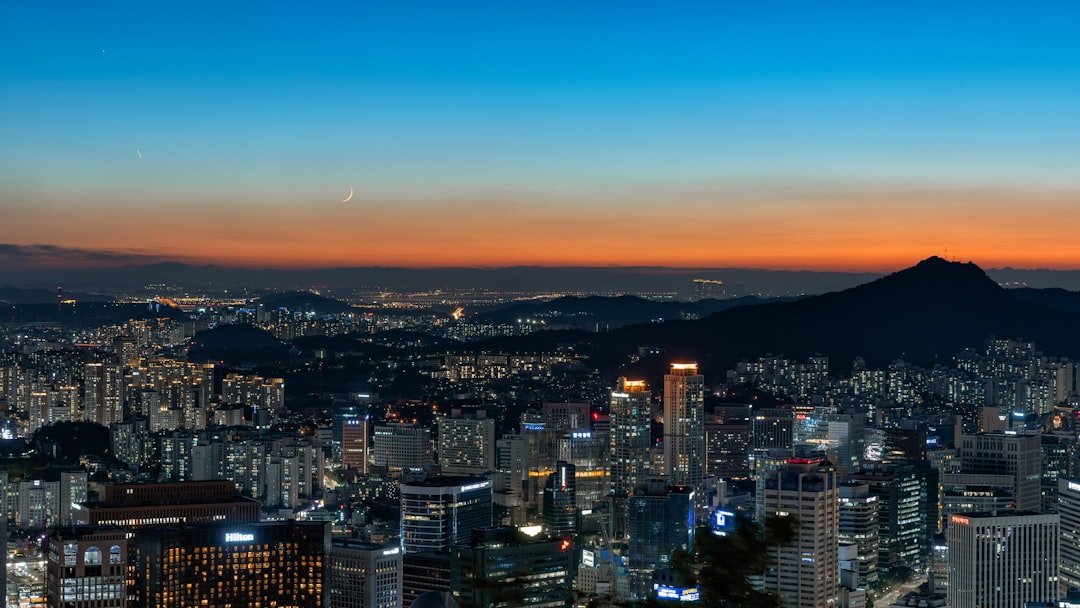
Start in Seoul, where historical landmarks sit amid glass towers. Visit Gyeongbokgung Palace to watch the changing of the guard and explore the National Folk Museum. Wander Bukchon Hanok Village and Insadong for traditional tea houses, crafts and antique shops. For sweeping city views, head to N Seoul Tower on Namsan or the observation deck at Lotte World Tower.
Seoul’s modern culture is on display in neighborhoods: Myeongdong for shopping and street food, Hongdae for indie music and nightlife, and Dongdaemun for late-night fashion markets. Museum options include the Leeum Samsung Museum of Art and the War Memorial of Korea for context on recent history.
On the coast, Busan is essential: Haeundae Beach and Gwangalli offer seaside promenades, while Jagalchi Fish Market delivers an unmistakable smell and fresh seafood experience. Stroll the colorful alleys of Gamcheon Culture Village. Jeju Island presents a different environment—Jeju Volcanic Island and Lava Tubes (a UNESCO site), Hallasan for crater hikes, and coastal drives past sea cliffs and waterfalls.
Other coastal highlights worth adding: the maritime town of Tongyeong, known for island-hopping and naval history; charming Yeosu with its night sea-light displays and romantic harbor; and Sokcho on the east coast as a gateway to Seoraksan National Park for dramatic mountain-and-sea scenery.
Best Time to Visit
South Korea’s climate has four distinct seasons, each offering different advantages. Spring (late March–May) is arguably the most popular—mild temperatures and cherry blossoms create picturesque cityscapes and countryside blooms. Expect higher tourist numbers during peak blossom weekends.
Summer (June–August) is hot and humid, with monsoon rains usually in late June–July. Beaches on the southern coast and Jeju are lively during August, but inland cities can be uncomfortably warm. Festivals and night markets are in full swing despite the humidity.
Autumn (September–November) is another excellent window: crisp skies, cooling temperatures and spectacular fall foliage from late October through November, especially in mountainous areas like Seoraksan and Hallasan. Crowds are moderate and visibility for coastal vistas is excellent.
Winter (December–February) brings cold, dry weather with snow in the north and mountains—ideal for skiing and winter seafood stews. Cities are quieter, and accommodation rates can be lower, but some island ferry services may reduce schedules in harsh weather.
Essential Travel Tips
- Transport: Seoul’s subway is efficient and extensive—buy a T-money card for buses, subways and convenience-store payments. Use the KTX high-speed trains to travel between major cities (Seoul–Busan ~2.5–3 hours). From Incheon Airport, use the AREX express train or airport buses to reach the city center.
- Money: Credit cards are widely accepted, but carry cash for small markets, some restaurants and island vendors. ATMs that accept foreign cards are common; look for ‘Global’ or ‘International’ signs.
- Safety: South Korea is generally very safe with low violent crime. Emergency numbers: 112 (police) and 119 (fire/ambulance). Exercise normal urban caution and keep valuables secure in crowded transport hubs.
- Packing: Bring layers for variable weather, comfortable walking shoes for uneven streets and hikes, and a universal adapter—South Korea uses 220V and Type C/F outlets commonly. If you plan overnight ferry or island travel, pack a light rain jacket and motion-sickness remedies if needed.
- Connectivity: Consider renting a pocket Wi‑Fi or buying a local SIM at the airport for maps and real-time transit apps. Naver Map and KakaoMap are more reliable than Google Maps for local navigation.
- Etiquette: Remove shoes when entering traditional homes or some guesthouses and restaurants. Use two hands when giving or receiving items to older people, and avoid loud phone conversations on public transport. When bowing, a slight inclined head shows respect; tipping is not customary.
- Language: English signage is common in major cities and transport hubs. Learn a few Korean phrases—hello (annyeonghaseyo), thank you (gamsahamnida) and please (juseyo)—which go a long way.
Frequently Asked Questions
Do I need a visa to visit South Korea?
Visa requirements depend on your nationality. Many countries have visa-free arrangements for short tourist stays, but check the current South Korean immigration website or your local consulate for up-to-date visa rules and length of stay permissions before booking.
How do I get from Seoul to Busan or Jeju?
The KTX high-speed train connects Seoul and Busan in about 2.5–3 hours. To reach Jeju Island, fly from domestic airports such as Gimpo (Seoul) or Gimhae (Busan); ferries are also available from southern ports but take much longer.
Is it easy to eat vegetarian or vegan in South Korea?
Vegetarian options exist but can require care—many Korean dishes use anchovy or meat-based broths. Temple food restaurants offer vegetarian Buddhist cuisine; otherwise, search for international vegetarian restaurants in cities or ask staff about ingredients using translation apps.
Can I use credit cards everywhere?
Credit cards are widely accepted in cities, hotels and larger restaurants, but small markets, street stalls and rural businesses may prefer cash. Carry some won for convenience and check ATM compatibility beforehand.
What cultural customs should I be aware of?
Respect for elders is central—offer seats on public transport and address older people politely. Remove shoes where requested, avoid pointing with chopsticks, and do not pour your own drink; pour for others and accept drinks with two hands as a sign of politeness.
Conclusion
South Korea rewards travelers who balance Seoul’s vibrant urban tapestry with quiet coastal towns, island landscapes and hands-on cultural experiences. From palace courtyards and bustling markets to seafood piers, mountain hikes and intimate tea houses, the country offers a variety of moods and discoveries. Plan around the seasons to match your priorities—blossoms in spring or foliage in autumn—and use local transport and food as gateways to everyday life. With a little preparation on etiquette, money and connectivity, you’ll move beyond typical photo stops to memorable, authentic encounters that shape a deeper appreciation of South Korea.