
See Niagara Falls Like a Local: Views, Attractions & Insider Tips
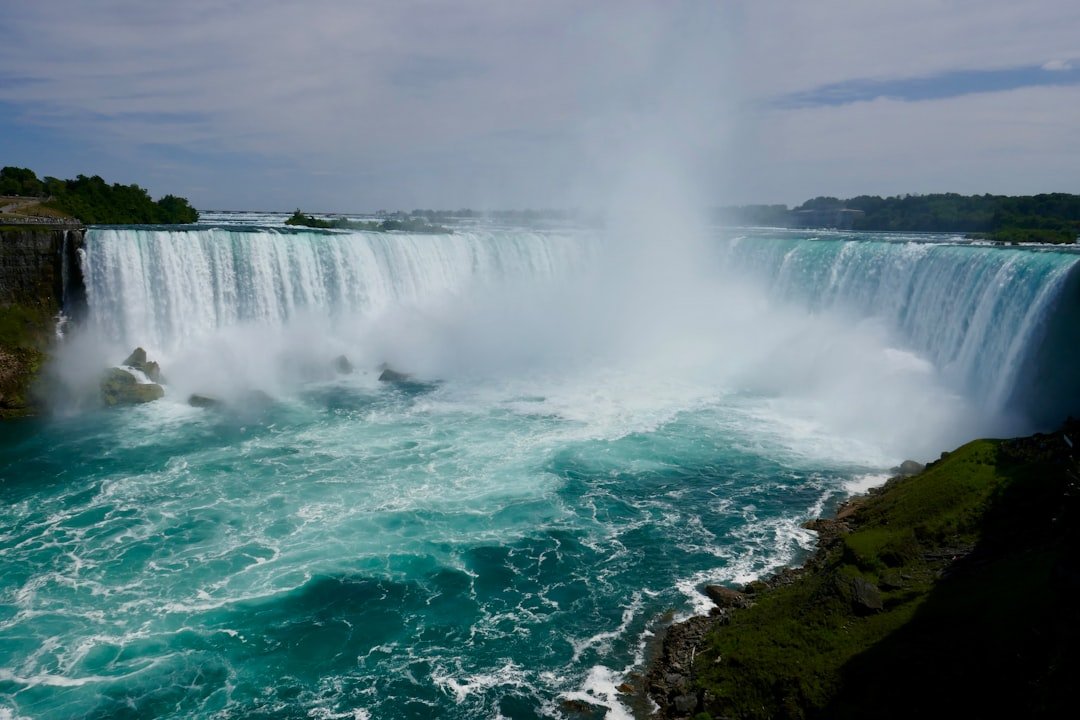
Niagara Falls is more than a postcard — it’s a living, thundering landscape straddling the Canada–U.S. border that offers dramatic vantage points, adrenaline-pumping tours and quieter local corners. Visitors arrive for the roar of the Horseshoe Falls but stay for the layered experiences: historic river towns, world-class wineries, illuminated evenings and riverside trails. This guide walks you through the essential attractions on both the Canadian and American sides, authentic neighborhood experiences, practical travel tips and when to go for the best balance of weather and crowds. Whether you’re planning a day trip from Toronto or a weekend exploring Niagara-on-the-Lake and the gorge, this article gives the on-the-ground insight to make the most of your visit.
Must-See Attractions
Narrative views, up-close mist and dramatic vantage points define the must-see list at Niagara Falls. Start at Table Rock Centre on the Canadian side for immediate, close-up panoramas of the Horseshoe Falls and access to interpretive displays. Walk the Niagara Parkway to see the falls from different angles and visit Queen Victoria Park for the classic, unobstructed view.
For a boat experience, Niagara City Cruises (formerly Maid of the Mist on the U.S. side) and Hornblower Cruises (Canada) take you into the curtain of spray at the base of the falls — expect to get wet and wear the provided poncho. If you prefer an underground or behind-the-water perspective, Journey Behind the Falls (Canada) offers tunnels and observation portals directly behind the Horseshoe Falls.
On the American side, Prospect Point and Goat Island deliver strong viewpoints of the American and Bridal Veil Falls. Cave of the Winds at the U.S. site provides wooden walkways that bring you within feet of Bridal Veil Falls, where a harness poncho and sandals are the uniform. For a higher elevation, Skylon Tower on the Canadian side and the Prospect Point Observation Tower in New York give panoramic vistas of the gorge and the skyline.
Other highlights include the Whirlpool Aero Car, which floats over swirling rapids of the Niagara Whirlpool, and the Niagara Gorge trail network — especially the Niagara Glen — for hikers who want rugged riverside trails. History and conservation-minded travelers should visit the Floral Clock, the Butterfly Conservatory and the Old Fort Erie area to connect with the broader region beyond the waterfall itself.
Local Experiences
Eating and drinking in the Niagara region blends Canadian and frontier flavors. On the Ontario side, sample locally crafted icewine and VQA wines on a tasting route through Niagara-on-the-Lake’s vineyards. Niagara-on-the-Lake itself is a compact, walkable town known for the Shaw Festival theatre and boutique shops; combine a matinee with a winery lunch for a day of cultured leisure.
Street-level food staples are part of the local fabric: try poutine, fresh fish and chips near the waterfront, and explore seasonal farmers’ markets in Niagara-on-the-Lake and nearby St. Catharines for local cheeses, preserves and baked goods. For a uniquely regional savory, look for spots offering smoked trout and locally sourced river fish.
For market and neighborhood life, stroll through Clifton Hill for lively entertainment, arcades and attractions that keep families entertained after dark. To escape the tourist pace, cycle or walk sections of the Niagara River Recreation Trail south toward Chippawa and Fort Erie or explore the Niagara Glen’s prehistoric rock formations and rapids viewpoints.
Seasonal festivals shape the local calendar: the Winter Festival of Lights runs on the Canadian side from late November through January with illuminated displays along the parkway; the Shaw Festival in spring and summer draws theatre-goers to Niagara-on-the-Lake. Outdoor activities include guided kayak trips on calmer sections upstream, helicopter tours for aerial perspectives, and golf at courses that frame views of the escarpment.
Best Time to Visit
Timing affects weather, visibility and crowds. Summer (June–August) is peak season: warm temperatures, full boat schedules and longer hours, but expect the highest crowds and busiest parking. If you want full tourist services and lively nightlife, summer is ideal.
Shoulder seasons — late spring (May–early June) and early fall (September–October) — are often the best compromise. Temperatures are mild, foliage in October adds color to the gorge and wineries are harvesting in the fall. Crowds thin compared with high summer and hotel rates are frequently lower.
Winter (December–February) is chilly and dramatic: the falls don’t freeze solid, but ice formations and steam create otherworldly scenes. The Winter Festival of Lights runs during this period, and hotel packages often drop in price, though some outdoor attractions and boat cruises are closed for safety. Late spring brings the strongest flows from snowmelt — great for photographers and for witnessing high water volumes.
For best weather and manageable crowds, aim for May or September. If you plan to take boat tours, check schedules in advance; these run seasonally and may be suspended during high winds or icy conditions.
Essential Travel Tips
- Crossing the border: Bring a valid passport and check current entry requirements for Canada and the U.S. Border wait times can be long in summer; consider arriving early or using NEXUS if you travel frequently.
- Transportation: The Canadian side is walkable between major viewpoints; the WEGO bus connects attractions and is included with some falls-view hotel packages. If arriving by rail, VIA Rail serves Niagara Falls, Ontario, and Amtrak serves Niagara Falls, New York. Driving gives flexibility but expect parking fees near Table Rock and Clifton Hill.
- Money: Ontario uses Canadian dollars; the U.S. uses dollars. Many places accept credit cards, but small vendors and markets may prefer local cash. Credit cards usually handle currency conversion but check foreign transaction fees.
- Safety: Stay behind railings and obey signage near powerful water edges. The mist makes surfaces slippery — sturdy, non-slip footwear is recommended. Supervise children closely at viewpoints and on boat decks.
- Packing: Waterproof layers and quick-dry clothing are essential if you plan to go on boat cruises or visit Cave of the Winds/Journey Behind the Falls. Bring a compact umbrella, a small towel, and a waterproof phone case for close-up photography. Insect repellent is useful in summer along wooded trails.
- Local etiquette: Tipping at restaurants (15–20% in North America) is customary. Keep noise respectful in residential neighborhoods like Niagara-on-the-Lake and be considerate at natural areas — pack out trash and stick to marked trails.
- Drones and permits: Drone use is restricted near the falls and over Parks Canada lands and U.S. federal areas; check local regulations and obtain necessary permits before flying.
- Tickets and reservations: Purchase timed-entry experiences (boat cruises, Journey Behind the Falls, Cave of the Winds, Shaw Festival) in advance during peak season to avoid sold-out times.
Frequently Asked Questions
Do I need to visit both the Canadian and American sides?
Each side offers unique views: Canada provides panoramic, skyline vistas of the Horseshoe Falls, while the U.S. side gives closer, dramatic perspectives of the American and Bridal Veil Falls and offers different attractions like Cave of the Winds. If time allows, visit both; crossing the Rainbow Bridge takes only minutes plus border processing time.
Are boat tours safe and worth doing?
Yes — boat tours like Hornblower Cruises (Canada) and the Maid of the Mist operation on the U.S. side operate under strict safety standards and are memorable ways to experience the falls’ power. Expect to get wet and follow crew instructions. Tours run seasonally and may close in poor weather.
What should I wear to see the falls?
Layered clothing and waterproof outerwear are wise. Even on warm days, mist can leave you damp; wear quick-drying fabrics and non-slip shoes. For Cave of the Winds, you’ll be provided with sandals and a poncho.
How long should I plan for a visit?
A solid day covers major viewpoints and one signature attraction (boat tour or Journey Behind the Falls). Two to three days let you add Niagara-on-the-Lake, winery visits, hiking the Niagara Glen and a theater performance. Weekends are popular, so book accommodations ahead.
Is Niagara Falls family-friendly?
Yes. Many attractions (boat cruises, Butterfly Conservatory, Clifton Hill, parks) are well-suited to families. Expect crowds near main viewpoints; plan mid-morning or late afternoon visits for calmer times and bring snacks and water for children.
Conclusion
Niagara Falls remains a top-tier destination because it pairs raw natural force with easy visitor infrastructure and a surprising variety of local experiences. From the thunder of the Horseshoe Falls and the up-close splash of boat cruises to quiet winery lunches in Niagara-on-the-Lake and rugged hikes in the Niagara Gorge, the region serves a wide range of travel styles. Thoughtful timing, weather-aware planning and respect for safety rules will help you enjoy the full spectrum of what both the Canadian and American sides offer. With this guide, you’ll be ready to choose the viewpoints, tours and neighborhood stops that match the kind of visit you want — whether that’s cinematic waterfalls, intimate local flavors or outdoor adventure.
Inspired? Start planning your trip.
Move from inspiration to planning with BookingTabs — explore hotels, tours and travel options in one place.

Join the conversation
Ask a question, share a travel tip, or help another traveler plan with confidence.
Leave a comment
No account or email required.