
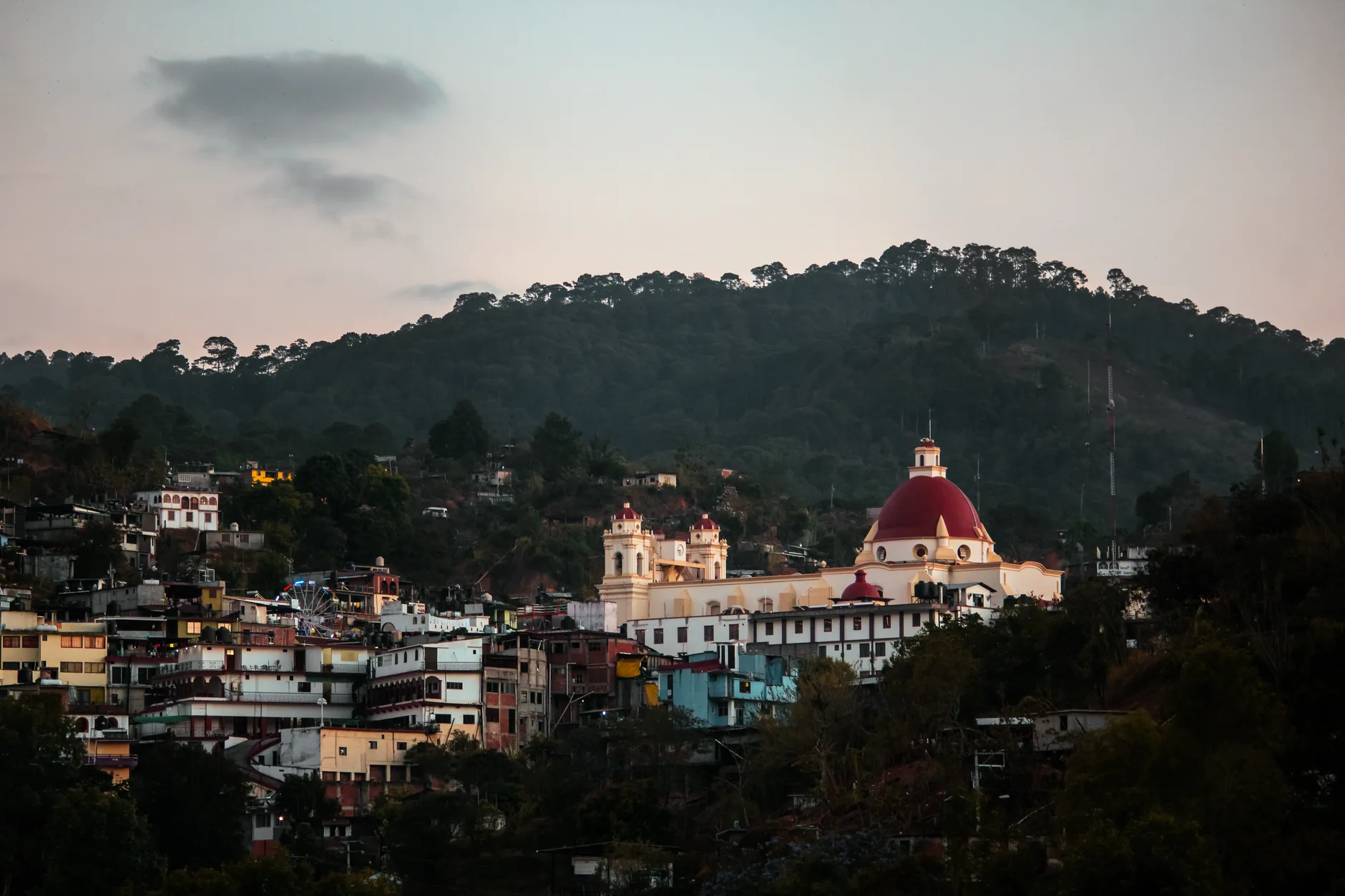
Oaxaca Travel Guide
Oaxaca usually means Oaxaca de Juárez, the capital of Oaxaca State, rather than the entire state. The city is a rewarding base for exploring the Central Valleys, with a UNESCO-listed historic center, major Zapotec archaeological sites, celebrated food, traditional markets, craft villages and a strong calendar of cultural events. Three full days are enough for a first visit, but four to seven days allow time for slower meals, museums, mezcal country and several excursions.
Why Oaxaca Is Worth Visiting
Oaxaca is one of Mexico’s most satisfying city breaks because its main experiences are close together, yet the surrounding region adds considerable depth. The historic center is compact and highly walkable, with colonial buildings, churches, plazas, museums and lively markets. Beyond the city, the landscape opens into villages known for textiles, pottery, woodcarving and mezcal production.
The city is also an important meeting point between Indigenous and colonial traditions. That heritage is visible in architecture, food, religious celebrations, local languages, craft techniques and community festivals. Oaxaca’s cultural life is not confined to museums: it appears in markets, workshops, family kitchens, neighborhood streets and seasonal ceremonies.
Food is a major reason to come. Mole, tlayudas, memelas, tamales, tejate, chocolate, quesillo and chapulines are all part of the local culinary vocabulary. Mezcal adds another regional dimension, with tastings and producer visits available in the city and along the Caminos del Mezcal route.
Oaxaca also works well for different travel styles. Culture and architecture enthusiasts can spend days moving between churches and museums. Food-focused travelers can build an itinerary around markets, restaurants and cooking experiences. Travelers interested in archaeology can visit Monte Albán, Mitla and Yagul, while craft enthusiasts can explore textile and alebrije-producing communities in the Central Valleys.
What to See and Do in Oaxaca
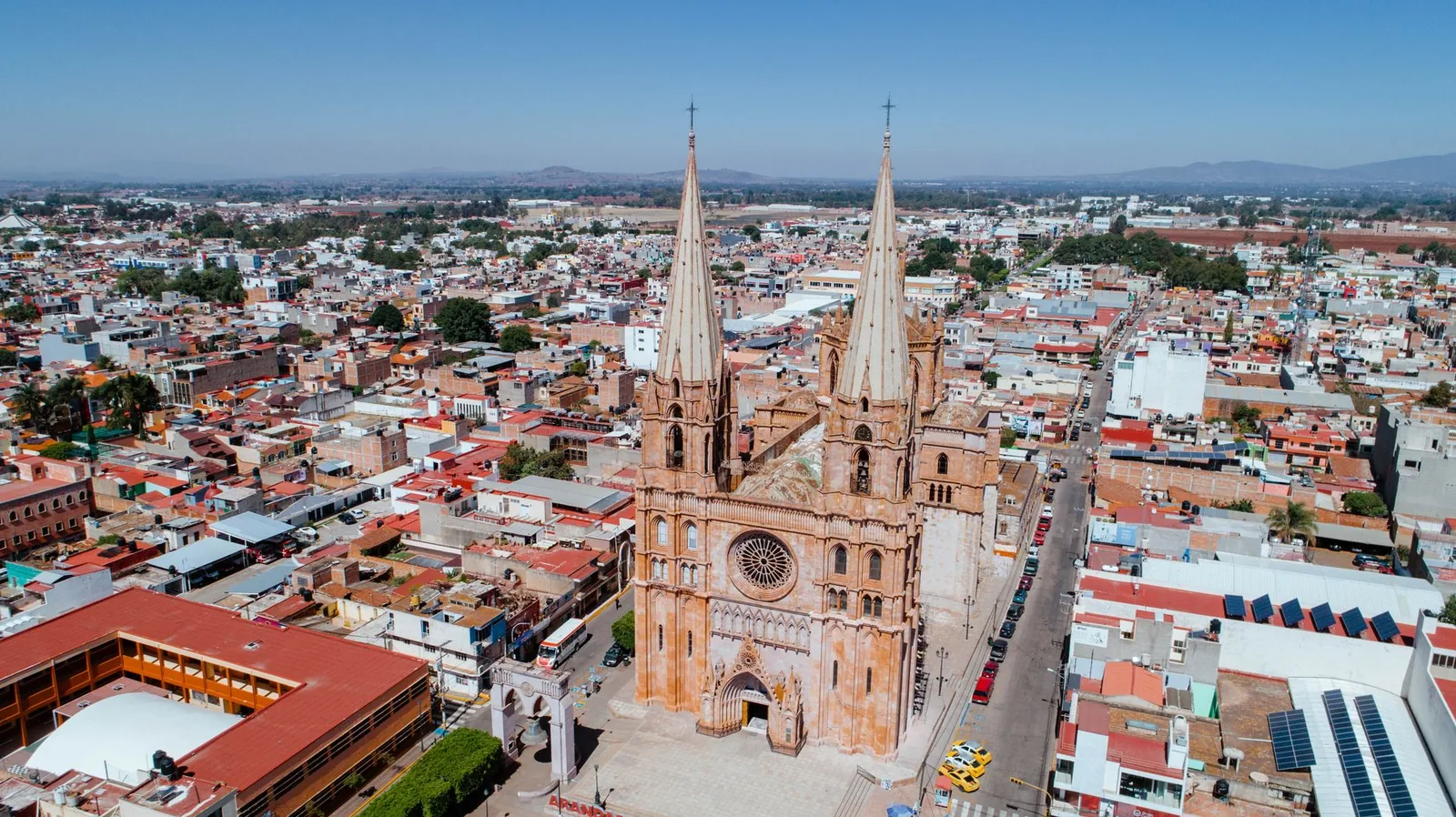
Explore the Historic Centre
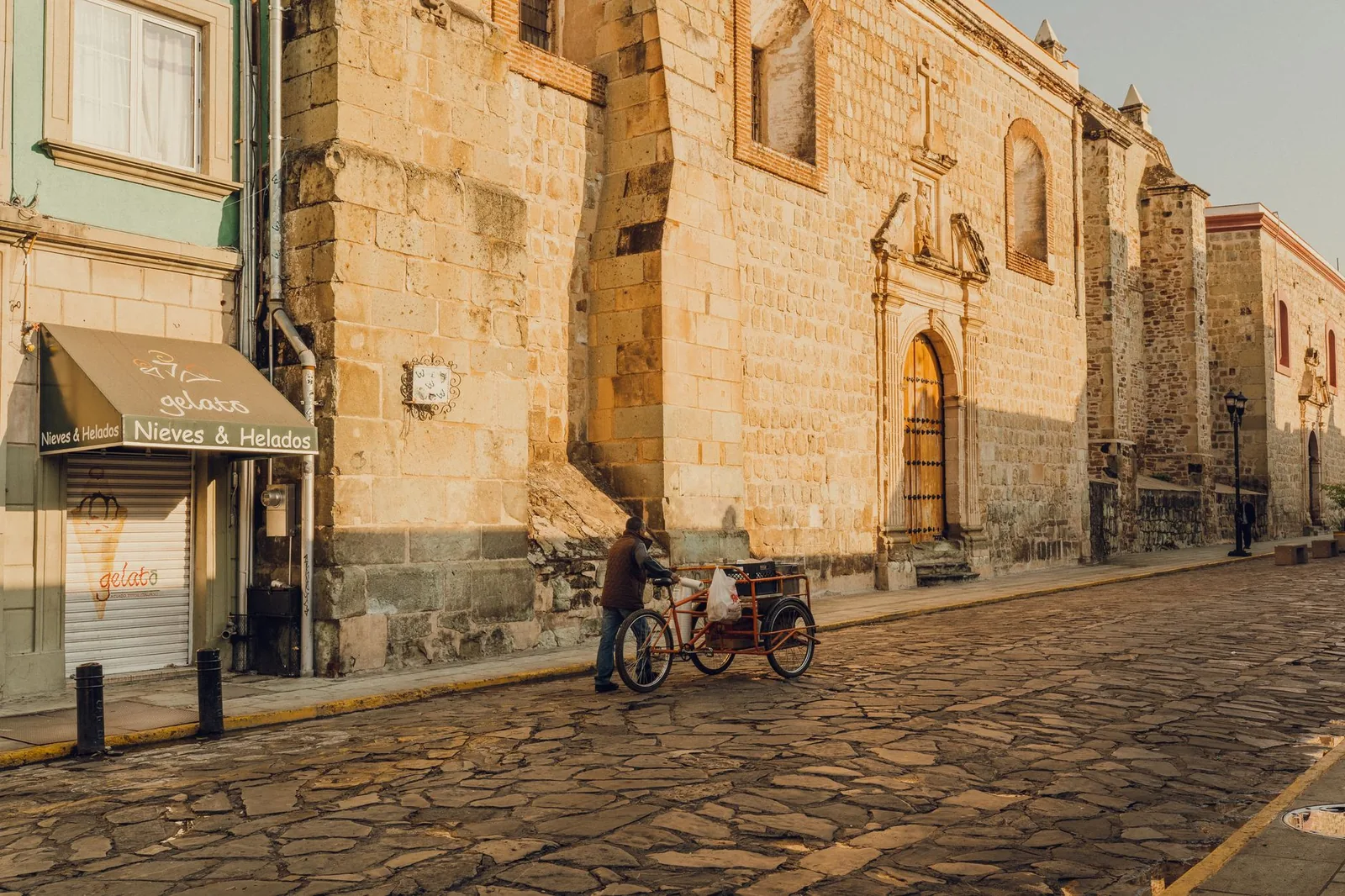
Start in the Centro Histórico, the heart of Oaxaca’s UNESCO-listed property. The low-rise colonial grid is best explored slowly, with time to notice stone facades, churches, civic buildings, small galleries and pedestrian streets. The area includes approximately 1,200 listed historic monuments, so it is more rewarding to wander than to rush from one landmark to the next.
The Zócalo and Alameda de León make useful orientation points. From here, you can reach the main markets, churches, restaurants and central museums on foot. Public events, demonstrations and festival installations can change access and noise levels, so local conditions may differ from a standard sightseeing route.
Comfortable shoes are essential. Many streets have uneven stone paving, and walking between districts involves frequent traffic crossings. Individual monuments, churches and museums keep separate schedules, so check current details before setting out.
Visit Santo Domingo and the Museum of the Cultures of Oaxaca
The Templo and Ex-Convento de Santo Domingo de Guzmán is one of Oaxaca’s most important architectural complexes. Its former convent houses the Museum of the Cultures of Oaxaca, which presents archaeological and cultural material connected with the region’s pre-Hispanic and colonial history.
The complex is central to understanding Oaxaca’s past. Allow time for the museum rather than treating it as a quick stop, particularly if you plan to visit Monte Albán or other archaeological sites later in the trip. The church, museum and adjoining garden may have different access arrangements and schedules, so confirm current information before visiting.
See the Jardín Etnobotánico
Beside Santo Domingo, the Jardín Etnobotánico de Oaxaca brings together plants associated with Oaxaca’s varied environments and cultural history. It is a useful complement to the museum because it connects landscape, agriculture, medicine and local traditions.
Access may be controlled through guided visits or timed arrangements, and the garden’s schedule can differ from that of the museum. Check the current visitor arrangements rather than assuming you can enter independently at any time.
Visit Monte Albán
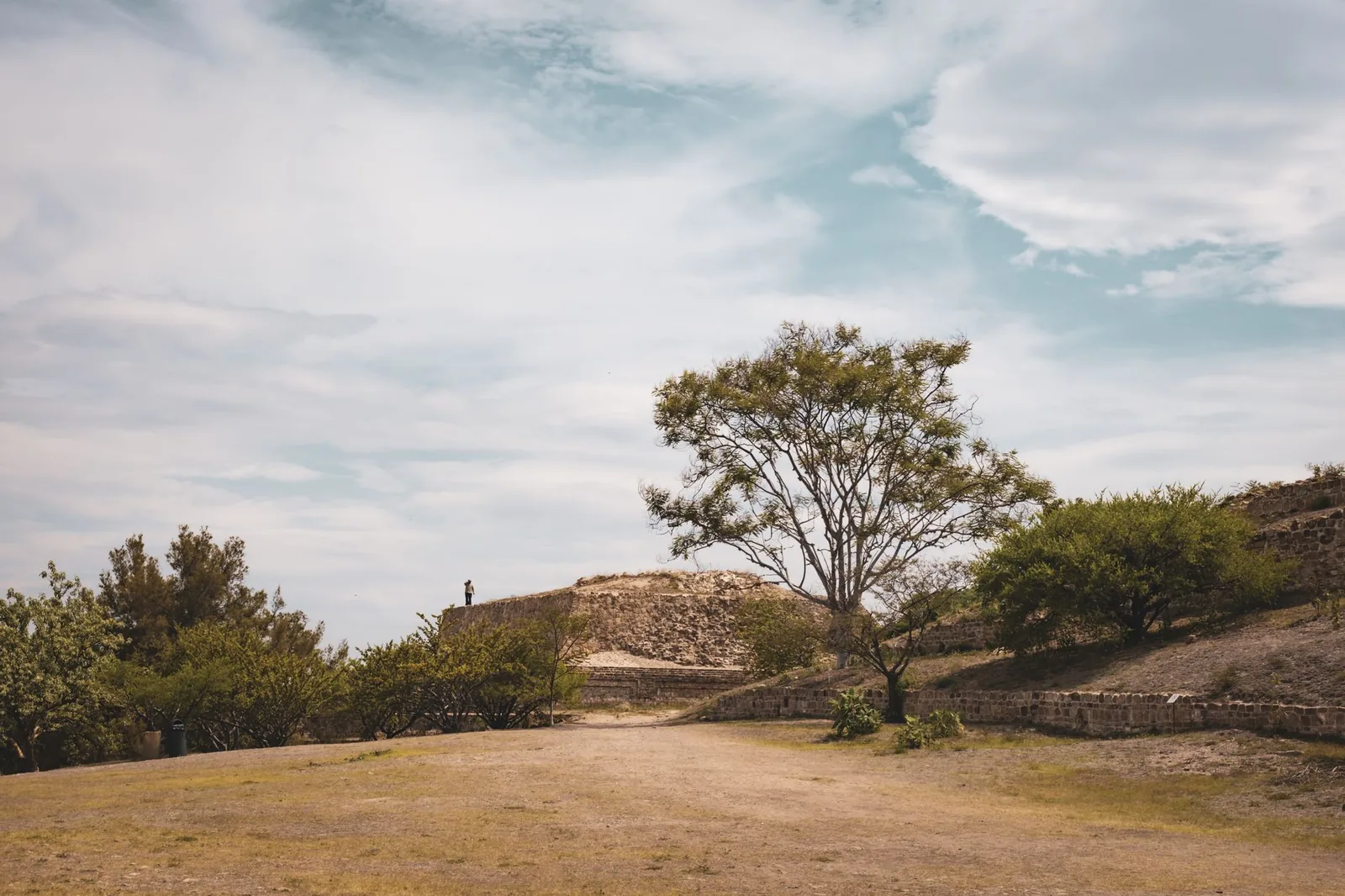
Monte Albán is Oaxaca’s essential archaeological excursion. The former Zapotec capital stands above the valley and contains monumental plazas, temples, terraces, a ball court, tombs and carved reliefs. Together with the historic center, it forms part of Oaxaca’s UNESCO World Heritage property.
The site is exposed, elevated and often sunny. Take water, sun protection and sturdy footwear, and allow several hours including transport. An independent visit is possible, but a guide can provide useful context about the site’s layout, history and carved monuments. An organized tour may be convenient if you want transport combined with another Central Valleys stop.
Check current INAH opening times, admission arrangements and any access restrictions before leaving the city. Conditions and transport options can change.
Browse Oaxaca’s Markets
Mercado Benito Juárez and Mercado 20 de Noviembre are among the most useful places to experience Oaxaca’s everyday food culture. They are good for browsing ingredients, sampling regional dishes, buying chocolate and sweets, and looking for crafts and mezcal.
Go earlier if you want the liveliest atmosphere and the widest choice of food. Try a tlayuda, memela or tamale, and look for tejate, chocolate, quesillo and chapulines. Ask prices before ordering or buying, keep valuables secure and remember that individual stalls may have different hours and payment methods.
Markets are commercial spaces as well as visitor attractions. Be considerate when taking photographs, especially of vendors and people preparing food.
Discover Jalatlaco
Barrio de Jalatlaco is a historic neighborhood east of the main center, known for cobbled streets, colorful facades, cafés, restaurants and a more residential atmosphere. It is a good place for an unhurried walk, particularly in the daytime or early evening.
The neighborhood received Mexico’s Barrio Mágico designation in 2023. Its appeal lies less in a checklist of monuments than in its streetscape and local identity. Respect residents, avoid blocking doorways and take care on uneven paving.
Walk through Xochimilco
Barrio de Xochimilco, north of the center, has old streets, small galleries, workshops and remains of colonial water infrastructure. It can be combined with Santo Domingo and the northern part of the historic center for a half-day walk.
Gallery and workshop schedules vary, so treat the neighborhood as a walking area rather than relying on every individual stop being open. The quieter atmosphere makes it a useful contrast to the Zócalo and central markets.
Visit the Museo Textil de Oaxaca
The Museo Textil de Oaxaca focuses on textile traditions, techniques and design from Oaxaca and other parts of Mexico. It is a worthwhile stop before visiting weaving communities in the Central Valleys, where you can see how regional traditions continue in workshops and family enterprises.
Check current exhibitions, opening days and temporary closure information through the museum’s official channels. Displays and programming can change.
See the Basílica de la Soledad and Cerro del Fortín
The Basílica de Nuestra Señora de la Soledad is a significant historic religious building near the center and is associated with Oaxaca’s colonial heritage and local religious traditions. Dress respectfully and avoid sightseeing during services.
For wider views of the city, consider Cerro del Fortín. The hill is linked with Guelaguetza celebrations and offers an elevated perspective over Oaxaca. Use daylight, carry water and check local access conditions, especially when events are taking place.
Where to Base Yourself in Oaxaca
Looking for a place to stay? Compare hotels for Oaxaca on BookingTabs.
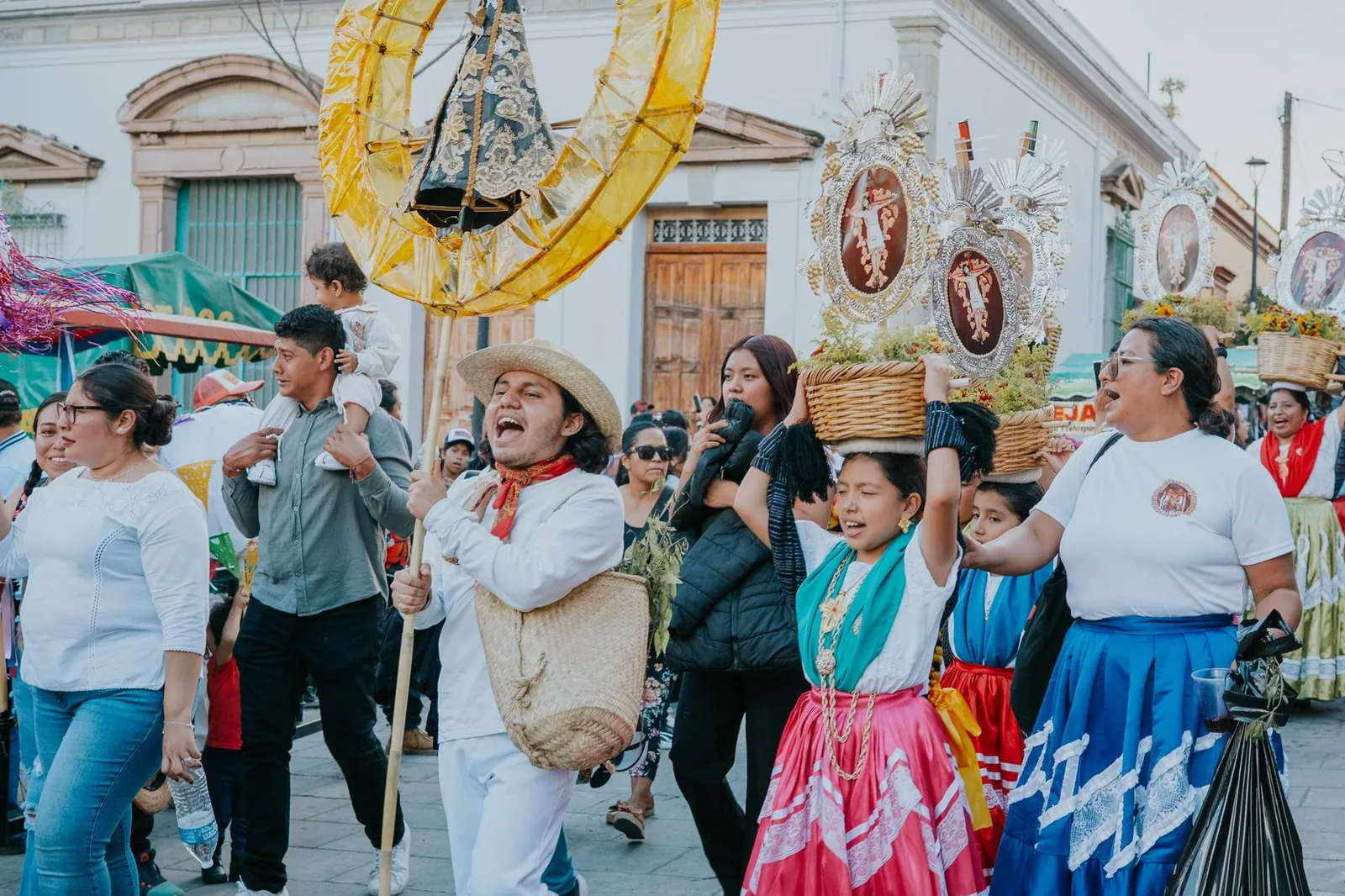
Centro Histórico
The historic center is the most convenient base for first-time visitors. You will be close to the Zócalo, Santo Domingo, museums, churches, markets, restaurants and much of the city’s evening activity. It is the best choice if you want to walk to most major sights and return easily between excursions.
The center can be lively and noisy, particularly around public events. Check the precise location of accommodation and ask about street noise if you prefer a quieter night.
Jalatlaco
Jalatlaco suits travelers who want a historic, atmospheric neighborhood with cafés, restaurants and cobbled streets. It remains close enough to the center for walking while offering a more residential feel.
Uneven streets and occasional event-related changes are part of the setting. Consider the distance to your preferred sights and the ease of taxi access if you are carrying luggage.
Xochimilco
Xochimilco is a quieter traditional neighborhood near Santo Domingo. It works well for travelers interested in workshops, old streets and a slower local atmosphere, while remaining within reach of the historic center.
It may feel less immediately central than the Zócalo area, but it is a good compromise for a longer stay or a traveler who values neighborhood character.
Reforma
Reforma, north of the historic center, is a more modern area with hotels, restaurants, shops and services. It is useful if contemporary amenities matter more to you than being directly beside the main colonial sights.
You may use taxis more often, particularly at night or when returning from the center.
La Noria and San Felipe del Agua
La Noria, south of the center, has a residential setting and local market access. It can suit longer stays, although it is less convenient for walking to the principal sights.
San Felipe del Agua is a greener, more residential area north of the center, with some lodging and restaurants. It offers a quieter base but less immediate access to the historic core and central markets.
What to Eat and Drink
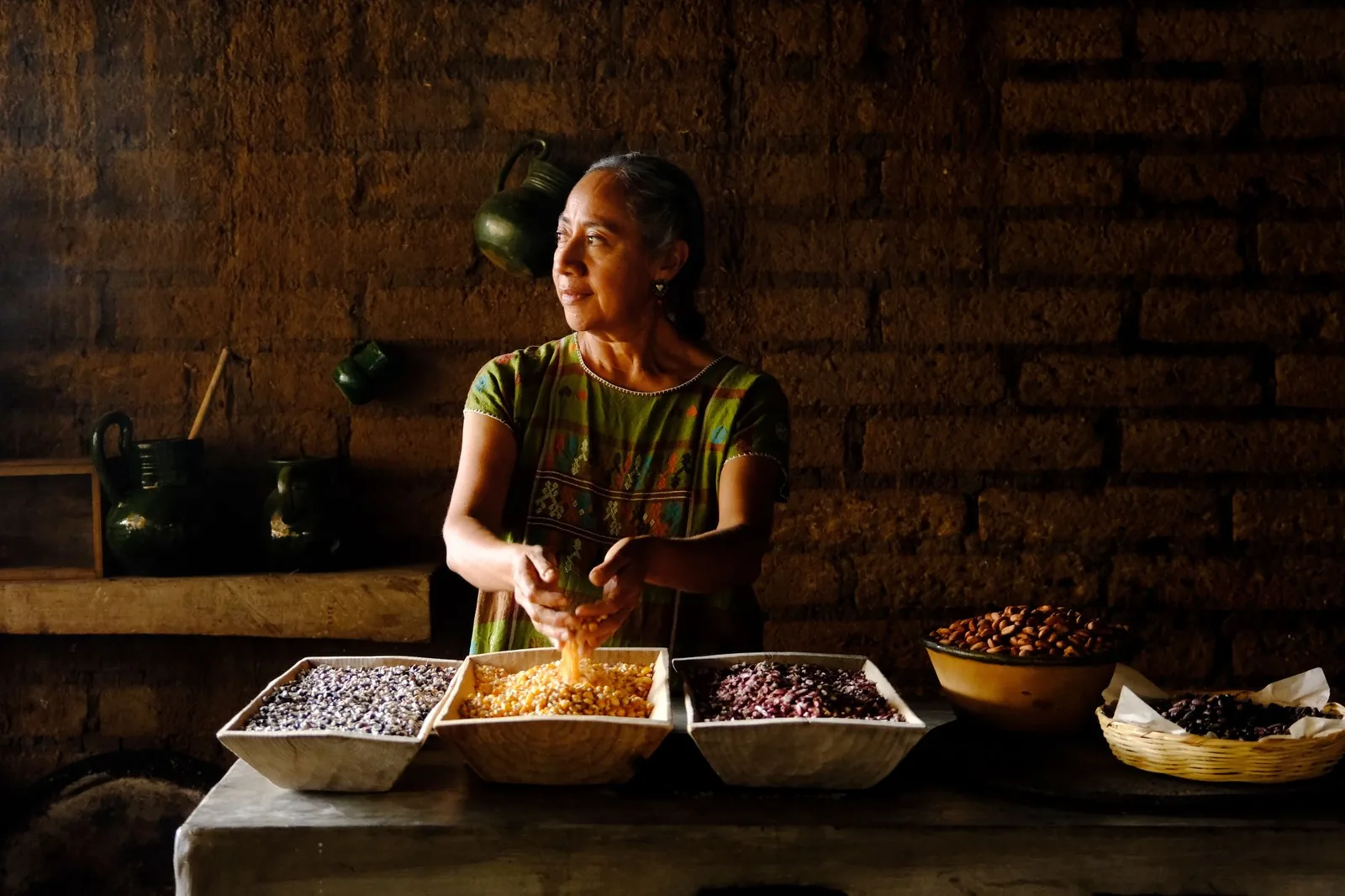
Oaxaca deserves time at the table. Rather than trying one famous dish and moving on, sample different styles across markets, casual eateries, traditional restaurants and food experiences.
- Mole: A family of complex sauces that includes mole negro, coloradito, amarillo and other regional variations. Try more than one version.
- Tlayudas: Large toasted tortillas commonly topped with beans, cheese, vegetables and meat or another filling.
- Memelas: Thick corn tortillas with beans, cheese, salsa and other toppings, often suitable for breakfast or a snack.
- Tamales oaxaqueños: Steamed tamales associated with fillings such as mole and banana-leaf wrapping.
- Tejate: A traditional maize-and-cacao beverage associated with Oaxaca and the Central Valleys.
- Chocolate de Oaxaca: Regional chocolate prepared as a drink or sold for cooking, often paired with bread or pastries.
- Chapulines: Seasoned toasted grasshoppers sold as snacks or used as a garnish.
- Quesillo: Oaxaca’s string cheese, widely used in tlayudas and other dishes.
- Pan de yema: Sweet egg bread commonly enjoyed with chocolate or coffee.
- Mezcal: A regional spirit best approached through a reputable tasting or established producer visit. If you tour palenques, confirm what is included and avoid self-driving after tastings.
Carry pesos for markets, small restaurants, taxis, local buses and rural excursions. Not every stall or workshop accepts cards.
Best Time to Visit Oaxaca
Late autumn through spring is a practical period for combining city sightseeing with archaeological visits and excursions, although weather varies. The best time depends on whether you prioritize comfortable walking conditions, festivals or quieter travel.
Spring: March to May
Spring is commonly suitable for walking, museums, archaeology and food-focused trips. Days can be warm and sunny, making early starts useful for Monte Albán and other exposed sites. Check current weather and local event schedules before booking.
Summer: June to August
Summer overlaps with the wetter season in much of the region. July is the main period for Guelaguetza programming, with events across the city and surrounding communities. It is an attractive time for travelers interested in dance, music and regional culture, but demand is higher around major performances and conditions can be wetter.
Guelaguetza dates, venues and ticketing arrangements vary annually. Confirm the current official program before making travel plans.
Autumn: September to November
Autumn brings Día de Muertos preparations and celebrations. The principal observances are around October 31 to November 2, although activities can begin earlier and continue afterward. Oaxaca City and nearby communities such as Santa Cruz Xoxocotlán can be particularly busy in late October and early November.
This is one of the most atmospheric times to visit, but accommodation demand is high and public programs change each year. Book well ahead and treat cemeteries, altars, ceremonies and family gatherings as living traditions rather than staged attractions.
Winter: December to February
Winter is generally practical for city sightseeing and excursions. Nights and higher-elevation areas can feel cool, so pack a light layer. Holiday opening schedules vary, and some museums, restaurants and attractions may close on different days.
Getting Around Oaxaca
The historic center, Santo Domingo, the main markets, Jalatlaco and parts of Xochimilco are best explored on foot. Expect uneven paving, busy crossings and occasional street closures for events.
Local urban buses and the metropolitan Citybus system serve areas beyond the center. Routes, stops, operating hours and payment methods can change, so verify current details locally before relying on a particular service.
Conventional taxis are widely used. Confirm the current fare or zone information before traveling, particularly for longer journeys. At the airport, use the authorized taxi service and check the current ticketing process before leaving the terminal.
A car is usually unnecessary in the city. Narrow streets, limited parking and traffic can make driving inconvenient. A rental car can be useful for independent visits to remote villages or natural sites, but organized transport is often simpler for first-time visitors. Check road conditions, parking, tolls and local access arrangements before driving.
Arriving at Oaxaca Airport
Oaxaca International Airport, officially Aeropuerto Internacional Xoxocotlán, uses the code OAX. It is southeast of Oaxaca City on the Oaxaca–Puerto Ángel road.
The most straightforward arrival option is an airport taxi. Licensed airport taxis operate from the terminal; confirm the current fare and ticketing procedure before departure. Airline schedules, terminal services and ground-transport arrangements can change, so verify them close to your travel date.
Which Oaxaca experience would you most want to build your trip around?
Best Day Trips from Oaxaca
Mitla
Mitla is a Zapotec archaeological site known for geometric stone mosaics, courtyards and its close relationship with the modern community of San Pablo Villa de Mitla. It is often combined with Santa María del Tule, Teotitlán del Valle or a mezcal-area visit.
Check current INAH hours, admission arrangements and transport options before traveling.
Hierve el Agua
Hierve el Agua is known for mineral formations resembling waterfalls, pools and views across the surrounding landscape. Road access, local charges and operating conditions can change, so verify current arrangements before setting out.
The journey can be longer and more complicated than a map suggests. Allow flexibility and avoid combining too many distant stops in one day.
Yagul and the Mitla–Yagul Corridor
Yagul offers hilltop archaeological remains, terraces, palaces and a ball court. It is also connected to the wider UNESCO-listed landscape of prehistoric caves and the Central Valley.
The site includes a final walk from the road, so sturdy footwear and water are important. Check current access conditions and opening information before visiting.
Santa María del Tule
Santa María del Tule is associated with a famous giant ahuehuete tree and is often paired with Mitla or Teotitlán del Valle. Confirm current access arrangements and any local entry contributions before planning the stop.
Teotitlán del Valle
Teotitlán del Valle is known for Zapotec textile traditions and weaving workshops. A community-based workshop or visit arranged through a reputable local guide can provide more meaningful context than simply buying a finished item.
Availability and prices vary by family or cooperative. Confirm what is included and ask before taking photographs.
San Martín Tilcajete and Arrazola
These craft villages are associated with carved and painted wooden figures commonly marketed as alebrijes. Because workshops are spread across different communities and keep varied hours, a craft-focused tour, taxi arrangement or private vehicle is generally more practical than attempting several villages by local transport in one day.
Tlacolula de Matamoros
Tlacolula is useful for regional food, market culture and access to the Mitla and mezcal areas. Its weekly market is an important part of the experience, so confirm the current market day and transport schedule before planning around it.
Good to Know Before You Go
- Use Oaxaca de Juárez when booking accommodation and transport, since Oaxaca also refers to the state and many other destinations.
- Carry Mexican pesos for markets, taxis, buses, community attractions and rural excursions.
- Learn a few basic Spanish phrases; English is not guaranteed in markets, villages or archaeological areas.
- Visit archaeological sites early for cooler conditions and better light.
- Bring water, sun protection and comfortable shoes for Monte Albán, Yagul, Hierve el Agua and village walks.
- Ask before photographing Indigenous artisans, vendors, ceremonies, altars or cemetery visitors.
- Treat Día de Muertos as a living family and community tradition, not simply a tourist performance.
- Confirm what mezcal tours include, including transport, tastings, food and purchases.
- Check official attraction and tourism information for festival programs, road conditions and temporary closures.
- Book well ahead for Día de Muertos and major Guelaguetza dates.
- Expect some businesses and museums to close one day per week or change hours around holidays.
- Do not try to combine Monte Albán, Mitla, Hierve el Agua and several craft villages in one rushed day.
Frequently Asked Questions
Is Oaxaca a city or a state?
Both. Oaxaca is the name of a Mexican state and the commonly used short name for Oaxaca de Juárez, the state capital. This guide focuses on the city and nearby Central Valleys excursions.
How many days do you need in Oaxaca City?
Three full days cover the historic center, Santo Domingo, markets, major museums and Monte Albán. Four or five days allow a more relaxed pace plus Mitla, a craft village, Hierve el Agua or a mezcal experience. Allow five to seven days if you want several Central Valleys excursions.
What is Oaxaca best known for?
Oaxaca is known for Indigenous and colonial heritage, Monte Albán, traditional food, mezcal, textiles, crafts, markets and festivals such as Guelaguetza and Día de Muertos.
Can you walk around Oaxaca City?
Yes. The historic center, markets, Santo Domingo, Jalatlaco and parts of Xochimilco are well suited to walking. Use taxis or buses for the airport, outlying neighborhoods, Monte Albán and day trips.
How do you get from Oaxaca airport to the city?
The most practical option is an authorized airport taxi. Confirm the current fare and ticketing process at the terminal before leaving.
When is Día de Muertos in Oaxaca?
The principal observances take place around October 31 to November 2, although preparations and community events may begin earlier and continue afterward. Exact public programs vary by year and municipality.
When is the Guelaguetza?
Guelaguetza programming is centered on July, with events throughout the month and major performances scheduled on dates that vary annually. Confirm the current year’s official program before booking.
Is Monte Albán easy to visit independently?
Yes, but you need to arrange transport and allow several hours. A guide adds archaeological context, while an organized tour can simplify transport and combination visits. Check current opening times, admission and access conditions before departure.
Planning Your Oaxaca Trip
Oaxaca rewards travelers who leave room for discovery. The historic center provides an easy introduction through architecture, museums, markets and neighborhood walks, while Monte Albán and the surrounding Central Valleys reveal the scale and continuing importance of the region’s Indigenous heritage.
Plan three full days for a focused first visit, then add time for craft villages, Mitla, Hierve el Agua, mezcal country or slower meals if your schedule allows. Check current festival dates, attraction hours, road conditions and transport details before traveling, and approach markets, workshops and community celebrations with curiosity and respect.
Inspired? Start planning your trip.
Move from inspiration to planning with BookingTabs — explore hotels, tours and travel options in one place.


Join the conversation
Ask a question, share a travel tip, or help another traveler plan with confidence.
Leave a comment
No account or email required.