
Bangkok Travel Guide
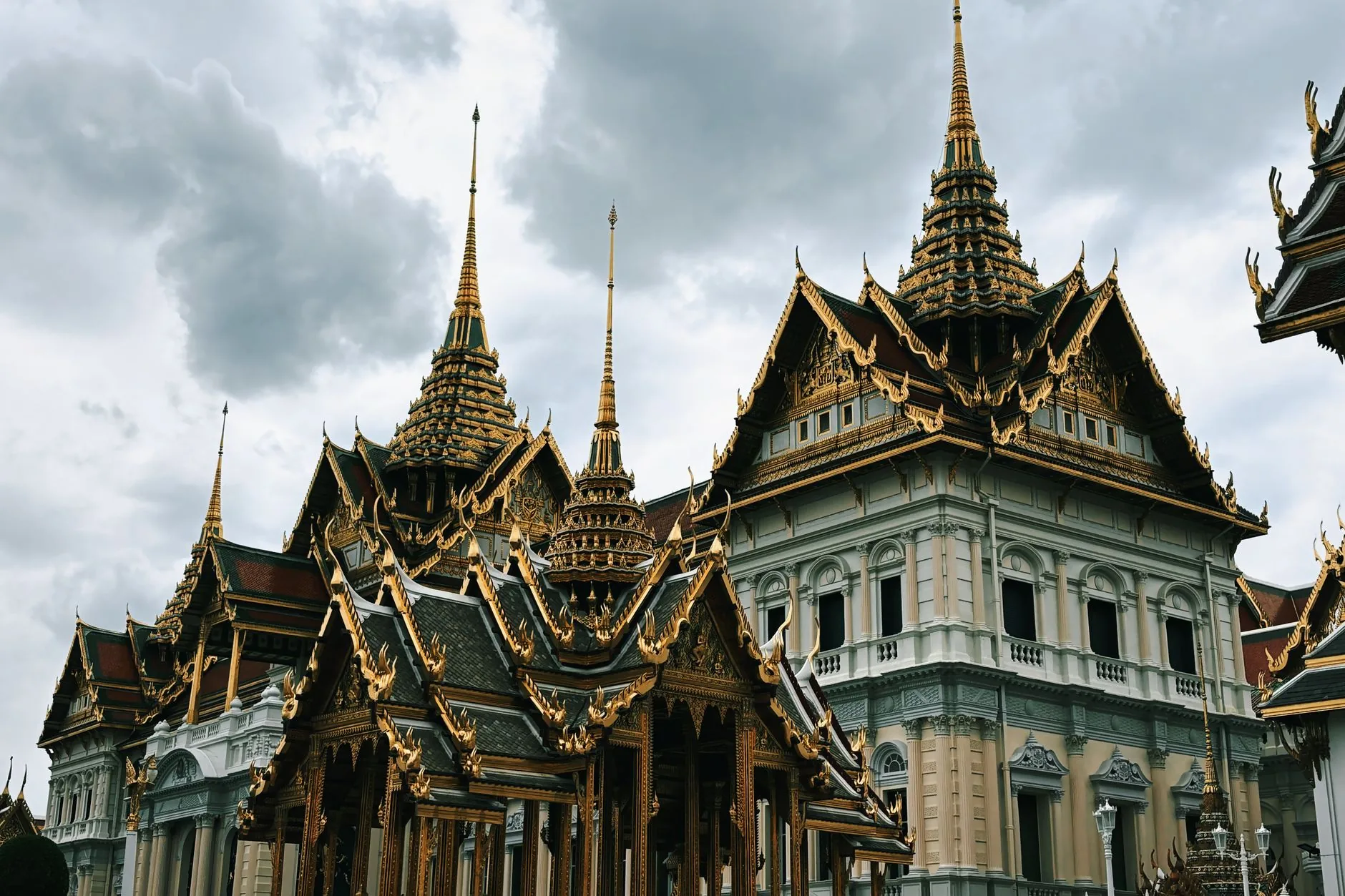
Bangkok is a city best explored in layers. In the historic centre, gilded temples and royal buildings line the Chao Phraya River. Across town, shopping malls, food markets, museums, rooftop bars and residential neighbourhoods reveal a more contemporary side of Thailand‘s capital. Traffic can be intense, the heat takes planning, and distances are often greater than they appear on a map, but the city is remarkably rewarding once you find its rhythm.
For a first visit, plan on three or four full days. That gives you time for the Grand Palace and riverside temples, a market or Chinatown evening, modern Bangkok, and perhaps a day trip beyond the city. Two days is enough for the headline sights, but the itinerary will feel compressed.
Why Visit Bangkok
Bangkok brings together several kinds of travel in one destination. It is one of Thailand’s most important places for royal and religious heritage, with the Grand Palace, Wat Phra Kaew, Wat Pho and Wat Arun forming the core of many first-time itineraries. The Chao Phraya provides both a scenic viewpoint and a practical way to move between parts of the old city.
The city is also a strong choice for food-focused travel. Street stalls, market kitchens, Chinatown seafood restaurants, traditional Thai restaurants and contemporary dining rooms all sit within the same urban landscape. Dishes range from familiar favourites to regional specialities and intensely flavoured snacks.
Beyond temples and food, Bangkok offers major shopping districts, museums, art spaces, green areas, nightlife and wellness experiences. The BTS Skytrain and MRT make many modern districts straightforward to reach, while river boats, taxis and walking fill the gaps around the historic core.
Bangkok is particularly well suited to first-time visitors to Thailand, short city breaks, stopovers and travellers using the capital as a base for Central Thailand excursions.
What to See and Do in Bangkok
Planning your activities? Compare tours and activities for Bangkok on BookingTabs.
Explore the Grand Palace and Wat Phra Kaew
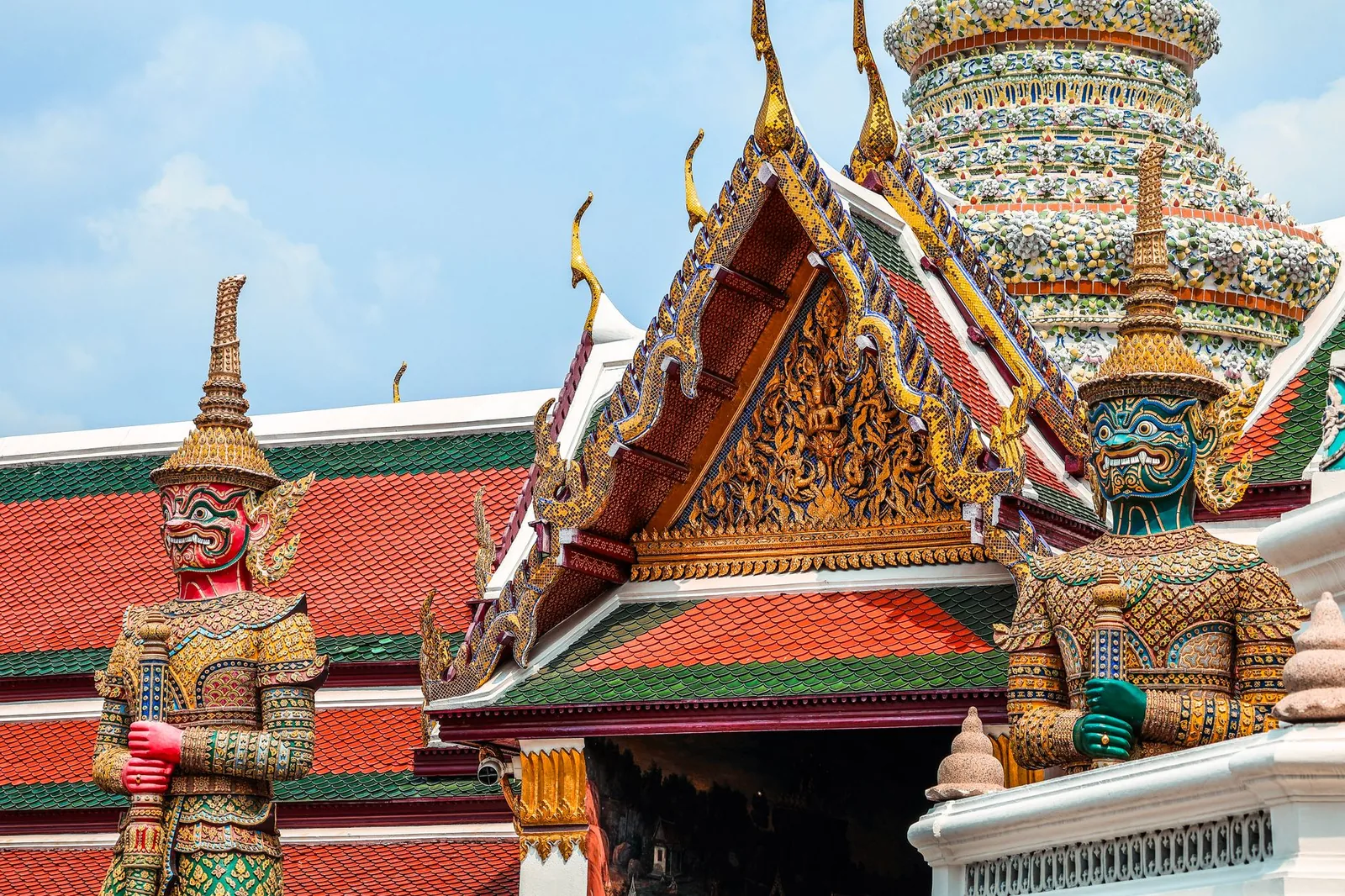
The Grand Palace and Wat Phra Kaew are Bangkok’s essential royal and religious landmarks. The complex includes the Temple of the Emerald Buddha, one of Thailand’s most significant Buddhist sites, as well as ornate buildings and ceremonial spaces.
Go early if possible. The combination of heat, crowds and a large amount of open walking can make a midday visit tiring. Modest clothing is required, with shoulders and knees covered. The palace advises visitors to check current access arrangements because entrances, routes and restrictions can change, particularly during official events.
The official visitor information currently lists opening from 8:30am, ticket sales until 3:30pm and an admission price of 500 baht, but verify all details before visiting.
Visit Wat Pho
Wat Pho is close enough to the Grand Palace to combine comfortably on the same morning or afternoon. The temple complex is known for its large reclining Buddha, detailed decorative work and long association with traditional Thai massage and learning.
Allow time to look beyond the main statue. Courtyards, murals, stupas and smaller buildings make the complex rewarding to explore at a slower pace. Dress respectfully and follow instructions about removing shoes.
The temple’s visitor information currently lists opening hours of approximately 8:00am to 7:30pm and a foreign-visitor admission fee of 300 baht. Hours, fees and access can change, so check the current information before setting out.
Cross the river to Wat Arun
Wat Arun stands across the Chao Phraya from Wat Pho and is one of Bangkok’s most recognisable landmarks. Its tall decorated prang is especially striking from the river, while the temple grounds offer a closer look at the ceramic and porcelain details.
The short river crossing from the Tha Tien area is one of the city’s simplest and most memorable journeys. You can also approach by other river services, depending on the route and current pier arrangements. Wat Arun remains an active place of worship, so respectful behaviour and clothing are expected.
Visitor information currently lists daily opening from 8:00am to 6:00pm and adult admission of 200 baht. Confirm the latest details before travel.
Take in the Chao Phraya River
The river is more than a backdrop. It links historic neighbourhoods, temples, hotels, markets and piers, and offers a useful alternative to road traffic. A scheduled river boat can be a practical way to reach parts of the old city, while a dedicated cruise provides a more relaxed sightseeing experience.
Boat routes, flags, fares and pier availability vary. Check the operator’s current information on the day, especially if a particular pier is important to your plans. Sunset can be atmospheric, but earlier journeys are often easier for combining several attractions.
Climb to Wat Saket and the Golden Mount
Wat Saket provides a different perspective on the old city. The temple sits on an elevated site reached by stairs, with views across the historic centre from the Golden Mount. It is a good choice when you want a temple visit that feels less enclosed than the Grand Palace or Wat Pho.
The climb is manageable for many visitors but can feel strenuous in Bangkok’s heat. Carry water, take your time and check current opening arrangements or restrictions associated with religious events.
Learn about Thailand at Bangkok National Museum
The Bangkok National Museum is a useful stop for travellers who want context for the art, history and royal traditions encountered elsewhere in the city. Its collections include Thai art, historical objects, royal items and regional cultural material.
Opening days and exhibition arrangements can change. The published schedule used for planning lists Wednesday to Sunday opening, with Monday and Tuesday closures, but check the current calendar before visiting rather than relying on a general timetable.
Visit Jim Thompson House Museum
Jim Thompson House Museum offers a quieter cultural experience amid the city. The preserved home and collection introduce visitors to Asian art, traditional architecture and the story associated with Jim Thompson and Thailand’s silk industry.
The museum currently lists daily opening from 10:00am to 5:00pm, with guided visits to the main house. Admission arrangements and booking requirements may change, so consult the current visitor information before arrival.
Shop at Chatuchak Weekend Market
Chatuchak is one of Bangkok’s best-known markets and a destination in its own right. Stalls sell clothing, crafts, plants, home goods, souvenirs and food, with enough variety to fill several hours.
The full market operates primarily on Saturday and Sunday. Visitor information currently lists the main weekend hours as 9:00am to 6:00pm, while selected sections may operate on other days. Do not assume a weekday visit will offer the same experience.
The market is large, crowded and hot. Wear comfortable clothing, carry water and avoid planning a tightly timed appointment immediately afterwards. Individual stall hours vary.
Explore Chinatown and Yaowarat Road
Chinatown is one of Bangkok’s most energetic areas for an evening walk. Yaowarat Road and the surrounding lanes combine Chinese-Thai heritage, gold shops, temples, markets, snack stalls and seafood restaurants.
Explore in short sections rather than trying to cover the whole district at once. Pavements can be narrow, traffic is constant and vendor patterns change. Arrive hungry, but choose busy stalls with good customer turnover when buying drinks or fresh food.
See contemporary Bangkok around Siam
Siam and Pathum Wan present the modern face of the capital, with major shopping malls, department stores, cultural venues and direct BTS access. This is a useful area during the hottest or wettest part of the day because you can move between air-conditioned interiors and food stops with limited exposure to the weather.
The Bangkok Art and Culture Centre, near the Siam shopping area, adds a contemporary-art option. Exhibitions and opening days change, so check the current programme before visiting.
Take a break at Lumphini Park
Lumphini Park offers a welcome pause from traffic, malls and dense commercial streets. It is most comfortable early in the morning or near sunset, when temperatures are more manageable. Treat posted park rules and any temporary closures as authoritative.
Where to Base Yourself in Bangkok
Rattanakosin and Phra Nakhon
Stay here for immediate access to the Grand Palace, Wat Pho, Wat Saket, museums, heritage streets and the river. It is the most natural base for a first-time temple itinerary, although rail access is less convenient than in newer parts of the city. Expect more walking, river travel and road transfers.
Riverside and the Chao Phraya piers
The riverside works well for travellers who value water views, boat transport, sunset scenery and proximity to Wat Arun and other historic attractions. Check the exact location of your accommodation and the nearest useful pier rather than relying on the broad label “riverside.”
Banglamphu and the Khao San area
Banglamphu is a long-established budget-travel district with guesthouses, casual restaurants, bars and convenient access to the old city. The atmosphere is lively and some streets can be noisy, so it suits travellers who prefer activity outside their door rather than a quiet residential base.
Chinatown and Yaowarat
Chinatown is a strong choice for food, heritage and evening exploration. It is atmospheric and central to several old-city experiences, though narrow streets, crowds and traffic can make luggage transfers less straightforward.
Siam and Pathum Wan
Choose Siam for modern shopping, museums, food courts and direct BTS access. It is particularly practical for visitors who want a central, well-connected base and prefer contemporary city conveniences to a historic neighbourhood setting.
Sukhumvit
Sukhumvit is a long modern corridor with hotels, restaurants, nightlife, shopping and BTS and MRT connections. It is convenient for moving around the newer parts of Bangkok, but it is not close to the main old-city temples. Check the location relative to the station and remember that road traffic can still affect taxi journeys.
Silom and Sathorn
Silom and Sathorn combine business hotels, restaurants, nightlife, access to Lumphini Park and connections toward the river. They are a useful compromise for travellers who want modern facilities while remaining within reach of both central shopping and historic districts.
Ari
Ari has a more residential feel, with cafés and independent restaurants near BTS. It is a good option for repeat visitors or travellers who prefer neighbourhood life over immediate access to the headline sights.
What to Eat and Drink
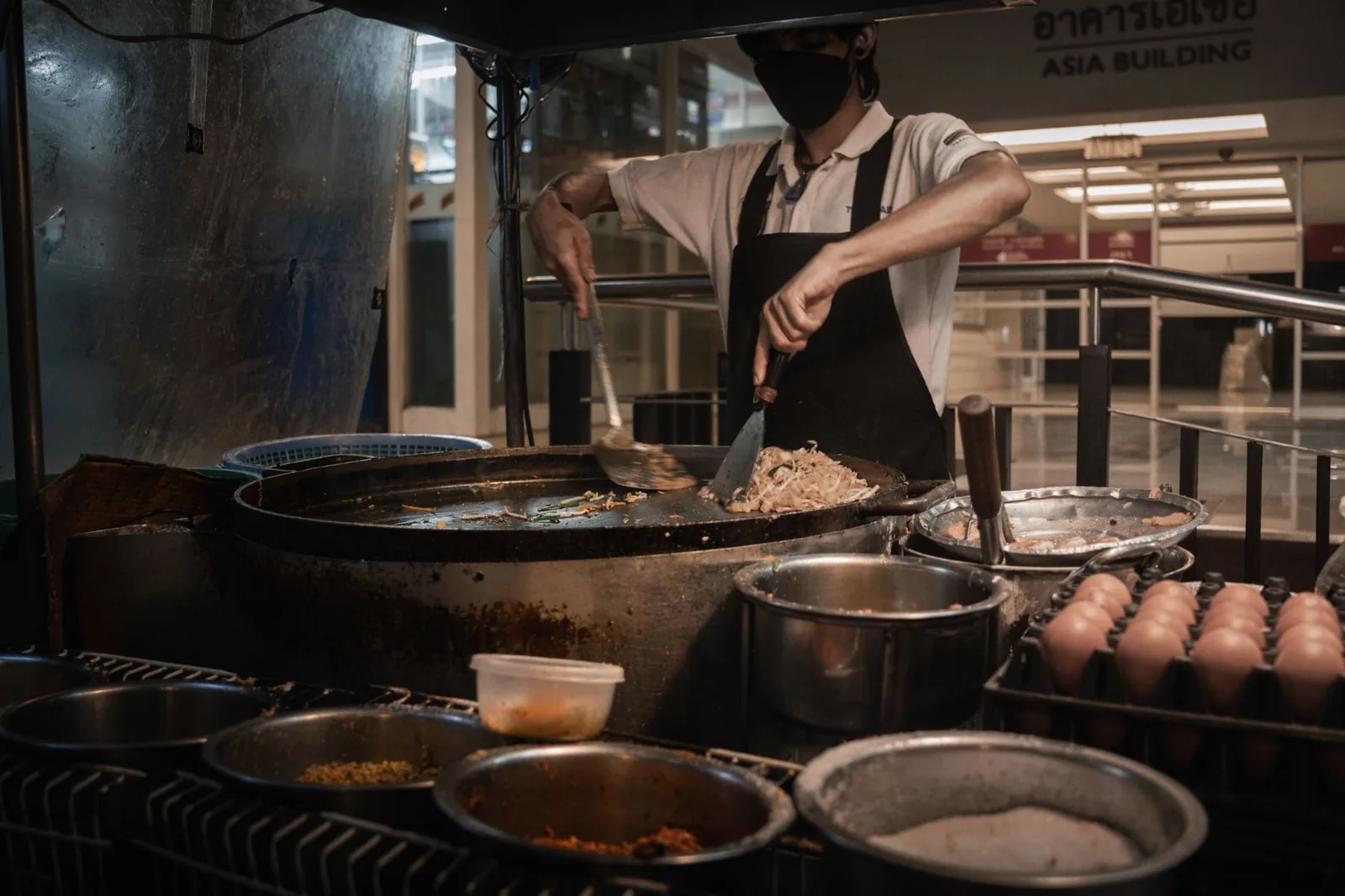
Bangkok rewards curiosity at every price point. Start with familiar dishes, then order smaller portions so you can try more than one style of cooking in a single meal.
Pad thai combines stir-fried rice noodles with a sweet-savoury seasoning, egg, tofu or protein, and garnishes such as peanuts and lime. Tom yum brings heat and acidity with lemongrass, galangal, lime leaves, chilies and herbs. Tom kha uses coconut for a creamy sweet-sour balance.
Som tam, or green-papaya salad, can be substantially spicy. Ask about the spice level if you are unsure. Khao man gai pairs poached chicken with seasoned rice, broth and a spicy dipping sauce, while boat noodles are served in small bowls with an intensely seasoned broth.
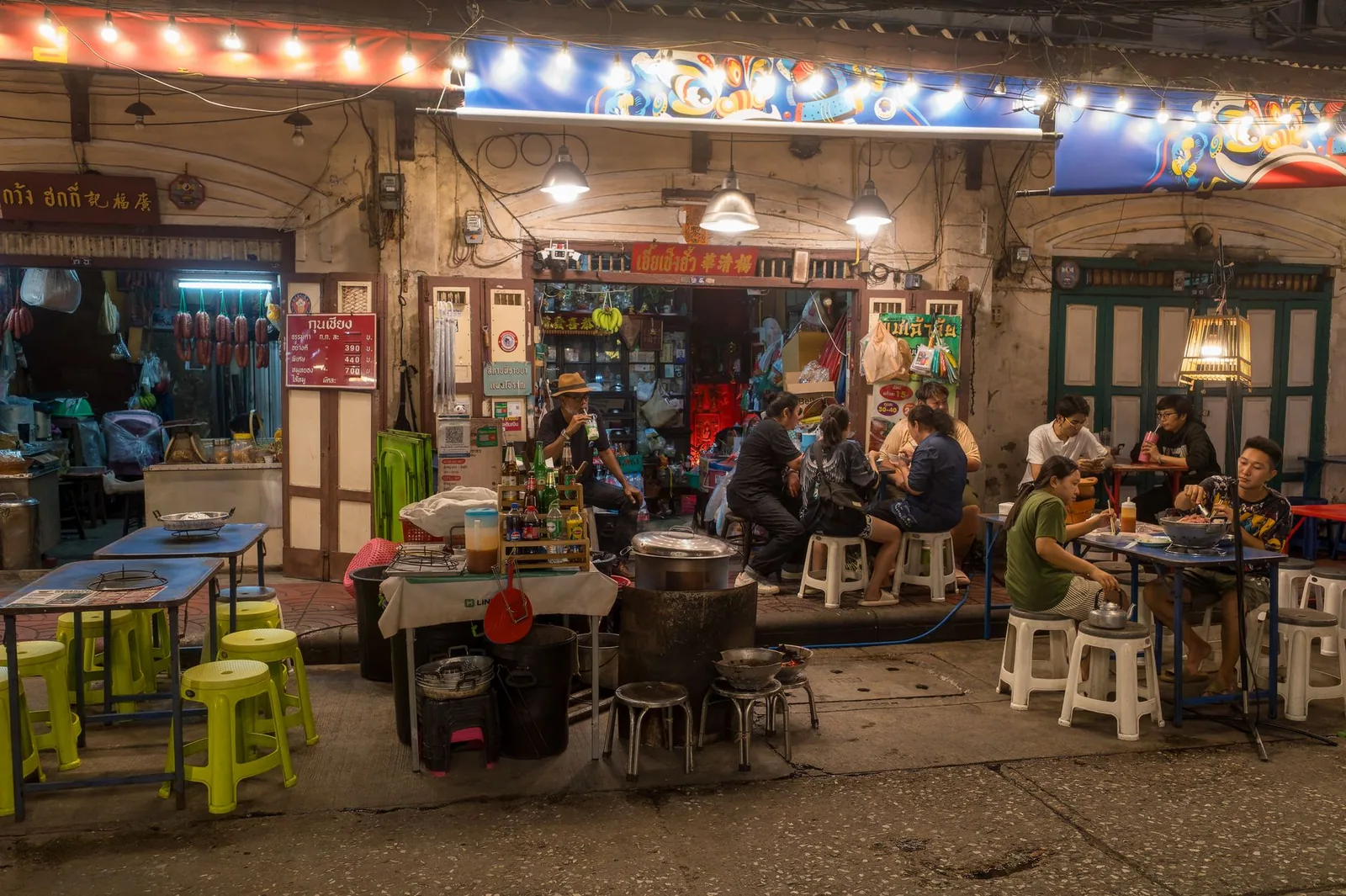
For an evening food walk, head to Yaowarat and the surrounding Chinatown streets. Look for grilled seafood, Chinese-Thai dishes, snacks and desserts, but expect crowds and changing stall patterns.
Thai iced tea and fresh fruit drinks are useful in the heat. Hygiene standards vary by vendor, so favour busy stalls with high turnover and use bottled or otherwise trusted drinking water.
When to Visit Bangkok
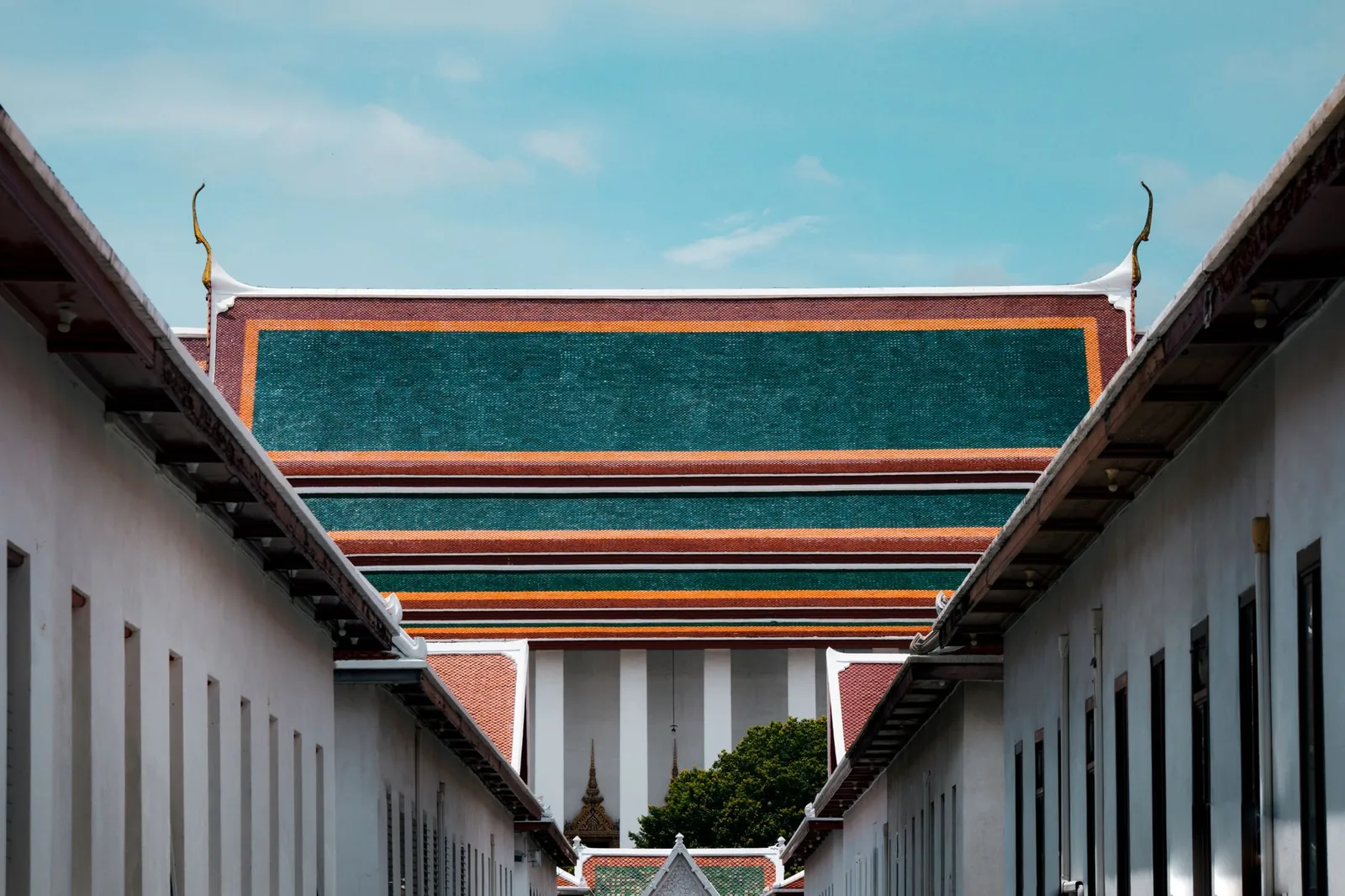
Bangkok is warm throughout the year. The generally most comfortable period is November to February, when conditions are typically cooler and comparatively drier. It is also a popular travel period, so major sights and accommodation areas can be busier.
March to May is usually the hottest part of the year, with April especially challenging for extended outdoor sightseeing. Begin temple visits early, schedule museums or shopping for the afternoon, and keep water and sun protection with you. Seasonal thunderstorms can occur during the transition.
June to August falls within the southwest-monsoon rainy season. Rain may arrive as a short, intense burst or last longer, so build flexibility into your plans. Keep an indoor alternative available for each day rather than treating rain as an itinerary failure.
September and October can be among the wetter months. Heavy rain, local flooding and transport disruption are possible during wet spells. October and November mark a gradual transition toward drier conditions, but the timing varies from year to year.
Check weather, flood, air-quality and heat information close to departure. Seasonal patterns are useful for planning, not a guarantee of conditions on a particular day.
Getting Around Bangkok
Use a combination of BTS Skytrain, MRT, river boats, walking, metered taxis and app-based rides. No single option reaches every visitor area efficiently.
BTS and MRT are most useful for Siam, Sukhumvit, Silom, Sathorn and other modern districts. The old city often requires a combination of rail, boat, walking or a short road transfer. BTS information generally lists services from around 6:00am to midnight, while MRT services are also listed as daily and broadly within those hours. Frequencies, fares, ticket products and last-train times can change.
The Chao Phraya Express Boat is useful for riverside journeys, particularly around the historic centre. Check the current route, flag, fare and pier information before boarding. Services and pier arrangements can change.
Walking works well within compact areas such as Rattanakosin, Chinatown, Siam and parts of Sukhumvit. Distances between districts are less manageable on foot, and heat, humidity, uneven pavements, traffic crossings and limited shade can make long walks uncomfortable.
Taxis and app-based rides are useful for areas away from stations and for late-night travel. Traffic can be severe during commuting periods and around major roads. Use the meter where applicable, confirm the destination in the app or map, and allow generous extra time.
A private car is rarely efficient for central sightseeing because of congestion and limited parking. It becomes more useful for selected day trips or travellers carrying substantial luggage.
Arriving from Suvarnabhumi Airport
Suvarnabhumi Airport, code BKK, is Bangkok’s principal international gateway. The Airport Rail Link station is on Level B1, and the airport currently lists service approximately from 5:30am to midnight. Taxis, airport limousines, buses, rideshare options and rental cars are also available.
Choose based on your arrival time, luggage, destination and traffic conditions. The Airport Rail Link is especially useful when your accommodation connects conveniently with the rail network. Confirm current operating times and interchange details before relying on it for a late arrival.
Don Mueang Airport, code DMK, also serves Bangkok, particularly for some domestic and regional flights. Check the airport carefully when booking. Suvarnabhumi lists a free shuttle between the two airports for eligible passengers transferring between flights who can show onward-travel documentation.
Which Bangkok experience would you most want to build your day around?
Easy Day Trips from Bangkok
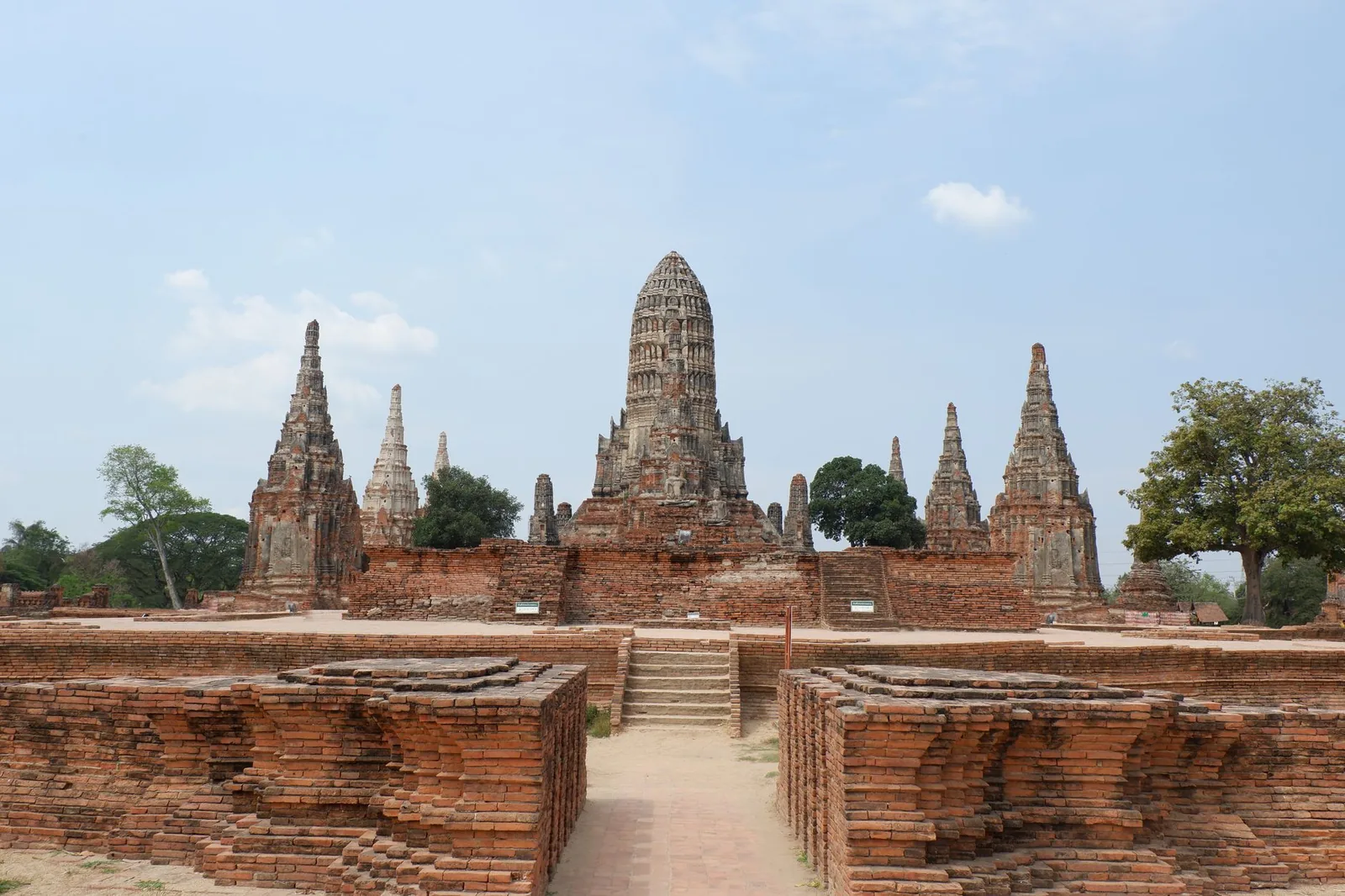
Ayutthaya Historical City
Ayutthaya is the strongest history-focused day trip from Bangkok. The former capital contains temple and palace ruins and is recognised as a UNESCO World Heritage site. It can be reached by train, organised tour, private car or a combination of transport.
An early start is advisable because the historical area is spread out and exposed to the heat. Allow a full day rather than trying to combine Ayutthaya with several unrelated stops.
Maeklong Railway Market
Maeklong is built around an active railway line and is often combined with a nearby floating market or Samut Songkhram. Train and market schedules should be checked for the specific date, since the appeal depends on timing and operating conditions.
Damnoen Saduak Floating Market
Damnoen Saduak is a well-known canal-market excursion outside Bangkok. An early departure is usually the most practical approach, particularly when combining it with other stops. The visitor experience and operating pattern can vary, so confirm current conditions before booking.
Amphawa Floating Market
Amphawa offers a riverside market atmosphere and local food, often with a later-day or evening focus. Its opening pattern can be day-specific and seasonal. Verify the schedule before making it the centrepiece of your day.
Kanchanaburi
Kanchanaburi is a longer excursion suited to travellers interested in Second World War history, river scenery and nearby natural attractions. It is better treated as a full-day trip or overnight stay than a quick half-day outing.
Bang Krachao
Bang Krachao offers a greener, lower-rise contrast with central Bangkok across the Chao Phraya. It is suitable for cycling and slower exploration. Check ferry arrangements, bicycle availability and weather conditions locally.
Practical Tips for Visiting Bangkok
- Complete the Thailand Digital Arrival Card through the official Immigration Bureau system within the required period before arrival. The official guidance states that it is required for non-Thai nationals and is free; recheck the process before your trip.
- Dress modestly at temples and royal sites. Cover shoulders and knees, and remove shoes where instructed.
- Visit major temples early to avoid the worst heat, crowds and the risk of arriving close to ticket cut-off times.
- Carry small Thai-baht notes and coins for markets, small vendors, ferries and occasional transport purchases.
- Keep your hotel address saved offline in both Thai and English.
- Allow large buffers for road journeys. A short distance on the map can take much longer in traffic.
- Use official attraction websites or clearly identified ticket counters rather than unsolicited offers around temples and transport hubs.
- Carry water, sun protection and breathable clothing. Air-conditioned interiors can feel very cold after time outdoors.
- Check current visa, passport-validity and entry requirements for your nationality before departure.
- The Tourist Police hotline is 1155. The official Tourist Police service also provides assistance and communication tools.
- Check weather, flooding and air-quality conditions during the hot and rainy seasons, especially before outdoor day trips.
A common mistake is trying to visit the Grand Palace, Wat Pho and Wat Arun in the hottest part of the day. Another is assuming that every attraction keeps the same schedule throughout the week. Markets, museums, river piers and temples may alter their hours for holidays, ceremonies, maintenance or weather.
Do not assume one payment method works across BTS, MRT, airport and river services. Check current ticket and contactless rules, and keep a backup payment option. It is also worth confirming your return time before booking a day trip, particularly when traffic or a fixed railway schedule is involved.
Frequently Asked Questions
How many days do you need in Bangkok?
Three to four full days is a useful target for a first visit. Two days can cover the principal old-city sights, but extra time allows for markets, modern neighbourhoods, museums, food experiences or a day trip.
What is the best month to visit Bangkok?
November through February is generally the most comfortable period because it falls within Thailand’s cooler, comparatively drier season. Bangkok remains warm, and rainfall and temperatures vary from year to year.
Is Bangkok easy to get around without a car?
Yes, for many visitor areas. BTS and MRT serve modern districts, river boats help with several historic-area journeys, and taxis or app-based rides fill the gaps. The old city itself often requires walking or short road transfers.
Which airport should most international visitors use?
Suvarnabhumi Airport, code BKK, is Bangkok’s principal international gateway and has an Airport Rail Link connection. Don Mueang Airport, code DMK, also serves Bangkok and is important for some domestic and regional flights. Confirm the airport carefully when booking.
What should you wear to Bangkok temples?
Wear respectful clothing covering shoulders and knees, avoid beachwear, and be prepared to remove shoes in designated buildings. Individual sites may apply their own rules, so check current guidance.
Can you visit Ayutthaya from Bangkok in one day?
Yes. A full-day visit is practical by train, private car or organised tour. The travel time, heat and size of the historical area make an early start advisable.
Is Bangkok suitable for a short stopover?
Yes. With one night or a long layover, choose one compact area, such as the riverside and old city or Siam and the central shopping districts. Trying to cross the entire metropolitan area will leave little time for sightseeing.
Planning Your Bangkok Trip
Bangkok is easier to appreciate when you avoid treating it as a checklist of temples. Give the old city a full day, use the river as part of your transport plan, leave room for Chinatown or a market, and balance outdoor sightseeing with museums, shopping or cafés. Three or four days provides a strong introduction, while a longer stay reveals the neighbourhoods, food culture and everyday city life that make Bangkok more than a stopover.
Inspired? Start planning your trip.
Move from inspiration to planning with BookingTabs — explore hotels, tours and travel options in one place.
Join the conversation
Ask a question, share a travel tip, or help another traveler plan with confidence.
Leave a comment
No account or email required.