
Cancun Travel Guide
Cancun is more than an all-inclusive resort strip. The city brings together long Caribbean beaches, reef excursions, Maya archaeology, lively nightlife and a mainland downtown with markets, public squares and local restaurants. It is also one of the easiest bases for exploring the northern Riviera Maya, Isla Mujeres and the wider Yucatan Peninsula.
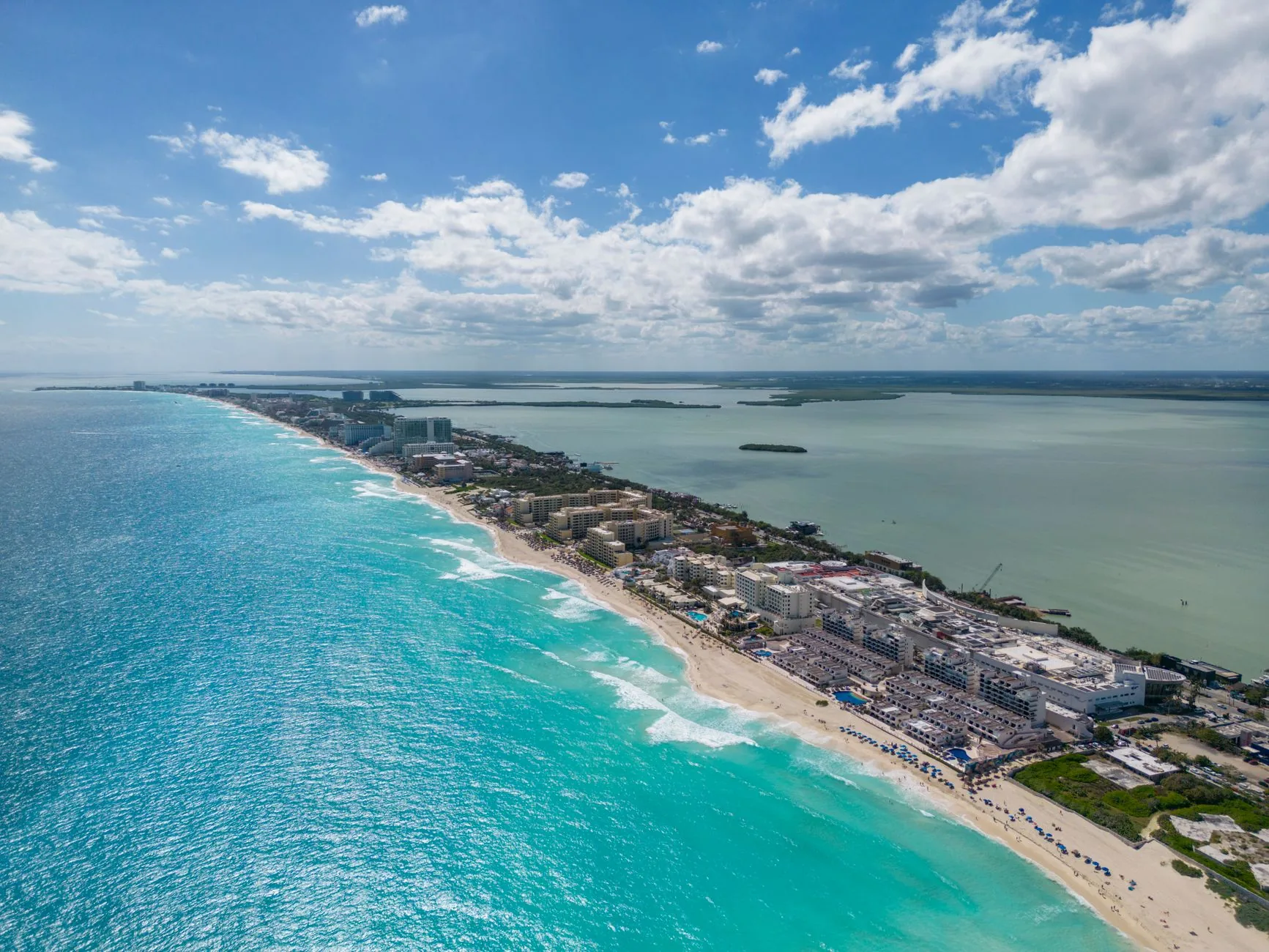
The key to planning a good Cancun trip is understanding its geography. The Hotel Zone occupies a narrow barrier island between the Caribbean Sea and Nichupte Lagoon, while downtown Cancun sits on the mainland. They are connected, but they offer very different experiences. The Hotel Zone is built around beaches, resorts and entertainment; downtown feels more like a working Mexican city.
For a first visit, four to seven nights is a useful range. That allows time for the beach, a reef or island excursion, some local food and one or two cultural day trips without turning the holiday into a constant schedule of transfers.
Why Visit Cancun
Cancun suits travelers who want plenty of choice. You can spend an entire stay inside a beachfront resort, divide your time between public beaches and independent restaurants, or use the city as a base for exploring Quintana Roo.
The main draw is the coast. The Hotel Zone has a long Caribbean-facing shoreline, with several municipal beaches open to visitors who are not staying at a beachfront resort. Water conditions vary, and the sea can be rougher on some stretches than others, so check beach flags and follow local instructions before swimming.
Cancun is also a practical destination for water activities. The protected marine area around Punta Cancun, Punta Nizuc and the western coast of Isla Mujeres supports authorized snorkeling, diving, boating and reef-viewing excursions. The Cancun Underwater Museum of Art, usually visited by boat, snorkelers or divers, adds a distinctive cultural element to time on the water.
Away from the beach, several Maya sites are within the city or close to it. El Rey is in the Hotel Zone, while the Museo Maya de Cancun and San Miguelito form a convenient cultural stop farther along Boulevard Kukulcan. El Meco lies north of the city. Longer excursions reach Tulum, Coba and Chichen Itza.
Cancun is especially well suited to beach holidays, families, couples, nightlife, snorkeling and short resort breaks. Its airport and bus connections also make it a convenient starting point for a longer trip through Quintana Roo.
Top Experiences in Cancun
Planning your activities? Compare tours and activities for Cancun on BookingTabs.
Spend time on the Hotel Zone beaches
The Hotel Zone is Cancun’s defining visitor district. Its long road, Boulevard Kukulcan, runs between the Caribbean coast and Nichupte Lagoon, with resorts, restaurants, shops, clubs and activity operators spread along the route.
You do not need to stay at a beachfront resort to enjoy the coast. Public beaches include Las Perlas, Playa Langosta, Playa Tortugas, Playa Chac Mool, Playa Marlín, Playa Delfines and Playa Coral. Access arrangements, facilities and lifeguard coverage can vary, so look for designated entrances and check current local information.
Playa Delfines is one of the best-known public options. It is a useful choice for travelers staying downtown or in a hotel without direct beach access. Bring water, sun protection and anything else you need for the outing, as facilities can differ from one beach to another.
Beach flags matter. A calm-looking sea can still have strong current, surf or wind, and conditions may change during the day. Follow lifeguard and municipal instructions rather than judging the water by appearance alone.
Visit the Museo Maya de Cancun and San Miguelito
The Museo Maya de Cancun is one of the city’s most useful cultural stops. Its collections cover Maya archaeology from Quintana Roo and other parts of the Maya area, helping put the region’s coastal settlements and trading networks into context.
Admission to the museum also includes access to the adjacent San Miguelito archaeological site, according to current information from Mexico’s National Institute of Anthropology and History. San Miguelito preserves palace groups, domestic structures and vegetation within what was once a coastal settlement.
Together, the museum and site make a manageable half-day visit, particularly when the heat is strongest. Opening hours, last entry times, admission arrangements and temporary closures can change, so check current details before setting out.
Explore El Rey
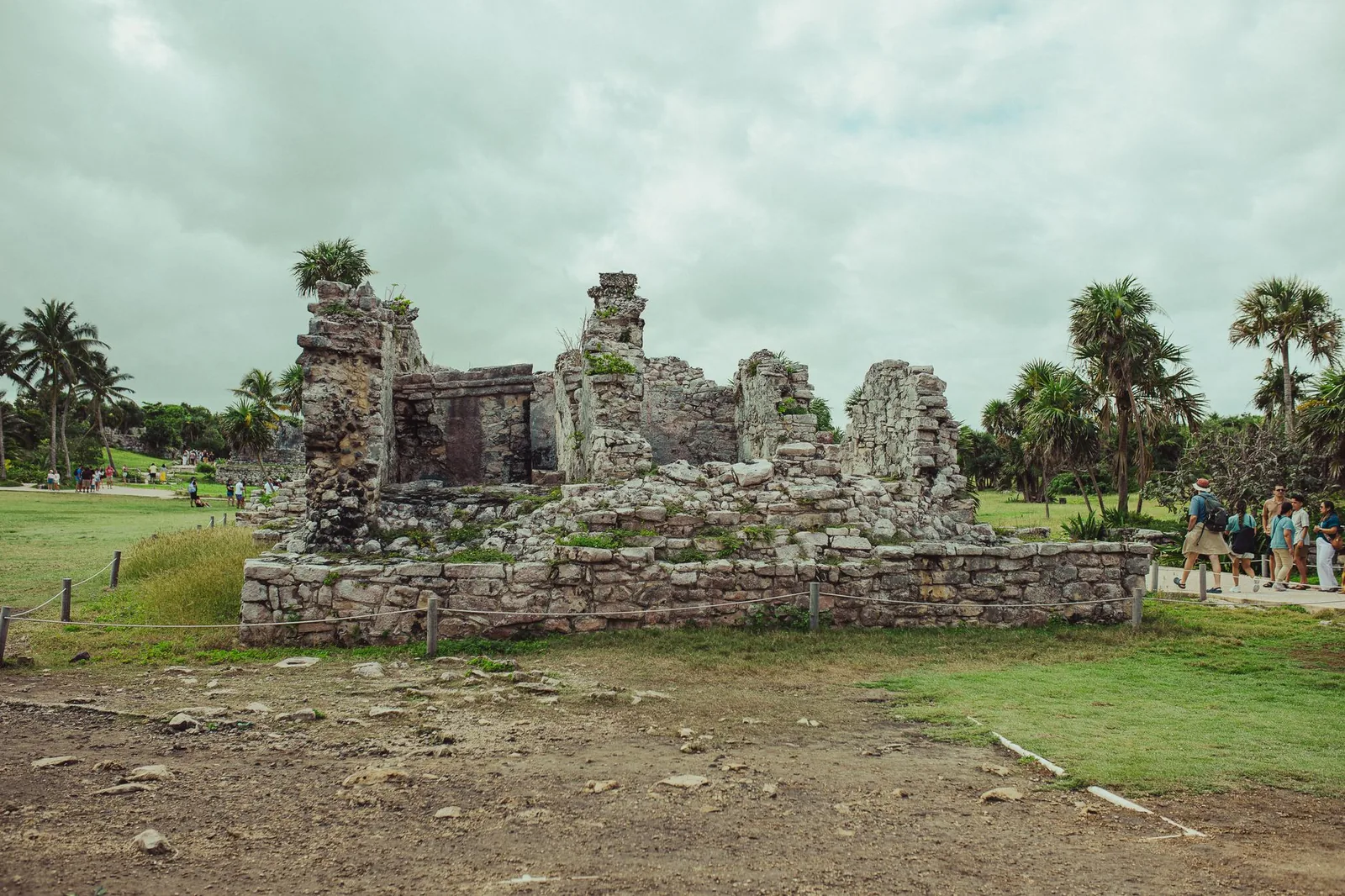
El Rey is a compact Maya archaeological zone within the Hotel Zone, near the southern end of Boulevard Kukulcan. Its location makes it one of the easiest archaeological sites to visit without committing to a full-day excursion.
The settlement was associated with maritime trade and fishing. Its plazas and structures are set among vegetation, and the site retains traces of former mural decoration. Allow time to walk slowly, especially in hot weather, and bring water and sun protection.
El Rey is a good choice for travelers who want to add archaeology to a beach-focused itinerary without spending hours on the road. Confirm current hours, admission and access conditions with INAH before visiting.
Discover El Meco
North of central Cancun, El Meco was an important coastal and commercial location connected with access toward Isla Mujeres. It is less central to the usual resort itinerary than El Rey or San Miguelito, but it can suit travelers interested in seeing a quieter archaeological site.
Transport and opening arrangements can change, so verify the current details before planning the visit. A taxi, organized excursion or rental car may be more practical than trying to combine the site with several unrelated stops.
Go snorkeling, diving or boating
Cancun’s protected marine areas are among its strongest reasons to get away from the pool. Authorized excursions operate around the Cancun-Isla Mujeres marine area, including reef sites and the waters associated with MUSA.
Options range from beginner snorkeling and glass-bottom boats to scuba diving for certified divers. Some trips focus on reefs, while others combine snorkeling with Isla Mujeres or a boat-based day on the Caribbean.
Before booking, check the departure marina, equipment, duration, weather policy and whether marine-park, dock or environmental charges are included. Sea conditions can affect routes and cancellations, so avoid placing an important onward connection immediately after a boat excursion.
Treat the marine environment carefully. Do not touch coral, feed wildlife or remove anything, and follow the operator’s conservation guidance.
Take a lagoon excursion
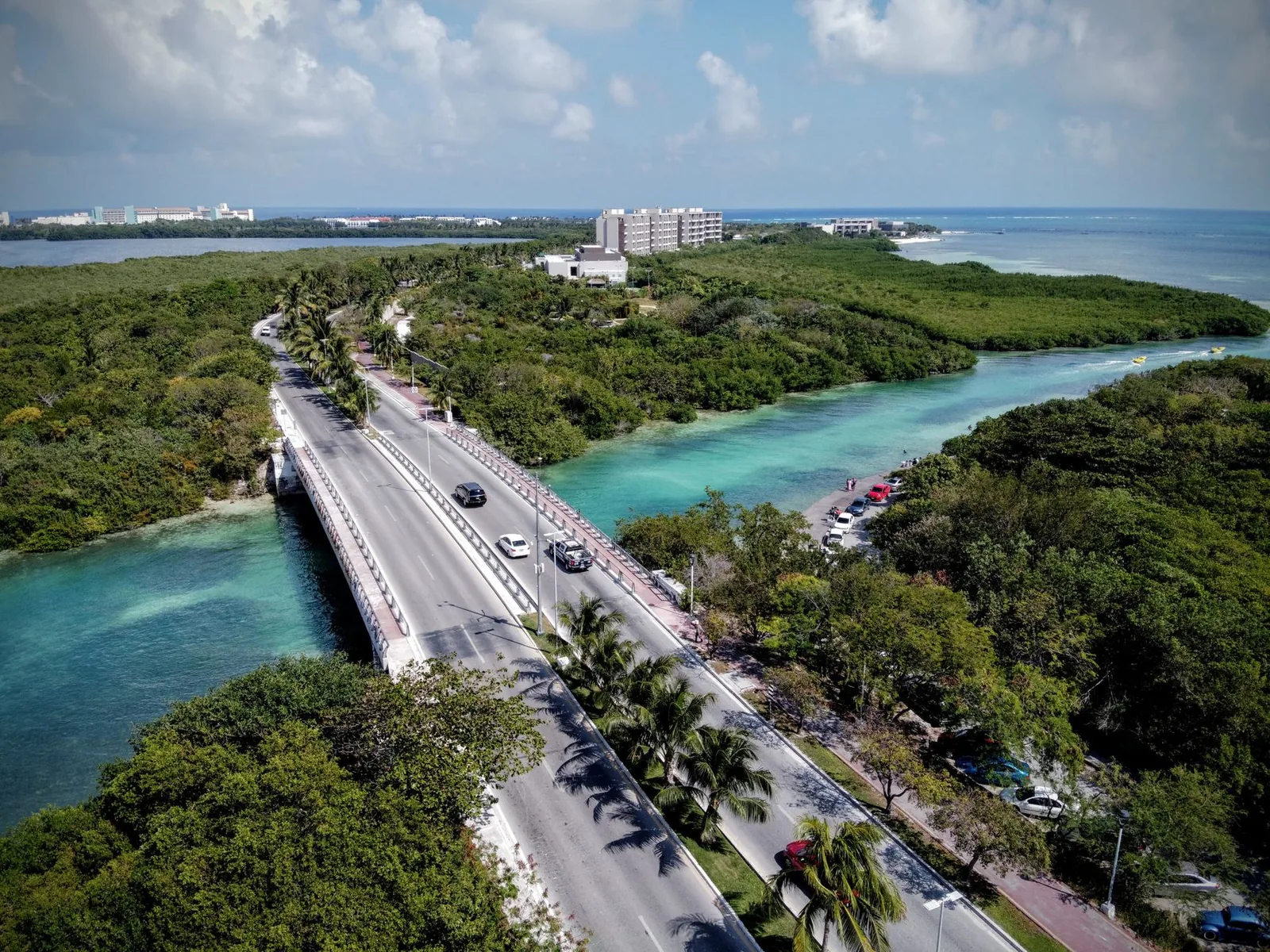
Nichupte Lagoon separates much of the Hotel Zone from the mainland and offers a different perspective on Cancun. Mangrove areas support guided boat trips, kayaking and wildlife-focused outings, while sunset cruises provide a slower alternative to a day at the beach.
Choose an authorized operator and check weather and water conditions. The lagoon is environmentally sensitive, so conservation practices matter. A road bridge now provides an additional connection between the city and the Hotel Zone, but it is primarily a transport link rather than a sightseeing attraction. Check current traffic arrangements and operating rules before relying on it.
See downtown Cancun
Downtown is where Cancun feels most like a local city rather than a resort destination. The Zona Fundacional includes Parque de las Palapas, a central public space associated with casual food, community events and everyday city life.
Mercado 28 and Mercado 23 are useful for browsing handicrafts, souvenirs, casual food and other local shopping. Prices can vary, so compare before buying and confirm that amounts are quoted in Mexican pesos. Busy food stalls with good turnover are generally a sensible choice, while normal precautions are advisable in crowded market areas.
Downtown is worth visiting even if you are staying in the Hotel Zone. It gives the trip a more rounded sense of Cancun and offers restaurants and markets beyond the resort circuit.
Enjoy Cancun after dark
Nightlife is concentrated around Punta Cancun and the central Hotel Zone, where clubs, bars, restaurants and large entertainment venues draw visitors from across the city. Resort areas also offer live music, themed evenings and late dining.
For a quieter evening, consider a restaurant in Puerto Cancun, a lagoon-side setting or downtown food and public spaces. Keep valuables secure, use planned transportation and confirm the fare or booking terms before leaving a venue.
What would you most like to experience in Cancun?
When to Visit Cancun
Cancun can work throughout the year, but the best time depends on your priorities. Weather, sea conditions, crowds, prices and the possibility of tropical storms all matter.
Winter: December to February
Winter is a popular period for Caribbean beach travel, so flights and accommodation may be in higher demand. Conditions are often attractive for a beach holiday, but exact weather and sea conditions still need checking for your dates.
Book early if you need a particular resort, room type or travel week. The period around major holidays can be especially busy.
Spring: March to May
March through May is commonly suitable for beach and water-focused trips. Temperatures and humidity increase as the season progresses, while crowds and prices vary around school holidays and major events.
Seaweed conditions can also change by beach and date. Check recent local information rather than assuming that every stretch of coast will look the same.
Summer: June to August
Summer is hot and humid, with tropical showers possible. The official Atlantic hurricane season begins on June 1, so travelers should monitor forecasts close to departure and understand their airline, hotel and tour policies.
This can still be a rewarding time for a Cancun holiday, particularly if you build flexibility into the schedule. Avoid booking every day around nonrefundable boat trips or distant excursions.
Autumn: September to November
September through November overlaps with the core Atlantic hurricane season. Activity is generally highest from mid-August to mid-October, although storms can occur outside the most active period.
This period may be quieter or offer better value, but weather risk is higher. Keep plans flexible, monitor official forecasts and check cancellation or interruption coverage before booking.
What to Eat in Cancun
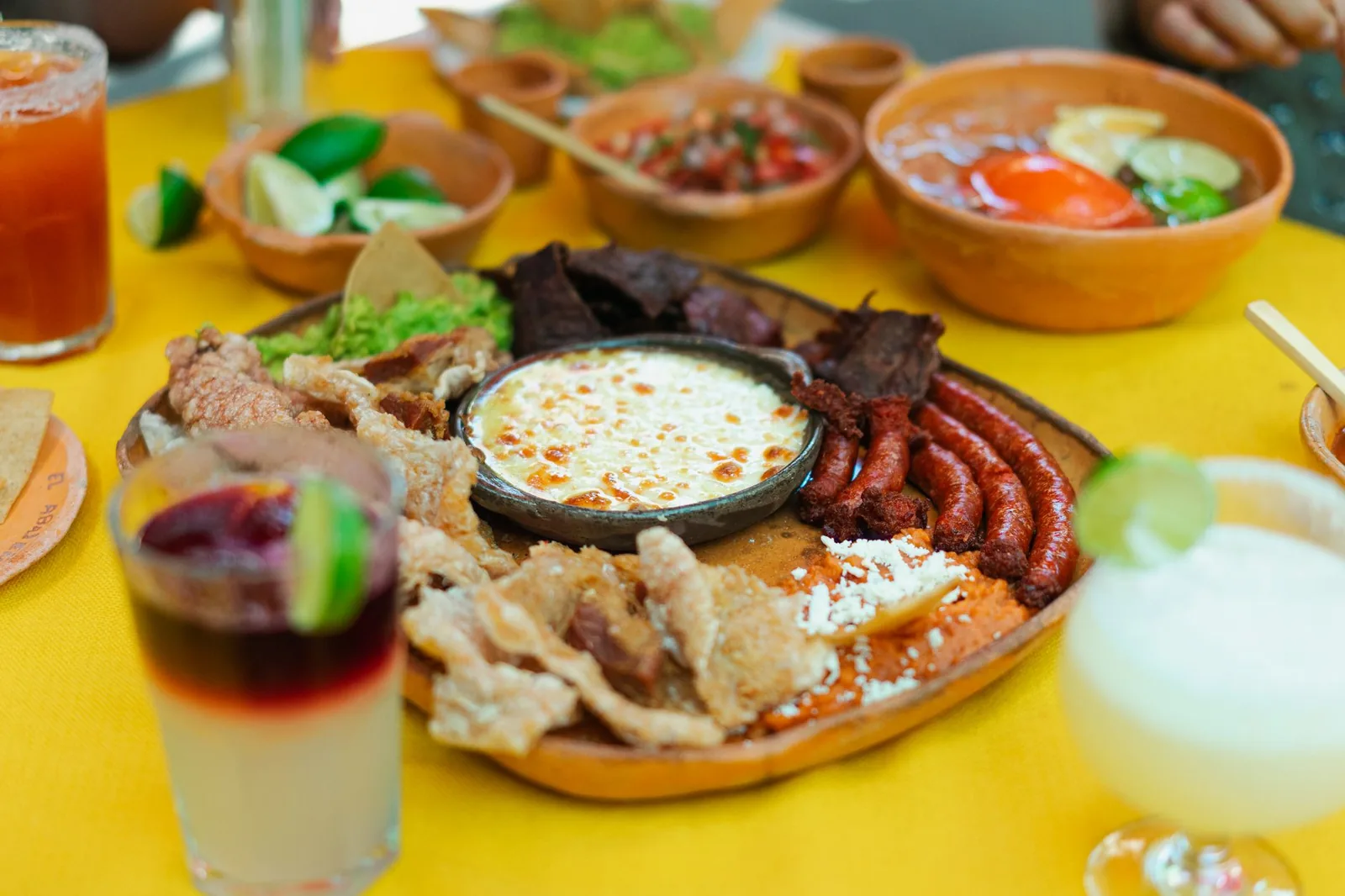
Cancun’s restaurant scene ranges from resort buffets and international dining to downtown markets, taquerias and regional Mexican cooking. To experience more than the standard resort menu, make time for at least one meal downtown.
Look for Yucatan Peninsula specialties such as cochinita pibil, sopa de lima, panuchos, salbutes and papadzules. Tikin xic, a fish preparation seasoned with achiote and citrus, is particularly associated with the peninsula and Isla Mujeres. Seafood, ceviche and grilled fish are also common coastal choices.
Markets and casual food areas offer tacos, tortas, tamales, marquesitas and aguas frescas. Choose busy stalls with good turnover and observe local hygiene practices. Use Mexican pesos for small purchases, buses, tips and market shopping, even though cards are widely accepted in hotels and larger businesses.
Restaurants and resorts commonly serve Mexican beer, tequila, mezcal, fruit drinks and tropical cocktails. Check whether menus include taxes or service charges before ordering, particularly in resort areas.
Easy Day Trips from Cancun
Isla Mujeres
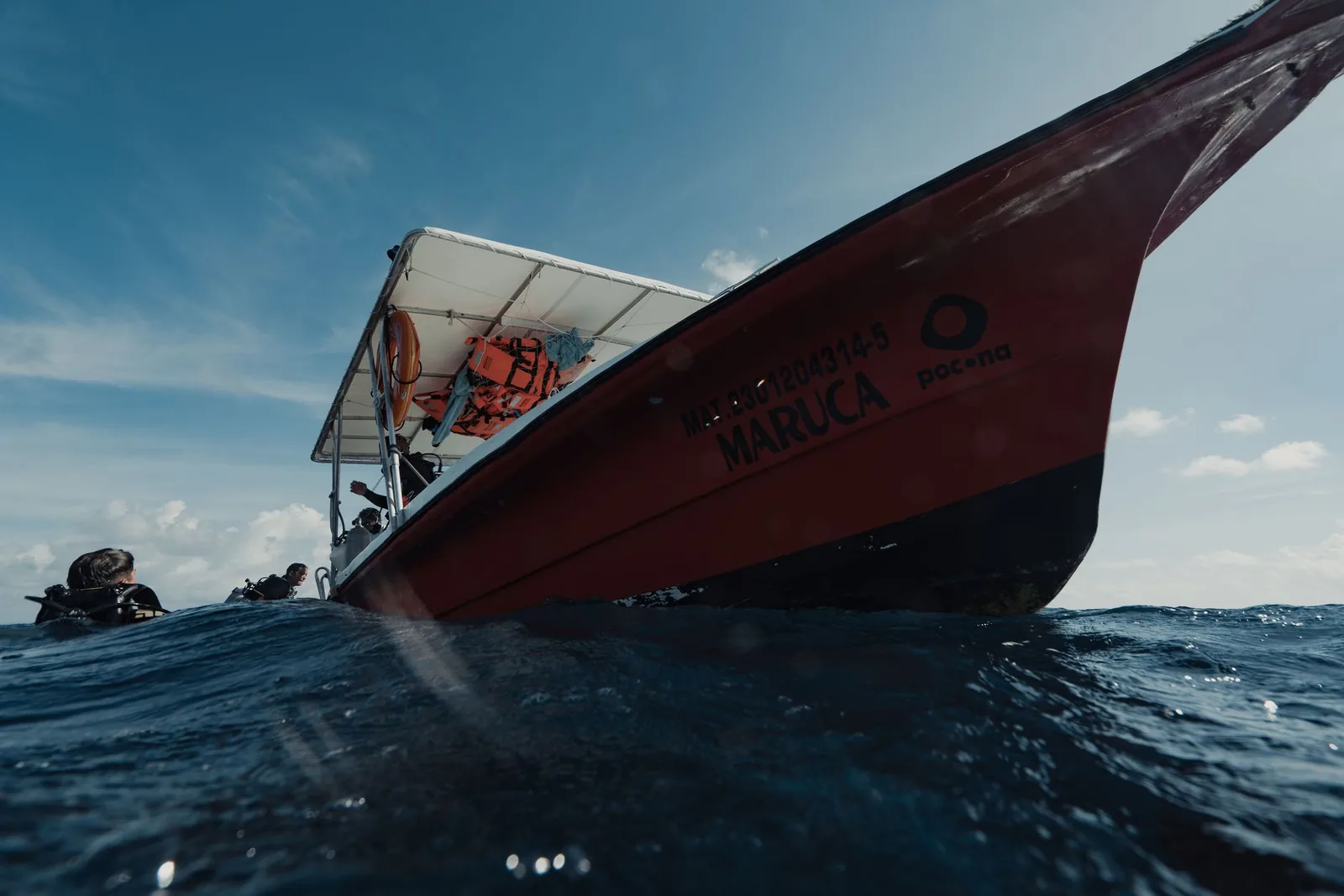
Isla Mujeres is Cancun’s most straightforward island escape. Ferries operate from Cancun-area terminals, including Puerto Juarez, and the island combines beaches, snorkeling, reef excursions and a slower atmosphere.
You can visit independently by ferry or choose a day tour involving snorkeling, a catamaran, a beach club or other activities. Check the current ferry timetable, boarding requirements, fares and return options. Allow extra time for boarding, especially during busy periods.
Puerto Morelos
Puerto Morelos is a smaller coastal town south of Cancun and a gateway to reef activities, seafood restaurants and nearby cenote excursions. It is a good option for travelers who want a less urban coastal setting without committing to a long day on the road.
Playa del Carmen
Playa del Carmen offers a lively pedestrian shopping and dining area, onward transport and ferry access to Cozumel. Buses connect it with Cancun and the airport, making it possible as a day trip, although traffic and return times should be considered.
Tulum
Tulum combines a famous coastal Maya archaeological site with beaches, cenotes and a large visitor economy. It is possible to travel from Cancun by bus or organized tour, but it is not a quick hop. Check return schedules and allow for traffic, heat and the time needed at the archaeological site.
Coba
Coba lies inland and is often paired with cenotes or a local village visit. It is a substantial excursion from Cancun, best suited to travelers interested in Maya history and willing to spend much of the day traveling and walking.
Chichen Itza
Chichen Itza is one of the Yucatan Peninsula’s best-known Maya archaeological destinations and usually requires a full day from Cancun. An early departure helps make the most of the visit, but the distance, heat and return traffic still make this a demanding outing.
Cenotes
Cenotes near Puerto Morelos, Playa del Carmen and Tulum offer freshwater swimming, snorkeling and cave experiences that contrast sharply with Cancun’s beaches. Check the access rules, transport arrangements, safety information and current admission details for the specific cenote.
Where to Stay in Cancun
Looking for a place to stay? Compare hotels for Cancun on BookingTabs.

Hotel Zone and Zona Hotelera
The Hotel Zone is the obvious choice for a classic beach holiday. It offers the broadest selection of beachfront resorts, public beaches, restaurants, shopping, clubs and water-activity operators.
The area is long and linear, so location matters. Punta Cancun is convenient for nightlife, shopping and central beaches. Punta Nizuc, at the southern end, is closer to reef and lagoon activities and lies along the route toward the airport. Check whether a hotel faces the Caribbean, the lagoon or an inland road before booking.
Downtown Cancun and El Centro
Downtown is usually better suited to travelers who prioritize local restaurants, markets, supermarkets, public transport and a more everyday urban atmosphere. It can also be a practical base for independent travelers planning bus journeys or day trips.
Downtown is not a substitute for staying on the beach. You will need transport to reach the Hotel Zone coastline, but the trade-off is a greater choice of casual food and a less resort-focused setting.
Puerto Cancun
Puerto Cancun is a marina and mixed-use area between downtown and the Hotel Zone. It is useful for waterfront walks, dining, shopping and some boat departures, although the experience is different from staying directly beside one of the city’s main public beaches.
Puerto Juarez
Puerto Juarez is a northern waterfront area and a practical base for travelers planning an early ferry to Isla Mujeres. It is less suited to visitors who want to be surrounded by the main Hotel Zone nightlife and resort activity.
Transport in Cancun
Cancun is easiest to navigate by treating the Hotel Zone and downtown as separate districts. The Hotel Zone is too long to explore entirely on foot, although walking works well within individual resort, shopping or nightlife clusters.
Public buses serve downtown and the Hotel Zone. Routes, stops, fares and operating patterns can change, so confirm current information locally. Buses can be economical for travelers staying on the main resort corridor, but allow extra time during busy traffic periods.
Taxis are widely used for hotels, beaches, marinas, nightlife and airport journeys. Confirm the fare or booking terms before departure. Rideshare availability and pickup rules, particularly at the airport, can change, so check current arrangements rather than assuming app pickup works everywhere.
A rental car is not essential for a resort-focused visit. It becomes more useful for independent trips to El Meco, cenotes, Coba, Tulum or other destinations outside the main corridor. Before renting, confirm insurance, fuel policy, parking, tolls and the exact pickup location. Do not leave valuables in the vehicle.
Arriving at Cancun International Airport
Cancun International Airport, code CUN, is the principal gateway. It has Terminals 1, 2, 3 and 4, and terminal assignments can vary by airline and flight. Check the correct terminal before departure or arranging a pickup.
Ground transport options include ADO buses, authorized taxis, prearranged private transfers and rental cars. ADO operates airport services from Terminals 2, 3 and 4 and connects with Cancun and other Riviera Maya destinations. Schedules, fares and drop-off points change, so verify the details for your travel date.
For a private transfer, confirm the terminal, meeting point, vehicle identification and whether the service takes you to the Hotel Zone, downtown or another destination. Avoid accepting transport from unofficial operators inside or outside the terminal.
Essential Travel Tips
- Carry Mexican pesos for markets, buses, tips and small purchases; card acceptance is not universal.
- Confirm whether prices include taxes, service charges, dock fees, reef fees or environmental charges.
- Check beach flags and follow lifeguard instructions before swimming.
- For snorkeling and diving, verify operator licensing, equipment, insurance, marine-park fees and weather cancellation rules.
- Pack reef-appropriate sun protection, a hat, water shoes, insect repellent and a waterproof phone pouch.
- Keep passports and valuables secured and take only what you need to the beach or nightlife areas.
- Use authorized airport transport or a prearranged transfer, and confirm the meeting point and vehicle details.
- Allow extra time for traffic, ferry boarding, airport security and holiday crowds.
- During hurricane season, monitor official weather information and review cancellation policies.
- Do not touch coral, feed marine life, disturb mangroves or remove archaeological objects.
The most common planning mistake is treating Cancun as one compact resort. Downtown, the Hotel Zone, Puerto Juarez and the airport have different locations and transport needs. Check the map before booking accommodation or arranging a day trip.
It is also easy to underestimate distances to Tulum, Coba and Chichen Itza. These are worthwhile excursions, but they involve heat, road time and potentially heavy traffic. Do not schedule one immediately before an important flight.
Cancun Travel FAQ
Is Cancun a city or just a resort area?
Cancun is a city in Quintana Roo. Tourism is concentrated in the Hotel Zone, while the mainland downtown area has local neighborhoods, markets, public spaces and transport facilities.
What airport do you fly into for Cancun?
Most visitors use Cancun International Airport, code CUN. The airport has Terminals 1, 2, 3 and 4. Check the operating terminal with your airline because assignments vary.
How do you get from Cancun Airport to the Hotel Zone?
Options include ADO airport buses, authorized taxis, prebooked private transfers and rental cars. Check the current schedule, fare, terminal arrangements and drop-off points for your travel date.
Do you need a car in Cancun?
Not usually for a resort or Hotel Zone stay. Buses, taxis, transfers and organized excursions cover many visitor needs. A car is more useful for independent trips to archaeological sites, cenotes and destinations outside the main resort corridor.
Can you visit Isla Mujeres from Cancun?
Yes. Passenger ferries operate from Cancun-area terminals, including Puerto Juarez. Schedules, prices, boarding requirements and environmental charges can change, so check current details before traveling.
What is hurricane season in Cancun?
The official Atlantic hurricane season runs from June 1 through November 30, with peak activity generally around mid-August to mid-October. Storms can occur outside those dates, so monitor official forecasts year-round.
Are Cancun’s beaches public?
Cancun has municipal public beaches including Las Perlas, Playa Langosta, Playa Tortugas, Chac Mool, Marlín, Playa Delfines and Playa Coral. Access, facilities, flags and lifeguard arrangements can vary.
How many days should you spend in Cancun?
Four to seven nights works well for combining resort time with an island or reef day and one or two cultural or regional excursions. Two or three nights can work for a focused beach stay or airport stopover.
Planning Your Cancun Trip
Cancun is at its best when you look beyond the resort strip without dismissing what the strip does well. The beaches, pools, nightlife and easy airport access make it a straightforward holiday destination, while downtown food, nearby Maya sites, reefs, lagoons and island ferries add depth.
For a balanced first trip, stay long enough for several unstructured beach days, visit one city archaeological site or museum, and choose either Isla Mujeres, a reef excursion or a longer journey into the Riviera Maya. Plan around the city’s spread-out geography, check changing transport and attraction details, and leave space for weather changes. That combination gives you both the convenience Cancun is known for and a more complete sense of the destination.
Inspired? Start planning your trip.
Move from inspiration to planning with BookingTabs — explore hotels, tours and travel options in one place.



Join the conversation
Ask a question, share a travel tip, or help another traveler plan with confidence.
Leave a comment
No account or email required.