
Pamukkale Travel Guide: Travertines, Hierapolis and More
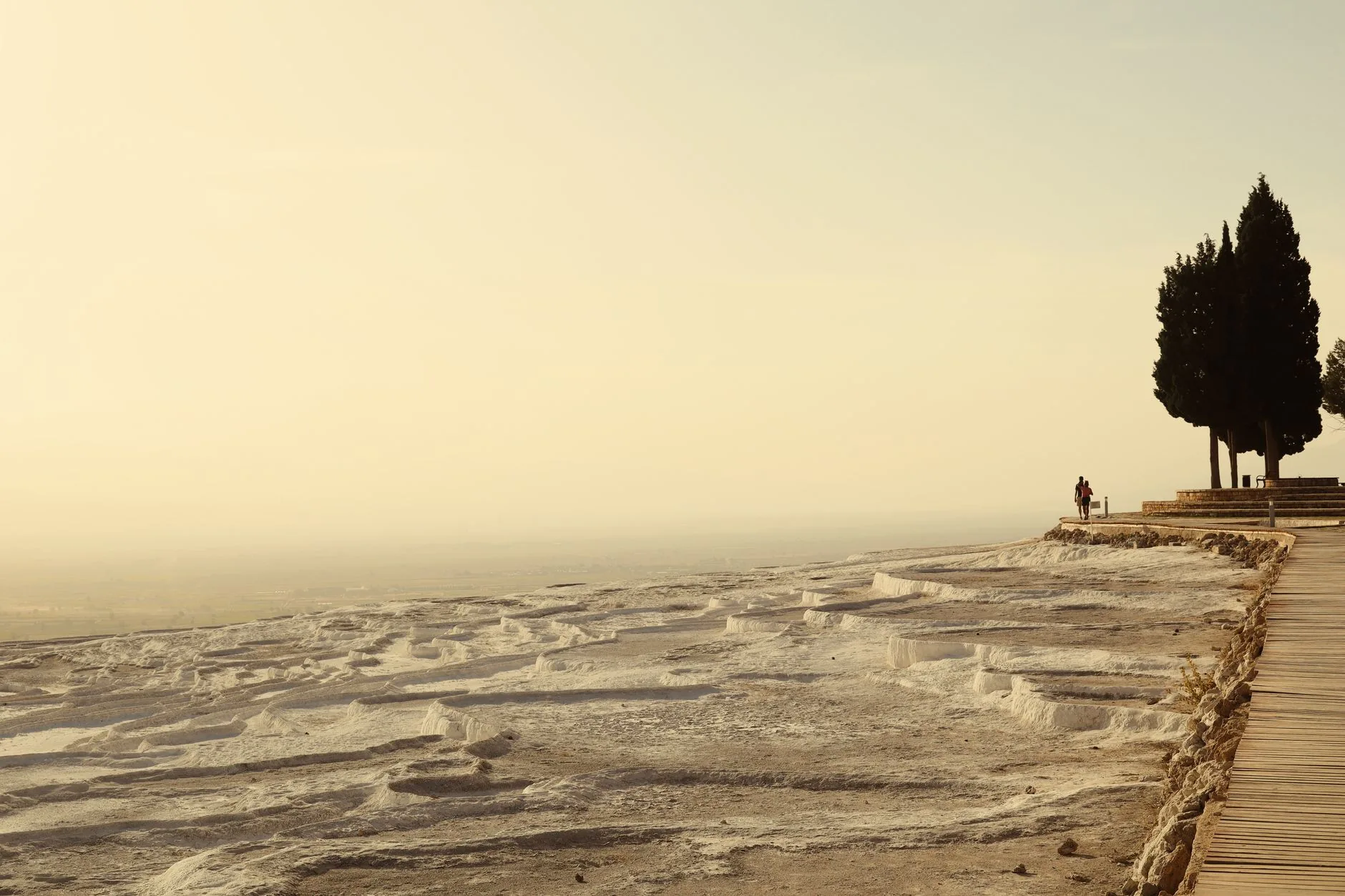
Pamukkale is one of Türkiye’s most distinctive travel destinations: a settlement and tourism area in Denizli Province built around dazzling white travertines formed by mineral-rich thermal water. Beside them stands Hierapolis, an extensive ancient city with a theatre, necropolis, monumental gates, temples, baths and early Christian buildings. Together, the natural formations and archaeological remains make up the UNESCO World Heritage property of Hierapolis-Pamukkale.
The site is more extensive than many first-time visitors expect. A quick stop at the travertines is possible, but a full day is better for combining the terraces with Hierapolis and its archaeological museum. With two nights, you can add the Antique Pool, Karahayıt’s thermal resorts, nearby Laodikeia or a longer regional excursion.
Why Pamukkale Is Worth Visiting
Pamukkale is unusual because its main experiences are inseparable. The travertines are not simply a scenic viewpoint, and Hierapolis is not just a ruin beside them. The city developed around the thermal springs, while the geology shaped its religious traditions, medical culture and identity as an ancient spa destination.
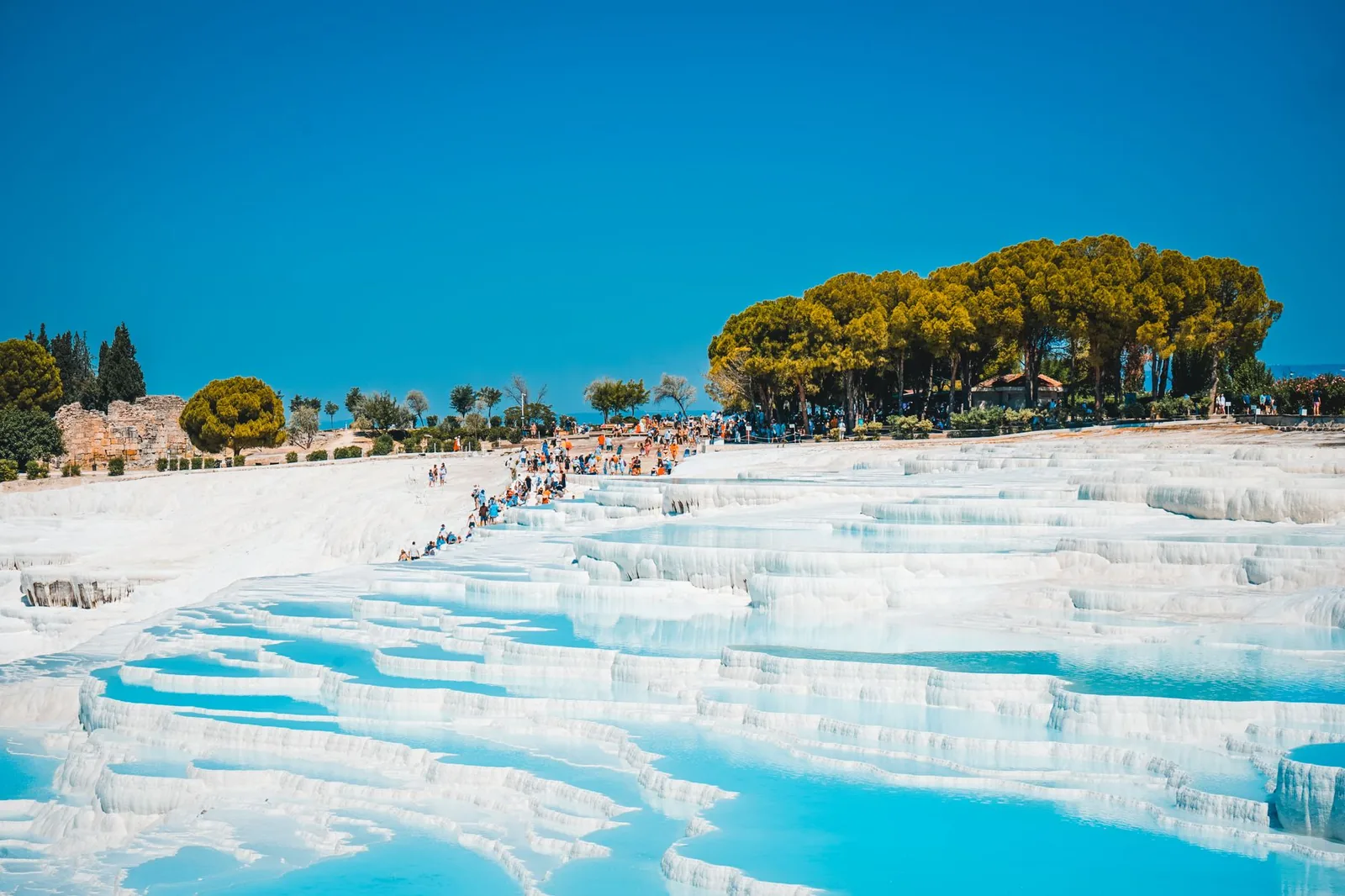
The white terraces were created by calcium-carbonate-rich thermal waters. Mineral deposits formed pools, cascades and petrified slopes across the hillside, producing the landscape that gives Pamukkale its name, commonly translated as “cotton castle.” Access is carefully managed to protect the formations, so visitors must use designated routes and follow current instructions about footwear and bathing.
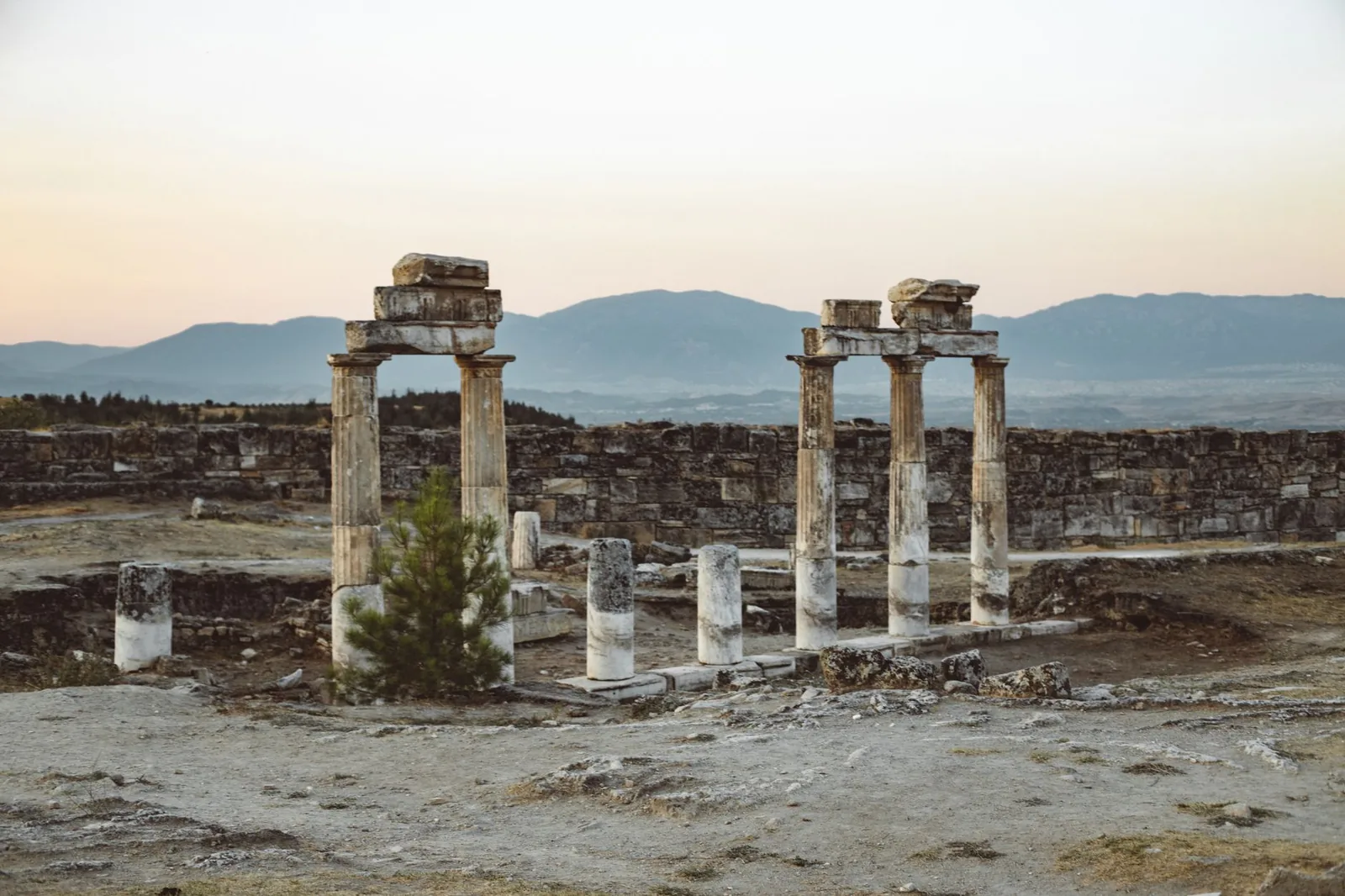
Hierapolis adds a substantial cultural dimension. Its ruins spread across a large, mostly exposed area, with Roman and Byzantine remains extending well beyond the most photographed travertine pools. The theatre, northern necropolis, monumental gates and religious buildings reward travelers who allow several hours rather than treating the ancient city as a short walk-through.
Pamukkale also works well as a base for exploring inland western Türkiye. Laodikeia is particularly convenient for travelers interested in Roman history, Byzantine Christianity and the Seven Churches of Revelation. Aphrodisias, Tripolis, Kaklık Cave, Honaz Dağı National Park and Denizli city offer further options, although some require a car or organized excursion.
Top Experiences in Pamukkale
Planning your activities? Compare tours and activities for Pamukkale on BookingTabs.
Walk the Pamukkale Travertines
The travertines are the destination’s signature attraction. White calcite terraces descend across the hillside, punctuated by shallow mineral pools and hardened cascades. Their appearance changes with the water flow, light and weather, so the view can feel different at different times of day.
Visitor access is controlled to protect this fragile natural feature. Follow the official route, respect barriers and never assume that every pool or white surface is open to visitors. Bare-foot sections may be required or permitted under the current arrangements, but footwear rules can change. Check the latest guidance before arrival and do not plan your visit around bathing in any particular pool.
The route is exposed, with limited shade. Carry water, wear sun protection and allow more time than the short distances on a map might suggest. The bright stone can be particularly intense in summer, and wet surfaces may be slippery.
Explore Hierapolis Ancient City
Hierapolis was an important thermal spa city, and its ruins form the cultural half of the UNESCO property. The archaeological area includes Roman and Byzantine remains spread across a broad plateau above and beyond the travertines.
The site is best approached as a walking circuit rather than a collection of isolated monuments. Along the way, you can see streets, gates, baths, funerary monuments, religious buildings and large public structures that reveal how the city functioned. Because much of the terrain is open and uneven, comfortable footwear and water are essential.
A brisk visitor may cover the principal areas in a day, but travelers interested in archaeology should resist rushing from one landmark to the next. The northern areas, especially the necropolis, add considerable walking and are easy to miss if you focus only on the pools and theatre.
See the Hierapolis Theatre
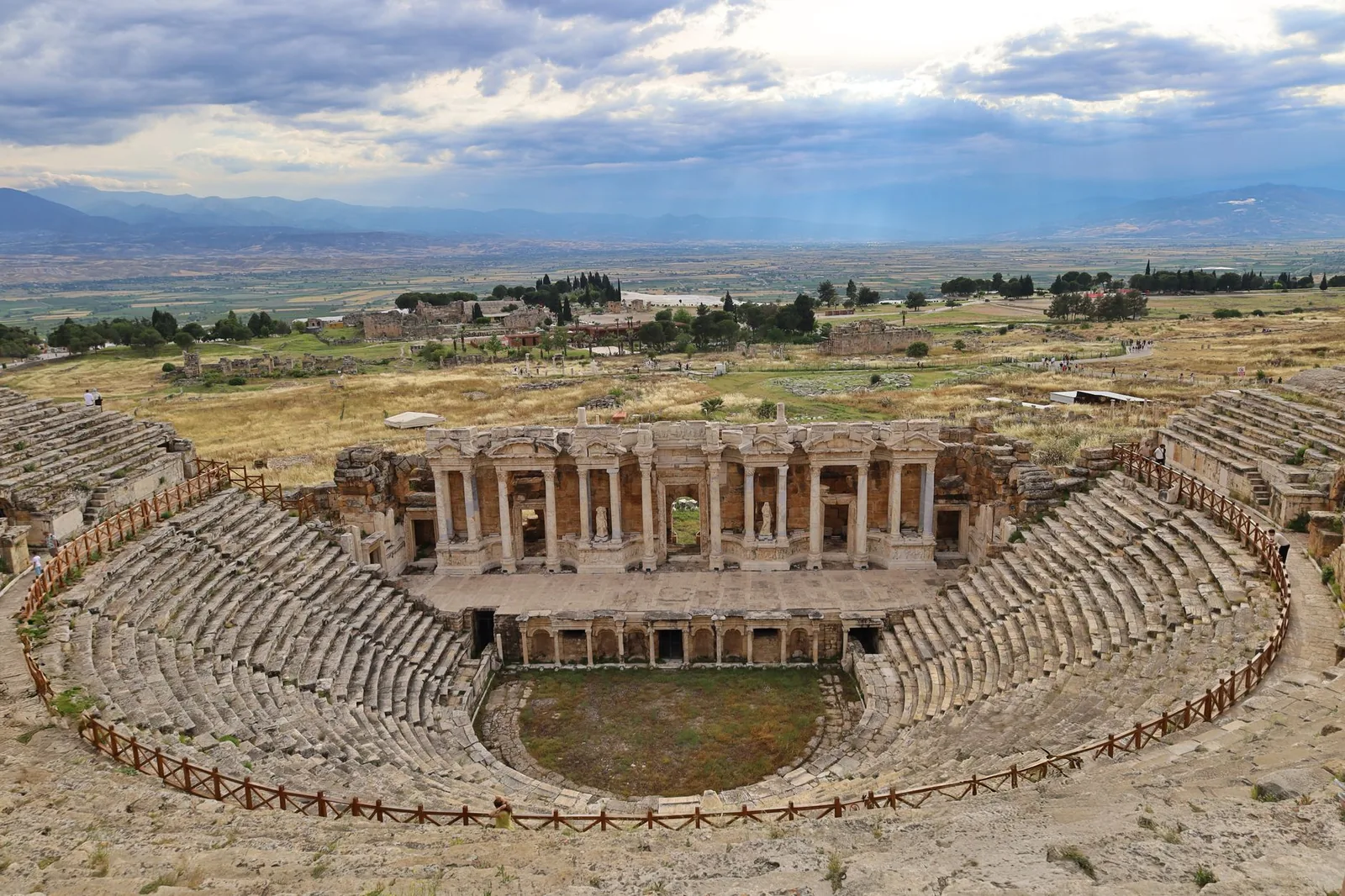
The Roman theatre is one of Hierapolis’s most impressive surviving monuments. It is notable for its scale, preserved structure and architectural decoration, and it provides a strong sense of the city’s former public life.
Reaching the theatre involves walking within the archaeological site, including uneven surfaces and slopes. Visit earlier in the day during hot weather, or plan your route so that you are not tackling the exposed upper areas at the hottest point of the afternoon.
Walk Through the Necropolis
Hierapolis’s necropolis is one of the most important and extensive parts of the ancient city. Its tombs and funerary monuments extend along the approaches to Hierapolis and illustrate the city’s long history and changing burial traditions.
This is not a quick stop beside the main viewpoint. The northern section is particularly extensive and exposed, so allow extra time if you want to understand the scale of the cemetery. The necropolis is also a reminder that the ancient city was a lived-in regional center, not merely a spa complex built around the springs.
Find the Frontinus and Domitian Gates
The Frontinus Gate and Domitian Gate help explain the layout and ceremonial entrances of Hierapolis. They are associated with streets and Roman infrastructure that give structure to the archaeological site.
Their accessibility can depend on the active visitor route, conservation work and temporary restrictions. Treat them as part of a broader walk through the city rather than expecting every monument to be open for close inspection.
Visit the Temple of Apollo and Plutonion Area
The Temple of Apollo and the nearby Plutonion area reflect Hierapolis’s religious importance and its connection with the geological forces beneath the city. Thermal vapors and the local fault shaped ancient beliefs about the area, giving the sanctuary a strong connection between landscape, religion and mythology.
Viewing points and interpretive access may change during conservation work. Stay outside fenced or restricted zones and follow staff instructions, particularly around areas associated with thermal gases or unstable ground.
Continue to the Martyrium of St. Philip
The octagonal Martyrium of St. Philip is a major Early Christian monument associated with Hierapolis’s importance during the Byzantine period. It lies away from the most visited travertine viewpoints, so reaching it requires additional walking across the archaeological area.
For travelers interested in early Christian history or the Seven Churches of Revelation, the monument adds useful context to Hierapolis’s transition from a Greco-Roman city to an important Christian center. Allow enough time to reach it without turning the rest of the site into a rushed walk.
Visit the Hierapolis Archaeology Museum
The Hierapolis Archaeology Museum occupies a restored Roman bath building within the archaeological area. Its collection includes finds from Hierapolis and nearby sites, offering a closer look at sculptures, architectural elements and objects that are difficult to interpret when seen only among the ruins.
The museum is inside the site, so include it in your Hierapolis route rather than treating it as a separate trip. Opening hours and ticket conditions can change, so check the current official Turkish Museums listing before visiting.
Check the Antique Pool Before Planning to Bathe
The Antique Pool, also known as Cleopatra’s Pool, is associated with Hierapolis’s ancient thermal-bathing tradition. Bathing among archaeological remains can be a memorable addition to a Pamukkale itinerary, but access arrangements are not fixed.
The pool may have temporary closures, changing admission arrangements, seasonal access or specific bathing rules. Confirm its current status before you travel and bring a swimsuit only if access is confirmed. Do not assume that pool admission is included in the main archaeological-site arrangement.
Visit Karahayıt’s Thermal Area
Karahayıt is a nearby thermal destination connected with the wider geothermal landscape of Denizli Province. It is suited to travelers who want a slower overnight stay, spa facilities or a thermal experience beyond the main Pamukkale site.
Access policies vary between hotels and spas. Some facilities are operated privately, so check directly for current treatments, bathing arrangements and visitor access rather than assuming that all thermal pools are public.
Where to Stay in Pamukkale
Pamukkale Village and the Travertine Entrance Area
This is the most convenient base for visitors who want to stay close to the travertines, Hierapolis and the principal visitor facilities. It suits short stays and early starts, particularly if you want to reach the site before the strongest heat or busiest periods.
The area is focused on tourism, with accommodation and restaurants serving visitors to the archaeological site. It is the practical choice for a one-night visit centered on Pamukkale itself.
Karahayıt
Karahayıt is better suited to travelers who want thermal accommodation, spa facilities and a more relaxed pace. It can work well for a two-night stay that combines Pamukkale sightseeing with thermal bathing or wellness time.
Check the exact facilities and access policy of your chosen property. Thermal water services differ between hotels and spas, and a resort stay does not necessarily provide public access to every facility.
Denizli City Center
Denizli is the main urban base and transport hub. Staying in the city gives you a wider choice of restaurants, shopping and local services, as well as easier access to intercity buses and municipal transport toward Pamukkale.
It is a sensible option for travelers arriving by bus, combining Pamukkale with city sightseeing or using Denizli as part of a wider journey through western Türkiye. The trade-off is that you will need local transport or a taxi to reach the travertines.
Goncalı and the Laodikeia Area
The Goncalı and Laodikeia area can be practical for travelers building an itinerary around several archaeological sites. It is particularly useful if Laodikeia is a priority and you are traveling by car.
This area is less focused on the classic Pamukkale visitor experience, so check transport, dining and accommodation arrangements carefully before choosing it as your base.
Local Food and Drink
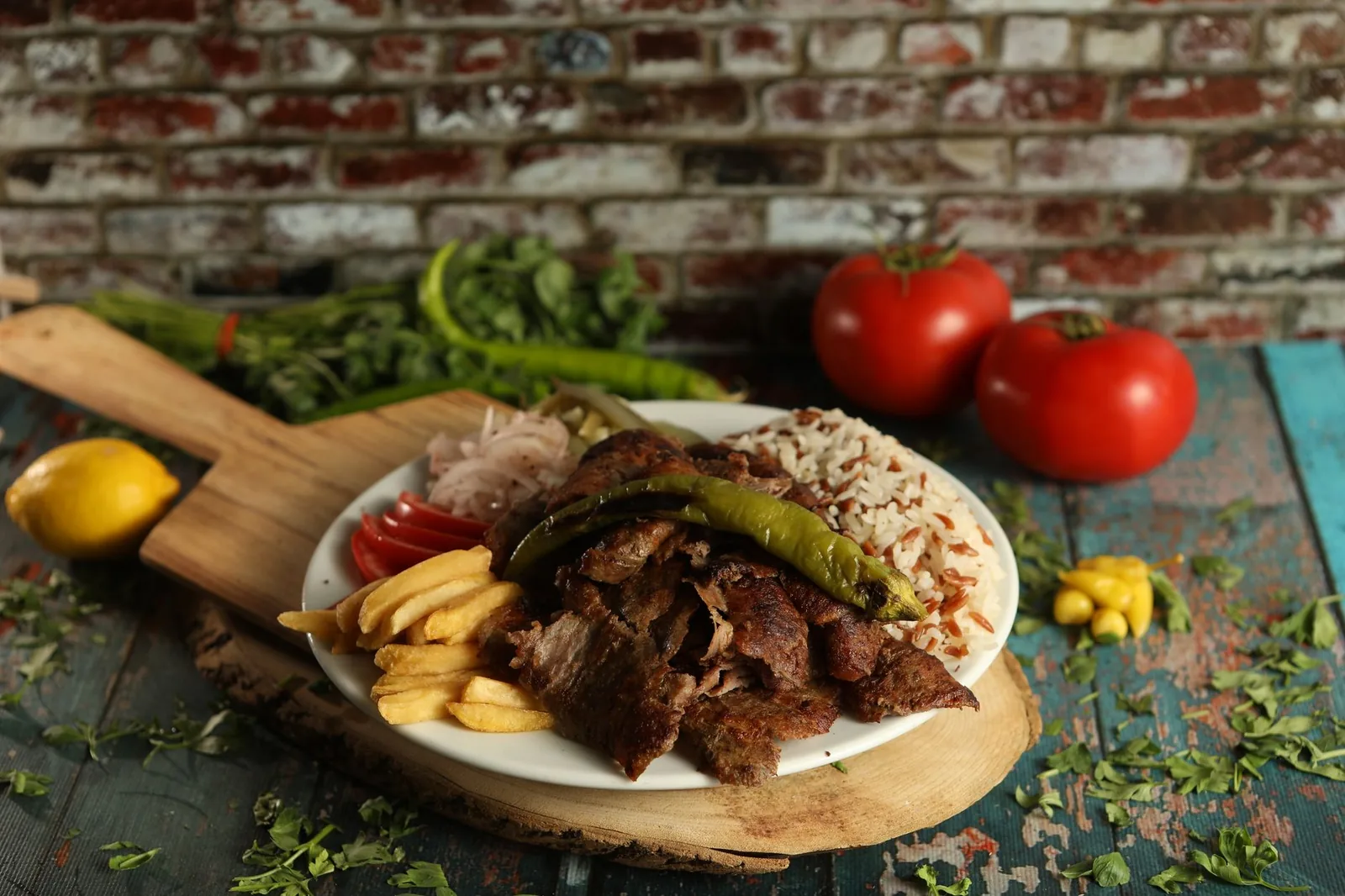
Denizli kebab is the regional dish to seek out during a Pamukkale visit. It is a local lamb specialty associated with Denizli and commonly highlighted on regional food itineraries. Denizli tandır kebab, another slow-cooked lamb preparation, is also worth looking for.
For breakfast, many local hotels and restaurants offer a Turkish village-style spread with bread, cheeses, olives, eggs, jams and tea. Exact menus vary, but it is a practical way to eat before a long morning at the archaeological site.
Gözleme is a useful casual option at local eateries and roadside stops. The filled flatbread comes in different varieties depending on the venue and season. Ayran and Turkish tea are widely available and make straightforward accompaniments during hot-weather sightseeing.
For a broader choice of restaurants and regional dishes, Denizli city center generally offers more variety than the immediate visitor zone around the travertines.
Best Time to Visit Pamukkale
Spring and autumn are generally the most comfortable seasons for walking across the exposed travertines and archaeological ruins. Conditions are usually more manageable than in midsummer, and the site can be easier to enjoy at a measured pace. Check current opening hours, water flow and any route restrictions before setting out.
Summer brings long daylight and predictable weather, but the white stone and open archaeological paths can become extremely hot. Start early, carry water and use a hat, sunscreen and other sun protection. Summer is also a period when visitor-management measures and crowd levels can affect the experience.
Autumn is often favorable for photography and extended walks, especially outside the busiest summer period. If you are planning a late-afternoon or sunset visit, verify seasonal closing times and whether all sections remain accessible.
Winter is usually quieter and can be a good choice for travelers who prefer cooler sightseeing. Rain may make stone surfaces slippery, while shorter daylight and seasonal site hours can limit how much you cover. Check the weather, transport schedules and official opening information close to your travel date.
How to Get Around Pamukkale
Pamukkale’s core attractions are concentrated around the archaeological property, but the site itself is large. Walking is essential across the travertines and through Hierapolis, with uneven paths, slopes, steps and limited shade.
Denizli is the main transport hub. The municipal transportation system lists route 230 between Ulu Cami and Pamukkale, but route numbers, fares, departure times and stop locations can change. Check the current municipal information immediately before traveling. Intercity buses generally arrive at Denizli’s bus terminal, from where you can continue by local bus or minibus.
Taxis are useful for direct journeys between Denizli, Pamukkale, Karahayıt and nearby archaeological sites. Do not assume that a rideshare service will be widely available. For a multi-site itinerary, a rental car, private transfer or organized tour is usually more straightforward.
Private vehicles are restricted inside the protected archaeological area. Use the designated parking and entrances, then continue on foot or by the arrangements provided at the site.
Arriving by Air
The principal airport is Denizli Çardak Airport, with the code DNZ. It is outside Pamukkale and Denizli city center, so you need to arrange an onward transfer. Options may include a taxi, municipal bus, airport shuttle, private transfer or rental car, depending on current services and your arrival time.
Check whether the shuttle you plan to use runs directly to Pamukkale or requires a connection in Denizli. Timetables should be checked against your flight, especially if arriving late or traveling outside the busiest season.
Which Pamukkale experience would you most want to build your visit around?
Easy Day Trips from Pamukkale
Laodikeia
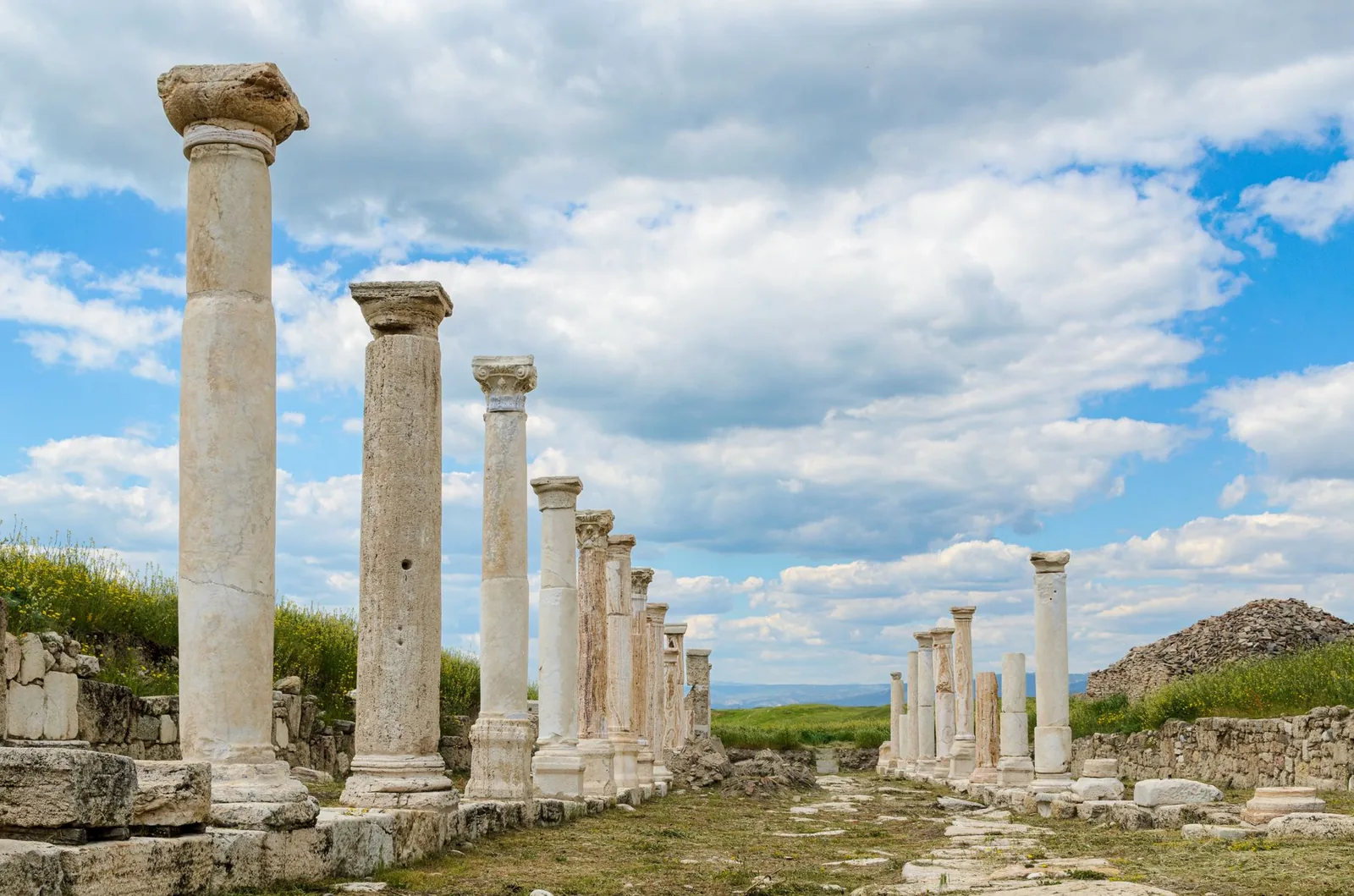
Laodikeia is the most convenient major archaeological addition to a Pamukkale itinerary. The site contains theatres, a large stadium, agoras, baths, monumental streets and churches, and is associated with Laodicea, one of the Seven Churches of Revelation.
It is close enough to combine with Pamukkale on a full day if transport and opening hours align, although the extensive site deserves several hours on its own. A taxi, private transfer, rental car or organized tour is usually more practical than trying to improvise connections.
Aphrodisias
Aphrodisias is a UNESCO-listed ancient city in Aydın Province, known for its exceptionally preserved stadium, theatre, Temple of Aphrodite and important sculpture museum. It is a stronger choice for a full-day excursion than a quick add-on.
A car or organized tour is generally the most practical way to visit from Pamukkale. Check current road conditions, travel time, opening hours and ticket arrangements before committing to the journey.
Tripolis Ancient City
Tripolis offers a quieter archaeological experience in Denizli Province for travelers who want to explore beyond the main circuit. Current access, facilities and visitor arrangements should be checked before departure, particularly outside the main tourist season.
Kaklık Cave
Kaklık Cave is a geothermal and karst attraction often paired with Pamukkale on regional excursions. Its appeal lies in its connection with the same broader geothermal landscape that makes the area distinctive. Confirm the current opening status, transport arrangements and whether guided access is required.
Honaz Dağı National Park
Honaz Dağı National Park provides a change of scenery, with mountain and forest landscapes, flora, fauna, birdlife, hiking and camping possibilities. Conditions and facilities are seasonal, so check trail and access information locally before planning a day outdoors.
Denizli City
Denizli makes a useful urban contrast to the open landscapes and archaeological sites. Spend time there for local food, shopping, museums and transport connections, especially if you are staying near the travertines and want an evening away from the tourist zone.
Good to Know Before You Go
- Treat Pamukkale as an exposed outdoor archaeological destination. Carry water, sun protection and footwear suitable for uneven ground.
- Check the official Turkish Museums listing shortly before visiting. Entrance fees, ticket structures, museum-pass rules, opening hours and temporary closures can change.
- Do not assume that every travertine pool or white surface is accessible. Follow barriers, staff instructions and designated routes.
- Plan the travertines and Hierapolis together, and allow enough time for the necropolis, theatre and upper archaeological areas.
- Start early in summer to reduce heat exposure and improve your chances of seeing the site before peak visitor levels.
- Bring swimwear only if the Antique Pool or another thermal facility is confirmed open and accessible.
- Verify airport shuttle times against your flight. Denizli Çardak Airport is not the same as Denizli city center or Pamukkale.
- Carry Turkish lira for small purchases, local transport and casual food outlets. Card acceptance can vary outside larger hotels and ticket offices.
- Check Laodikeia, Aphrodisias and other archaeological sites separately, since their hours, tickets and transport arrangements are not necessarily the same.
- Avoid relying on old blog posts for prices, opening times, bathing rules or public-transport schedules.
Common Questions About Pamukkale
What is Pamukkale?
Pamukkale is a destination in Denizli Province known for its white thermal travertines and the adjacent ancient city of Hierapolis. Together, they form the UNESCO World Heritage property of Hierapolis-Pamukkale.
Is Pamukkale a city or a tourist attraction?
Pamukkale is both a settlement and tourism destination in Denizli Province, as well as the name commonly used for the travertines and the wider Hierapolis-Pamukkale attraction.
How long should I spend in Pamukkale?
One full day is enough for the principal travertines, Hierapolis ruins and archaeological museum if you keep moving. Two nights or two full days are preferable if you want to add Laodikeia, Karahayıt or another regional excursion.
Can visitors swim in the Pamukkale travertines?
Access to the travertines is controlled and may vary by section and conservation policy. Do not assume that every pool is available for bathing. Check the current official rules and follow the designated route.
Can visitors swim in Cleopatra’s Pool?
The Antique Pool is associated with Hierapolis’s thermal-bathing tradition, but its access status, opening periods, admission arrangements and bathing rules can change. Verify the current official listing before visiting.
What airport is closest to Pamukkale?
The principal airport is Denizli Çardak Airport, code DNZ. It is outside Pamukkale, so travelers need a shuttle, bus connection, taxi, private transfer or rental car for the onward journey.
Can Pamukkale be visited as a day trip from Denizli?
Yes. Denizli is the main nearby transport hub, and the municipal transportation portal lists a route between Ulu Cami and Pamukkale. Check the current timetable, fare and exact stops before departure.
What are the best places to visit near Pamukkale?
Laodikeia is the most convenient major archaeological addition. Aphrodisias is a rewarding full-day excursion for travelers with a car or organized tour. Karahayıt, Tripolis, Kaklık Cave, Honaz Dağı National Park and Denizli city are other possibilities, subject to current access and transport conditions.
Before You Go
Pamukkale is worth more than a quick photograph of the white terraces. The travertines are the visual highlight, but Hierapolis gives the destination its depth, with ancient streets, monumental architecture, religious sites and a remarkable necropolis spread across the hillside.
Stay close to the site for convenience, choose Denizli for transport and city facilities, or spend longer in Karahayıt for a thermal-focused break. With a full day, sensible sun protection and up-to-date checks on access rules, Pamukkale makes a memorable stop on a journey through western Türkiye.
Inspired? Start planning your trip.
Move from inspiration to planning with BookingTabs — explore hotels, tours and travel options in one place.


Join the conversation
Ask a question, share a travel tip, or help another traveler plan with confidence.
Leave a comment
No account or email required.