
Discover Portugal’s Most Charming Historic Towns: A Traveler’s Guide
Portugal’s compact size belies an extraordinary density of history. From fairytale palaces perched on Sintra’s misty hills to the whitewashed streets of Alentejo towns, the country’s historic centers offer layered stories of Roman, Moorish and medieval influence. This guide highlights the most magnetic historic towns across the country—each one distinct in architecture, cuisine and atmosphere—so you can plan visits that combine iconic landmarks with intimate local moments. Whether you prefer winding medieval lanes, UNESCO-listed monuments, or riverfront cafés where time seems to slow, these destinations showcase why Portugal remains one of Europe’s most rewarding places for history lovers and curious travelers.
Must-See Attractions
Portugal’s historic towns are rich with landmarks that reveal regional identities. Below are the essential attractions in some of the top towns.
- Sintra: Pena Palace—a romantic 19th-century palace in striking colors—and the labyrinthine Quinta da Regaleira, with its Initiation Well and ornate gardens. Explore the Moorish Castle remnants for panoramic views over the Serra de Sintra.
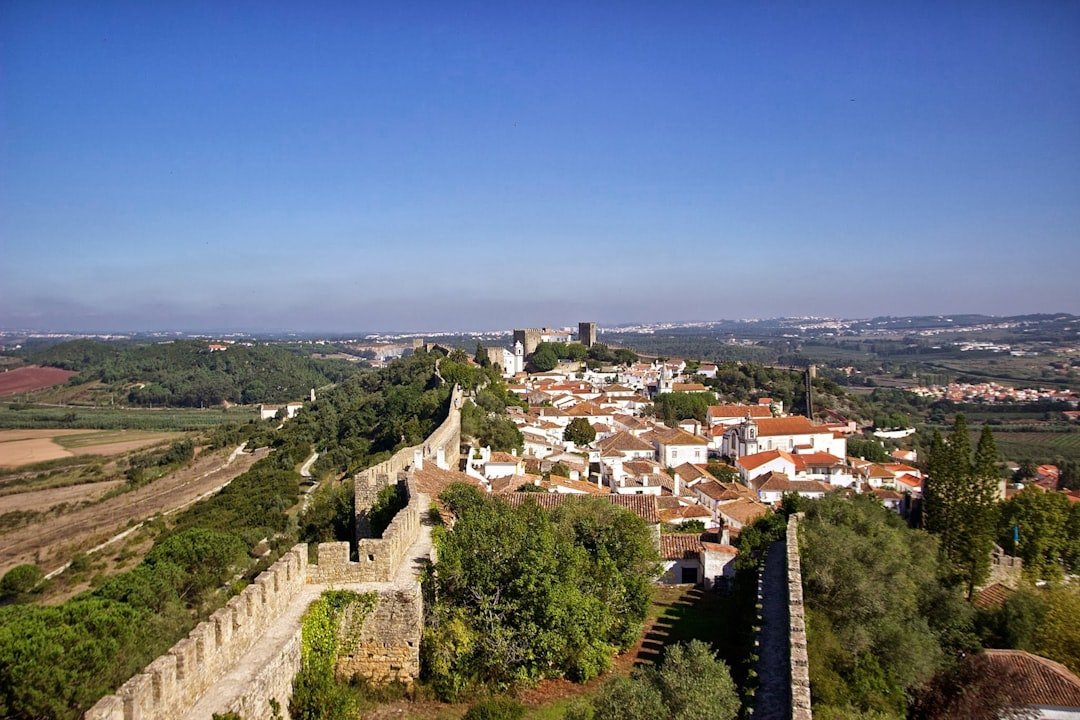
- Óbidos: A fully walled medieval town where cobbled streets lead to a 12th-century castle that now houses a pousada (historic hotel). Walk the town walls for a short circuit with great views and stop at traditional shops selling ginjinha in chocolate cups.
- Évora: A UNESCO World Heritage Site with the remarkably preserved Roman Temple and the atmospheric Chapel of Bones (Capela dos Ossos) at the Church of São Francisco. Don’t miss Évora Cathedral and the winding streets of the old Jewish quarter.
- Coimbra: Home to one of Europe’s oldest universities—Universidade de Coimbra. Visit the Biblioteca Joanina, an ornate 18th-century library, and climb to the university tower for views over the Mondego River.
- Guimarães: Often called the birthplace of Portugal. Key sites include the medieval Guimarães Castle and the Ducal Palace. The historic center’s compact layout makes it perfect for a half-day of exploration.
- Tomar: The Convent of Christ, a former Knights Templar stronghold, is an outstanding example of Manueline architecture and a UNESCO site. The convent’s charola (rotunda) and cloisters are highlights.
- Porto (historic Ribeira): The Ribeira district along the Douro River features narrow, steep streets and colorful facades. Visit the Clérigos Tower, Porto Cathedral (Sé do Porto), and cross the Dom Luís I Bridge for views across to Vila Nova de Gaia and its port wine lodges.
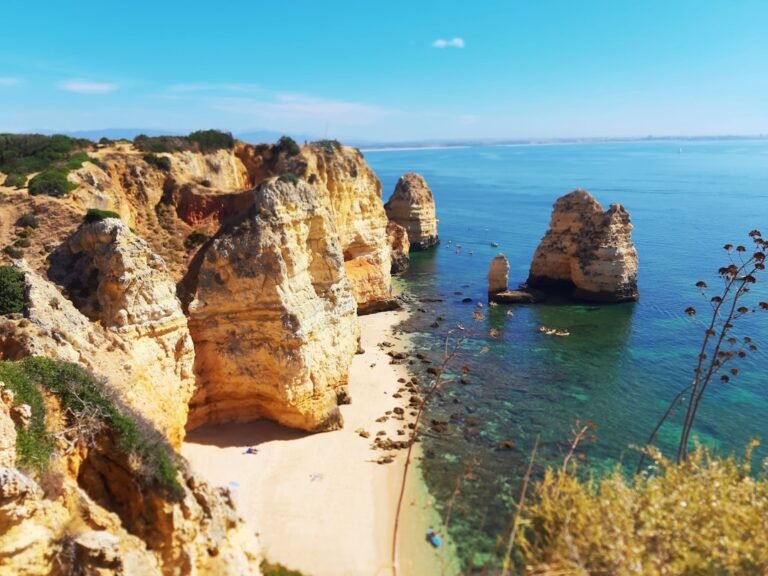
- Lagos: The old town’s city walls, Igreja de Santo António and the Forte da Ponta da Bandeira lead into dramatic coastal rock formations such as Ponta da Piedade nearby.
- Aveiro: Known as Portugal’s Venice for its moliceiro boats and canal-front Art Nouveau buildings. The nearby Costa Nova’s striped houses are a popular photographic stop.
Local Experiences
Beyond monuments, the best memories come from everyday encounters: food, markets, views and festivals that reveal local life.
- Culinary highlights: Sample regional specialties—pastéis de nata around Lisbon and Sintra, travesseiros (Sintra pastries), ginjinha in Óbidos, Alentejo pork and migas in Évora, and Porto’s francesinha and petiscos (Portuguese tapas). Try fresh seafood in coastal towns like Lagos and rice-based arroz de marisco in Aveiro-area restaurants.
- Markets and food halls: Visit local markets such as Coimbra’s Mercado Municipal or Porto’s Mercado do Bolhão for fresh produce, cheeses and cured meats. Markets are ideal for tasting regional cheeses from Serra da Estrela and small-batch olive oils.
- Viewpoints and promenades: Sintra’s Miradouro da Vigia, Porto’s Jardim do Morro across the Douro, and Évora’s Cathedral roof all offer memorable panoramas. In Aveiro, a canal-side stroll reveals ornate bridges and local life.
- Neighborhoods to roam: Wander Coimbra’s university quarter and narrow lanes where students color the city’s nightlife. In Guimarães, let the compact center unfold at a relaxed pace—cafés and artisan shops sit side by side.
- Festivals and traditions: Time visits to local events when possible—Porto’s São João festival in June features street parties and grilled sardines; smaller towns celebrate saints’ days and harvest festivals, where traditional music and regional cuisine are front and center.
- Outdoor activities: Combine history with nature: hike Sintra-Cascais Natural Park trails that pass by historic estates; take boat trips on the Douro; or explore the dramatic Algarve coastline by kayak from Lagos.
Best Time to Visit
Choosing when to visit depends on your tolerance for crowds and preference for weather.
- Spring (April–June): Generally the best balance—temperatures are mild, gardens and countryside are in bloom, and crowds are lighter than summer. Ideal for Sintra, Évora and coastal walks.
- Summer (July–August): Warmest and busiest, especially in coastal towns and Lisbon/Porto. If you travel in summer, plan early starts to avoid midday crowds and heat, and book accommodations in advance.
- Autumn (September–October): Warm sea temperatures extend the beach season and harvest-related events occur in wine regions. Crowds thin after August, making this an excellent time for Porto and the Douro.
- Winter (November–March): Mild winters in much of Portugal, though inland towns can be cooler. Winter is good for quieter visits to Évora, Coimbra and Guimarães; some smaller attractions may have reduced hours.
- Crowd notes: Sintra and Óbidos can be very crowded on day-trip routes from Lisbon; visit early in the day or late afternoon. Coastal Algarve towns swell in summer but are notably calmer in shoulder seasons.
Essential Travel Tips
Practical advice to make historic-town visits smoother and more enjoyable.
- Getting around: Portugal’s rail network links major cities—Lisbon to Sintra and Coimbra, Porto to Braga and Guimarães—while regional buses serve smaller towns. Renting a car offers flexibility for Alentejo and rural routes, but factor in narrow medieval streets and limited parking in historic centers.
- Money and costs: Portugal uses the euro. Smaller towns may prefer cash for markets and cafés, though cards are broadly accepted. ATMs are available in most towns but can be sparse in very small villages.
- Safety: Portugal is generally safe for travelers. Use normal precautions with belongings in crowded areas and on public transport. Keep important documents secure.
- Packing: Comfortable walking shoes are essential—cobblestones and hills are common. Pack a light rain jacket in shoulder seasons and layers for inland towns that cool at night. If visiting religious sites, dress modestly (shoulders and knees covered) where required.
- Local etiquette: A simple Portuguese greeting—Bom dia (good morning) or Boa tarde (good afternoon)—is appreciated. Tipping is discretionary: 5–10% in restaurants for good service; rounding up taxi fares is common.
- Opening hours and reservations: Many historic sites close one day a week or have restricted hours; check ahead, especially for smaller museums and religious sites. Popular attractions like Quinta da Regaleira and Pena Palace benefit from advance tickets to avoid lines.
Frequently Asked Questions
Which historic town is best for a day trip from Lisbon?
Sintra is the most popular day trip for its proximity and concentration of palaces and gardens. Óbidos and Évora are also reachable by day trip, though Évora is better with a relaxed schedule.
Are these towns walkable for older travelers?
Many historic centers are compact but feature cobblestones and slopes. Coimbra, Guimarães and Évora have centrally concentrated sights that are possible with moderate mobility; consider taxis or driving to limit long uphill walks.
Can I combine several towns in one itinerary?
Yes. A common loop is Lisbon–Sintra–Óbidos–Évora, while Porto makes a natural base for day trips to Guimarães, Braga and the Douro Valley. Train and bus connections are sufficient for regional combinations.
Is English widely spoken in these towns?
English is commonly spoken in tourist areas, hotels and restaurants, especially in larger towns like Porto and Coimbra. In smaller towns, a few Portuguese phrases help and staff often are friendly and helpful.
Are historic buildings accessible to visitors with limited mobility?
Accessibility varies. Many older monuments have limited wheelchair access due to stairs and historic construction. Check individual site websites for accessibility information and inquire about adapted routes or assistance.
Conclusion
Portugal’s historic towns offer a satisfying mix of grand monuments and small-scale discovery. From Sintra’s fairytale palaces and Évora’s Roman and medieval layers to Porto’s riverfront charm and Coimbra’s scholarly atmosphere, each town delivers a distinct cultural and sensory experience. Plan visits with an eye to seasons and local rhythms, combine well-known highlights with market strolls and neighborhood cafés, and allow time to simply sit and watch daily life. These towns reward slow travel—returning travelers often say the quieter corners and impromptu conversations are what linger longest.
Inspired? Start planning your trip.
Move from inspiration to planning with BookingTabs — explore hotels, tours and travel options in one place.



Join the conversation
Ask a question, share a travel tip, or help another traveler plan with confidence.
Leave a comment
No account or email required.