
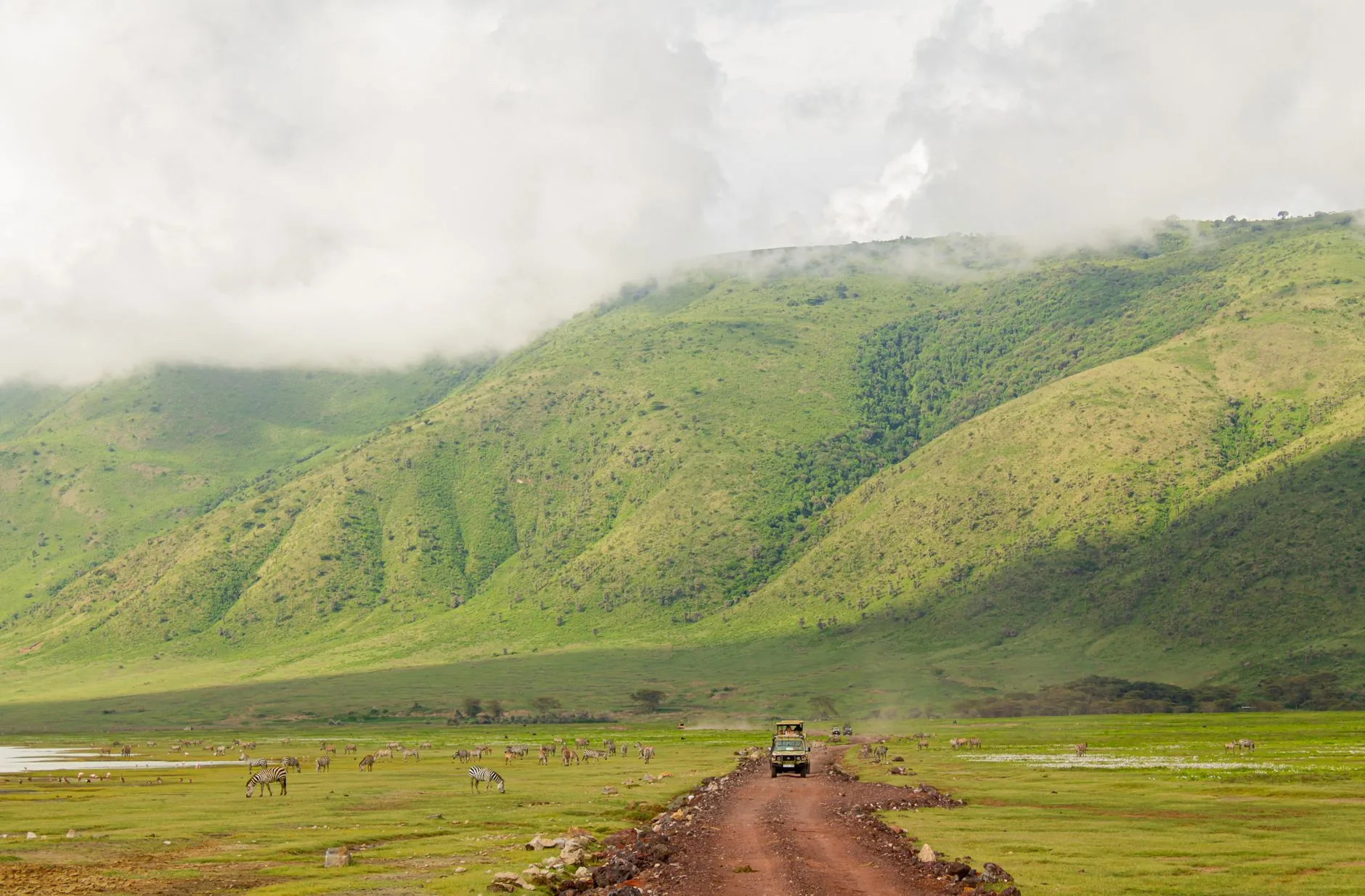
Ngorongoro Crater Travel Guide
Ngorongoro Crater is one of Tanzania’s most concentrated wildlife destinations: a vast volcanic caldera surrounded by highland scenery and protected within the wider Ngorongoro Conservation Area. A single crater game drive can bring you close to lions, elephants, buffaloes, hippos, hyenas, zebras, wildebeest and, with luck, the endangered black rhinoceros. Beyond the crater floor, the area includes Olduvai Gorge, Laetoli, highland walking routes, Maasai cultural experiences and other volcanic landscapes.
This is not a town or a conventional national park. It is a large protected area in northern Tanzania, managed by the Ngorongoro Conservation Area Authority. Most visitors explore it as part of a planned safari itinerary, usually combining the crater with Serengeti, Lake Manyara or Tarangire.
Why Visit Ngorongoro Crater
The crater’s main appeal is the chance to see a remarkable range of wildlife within a relatively compact landscape. Grasslands, swamps, rivers, woodland, Lake Magadi and hippo areas create varied habitats on the crater floor. The surrounding walls make the scenery memorable, but they also help concentrate animals in the available water and grazing areas.
Ngorongoro is particularly useful for first-time safari visitors and travelers with limited time. One full day on the crater floor can provide a broad introduction to East African wildlife without requiring several days of driving between distant areas. Sightings are never guaranteed, but the concentration of animals is one of the destination’s major strengths.
The wider conservation area makes the experience more than a game drive. Olduvai Gorge and Laetoli connect the landscape with human evolution and archaeology, while Empakaai and Olmoti offer highland walking experiences. Visitors can also arrange respectful cultural encounters with Maasai, Datoga or Hadzabe communities through appropriate local arrangements.
Allow at least two nights in the Ngorongoro area for one full crater day plus arrival and departure logistics. Three or four nights are more suitable if you want to add Olduvai Gorge, a highland crater, cultural activities or the Ndutu Plains.
Best Time to Visit Ngorongoro Crater
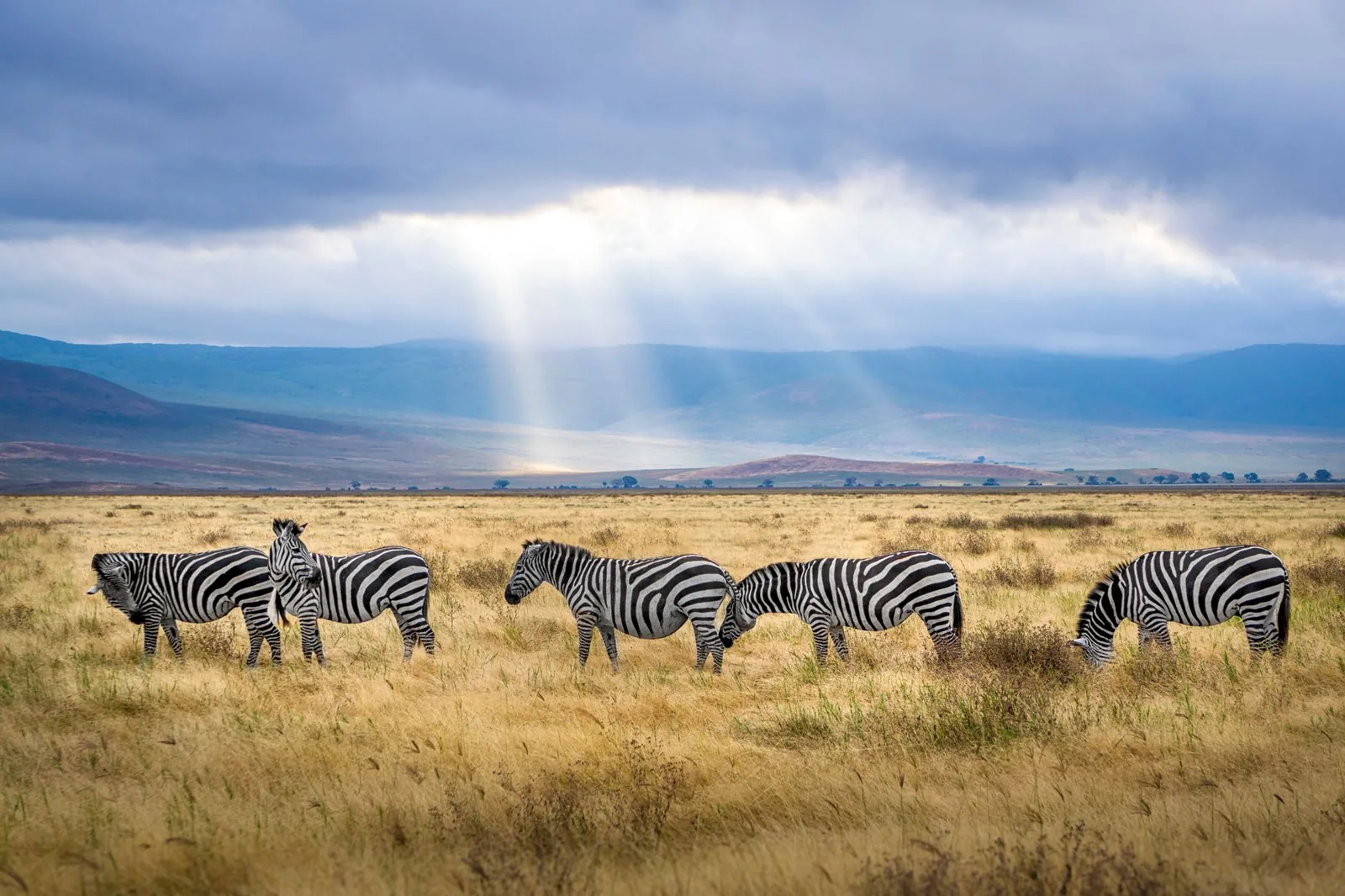
The official rainy season generally runs from November to April, while May to October is the dry season. There is no single best period for every traveler: dry months tend to support straightforward game viewing, while wetter months bring greener scenery and breeding activity on the plains.
June to October: This is the official dry season and is generally favorable for crater game viewing because animals often concentrate around permanent water. June to August are the coldest months, especially on the rim and at night, so bring warm clothing. September and October are also typically good for wildlife viewing.
November: The short rains usually begin around this time. The landscape may become greener, and conditions can change quickly. Check current weather and road conditions before departure.
December to February: Green scenery and migratory wildlife can make this an attractive period. Rain may affect roads and visibility, particularly later in the season. Late February is often associated with migration-related activity on the Short Grass Plains, although timing varies from year to year.
March to May: March and April generally fall within the wetter long-rain period. Roads and travel conditions can be more variable, but the landscape is often lush and visitor numbers may be lower. May marks the transition toward drier conditions.
Wildlife movement, flamingo numbers, road conditions and rainfall vary annually. Choose dates according to your priorities, then confirm current conditions with your safari operator.
How to Get Around Ngorongoro Crater
Ngorongoro is a dispersed protected area, not a walkable destination with a local public-transport network. Most visitors travel with a licensed safari operator in a 4×4 vehicle. Crater visits, Olduvai, highland craters and cultural sites require different routes and should be planned as part of an itinerary.
There is no dependable tourist bus, taxi or rideshare service for exploring the crater floor. Arrange a safari vehicle, lodge transfer or private driver-guide in advance. A 4×4 is essential away from the main roads, and vehicles must remain on designated tracks. Off-road driving is prohibited.
Walking is restricted to authorized activities and designated areas. Guided walks at Olmoti and Empakaai require advance planning, while authorized walking safaris require an NCAA armed ranger. Visitors on the crater floor must remain in vehicles except at designated locations.
Kilimanjaro International Airport is the nearest major international gateway. The Ngorongoro Conservation Area Authority lists the conservation area at approximately 227 kilometres from the airport, although the actual journey depends on your lodge, gate, route, weather, road conditions and stops. The usual arrangement is a prebooked 4×4 transfer through Arusha or Karatu.
Arusha Airport and Manyara Airport may also be useful depending on the itinerary. Ngorongoro Airstrip near the crater rim and Ndutu Airstrip within the conservation area serve domestic or chartered flights, subject to airline schedules and permissions. Verify current flight availability and baggage rules before relying on an air transfer.
Crater gates generally operate from 06:00, with descent access closing at 16:00 and general conservation-area gates closing at 18:00 according to current guidance. Confirm timings shortly before travel.
Best Areas to Stay in Ngorongoro Crater
Looking for a place to stay? Compare hotels for Ngorongoro Crater on BookingTabs.
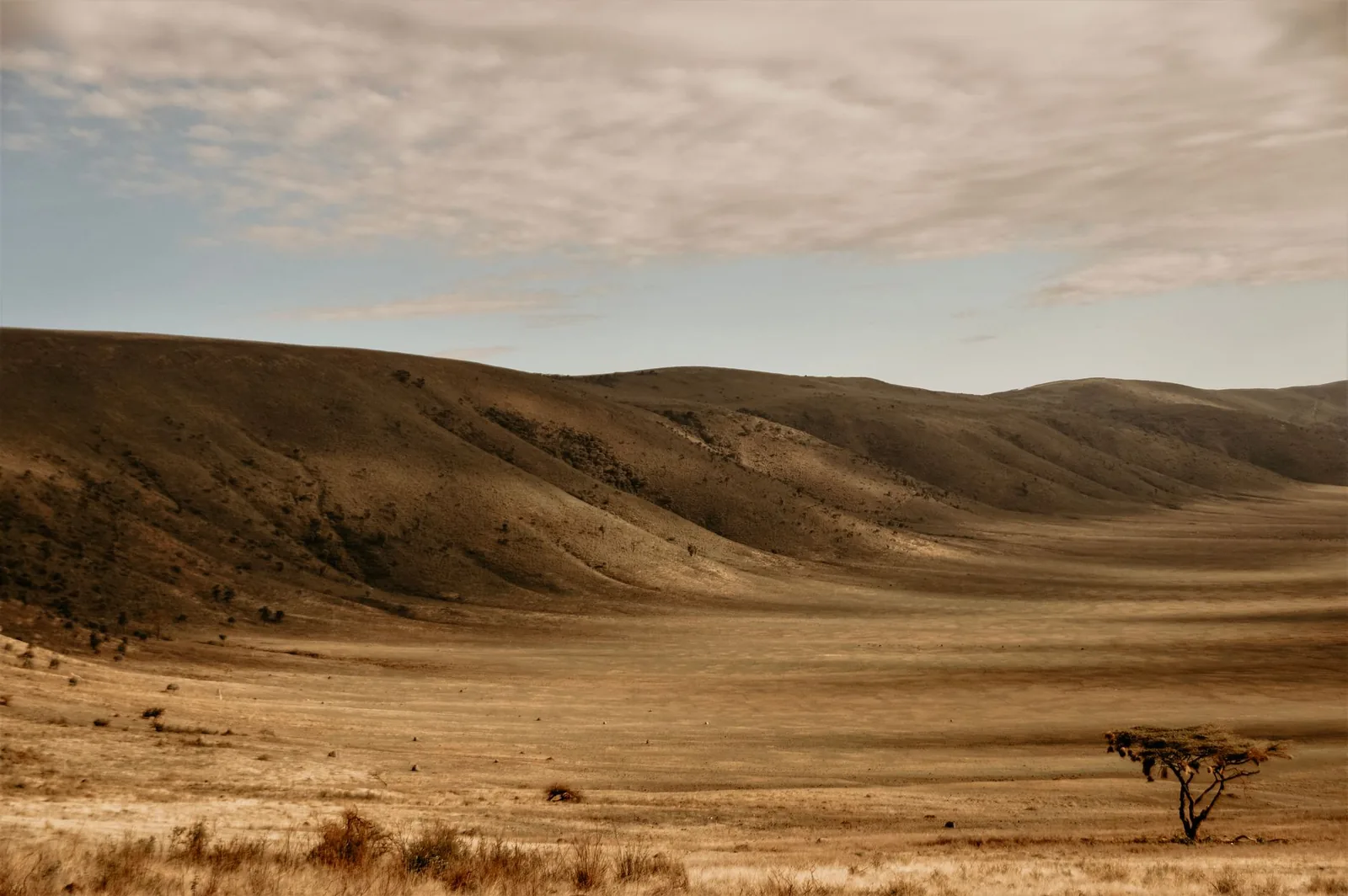
Ngorongoro Crater rim
The rim is the most convenient base for travelers prioritizing an early crater descent and dramatic caldera views. Lodges and tented camps here benefit from the setting, but temperatures are cooler than on the floor. Expect early mornings and evenings to feel cold, particularly during the dry season.
Karatu
Karatu is a practical accommodation and logistics base outside the conservation area. It is useful for travelers arriving by road from Arusha, entering through the Loduare Gate or continuing toward Lake Manyara. Staying here can offer a more flexible road itinerary, although the morning transfer to the crater rim and descent needs to be factored into the schedule.
Olduvai Gorge and the western corridor
Accommodation and camps along the western route are useful for travelers combining Ngorongoro with Olduvai Gorge and Serengeti. This area suits an itinerary built around longer transfers, archaeology and broader northern-Tanzania safari travel rather than a crater-only visit.
Ndutu Plains
The Ndutu Plains are in the southern part of the wider conservation landscape and suit travelers focused on seasonal migration and calving-related activity. Ndutu is a different experience from the crater floor, with separate access and accommodation considerations. Ask your operator about seasonal road conditions and the best base for your travel dates.
Nainokanoka and the highland crater area
This area is useful for travelers planning Olmoti, Empakaai or other highland walking experiences. It is less suitable for visitors who want only a straightforward crater game drive. Permits, rangers and route arrangements need to be organized ahead of time.
Which Ngorongoro experience would you most want to build your trip around?
Top Experiences in Ngorongoro Crater
Planning your activities? Compare tours and activities for Ngorongoro Crater on BookingTabs.
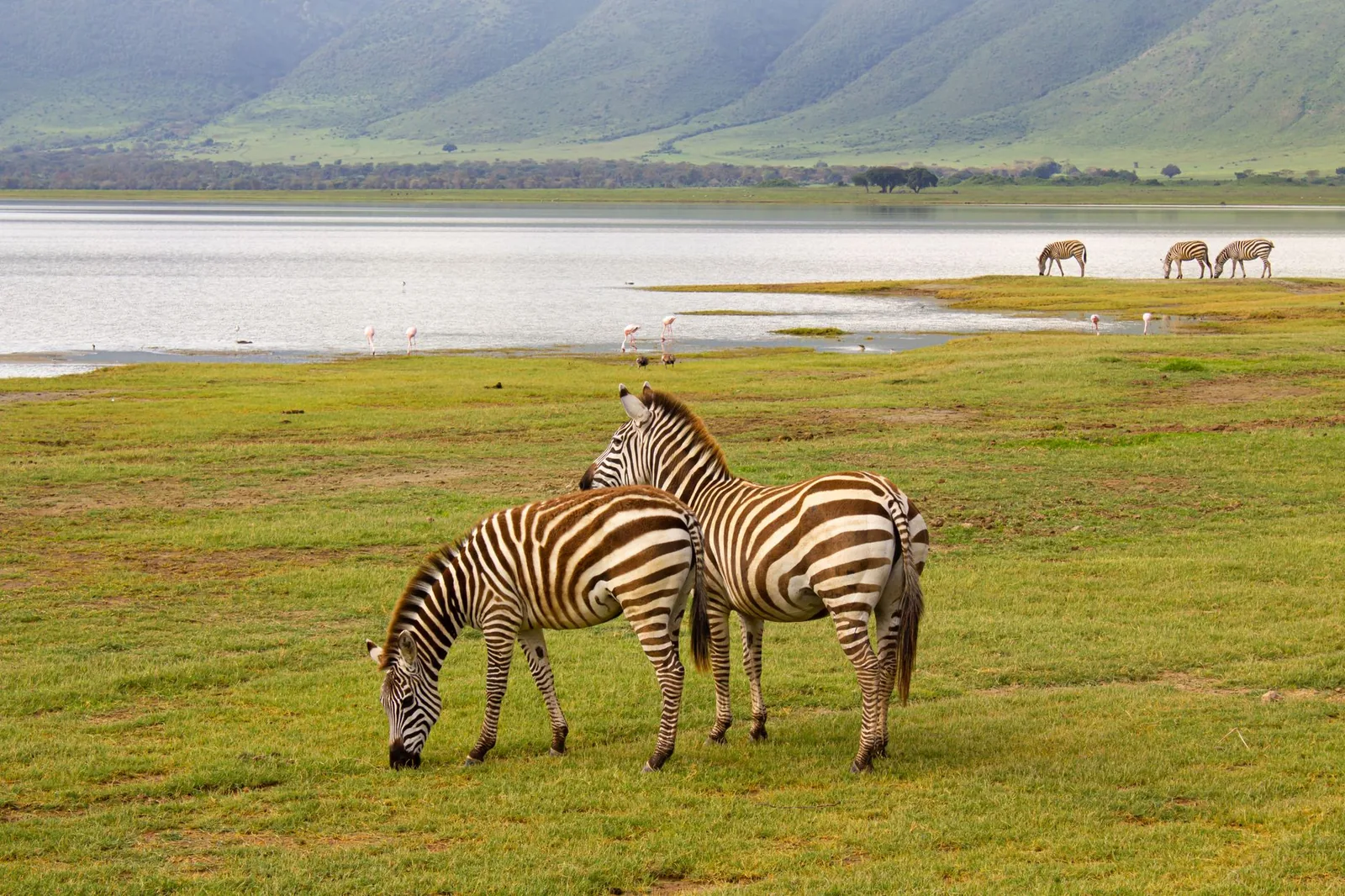
Take a game drive on the crater floor
The crater floor is the central experience. Safari vehicles follow authorized roads through open grassland, wetlands, woodland and lake areas, with opportunities to look for lions, elephants, buffaloes, rhinos, hippos, hyenas and large herds of grazing animals.
Lake Magadi, a shallow alkaline lake, can attract flamingos and other wildlife when seasonal conditions are favorable. Flamingo numbers vary, so it is better to regard them as a possibility rather than a guarantee. Lerai Forest, known for its yellow-fever trees, is another notable habitat for elephants, birds and other wildlife.
Crater visits must be made in an authorized safari vehicle with a licensed or official guide. Visitors must remain on designated roads and should never ask a driver to leave the track for a closer photograph.
See the crater from the rim
The crater rim provides the classic elevated view across the caldera. From above, the scale and shape of the landscape become easier to understand, while changing light can make the floor appear dramatically different from morning to afternoon.
Most accommodation in the immediate area is concentrated around the rim. It is a convenient base for an early descent, although the altitude means the air is considerably cooler than on the crater floor. Warm layers are essential, particularly for early starts and evenings.
Stop at Ngoitoktok Spring and the hippo pool
Ngoitoktok Spring is a perennial water source associated with hippos, elephants and lions. It is also one of the designated places where visitors may leave their vehicles for a bush picnic, subject to guide instructions and conservation rules.
This is not an opportunity to wander freely. Wildlife can remain close to the picnic area, so stay with the group and follow staff directions at all times.
Explore Olduvai Gorge
Olduvai Gorge is one of East Africa’s most important paleoanthropological sites. Fossil hominins and early stone tools found in the area have helped shape understanding of human evolution, and the work of Louis and Mary Leakey is closely associated with its history.
A visit adds archaeological and geological depth to a safari itinerary and works particularly well when traveling between Ngorongoro and Serengeti. Official guides are required for the excavation areas, and Olduvai Gorge and the nearby Shifting Sand involve separate charges from the main conservation-area arrangements.
The New Olduvai Gorge Museum provides further context for the discoveries. Confirm current access arrangements, opening details and admission requirements before traveling.
Walk at Empakaai Crater
Empakaai offers a quieter, hiking-oriented alternative to the main crater. Its deep volcanic bowl includes an alkaline lake, forested slopes and wide views across the surrounding highlands. The experience is more active and slower-paced than a vehicle safari.
Walking conditions, ranger requirements, route availability and fees should be confirmed in advance. Some sections are steep, and suitable footwear is important.
Visit Olmoti Crater and its waterfall
Olmoti is another highland crater, reached by a walk from Nainokanoka Ranger Station. The route climbs toward the rim before continuing toward a waterfall and views across the volcanic landscape.
A ranger is required because Cape Buffalo occur in the area. Allow more time than the distance alone might suggest, wear sturdy shoes and check trail conditions before setting out.
Consider Laetoli and the wider cultural landscape
Laetoli is associated with approximately 3.6-million-year-old hominin footprints and animal tracks. The original trackway was reburied for preservation, and visitor access may be restricted or affected by conservation work. Confirm availability before making it a fixed part of your itinerary.
Cultural experiences can add an important human dimension to the trip. Visits involving Maasai, Datoga or Hadzabe communities should be arranged through authorized or reputable operators, with permission requested before photography and respect shown for local customs.
What to Eat in Ngorongoro Crater
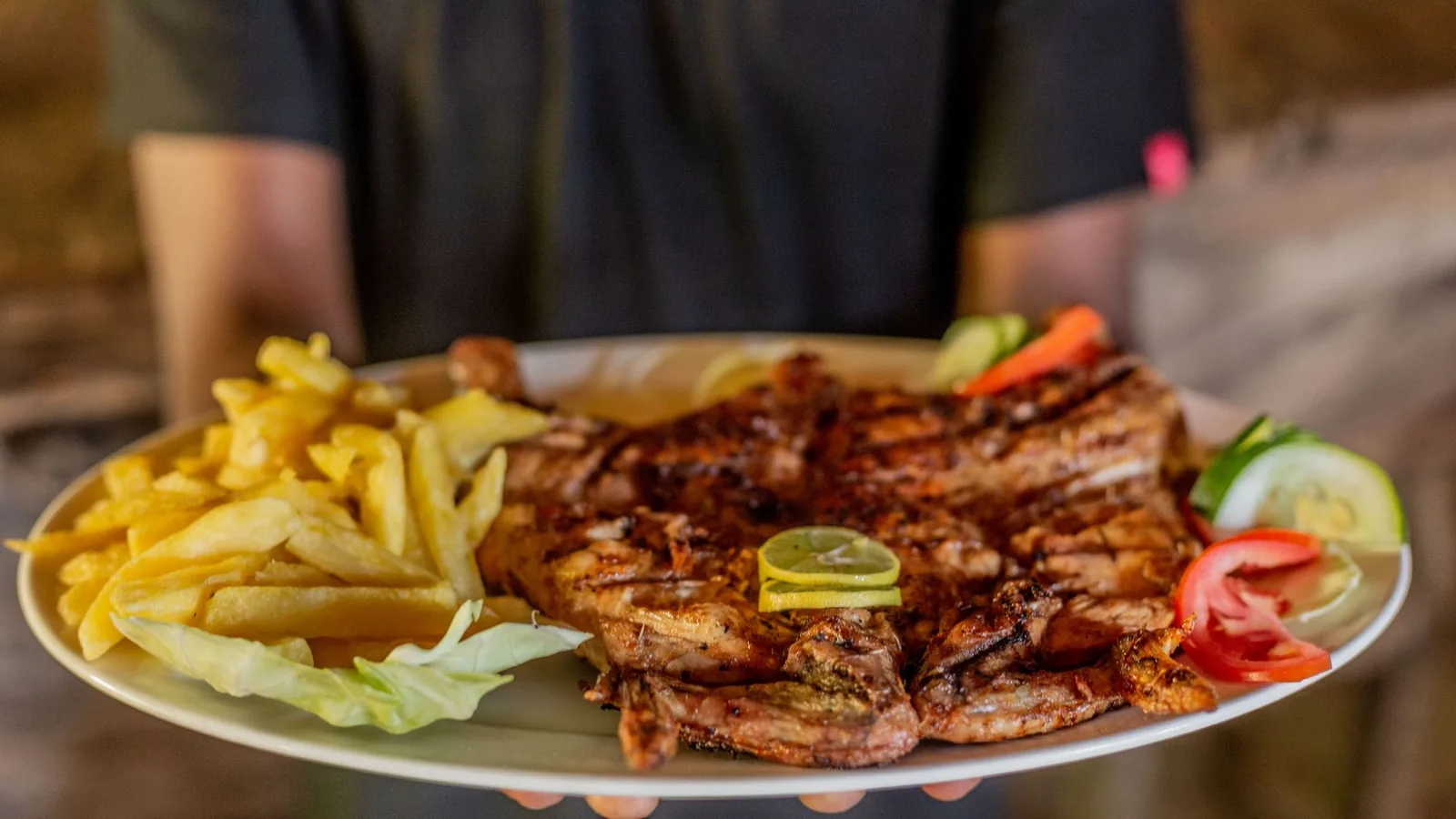
Most visitors eat at their lodge or tented camp. Meals are commonly arranged as part of the accommodation package, but inclusions, dietary options and meal times vary. Ask in advance about vegetarian, vegan, allergy-friendly or child-friendly meals.
Game-drive days commonly include a packed breakfast or lunch arranged by the lodge or safari operator. Some formal hot-lunch arrangements inside the crater require the applicable permission, so do not assume that a picnic can be set up anywhere.
Menus may include Tanzanian and East African staples such as rice, ugali, beans, vegetables, chapati, grilled meat and fresh fruit, alongside international dishes. Carry refillable drinking water and confirm whether filtered or bottled water is supplied.
Easy Day Trips from Ngorongoro Crater
Olduvai Gorge and the museum: A strong choice for archaeology, geology and human-evolution history. It fits naturally into a route toward or from Serengeti.
Empakaai Crater: A hiking-focused excursion with a crater lake and highland scenery. Check permits, ranger requirements and trail conditions.
Olmoti Crater and waterfall: A guided walk combining volcanic scenery, a crater rim and a waterfall. The route includes steep sections and requires a ranger.
Endoro Waterfalls and Elephant Caves: Near Karatu, this forest-based walk combines waterfalls, caves and a different landscape from the open crater floor. Separate fees and local arrangements apply.
Cultural community visit: A respectful, prearranged visit involving Maasai, Datoga or Hadzabe communities can add context to the conservation area. Use designated arrangements and ask before taking photographs.
Lake Manyara National Park: A logical northern-circuit extension from Karatu, offering a distinct park landscape. Its access arrangements and fees are separate from those of the Ngorongoro Conservation Area.
Serengeti National Park: The classic longer extension for travelers wanting broader safari landscapes and migration routes beyond the crater. Serengeti fees, gates and road rules are separate.
Essential Travel Tips
- Book through a reputable safari operator or arrange an authorized vehicle and guide through your lodge.
- Allow at least two nights around Ngorongoro unless your itinerary is deliberately designed for a very short visit.
- Bring warm layers for the rim, especially on early-morning drives and during June to August.
- Carry sun protection, binoculars, water, camera batteries and a small day bag.
- Confirm exactly which charges are included. Conservation-area entry, vehicle permits, the crater service fee, camping, cultural visits and individual attractions may be separate.
- Check current NCAA tariffs before booking because fees can change without prior notice.
- Ask your operator to confirm gate times, road access, guide requirements and payment procedures shortly before travel.
- Do not bring plastic bags into the conservation area, and keep litter in the vehicle until it can be disposed of properly.
- Do not leave the vehicle except at designated places and never drive off-road for a photograph.
- Ask permission before photographing local people; photography rules are especially important during cultural visits.
- Treat black rhinos, leopards, flamingos, migration herds and Big Five sightings as possibilities, not promises.
- Make sure travel insurance covers safari activities, hiking, remote-area transport and medical evacuation.
- Check passport, visa, health and vaccination requirements for your nationality before departure.
Ngorongoro Crater Travel FAQ
Is Ngorongoro Crater a national park?
No. The crater is within the Ngorongoro Conservation Area, a separate protected area managed by the Ngorongoro Conservation Area Authority. The conservation area is part of a World Heritage property.
How many days do you need at Ngorongoro Crater?
One full day is usually enough for a crater game drive. Two nights is a more practical minimum because arrival and departure involve long road transfers. Add nights for Olduvai Gorge, Ndutu, cultural visits, Empakaai or Olmoti.
Can you visit Ngorongoro Crater without a safari tour?
Independent access is highly impractical. Visitors need an authorized vehicle, permits and a licensed or official guide for crater visits. Vehicle types, road use and off-road driving are also regulated.
What time does Ngorongoro Crater open?
Current guidance states that crater gates open at 06:00, with descent access closing at 16:00. General conservation-area gates operate until 18:00. Confirm the current rules with your operator before departure.
What is the best month to visit Ngorongoro Crater?
June to October is generally favorable for dry-season game viewing. November to April is wetter and greener, with breeding and migration-related activity possible on the plains, particularly around late February and early March. Conditions vary each year.
Can you see the Big Five at Ngorongoro Crater?
The crater supports elephants, lions, buffaloes, rhinos and leopards and is considered a strong location for Big Five viewing. Sightings remain dependent on wildlife behavior and cannot be guaranteed.
How far is Ngorongoro Crater from Kilimanjaro International Airport?
The conservation authority lists approximately 227 kilometres from Kilimanjaro International Airport to the conservation area. Actual driving time depends on your destination, route, weather, road conditions and stops.
Are there fees in addition to the Ngorongoro entry ticket?
Yes. Entry, vehicle permits, the crater service fee, camping, cultural bomas, Olduvai, Laetoli, walking activities and other services may involve separate charges. Check the current official tariff and confirm what your safari package includes.
Planning Your Ngorongoro Crater Trip
Ngorongoro Crater rewards travelers who plan beyond a single wildlife checklist. The crater floor offers highly concentrated game viewing, while the rim delivers a memorable volcanic panorama. Olduvai Gorge, Laetoli, Empakaai, Olmoti, Ndutu and community experiences reveal the wider conservation area’s archaeological, geological and cultural importance.
Plan around an authorized 4×4 and guide, allow time for long transfers, pack for cold highland mornings and verify current fees and access rules. With those details handled, Ngorongoro can become one of the most varied and efficient highlights of a northern Tanzania safari.
Inspired? Start planning your trip.
Move from inspiration to planning with BookingTabs — explore hotels, tours and travel options in one place.

Join the conversation
Ask a question, share a travel tip, or help another traveler plan with confidence.
Leave a comment
No account or email required.