
Rome Travel Guide
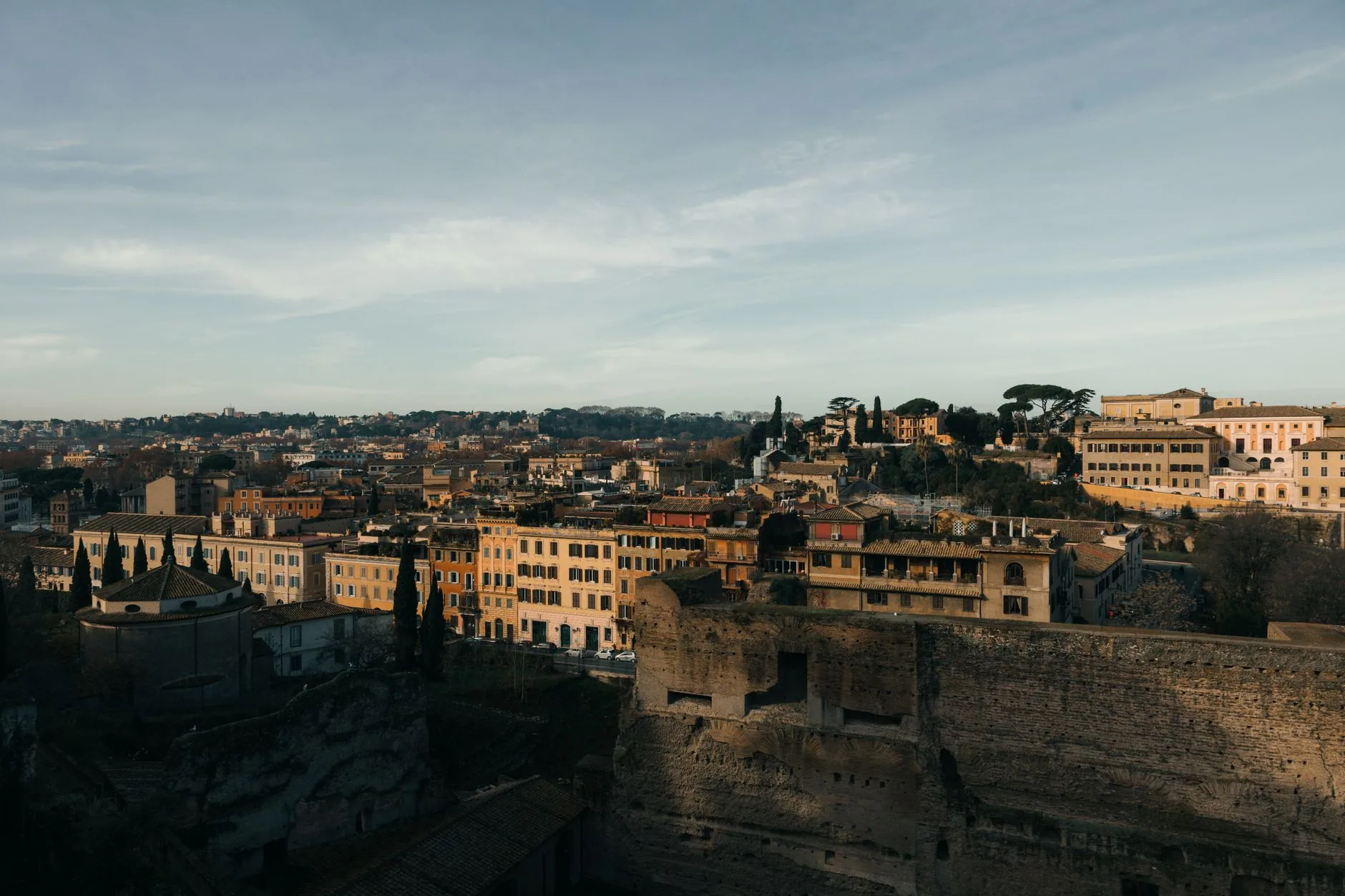
Rome rewards both careful planning and aimless wandering. In one day, you can move from the Colosseum and Roman Forum to a Baroque piazza, a Renaissance church and a small trattoria serving carbonara. Vatican City is enclosed within the city, while neighborhoods such as Trastevere, Monti and Testaccio offer a more everyday view of Roman life.
The scale of the city can be deceptive. Many central sights are walkable, but the main archaeological areas involve substantial walking, and Vatican City, the Appian Way and outer districts require more deliberate planning. For a first visit, three to five full days is a useful starting point. That allows time for ancient Rome, the Vatican, the historic center and at least a little neighborhood exploration without turning every day into a race.
Why Visit Rome
Rome is one of Europe’s great historical cities, but its appeal is not limited to monuments. The Colosseum, Roman Forum and Palatine Hill reveal the physical scale of ancient imperial Rome. The Pantheon remains an extraordinary architectural achievement, while the streets around Piazza Navona, Campo de’ Fiori and the Trevi Fountain showcase the city’s Renaissance and Baroque layers.
Art lovers can build an itinerary around the Vatican Museums, Galleria Borghese, Capitoline Museums and the city’s churches. Religious travelers have St Peter’s Basilica, the Vatican and a remarkable concentration of pilgrimage sites. Food-focused visitors can move from a plate of cacio e pepe to Roman-Jewish specialties, supplì, seasonal vegetables and Testaccio’s traditional cuisine.
Rome also works well for different travel styles. Families can combine major monuments with parks and open-air archaeology. Short-break visitors can concentrate on the historic core. Longer stays make room for the Appian Way, Ostia Antica, Tivoli or the Castelli Romani.
Best Things to Do in Rome
Planning your activities? Compare tours and activities for Rome on BookingTabs.
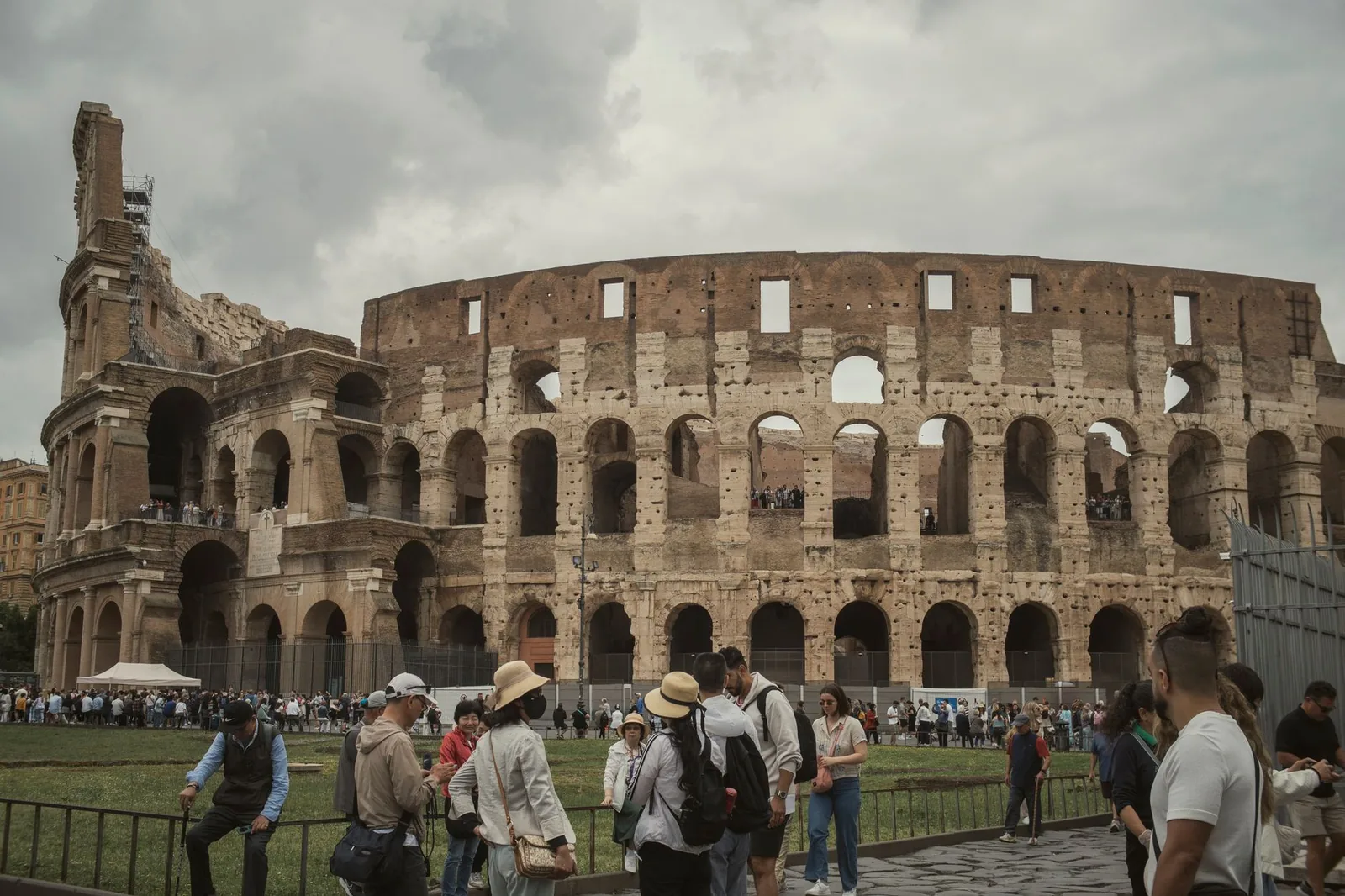
Explore the Colosseum, Roman Forum and Palatine Hill
The Colosseum is Rome’s most recognizable ancient monument and the natural starting point for understanding the city’s imperial history. Its archaeological park continues through the Roman Forum and Palatine Hill, where temples, basilicas, political buildings and imperial residences occupy a broad, uneven landscape.
Do not treat these as a quick photo stop. The Forum and Palatine cover a substantial area, with exposed paths and limited shade in places. Supportive shoes, water and a realistic time allowance make a noticeable difference. Colosseum entry requires a timed reservation, and the official ticket products do not all include the same areas. Check the current ticket category, entry time and included sites before booking.
A morning visit is often more comfortable for outdoor sightseeing, particularly during the warmer months. If your schedule allows, consider pairing the archaeological park with the Capitoline Museums or Monti rather than adding another major timed attraction on the same morning.
Visit the Pantheon
The Pantheon is one of the best-preserved ancient buildings in Rome. Later converted into the Basilica of Santa Maria ad Martyres, it remains both an important historic monument and an active religious site. Its vast dome and oculus are the central visual experience, but the building’s proportions and construction are just as impressive.
The Pantheon sits within one of Rome’s most rewarding walking areas. From here, you can reach Piazza Navona, the Trevi Fountain, Campo de’ Fiori and the streets of Campo Marzio without relying on public transport. Visiting hours, admission arrangements and interruptions for religious services can change, so check the current official information before going. Dress respectfully because the building remains a basilica.
See the Vatican Museums and Sistine Chapel
The Vatican Museums contain one of the world’s major art collections, with galleries spanning ancient sculpture, Renaissance painting, maps, tapestries and religious art. The Sistine Chapel is the best-known destination, but the route through the museums is itself a substantial cultural experience.
Advance planning is essential. The museums are in Vatican City, a separate sovereign state enclosed within Rome, and visitor arrangements differ from those at ordinary city museums. Buy tickets through the official Vatican Museums channel and check closure dates, final entry times and dress requirements. A guided visit can be useful if you have limited time or want help making sense of the museum’s long route.
The museums and St Peter’s Basilica are connected in a popular Vatican itinerary, but they are separate experiences with different access arrangements. Allow time for security and queues, and do not assume that a museum ticket automatically provides immediate access to the basilica.
Enter St Peter’s Basilica and cross St Peter’s Square
St Peter’s Square is one of Rome’s defining public spaces, framed by Bernini’s colonnade and leading toward the monumental basilica. Inside, the scale changes again, with major works associated with Michelangelo, Bernini and other architects of Renaissance and Baroque Rome.
This is an active religious site rather than simply a museum. Security screening, services, ceremonies and crowd conditions can affect access. Cover shoulders and avoid very short clothing, and check current information if you want to visit the dome or attend a liturgical event.
Walk through Rome’s Baroque center
The area around the Pantheon, Piazza Navona and Campo de’ Fiori is ideal for a self-guided walk. Piazza Navona follows the footprint of the ancient Stadium of Domitian and is dominated by Bernini’s Fountain of the Four Rivers. Nearby streets lead to churches, small squares, cafés and the market area around Campo de’ Fiori.
Continue toward the Trevi Fountain and Spanish Steps, or cross the Tiber toward Trastevere. The route is best taken slowly. Rome’s historic center is full of details that disappear if you move only between headline attractions: carved doorways, courtyards, fountains, small churches and fragments of ancient construction built into later streets.
The Trevi Fountain can be extremely crowded. Follow current access and behavior rules, keep belongings secure and consider visiting early or later in the day if you want a less congested experience.
Discover Galleria Borghese and Villa Borghese
Galleria Borghese is one of Rome’s essential art museums, particularly for sculpture and painting. Its collection is housed in a villa within Villa Borghese, the large green area above Piazza del Popolo and near the Pincio viewpoint.
Reservations are obligatory under the gallery’s visitor procedures, so plan this visit before shaping the rest of your day. Check current entry slots, bag-deposit requirements and temporary exhibition arrangements. Afterward, allow time for the park, the Pincio and Piazza del Popolo rather than treating the gallery as an isolated stop.
See the Capitoline Museums
The Capitoline Museums occupy Rome’s historic civic heart on the Capitoline Hill. Their collections include important ancient art, and the hill provides views toward the Roman Forum. This is a particularly useful museum for visitors who want more context after seeing the archaeological sites outdoors.
Ticket prices, exhibitions and resident concessions can change. Check the current visitor information, especially if a temporary exhibition is being staged. The museums can fit naturally between the Forum, Piazza Venezia and the historic center.
Visit Castel Sant’Angelo
Beside the Tiber, Castel Sant’Angelo began as the Mausoleum of Hadrian before becoming a fortified monument connected with papal Rome. Its position near Vatican City makes it easy to combine with a Vatican-focused day, although doing so may produce a long itinerary.
The building’s historic transformations are part of its appeal, and its elevated position offers a different perspective over the river and surrounding city. Confirm current opening arrangements and temporary access restrictions before visiting.
Spend time in the Appian Way Regional Park
The Appian Way Regional Park provides a change of pace from central Rome. The area includes sections of the ancient Via Appia, tombs, catacombs, villas, aqueducts and the Caffarella Valley. It is an archaeological landscape as much as a conventional attraction, with countryside and open space woven into the experience.
The park is spread out, so decide in advance whether you want to walk, cycle or join a guided visit. Transport, bike availability, site hours and route conditions vary. The Appian Way is particularly appealing to travelers who have already seen the central monuments and want to understand how ancient Rome extended beyond the city center.
Best Areas to Stay in Rome
Looking for a place to stay? Compare hotels for Rome on BookingTabs.

Historic center: Pantheon, Piazza Navona and Campo de’ Fiori
This is the most convenient area for a first visit focused on walking. Baroque squares, churches, restaurants and major central sights are close together. The trade-off is that the area can be busy and accommodation around the most famous squares may be expensive. Check restaurant menus carefully before dining directly on a landmark square.
Monti
Monti is a lively district close to the Colosseum and Imperial Fora. It combines restaurants, wine bars, galleries, independent shops and residential streets, making it a good base for travelers who want easy access to ancient Rome without staying in the busiest part of the historic center.
Trastevere
On the right bank of the Tiber, Trastevere is known for narrow lanes, traditional trattorias, churches, lively squares and evening activity. It suits visitors who value atmosphere and dining, although some streets can be noisy at night. Check the precise location of accommodation rather than relying only on the neighborhood name.
Testaccio
Testaccio is a strong choice for food-focused travelers. It is associated with traditional Roman cooking, trattorias, nightlife and Monte Testaccio. The area is less immediately central than the Pantheon district, but public transport and taxis can make it practical, particularly for longer stays.
Campo Marzio and Piazza di Spagna
This elegant central area is convenient for the Spanish Steps, Piazza del Popolo, Villa Borghese, the Pincio and luxury shopping. It works well for travelers who want museums, churches and central streets within walking distance, though accommodation costs can vary considerably by street.
Prati and Borgo
Prati and Borgo are useful bases for Vatican-focused itineraries. They offer broad streets, restaurants and access toward Vatican City, while remaining connected to the rest of Rome by public transport. Check the exact route to the attractions you plan to visit before booking.
Esquilino and the area around Termini
Esquilino offers access to Rome’s main rail station, the National Roman Museum at Palazzo Massimo, markets, international food and routes toward Monti and the Colosseum. It is practical for arrivals and departures, but the atmosphere changes from one street to the next. Choose accommodation based on the immediate surroundings and transport access.
EUR
EUR lies southwest of the historic center and is known for rationalist architecture, parks, a lake, museums and the Convention Centre La Nuvola. It is better suited to business travel, longer stays or visitors with a specific reason to be in the district than to a first-time sightseeing base.
What to Eat and Drink
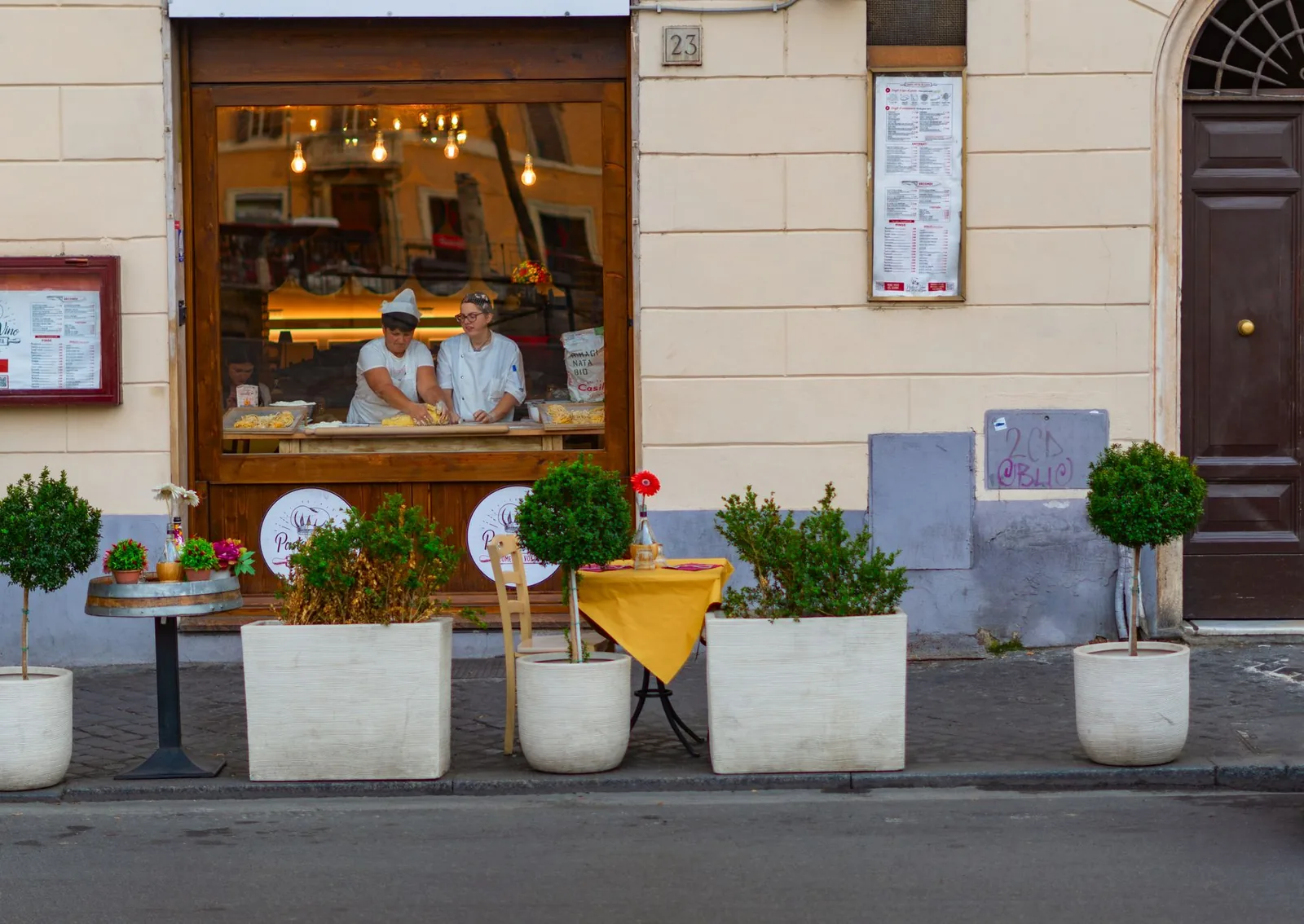
Roman food is direct, rich and closely tied to local tradition. Start with the four classic pasta dishes: carbonara, cacio e pepe, gricia and amatriciana. Traditional carbonara uses guanciale, pecorino Romano, eggs and black pepper rather than cream. Cacio e pepe relies on pecorino and pepper, with starchy pasta water creating the sauce. Gricia is the tomato-free relative of amatriciana, while amatriciana adds tomato.
Try supplì for a casual snack. These fried rice croquettes are associated with Roman street food and are often filled with mozzarella. Artichokes and seasonal vegetables are also important, particularly Roman-style preparations and puntarelle. Availability depends on the season.
For Roman-Jewish cuisine, look for carciofi alla giudia and other specialties in and around the Jewish quarter. Testaccio is a useful neighborhood for traditional dishes including coda alla vaccinara, tripe and other quinto quarto preparations. These are substantial, historic foods and may not appeal to every diner, but they offer a deeper understanding of Roman cooking.
Gelato, espresso and aperitivo fit naturally into a day of sightseeing. Quality and pricing vary, especially near major monuments, so compare menus, check service and cover charges, and do not assume that a busy tourist location guarantees the best meal.
When to Visit Rome

Spring and autumn are generally the most comfortable seasons for extensive walking, museum visits and outdoor archaeology. The weather is often suitable for long days outside, although exact conditions vary. Check Easter, public holidays, temporary exhibitions and major events before booking, since these can affect demand and access.
Summer brings long daylight hours but also strong sun, heat and high demand around the principal attractions. Schedule outdoor sites for the morning or late afternoon, carry water and avoid building an itinerary that crosses the city repeatedly at midday. Seasonal evening openings sometimes occur, but they are date-specific and should not be assumed to recur.
Autumn is a strong choice for food-focused travel, museums and neighborhood exploration. Check event calendars and transport information for your precise dates, particularly if you are traveling during a major festival or public event.
Winter can suit travelers more interested in churches, museums and quieter cultural sightseeing. Daylight is shorter, and some attractions may have reduced hours or holiday closures. The Colosseum archaeological park and Ostia Antica publish seasonal schedules, so verify opening arrangements before setting out.
Getting Around Rome
Rome is best explored with a combination of walking and public transport. The central streets around the Pantheon, Piazza Navona, Campo de’ Fiori, Trevi Fountain and the Spanish Steps connect naturally on foot. The Colosseum, Vatican City, Testaccio and the Appian Way are more spread out.
The Metrebus Rome system covers buses, trams, trolleybuses, metro lines, specified urban rail services and related routes. The current published standard BIT ticket is €1.50 for 100 minutes, while tourist passes include 24-hour, 48-hour and 72-hour options. Fares and validity rules can change, so confirm them before travel. Digital tickets must be activated correctly before boarding or entering metro turnstiles.
Wear supportive shoes. Archaeological parks involve uneven terrain, and historic streets may include cobbles, steps and irregular paving. Build in more time than a map suggests, especially when moving between major museums and monuments.
Official taxis are useful for airports, late arrivals, heavy luggage and areas with limited public transport. Use designated ranks or official booking channels, and verify current airport and city fare rules. A car is generally inconvenient for central sightseeing because of restricted-traffic zones, limited parking and narrow streets. Rome’s ZTL restrictions can change by zone, date, time and vehicle type.
Arriving from Fiumicino Airport
Leonardo da Vinci–Fiumicino Airport is Rome’s main international airport. The Leonardo Express provides a non-stop connection to Roma Termini in 32 minutes, with trains currently scheduled approximately every 15 minutes. The published fare is €14, and Metrebus Rome tickets are not valid on this service.
The FL1 regional service connects Fiumicino with several Rome stations but is not a non-stop Termini service. Taxis, buses and private transfers are alternatives, particularly for late arrivals, families or accommodation away from Termini. Confirm current schedules, fares and late-night arrangements before departure.
Ciampino Airport is another arrival option. Its connections include buses, taxis and car-sharing services. The most useful transfer depends on your arrival time and final neighborhood, so check the airport’s current information before traveling.
Which Rome experience would you most want to build your trip around?
Best Day Trips from Rome
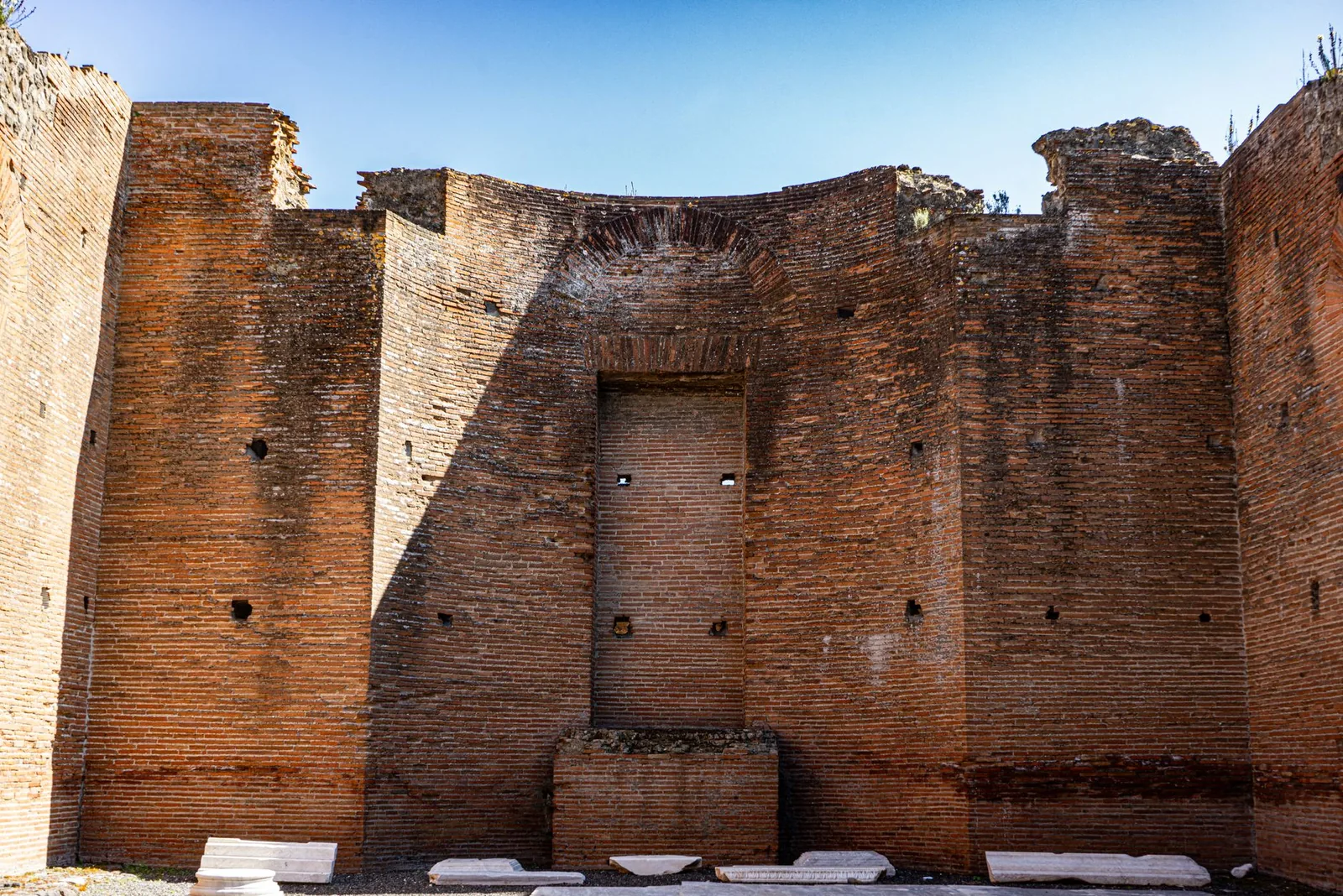
Ostia Antica
Ostia Antica is one of the most rewarding excursions for travelers interested in Roman archaeology. The large archaeological park preserves streets, houses, mosaics, public buildings and museum areas from the ancient port city of Rome.
It is a substantial site rather than a quick museum visit. Check current opening days, seasonal hours, ticket arrangements and transport before traveling. Allow enough time for walking and bring protection from the sun in warmer months.
The Appian Way and Roman aqueducts
The Appian Way can be visited as an extended half-day or full-day outing, depending on transport, walking and the sites you include. Ancient road remains, tombs, catacombs, villas, aqueduct landscapes and the Caffarella Valley create a very different experience from central Rome.
Because the park is spread out, plan the route rather than arriving without an idea of where you want to walk or cycle. Sunday and holiday traffic arrangements can make parts of the road particularly suitable for exploring, but verify current local information.
Tivoli
Tivoli is a classic Lazio excursion for historic villas and gardens. Villa d’Este is known for its gardens and fountains, while Hadrian’s Villa presents a large archaeological complex associated with the Roman emperor Hadrian. Check the opening days, ticketing and transport for each villa separately before planning the trip.
Castelli Romani
The Castelli Romani are a group of hill towns and countryside areas southeast of Rome. They suit travelers looking for food, wine, lake views and a change from the capital’s dense historic center. Choose a specific town and check public transport, restaurant opening arrangements and the return journey before setting out.
Orvieto
Orvieto makes a longer rail day trip into Umbria, with a hilltop historic center and a celebrated cathedral. Check current train timetables and allow time for the transfer between the station and the upper town. It is better suited to travelers with an additional day than to a short three-day Rome itinerary.
Practical Tips for Visiting Rome
- Reserve the Colosseum and Vatican Museums through their official ticket channels, especially for busy travel dates.
- Check whether an attraction is in Rome, Vatican City or another municipality. Vatican City is an independent state inside Rome.
- Carry water and use clearly marked public drinking fountains where permitted.
- Activate digital public-transport tickets before boarding or entering metro turnstiles.
- Keep belongings secure in crowded transport, queues and major sightseeing areas.
- Dress respectfully in churches and religious sites, covering shoulders and avoiding very short clothing where required.
- Allow extra time for archaeological parks, museum security and Vatican queues.
- Check official attraction pages shortly before visiting. Hours, prices, closures, restoration work and reservation rules change frequently.
- Use official taxi ranks or booking channels, particularly at airports and major stations.
- Consider accommodation near a metro or tram route rather than choosing solely by apparent walking distance.
- Do not plan the Colosseum, Roman Forum, Vatican Museums and several central squares as one rushed day.
- Remember that the Leonardo Express is separate from the Metrebus system.
- Check restaurant menus, cover charges, service charges and current prices before ordering near major landmarks.
- Verify return transport and Monday opening arrangements before taking a day trip.
Rome Travel FAQ
How many days do you need in Rome?
Three to five full days is a practical range for a first visit. Three days can cover the core ancient, Vatican and historic-center sights at a brisk pace. Five days allows more museums, neighborhoods, food stops and perhaps a day trip.
Is Rome walkable?
Many central areas are highly walkable, particularly the Pantheon, Piazza Navona and Campo de’ Fiori area, as well as routes linking the Trevi Fountain, Spanish Steps and Piazza del Popolo. Rome is large, however, and Vatican City, Testaccio, the Appian Way and some museums may require public transport or a taxi.
What is the best way to get from Fiumicino Airport to central Rome?
The Leonardo Express is the principal rail option for Roma Termini. The official service currently takes 32 minutes, runs approximately every 15 minutes and costs €14. FL1 regional trains serve other Rome stations. Taxis, buses and private transfers are alternatives; verify current conditions before traveling.
Do you need to reserve the Colosseum?
Yes. The official archaeological park information states that a time slot is compulsory for Colosseum entry. The current booking window and ticket categories can change, so check the official information for your intended date.
Do you need to reserve the Vatican Museums?
Advance booking is strongly advisable, particularly during busy periods. Use the official Vatican Museums ticket channel and check the current calendar, closure dates, final entry time and visitor requirements.
Can you use public transport to reach Rome’s main attractions?
Yes. The Metrebus system covers buses, trams, trolleybuses, metro lines and specified urban rail services. The current BIT ticket is valid for 100 minutes, and 24-hour, 48-hour and 72-hour tickets are also available. Check current fares and activate digital tickets correctly.
What food should you try in Rome?
Prioritize carbonara, cacio e pepe, gricia, amatriciana, supplì, Roman-style artichokes, Roman-Jewish specialties and traditional Testaccio dishes. Seasonal availability and restaurant quality vary.
Is Vatican City part of Italy?
No. Vatican City is an independent sovereign state enclosed within Rome. It has its own borders, religious and security arrangements, and museum administration, even though it is surrounded by the Italian capital.
Before You Go
Rome is easiest to enjoy when you accept that it cannot be completed in a single itinerary. Give the Colosseum and Roman Forum the time they deserve, plan the Vatican carefully, then leave space for a long lunch, an unplanned church or an evening walk through Trastevere or Monti.
Three to five full days provides a strong introduction, while longer stays reveal the Appian Way, Ostia Antica, Testaccio’s food culture and the quieter edges of the city. Check current official information for every major booking, wear comfortable shoes and plan around neighborhoods rather than trying to cross Rome repeatedly. The result will be a more relaxed trip through one of Europe’s most layered and rewarding cities.
Inspired? Start planning your trip.
Move from inspiration to planning with BookingTabs — explore hotels, tours and travel options in one place.

Join the conversation
Ask a question, share a travel tip, or help another traveler plan with confidence.
Leave a comment
No account or email required.