
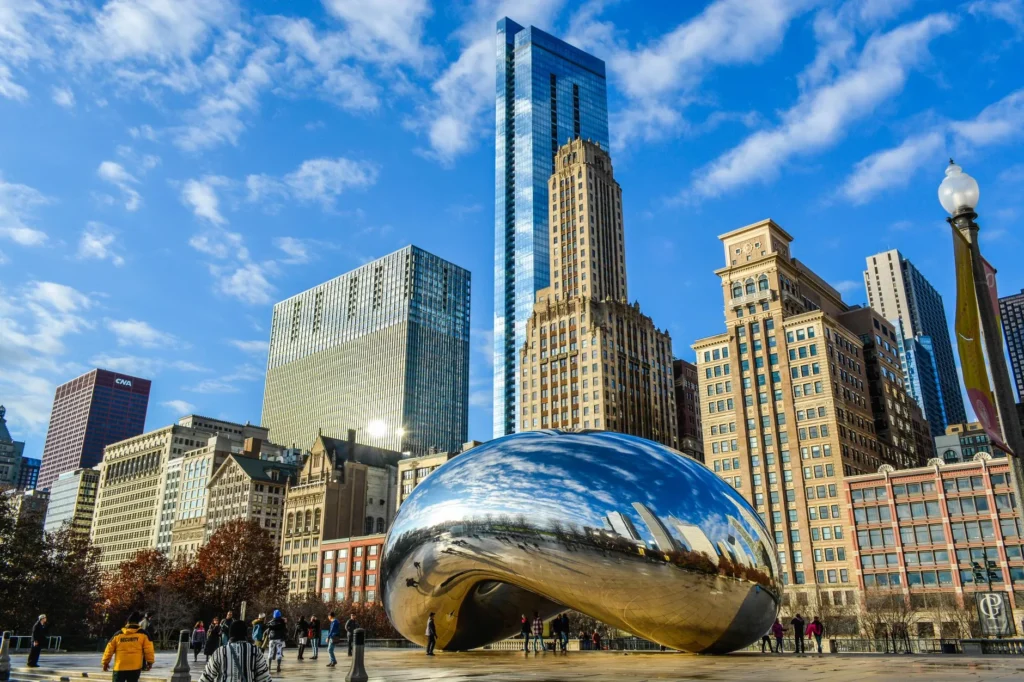
Chicago brings together much of what makes a major American city rewarding to visit: influential architecture, a dramatic lakefront, excellent museums, strong performing arts, distinctive neighborhoods and food traditions that extend well beyond deep-dish pizza. The city is large, but many first-time sights are concentrated around the Loop, River North, Streeterville, South Loop and Museum Campus, making a well-planned visit straightforward without a car.
Three full days is a practical minimum for the central attractions, an architecture cruise, one or two museums, the lakefront and at least one neighborhood. Four or five days gives you time for more museums, food-focused exploration, live entertainment, sports or a day trip outside Chicago.
Why Visit Chicago
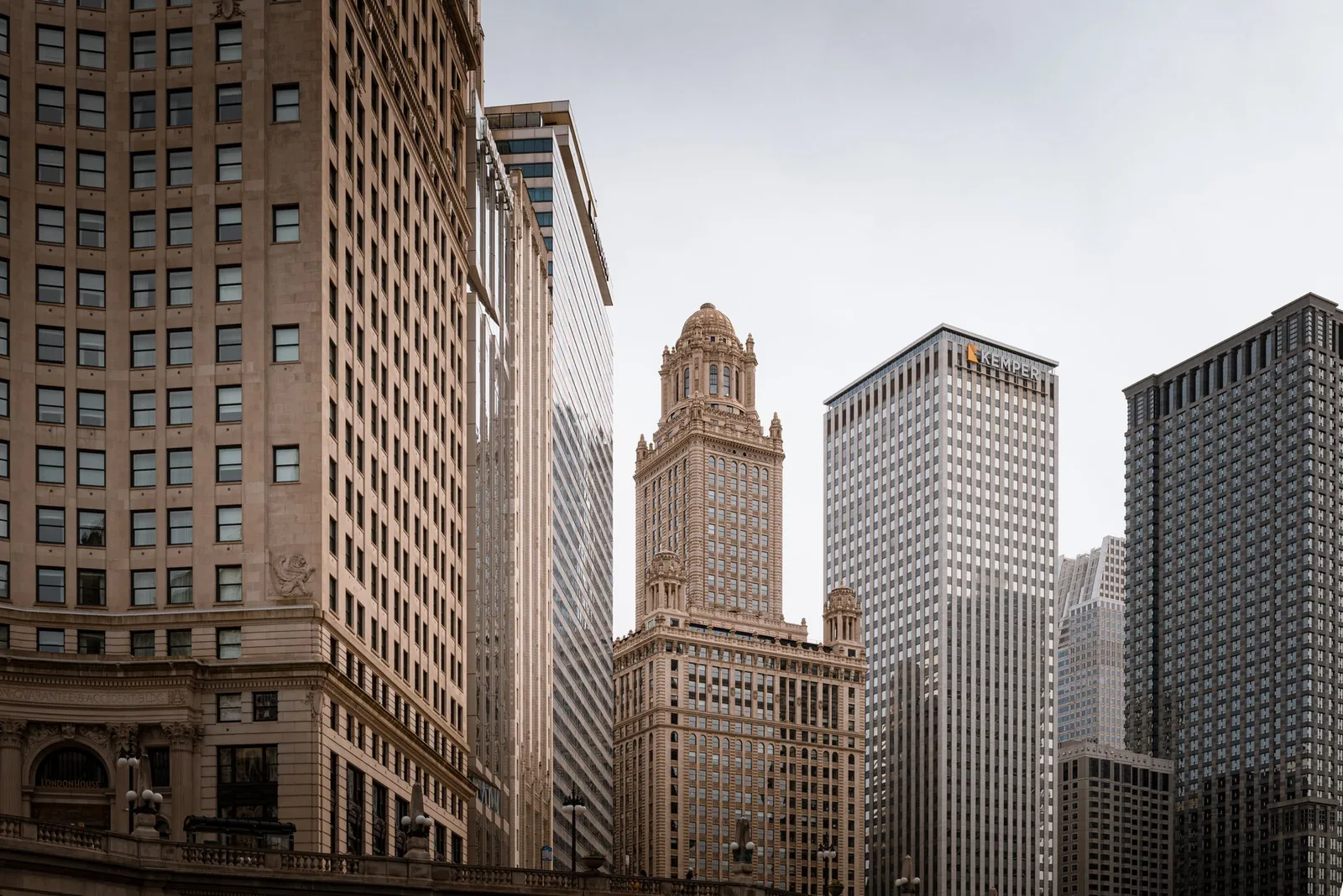
Chicago is one of North America’s great architecture destinations. Its skyline includes historic skyscrapers, modern towers and Prairie School buildings, while the Chicago River provides a particularly clear way to understand how the city developed. A guided river cruise is one of the most effective introductions to Chicago because it combines sightseeing with context about the buildings lining the water.
The city also has an unusually strong collection of museums. The Art Institute of Chicago sits beside Millennium Park, while the Field Museum, Shedd Aquarium and Adler Planetarium form a major cluster on the lakefront at Museum Campus. Together, they make Chicago a good choice for culture-focused trips and for families who want reliable indoor options in changeable weather.
Lake Michigan shapes the city experience. Beaches, parks, the Lakefront Trail and open views toward the water offer a welcome contrast to the downtown streets. In summer, the lakefront becomes a setting for walking, cycling, swimming and outdoor events; in colder months, it remains an atmospheric place for skyline views, although wind and icy conditions can make long walks uncomfortable.
Food is another compelling reason to visit. Deep-dish and tavern-style pizza, Italian beef, Chicago-style hot dogs and jibaritos are part of the local conversation, but the city’s best meals may also come from its neighborhoods. Pilsen, Chinatown, Uptown, Andersonville and other areas provide Mexican, Chinese, Vietnamese, Ethiopian, Middle Eastern, Korean, Puerto Rican and many other culinary traditions.
Chicago is equally worthwhile after dark. Blues and jazz clubs, theatre, improv, comedy, concert venues and sports create a busy cultural calendar. Check current schedules before traveling, since performances, games, festivals and seasonal events are date-sensitive.
Top Experiences in Chicago
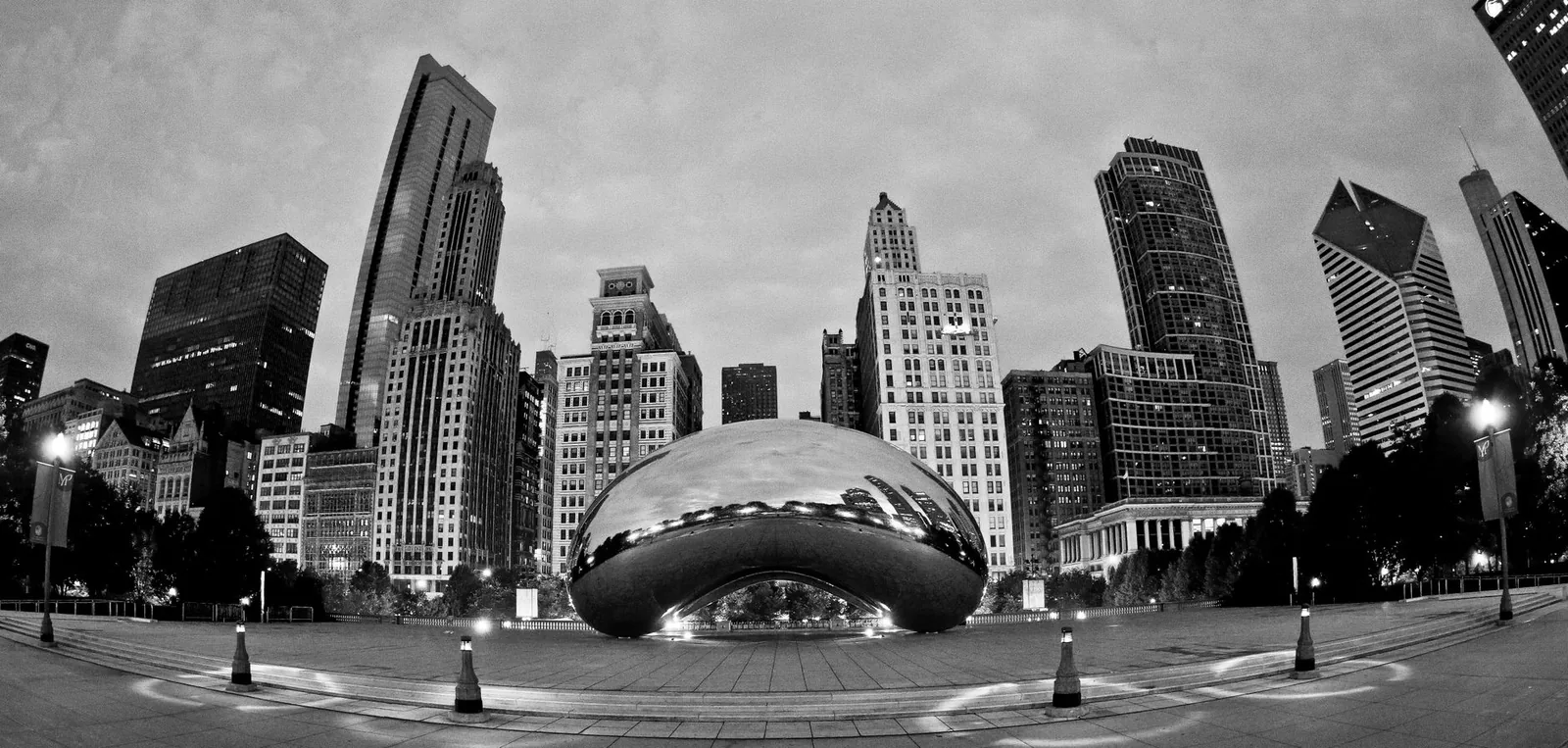
See Millennium Park and Cloud Gate
Millennium Park is the natural starting point for many first visits. The central public space combines Cloud Gate, the polished sculpture popularly known as “The Bean,” Crown Fountain, gardens, public art and performance areas. Its location makes it easy to pair with the Art Institute of Chicago, Maggie Daley Park, the Chicago Cultural Center, Grant Park and the lakefront.
Visit early if you want a quieter experience around Cloud Gate, or return later in the day to see the park in a different atmosphere. Event areas, public access and seasonal facilities can change, so check current information before setting out.
Take a Chicago architecture river cruise
A guided Chicago Architecture Center river cruise is among the city’s essential experiences. The approximately 90-minute journey explains Chicago’s architectural history while passing more than 50 notable buildings, including the Wrigley Building, Tribune Tower, Merchandise Mart, Marina City and Willis Tower.
The cruise is seasonal, generally running from spring into autumn, with more limited availability outside the main season. Departures can sell out, particularly on summer weekends, so advance booking is sensible. Allow time to reach the dock near the Michigan Avenue Bridge and arrive according to the operator’s current instructions.
Even travelers who are not architecture specialists usually find the cruise worthwhile. The river offers perspectives that are difficult to get from street level, and the commentary helps connect individual buildings with Chicago’s broader history.
Visit the Art Institute of Chicago
Beside Millennium Park, the Art Institute of Chicago holds collections spanning centuries and cultures. It is large enough to reward repeat visits, but first-time visitors should avoid trying to see everything. Choose a few areas of interest and leave time to explore at a slower pace.
The museum is especially convenient for a central itinerary because it can be combined with Millennium Park, Grant Park, the Loop and the Riverwalk. Check current opening days, timed-entry arrangements, admission conditions and special-exhibition charges before visiting; these details can change.
Explore Museum Campus
Museum Campus extends along the lakefront south of the central Loop and brings together three major institutions: the Field Museum, Shedd Aquarium and Adler Planetarium. The area also has broad views toward the downtown skyline and Lake Michigan.
Distances between the museums are manageable but not negligible, particularly with children or in hot, cold or windy weather. Plan walking time rather than treating the campus as a single building. CTA connections serve the area, and the Museum Campus/11th Street Metra Electric station is another nearby option.
Field Museum
The Field Museum is a strong choice for natural history, dinosaurs, anthropology, ancient cultures, biodiversity and large-scale scientific displays. It can easily occupy several hours, especially if you add a temporary exhibition.
Ticket categories, special exhibitions, resident discounts and free-admission days are separate considerations. Check the official date-specific information before your visit rather than relying on a general admission assumption.
Shedd Aquarium
Shedd Aquarium offers marine-life exhibits and is particularly useful for families or for a rainy or very cold day. Advance reservations are highly recommended, and pricing and daily hours can vary. Use the current calendar when planning a Museum Campus day.
Adler Planetarium
Adler Planetarium completes the Museum Campus trio and is known for astronomy-focused exhibits and its position at the edge of the lake. Even if you do not spend long inside, the grounds provide some of the most recognizable skyline views in Chicago.
Walk the Chicago Riverwalk
The Chicago Riverwalk is a pedestrian route through the central city, with waterfront seating, public art, restaurants, boat access and views of the surrounding architecture. It works well as a standalone stroll or as part of a day covering the Loop and River North.
The Riverwalk is particularly attractive in warmer weather, but conditions, events and individual business hours vary. Consider combining it with an architecture cruise, an early evening meal or a walk toward the lakefront.
Visit Navy Pier
Navy Pier is a lakefront public and entertainment complex with restaurants, cultural attractions, cruises, events, skyline views and the Centennial Wheel. Entry to the pier itself is free, but individual attractions charge separately.
It is an easy choice for families and visitors who want a flexible waterfront stop. Allow more time if you plan to use the rides or attend a show. Seasonal hours apply, and some outdoor attractions do not operate in winter, so check the current calendar before going.
Look out from Skydeck Chicago
Skydeck Chicago occupies Willis Tower and offers elevated views of the city, along with the glass Ledge experience. It is a natural addition to a downtown architecture itinerary and gives a different perspective from the river and lakefront.
Observation-deck entry windows, prices and operating hours can vary. Check current reservation requirements, particularly if your visit falls on a weekend or holiday.
Spend time in Lincoln Park
Lincoln Park combines green space, lakefront paths, neighborhood streets, restaurants and the free Lincoln Park Zoo. It offers a change of pace from the Loop and is a practical choice for families or anyone wanting to combine outdoor space with a neighborhood visit.
The nearby Chicago History Museum provides useful context about the city’s development, architecture, neighborhoods and civic identity. Its hours and admission arrangements vary by day and visitor category, so check before traveling.
Visit Garfield Park Conservatory
Garfield Park Conservatory is one of Chicago’s best indoor garden attractions and a particularly useful option in winter. Extensive plant displays under glass create a warm, calm setting away from the downtown crowds.
Advance reservations are strongly recommended, and entry policies and schedules can change. The conservatory is on the West Side, so plan the journey as part of a broader West Side itinerary rather than fitting it casually between downtown attractions.
How would you most like to experience Chicago?
Weather and the Best Time to Go
Chicago is a year-round destination, but late spring through early autumn generally offers the widest choice of outdoor activities, lakefront walks, architecture cruises, festivals and patio dining.
Spring, March through May, brings returning flowers, baseball and the start of the main architecture-cruise season. Conditions can shift quickly, so pack layers and rain protection. Crowds may be lighter than during summer, although cruise dates and outdoor schedules vary.
Summer, June through August, is the busiest period for beaches, lakefront activities, festivals, patios, rooftop venues and river experiences. Popular museums, restaurants, cruises and events may need advance reservations. Warm weather is appealing, but allow extra time for crowds and busy public transport.
Autumn, September through November, is often a comfortable period for architecture, museums, theatre, food events and neighborhood exploration. Temperatures become cooler and outdoor schedules begin to reduce later in the season.
Winter, December through February, can bring cold, snow, ice and strong lakefront wind. It is best suited to museums, theatres, comedy, live music, shopping, restaurants, indoor gardens, holiday programming and other indoor attractions. Check for seasonal closures because cruises, outdoor rides, beaches and some facilities operate on reduced schedules or close altogether.
Local Food and Drink
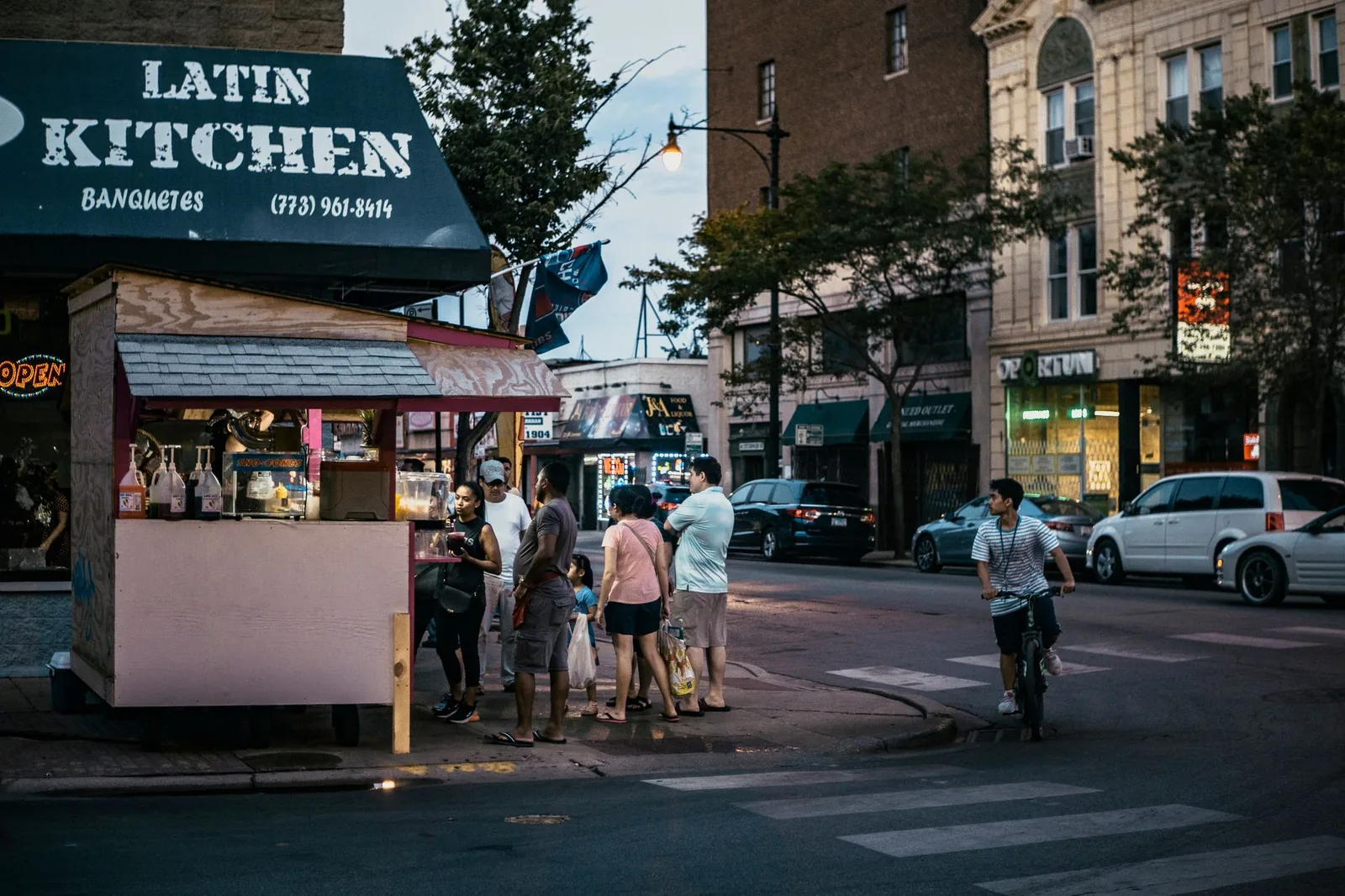
Start with Chicago’s signature foods, but do not stop there.
Deep-dish pizza is the city’s best-known style, with a substantial crust and layered filling. Tavern-style pizza, thinner and crispier, is equally associated with local dining and may suit travelers who prefer a lighter meal. Both can take time to prepare, so avoid scheduling a tightly timed attraction immediately afterward.
Italian beef consists of thinly sliced seasoned beef on a roll, commonly ordered with sweet peppers or hot giardiniera and optionally dipped in jus. Chicago-style hot dogs come with a characteristic set of toppings and are traditionally not served with ketchup, although restaurants may handle preferences differently.
A jibarito uses fried plantains in place of bread and reflects Chicago’s Puerto Rican and Latin American food culture. Pilsen, Little Village, Humboldt Park and other neighborhoods are good places to explore Mexican, Puerto Rican and broader Latin American cooking.
Chinatown is a natural choice for Chinese restaurants, bakeries and shops. Uptown, Albany Park, Andersonville and West Ridge broaden the city’s international food scene with Vietnamese, Ethiopian, Korean, Middle Eastern, Swedish and other cuisines.
For a concentrated restaurant scene, explore the West Loop and Fulton Market, particularly around Randolph Street and Fulton Market. Reservations are often advisable at high-demand restaurants. In the evening, look for blues and jazz venues, breweries, cocktail bars and taprooms in neighborhoods such as River North, Logan Square and Ravenswood. Check age restrictions, cover charges and performance times before heading out.
Places to Visit Beyond Chicago
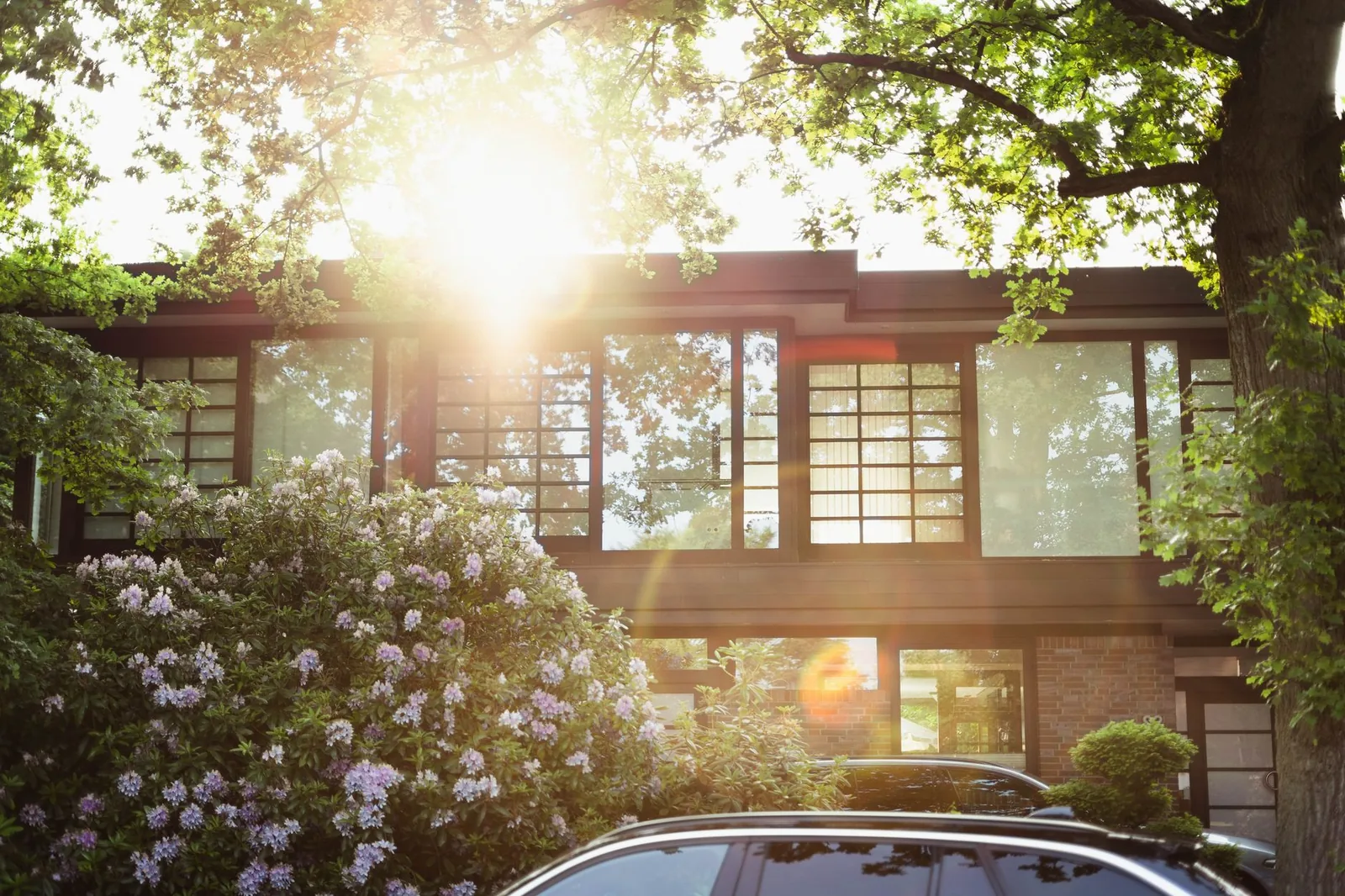
Oak Park and Frank Lloyd Wright
Oak Park is the most straightforward architecture day trip from Chicago. The area contains a major concentration of Frank Lloyd Wright buildings, including his Home and Studio, Unity Temple and a historic residential district. The Home and Studio can be reached by public transport, but tours should be arranged in advance.
Indiana Dunes National Park
Indiana Dunes National Park offers beaches, dunes, wetlands, forests, trails and historic sites along Lake Michigan. It can be reached by car or South Shore train, but the park is dispersed. Check the exact station, trailhead, return schedule and seasonal conditions before setting out.
Chicago Botanic Garden
In Glencoe, the Chicago Botanic Garden provides extensive outdoor gardens, seasonal displays, indoor spaces and walking routes. Admission, parking, tram operations and timed-entry rules may vary by season.
Morton Arboretum
Morton Arboretum in Lisle is a good choice for gardens, trees, trails and outdoor space. Its grounds are extensive, so allow a full day and check whether timed tickets or special seasonal arrangements apply.
Brookfield Zoo Chicago
Brookfield Zoo Chicago suits families and wildlife-focused travelers. It is most convenient by car or suburban transit, and opening hours, exhibits, parking and admission vary by season.
Ravinia Festival
Ravinia Festival in Highland Park is an appealing summer excursion for live music. Event dates, lawn policies, train access and weather procedures vary by performance, so plan around the specific concert.
Where to Base Yourself in Chicago
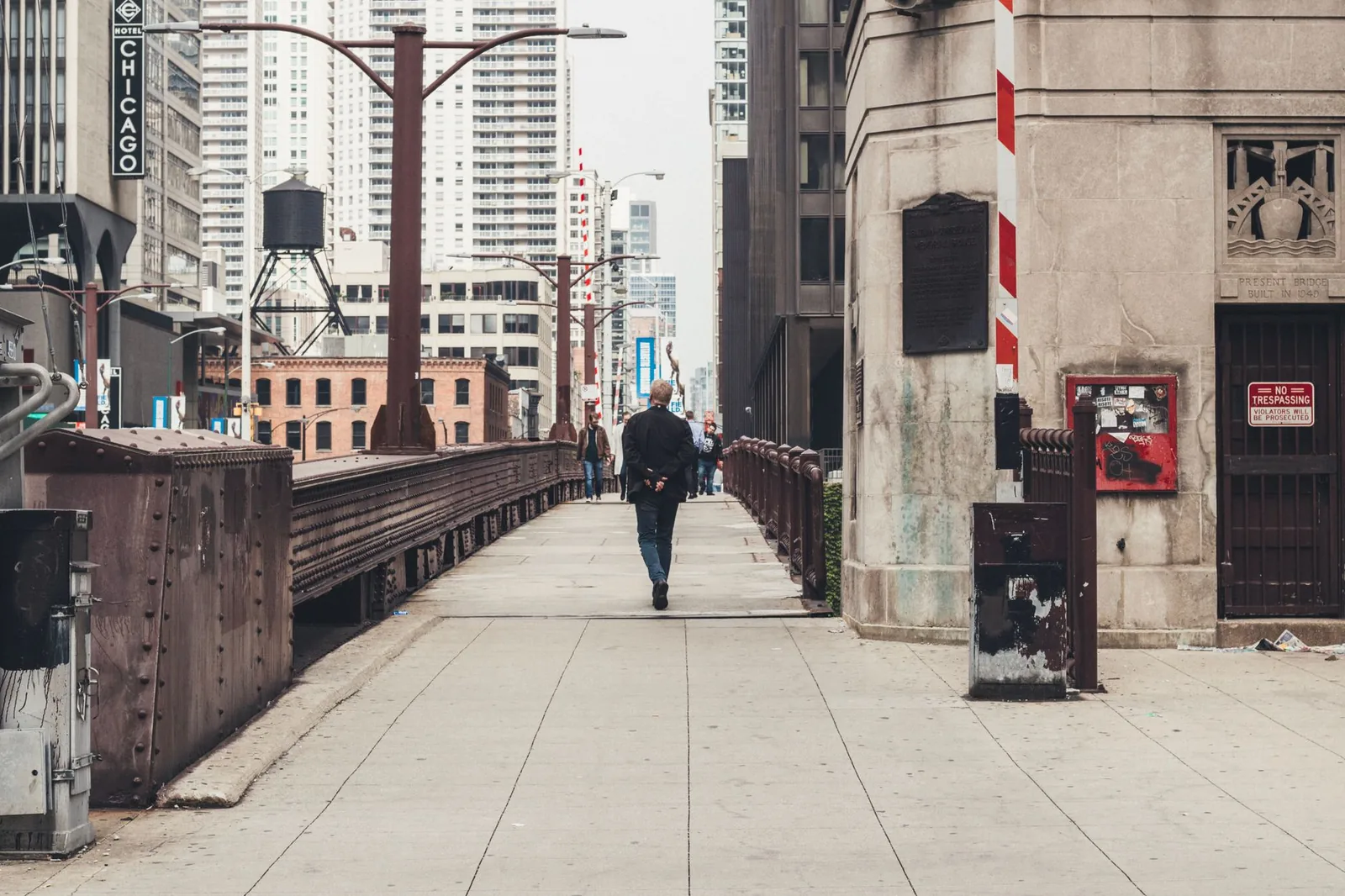
The Loop
The Loop is the most convenient base for a first visit focused on Millennium Park, the Art Institute, the Riverwalk, theatres, public art and central architecture. It also has strong transit connections. The area can feel quieter outside business hours, particularly in some sections, so compare the immediate surroundings of any accommodation with your evening plans.
River North
River North is central, lively and well placed for restaurants, galleries, nightlife, river access and downtown sightseeing. It is also convenient for the Magnificent Mile and the northern part of the Loop. Choose it if you want attractions within walking distance and a wide choice of evening venues.
Streeterville and the Magnificent Mile
Streeterville and the Magnificent Mile are useful for Michigan Avenue shopping, lakefront access, Navy Pier and boat tours. This area suits travelers who want a central location with easy access to both downtown and the water.
South Loop and Museum Campus
South Loop is a sensible choice for visitors prioritizing the Field Museum, Shedd Aquarium, Adler Planetarium, Grant Park, Soldier Field or McCormick Place. It offers lakefront access and can be more relaxed than the busiest central areas, although you will travel farther for some North Side neighborhoods.
Lincoln Park and Lakeview
Lincoln Park and Lakeview work well for longer stays, families and travelers interested in neighborhood restaurants, lakefront paths, beaches, Lincoln Park Zoo and nearby Wrigley Field. The areas feel more residential than the central business district.
Wicker Park, Bucktown and Logan Square
These North Side areas are good for independent shops, street art, restaurants, bars, live music and nightlife. Wicker Park and Bucktown are particularly walkable around Milwaukee, North and Damen avenues, while Logan Square has a strong dining, brewery and music scene.
Pilsen, Chinatown, Hyde Park and Uptown
For a more neighborhood-focused stay, consider Pilsen for Mexican American heritage, murals and galleries; Chinatown for restaurants, bakeries and shops; Hyde Park for museums, parks, beaches and Frank Lloyd Wright’s Robie House; or Uptown for historic theatres, jazz, global food and music venues. These areas are rewarding but less convenient for a first-time itinerary built entirely around downtown sights.
Getting Around Chicago
Chicago is practical to explore without a car. Use a combination of CTA trains and buses, walking, occasional taxis or rideshare services and, where useful, Divvy bikes.
The CTA operates the elevated and subway rail system known as the “L” as well as city buses. The Blue Line connects O’Hare with downtown around the clock, while the Red Line also offers 24-hour service through the central city. The Orange Line connects Midway with downtown. Ventra is the fare system, and contactless bankcards, mobile wallets, Ventra Cards, Ventra Tickets and cash on buses are accepted in different circumstances. Fares and pass products can change, so verify current details before travel.
Walking is especially effective in the Loop, River North, Streeterville, Millennium Park, the Riverwalk, Grant Park and Museum Campus. Do not underestimate distances between neighborhoods. The lakefront, river and large parks can make routes longer than they appear on a map, and winter snow, ice and wind may slow you down.
Taxis and rideshare services are useful for late-night journeys, luggage, cross-city trips or transit disruptions. At either airport, follow current signs to the designated pickup area rather than relying on an old meeting point.
A car is usually unnecessary for a central Chicago stay. Parking, traffic and navigation can add cost and frustration. A rental becomes more useful for some suburban day trips, Indiana Dunes National Park or attractions with limited public transport.
Arriving from the airports
O’Hare International Airport, ORD, is the principal international gateway. Its on-airport CTA Blue Line station provides a 24-hour public-transit connection toward downtown; the airport describes the journey as approximately 45 minutes, depending on the destination and service conditions.
Midway International Airport, MDW, is often convenient for domestic flights and connects with downtown via the CTA Orange Line. The Orange Line generally operates from early morning until around 1 a.m., with overnight bus service available. Both airports also offer taxis, rideshare services, rental cars and shuttle options. Check current terminal instructions, fares, service alerts and travel times on the day of arrival.
Good to Know Before You Go
- Plan by geographic clusters. Combine Millennium Park, the Art Institute, the Loop and the Riverwalk; group Museum Campus attractions together; and dedicate separate time to North and South Side neighborhoods.
- Book architecture cruises, Shedd Aquarium, observation decks, popular restaurants, theatre, sports and special exhibitions ahead of time, especially for summer weekends and holidays.
- Check official calendars for holiday closures, seasonal hours, timed entry and temporary exhibitions.
- Pack layers and weather protection. Lakefront wind can make conditions feel colder than expected, even when the forecast seems mild.
- Carry a contactless payment method and a backup payment option. Verify current CTA fares and pass rules before travel.
- Visit at least one neighborhood outside downtown to experience Chicago’s cultural and culinary range.
- Do not assume Navy Pier admission includes the Centennial Wheel, rides, cruises or shows; those attractions are generally ticketed separately.
- Avoid renting a car for a central itinerary unless you have a specific reason. Parking and traffic can complicate short trips.
- Allow extra time for airport transfers, Museum Campus, long lakefront walks and journeys between North Side and South Side neighborhoods.
- In winter, check weather, transit alerts, closures and snow or ice conditions before leaving your accommodation.
- Use official or authorized ticket sellers for major attractions and tours.
Common Questions About Chicago
How many days do you need in Chicago?
Three full days is a good minimum for major downtown sights, one architecture cruise, one or two museums, the lakefront and a neighborhood. Four to five days allows a more relaxed itinerary, extra neighborhoods, live entertainment and an optional day trip.
Is Chicago easy to visit without a car?
Yes, particularly for a central itinerary. CTA trains and buses serve the main visitor areas, the Blue Line connects O’Hare with downtown 24 hours a day and the Orange Line connects Midway with downtown. Taxis or rideshare services are useful for late-night and cross-city trips.
Which airport is best for Chicago?
O’Hare, ORD, is the principal international gateway and has direct 24-hour Blue Line service. Midway, MDW, is often convenient for domestic travel and connects with downtown via the Orange Line. Flight availability, price and accommodation location should determine the best choice.
What is Chicago best known for?
Chicago is known for architecture and skyscrapers, Lake Michigan and its lakefront, museums, blues and jazz, theatre and comedy, professional sports, diverse neighborhoods, deep-dish pizza, Italian beef and Chicago-style hot dogs.
What should you book in advance in Chicago?
Prioritize the Chicago Architecture Center river cruise, Shedd Aquarium, popular observation decks, major sporting events, theatre, special exhibitions, high-demand restaurants and some seasonal activities.
What can you do in Chicago in winter?
Focus on museums, the Art Institute, theatre, comedy, live music, shopping, indoor gardens such as Garfield Park Conservatory, restaurants, holiday programming and seasonal events. Check current schedules because outdoor attractions may reduce operations.
Is Navy Pier free?
Entry to Navy Pier is free, but the Centennial Wheel, rides, shows, cruises and other individual attractions generally require separate tickets. Hours vary by season, and some outdoor attractions close during winter.
Can you take a day trip from Chicago by public transport?
Yes. Oak Park is a practical public-transport trip for Frank Lloyd Wright sites. Indiana Dunes National Park can also be reached by South Shore train, although its dispersed trailheads require careful planning.
Final Thoughts
Chicago rewards travelers who balance famous sights with time in its neighborhoods. See the skyline from the river, spend a day among the museums, walk beside Lake Michigan and make room for a meal that goes beyond the obvious classics. With CTA connections, concentrated central attractions and a wide range of neighborhoods, Chicago is one of the easiest major US cities to shape around your interests—whether those are architecture, food, culture, family activities or live entertainment.
Find your stay with VibrantGateways.
Choose your travel dates and explore accommodation options for your destination.
Join the conversation
Ask a question, share a travel tip, or help another traveler plan with confidence.
Leave a comment
No account required.