
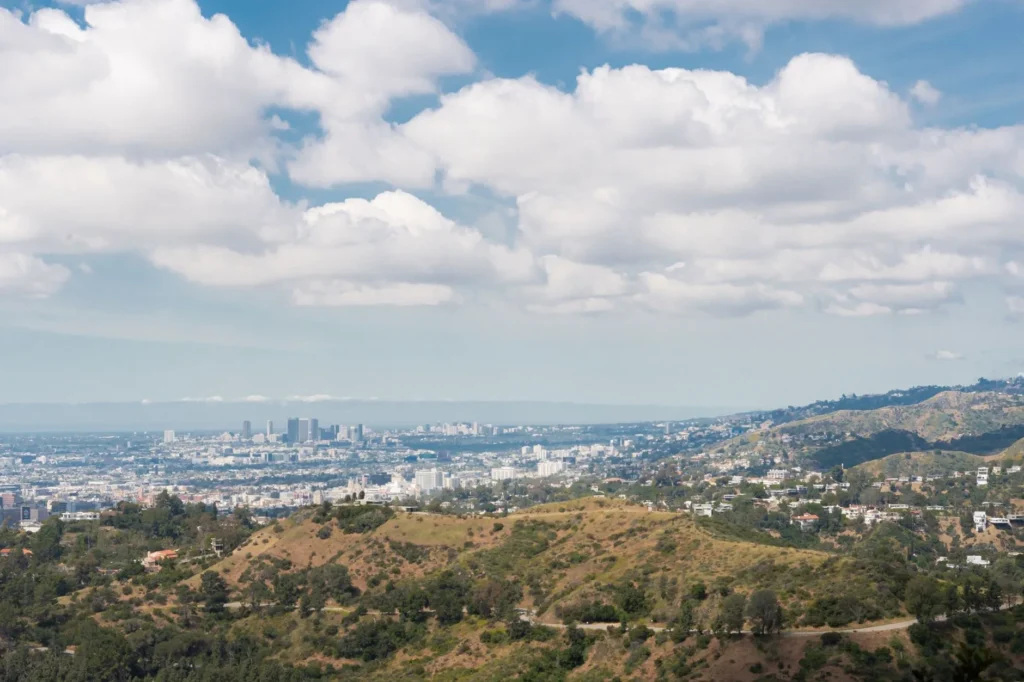
Los Angeles is not a compact city with one obvious center. It is a broad collection of distinct neighborhoods, beaches, cultural districts, hillside parks and surrounding municipalities, connected by busy roads and an improving but still selective public-transport network. That scale is part of the appeal: the same trip can include Hollywood history, world-class art, Korean barbecue, Pacific beaches, mountain trails and a major theme park.
For a first visit, allow four to six full days. Three days can work if you group nearby sights carefully, while an extra day gives you room for Universal Studios Hollywood, Malibu, the Santa Monica Mountains or a slower food-and-neighborhood itinerary. The key to enjoying Los Angeles is simple: plan geographically, allow more time than the map suggests and do not try to see the entire city in a single day.
What Makes Los Angeles Special
Los Angeles is one of the most varied city destinations in the United States. Film and television landmarks remain a major draw, from Hollywood Boulevard and the Walk of Fame to the Hollywood Sign and the studio-themed attractions at Universal Studios Hollywood. Yet the city is more rewarding when you look beyond the recognizable names.
Its museums range from the Getty Center’s European art and architecture to contemporary collections at The Broad and MOCA, science exhibits at the California Science Center and cultural institutions around Exposition Park. Architecture enthusiasts can find Frank Gehry’s Walt Disney Concert Hall, historic Downtown buildings, modern galleries and distinctive residential neighborhoods.
The coast adds another dimension. Santa Monica and Venice offer beaches, promenades, cycling and people-watching, while Malibu and the Santa Monica Mountains provide a more spacious landscape of canyons, trails and ocean views. Inland, Griffith Park brings hiking and panoramic city outlooks close to Hollywood.
Food is equally central to the Los Angeles experience. Mexican, Korean, Japanese, Thai, Chinese, Persian, Armenian, Central American and modern Californian cooking all have strong local expressions. The best meals are often found by exploring neighborhoods rather than staying within the main tourist districts.
Los Angeles also suits different styles of traveler. Families can build a trip around Universal Studios, science museums and the beach. Film fans can choose studio tours and Hollywood landmarks. Museum visitors may prefer Downtown, Exposition Park and Museum Row, while outdoor travelers can combine Griffith Park, the coast and the Santa Monica Mountains.
Top Experiences in Los Angeles
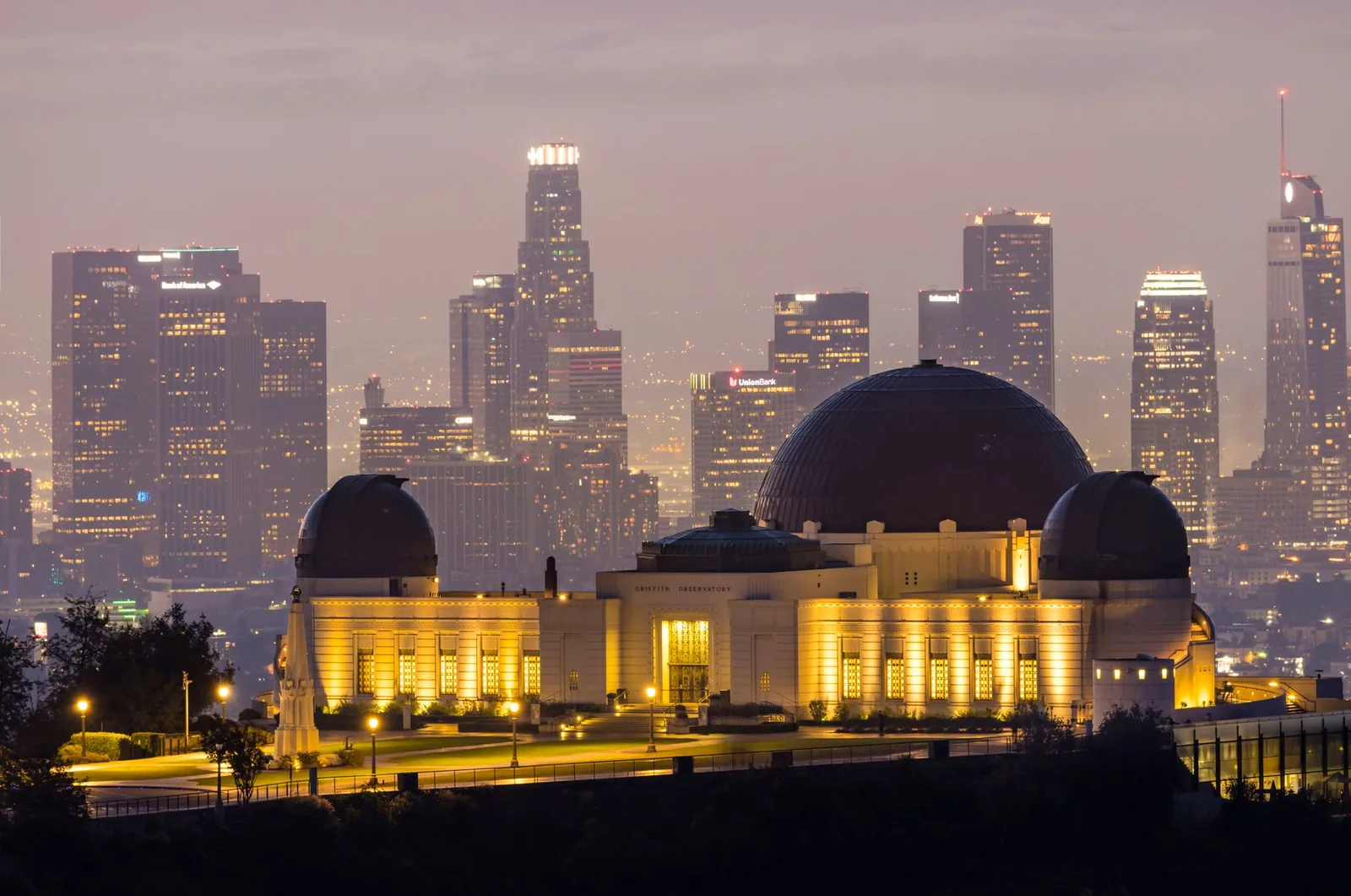
See Griffith Observatory and the Hollywood Sign
Griffith Observatory is one of the city’s most useful starting points for understanding Los Angeles. It combines a science attraction with broad views toward Downtown and the Hollywood Sign, and it provides access to trails in Griffith Park. Visit around sunset for changing city light, but allow extra time for traffic, parking and crowds.
The Hollywood Sign can be viewed from several authorized viewpoints and trails in Griffith Park. The sign itself is in a restricted area: visitors cannot touch or approach the letters, and there are no official tours of the sign. Trails operate from sunrise to sunset, subject to closures and safety conditions. Carry water, wear sun protection and check the day’s trail, fire and road information before setting out.
A practical itinerary can combine Griffith Observatory with a Hollywood Boulevard visit, although the two areas are not immediately adjacent. If you are driving, check current parking rules and road closures. The DASH Observatory bus can be an alternative from Vermont/Sunset, but schedules and fares should be verified before travel.
Walk Hollywood Boulevard
Hollywood Boulevard remains the city’s most concentrated dose of classic entertainment history. The Walk of Fame, TCL Chinese Theatre and the Hollywood/Highland area are the main attractions, with celebrity handprints, movie-premiere associations, street performers and a busy selection of paid visitor experiences.
The Hollywood/Highland area is served by the Metro B Line, making it one of the easier sightseeing districts to reach without a car. Expect crowds and a strongly commercial atmosphere. It is worth allowing time to compare attraction options and check current opening times rather than buying the first tour or ticket offered on the street.
Hollywood is most enjoyable when paired with a nearby area such as Griffith Park, Los Feliz or Thai Town. East Hollywood and Thai Town are particularly useful for food, with restaurants, markets, desserts and casual places to eat after sightseeing.
Spend a day at Universal Studios Hollywood
Universal Studios Hollywood combines a theme park with the World-Famous Studio Tour. Its attractions include film and television theming, The Wizarding World of Harry Potter and SUPER NINTENDO WORLD, making it a strong choice for families and entertainment enthusiasts.
Treat it as a full-day commitment rather than a quick add-on. Park hours, ticket products, ride closures, seasonal events and capacity arrangements vary by date. Advance purchase through the official operator is sensible, but check exactly what each ticket includes. Express, VIP and special-event products may operate under separate terms.
Universal City is served by the Metro B Line, followed by the park shuttle. This can be useful if you are staying in Hollywood or Downtown, although families with luggage or young children may prefer a rideshare depending on traffic and total cost.
Explore Downtown Los Angeles
Downtown is Los Angeles’s strongest car-free sightseeing base. A cluster of cultural attractions sits around Grand Avenue, including The Broad, Walt Disney Concert Hall and MOCA. Elsewhere in the area are the Historic Core, Broadway, Grand Central Market, Little Tokyo, Chinatown and the Arts District.
The Broad offers free general admission to its permanent collection, although advance timed tickets are recommended and special exhibitions or events may have separate charges. The building’s distinctive exterior is an attraction in its own right. Walt Disney Concert Hall is another Downtown landmark, whether you attend a performance or simply appreciate the architecture from outside.
Little Tokyo and the Arts District work well together for an afternoon of shops, galleries, cafes, Japanese food, murals and converted industrial buildings. Little Tokyo also provides insight into Japanese American history. Grand Central Market is useful for a casual meal, while Broadway and the Historic Core offer a different perspective on the city’s older commercial center.
Downtown’s atmosphere changes considerably between districts and at different times of day. Use ordinary urban awareness, keep valuables secure and check the current status of individual venues before visiting.
Visit Exposition Park
Exposition Park brings several major institutions together south of Downtown. The California Science Center, Natural History Museum of Los Angeles County and California African American Museum sit alongside gardens and sports venues.
This is a good choice for families, science enthusiasts and visitors who want several indoor options in one area. Plan each museum separately: opening hours, admission policies, reservations and special exhibitions differ. The area is served by Metro E Line stations, though current construction or entrance arrangements should be checked before travel.
Make time for the Getty Center
The Getty Center is both an art museum and an architectural destination. Its collection includes European art, while the grounds offer gardens, designed buildings and elevated views across Los Angeles. It is a particularly rewarding choice when you want a break from the city’s traffic and commercial energy.
General admission is free, but timed entry is required and parking is charged. There is no convenient street parking near the center, and Metro bus line 761 serves the entrance. The Getty is undergoing modernization, so some galleries or areas may change. A planned public closure beginning in March 2027 and extending into early 2028 has been announced, so verify the current status for your travel dates.
Do not confuse the Getty Center with the Getty Villa. They are separate destinations and are best visited on different itineraries.
Compare the Getty Villa and Museum Row
The Getty Villa, near Pacific Palisades and Malibu, is modeled on an ancient Roman villa and focuses on Greek, Roman and Etruscan antiquities. Its coastal location makes it a natural part of a Malibu itinerary rather than a quick stop from Downtown or Hollywood. Check reservations, road conditions and access information before setting out.
Museum Row on Wilshire Boulevard is a different cultural cluster. LACMA, the La Brea Tar Pits and other attractions occupy the Miracle Mile and Mid-City area. Construction and gallery changes can affect the experience at LACMA, so confirm which buildings and exhibitions are open before planning a visit.
Spend time in Santa Monica and Venice
Santa Monica is the easiest introduction to the Los Angeles coast for many first-time visitors. The pier, Santa Monica State Beach, Pacific Park, the Heal the Bay Aquarium and nearby shopping provide enough for a full day. The Metro E Line terminates at Downtown Santa Monica, from where the pier and beach are walkable.
Venice adds a more eccentric and energetic character. Its beach promenade, skate culture, Muscle Beach area, independent shops and street life contrast with the quieter Venice Canals. Santa Monica and Venice can be linked on foot or by bicycle along the coast, but do not underestimate the distance if you want time to stop along the way.
Coastal weather is often cooler or cloudier than inland Los Angeles, especially in late spring and early summer. Bring a light layer even when the forecast looks warm.
Which Los Angeles day would you choose?
When to Visit Los Angeles
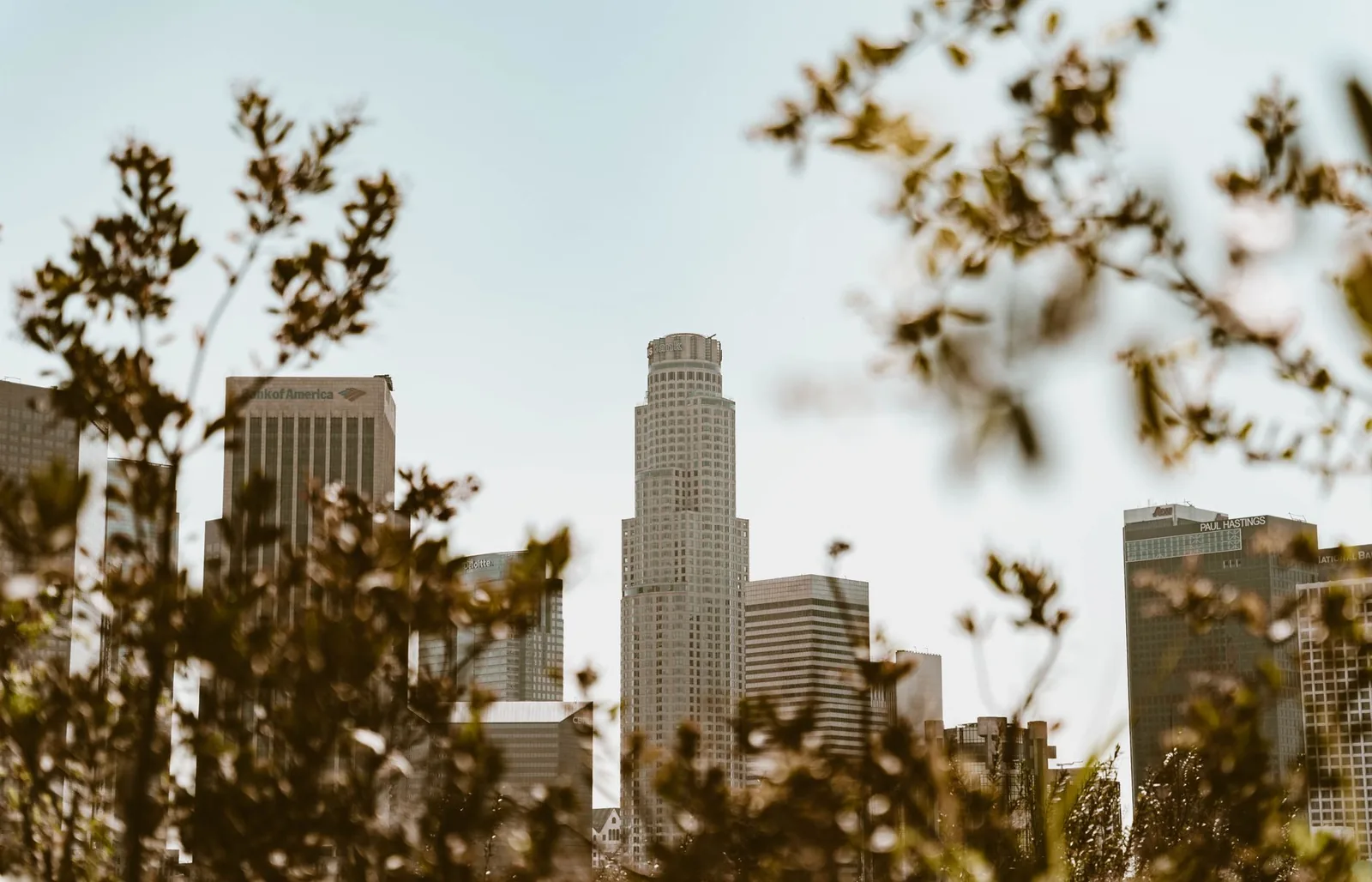
Los Angeles is a year-round destination with a generally mild Mediterranean climate. Summers are warm and dry, while winters are cooler and wetter. Most rainfall occurs from December through March, although conditions vary from year to year.
Spring, from March to May, is often a good compromise for sightseeing and hiking. Rain becomes less frequent as the season progresses, and mountain landscapes may be greener. Check trail conditions and wildflower reports rather than assuming every spring is the same.
Summer, from June to August, works well for beaches, outdoor events and theme parks. Inland areas can be hot, while coastal mornings may begin beneath marine cloud. Beaches and major attractions are also busy during this period.
Autumn, from September to November, often brings warm, dry weather and good conditions for beaches, sightseeing and hiking. September and October can still be hot. Before outdoor activities, check wildfire, heat and air-quality information.
Winter, from December to February, is generally mild by US standards and is the wettest period. It can be an attractive time for museums and urban sightseeing, though rain may disrupt hiking and beach plans.
What to Eat in Los Angeles

Los Angeles is best approached as a collection of food neighborhoods rather than a city with one signature dish.
Mexican and regional Mexican food is central to the local identity, covering tacos, burritos, birria, mariscos, seafood, regional specialties and modern interpretations. Explore beyond the main tourist districts for a wider range of styles.
Koreatown is essential for Korean barbecue, soups, noodles, fried chicken, bakeries, cafes and late-night dining. Some restaurants add service charges or have minimum-order rules, so check the menu and bill carefully.
Little Tokyo, Sawtelle and other districts offer ramen, sushi, izakaya, udon, Japanese curry, bakeries and specialty desserts. Thai Town and East Hollywood are strong choices for Thai restaurants, markets and sweets.
Persian food is particularly prominent around the Westside and Westwood, while Glendale and nearby communities are known for Armenian restaurants and pastry. Chinatown is worth visiting, but much of the region’s Chinese food scene extends into the San Gabriel Valley, where a car is usually helpful.
Do not overlook Central American and Latin American bakeries, panaderias, markets and casual breakfast spots. Los Angeles also has an extensive plant-forward and vegan scene, as well as modern Californian cooking. Restaurant hours, reservations, menu prices and service charges vary widely, so check directly before visiting.
Easy Day Trips from Los Angeles
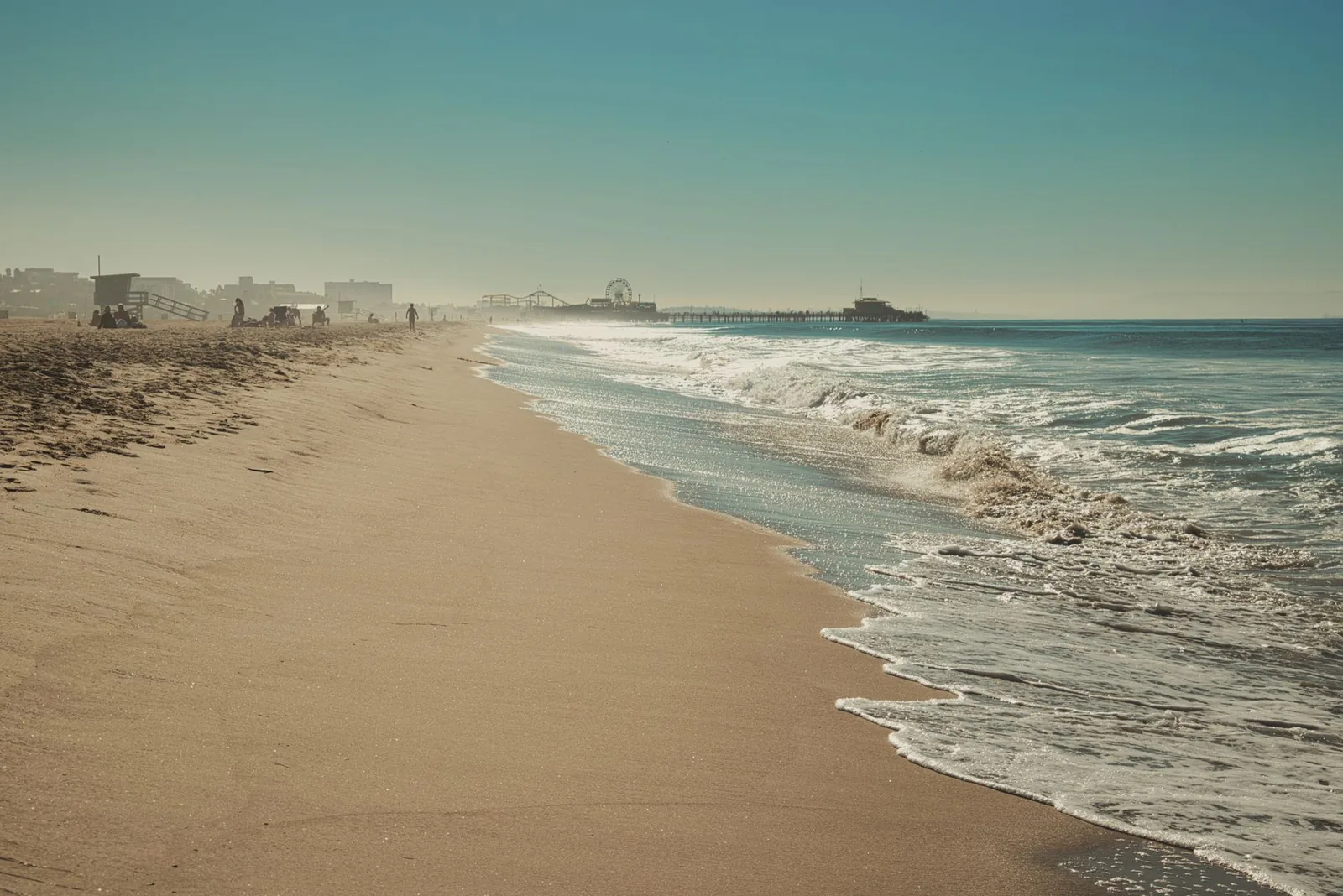
Malibu and the Santa Monica Mountains
This is the most natural extension of a Los Angeles trip. Combine beaches, canyon scenery, hiking, viewpoints and sunset stops. The Santa Monica Mountains include an extensive network of public trails and a long stretch of coast. A car is usually the most practical option, but check Pacific Coast Highway conditions, fire restrictions, landslide information and trail closures.
Long Beach
Long Beach is a separate waterfront city with beaches, restaurants, a walkable downtown, the Aquarium of the Pacific and the Queen Mary. It can be reached from Downtown Los Angeles by Metro A Line, subject to current service. It is a good choice when you want a coastal day that feels distinct from Santa Monica and Venice.
Santa Barbara
Santa Barbara makes a longer coastal day trip, with Spanish-influenced architecture, beaches, a harbor and access toward wine country. The Pacific Surfliner connects Los Angeles with Santa Barbara, but schedules and service advisories should be checked before relying on rail. An overnight stay may be more comfortable if you want time to explore beyond the center.
Pasadena
Pasadena offers historic architecture, museums, gardens, restaurants and access toward the San Gabriel Mountains. It is a manageable inland excursion, but confirm current transit and attraction schedules before planning the day.
Anaheim and Disneyland Resort
Anaheim is outside Los Angeles and is best treated as a separate destination. Disneyland Resort can be a major part of a family trip, but traffic makes a same-day visit demanding. Consider staying overnight if the theme park is a priority rather than adding it casually to an already full Los Angeles itinerary.
Best Areas to Stay in Los Angeles

Choose accommodation according to the areas you plan to visit, not simply by looking for the most famous neighborhood.
Downtown Los Angeles is the best base for museums, concerts, sports, Little Tokyo, the Arts District and rail connections. It offers the city’s strongest car-free sightseeing options, although its character varies sharply from one district to another.
Hollywood suits first-time visitors focused on the Walk of Fame, TCL Chinese Theatre, entertainment history and access to Griffith Park. It is also convenient for Universal Studios by Metro.
Los Feliz and Silver Lake are useful for restaurants, coffee, independent shops and access toward Griffith Park. They feel more residential than central Hollywood and can suit travelers who prefer neighborhood life.
West Hollywood is a lively, relatively walkable base for restaurants, nightlife, design, music venues and LGBTQ+ cultural life. It also provides access to Beverly Hills and the central Westside, though parking and accommodation costs can be significant.
Beverly Hills and Westwood work well for upscale shopping, restaurants, UCLA-area attractions and the Getty Center. Expect higher prices and limited free parking.
Miracle Mile and Mid-City are practical for travelers prioritizing LACMA, the La Brea Tar Pits and Wilshire Boulevard museums. They are less convenient for daily beach access.
Santa Monica and Venice are the best choices for a coastal stay. Santa Monica is generally more convenient for the Metro E Line, while Venice offers a more distinctive beach-district atmosphere. Both can be expensive, especially in busy periods.
Koreatown is an excellent food-focused base with Korean barbecue, bakeries, cafes, nightlife and Metro B and D line access. It is dense and urban rather than resort-like.
Getting Around Los Angeles
The most important transport rule is to group sights by geography. Visit Hollywood and Griffith Park together, Downtown and Exposition Park together, and Santa Monica and Venice together. Crossing the entire city repeatedly can consume much of a day.
Los Angeles Metro operates buses and rail lines including the A, B, C, D, E and K lines. Metro is particularly useful for Downtown, Hollywood, Universal City, Koreatown, Santa Monica, Culver City and selected South Bay corridors. The current standard fare, transfer rules and fare caps can change, so verify them before travel. Using TAP or an eligible contactless card consistently can help with transfers and fare-cap benefits.
Walking is practical within Downtown, Hollywood Boulevard, Santa Monica, Venice, Koreatown and parts of West Hollywood. It is not generally practical between major districts. Wide roads, hills, heat and long blocks can make distances feel greater than they appear on a map.
A car or rideshare is more useful for Malibu, the Getty Villa, the Santa Monica Mountains, dispersed Griffith Park trailheads and some Valley attractions. Driving everywhere is not necessarily easier: congestion, parking charges and enforcement can make a short journey frustrating. Read every street sign and never assume parking is free.
At LAX, rideshare and standard taxi pickups generally use the LAX-it area near Terminal 1, although larger or premium services may have different arrangements. Public-transport users can take the free airport shuttle to the LAX/Metro Transit Center, then connect with Metro’s C or K lines. The FlyAway bus provides service to Union Station and Van Nuys. Airport procedures and terminal connections change, so check current airport instructions after booking.
Good to Know Before You Go
- Plan by geographic cluster and resist crossing the city several times in one day.
- Allow generous travel buffers for traffic, especially during weekday commuting periods and major events.
- Carry water, sunscreen and a light layer. Inland hills may be hot while the coast is cool or cloudy.
- Check heat, fire danger, air quality, trail closures and parking restrictions before hiking.
- Reserve timed-entry museums and popular attractions in advance when possible.
- Verify current hours, ticket rules and closures on official attraction websites.
- Budget separately for parking, valet service, rides, special exhibitions and premium attraction access.
- Do not leave luggage or valuables visible in a parked car.
- Check whether restaurants add service, health, corkage or automatic gratuity charges.
- Check beach and water-quality advisories after heavy rain.
- Expect temporary road closures and higher prices during concerts, sports events, festivals and awards-season activity.
- Do not assume the Hollywood Sign can be touched or reached directly.
- Do not rely on old Metro maps or airport-transfer instructions; routes and procedures change.
- Remember that Malibu, Santa Monica, Long Beach, Pasadena and Anaheim are separate municipalities or destinations, not neighborhoods of Los Angeles.
Common Questions About Los Angeles
How many days do you need in Los Angeles?
Four to six full days is a practical range for a first trip. Three days can cover major highlights if activities are grouped by area, while a longer stay gives you time for Universal Studios, museums, beaches, neighborhoods and a Malibu or Santa Monica Mountains excursion.
Can you visit Los Angeles without a car?
Yes, if you design the itinerary around Metro-accessible areas. Downtown, Hollywood, Universal City, Koreatown, Culver City and Santa Monica are among the more practical bases. Malibu, the Getty Villa, many Griffith Park trailheads and the Santa Monica Mountains are less convenient by public transport.
What is the easiest way to get from LAX to Los Angeles?
Rideshare and taxis use the LAX-it area in most cases. Other options include the FlyAway bus to Union Station or Van Nuys, or Metro via the LAX/Metro Transit Center and its airport shuttle. The best choice depends on your accommodation, luggage, arrival time and traffic conditions.
Is the Getty Center free?
General admission is free, but timed entry is required and parking is charged. There is no nearby street parking, and Metro bus line 761 serves the entrance. Check the current modernization and closure information before your visit.
Is The Broad museum free?
General admission is free. Advance timed tickets are recommended, although walk-up tickets may be available. Special exhibitions and events can have separate charges.
Can you hike to the Hollywood Sign?
You can hike on authorized Griffith Park trails to viewpoints near the sign, but the letters themselves are in a restricted area and cannot be touched or approached directly. Trails operate from sunrise to sunset, subject to closures and safety conditions.
When is the best time to visit Los Angeles?
Spring and autumn often provide the best balance for sightseeing and outdoor activities. Summer is strong for beaches and events but can be hot inland and busy. Winter is mild and good for museums, though rain can affect hiking and coastal plans.
Is Los Angeles expensive?
Costs vary by neighborhood, season and activity. Accommodation, parking, rideshare, theme parks, premium attraction products and restaurant service charges can increase a budget quickly. Free or lower-cost options include many beaches, selected museums, public viewpoints, hiking and Metro travel, but current policies should always be checked.
Before You Go
Los Angeles is most rewarding when treated as a series of connected experiences rather than a checklist of famous places. Spend one day around Hollywood and Griffith Park, another in Downtown or Exposition Park, and another on the Santa Monica and Venice coast. Add time for a museum, a food-focused neighborhood and, if your schedule allows, Malibu or the Santa Monica Mountains.
The city will rarely feel effortless in the way a compact European capital does. Distances, traffic and changing weather between inland and coast require planning. In return, Los Angeles offers an unusually broad combination of culture, food, beaches, outdoor space and entertainment—often within the same trip.
Find your stay with VibrantGateways.
Choose your travel dates and explore accommodation options for your destination.
Join the conversation
Ask a question, share a travel tip, or help another traveler plan with confidence.
Leave a comment
No account required.