
Cairo Travel Guide
Cairo is a city best approached with a plan, but not an overpacked one. Egypt’s capital stretches across both sides of the Nile and connects a dense modern metropolis with ancient pyramid fields, medieval mosques, historic churches, major museums, markets, cafés, and a fast-moving contemporary food scene. The wider Greater Cairo area also includes Giza, where the Great Pyramid and Sphinx stand west of the river.
For a first visit, allow at least three full days. That gives you time for Giza, one or two major museums, Historic Cairo, and a meal or boat ride along the Nile. Four or five days makes it easier to add Saqqara, Memphis, Dahshur, Coptic Cairo, and less hurried evenings in the city.
Why Cairo Is Worth Visiting
Cairo is one of the rare destinations where several distinct periods of history can be experienced within the same trip. You can stand before the Great Pyramid in the morning, examine royal antiquities in a museum at midday, walk beneath Mamluk minarets in the afternoon, and finish with koshary or grilled meat in a busy neighborhood restaurant.
The headline attraction is the Giza Pyramid Complex, with the Great Pyramid of Khufu, the pyramids of Khafre and Menkaure, associated monuments, and the Sphinx. Giza forms part of the wider Memphis and its Necropolis World Heritage property, which extends through Saqqara and Dahshur.
Cairo’s historic Islamic districts are equally important. Historic Cairo contains mosques, madrasas, markets, fountains, lanes, and monuments dating from the Fatimid, Ayyubid, Mamluk, and Ottoman periods. Nearby, Coptic Cairo provides a different perspective on the city’s religious and architectural history.
The city also suits travelers who want more than archaeology. Zamalek and Downtown have restaurants, galleries, cafés, and cultural venues, while the Nile offers a change of pace through a felucca sail or evening boat ride. Cairo’s scale can be tiring, but that intensity is part of its character.
Best Things to Do in Cairo
See the Pyramids and Sphinx at Giza
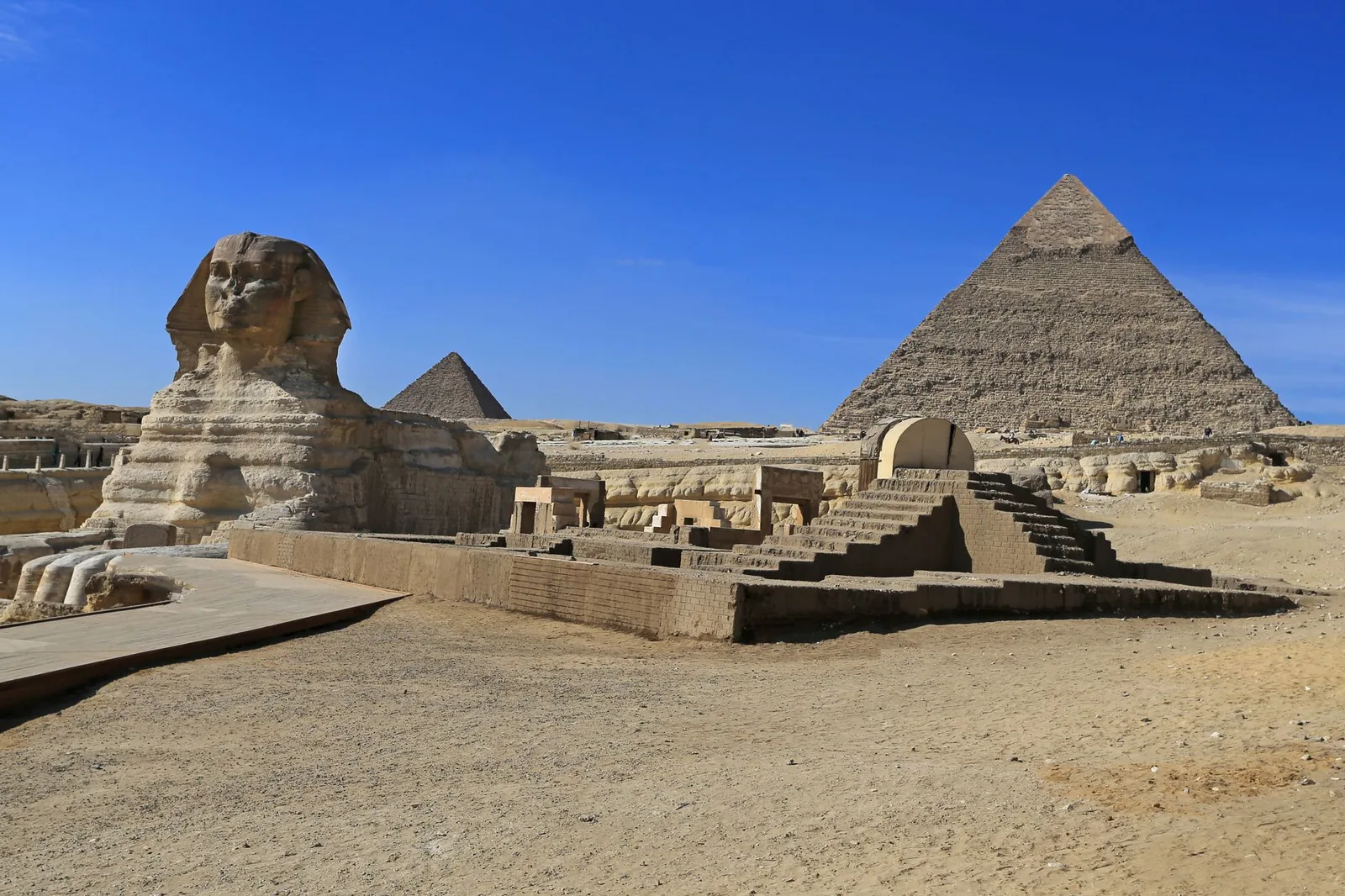
The Giza Pyramid Complex is the essential Cairo experience. The Great Pyramid of Khufu is the largest of the three principal pyramids, while the pyramids of Khafre and Menkaure form the core of the plateau’s monumental landscape. The Great Sphinx stands nearby, carved with a human head and a lion’s body.
Plan to arrive early. The plateau has limited shade, and the combination of heat, glare, crowds, and uneven ground can make a late-morning visit tiring. Early hours also tend to offer better conditions for viewing and photography.
Giza is in Giza Governorate rather than central Cairo, so allow more time than a map may suggest. Traffic between the plateau, central Cairo, and other attractions can be unpredictable. Ticket categories, pyramid interiors, internal transport, visiting hours, and access arrangements can change, so check the official monuments ticketing information before your visit.
Visit the Grand Egyptian Museum
The Grand Egyptian Museum stands beside the Giza plateau and is designed to present an extensive collection of ancient Egyptian material in a purpose-built setting. It is one of the city’s major new cultural attractions and can be combined conveniently with a pyramid visit, although seeing both thoroughly may make for a long day.
The museum’s opening status, accessible galleries, ticket categories, and schedules have been subject to change as operations develop. Verify current details before booking or travelling, particularly if the museum is a central reason for your visit.
Its location makes Giza an increasingly practical base for travelers focused on ancient Egyptian history. However, central Cairo remains more convenient for Historic Cairo, Downtown, Coptic Cairo, and many restaurants.
Explore the Egyptian Museum in Tahrir
The Egyptian Museum in Tahrir is Cairo’s historic downtown museum and remains one of the world’s most important collections of ancient Egyptian antiquities. Its holdings include the Narmer Palette, royal burials, statues, funerary objects, and material spanning numerous periods of Egyptian history.
Do not assume that every famous object associated with the museum is still displayed there. Major collections have been transferred or reorganized as newer institutions open. The museum is still valuable for its historic setting, breadth, and atmosphere, but check current displays and opening information before visiting.
Allow several hours if you enjoy museums, while less specialist visitors may prefer a shorter, focused visit. Pair it with Downtown Cairo, the Nile waterfront, or a meal nearby rather than trying to cross the city immediately afterward.
See the National Museum of Egyptian Civilization
The National Museum of Egyptian Civilization, usually called NMEC, is located in historic Fustat and presents Egyptian history across successive periods. Its collections cover ancient, Coptic, Islamic, and modern Egypt, while the Royal Mummies Hall is a major draw.
NMEC works particularly well as part of a southern Cairo itinerary. Combine it with Coptic Cairo, the churches of Old Cairo, and the Fustat area rather than treating it as an isolated museum visit. Opening hours, evening sessions, ticket windows, photography rules, and Ramadan arrangements can change, so confirm them in advance.
The museum also helps place Cairo’s ancient heritage in a broader context. It is a useful counterpoint to the more specialized archaeology of the Giza plateau and the Egyptian Museum in Tahrir.
Walk through Historic Cairo and Khan al-Khalili
Historic Cairo is not a single attraction but a large, monument-rich urban district. Its streets contain mosques, madrasas, gates, markets, shrines, fountains, and traditional buildings, with Khan al-Khalili forming the best-known market area.
Visit with comfortable shoes and enough time to move slowly. The lanes can be crowded, surfaces are uneven, and individual monuments may follow different schedules. Khan al-Khalili is enjoyable for browsing, but the surrounding historic streets are the real reason to linger.
Dress modestly when visiting religious sites, and follow instructions about footwear, photography, and access. If you want deeper historical context or help navigating the district, a local walking guide can be useful, particularly for a first visit.
Visit the Citadel and Mosque of Muhammad Ali
The Citadel of Salah al-Din occupies the Muqattam Hills and provides broad views across the city. The complex contains several historic buildings, but the Mosque of Muhammad Ali, also known as the Alabaster Mosque, is its best-known landmark.
The Citadel is a natural part of an Islamic Cairo day, especially when combined with Sultan Hasan, Al-Rifa’i Mosque, and the streets around the historic centre. It is also a good place to appreciate Cairo’s scale: the city extends far beyond the compact sightseeing districts.
Monument fees, access arrangements, and hours can change. Religious-site etiquette applies, and visitors should dress appropriately.
Compare Sultan Hasan and Al-Rifa’i Mosque
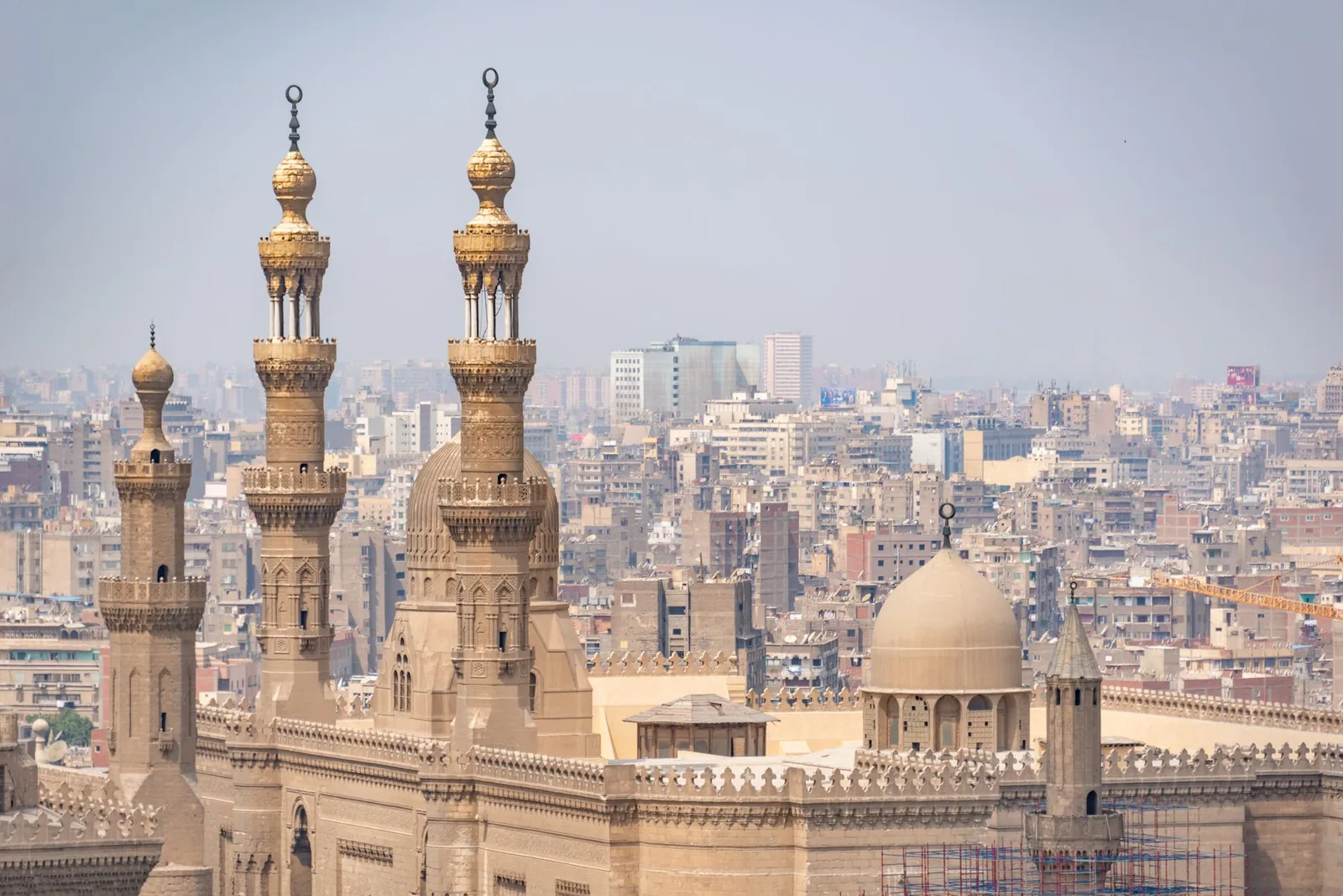
The Mosque and Madrasa of Sultan Hasan and the Al-Rifa’i Mosque stand beside one another at Salah al-Din Square. Together they offer a concentrated introduction to Cairo’s monumental religious architecture, from the Mamluk period to later Islamic design.
Sultan Hasan is particularly notable for its scale and architectural ambition. Al-Rifa’i provides a contrasting but complementary experience. A combined or inclusive ticket may apply, but current arrangements should be checked before arrival.
This area is close enough to the Citadel to visit on the same outing. Plan around the heat, as much of the experience involves walking between exposed streets and stone courtyards.
Discover Coptic Cairo and Old Cairo
Old Cairo contains important Christian heritage sites, including the Hanging Church, the Church of St. Sergius, the Church of St. Barbara, and the Coptic Museum area. The district forms part of the wider historic landscape of Cairo and offers a different perspective from the city’s Islamic monuments and pharaonic collections.
Combine Coptic Cairo with NMEC and Fustat for a full southern-Cairo itinerary. Churches may have worship-related closures, and photography or security procedures can vary. Dress respectfully and allow time to appreciate the area beyond its most photographed buildings.
Visit Ibn Tulun Mosque and Gayer-Anderson House
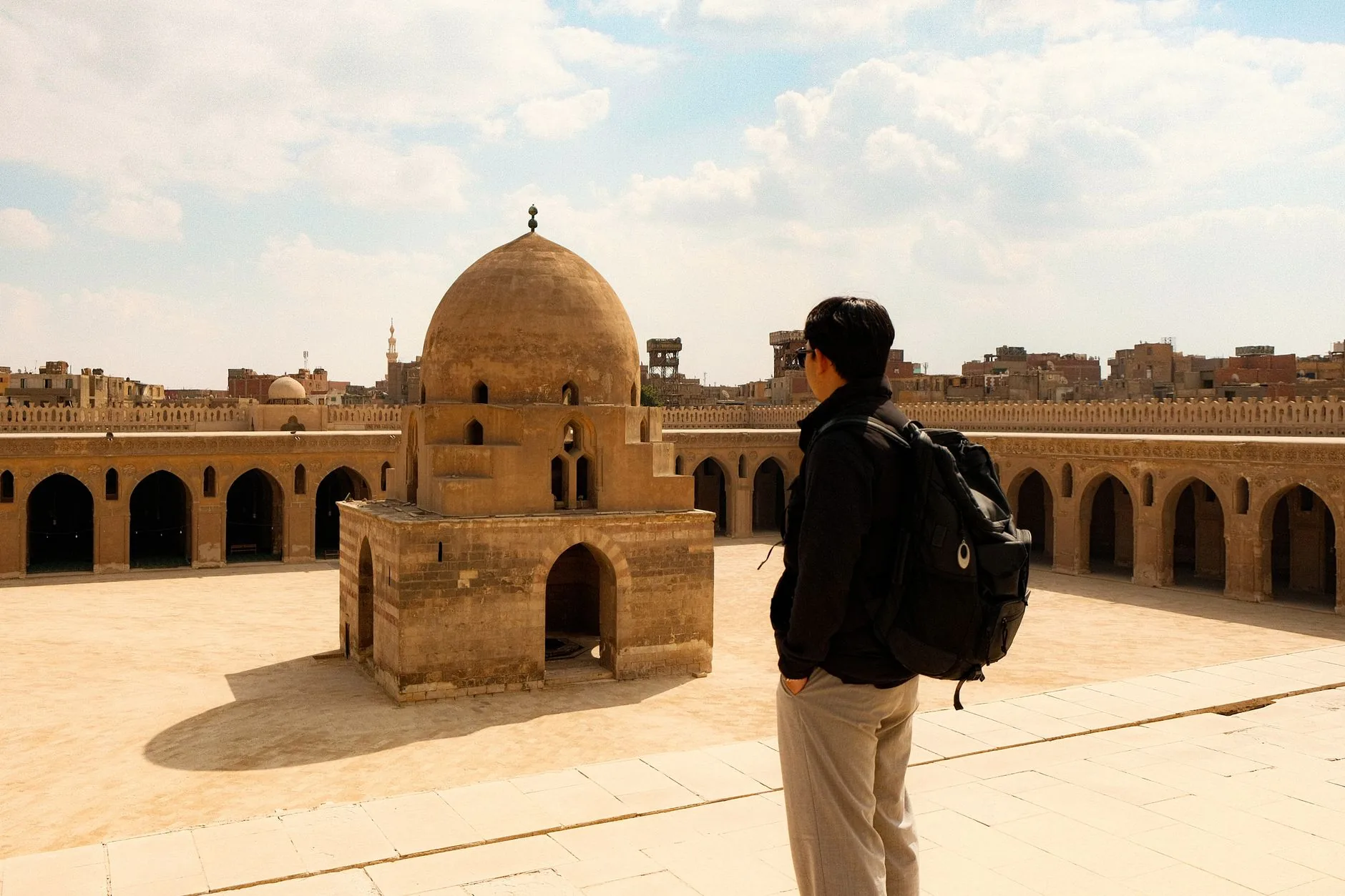
The Mosque of Ibn Tulun is one of Historic Cairo’s important monuments. Its large courtyard and distinctive spiral minaret reflect the city’s early Islamic architectural history. Nearby, Gayer-Anderson House provides a glimpse into historic domestic architecture through its preserved rooms and collections.
The mosque, house, Citadel, and Sultan Hasan district can form a rewarding Islamic Cairo route. Check whether both the mosque and house museum are open on your chosen day, as conservation work and schedule changes are possible.
Take a Felucca or Nile Boat Ride
The Nile offers a welcome pause after several days of monuments and museums. A traditional felucca provides a simple way to experience the river, while larger evening boats offer different types of cruises and entertainment.
Conditions vary by operator, season, and weather. Confirm departure arrangements and inclusions before booking. A short sail is often enough to add a riverside perspective without committing an entire evening.
Where to Stay in Cairo
Looking for a place to stay? Compare hotels for Cairo on BookingTabs.
Downtown Cairo and Tahrir Square
Downtown is a practical base for the Egyptian Museum, central cafés, restaurants, historic buildings, and access to the Nile and metro. It suits travelers who want a central location and plan to combine museums with city exploration.
Zamalek
Zamalek occupies an island in the Nile and has a more relaxed feel than many central districts. It offers restaurants, galleries, cultural venues, hotels, and useful access to both Downtown and the river. It is a strong all-round base for first-time visitors who prefer a neighborhood atmosphere.
Garden City and the Nile Corniche
Garden City and the riverside Corniche provide a central location near hotels, embassies, restaurants, and Nile activities. Road traffic can still be heavy, but the area is convenient for travelers who want to remain close to Downtown while staying near the river.
Islamic Cairo
Staying in or near Islamic Cairo puts you close to mosques, markets, medieval streets, and Khan al-Khalili. It is best for travelers who value atmosphere and historic surroundings over easy access to every part of the modern city. Streets can be busy and noisy, and road transfers may take longer than expected.
Old Cairo and Fustat
This area is useful for Coptic Cairo, NMEC, churches, and the historic heritage around Fustat. It is less central for Downtown and Giza, but works well for visitors prioritizing museums and religious history.
Giza
Giza is the most convenient base for the pyramids and Grand Egyptian Museum. It is less convenient for Historic Cairo, Downtown, and some central restaurants, so consider the location carefully. A split stay between Giza and central Cairo can work well on longer trips.
Heliopolis and New Cairo
These eastern districts offer airport access, modern accommodation, shopping, and restaurants. They can be useful for a short airport stopover or business trip, but they are generally less convenient for a first-time sightseeing itinerary focused on the historic centre and pyramids.
Local Food and Drink

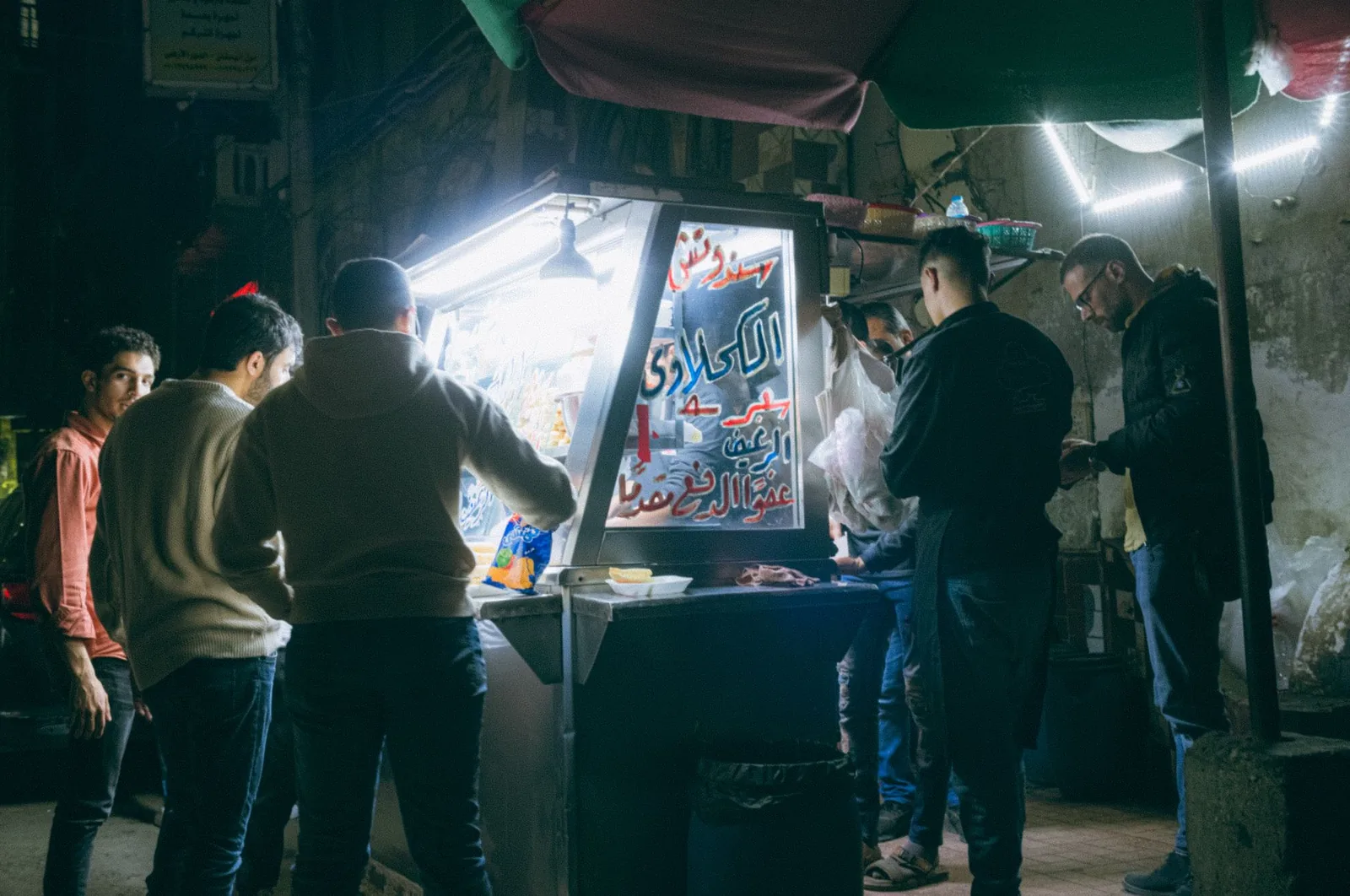
Cairo is one of the best places in Egypt to explore everyday Egyptian food. Start with ful medames, slow-cooked fava beans served with oil, lemon, spices, bread, and garnishes. It is a classic breakfast and an easy casual meal.
Ta’amiya is Egypt’s version of falafel, traditionally made mainly from fava beans rather than chickpeas. It is commonly served in sandwiches or with bread, salads, and pickles. Koshary combines rice, pasta, lentils, chickpeas, tomato sauce, chilli, and fried onions, making it an inexpensive and filling vegetarian meal.
For something more substantial, try kofta and kebab, usually served with bread, salads, tahini, and other accompaniments. Molokhia is a garlicky green soup or stew often served with rice and meat or poultry. Mahshi refers to vegetables or vine leaves stuffed with seasoned rice, sometimes accompanied by meat-based dishes.
Save room for umm ali, a warm baked dessert made with pastry or bread, milk, sugar, and toppings such as nuts, raisins, or coconut. Tea, coffee, and fresh juices are widely available in cafés and street-side venues.
Use normal food-hygiene precautions. Choose busy venues with good turnover, and be mindful that water and ice standards vary between establishments.
When to Visit Cairo
Cairo is generally easiest to explore from late autumn through early spring, when outdoor sightseeing is more comfortable. Winter, from December to February, is usually the most pleasant period for extended visits to the pyramids and other exposed archaeological sites, although evenings can feel cool.
Spring, from March to May, can be comfortable early in the season, with temperatures rising toward May. Schedule Giza, Saqqara, and other outdoor sites early in the day. Autumn, from September to November, becomes more agreeable as temperatures fall, although September can still be hot.
Summer, from June to August, is typically the most demanding period. Visit archaeological sites early or late, carry water, and allow extra time for traffic and heat. Museums provide useful relief during the hottest part of the day, although their schedules and evening openings should be checked.
Ramadan can be a rewarding time to visit, but routines change. Attraction hours, restaurant service, traffic around sunset, and public behavior may differ. Visitors should avoid eating, drinking, or smoking publicly during daylight hours in ways that may cause offence. Ramadan dates vary each year, so check the relevant dates and venue schedules before travelling.
Transport in Cairo
Cairo is large, congested, and divided by the Nile. A journey that looks short on a map can take much longer by road, especially at busy times. Group sightseeing by area rather than crossing the city repeatedly.
The Cairo Metro is the most useful formal public transport option for selected central and cross-city journeys. It does not provide direct access to every major tourist site, and stations may still leave you with a walk or a further ride. Fares and operating details change, so check the current official information before travelling.
Walking works well within Khan al-Khalili, selected Historic Cairo routes, parts of Downtown, and compact museum areas. It is less practical for long distances because of heat, traffic, uneven paving, and limited pedestrian priority.
App-based rides and reputable taxis are usually more convenient for door-to-door journeys. Uber operates in Cairo and provides fare estimates and airport trips. At night, use a reputable service, share trip details when travelling alone, and avoid accepting unsolicited rides.
Self-driving is generally not worthwhile for a first visit. Congestion, parking, complex traffic behavior, and navigation around major monuments make a car with a licensed driver more practical for Saqqara, Memphis, Dahshur, and other archaeological excursions.
Arriving at Cairo International Airport
Cairo International Airport is northeast of central Cairo and is identified by the code CAI. Arrival options include airport limousine services, metered white taxis, older taxis with negotiated fares, buses, and app-based rides where pickup arrangements permit.
The airport lists fixed-price limousine services by destination and vehicle category, while white taxis are metered. Pickup points, bus availability, road conditions, and prices can change, so confirm the current arrangements after landing. Avoid unsolicited offers inside the arrivals hall and use an official airport service, prearranged transfer, or established ride-hailing app.
What would you most want to experience on a first day in Cairo?
Places to Visit Beyond Cairo
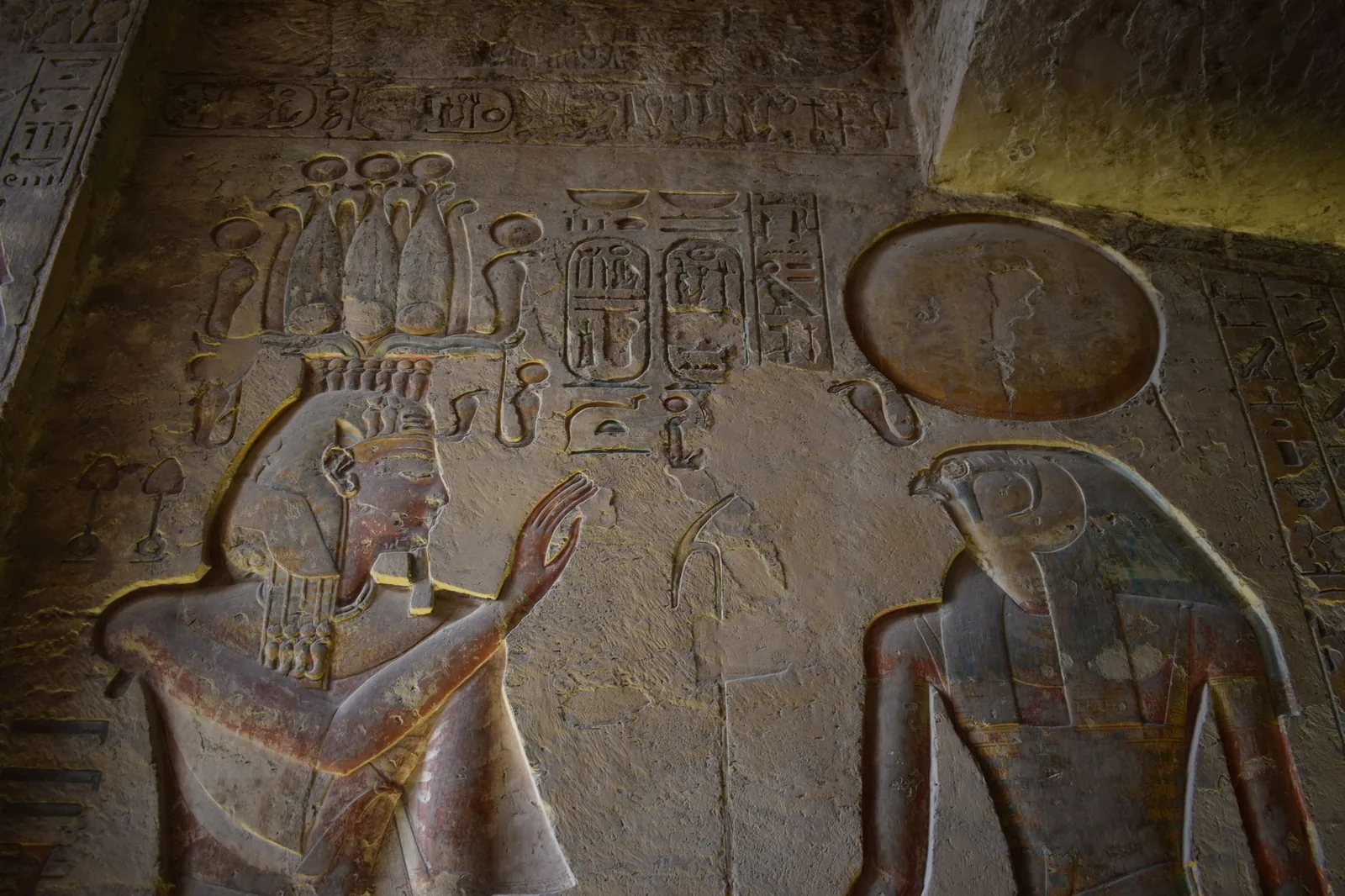
Saqqara, Memphis, and Dahshur
This is the most important archaeological excursion from Cairo after Giza. Saqqara contains the Step Pyramid of Djoser, widely recognized as the earliest monumental stone building and the first pyramid, along with tombs and monuments from several periods.
Memphis, at Mit Rahina, preserves remains of the ancient capital and includes a substantial colossus of Ramesses II in its open-air museum area. Dahshur adds further pyramid fields and a different landscape from the crowded Giza plateau.
The three sites are usually combined and are easiest with a private driver or organized tour. Allow a full day, start early, and confirm which tombs, interiors, and monuments are open.
Fayoum and Wadi El Hitan
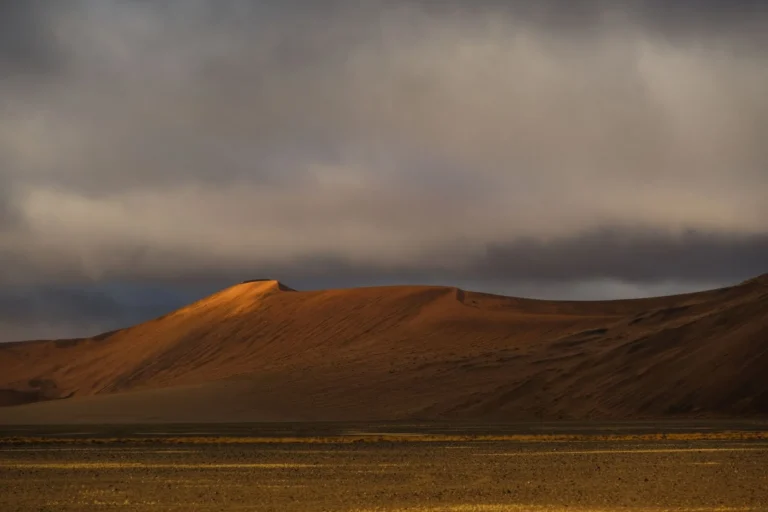
Fayoum offers desert landscapes, lakes, archaeological sites, and access to Wadi El Hitan, the UNESCO-listed Whale Valley. It is a longer excursion than the main pyramid sites and should be arranged with a reputable operator, particularly when visiting protected desert areas.
Alexandria
Alexandria makes a substantial full-day trip or an overnight extension. The Mediterranean city combines coastal scenery, Greco-Roman and modern Egyptian history, seafood, and the Bibliotheca Alexandrina. Travel times depend heavily on road traffic, so an overnight stay is preferable if you want more than a brief overview.
Wadi El Natrun
Wadi El Natrun is known for historic Coptic monasteries west of the Nile Delta. Access arrangements, photography policies, and monastery opening times should be confirmed locally. Treat this as a specialist cultural excursion rather than a spontaneous stop.
Good to Know Before You Go
- Keep a copy of your passport and visa or entry documentation separately from the originals.
- Dress modestly at mosques, churches, religious sites, and traditional markets. Cover shoulders and knees where appropriate.
- Carry small Egyptian-pound notes for tips, small purchases, and minor transport payments, while confirming where cards are accepted.
- Check official museum and monument information for current opening hours, tickets, closures, photography rules, and access restrictions.
- Begin outdoor sightseeing early, particularly at Giza, Saqqara, and Dahshur.
- Use bottled or reliably treated water and take normal food-hygiene precautions.
- Avoid photographing military, police, government, or sensitive infrastructure. Ask permission before photographing people, especially children.
- Professional photography equipment, drones, and some desert activities may require permits.
- Allow generous time for road journeys; traffic can be unpredictable.
- Review current government travel advice before departure, and avoid demonstrations or politically sensitive gatherings.
Common Questions About Cairo
How many days do you need in Cairo?
Three full days is a practical minimum for Giza, one or two major museums, Historic Cairo, and a Nile or food experience. Four or five days allows a more relaxed schedule and nearby archaeological excursions.
Is Cairo the same as Giza?
No. Cairo and Giza are separate governorates and cities within the Greater Cairo metropolitan area. The pyramids and Sphinx are in Giza, west of the Nile, while many central museums and historic districts are in Cairo.
What is the best way to get from Cairo Airport to a hotel?
Options include an airport limousine, official or metered taxi, ride-hailing service, or bus. Confirm the current pickup point and price before leaving the terminal, and avoid unsolicited taxi offers.
Is there a metro in Cairo?
Yes. Cairo has a metro system with three operating lines listed by official sources. It is useful for selected central and cross-city journeys, but it does not provide direct access to every major tourist site.
Should you stay in Cairo or Giza?
Choose central Cairo for easier access to Downtown, Tahrir, Historic Cairo, Coptic Cairo, and a wider range of city restaurants. Choose Giza for closer access to the pyramids and Grand Egyptian Museum. A split stay can work well for longer visits.
Is Cairo safe for tourists?
Travelers should monitor current official advisories, use reputable transport and tour providers, avoid demonstrations, and follow local laws. Exercise normal urban precautions, keep identification copies, and take extra care with transport at night. Safety advice can change, so review it before departure.
Can you visit Cairo during Ramadan?
Yes, but schedules and routines change. Museums, attractions, restaurants, shops, and transport may operate different hours, particularly around sunset. Check the dates for the relevant year and each venue’s timetable before travelling.
Final Thoughts
Cairo rewards travelers who divide the city into manageable areas. Give Giza its own morning, choose museums according to your interests, explore Historic Cairo on foot, and leave room for food, the Nile, and unplanned discoveries. The city can be noisy, crowded, and demanding, but its historical depth is extraordinary. With realistic timings and current checks on tickets, schedules, transport, and safety advice, Cairo makes a compelling introduction to Egypt and one of the world’s great urban cultural destinations.
Inspired? Start planning your trip.
Move from inspiration to planning with BookingTabs — explore hotels, tours and travel options in one place.



Join the conversation
Ask a question, share a travel tip, or help another traveler plan with confidence.
Leave a comment
No account or email required.