
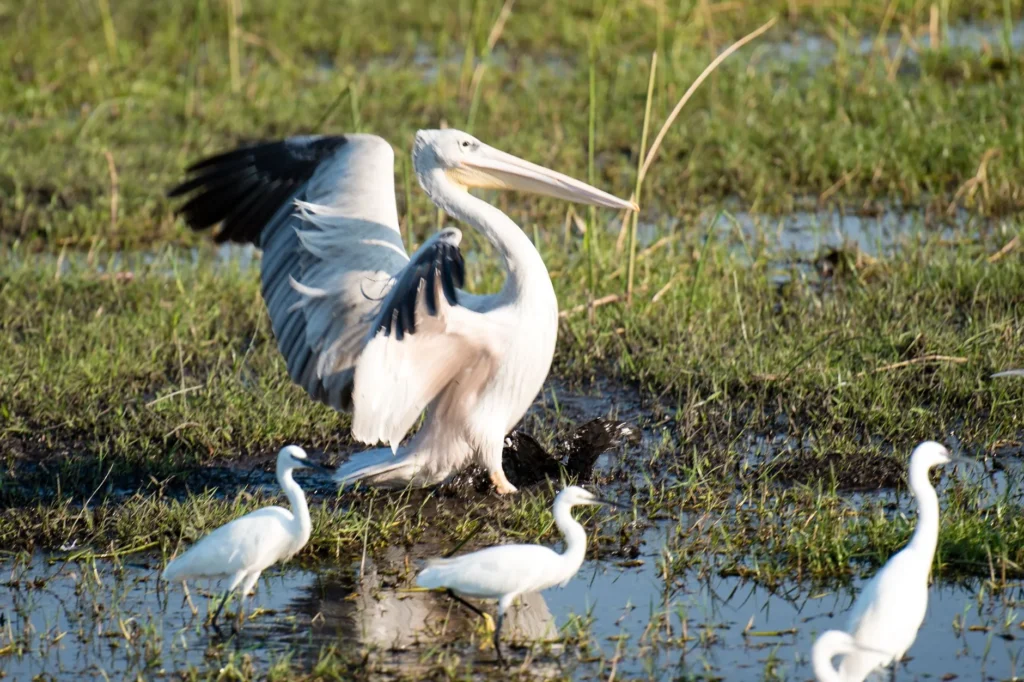
The Okavango Delta is not a single park or town, but a vast inland wetland in north-west Botswana. Fed by the Okavango River from Angola, its water spreads through permanent marshes, seasonal floodplains, channels, lagoons and islands before disappearing into the Kalahari rather than reaching the sea. The result is a safari destination with an unusual rhythm: the annual flood usually arrives during Botswana’s dry season.
Travel here is shaped by geography. Most visitors begin in Maun, then continue by four-wheel-drive transfer, boat or light aircraft to a camp in Moremi, Chief’s Island, Khwai, the inner delta or the Okavango Panhandle. Different areas offer different combinations of game drives, boating, mokoro excursions, birdwatching and walking. Choosing the right base matters as much as choosing the right month.
The Okavango Delta suits travelers who want a remote wilderness experience rather than an easy self-contained resort holiday. Allow at least three nights in one area; four to seven nights is more practical if you want to combine water-based activities with land safari. Conditions, water levels, wildlife concentrations and camp activities vary by season and location, so confirm the details of your chosen itinerary before travelling.
What Makes Okavango Delta Special
The delta’s defining attraction is the contrast between water and dryland. Channels wind through papyrus and reeds, flooded grasslands surround wooded islands, and open plains provide a setting for game drives. In one itinerary, you may travel quietly by mokoro in the morning, follow elephant tracks by vehicle later in the day and watch the light change over a lagoon at sunset.
Wildlife can include elephant, buffalo, lion, leopard, wild dog, cheetah, hippo, crocodile and red lechwe, along with a large variety of resident and migratory birds. Sightings are never guaranteed, and the balance between land and water wildlife changes with flood levels and rainfall. Some areas are particularly suited to game drives, while others are better known for boating, fishing or birding.
The region also offers a strong conservation and community dimension. Moremi Game Reserve protects a major part of the central and eastern delta, while community-managed areas such as Khwai provide a different management setting and may allow activities that are restricted elsewhere. The Okavango Delta has been a UNESCO World Heritage property since 2014.
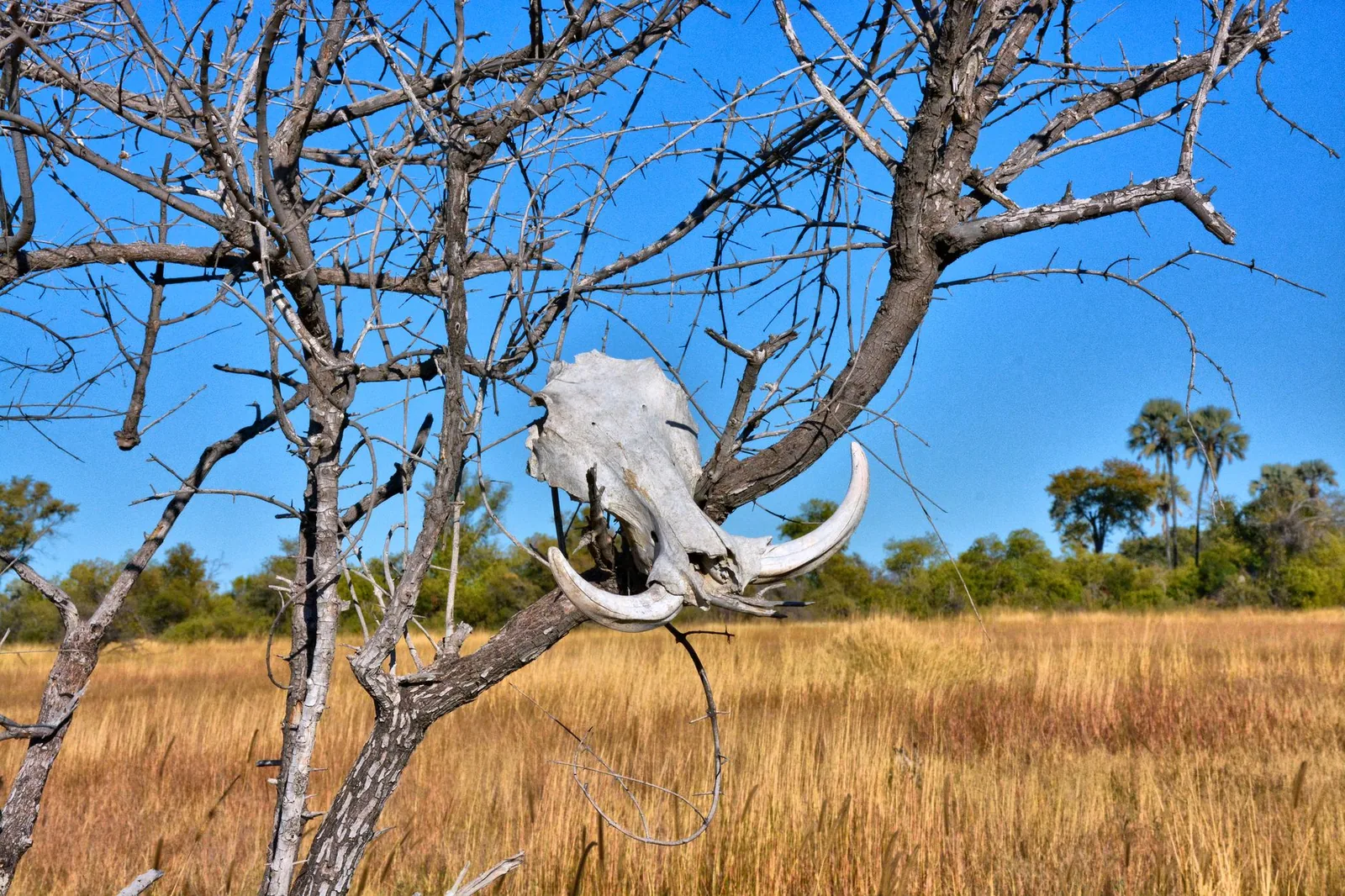
For photographers, the appeal lies not only in animal sightings but also in the landscape: silhouettes of palms and acacias, waterways reflecting the sky, low-level views from a canoe and the broad contrast between wetland and Kalahari vegetation. The delta is also a compelling choice for honeymooners and travelers looking for a small, remote camp rather than a large safari lodge.
Top Experiences in Okavango Delta

Take a mokoro excursion
A mokoro is a traditional dugout canoe used to move through shallow channels. Guided by a poler, it offers a quiet, low-level view of reed beds, islands, water plants and aquatic wildlife. The pace is deliberately slow, making it one of the most atmospheric ways to understand the delta.
Mokoro trips depend on suitable water levels, weather and local operating conditions. Not every camp offers them, and some locations use modern composite craft rather than traditional wooden canoes. Before booking, ask whether a mokoro is included, how long the excursion lasts, what safety equipment is supplied and what happens if water levels or weather prevent departure.
Explore Moremi Game Reserve
Moremi Game Reserve occupies central and eastern parts of the delta, including Moremi Tongue and Chief’s Island. Its mix of permanent and seasonal water, lagoons, grasslands and woodland makes it one of the region’s principal areas for game drives and birdwatching.
Access may be by guided four-wheel-drive vehicle, mobile safari or aircraft, depending on your camp and the part of the reserve you visit. Tracks can change considerably with flooding, mud and seasonal use. Travelers staying in Maun can arrange a day visit, but the distances and early departure required mean that an overnight in or near the reserve is often more rewarding.
Visit Chief’s Island
Chief’s Island is one of the best-known land-based wildlife areas in the delta. It lies within the Moremi ecosystem and is generally reached through a lodge, mobile safari or light-aircraft itinerary rather than as an independent day attraction.
The island is suited to travelers who want a remote safari camp with a strong focus on game drives. Depending on the specific camp and conditions, walking or other specialist activities may also be available. Activity rules differ between concessions, so check exactly what is included before booking.
Travel the waterways and lagoons
The Okavango’s channels and lagoons are the landscape’s essential experience. Motorboat trips provide access to deeper or wider waterways, while mokoros are better suited to shallow channels and close views of reeds and islands. Water-based outings can reveal hippos, crocodiles, fish, aquatic antelope and an exceptional range of birds.
Water access is highly location-dependent. A camp may offer a motorboat, mokoro, both or neither. Some camps are surrounded by permanent water, while others focus mainly on land-based wildlife viewing and only offer water activities during part of the year.
Go on a game drive in Khwai
The Khwai Community Concession lies beside the Khwai River near Moremi. It combines river scenery, wildlife viewing and a community-managed setting that differs from the national reserve. Depending on the concession and camp, activities may include game drives, boating, walking and night drives.
Night drives and guided walks are not universal, and regulations vary between areas. Ask your operator which activities are permitted and included at the camp you select. Khwai can be a particularly good choice for travelers who want to combine classic wildlife viewing with a broader range of safari experiences.
See the delta from the air
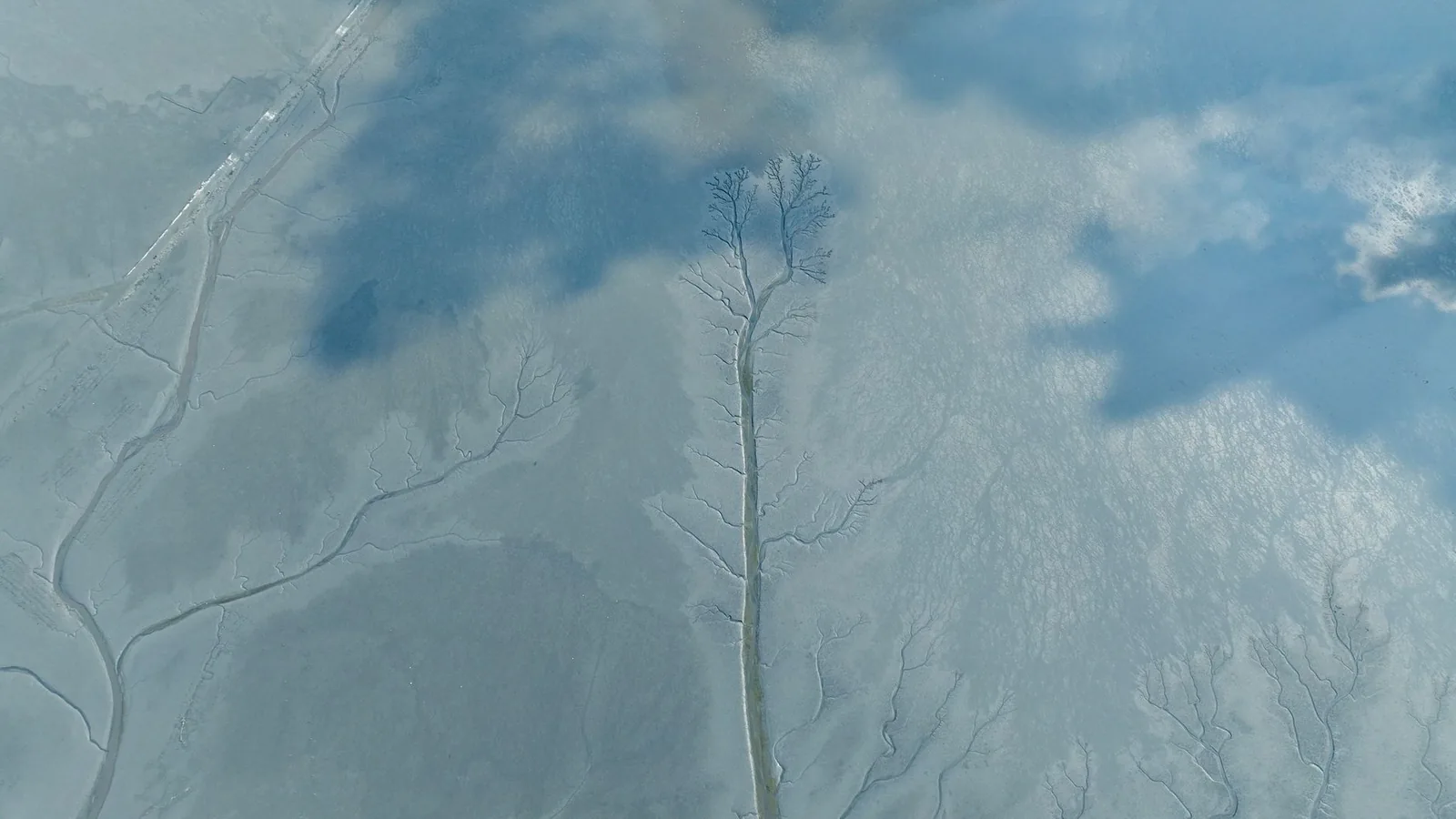
A scenic flight provides the clearest overview of the Okavango’s structure. From a light aircraft, channels, islands, floodplains and dryland edges become visible as one connected system. Wildlife may sometimes be seen from above, but the main value is the perspective on the scale and pattern of the wetland.
Flights are normally arranged through a safari operator, lodge or charter company. Routes, aircraft, weight limits and weather policies vary. Soft, squashable luggage is essential for many light-aircraft transfers, and the operator should confirm the precise luggage allowance before departure. A flight can also be useful for travelers with limited time who want an aerial introduction without adding a separate activity day.
Watch birds across different habitats
Birdwatching is rewarding throughout the delta because permanent water, seasonal floodplains, woodland and dryland attract different species. Resident birds share the area with migrants, and sightings change with flood levels, rainfall and vegetation.
Bring binoculars, a compact field guide and neutral-colored clothing. Water-based excursions can be especially productive for aquatic birds, while game drives through woodland and open grassland reveal a different range. A knowledgeable guide can make a major difference, particularly for identifying calls and less conspicuous species.
Visit the Okavango Panhandle
The Panhandle is the long river section where the Okavango enters Botswana from Namibia before spreading into the wider delta. It is geographically distinct from the central wetland and is particularly associated with deep water, boating, fishing, birding, mokoro trips and village experiences.
The Panhandle is a good choice for travelers more interested in river scenery and water activities than in a game-drive-focused safari. It normally requires a separate road or air itinerary, and sandy or flooded roads can affect access. Treat it as its own base rather than assuming it is a short extension from a central delta camp.
Add Tsodilo Hills
Tsodilo Hills offers a cultural and archaeological counterpoint to the wildlife-focused delta. The UNESCO-listed site contains rock art, archaeological evidence, walking trails and deep cultural significance for San and Hambukushu communities.
Tsodilo is a separate excursion rather than an in-delta attraction. Travel time from Maun or a remote camp can be substantial, so it is better planned as a dedicated overnight or multi-day extension. Local guiding is an important part of the visit.
Easy Day Trips from Okavango Delta
Maun cultural or village experience
Locally arranged cultural and village visits provide a useful perspective on life in Ngamiland beyond the wildlife areas. Choose a reputable operator and make sure visits are conducted with community consent and appropriate local guidance.
Mokoro or boat trip from Maun
A boat or mokoro excursion from Maun can introduce you to delta scenery without the cost of a remote multi-night camp. Departure points, water levels and the length of the outing vary by season and operator. This is a practical option for travelers with limited time, though it will not replicate the wilderness experience of staying deeper in the delta.
Moremi Game Reserve
A guided game-drive excursion from Maun is possible, but it can involve long road distances, an early start and seasonal access challenges. Reserve fees, road conditions and departure logistics need to be confirmed. For a more relaxed experience, spend at least one night inside or near the reserve.
Tsodilo Hills
Tsodilo Hills is best treated as a dedicated cultural extension rather than a casual day trip. Rock-art trails, local guiding and the surrounding landscape make it a rewarding addition to a wider northern Botswana itinerary, but road travel time from Maun or a delta camp can be substantial.
Nxai Pan National Park and Nata Sanctuary
Nxai Pan and Nata Sanctuary are not close day trips from the central delta. They fit better into a broader Botswana road itinerary. Nxai Pan can be particularly interesting from December to April when seasonal rains may improve conditions for wildlife and birding. Nata Sanctuary is known for its pans and, when water is present, seasonal concentrations of flamingos, pelicans and other waterbirds.
Which Okavango Delta experience would you most like to try?
What to Eat and Drink
Most safari camps provide meals as part of a package. A typical arrangement may include breakfast, lunch, afternoon tea or snacks and dinner, but inclusions vary. Ask whether alcoholic drinks, premium beverages and special diets are included before booking.
Menus may combine international lodge cooking with Botswana staples such as seswaa, pap, morogo, beans, beef, chicken and seasonal vegetables. If trying local dishes is important to you, request them in advance or seek a community-focused dining experience in Maun.
Bush breakfasts, picnic lunches and sundowners are common safari experiences, but they depend on weather, activity schedules and local safety conditions. In Maun, restaurants, shops and hotels make it easier to buy snacks, drinks and personal supplies before entering remote areas.
Best Areas to Stay in Okavango Delta
Find places to stay. Search stays on VibrantGateways →
Accommodation choices are best understood by area rather than by hotel district. Remote camps are usually small tented properties or lodge-style bases, and many are reached by light aircraft from Maun.
Maun and the southern delta gateway
Maun is the practical base for arrival logistics, supplies, safari operators and airport connections. It has hotels, guesthouses, restaurants, shops and safari-support services. An overnight here can provide a useful buffer against flight delays and give you time to buy snacks, drinks, medication or personal supplies before heading into the wilderness.
Maun also works for travelers on a shorter itinerary or a more independent budget. Local operators can arrange excursions, cultural visits, boat trips and access to parts of the southern delta. It is less immersive than sleeping inside a remote concession, but often much easier logistically.
Moremi Game Reserve
Staying in or around Moremi suits travelers prioritizing game drives, birdwatching and a combination of floodplain, woodland and open grassland. Accommodation may be reached by road, aircraft or a mobile safari, depending on the location. Check whether your selected camp is inside the reserve or in a neighboring concession, as access rules and activities can differ.
Chief’s Island and the inner delta
Chief’s Island and the inner delta are best for travelers seeking a remote, air-accessed safari. Camps here often emphasize land-based wildlife viewing, although nearby water activities may be available depending on the exact location and season. These bases can be particularly well suited to couples, photographers and travelers seeking a quieter, highly organized wilderness stay.
Khwai and the northeastern delta
Khwai offers a community-concession setting beside the river, with wildlife, waterways and the possibility of a broader activity mix. It can appeal to travelers who want game drives but are also interested in walking, night drives or boating where local rules permit them.
Okavango Panhandle
Choose the Panhandle for river scenery, boating, fishing, birding, mokoro trips and village experiences. It feels different from the central and eastern delta, and its deeper waterways make it a natural choice for travelers who want to spend more time on the water.
Delta drylands and Moremi Tongue
The dryland edges and Moremi Tongue show the transition between wetland and Kalahari vegetation. These areas can provide strong land-based wildlife viewing and a noticeably different landscape from the permanent swamps. They may also be more practical for road-based or self-drive itineraries, subject to current conditions.
When to Visit Okavango Delta
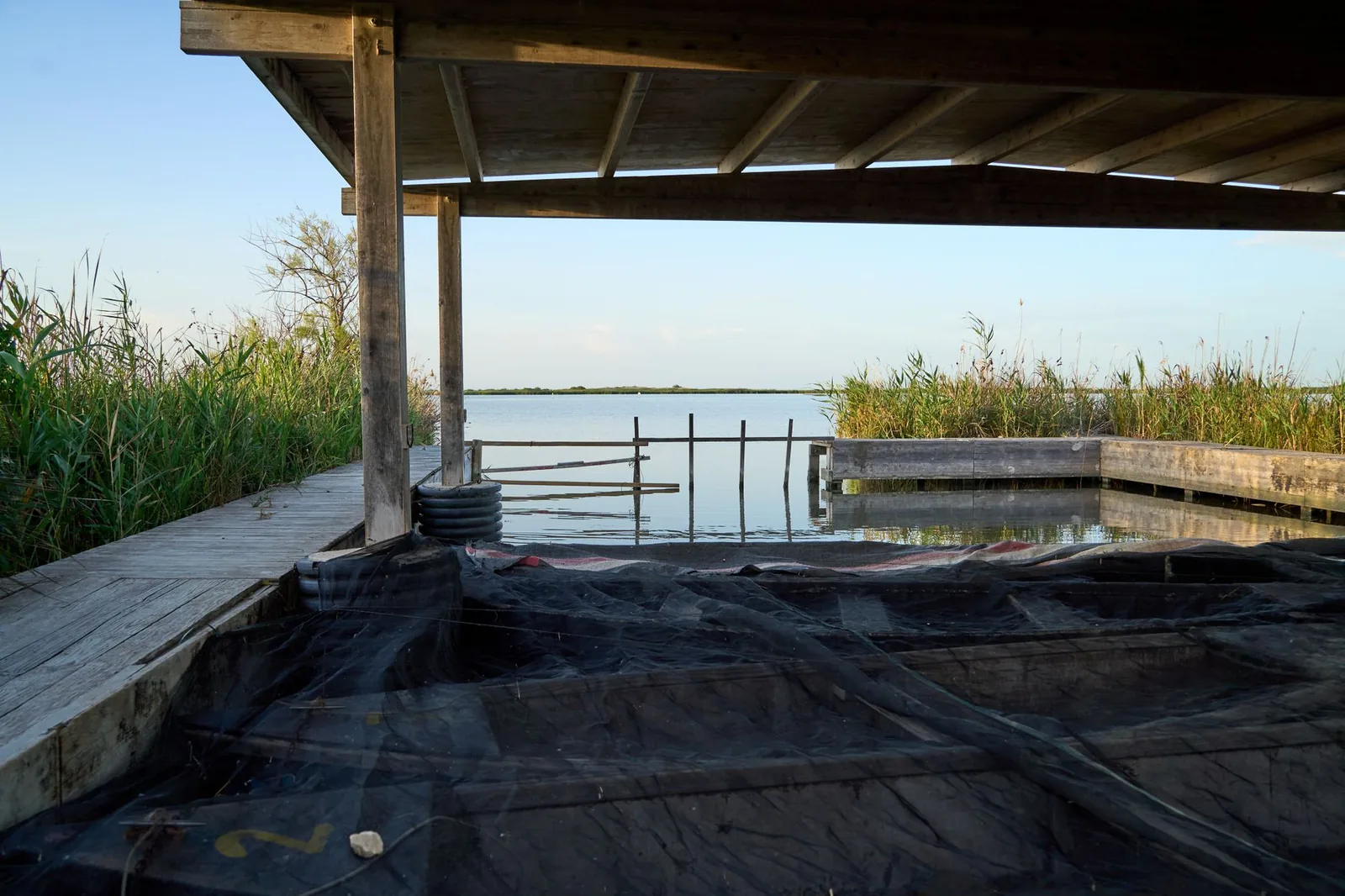
April through October is generally considered the most favorable period for weather and game viewing. The dry season brings cooler, clearer conditions and often concentrates wildlife around remaining water sources. At the same time, the annual flood moves through the delta, although its timing and impact vary by year and by area.
April to May
Rainfall generally begins to ease, though conditions can remain variable. The flood moves through the system during the broader transition toward the dry season. May can offer a useful balance of improving wildlife viewing and less intense heat, but travelers should check current water levels and road conditions for their chosen area.
June to August
These are typically dry-season months, with cooler mornings and evenings, warm afternoons and strong game-viewing conditions in many areas. June and July are commonly associated with the flood’s strongest influence, but peak water does not arrive everywhere at the same time. Some camps become more suitable for boating or mokoro trips as channels fill, while others remain primarily land-based.
Pack layers rather than relying only on hot-weather clothing. Early game drives and aircraft transfers can feel cold, particularly in open vehicles and small aircraft.
September to October
September and October are usually dry and hot. Wildlife may become concentrated near permanent water, while vegetation is often less dense. These months can be excellent for game viewing but require careful preparation for heat and sun. October can be particularly hot before the rains arrive.
November to February
November marks the transition toward the rainy season. Thunderstorms, heat and changing wildlife patterns become more likely. From December through February, fresh vegetation can make the landscape especially attractive, and migrant bird activity may be rewarding. However, wildlife is often more dispersed and some tracks may become difficult after heavy rain.
The wet season is not simply a period to avoid. It can suit birdwatchers, photographers and travelers interested in green landscapes and seasonal activity. It is less predictable for road access, airstrip conditions and some water-based excursions.
March
March remains part of the wetter-season transition, although rainfall may begin to ease. Conditions vary substantially from year to year. Travelers visiting at this time should build flexibility into road and flight plans and confirm that their camp can offer the activities they want.
Getting Around Okavango Delta
The Okavango is not a compact, town-based destination with one transport network. Most itineraries combine a flight to Maun with a lodge-arranged transfer, light-aircraft hop, guided four-wheel-drive safari, boat or mokoro excursion.
Arriving through Maun Airport
Maun Airport, code MUB, is the principal gateway for most Okavango Delta trips. International travelers commonly connect through Johannesburg or another regional hub before continuing to Maun. From the airport, remote camps are usually reached by a pre-arranged road transfer or light aircraft.
Airport operating hours and flight schedules can change, so verify current details with the airport, airline and safari operator. Leave buffer time between connections, particularly during periods of heavy rain or changing airstrip conditions.
Light-aircraft transfers
Aircraft transfers are often the fastest way to reach remote camps and may include intermediate stops at other airstrips. The aircraft are small, so luggage restrictions are strict. Use soft, squashable bags and confirm the exact weight and dimensions with the operator. Hard-sided suitcases may not fit in the baggage compartment.
Weather, aircraft availability and airstrip conditions can affect schedules. Your safari operator normally coordinates the transfer, but ask in advance how delays, excess baggage and missed connections are handled.
Road transfers and self-driving
Four-wheel drive is required for many reserve, park and remote-area routes. Self-driving demands experience with deep sand, mud, water crossings, changing tracks and wildlife awareness. Carry sufficient fuel, water, navigation backup and recovery equipment, and check the latest road conditions before leaving.
There is no conventional public-transport network serving remote camps. Scheduled buses connect major Botswana towns and villages, but they are not a substitute for camp transfers. In Maun, taxis may be available, but rideshare coverage should not be assumed. Arrange airport transfers ahead of time and agree taxi fares before travelling.
Walking is practical in built-up parts of Maun with normal urban precautions. It is not appropriate to walk independently between camps or through wildlife areas. Guided bush walks may be offered by selected camps and concessions.
Practical Tips for Visiting Okavango Delta
- Book accommodation and internal transfers well ahead, especially for peak dry-season travel and small air-access camps.
- Confirm whether your camp is in Moremi, a private concession, a community concession or the Panhandle. Activities and regulations differ.
- Use soft, squashable luggage for light-aircraft transfers and confirm the exact luggage allowance with the operator.
- Pack layers, sun protection, insect repellent, a hat, binoculars and a headlamp.
- Consult a travel-health professional about malaria prevention for your itinerary. Malaria risk exists in the Okavango and Ngamiland areas.
- Use insect-bite precautions and follow medical advice on vaccines, food, water and medication.
- Buy travel insurance that includes emergency evacuation and safari activities. Medical resources are limited in remote areas.
- Never leave a vehicle, camp or guide without permission in wildlife areas.
- Do not swim in delta channels or lagoons unless an operator specifically confirms that a controlled activity is safe.
- Expect limited mobile coverage, unreliable internet and possible power limitations at remote camps.
- Build buffer time around flights because weather, flooding, aircraft availability and airstrip conditions can cause changes.
- Botswana drives on the left. Self-drivers should carry adequate fuel, water and recovery equipment.
- Do not assume every camp offers both game drives and water activities. Check the exact activity list before booking.
- Wildlife sightings, including big cats and wild dogs, are never guaranteed.
- Verify current entry requirements, health advice, airport information, park fees, concession rules and road conditions shortly before departure.
Okavango Delta Travel FAQ
Where is the Okavango Delta?
The Okavango Delta is in north-west Botswana, in the Kalahari Basin. The Okavango River flows from Angola into Botswana and spreads into a large inland delta that does not drain to the sea.
What is the best month to visit the Okavango Delta?
There is no single best month for every traveler. April through October is generally favored for weather and game viewing, while June and July are commonly associated with the annual flood’s strongest influence. Exact flood timing, wildlife distribution, heat and road conditions vary by year and area.
How do you get to the Okavango Delta?
Most travelers fly to Maun Airport, then continue by lodge-arranged four-wheel-drive transfer or light aircraft to their camp. International connections commonly route through Johannesburg or another regional hub. Some wider Botswana itineraries use Kasane, but Maun is generally the most direct gateway to the central delta.
How many days do you need in the Okavango Delta?
Three nights is a useful minimum for one area. Four to seven nights allows you to combine different habitats or activity styles, such as a water-focused camp with a land-and-wildlife area. The ideal duration depends on camp location, flight logistics, budget and whether you include Moremi, Khwai, the Panhandle or Maun.
Can you visit the Okavango Delta without staying at an expensive luxury lodge?
Yes. Options include mobile safaris, camping, self-drive areas and community-based or mid-range accommodation around Maun and parts of the Panhandle. Costs, park fees, vehicle requirements and activity availability vary widely. Remote air-access camps are generally more expensive because of their logistics.
Is the Okavango Delta safe?
It can be visited safely when travelers use reputable operators and follow guide, park and wildlife instructions. Practical risks include remote medical access, wildlife encounters, difficult roads, heat, flooding, malaria and petty or opportunistic crime in towns. Travel insurance with emergency evacuation cover is strongly advisable.
Is malaria a risk in the Okavango Delta?
Yes. Travelers should discuss prescription prevention with a healthcare professional before departure. Use repellent, protective clothing and screened accommodation in addition to any prescribed medication.
What is a mokoro?
A mokoro is a traditional dugout canoe used to travel through shallow delta channels. It is a quiet way to experience waterways, reeds, islands and aquatic wildlife. Availability depends on water levels, location, weather and the operating camp.
Before You Go
The Okavango Delta rewards travelers who plan around its geography rather than treating it as one uniform safari destination. Maun is the gateway, but the experience changes markedly between Moremi, Chief’s Island, Khwai, the inner delta and the Panhandle.
Choose your base according to the activities you value most. Prioritize Moremi or a land-focused concession for game drives, the Panhandle or a suitable inner-delta camp for water experiences, and Khwai if a broader range of guided activities appeals. Allow enough nights to absorb the remoteness, keep your itinerary flexible and verify the practical details close to departure.
The result is more than a conventional wildlife trip: it is an opportunity to move through one of Africa’s great wetland systems by vehicle, canoe, boat and aircraft, with each mode revealing a different side of Botswana’s remarkable delta.
Find your stay with VibrantGateways.
Choose your travel dates and explore accommodation options for your destination.
Join the conversation
Ask a question, share a travel tip, or help another traveler plan with confidence.
Leave a comment
No account required.