
Buenos Aires Travel Guide
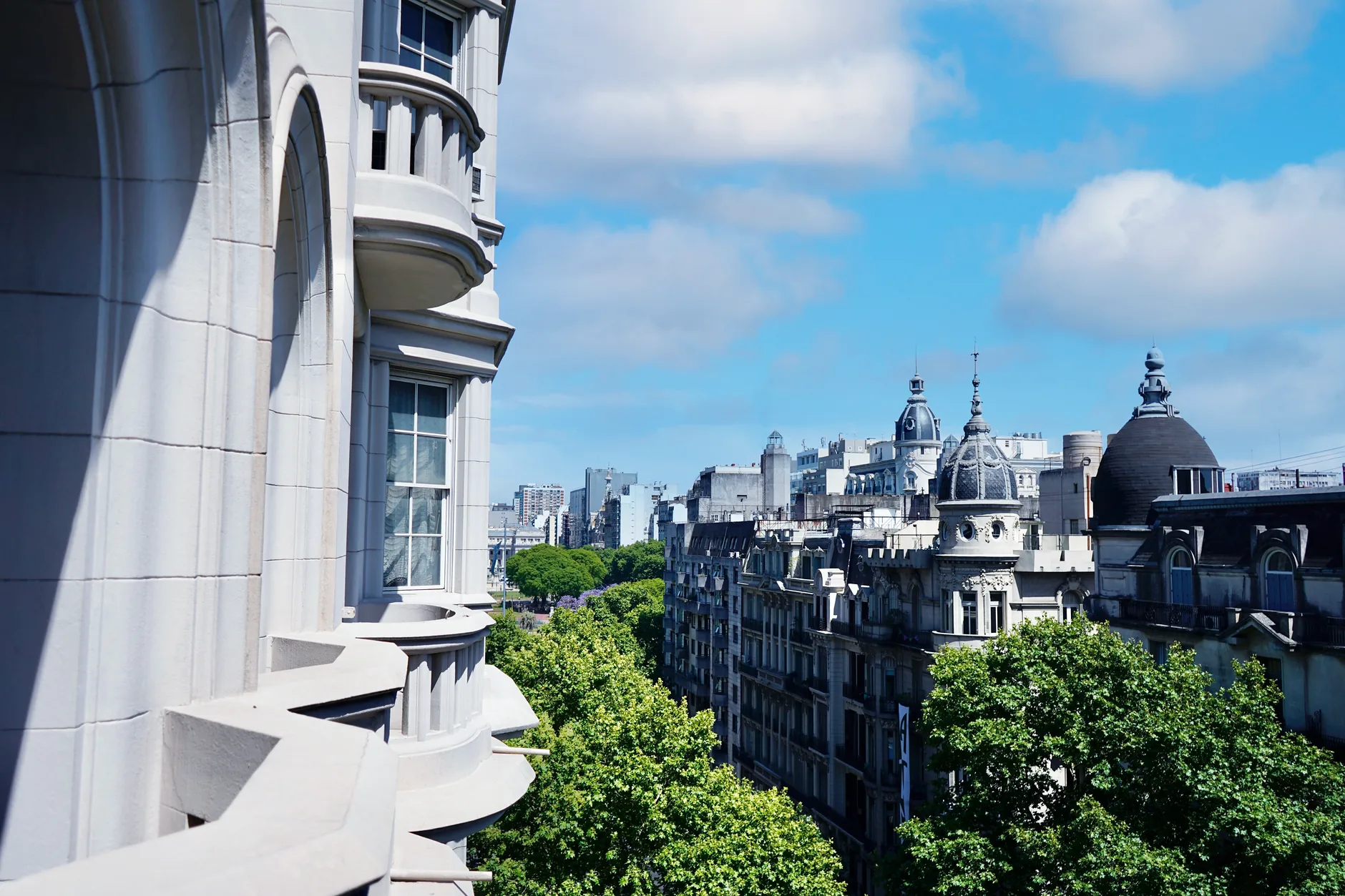
Buenos Aires is a city best experienced at street level. Spend the morning moving between grand civic buildings and old cafés, the afternoon in a museum or leafy park, and the evening over steak, wine and tango. Argentina’s capital is large and energetic, but its neighbourhoods give it a manageable rhythm: historic San Telmo, elegant Recoleta, lively Palermo, modern Puerto Madero and colourful La Boca all offer a different perspective.
Three full days cover the principal landmarks and central districts. Four or five days allow a more relaxed pace, with time for Palermo’s museums and gardens, a tango evening, longer meals and a day trip to Tigre. Buenos Aires also works well as a first or final stop on a larger Argentine itinerary involving Patagonia, Iguazú Falls, Mendoza or other destinations.
What Makes Buenos Aires Special
Buenos Aires combines European-influenced architecture, Latin American energy and a distinctive local culture. Its grand boulevards and monumental buildings sit alongside tiled cafés, independent galleries, neighbourhood markets and streets where dinner begins long after sunset.
Tango is one of the city’s defining experiences. You can watch a polished stage performance, take an introductory class or visit a traditional milonga, where social dancing may continue late into the night. Tango is recognized by UNESCO as intangible cultural heritage, with Buenos Aires and Montevideo identified as its principal urban centres of development.
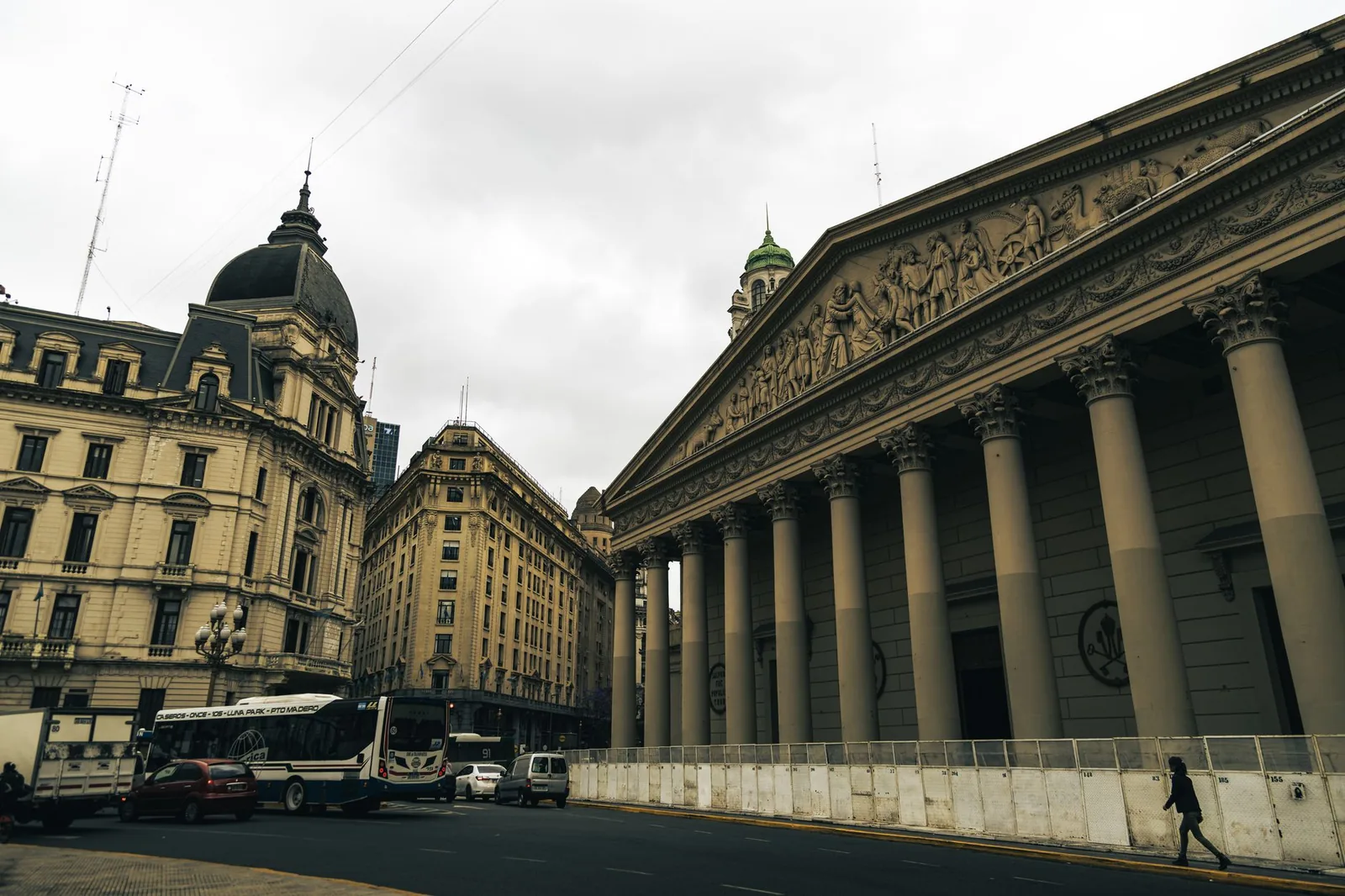
The city is also a strong destination for art and history. The historic centre brings together Plaza de Mayo, Casa Rosada, the Metropolitan Cathedral and the Cabildo. Recoleta contains major museums and one of South America’s most distinctive cemeteries, while MALBA offers a focused introduction to modern and contemporary Latin American art.
Food is another reason to come. Argentine barbecue, empanadas, pizza, fresh pasta, medialunas, dulce de leche and Malbec all have a place in the city’s dining culture. Add historic cafés, lively wine bars and an excellent late-night restaurant scene, and Buenos Aires becomes a rewarding destination even for visitors with little interest in formal sightseeing.
Top Experiences in Buenos Aires

Explore Plaza de Mayo and the historic centre
Begin with the civic heart of Buenos Aires. Plaza de Mayo is surrounded by some of the city’s most important political, religious and colonial landmarks. Casa Rosada, the pink government palace, faces the square, while the Metropolitan Cathedral stands on its northern side. The Cabildo, the historic colonial town hall, completes the core of the circuit.
The area is easy to combine with Avenida de Mayo, historic cafés, pedestrian shopping streets and the Obelisco. Allow time to look beyond the main façades: the centre’s architecture reflects several periods of the city’s development, from colonial institutions to grand nineteenth- and twentieth-century civic buildings.
Interior access, guided tours and opening hours vary by institution. Check current arrangements before visiting, particularly if you want to tour Casa Rosada or enter one of the historic buildings.
Visit Teatro Colón
Teatro Colón is one of Buenos Aires’s signature landmarks, known for its architecture, opera and concert programme. Its auditorium is also celebrated for its acoustics. Even travelers who are not attending a performance should consider a guided tour, which offers a closer look at the building and its decorative details.
A performance is a more immersive option, but schedules, ticket rules, languages and availability change. Check the current programme and booking conditions before building an evening around the theatre. Teatro Colón is in the central area, making it easy to combine with the Obelisco, Avenida de Mayo or a pre-performance dinner.
Wander through San Telmo
San Telmo is one of Buenos Aires’s most atmospheric neighbourhoods, with cobbled streets, old buildings, antique shops, galleries, tango venues, cafés and restaurants. It is a good district for an unhurried morning or afternoon, when the pleasure comes as much from browsing and walking as from ticking off individual sights.
Mercado de San Telmo is a useful stop for food stalls, small shops and the character of the neighbourhood. Sunday is traditionally the busiest day, when the antiques fair extends around Plaza Dorrego and along Defensa Street. Crowds and vendor participation vary, so the experience can feel quite different from a quieter weekday visit.
San Telmo is also a natural place to look for tango. Some venues offer performances, while others focus on social dancing. If you plan to visit a milonga, check whether there is an introductory class beforehand and confirm the evening’s schedule.
See the art and monuments of Recoleta
Recoleta is an elegant district of museums, galleries, cafés, cultural venues and upscale restaurants. Its best-known attraction is Recoleta Cemetery, a monumental complex of mausoleums and narrow paths associated with important figures from Argentine history. It is more atmospheric than a conventional museum, so allow time to wander rather than rushing through.
Nearby, the National Museum of Fine Arts holds important Argentine and international works, including paintings associated with artists such as Picasso, Goya, El Greco and Rembrandt. The museum can be paired with Recoleta Cemetery, the Floralis Genérica and other cultural attractions in the area.
Opening days, admission arrangements and exhibition schedules may change. Check the current information for each institution before setting out.
Discover Latin American art at MALBA
MALBA, the Museum of Latin American Art of Buenos Aires, is one of the city’s essential stops for modern and contemporary art. Its collection and exhibitions provide a useful introduction to the region’s artistic movements, with works associated with artists including Frida Kahlo and Diego Rivera.
The museum works particularly well as part of a Palermo itinerary, alongside parks, gardens and nearby restaurants. Check for current exhibitions, closures and any timed-entry requirements before visiting.
Visit Caminito and La Boca
Caminito is a colourful open-air street museum and one of Buenos Aires’s most recognizable scenes. Brightly painted buildings, murals, street art and tango performances create a vivid, highly photographed part of the city. La Boca also has deep connections to portside immigration and Boca Juniors football.
Visit during daylight and remain within the established tourist zone. Arrange a reputable taxi or ride service for arrival and departure rather than wandering through unfamiliar surrounding streets. Keep phones and bags secure, as robberies have occurred in the area. La Boca is worth seeing, but it rewards a focused visit rather than aimless exploration.
Walk Puerto Madero and the Costanera Sur
Puerto Madero is a regenerated docklands district with modern architecture, restaurants, waterside paths and the distinctive Puente de la Mujer. It offers a strong contrast with San Telmo and the historic centre, particularly in the evening when the waterfront becomes a popular place for a walk and dinner.
When weather and access conditions are suitable, combine Puerto Madero with the Reserva Ecológica Costanera Sur. The reserve provides walking and cycling routes near the river and a surprisingly natural break from the surrounding high-rise city. Check current notices for opening days, route conditions, mosquitoes and possible weather closures.
Spend time in Palermo’s parks and gardens
Palermo is Buenos Aires’s largest neighbourhood and contains enough green space, museums, restaurants and shops for several days. Tres de Febrero Park, the Botanical Garden, Japanese Garden, Rose Garden and Planetarium are among the district’s main attractions.
The area is spread out, so avoid trying to cover every garden and museum in a single short visit. Choose a route based on your interests, then leave time for a café, lunch or a walk through Palermo Soho or Palermo Hollywood. These areas are particularly associated with boutiques, restaurants, bars and nightlife.
Experience tango your way
A tango evening can take several forms. Dinner shows offer a polished performance and are convenient for first-time visitors. Classes suit travelers who want a more active introduction. Traditional milongas are more informal and centre on social dancing, often beginning with a class and continuing late into the night.
The right choice depends on the atmosphere you want. Dinner shows usually require advance booking and may include different combinations of food, drinks, seating and transport. Milongas can have dress expectations, late schedules and their own reservation or entry practices. Confirm details before going, especially if you are arranging transport back to your accommodation.
Where to Base Yourself in Buenos Aires
Looking for a place to stay? Compare hotels for Buenos Aires on BookingTabs.

Recoleta
Recoleta is a strong choice for first-time visitors who want museums, cafés, cultural attractions and a relatively polished residential setting. It is convenient for Recoleta Cemetery and the National Museum of Fine Arts, with good access to central districts by public transport or taxi.
Palermo
Choose Palermo for restaurants, bars, parks, boutiques and nightlife. The neighbourhood is large, and Palermo Soho and Palermo Hollywood have particularly strong dining and shopping scenes. It suits travelers who want a lively evening atmosphere and do not mind being farther from some of the historic-centre landmarks.
San Telmo
San Telmo is ideal for historic atmosphere, cobbled streets, antiques, tango and characterful cafés. It is especially appealing to travelers who prefer to step outside their accommodation directly into an older, more atmospheric part of the city. Check the immediate surroundings and transport options carefully when choosing a property.
San Nicolás and Monserrat
The central districts are useful for landmark-focused trips. Plaza de Mayo, Casa Rosada, the Obelisco, Teatro Colón, Avenida de Mayo and several historic cafés are nearby. The centre can be busy during the day and quieter outside business hours, so consider the evening atmosphere as well as daytime convenience.
Puerto Madero
Puerto Madero offers modern accommodation, restaurants, waterfront walks and access to the ecological reserve. It is a good fit for travelers who prefer newer surroundings and an evening promenade, though it has less of the traditional neighbourhood character found in San Telmo or Recoleta.
Retiro
Retiro is central and useful for transport connections, hotels, Plaza San Martín, historic buildings and access to railway and coach services. It can be convenient for a short stay or a trip with onward connections, but take normal city precautions around stations and busy streets.
Belgrano and Abasto
Belgrano has a leafy, more residential feel, with cafés, Barrancas de Belgrano, Chinatown and weekend craft activity. Abasto and Balvanera offer a more central-city experience connected to Carlos Gardel and tango history, Art Nouveau architecture and the Abasto area. These districts can suit repeat visitors or travelers looking beyond the most polished visitor zones.
What to Eat in Buenos Aires

Asado is the classic Argentine barbecue, usually centred on beef and served in a parrilla. Palermo, Recoleta, San Telmo and Puerto Madero all have substantial restaurant choices, but quality and prices vary. Reservations are sensible for popular restaurants.
Empanadas are useful as a quick meal or snack and come with fillings such as meat, cheese and vegetables. Buenos Aires also has a distinctive pizza culture influenced by Italian immigration. Try a local pizzeria and look for fugazzeta, a thick, cheese-heavy style associated with onions.
Italian influence extends to fresh pasta, cafés and ice cream. For breakfast or an afternoon break, order medialunas with a café cortado: a small coffee with a little hot milk and a sweet crescent-shaped pastry. Dulce de leche appears in pastries, desserts, ice cream and breakfast foods.
Mate is a traditional Argentine herbal infusion associated with social sharing. Visitors are more likely to encounter it as a cultural practice or in a specialist experience than as a standard restaurant drink.
Argentine wine is widely available, particularly Malbec from Mendoza. Historic cafés and bares notables are another part of the city’s food culture. Café Tortoni is among the best-known examples, but many lesser-known cafés are equally good places to pause and observe the city.
Dinner and nightlife generally begin later than many North American or northern European visitors expect. Plan accordingly, particularly if you are combining a meal with a tango performance.
When to Visit Buenos Aires
Buenos Aires is a year-round destination in the Southern Hemisphere. Spring runs from September to November, summer from December to February, autumn from March to May and winter from June to August.
Spring and autumn are generally comfortable seasons for walking, parks and outdoor sightseeing. Weather can still change quickly, with rain and short-term shifts possible, but these seasons often offer a good balance between mild conditions and outdoor activity.
Summer is the warmest period and can be hot and humid. Plan outdoor sightseeing around the strongest sun, carry water and allow for occasional storms. Some local businesses may operate reduced schedules around the holiday period.
Winter is usually cool rather than severely cold. It can be a practical time for museums, cafés, theatre and tango, although layers and rain protection are useful for outdoor plans. Exact conditions vary, so check the forecast close to departure.
How to Get Around Buenos Aires
Buenos Aires is best explored through a combination of walking, the subte, buses, taxis and app-based rides. The city has a substantial public transport network and an extensive cycle-lane system, but traffic can make road journeys slow, especially during commuter periods.
The subte is usually the fastest option for many central journeys. Lines A, B, C, D, E and H connect important parts of the central city. Buses, locally known as colectivos or bondis, cover more of the city and operate around the clock, although routes and service conditions should be checked before travel.
Public transport uses the rechargeable SUBE card. Arrange one before relying on buses or the subte, and verify current purchase locations, fares and top-up methods because these details can change. Do not assume that a contactless bank card will work everywhere.
Walking is particularly rewarding in San Nicolás, Monserrat, San Telmo, Recoleta, Puerto Madero and parts of Palermo. The city as a whole is too spread out to explore entirely on foot during a short stay, so combine neighbourhood walks with public transport or a taxi.
Licensed taxis are widely available, and reputable ride apps provide another option. Use a central dispatcher or established app for airport journeys and travel to or from La Boca. A rental car is generally unnecessary within the city because of traffic, parking difficulties and the usefulness of public transport.
Arriving by air
Ministro Pistarini International Airport, known as Ezeiza or EZE, is the principal long-haul international gateway. It is outside the city and requires a road transfer by official taxi, remís, private transfer or another authorized service. Transfer times and prices vary with traffic and current operating arrangements.
Jorge Newbery Airport, known as Aeroparque or AEP, is about 2 kilometres from the city centre in the Palermo area. It handles domestic flights as well as regional and selected international services. It is much closer to central accommodation than Ezeiza, but traffic can still affect the journey.
Check the airport listed on your booking and confirm current transfer options before arrival. EZE and AEP are not interchangeable when planning a late-night transfer or a tight connection.
What would you most like to experience on your first day in Buenos Aires?
Easy Day Trips from Buenos Aires

Tigre and the Paraná Delta
Tigre is the easiest major excursion from Buenos Aires. Around 30 kilometres from central Buenos Aires, it offers riverside walks, the Puerto de Frutos market, the Museo de Arte Tigre, rowing clubs and boat trips through the Paraná Delta.
The city tourism authority describes the train journey from Retiro as approximately an hour, but check current timetables before travelling. Boat departures, museum hours and market opening patterns may change. A full day allows time for both the town and a Delta excursion without rushing.
Colonia del Sacramento, Uruguay
Colonia is a possible cross-border ferry excursion for travelers who want historic streets and a change of country. It can be appealing as a contrast to the scale and energy of Buenos Aires, but it requires more planning than Tigre.
Ferry schedules, fares, passport requirements and border procedures change. Verify details directly with the ferry operator and relevant immigration authorities before committing to a same-day itinerary.
San Antonio de Areco
San Antonio de Areco is a potential longer excursion for travelers interested in gaucho traditions, rural landscapes and Argentine heritage. Transport logistics and tour availability vary, so arrange the journey in advance and confirm opening hours for any museums or cultural sites you plan to visit.
Essential Travel Tips
- Argentina uses the Argentine peso. Exchange rates, card conversion practices and cash availability can change quickly, so check current payment advice before travelling.
- Carry a small amount of cash for minor purchases, but avoid carrying large sums and use reputable exchange or banking channels.
- Keep phones, wallets and bags out of sight in crowded streets, cafés, stations and public transport. Do not leave belongings on café tables, restaurant floors or bus seats.
- Take particular care in busy areas and on public transport. In La Boca, remain in the established tourist zone, visit during daylight and arrange transport rather than wandering into unfamiliar streets.
- Reserve popular tango shows, Teatro Colón performances, specialist restaurants and some museum exhibitions in advance.
- Check current attraction hours before visiting. Museums, gardens, theatres, cemeteries and the ecological reserve may change schedules for holidays, renovations, exhibitions or events.
- Dinner, tango and nightlife may start later than expected. Avoid scheduling an early evening activity immediately after a late meal.
- Allow more time than map distances suggest when travelling by taxi or ride service. Traffic can be substantial.
- Check passport validity, visa or visa-exemption rules, onward-travel requirements and nationality-specific entry conditions with Argentine immigration or the relevant consulate.
- For emergencies, published city numbers include 911 for general emergencies, 100 for fire services, 101 for police and 107 for medical emergencies. Confirm local instructions and phone access before travel.
Common Questions About Buenos Aires
How many days do you need in Buenos Aires?
Three full days is a practical minimum for the major central landmarks, San Telmo, Recoleta, Palermo and one tango or cultural evening. Four to five days gives you a more comfortable pace and allows time for Tigre or additional museums.
What is the best area to stay in Buenos Aires?
Recoleta is convenient for museums, cafés and central sightseeing. Palermo suits travelers prioritizing restaurants, bars, parks and nightlife. San Telmo offers historic atmosphere and tango, while the central districts are useful for landmark-focused itineraries. Choose according to your interests rather than assuming one area suits everyone.
Is Buenos Aires walkable?
Many individual areas are very walkable, especially Monserrat, San Nicolás, San Telmo, Recoleta, Puerto Madero and parts of Palermo. The city as a whole is too spread out to explore entirely on foot during a short trip, so combine walking with the subte, buses or taxis.
Is public transport easy to use in Buenos Aires?
The subte is useful for many central routes, while buses provide broader coverage. Travelers generally need a rechargeable SUBE card. Routes, operating conditions, fares and card procedures should be checked through current official transport information.
Is Buenos Aires safe for tourists?
Buenos Aires requires normal big-city precautions. Petty crime can occur, especially in crowded areas, on public transport and around busy visitor sites. Keep phones and bags secure, avoid displaying valuables and take extra care in La Boca, particularly outside the main tourist zone.
Which airport should you use for Buenos Aires?
Ezeiza, code EZE, is the main long-haul international gateway and is outside the city. Aeroparque Jorge Newbery, code AEP, is near central Buenos Aires and handles domestic, regional and selected international flights. Confirm the airport on your booking because transfer times differ significantly.
Do U.S. citizens need a visa for Buenos Aires?
Argentina’s rules list United States citizens among nationalities exempt from a tourist visa, but entry conditions can change and depend on passport, purpose and length of stay. Check current Argentine immigration or consular guidance before travelling.
Can Buenos Aires be combined with a day trip?
Yes. Tigre and the Paraná Delta are the most straightforward excursions, with rail access from Retiro and boat trips from Tigre. Colonia del Sacramento is another possibility by ferry, but border, passport and sailing requirements must be checked separately.
Final Thoughts
Buenos Aires is not a city to rush through. Its major landmarks are worthwhile, but the strongest memories often come from the spaces between them: a long lunch in Palermo, a quiet museum in Recoleta, an old café in the centre, a tango lesson in San Telmo or an evening walk beside the docks in Puerto Madero.
Plan by neighbourhood, leave room for late meals and check practical details close to travel. With three full days you can see the essentials; with four or five, Buenos Aires begins to reveal its deeper rhythm.
Inspired? Start planning your trip.
Move from inspiration to planning with BookingTabs — explore hotels, tours and travel options in one place.
Join the conversation
Ask a question, share a travel tip, or help another traveler plan with confidence.
Leave a comment
No account or email required.