Brazil Unpacked: A Traveler’s Guide to Beaches, Cities, Rainforests and Culture
Brazil stretches from the buzzing coastal cities of Rio de Janeiro and São Paulo to vast wetlands, ancient rainforest and remote archipelagos. It’s a country of dramatic contrasts: world-class beaches, UNESCO-listed historic centers, the world’s largest tropical rainforest and festivals that thrive on music and movement. Whether you’re chasing a sunrise over Ipanema, standing at the thunderous brink of Iguazu Falls, or drifting along a tributary of the Amazon, Brazil rewards curiosity and a willingness to slow down. This guide unpacks the essential sights, authentic local experiences, practical planning advice and what to expect from seasons and crowds so you can turn a broad dream into a thoughtful itinerary.
Must-See Attractions
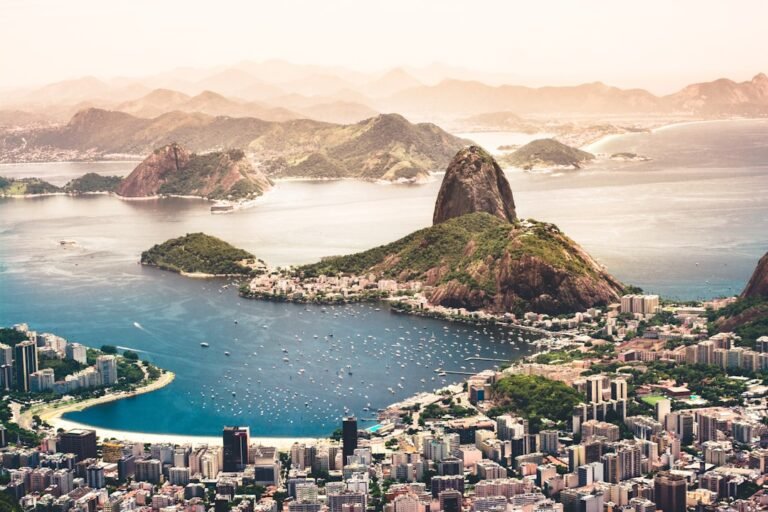
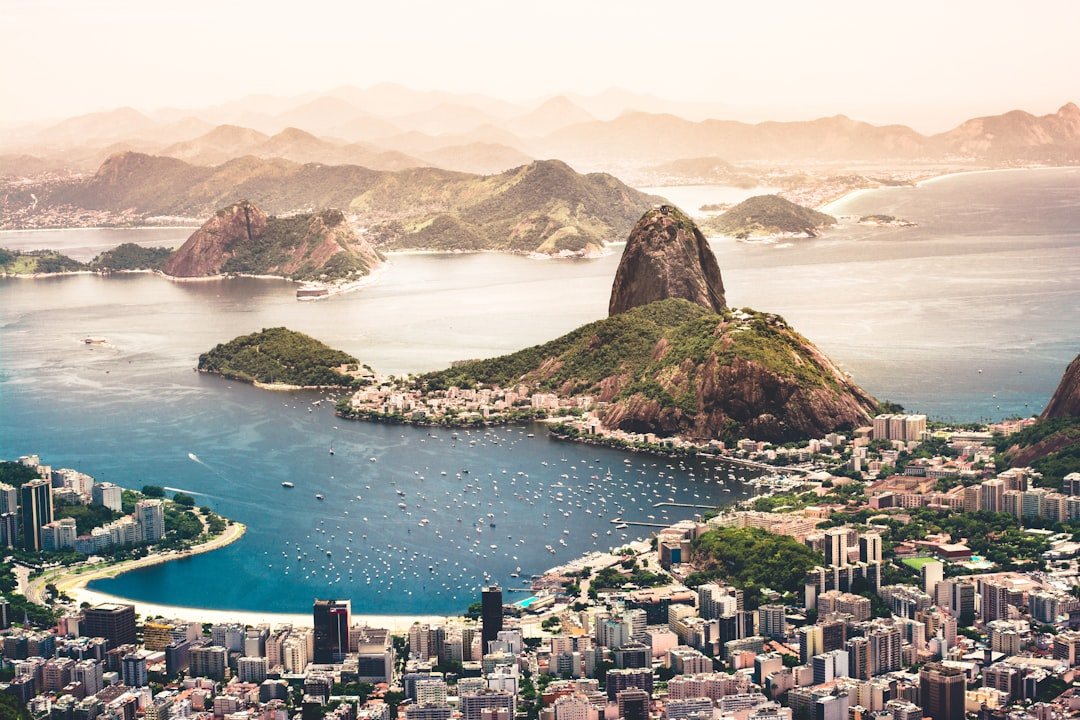
Start with the classics in Rio de Janeiro: Corcovado’s Christ the Redeemer statue and the cable car to Sugarloaf Mountain (Pão de Açúcar) offer the most iconic panoramas of the city’s bay, beaches and hills. Copacabana and Ipanema capture Rio’s beach culture—people-watching, beach sports and sunset rituals.
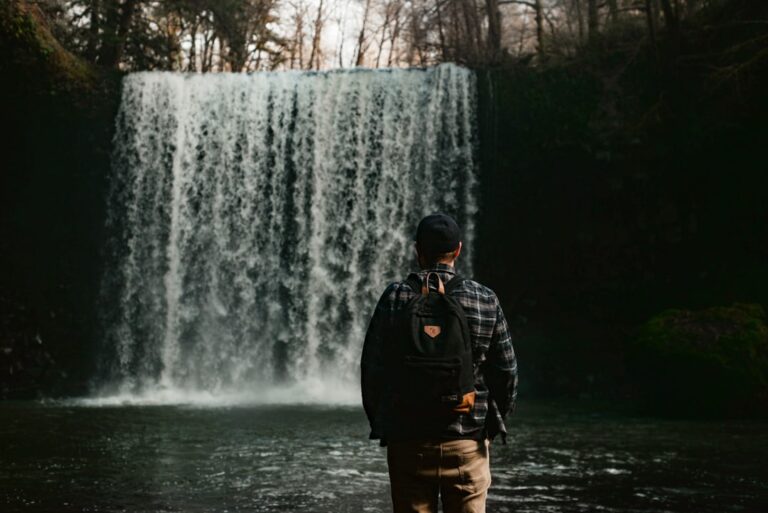
In the south, Iguazu Falls (on the Argentina–Brazil border) is a series of massive, rushing waterfalls set inside lush rainforest; boardwalks and boat rides put you close to the mist and roar. São Paulo is Brazil’s cultural and culinary powerhouse: a metropolis of museums like the Museu de Arte de São Paulo and neighborhoods that showcase immigrant communities and cutting-edge gastronomy.
For wilderness and wildlife, the Amazon Rainforest and the Pantanal are distinct musts. The Amazon basin around Manaus offers river cruises, canopy walks and remote lodges where biodiversity is on full display. The Pantanal, the world’s largest tropical wetland, is the best place in Brazil to spot jaguars, caimans and abundant birdlife on guided safaris.
History and colonial architecture shine in Salvador’s Pelourinho district and the baroque towns of Minas Gerais, notably Ouro Preto, with cobblestone streets, ornate churches and a palpable sense of Brazil’s gold-era past. For dreamlike coastal landscapes, Fernando de Noronha and Lençóis Maranhenses National Park offer exceptional natural beauty: clear waters and sweeping sand lagoons, respectively.
Best Time to Visit
Brazil’s vast size means weather varies considerably by region. Coastal southeast cities like Rio and São Paulo have warm summers (December–March) and mild winters (June–August). Summer is high season for beach activities and Carnival brings massive crowds and higher prices in February or March. For fewer crowds and pleasant weather, consider shoulder seasons: April–May and September–November.
The Amazon is hot and humid year-round; the dry season (July–December in many areas) typically offers easier river navigation and fewer mosquitoes, though the wet season creates expansive floodplain landscapes ideal for wildlife viewing by boat. The Pantanal’s dry season (May–October) concentrates wildlife around shrinking water sources, improving sightings; the wet season floods large areas and can restrict access.
Northern coastal spots and Lençóis Maranhenses are best visited between May and September when lagoons are full and weather is drier. For diving and clear seas in Fernando de Noronha, August to December offers calm waters and visibility. Plan around regional climate rather than a single national window.
Essential Travel Tips
Transportation: Brazil is vast—domestic flights connect major cities and tourist gateways more efficiently than ground travel for long distances. Long-distance buses are comfortable and cost-effective for overnight trips between nearby states. Within cities, metros and app-based ride services (Uber, 99) are widely available; in some destinations, taxis and motorcycle taxis fill gaps.
Money: The national currency is the real (BRL). Cards are widely accepted in urban centers, but smaller towns, markets and vendors often prefer cash. Use ATMs in bank branches where possible and notify your bank before travel. Carry a mix of cash and cards for flexibility.
Safety: Petty theft and pickpocketing occur in crowded areas; stay vigilant on beaches, public transit and tourist sites. Avoid flashing valuables and use hotel safes. Research neighborhood safety—some urban areas have limited police presence at night. When traveling in remote natural areas, book guided excursions with reputable operators and heed local safety briefings.
Packing: Bring lightweight, breathable clothing for the coast and humid north; a warm layer for highland evenings in the south and central plateau. Insect repellent, a long-sleeve shirt and quick-dry pants are essential for rainforest and Pantanal excursions. Reef-safe sunscreen and reef shoes are useful for coastal snorkeling. If visiting during rainy seasons, a compact rain jacket and waterproof bags for electronics are smart additions.
Local etiquette: Portuguese is the official language; learning greetings and a few phrases goes a long way. Brazilians are generally warm and informal—handshakes, cheek kisses (one or two depending on region) and friendly banter are common. Tipping is customary for restaurants (10% is typical if not included) and for guides and drivers when service is good.
Frequently Asked Questions
Do I need vaccinations to travel to Brazil?
Routine vaccinations should be up to date. Yellow fever vaccination is recommended for travel to certain inland and Amazon regions and may be required for entry from some countries; check current CDC or WHO guidance and speak with a travel clinic several weeks before departure.
Is Portuguese necessary or is English widely spoken?
Portuguese is the primary language. English is commonly spoken in major hotels, tour operators and some restaurants in big cities, but less so in smaller towns. Learning basic Portuguese phrases will improve interactions and local hospitality.
What currency should I bring and can I use ATMs everywhere?
Bring Brazilian reais for daily expenses. ATMs are common in cities but can be scarce in remote regions—plan to carry enough cash for rural excursions. Credit and debit cards are broadly accepted in urban areas.
How safe is travel in Brazil for solo travelers?
Many solo travelers visit Brazil safely by taking common-sense precautions: avoid poorly lit areas at night, use reliable transport services, guard valuables and keep copies of important documents. Book reputable tours for remote or wildlife-focused trips.
Can I visit multiple regions in one trip—beaches, city and rainforest?
Yes. Domestic flights link key regions—Rio/São Paulo to Manaus for the Amazon, Foz do Iguaçu for Iguazu Falls, and Salvador or Recife for northeast coast access. Allow travel time and consider grouping destinations geographically to minimize transit fatigue.
Conclusion
Brazil resists easy labels: it’s both a festival of urban life and a realm of sprawling nature. Planning well—respecting regional climates, booking key domestic flights in advance and choosing guided excursions where safety and expertise matter—lets you experience the country’s best contrasts. From the surf-lapped shores of Copacabana to the silent cathedral of the Amazon canopy, Brazil delivers unforgettable sights, sounds and flavors for curious travelers. Embrace local rhythms, sample regional cuisine, and leave room in your itinerary for unplanned discoveries—those moments often become the most memorable.