Alpine Lakes & Charming Towns: A Traveler’s Guide to Austria’s Lakeside Jewels
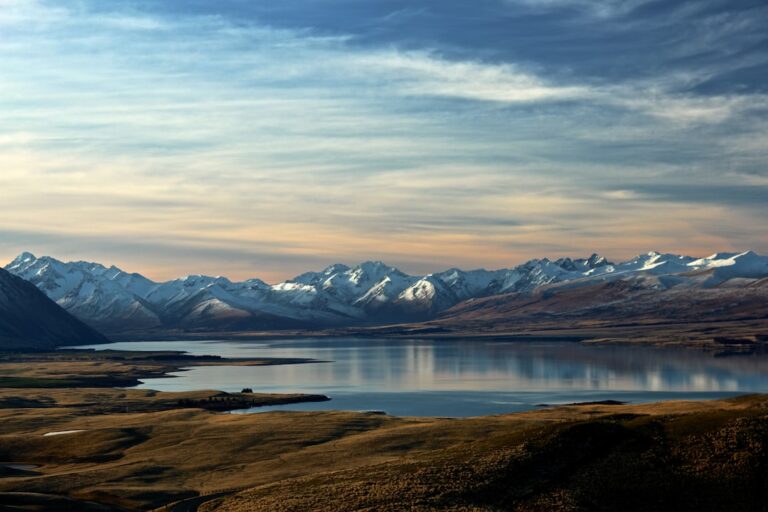
Nestled between snow-capped peaks and rolling pastures, Austria’s alpine lakes form some of the country’s most evocative landscapes. From the mirrorlike surface of Hallstätter See to the turquoise sweep of Achensee, these lakes are paired with timeless towns whose architecture, traditions and outdoor life create unforgettable visits. Whether you plan to hike along glacial ridges, glide across a ferry at dawn or linger over coffee in a lakeside square, each destination offers a distinct blend of natural beauty and regional culture. This guide highlights the best lakes and towns to include on a lakeside itinerary, plus practical advice to help you plan an efficient, sensory-rich trip through Austria’s lake districts.
Must-See Attractions
Austria’s lakes are anchored by towns and landmarks that deserve first priority on any itinerary.
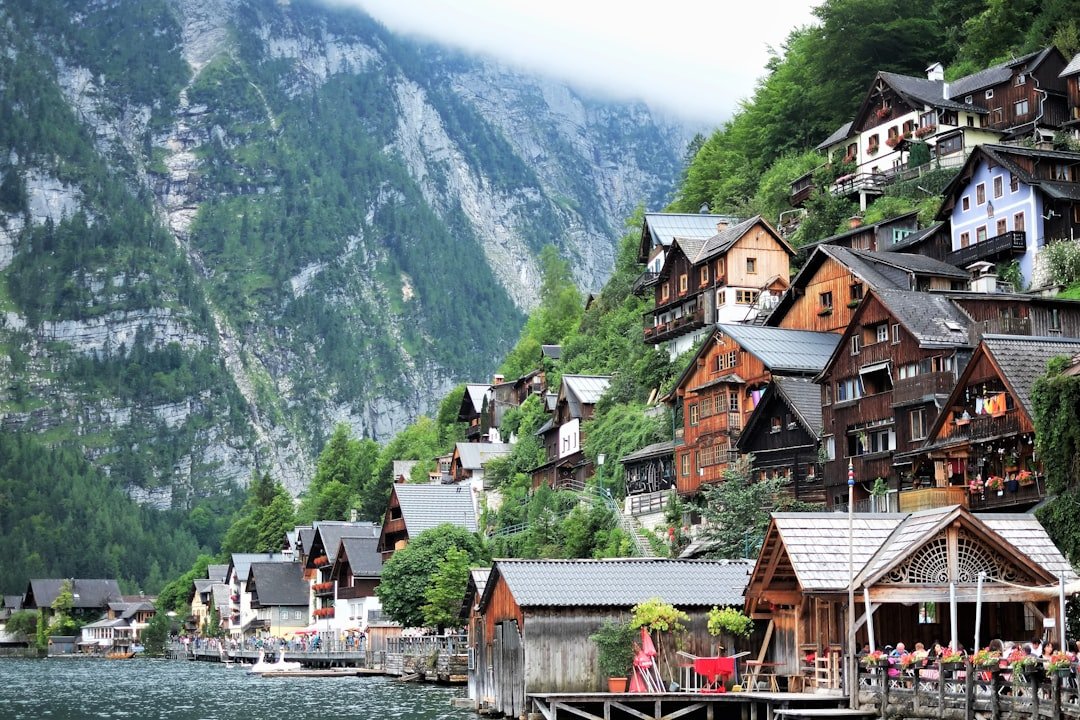
- Hallstatt and Hallstätter See — The postcard silhouette of Hallstatt backed by the Dachstein massif is one of Austria’s iconic images. Walk the lakeside promenade, visit the historic Market Square and explore the Dachstein Ice Caves and Five Fingers viewpoint above the valley for panoramic views.
- Schafbergbahn and Wolfgangsee (St. Wolfgang) — The cog railway to Schafberg summit offers sweeping vistas over Wolfgangsee and the surrounding Salzkammergut. St. Wolfgang’s painted facades and the pilgrim church of St. Wolfgang make the lakeshore especially charming.
- Zell am See and Lake Zell — A lively alpine town with a stunning circular lake, Zell am See pairs watersports in summer with direct access to the Kitzsteinhorn glacier for year-round snow experiences via nearby Kaprun.
- Achensee — Often called the ‘Tyrolean Sea,’ Achensee’s clear, turquoise water is framed by the Karwendel and Rofan ranges. It’s a hub for sailing, windsurfing and lakeside promenades in the village of Pertisau.
- Attersee and Mondsee — Attersee is famed for its water clarity and connection to artists like Gustav Klimt; Mondsee’s baroque St. Michael’s Church is notable and sits right above the lake, a popular stop for visitors exploring the Salzkammergut.
- Altaussee and Bad Aussee — Altaussee’s lake and salt mine are steeped in mining history and alpine tranquility; Bad Aussee is a cultural hub in the Ausseerland, known for traditional crafts and the Narzissenfest (Daffodil Festival).
- Traunsee and Gmunden — Gmunden’s lakeside promenade and Schloss Ort, a medieval castle on a small island, are highlights. Traunsee is framed by Traunstein, a dramatic limestone peak favored by climbers and hikers.
Best Time to Visit
Choosing when to visit depends on the experience you want—warm, busy lakeside life or quieter alpine activities.
- Late spring (May–June) — Wildflowers bloom, waterfalls swell and towns are less crowded than summer. Some seasonal services begin, including boat schedules.
- Summer (July–August) — Warmest weather and full ferry and excursion timetables. Ideal for swimming, paddling and alpine hiking. Expect peak crowds at Hallstatt and popular lakes on weekends.
- Early autumn (September–October) — Crisp air, clearer skies and autumn foliage around late September to October. Many summer crowds thin, but some mountain lifts reduce hours.
- Winter (December–March) — Lakes freeze in parts and towns take on a quieter, festive feel. Skiing is excellent nearby (Zell am See–Kaprun, Dachstein slopes). Lakeside promenades remain accessible for serene winter walks.
- Weather considerations — Alpine weather can change quickly; expect cooler nights even in summer. High-altitude viewpoints and glacier visits require appropriate clothing and gear.
Essential Travel Tips
Practical advice to make lakeside travel smooth and enjoyable.
- Transportation — Trains and regional buses link most lakeside towns from Salzburg, Vienna and Innsbruck. Renting a car gives flexibility for remote viewpoints and smaller villages, but narrow alpine roads and summer parking congestion in peak towns like Hallstatt are common.
- Money — Austria uses the euro. Smaller towns may prefer cash for market stalls or mountain huts, though cards are widely accepted in hotels and restaurants.
- Safety — Water temperatures are cool even in summer — wear life vests for small craft. Follow marked trails and check local lift or trail conditions before hiking. In winter, be avalanche-aware in backcountry areas and consult local guides.
- Packing — Layered clothing for variable alpine weather, a waterproof jacket, sturdy hiking shoes and sun protection are essential. If you plan boating, bring quick-dry clothes and a light windbreaker.
- Local etiquette — Austrians value punctuality and quiet in residential neighborhoods. Respect swimming and boating rules on each lake. When visiting churches or small local museums, modest attire and minimal noise are appreciated.
- Reservations — In peak summer, reserve lodging and popular boat or train excursions (like Schafbergbahn) in advance. If planning to visit salt mines or guided glacier tours, book ahead to secure preferred times.
Frequently Asked Questions
Which lake should I choose for a first-time visit to Austria’s alpine lakes?
Hallstätter See (Hallstatt) is the most famous and visually striking for first-timers, offering classic alpine-lakeside scenery, easy access to Dachstein attractions and an atmospheric village center. For fewer crowds but equally beautiful scenery, consider Achensee or Attersee.
Can I swim in the alpine lakes?
Yes. Many lakes such as Lake Zell, Attersee and Achensee have designated swimming areas and lidos. Water remains cold even in summer, so short swims are typical; lifeguard coverage varies by location.
Are the lakes accessible by public transport?
Most lakeside towns are well served by regional trains and buses; Salzkammergut, for example, has frequent connections from Salzburg and Bad Ischl. Ferries and local boat services operate on larger lakes during the warmer months.
What outdoor activities are best at each lake?
Achensee is excellent for sailing and wind sports; Zell am See combines lake activities with glacier access for skiing; Hallstatt and the Dachstein region are ideal for hiking, sightseeing caves and panoramic viewpoints; Traunsee and Attersee cater well to swimming and boating.
Is Hallstatt worth visiting despite the crowds?
Yes—Hallstatt’s UNESCO-listed village and lakeside setting are unique. Visit early morning or late afternoon to avoid peak crowds, explore less-traveled paths above the town, or pair Hallstatt with nearby Altaussee or Bad Ischl for a broader, quieter Salzkammergut experience.
Conclusion
Austria’s alpine lakes and towns offer layered experiences—each lake reflects local geography, history and seasonal rhythms. From the fairytale charm of Hallstatt to Achensee’s turquoise expanse and Zell am See’s lively lakeshore, there is a lakeside encounter for every traveler: serene boat rides, mountain panoramas, regional food and vibrant traditions. Planning around seasons and transport options will help you make the most of each stop, whether you prefer active outdoor days or slow afternoons in a lakeside café. Travel thoughtfully, give yourself time to linger, and these lakeside journeys will reveal the quieter, unforgettable moments that define Austria’s alpine allure.