
Adelaide Travel Guide
Adelaide is an easy city to like. South Australia‘s capital has a compact centre, broad surrounding parklands, a strong food and wine scene, and a practical mix of museums, galleries, beaches and neighbourhood restaurants. Beyond the city, the Adelaide Hills, Barossa Valley and McLaren Vale make it an excellent base for exploring South Australia.
Two full days are enough to experience the central highlights, including North Terrace, Adelaide Central Market, the Botanic Garden and a beach such as Glenelg. Stay for three or four days and you can add Adelaide Zoo, Adelaide Oval, Port Adelaide, a hills excursion or a wine-region day trip. This Adelaide travel guide covers the best things to do, where to stay, getting around, what to eat and how to plan time beyond the city.
Why Adelaide Is Worth Visiting
Adelaide works particularly well for travellers who want several types of holiday in one manageable destination. The central city is compact and straightforward to explore on foot, with free city buses and trams helping connect the main visitor areas. Many of the most useful sights sit along or close to North Terrace, while the Central Market and Rundle Mall are within easy reach of the CBD.
The city also offers a genuine beach-and-city combination. Glenelg is connected to the centre by tram, while Henley Beach and Semaphore provide different coastal atmospheres. You can spend the morning in a museum, have lunch at a market, and watch the sunset beside the water without organising a complicated journey.
Food and wine are central to the Adelaide experience. The Central Market, Gouger Street and Chinatown provide casual dining and fresh produce, while the surrounding regions offer cellar doors, long lunches and vineyard scenery. Barossa, McLaren Vale and the Adelaide Hills are all realistic excursions from the city, although a car or organised tour is more practical than public transport for most wine visits.
Adelaide is also a good choice for families, culture-focused travellers and short breaks. Major festivals, sporting fixtures and concerts can add energy to the city, but they can also increase demand for accommodation, so check the events calendar before booking.
Best Things to Do in Adelaide
Planning your activities? Compare tours and activities for Adelaide on BookingTabs.

Explore the North Terrace cultural precinct
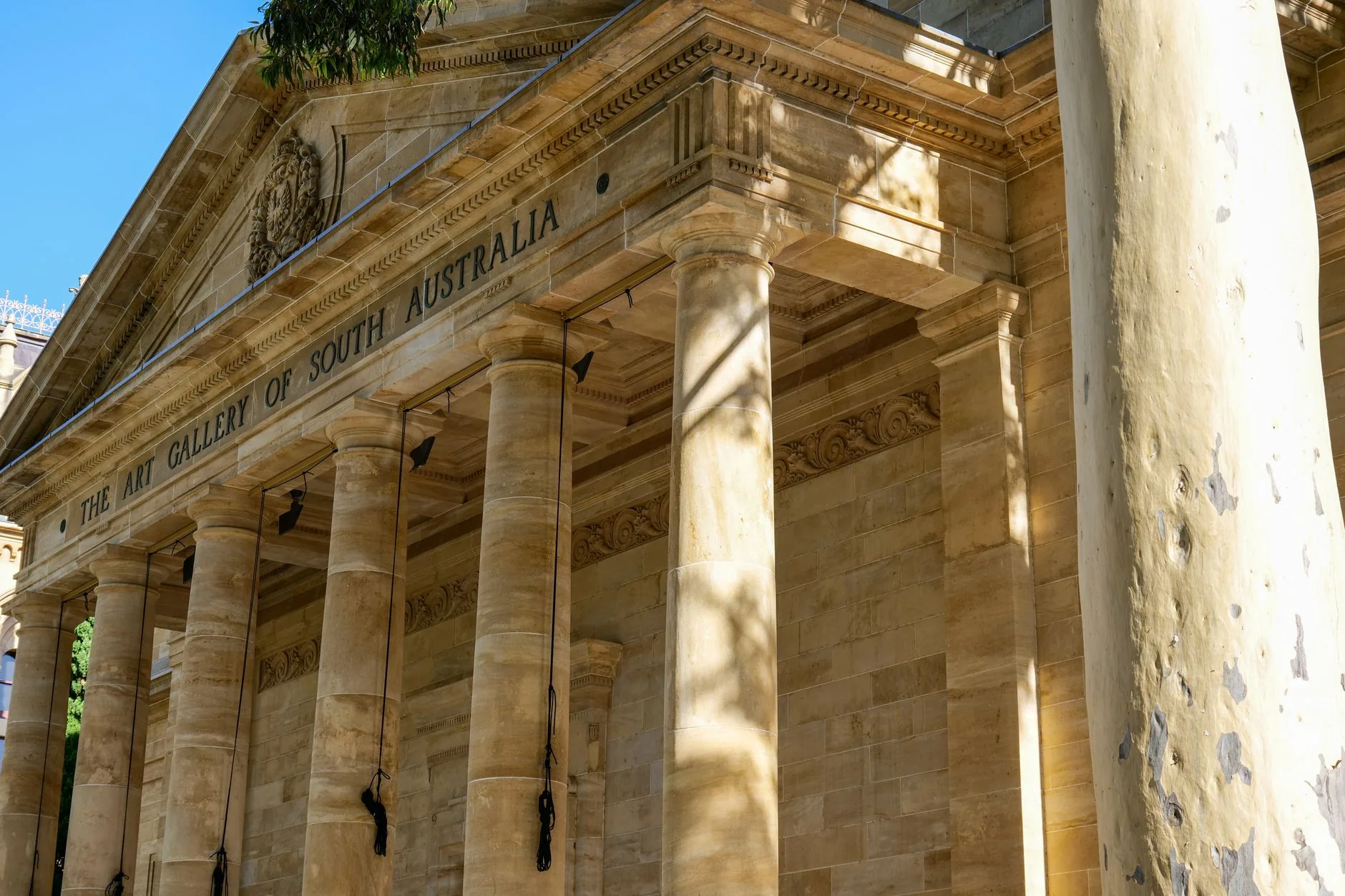
North Terrace is the most efficient place to begin sightseeing in Adelaide. The precinct brings together the South Australian Museum, Art Gallery of South Australia, State Library, university buildings, monuments and access to the Botanic Garden. Most attractions are walkable from Adelaide Railway Station and can be combined into a single culture-focused day.
The South Australian Museum is a particularly useful stop for understanding the region’s natural history, biological sciences, palaeontology, minerals and Australian cultures. General entry is free, although special exhibitions or programs may have separate arrangements. The Art Gallery of South Australia also offers free general admission, with selected temporary exhibitions sometimes ticketed. Check current opening hours and exhibition details before visiting, especially around public holidays.
Allow more time than you expect. The museums and gallery are substantial, and the precinct is easy to explore at a relaxed pace rather than as a quick checklist.
Visit Adelaide Botanic Garden
At the eastern end of North Terrace, Adelaide Botanic Garden provides a calm change of pace from the city streets. Its themed plant collections, conservatories, lakes and walking paths make it worthwhile even if you are not a dedicated gardener. It is close to the South Australian Museum, Art Gallery and National Wine Centre, so it fits naturally into a day in the cultural precinct.
Entry is free, and the garden opens daily, including public holidays. Opening times vary seasonally, and special exhibitions or evening events may operate under different arrangements. In summer, visit earlier or later in the day to avoid the strongest heat.
Botanic Park, known by the Kaurna name Tainmuntilla where applicable, is nearby and offers additional open space. Together, the gardens and cultural institutions make this one of Adelaide’s best areas for walking.
Eat your way around Adelaide Central Market
Adelaide Central Market is one of the city’s essential food experiences. More than 70 traders sell fresh produce, cheese, smallgoods, baked goods, prepared food and ingredients representing a wide range of cuisines. It is a practical place to sample South Australian produce without committing to a long restaurant meal.
The market sits beside Chinatown and Gouger Street, making the surrounding area one of Adelaide’s best choices for casual eating. Go hungry, browse before choosing lunch, and leave time to explore the surrounding shops and restaurants.
The market trades Tuesday to Saturday and is normally closed on Sunday and Monday. Published hours vary by day, and individual stall hours may differ. Public-holiday schedules and special events can change the usual pattern, so verify the current details before making it the centrepiece of your itinerary.
See the city from Adelaide Oval
Adelaide Oval occupies a prominent position beside the River Torrens and is one of the city’s most recognisable venues. It hosts cricket, Australian rules football, concerts and other major events. If a fixture coincides with your visit, attending a match is an atmospheric way to experience Adelaide’s sporting culture.
Outside event times, stadium tours explain the venue’s history and architecture. RoofClimb experiences offer elevated city views, but they require advance booking and may have age, height, clothing and weather conditions. Confirm the current requirements before booking.
The oval is close to North Adelaide and the riverbank, so it can be combined with a walk, a meal on O’Connell Street or a visit to Adelaide Zoo.
Spend time at Adelaide Zoo
Adelaide Zoo is close to the Botanic Garden and Botanic Park, making it convenient for families or anyone interested in wildlife. The zoo has Australian and international species, keeper talks and conservation programs. Its central location means you do not need to devote an entire day to reaching it from the CBD.
Admission is ticketed, and animal presentations, opening times and visitor conditions can change. Check the current daily schedule before arriving. The zoo works particularly well as part of a flexible day that also includes the Botanic Garden or North Adelaide.
Learn about Australian wine at the National Wine Centre
You do not need to leave Adelaide to begin exploring South Australia’s wine culture. The National Wine Centre, beside the Botanic Garden, provides wine education and tasting opportunities in a city setting. It is useful for visitors who have limited time or want an introduction before choosing a regional excursion.
The centre publishes different opening hours for weekdays and weekends, and tasting availability can vary. Check current sessions and public-holiday closures in advance. If you plan to visit a cellar door later in the trip, this is a good place to gain context about regional styles and Australian wine production.
Walk Rundle Mall and Adelaide Arcade
Rundle Mall is Adelaide’s main pedestrian shopping area, with department stores, independent retailers, cafes and public art. Nearby Adelaide Arcade adds historic architecture and smaller shops to the experience. The area is easy to combine with the Central Market, laneways and the North Terrace institutions.
Retail opening hours are set by individual businesses. The mall is most useful as part of a broader CBD walk rather than a standalone attraction, particularly if you want to understand how Adelaide’s central grid fits together.
Take the tram to Glenelg Beach
Glenelg is Adelaide’s easiest city-to-beach outing. The suburb has a broad beach, jetty, restaurants, shops and Moseley Square, with a direct tram connection from the centre. It is a good choice for swimming, a waterfront meal or a sunset walk, although beach conditions and safety signage should always guide your plans.
Some tram travel within the CBD and designated areas is free, but the city-to-Glenelg section is not entirely free. A normal fare applies between South Terrace and Brighton Road, while the section between Brighton Road and Moseley Square is free. Check the current Adelaide Metro rules before travelling.
Compare Henley Beach and Semaphore
Henley Beach offers a more relaxed coastal setting, with a jetty, foreshore dining, open space and sunset views. It feels less resort-oriented than Glenelg and suits travellers who want a slower evening by the water.
Semaphore, farther north, combines a beach-and-jetty atmosphere with access to Port Adelaide’s maritime history. Public transport and cycling options exist for both areas, but journey times vary depending on your starting point. Check the current route information before setting out.
Discover Port Adelaide
Port Adelaide is a worthwhile excursion for maritime history, heritage buildings, riverfront areas, public art and markets. The South Australian Maritime Museum is a natural anchor, but the district is spread out enough to reward a few hours rather than a rushed stop.
Opening days vary between museums, markets and other attractions, particularly around weekends and public holidays. Port Adelaide pairs well with Semaphore if you want to combine history with a beach visit.
Which Adelaide experience would you most want to build your trip around?
When to Visit Adelaide
Adelaide can be visited throughout the year, but autumn and spring generally offer the most comfortable conditions for walking, gardens, hills and day trips.
Spring, September to November: Mild weather, flowering gardens, green parklands and jacaranda displays make spring appealing for city walks and the Adelaide Hills. The average daily spring temperature is given as 21.7°C in South Australian tourism guidance, though current conditions can vary.
Summer, December to February: Warm, dry weather suits beaches, outdoor dining and festivals. Adelaide can experience days above 35°C and occasional temperatures approaching 45°C. Carry water, use sun protection and schedule strenuous outdoor sightseeing for the morning or later afternoon during hot periods.
Autumn, March to May: Often one of the most comfortable seasons for sightseeing, with generally sunny weather and temperatures commonly in the low to mid-20s. Autumn colour is especially relevant in the Adelaide Hills. Major events can make March particularly busy, so book early if your dates coincide with festivals or sporting fixtures.
Winter, June to August: Cooler and wetter, with most of South Australia’s rainfall arriving during winter. Adelaide’s average winter daytime temperature is around 15.9°C, while the hills are cooler. Museums, galleries, restaurants and indoor cultural attractions make winter a practical choice for a city break. Bring layers and a waterproof jacket.
Always check current forecasts, heatwave warnings, bushfire information and event schedules before travelling.
What to Eat and Drink
Start at Adelaide Central Market and continue through Chinatown and Gouger Street. This is the city’s most useful area for produce, Asian cuisines, bakeries, cheese, smallgoods, prepared food and casual dining. Market hours are limited to Tuesday through Saturday under the published schedule, so plan accordingly.
South Australian wine is central to the local food culture. The National Wine Centre offers a city-based introduction, while Barossa, McLaren Vale and the Adelaide Hills provide regional cellar-door experiences. Menus in Adelaide commonly highlight local produce, seasonal ingredients and nearby wine regions.
For a coastal meal, consider Glenelg, Henley Beach, Semaphore or Port Adelaide. Restaurants and menus change frequently, so check current local listings rather than relying on old recommendations.
Inner suburbs add further variety. Norwood, North Adelaide and the East End are strong areas for cafes, bakeries, pubs and restaurants. Hahndorf, in the Adelaide Hills, is associated with German heritage, bakeries, pubs and artisan producers, making it a natural stop on a hills itinerary.
Easy Day Trips from Adelaide

Adelaide Hills and Hahndorf
The Adelaide Hills are the easiest regional escape from the city. Expect cooler scenery, wineries, produce, galleries, heritage buildings, cafes and walking opportunities. Hahndorf, a German-influenced historic village, is less than 30 minutes from the city under typical driving conditions. A car or organised tour is the simplest way to visit several stops.
Barossa Valley
The Barossa is one of South Australia’s best-known wine regions, with more than 80 wineries or cellar doors according to regional tourism information. It also has food producers, restaurants, heritage towns and vineyard scenery. Treat it as a full-day outing, especially if you want several tastings and a proper meal. Use an organised tour, private transfer or designated driver.
McLaren Vale
McLaren Vale lies south of Adelaide, where vineyards meet the coast. The region combines cellar doors, local produce, long lunches, cycling opportunities and access to beaches such as Port Willunga and Aldinga. It is often described as just over 30 minutes from the city under typical conditions, although traffic and the number of stops will affect the day. A full-day itinerary allows more time to enjoy the area.
Mount Lofty Summit and Cleland Wildlife Park
This Adelaide Hills combination offers elevated views, native bushland and wildlife experiences. It is best suited to a car-based itinerary or organised tour. Check current opening conditions, admission arrangements and weather before setting out.
Port Adelaide and Semaphore
For a closer excursion, combine Port Adelaide’s maritime museums and heritage streets with Semaphore’s beach, jetty and traditional seaside atmosphere. This pairing is more varied than a simple museum visit and can be planned without committing to a full regional day.
Kangaroo Island
Kangaroo Island is an important nature and wildlife extension from Adelaide, but it is not an effortless day trip. Ferry or flight logistics, vehicle arrangements and island driving times require careful planning. An overnight or multi-day stay is generally more satisfying than trying to fit the island into a rushed excursion.
Where to Base Yourself in Adelaide

Adelaide CBD
The CBD is the best all-round base for first-time visitors. You will be close to Rundle Mall, Adelaide Central Market, North Terrace, restaurants, Adelaide Railway Station and free city transport. Choose the centre if you want to walk to most major sights and avoid hiring a car for a short stay.
North Adelaide
North Adelaide offers a quieter inner-city atmosphere near Adelaide Oval, Adelaide Zoo, the parklands and O’Connell Street’s restaurants. It suits visitors who want to remain close to the CBD but prefer a more residential setting.
East End and Botanic Garden precinct
The East End is convenient for galleries, museums, the Botanic Garden, the National Wine Centre, cafes and restaurants around Rundle Street and North Terrace. It is particularly useful for culture-focused travellers and anyone who prefers to have restaurants close by in the evening.
Glenelg
Glenelg is the strongest choice for a beach stay with convenient access to the city. The tram makes central Adelaide accessible, while the beach, jetty, shops and restaurants provide enough nearby activity for a slower itinerary.
Henley Beach
Henley Beach has a more relaxed coastal feel, with a foreshore, jetty, restaurants and attractive sunset views. It is better suited to travellers prioritising the beach over immediate access to museums and the CBD.
Norwood
Norwood, in Adelaide’s inner east, is known for cafes, restaurants, shopping and The Parade. It gives visitors a local neighbourhood feel while remaining within reach of the centre by public transport or taxi.
Port Adelaide
Port Adelaide suits travellers interested in maritime history, heritage buildings, museums, riverfront walks and weekend markets. It is less convenient than the CBD for a first-time sightseeing itinerary but can work well for a longer stay or a repeat visit.
Getting Around Adelaide
Adelaide’s central area is compact and easy to explore on foot. Walking works well between North Terrace, Rundle Mall, the East End, Adelaide Central Market and much of North Adelaide. In summer, carry water and plan breaks because the sun can make short distances feel more demanding.
Adelaide Metro operates buses, trains and trams. Free city connector buses run through Adelaide and North Adelaide, while trams are free within the defined city zone. Contactless Tap and Pay, the Buy & Go app and visitor passes are available, but fares and ticketing rules can change. Check the journey planner and service alerts before travelling.
Public transport is useful for Glenelg, although not every part of the route is free. Regional wine areas and the Adelaide Hills are more practical by hire car, organised tour or private transfer. If you drive, confirm parking conditions and costs at your accommodation and attractions. For winery visits, arrange a designated driver or use a tour rather than driving after tastings.
Arriving from Adelaide Airport
Adelaide Airport is approximately seven kilometres from the city and around 15 minutes by car under typical conditions, although traffic can extend the journey. Adelaide Metro buses stop at Stop 10 near the terminal. The J1 and J2 connect the airport with the city centre, while other services reach surrounding suburbs. Route numbers and timetables can change, so verify them before travel.
Taxis, rideshare services, private transfers and rental cars are also available. Follow current airport instructions for pick-up locations, particularly for rideshare services. There is no SkyBus service.
Practical Tips for Visiting Adelaide
- Check Adelaide Metro’s journey planner and service alerts before travelling, especially during major events or works.
- Remember that only some city buses and tram sections are free; the entire public transport network is not.
- Plan Adelaide Central Market for Tuesday to Saturday and verify holiday closures.
- Book accommodation and popular tours early during festivals, sports weekends, concerts and school holidays.
- Arrange a tour, private transfer or designated driver for winery visits.
- Protect yourself from the Australian sun with water, sunscreen, a hat and light clothing.
- Bring layers and rain protection in winter, particularly for the Adelaide Hills.
- Check public-holiday opening rules for museums, galleries, gardens, markets and restaurants.
- Use Kaurna place names respectfully where they are provided, including Tartanyangga for Victoria Square and Tainmuntilla for Botanic Park where applicable.
- Follow beach safety signs and swim between flagged areas when lifeguards are present.
- Do not try to cover Barossa, McLaren Vale and the Adelaide Hills in one rushed day.
- Check current attraction and cellar-door hours rather than relying on old guidebooks.
Frequently Asked Questions
How many days do you need in Adelaide?
Two full days covers Adelaide Central Market, North Terrace’s museums and galleries, the Botanic Garden and either Glenelg or another beach. Three to four days allows time for Adelaide Zoo, Adelaide Oval, Port Adelaide, additional neighbourhoods and a hills or wine-region day trip.
Is Adelaide easy to get around without a car?
Yes, if you are focusing on the CBD, North Adelaide, North Terrace and Glenelg. Walking, free city buses, free CBD trams and paid Adelaide Metro services cover many visitor areas. A car or organised tour is more practical for wineries, the Adelaide Hills, outer beaches and wider South Australia.
Is public transport free in Adelaide?
Some services are free, but not the entire network. City connector buses are free, trams are free within the defined city zone, and the Jetty Road section between Brighton Road and Moseley Square is free. A normal fare applies between Brighton Road and South Terrace when travelling between Glenelg and the city. Check current fares before travelling.
How do you get from Adelaide Airport to the city?
Adelaide Metro’s J1 and J2 buses connect Stop 10 at the airport with the city centre. Taxis, rideshare, private transfers and rental cars are also available. There is no SkyBus service. Check current route numbers, timetables, fares and pick-up locations before your journey.
What is the best area to stay in Adelaide?
The CBD is the most convenient all-round base for first-time visitors and public transport users. North Adelaide suits a quieter inner-city setting near the zoo and Adelaide Oval. Glenelg is better for a beach stay with tram access to the centre, while the East End suits restaurants, museums and the Botanic Garden.
When is the best time to visit Adelaide?
Autumn and spring are generally the most comfortable seasons for walking, gardens, hills and day trips. Summer suits beaches and outdoor events but can be very hot. Winter is cooler and wetter but works well for museums, galleries, dining and indoor cultural activities. Check event schedules because festivals can affect accommodation availability.
Can you visit Barossa or McLaren Vale from Adelaide in one day?
Yes. Both are commonly visited as day trips from Adelaide. McLaren Vale is just over 30 minutes south of the city under typical conditions, while Barossa is generally described as less than an hour away. A full day is more realistic once tastings, meals and multiple stops are included. Use a tour, transfer or designated driver.
Before You Go
Adelaide rewards a balanced itinerary. Spend a day among the museums, galleries, gardens and markets of the centre, then make room for a beach, a neighbourhood meal or a regional excursion. The city is compact enough for a straightforward short break, yet its position between the coast, Adelaide Hills and major wine regions makes it a strong base for a longer South Australian trip.
For a first visit, stay in or near the CBD, allow at least two full days, and choose one regional outing rather than trying to see everything at once. That combination gives you a useful introduction to Adelaide without losing the relaxed pace that makes the city easy to enjoy.
Inspired? Start planning your trip.
Move from inspiration to planning with BookingTabs — explore hotels, tours and travel options in one place.



Join the conversation
Ask a question, share a travel tip, or help another traveler plan with confidence.
Leave a comment
No account or email required.