
Chengdu Travel Guide: Pandas, Sichuan Food and Ancient Heritage
Chengdu is one of China’s most rewarding cities for a first visit. The capital of Sichuan Province is home to giant pandas, some of the country’s most distinctive food, historic temples, archaeological museums and a famously unhurried teahouse culture. It is also a practical base for exploring Dujiangyan, Mount Qingcheng, Sanxingdui, Leshan and Mount Emei.
Allow three to four full days for Chengdu itself. With five to seven days, you can add one or two excursions beyond the city. The main challenge is not finding things to do, but allowing enough time for a large city where attractions are spread across several districts and popular sites may require advance, real-name reservations.
Why Visit Chengdu
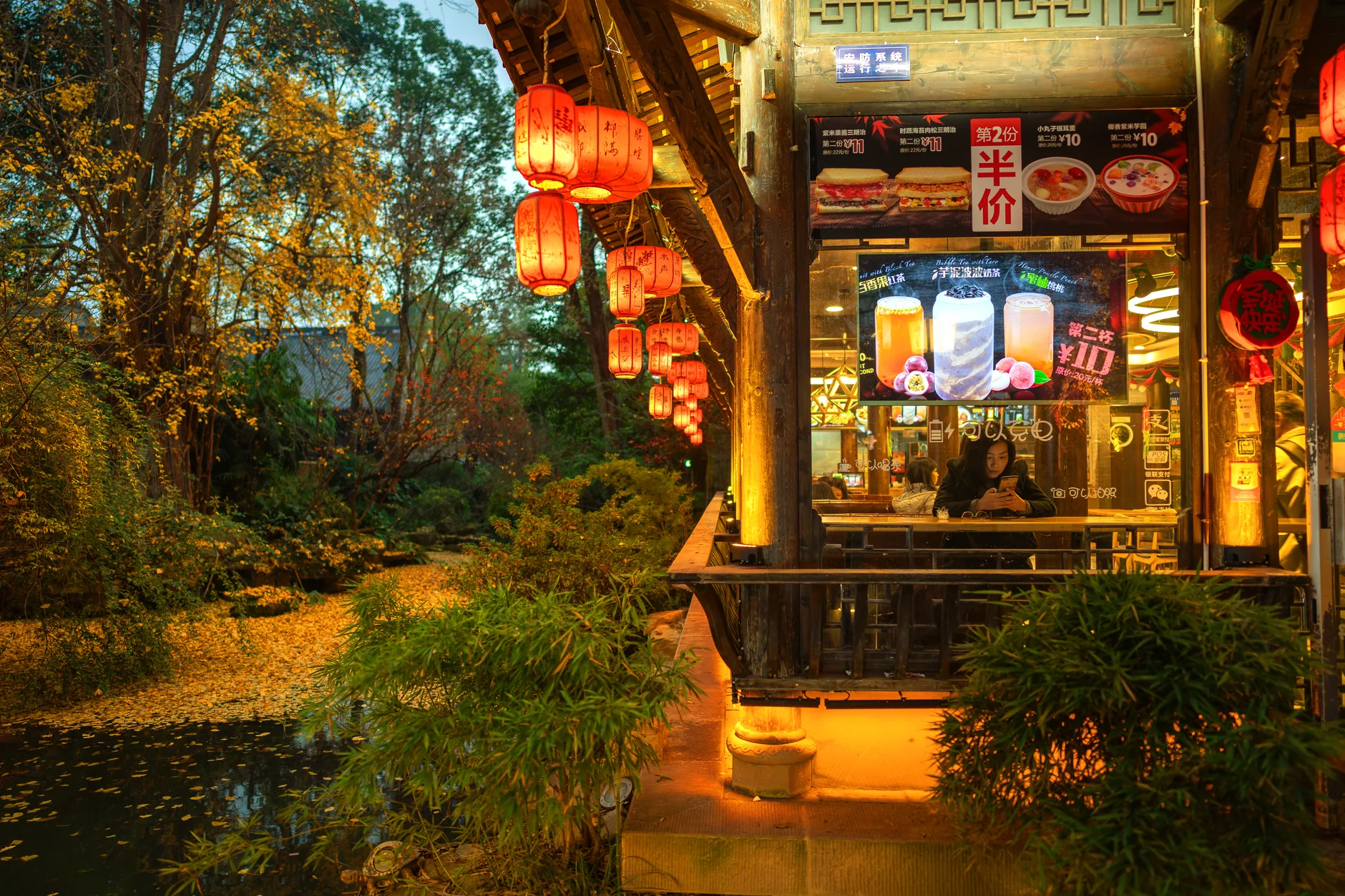
Chengdu has a different rhythm from China’s more relentlessly fast-paced megacities. People gather in parks for tea and mahjong, restaurants specialize in bold flavors and historic sites sit alongside modern shopping districts. It is urban, but rarely feels defined only by its skyline.
The city’s signature attraction is the Chengdu Research Base of Giant Panda Breeding. A visit offers the chance to see pandas in a conservation, research and education setting, rather than simply at a conventional zoo. The base is a major outing and deserves a morning of its own.
Food is another compelling reason to come. Sichuan cuisine is built around layers of chili, Sichuan pepper, fermented ingredients, aromatics and contrasting textures. Hotpot is the obvious introduction, but mapo tofu, dan dan noodles, chuanchuan and small street snacks are equally important to the city’s food culture.
Chengdu also suits travelers interested in history. Wuhou Shrine explores the Three Kingdoms period, Du Fu Thatched Cottage connects the city with one of China’s great poets and museums such as Chengdu Museum and Sanxingdui reveal the depth of the region’s ancient cultures. Add teahouses, leafy parks and walkable cultural districts, and Chengdu works well as both a city break and a longer Sichuan base.
Top Experiences in Chengdu
Planning your activities? Compare tours and activities for Chengdu on BookingTabs.

See the giant pandas
The Chengdu Research Base of Giant Panda Breeding is the city’s essential visit for many travelers. It is a conservation, research and public-education center, with landscaped areas and facilities designed around the animals’ welfare and behavior.
Go early. Pandas may be resting or indoors at any time, but cooler morning conditions generally make an early visit the most sensible choice, particularly in summer. Most ordinary visitors need an online real-name reservation and must bring the original identity document used for the booking. Seasonal entry sessions and gates can change, so confirm the current arrangements before traveling.
The Panda Base is outside the historic center, in the Chenghua District and Panda Avenue area. Plan the journey rather than treating it as a spontaneous central-city stop. A taxi or ride-hailing car is convenient for an early start, while public transport may work well depending on your accommodation and the current metro or shuttle arrangements.
Explore Wuhou Shrine and Jinli
Wuhou Shrine Museum is one of Chengdu’s most important historic sites. It is associated with Zhuge Liang, Liu Bei and the Shu Han period of the Three Kingdoms, and combines traditional buildings, gardens and memorial spaces.
The adjacent Jinli area is a popular place to continue the visit. Its lanes are lined with food stalls, shops, restaurants and traditional-style architecture. It is atmospheric, especially later in the day, but it is a commercial historic district rather than an untouched old neighborhood. Expect crowds and tourist-oriented prices in some venues.
Wuhou District is a good area for an evening meal after sightseeing. It has a strong concentration of Sichuan restaurants and historic attractions, making it easy to combine food with the day’s cultural visits.
Learn about ancient Shu civilization
The Jinsha Site Museum is devoted to one of the most important archaeological discoveries in the Chengdu region. Its collections introduce ancient Shu civilization, including the famous Sun and Immortal Birds gold ornament. The site offers useful context for understanding the region’s history beyond the better-known imperial dynasties.
The museum’s official schedule lists a comprehensive upgrade closure from December 5, 2025 through April 30, 2027, with a planned reopening on May 1, 2027. Check for an official update before planning a visit, since closure and reopening arrangements may change.
During the closure, Chengdu Museum, Wuhou Shrine and Du Fu Thatched Cottage provide strong alternatives within the city. Sanxingdui Museum, outside Chengdu in Guanghan, is another major ancient Shu destination and should be planned as a separate excursion.
Visit Chengdu Museum
Beside Tianfu Square, Chengdu Museum is a useful introduction to the city’s history, culture, natural heritage and social development. Its central position makes it easy to pair with the main square, Chunxi Road or another city-center stop.
The museum uses visitor-flow controls and its hours vary by day. The official visitor information lists closure on Mondays except public holidays, with different closing times on weekdays and Friday or Saturday evenings. Check current entry arrangements and exhibition information before visiting.
This is a particularly good choice in wet weather or when you want a quieter counterpoint to the Panda Base and busy historic streets.
Walk through People’s Park
People’s Park is one of the best places to observe everyday Chengdu leisure culture. Rather than approaching it as a checklist attraction, allow time to wander through its gardens, sit in a teahouse and watch residents socialize, play mahjong or meet friends.
The park works well with Qingyang Palace, Chengdu Museum and other central attractions. It also helps explain why Chengdu is often described as a relaxed city: public leisure is visible, social and unhurried.
Visit Du Fu Thatched Cottage
Du Fu Thatched Cottage Museum commemorates the Tang-dynasty poet Du Fu, who lived in Chengdu for a period of his life. The landscaped grounds combine literary history with traditional buildings, gardens and quiet paths.
It is a rewarding stop even for visitors who do not know Du Fu’s work in detail. The setting is calm and spacious, making it a welcome change from busy commercial districts. The museum’s published visitor information lists regular daytime opening, with ticket sales ending before closing; confirm the current schedule and booking process before you go.
See Qingyang Palace and Wenshu Monastery
Qingyang Palace is one of Chengdu’s best-known Taoist temples. Its traditional architecture and religious history make it a natural companion to People’s Park and the surrounding cultural attractions. Visiting arrangements can vary around religious festivals, so check locally and behave respectfully in active worship areas.
Wenshu Monastery offers a different atmosphere. This active Buddhist monastery has historic buildings, gardens, tea and a traditional neighborhood around it. The area is also known for vegetarian food and a calmer pace than the central shopping districts. Dress modestly and follow signs about photography and access.
Stroll through Kuanzhai Alley
Kuanzhai Alley is a preserved district of renovated Qing-era-style courtyards, lanes, teahouses, restaurants and shops. It is convenient for an evening walk or casual meal, but it should be understood as a heavily adapted tourist area rather than a completely preserved residential quarter.
The district becomes busy at weekends and in the evening. Visit earlier if you want a less crowded stroll, or come later for dining and atmosphere. Prices in the most polished venues are often higher than in ordinary neighborhood restaurants.
See the IFS panda and explore Chunxi Road
Chunxi Road is Chengdu’s main commercial district, with department stores, restaurants and dense retail streets. The large panda sculpture climbing the IFS building has become one of the city’s most recognizable urban photo stops.
This is a useful base for an evening, particularly if your accommodation is near Tianfu Square or the central metro network. Short taxi journeys can take longer than expected in the busy surrounding streets, so allow extra time when moving between appointments.
Take a Sichuan cooking class or food-focused experience
Eating Sichuan food is essential, but a cooking class or specialist food experience can add useful context. You may learn how chili, Sichuan pepper, fermented broad-bean paste and aromatics are combined, as well as how different dishes are ordered and shared.
Specific operators, locations and schedules change. Check the current venue and booking conditions rather than building a fixed itinerary around an old listing.
Best Areas to Stay in Chengdu
Tianfu Square and Chunxi Road
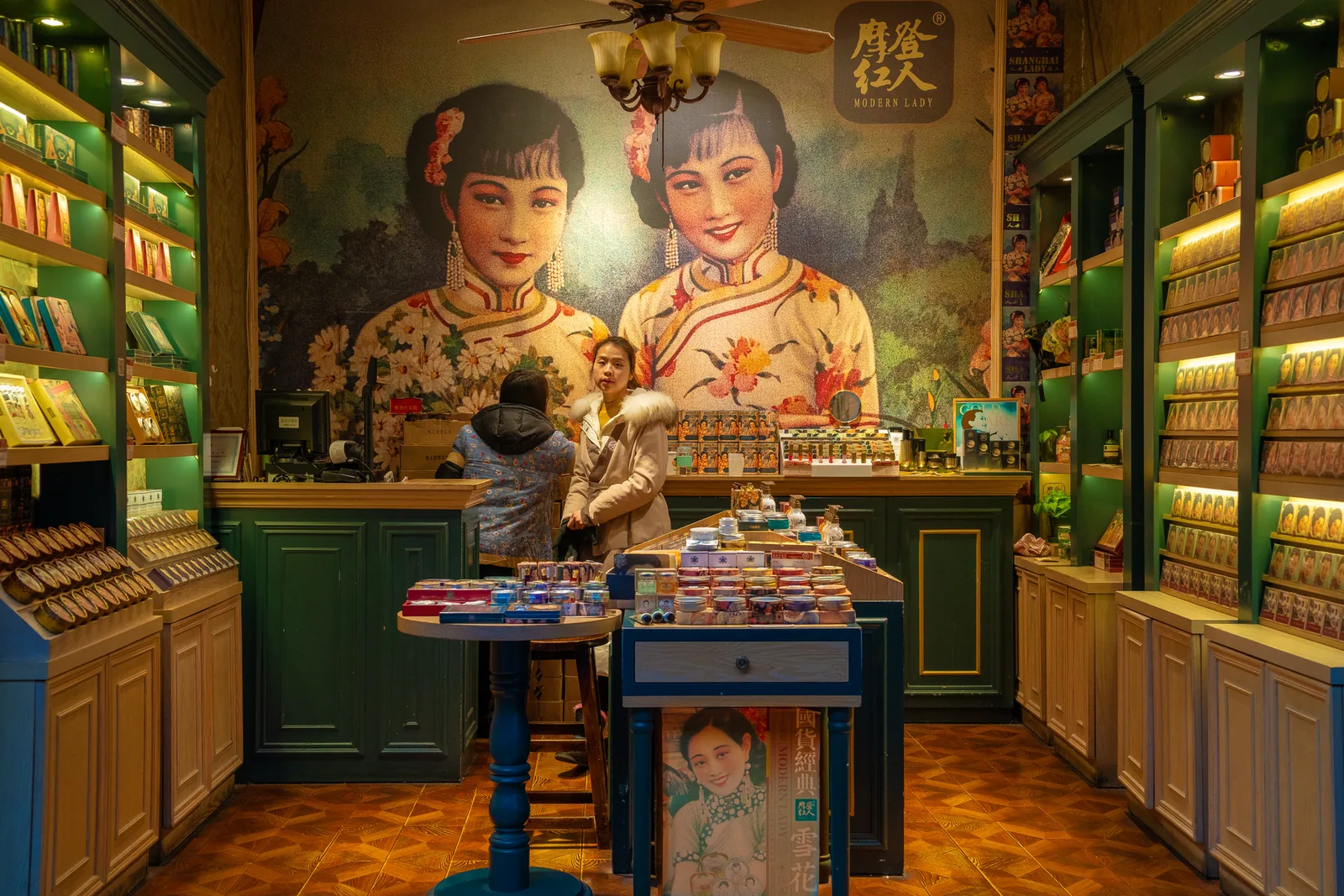
This is the most convenient choice for many first-time visitors. You will be close to major metro connections, Chengdu Museum, shopping, restaurants and central city sights. Chunxi Road is lively and commercial, while Tianfu Square is a useful transport and sightseeing reference point.
Qingyang District
Qingyang District suits travelers interested in parks, temples, museums and leafy cultural attractions. People’s Park, Qingyang Palace and Du Fu Thatched Cottage are among the area’s key advantages. It is a strong option for a more cultural stay without being far from the center.
Wuhou District
Choose Wuhou if Wuhou Shrine, Jinli and Sichuan food are central to your plans. The district has plenty of evening dining and is convenient for travelers who prefer historic attractions over shopping malls.
Wenshu area
The area around Wenshu Monastery has a more traditional neighborhood atmosphere, with tea, vegetarian food and historic lanes. It can feel calmer than Chunxi Road while still offering good access to central Chengdu.
Kuanzhai Alley area
This area is convenient for restaurants, teahouses, cafes and evening walks. It is attractive for a short stay, although its tourist-oriented character and busy evenings will not suit everyone.
Chenghua District and Panda Avenue
This is a practical base for visitors prioritizing an early trip to the Panda Base. It is farther from the traditional center, so it is less suitable if you want to spend every evening around Tianfu Square, Wuhou or the older cultural districts.
Tianfu New Area is modern and spacious, but for a short sightseeing trip it is generally less convenient than the historic core unless you have business or an event there.
What to Eat in Chengdu
Sichuan hotpot is the obvious starting point: a communal simmering pot with chili, Sichuan pepper and a choice of broths. You can often request a non-spicy or split pot. Spice levels vary, so communicate clearly if you are sensitive to chili.
Mapo tofu combines soft tofu with fermented broad-bean paste, chili and Sichuan pepper. Dan dan noodles are served with a savory, spicy sauce that may include preserved vegetables, sesame or peanut and minced meat. Kung pao chicken in Chengdu can taste quite different from versions served overseas, with a more layered balance of aromatics, chili and sauce.
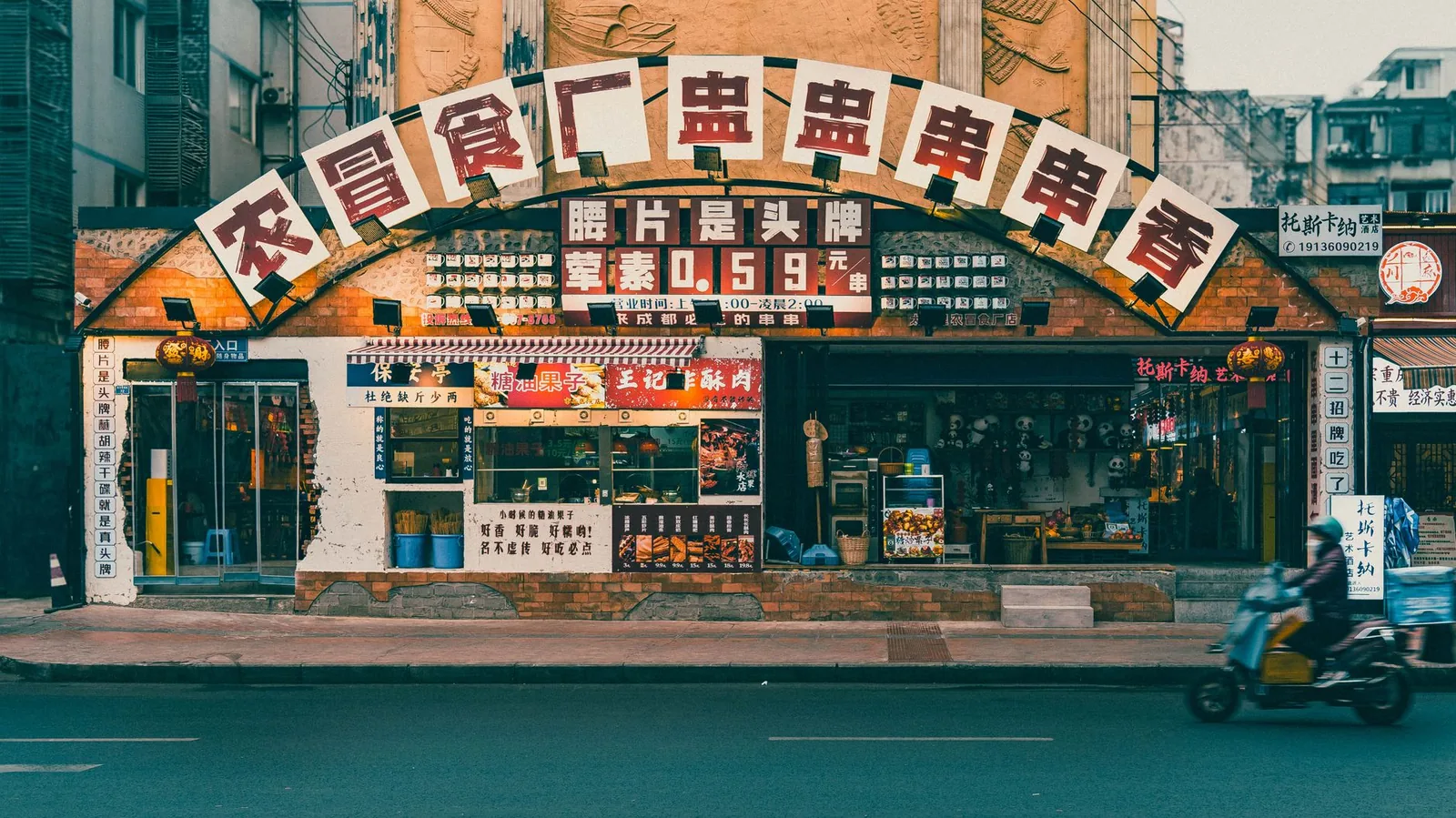
For a casual meal, try Sichuan skewers or chuanchuan, where ingredients are selected from a display and cooked in a spicy broth. Other snacks to look for include sweet-water noodles, dumplings in chili oil, cold noodles, rice cakes and other small dishes. Menus, ingredients and spice levels vary between vendors.
Tea is central to Chengdu’s social life. In parks and neighborhood teahouses, tea may come with snacks, mahjong or local performances. Ask about prices and any table minimum before ordering, particularly in popular tourist areas.
Weather and the Best Time to Go
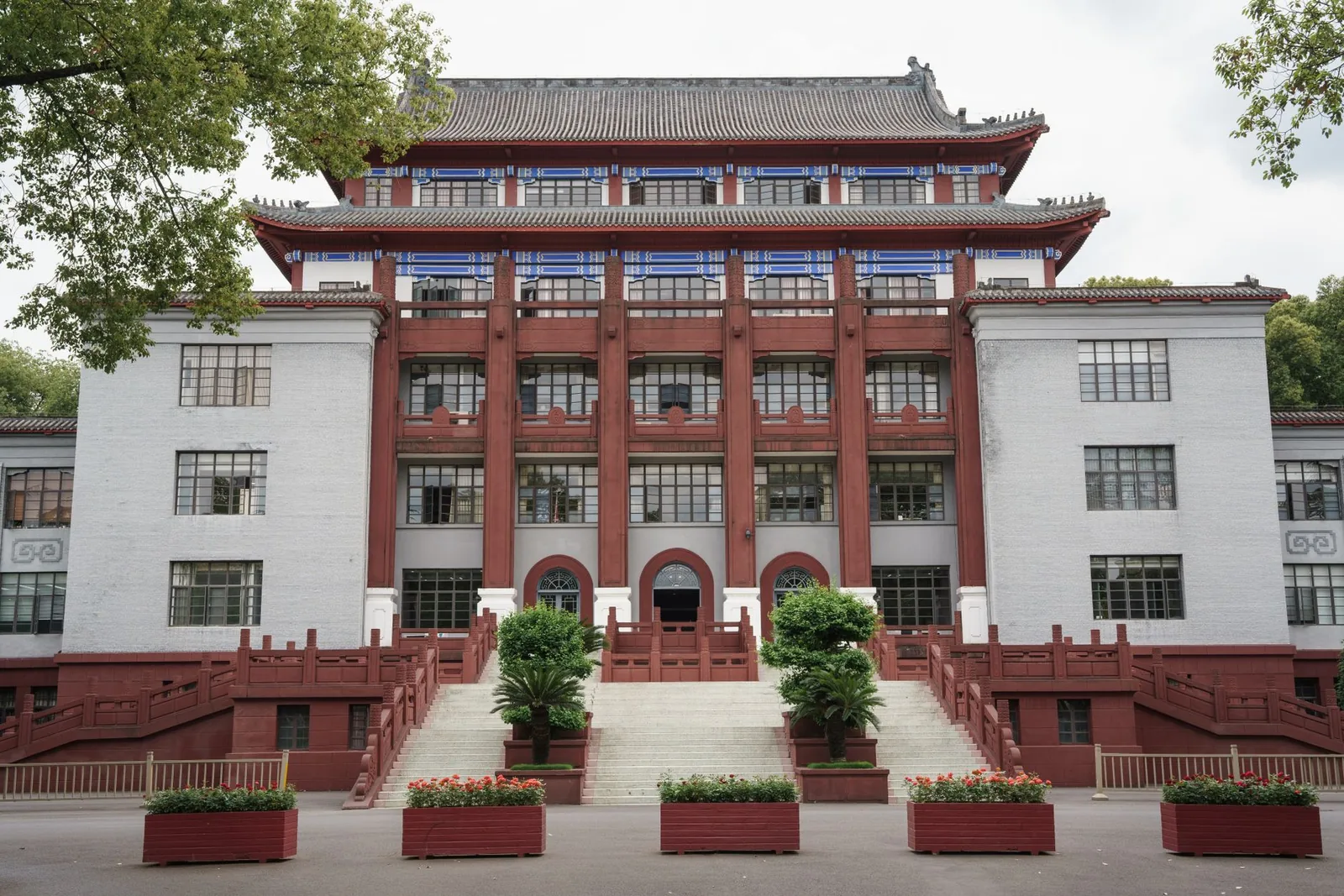
Spring and autumn are generally the best-balanced seasons for Chengdu. Conditions are usually more comfortable for walking, visiting the Panda Base and taking excursions beyond the city.
Spring
March to May brings a transition from cool to warm weather. March and April are often especially pleasant for sightseeing, gardens and outdoor attractions, although rainfall increases toward late spring. Pack layers and a light rain jacket. Crowd levels depend on holiday dates and local events.
Summer
June to August is hot, humid and rainy. July and August are the wettest months in official climate data, with around 16 to 17 rain days per month in the cited climate records. Heavy showers can disrupt outdoor plans, so keep museums, temples and food-focused activities available as alternatives.
Visit the Panda Base early in summer. Heat can affect outdoor animal activity, and the park involves considerable walking. Comfortable shoes, water and rain protection are useful.
Autumn
September to November is usually favorable for city sightseeing and regional excursions. September can remain wet, while October and November are generally cooler and drier. Do not assume early October will be quiet: October 1 to 7 is a major national travel period, with heavy demand for transport and attractions.
Winter
December to February is cool, cloudy and damp rather than reliably snowy in central Chengdu. January’s official mean daily minimum and maximum temperatures are approximately 2.4°C and 9.5°C. Winter can be a quieter time for museums, food and teahouses, but mountain trips may be colder and more changeable.
Chinese New Year can bring major crowds, altered opening arrangements and transport demand. Check the dates for the year of travel before booking.
Transport in Chengdu
Chengdu is straightforward to navigate by metro, taxi and ride-hailing, but it is a large city. Attractions in different districts are not necessarily close, even when they appear near one another on a broad city map.
The Chengdu Metro is the most predictable option for many cross-city journeys. Airport access includes Line 10 at Shuangliu Airport and Line 18 connections between Chengdu South Railway Station and Tianfu International Airport. Routes, first and last trains and airport services can change, so check current station information before departure.
Walking works well within clusters such as People’s Park and Tianfu Square, Wenshu, Kuanzhai Alley and some temple districts. It is less practical for moving between attractions in separate parts of the city.
Licensed taxis and ride-hailing are useful for early starts, luggage and attractions with awkward last-mile connections. Keep the Chinese name and address of your hotel or destination available. Foreign visitors may be able to use Alipay or WeChat Pay with eligible international cards, but verification and card compatibility vary.
Self-driving is usually unnecessary. Traffic, parking, navigation and Chinese driving-license requirements can make a rental car more trouble than it is worth. For regional excursions, consider high-speed rail, an organized tour or a licensed private transfer.
Arriving by air
Chengdu has two airports, so check the code carefully when booking. Chengdu Tianfu International Airport uses the code TFU and is the newer principal international gateway. Chengdu Shuangliu International Airport uses CTU and is closer to the urban core for some flights.
Tianfu Airport is substantially farther from central Chengdu than Shuangliu. Metro Line 18 provides a connection between Chengdu South Railway Station and Tianfu Airport, with an express journey described by the rail operator as taking about 33 minutes, although current services and timings should be verified. A pre-booked transfer can be useful for late arrivals, heavy luggage or travelers who are not yet comfortable using Chinese ride-hailing apps.
Which Chengdu experience would you most want to build your trip around?
Easy Day Trips from Chengdu

Dujiangyan and Mount Qingcheng
These two destinations can often be combined because they are geographically close, although the day may be long. Dujiangyan is an ancient irrigation system begun around 256 BC and recognized for its engineering and cultural value. Mount Qingcheng is a major Taoist mountain with temples, forested paths and a UNESCO-listed cultural landscape.
Check current rail or tour transport, attraction reservations, mountain shuttles and cable-car arrangements before setting out. Do not assume that both sites can be covered casually in a few hours.
Sanxingdui Museum
In Guanghan, Sanxingdui Museum presents the distinctive bronze masks, jade and ritual objects of ancient Shu civilization. It is separate from Chengdu’s Jinsha Site Museum and makes a strong archaeology-focused excursion.
Timed entry, identification requirements and transport arrangements can change, so confirm the current details before travel.
Leshan Giant Buddha
The Leshan Giant Buddha is a monumental Buddhist statue carved into a riverside cliff and one of Sichuan’s most important heritage sights. A day trip is possible, but it requires an early start and careful transport planning. A guided tour or private transfer can simplify the logistics for first-time visitors.
Mount Emei
Mount Emei combines Buddhist temples, forested paths and highland scenery. It is more ambitious than a straightforward city excursion. If you want to hike or visit higher sections, consider staying overnight rather than trying to compress the mountain into a rushed day.
Huanglongxi Ancient Town
Huanglongxi offers old streets, temples and a slower water-town atmosphere south of Chengdu. It is a gentler choice for travelers who want traditional-style scenery without committing to a full mountain excursion. Verify current transport and crowd conditions.
Wolong and nearby reserves
Wolong and other Sichuan panda and mountain reserves appeal to travelers who want conservation contexts and mountain landscapes beyond the urban Panda Base. Travel times, road conditions, access rules and wildlife-viewing opportunities vary. Use current official reserve information or a reputable specialist operator.
Good to Know Before You Go
- Check whether your flight uses Tianfu International Airport, TFU, or Shuangliu International Airport, CTU.
- Reserve the Panda Base through its official channel and bring the same original identity document used for the booking.
- Visit the Panda Base early, particularly in warm weather. Seeing active pandas is never guaranteed.
- Carry your passport or other required original identification for real-name tickets, transport purchases and attraction entry.
- Set up Alipay or WeChat Pay before arrival and link an eligible international card, but keep some RMB cash as a backup.
- Save Chinese-language names and addresses for your hotel and key attractions.
- Bring comfortable shoes and rain protection. Many attractions have large outdoor grounds.
- Check official attraction accounts for holiday closures, timed entry, quotas and temporary notices.
- Avoid trying to combine too many distant day trips. Dujiangyan and Mount Qingcheng can be paired geographically; Sanxingdui, Leshan and Mount Emei need separate planning.
- Treat Kuanzhai Alley and Jinli as tourist-oriented historic districts, not untouched old neighborhoods.
- If relying on visa-free transit rules, verify your nationality, route, onward ticket, permitted stay area and current eligibility with China’s National Immigration Administration or the relevant consulate. Transit rules are not the same as universal visa-free tourist entry.
Common Questions About Chengdu
How many days do you need in Chengdu?
Allow three to four full days for the main city sights, the Panda Base, museums, temples, food and neighborhood exploration. Add extra days for Dujiangyan and Mount Qingcheng, Sanxingdui, Leshan or Mount Emei.
What is the best time to visit Chengdu?
Spring and autumn are usually the most comfortable seasons overall. July and August are the wettest months in official climate data. Winter is cooler, cloudy and damp but can be quieter for museums, food and teahouses.
What is Chengdu’s main airport?
Chengdu Tianfu International Airport, code TFU, is the newer principal international gateway. Chengdu Shuangliu International Airport, code CTU, also serves the city and is closer to central Chengdu for some flights. Always check the airport code on your ticket.
Do you need to book the Chengdu Panda Base in advance?
Most visitors do. Official guidance requires online real-name reservations for ordinary visitors and the original identity document used for the booking at entry. Certain age and height-based exemptions may apply, subject to document verification and current rules.
Is Chengdu suitable for a first trip to China?
Yes. Chengdu is especially appealing for travelers interested in food, pandas, museums and a more relaxed urban pace. It is still a large Chinese city, so translation tools, digital payments, real-name ticketing and advance transport planning are useful.
Can you visit Dujiangyan and Mount Qingcheng in one day?
They are geographically close and are commonly combined, but the day can be long. Independent travelers should check current rail or tour transport, attraction hours, ticket reservations and any cable-car or shuttle arrangements.
Is Chengdu too spicy for visitors who cannot eat chili?
Many classic dishes use chili and Sichuan pepper, but restaurants commonly offer less-spicy, non-spicy or clear-broth options. Learn or save the phrases for not spicy and less spicy, and ask whether sauces are served separately.
Can foreigners use Alipay or WeChat Pay in Chengdu?
Official Chinese guidance says overseas visitors can link eligible international cards, including Visa and Mastercard, to Alipay and WeChat Pay. Verification, card compatibility and merchant acceptance can vary, so retain cash and a physical card as backups.
Planning Your Chengdu Trip
Chengdu rewards travelers who leave room for both its headline attractions and its everyday rituals. See the pandas, eat widely and explore the major museums, but also make time for a park teahouse, a neighborhood meal and an unhurried walk through one of the city’s cultural districts.
Three or four full days provide a satisfying introduction. Extend the trip if you want to add ancient Shu archaeology, Taoist mountains, the Dujiangyan irrigation system or Leshan’s Giant Buddha. With sensible reservations and a little planning around distance, weather and public holidays, Chengdu is one of the easiest and most enjoyable bases for discovering Sichuan.
Inspired? Start planning your trip.
Move from inspiration to planning with BookingTabs — explore hotels, tours and travel options in one place.






Join the conversation
Ask a question, share a travel tip, or help another traveler plan with confidence.
Leave a comment
No account or email required.