
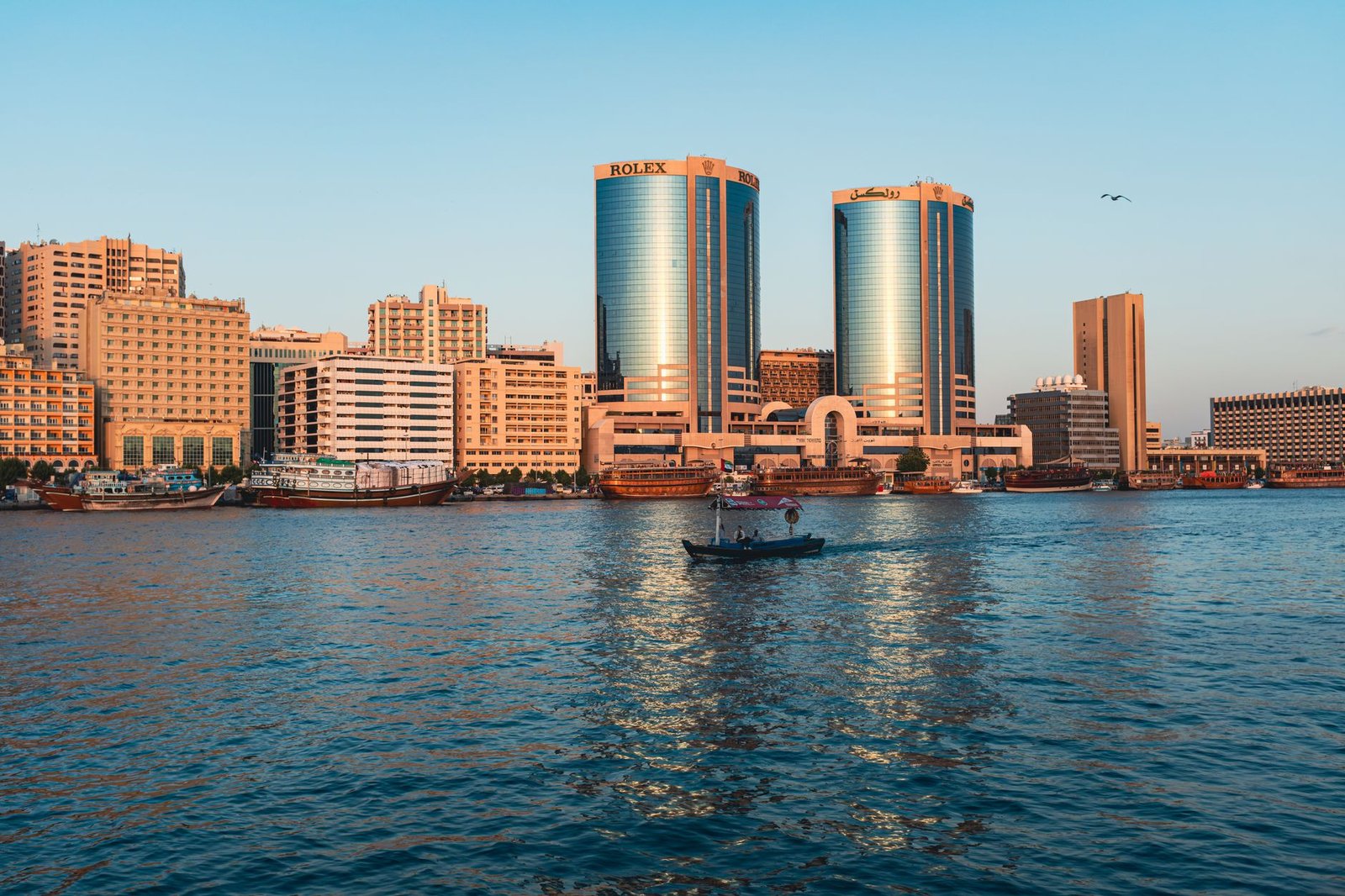
Best Things to Do in Deira and Al Ras
Deira and Al Ras are the places to visit in Dubai when you want more than skyline views and modern shopping malls. This historic part of the city brings together trading streets, jewellery shops, spice merchants, perfume specialists, traditional dhows and the steady movement of boats across Dubai Creek.
Al Ras is a locality within the older creekside part of Deira, rather than a separate town. It contains the most concentrated cluster of traditional markets, including the Gold Souk, Spice Souk and Perfume Souk. The wider Deira district adds restaurants, hotels, museums, shopping streets, metro connections and a more contemporary commercial atmosphere.
You can see the core sights in one full day, particularly if you arrive by metro and walk between the souks and creek. Allow two days if you want to explore more slowly, visit museums, eat your way through the district, see the Waterfront Market and cross to Bur Dubai or Al Fahidi Historical Neighbourhood.
A Practical One-Day Itinerary
Start at Al Ras Metro Station and walk toward the Spice Souk. Browse the food products, then continue through the traditional market streets toward the Perfume Souk and Gold Souk. If you are buying anything, allow more time for comparisons and questions than you would for a normal shopping visit.
Continue to Dubai Creek and spend time beside the water. From there, take a traditional abra to Bur Dubai if the service is operating and you would like to extend the day into Al Fahidi Historical Neighbourhood and the Textile Souk.
Return to Deira for a late lunch or early dinner, choosing from the district’s South Asian, Persian, Emirati, Arabic and seafood restaurants. If you have time and energy, finish with a taxi or public transport journey to Deira Clocktower, or visit a museum whose opening status you have confirmed.
For a slower two-day plan, use the second day for Bait Al Banat Women’s Museum, Deira Waterfront Market, a food-focused experience and the wider Naif or Al Rigga districts.
What Makes Deira and Al Ras Special
Deira is one of Dubai’s oldest commercial and trading districts. Its character comes from the relationship between land and water: market streets extend inland from Dubai Creek, while dhows and abras continue to move along the waterfront.
The area feels different from Dubai’s newer districts. Shops are often small and specialised, streets can be crowded, and the most rewarding experiences involve browsing rather than ticking off formal attractions. You may come to look at gold and leave with dates, perfume oil, tea or spices instead.
Deira and Al Ras are particularly good for:
- Experiencing Old Dubai without leaving the city
- Visiting the Gold, Spice and Perfume Souks
- Watching abra traffic and traditional cargo dhows on Dubai Creek
- Trying South Asian, Persian, Emirati, Arabic and seafood dishes
- Combining shopping with heritage and cultural attractions
- Staying somewhere with useful metro access and a relatively convenient connection to Dubai International Airport
- Finding free or low-cost sightseeing alongside paid tours and museum visits
The area also works well for a short Dubai stopover. The main Al Ras sights are compact enough to visit between flights, provided you allow enough time for airport procedures and traffic.
Best Time to Visit Deira and Al Ras
The most comfortable period for walking and outdoor sightseeing is generally October through March. Winter, from December to February, is particularly suitable for creekside walks, market browsing and heritage visits, although evenings can be busy.
March to May becomes progressively warmer. Early spring can still work well for outdoor exploration, but schedule longer walks in the morning or evening. October and November bring improving conditions and are increasingly popular with visitors.
June to September is very hot and humid. Outdoor walking in the middle of the day can be uncomfortable, so focus on shorter visits, covered markets, museums and restaurants. Plan creekside time after sunset where practical.
Market activity, museum hours and transport schedules may change during Ramadan, Eid, public holidays and religious occasions. Check current details before travelling, especially if your itinerary depends on a museum, abra crossing or particular market opening time.
Getting Around Deira and Al Ras
The Al Ras souks, creek stations and several heritage sights are easiest to explore on foot. The walking core is compact, but pavements, crossings, shade and crowd levels vary. Wear comfortable shoes and allow extra time when crossing busy roads.
Dubai Metro’s Green Line serves Al Ras and Gold Souq stations. The Red Line connects with Deira City Centre and Union, making the district accessible from other parts of Dubai and from Dubai International Airport. Buses, including services from Gold Souk Bus Station, cover the wider area.
Use the RTA journey planner or S’hail app for current routes, timetables and service changes. Do not rely on an old printed map, particularly during construction, major events or public holidays.
Taxis are widely available and official airport taxis operate around the clock. Ride-hailing services are also available in Dubai, but traffic around Deira can cause delays during busy periods. Driving is possible but rarely the easiest choice for the historic souks because of congestion, narrow streets and limited parking. If you arrive by car, consider parking farther away and continuing by metro or taxi.
Dubai International Airport is the practical airport for Deira and Al Ras. The Red Line serves Terminals 1 and 3, although a taxi is often more convenient with substantial luggage or accommodation that is not close to a station. Airport taxi fares and access arrangements can change, so check current airport information before arrival.
Where to Stay in Deira and Al Ras
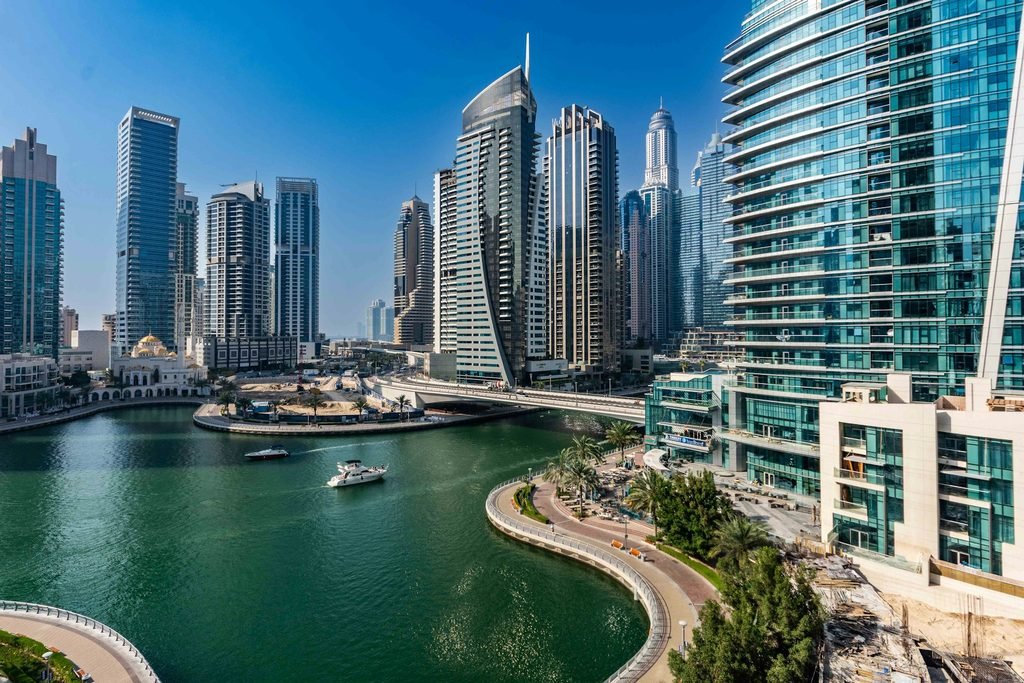
Looking for a place to stay? Compare hotels for Deira and Al Ras on BookingTabs.
Al Ras is the best choice if you want to step out close to the historic souks and creek. Accommodation here puts you near the Gold Souk, Spice Souk, Perfume Souk and traditional waterfront, although the streets are busy and the atmosphere is more commercial than resort-like.
Central Deira is a practical all-round base. It offers a wider selection of hotels and restaurants, access to Baniyas Road and the creek, and useful connections through the metro and bus network. It is generally more convenient for combining Old Dubai with other parts of the city.
Naif and Al Sabkha suit travellers who prioritise market access, local restaurants and budget accommodation. These areas are dense and lively, with busy streets and less of a quiet neighbourhood feel.
Al Rigga is a more modern and energetic Deira base. It is particularly useful for dining, hotels and metro access, while the historic Al Ras sights are a short public transport or taxi journey away.
When choosing accommodation, check the walking distance to the nearest metro station rather than relying only on the district name. Deira is much larger than the compact Al Ras souk area, and two hotels described as being in Deira may offer very different access to the creek and markets.
Which Deira and Al Ras experience would you most want to build your day around?
Best Things to Do in Deira and Al Ras
Browse the Gold Souk
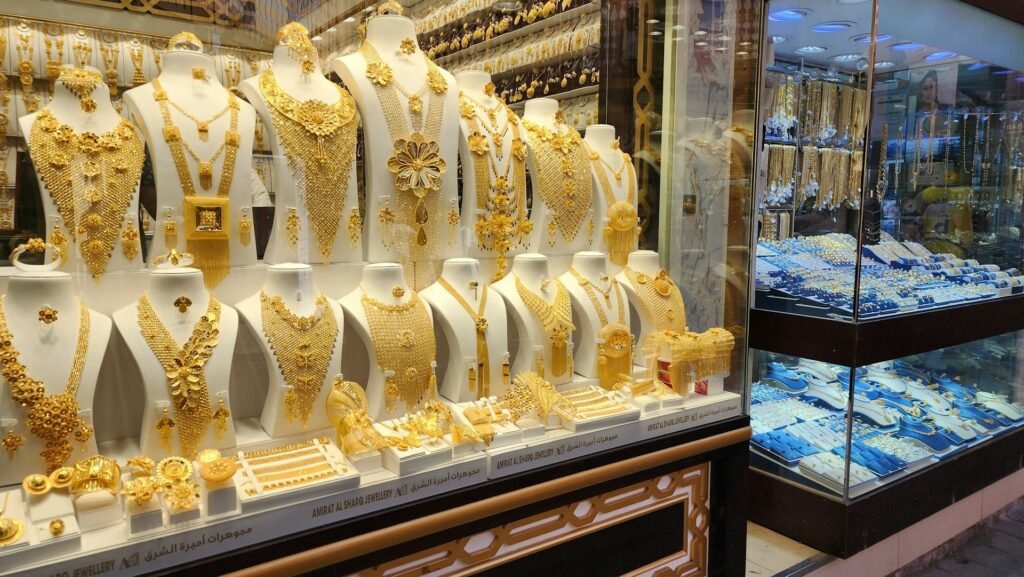
The Gold Souk is Deira’s most famous traditional market and one of the district’s defining sights. Jewellery shops line the market streets, displaying gold ornaments, gemstones and designs in different carats. Even if you have no intention of buying, the displays make the souk worth visiting.
If you are shopping, do not stop at the first shop. Compare several designs and ask clearly about purity, weight, making charges and the final price. Keep the receipt and confirm exactly what is included before paying. Individual shops have different stock and hours, so the market does not operate like one single store.
The Gold Souk is close to the wider Al Ras market area and can easily be combined with the Perfume Souk, Spice Souk and creekside. Gold Souq Metro Station is also useful for reaching this part of Deira.
Explore the Spice Souk
The Spice Souk is one of the most atmospheric places to visit in Al Ras. Shops display sacks and jars of spices, herbs, teas, dried fruit, nuts and other food products. The aromas are part of the experience, but take time to look at the products rather than rushing through for photographs.
Prices and pack sizes may be negotiable in independent shops, although bargaining is not compulsory. Ask about the weight, ingredients, packaging and best-before information before buying. If you are taking food products home, check the import rules for your destination as well as airline baggage requirements.
The souk is most enjoyable when paired with a walk toward Dubai Creek. The route is not a single formal attraction; it is a network of market streets, shopfronts and small commercial lanes where the atmosphere changes from one block to the next.
Find a fragrance at the Perfume Souk
Near the Gold and Spice Souks, specialist fragrance shops sell oud, attar, bakhoor, perfume oils and blends made to order. Some retailers can create a personalised fragrance, while others focus on established scents and traditional ingredients.
Before agreeing to a purchase, ask whether the product is oil-based, alcohol-based or blended to order. Confirm the bottle size and total price, particularly if a fragrance is being mixed while you wait. Comparing several shops is sensible, especially when you are unfamiliar with oud or concentrated perfume oils.
This is a good stop for visitors looking for a compact, distinctive souvenir. Pack liquids carefully and check the relevant baggage rules before flying.
Walk beside Dubai Creek
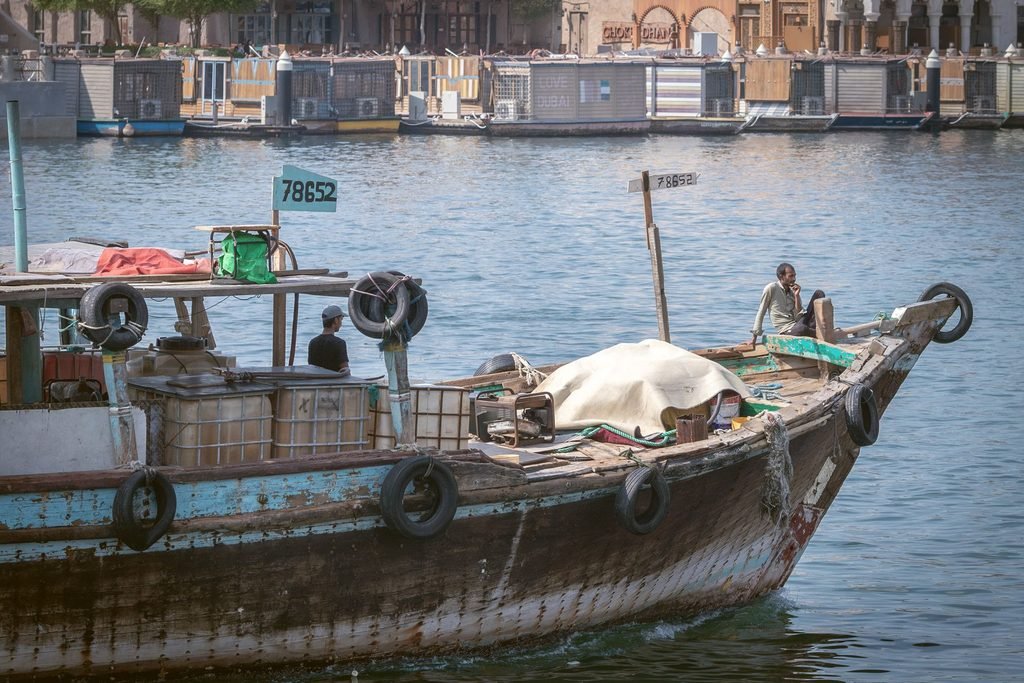
Dubai Creek is the landscape that gives Deira its identity. Historically, it was Dubai’s main trading and maritime link; today, the waterfront remains active with dhows, abras and commercial boat traffic.
A creekside walk is best approached as an unhurried part of your itinerary rather than a fixed-length promenade. Stop to watch goods being loaded, observe the movement of small boats and look across the water toward Bur Dubai. Late afternoon and evening are generally more comfortable for outdoor sightseeing, although weather, sunset timing and crowd levels vary.
Take care around roads, boat boarding areas and busy waterfront sections. Shade is not continuous, so bring water and sun protection, particularly outside the cooler months.
Cross the creek by traditional abra
A traditional abra crossing connects Deira with Bur Dubai and is one of the most memorable ways to experience Dubai Creek. It is also practical: you can use the boat to continue directly to the Textile Souk, Al Fahidi Historical Neighbourhood or Al Shindagha on the opposite bank.
Relevant stations include Deira Old Souq and Dubai Old Souq. Published fares and routes can change, and some marine transport stations may require cash, so check the current details with Dubai’s Roads and Transport Authority before travelling. A nol card can be used across much of Dubai’s public transport network, including marine transport, but payment arrangements may vary by station and service.
Arrive before departure, particularly if you are travelling at a busy time. The crossing is short, but the boat may be crowded and services can be affected by weather, safety or operational changes.
Visit Bait Al Banat Women’s Museum
Near the Gold Souk, Bait Al Banat Women’s Museum documents the lives, achievements and cultural contributions of Emirati women. Exhibits include material associated with the poet Ousha Bint Khalifa and offer a useful perspective that is different from the market-focused attractions nearby.
The museum is a worthwhile addition if you want to understand more about Emirati society rather than simply browse the souks. Visit Dubai has listed normal hours from 10:00 to 18:00 Saturday to Thursday, with closure on Friday, and an admission charge. These details can change with exhibitions, Ramadan, public holidays or other schedule changes, so verify them before visiting.
See Deira Clocktower
Deira Clocktower is a prominent urban landmark associated with the historic connection between Deira and Bur Dubai via Al Maktoum Bridge. Built in 1963, it provides a different view of the district from the intimate lanes around Al Ras.
This is primarily a photographic and streetscape stop rather than an indoor attraction. It is free to view from public areas and does not require a booking, but traffic around the landmark can be busy. It is best included when travelling through central Deira rather than treated as a destination requiring a long visit.
Explore Deira’s wider traditional markets
The Gold, Spice and Perfume Souks are only part of Deira’s commercial landscape. Around Grand Souk Deira and the surrounding streets, you will find textiles, household goods, carpets, utensils, herbs, gifts and everyday retail. These markets offer a broader picture of Deira’s continuing role as a trading district.
Allow time for detours. The market area is a network of streets and individual businesses, not one enclosed complex with uniform hours. If you are looking for a specific product, ask several shopkeepers and compare quality and price before buying.
Visit Deira Waterfront Market
Deira Waterfront Market provides a modern contrast with the compact historic souks. It focuses on fresh food, seafood, meat, fruit, vegetables and dining, making it useful for travellers interested in the everyday food economy of Dubai.
The market is farther from the main Al Ras souk cluster, so plan transport rather than assuming it forms part of a short walking circuit. Check current opening hours, facilities, parking and public transport access before setting out. A visit works particularly well for travellers who want to combine market browsing with a seafood meal.
Treat heritage museums as optional stops
Al Ahmadiya School is an important heritage site associated with Dubai’s early formal education. However, it is currently listed as closed for rehabilitation and should not be included as an open attraction unless Dubai Culture confirms access for your dates.
Naif Museum is listed as exploring the history of Dubai’s police force and justice system, but its current opening status and visitor arrangements require verification. Check directly before building an itinerary around either museum. This is especially important during Ramadan, public holidays and periods of restoration.
What to Eat and Drink
Deira is one of Dubai’s strongest areas for multicultural dining. South Asian restaurants, bakeries, grills and casual eateries are especially prominent, reflecting the district’s long-standing trading connections and diverse communities.
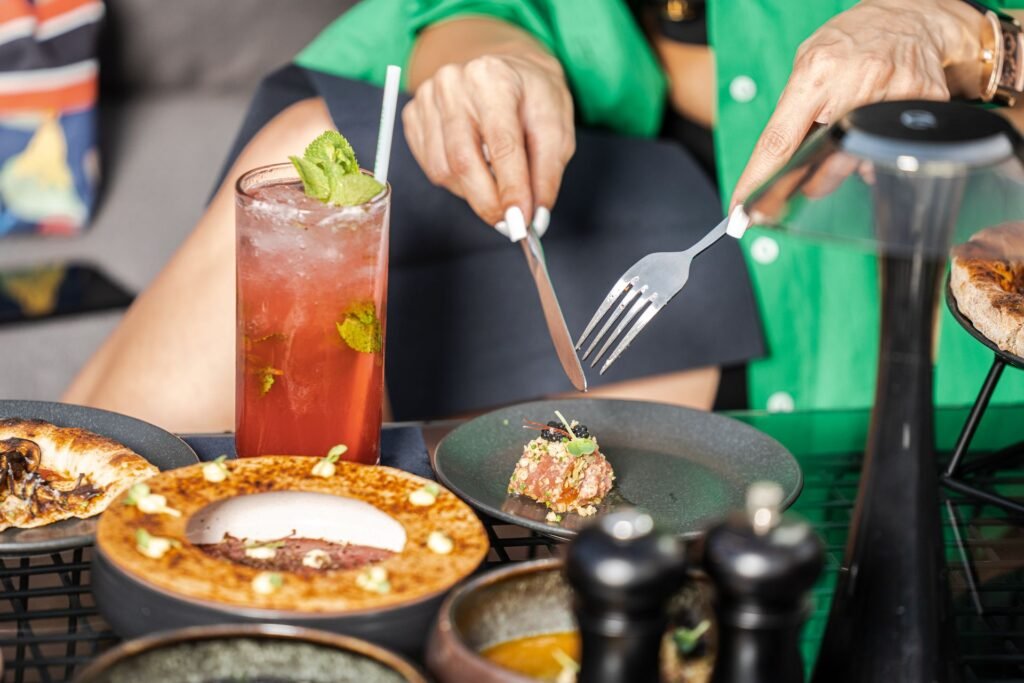
Persian and Iranian restaurants are another important part of the local food scene, with rice dishes, kebabs, stews, breads and seafood commonly available. For Emirati food, look for traditional restaurants and heritage dining venues serving dishes such as machboos, harees, thareed, grilled fish, dates and Arabic coffee.
The creekside and Deira Waterfront Market are useful areas for seafood. Around the souks, expect dates, nuts, dried fruit, sweets, karak tea, Arabic coffee, juices and small savoury snacks. Prices and menus vary, so confirm the cost before ordering from informal or highly tourist-oriented vendors.
A guided food tour can be useful if you want to sample several cuisines without spending time researching individual restaurants. Restaurant names, menus, prices, reservation requirements and alcohol policies change frequently, so check current details before making specific plans.
Places to Visit Beyond Deira and Al Ras
Bur Dubai and Al Fahidi Historical Neighbourhood
This is the most natural extension of a Deira visit. Cross Dubai Creek by abra and continue through Al Fahidi’s preserved lanes, wind towers, galleries, cafés, museums and Textile Souk. The two areas work well together as a full day of Old Dubai sightseeing.
Al Shindagha Historical District
Across the creek, Al Shindagha adds museums and restored historic buildings to the heritage itinerary. It can be combined with Al Fahidi and an abra crossing, but check individual museum hours before setting out.
Sharjah heritage area
Sharjah is a practical cultural excursion for travellers interested in traditional architecture, museums and Gulf heritage. Allow for road traffic and verify transport, attraction hours and entry arrangements before departure.
Hatta
Hatta offers a major contrast with Deira’s dense creekside streets, including mountain scenery, dam views, outdoor activities and heritage experiences. It is a longer excursion rather than a spontaneous half-day trip, so arrange transport and check seasonal activity availability.
Dubai desert experience
A desert tour provides another strong contrast with the historic waterfront. Depending on the operator, experiences may include dune scenery, cultural demonstrations and evening dining. Pickup times, inclusions and conservation requirements vary, so compare the itinerary carefully before booking.
Good to Know Before You Go
- Use Al Ras or Gold Souq Metro Station for the historic souk area.
- Carry some cash because certain marine transport stations may require it.
- For gold, confirm purity, weight, making charges and the total price before paying.
- Compare shops before buying spices, perfumes, jewellery or souvenirs.
- Check packaging, quantities and import rules for food products.
- Wear light, breathable clothing, while dressing respectfully in markets, heritage venues and religious settings.
- Bring water, sun protection and comfortable shoes.
- Use official taxi ranks and licensed ride-hailing applications.
- Keep valuables secure in crowded souks and on public transport.
- Check schedules during Ramadan, Eid and public holidays.
- Verify museum opening status, attraction fees and abra fares before travelling.
- Do not assume all of Deira is walkable in one short circuit; the Al Ras souks and wider Deira are distinct areas.
- Remember that Bur Dubai and Al Fahidi are across the creek, not within Deira and Al Ras.
Common Questions About Deira and Al Ras
Are Deira and Al Ras the same place?
No. Deira is a larger historic and commercial district on the eastern side of Dubai Creek. Al Ras is a locality within the older creekside part of Deira and contains many of the best-known traditional souks.
What is Deira and Al Ras famous for?
The area is best known for the Gold Souk, Spice Souk, Perfume Souk, Dubai Creek, traditional abras, dhow activity, multicultural food and Old Dubai heritage.
How long do I need in Deira and Al Ras?
A focused visit needs about one full day. Two days are better if you want to include museums, the Waterfront Market, a food experience, Deira’s wider shopping districts and a crossing to Bur Dubai or Al Fahidi.
Which metro station is best for the souks?
Al Ras is convenient for the Spice Souk and nearby historic markets, while Gold Souq is useful for the Gold Souk and northern Deira attractions. Check the RTA journey planner for current walking routes and station exits.
Can I cross Dubai Creek by abra?
Yes. Traditional abras connect Deira and Bur Dubai. Published fares and operating details can change, and some stations may require cash, so verify the current information before travelling.
Is Deira suitable for families?
Yes, particularly for families interested in markets, food, creek boats and cultural attractions. Crowded lanes, traffic, heat and limited stroller-friendly space around some souks can make the experience demanding for young children.
Is Al Ahmadiya School open to visitors?
It is currently listed as closed for rehabilitation. Treat access as unavailable unless Dubai Culture confirms that it has reopened.
Is Deira close to Dubai International Airport?
Yes. Deira is one of the more convenient Dubai districts for DXB, especially by taxi or the Red Line from Terminals 1 and 3. Actual transfer time varies with terminal, accommodation location, traffic and metro operating hours.
Planning Your Deira and Al Ras Trip
Deira and Al Ras show a side of Dubai built around commerce, water and everyday movement rather than monumental architecture. Spend time in the souks, follow the streets toward Dubai Creek, cross by abra and leave room for an unplanned meal or shop visit.
The area rewards curiosity. It is compact in places but not uniform, and the best itinerary combines the concentrated Al Ras markets with the wider restaurants, museums, transport links and waterfront districts of Deira. For first-time visitors, one day is enough to understand the essentials; two days allow the neighbourhood’s layers to emerge at a more comfortable pace.
Inspired? Start planning your trip.
Move from inspiration to planning with BookingTabs — explore hotels, tours and travel options in one place.

Join the conversation
Ask a question, share a travel tip, or help another traveler plan with confidence.
Leave a comment
No account or email required.