
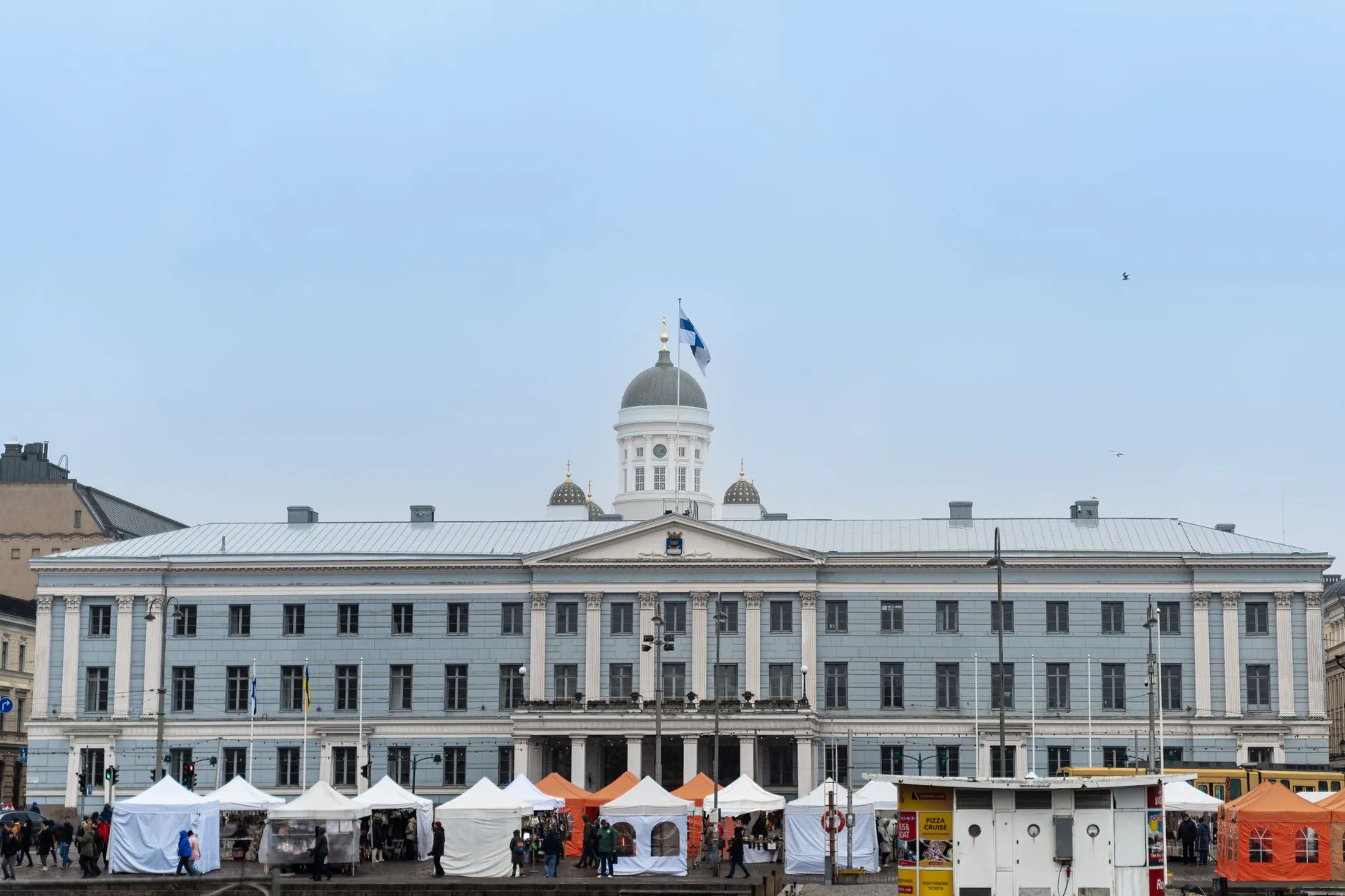
Helsinki Travel Guide
Helsinki is a compact seaside capital with an unusually broad range of experiences. In a single day, you can walk from neoclassical Senate Square to a contemporary art museum, eat salmon soup in a market hall, take a ferry to a UNESCO-listed fortress and finish with a sauna beside the Baltic Sea. Beyond the centre, trams, trains, ferries and buses connect the city with leafy districts, nearby islands and nature areas.
Three full days is a useful length for a first visit. Two days covers the main central sights, but four or five days gives you time for a slower museum schedule and a day trip to Porvoo or Nuuksio National Park. Helsinki is also straightforward to visit without a car, making it a practical stopover or short break in Finland.
What Makes Helsinki Special
Helsinki combines the advantages of a manageable city with the character of a northern coastal destination. The centre is walkable, yet the landscape quickly opens into parks, rocky shorelines, forests and islands. The result is a city break that feels urban without being dense or overwhelming.
Architecture and design are central to the experience. Senate Square provides a formal neoclassical introduction, while districts such as Punavuori and Katajanokka reveal Art Nouveau buildings, independent shops and cafés. At the same time, contemporary landmarks including Oodi Central Library and Amos Rex show how confidently Helsinki mixes historic and modern design.
The city is particularly rewarding for museum and culture-focused travelers. Ateneum presents important Finnish art, Amos Rex focuses on contemporary exhibitions, and churches such as Temppeliaukio add architectural interest beyond the conventional museum circuit.
Helsinki’s relationship with the sea is equally important. The harbour, Market Square, public saunas and ferries make the Baltic part of everyday city life. Suomenlinna is the defining excursion: a historic sea fortress spread across islands just offshore, reached by a short ferry ride from the centre.
Best Things to Do in Helsinki
Planning your activities? Compare tours and activities for Helsinki on BookingTabs.

Explore Senate Square and Helsinki Cathedral
Senate Square is the natural starting point for a first walk through Helsinki. Its neoclassical buildings create one of the city’s clearest architectural ensembles, with Helsinki Cathedral rising above the square on broad steps. The National Library and the historic streets of Kruununhaka are nearby, and the harbour can be reached on foot.
The square is an outdoor public space and easy to visit at any time. The cathedral is an active place of worship, so opening times, services and any admission arrangements can vary. Check current details before planning an interior visit.
From Senate Square, take time to walk rather than moving immediately to the next attraction. The surrounding streets offer some of the best examples of central Helsinki’s restrained architecture and lead naturally toward Market Square and the waterfront.
See Uspenski Cathedral and the harbour districts
The red-brick Uspenski Cathedral stands on Katajanokka, close to the waterfront. Its golden domes and elevated position create a striking contrast with the pale neoclassical buildings around Senate Square. It is easy to combine with a harbour walk, Market Square and a ferry to Suomenlinna.
Katajanokka is also worth exploring for its Art Nouveau architecture and quieter waterfront atmosphere. The area lies near the ferry terminals, so it can be a useful part of an arrival or departure day, although luggage may make a longer walk less convenient.
Opening hours can change because of services and events. Treat the cathedral as both a landmark and a functioning religious building, and verify access before visiting.
Spend half a day at Suomenlinna
Suomenlinna is one of Helsinki’s essential experiences. The UNESCO World Heritage sea fortress stretches across several islands and combines defensive walls, tunnels, courtyards, museums, cafés and wide sea views. It feels distinctly different from the city centre while remaining remarkably accessible.
Passenger ferries depart from Market Square, and the crossing takes about 15 minutes. The HSL ferry operates year-round, although schedules and conditions should be checked for your dates. The fortress area has no general entrance fee, but you need a valid ferry ticket and museums charge separately.
Allow more time than the ferry crossing suggests. The main pier is only the beginning; walking routes continue across gravel and cobblestone paths toward fortifications, museums and King’s Gate. Comfortable shoes are important, particularly in wet or icy weather. Suomenlinna is car-free for normal visitors, and the site is best explored slowly rather than treated as a quick photo stop.
A summer water bus may also serve the islands, but it has separate ticket arrangements from the HSL ferry. Do not assume that every island service operates year-round.
Visit Ateneum for Finnish art
Ateneum, beside Helsinki Central Station, is the city’s key museum for Finnish art. Its collections cover Finnish painting and art from older periods through modernism, with changing exhibitions adding further depth.
The museum works well in a central sightseeing itinerary because it is close to the railway station, Oodi and the Kamppi area. It is also a useful choice when the weather turns wet or windy. Exhibition schedules, admission prices and opening hours change, so check the current information before your visit.
If you have limited time, Ateneum offers a strong introduction to Finnish visual culture. Travelers with more time can pair it with Amos Rex for a contrast between national art history and contemporary international exhibitions.
Experience Amos Rex and contemporary Helsinki
Amos Rex occupies a former cultural complex beneath Lasipalatsi Square. Its changing exhibitions are known for immersive presentation, while the outdoor plaza is recognizable for its rounded skylights and sculptural forms.
The museum is a good choice for visitors interested in contemporary art, architecture and unusual exhibition design. Because its programme changes frequently, check what is showing before you go. Opening days and hours are also subject to change, with the museum generally closed on Tuesdays according to its published schedule.
The surrounding Kamppi area is convenient for combining art, shopping, restaurants and transport connections in one part of the city.
See Temppeliaukio Church
Temppeliaukio Church is excavated into solid rock, making it one of Helsinki’s most distinctive architectural sights. The interior’s rough stone surfaces and carefully designed roof create a memorable atmosphere that differs from the city’s neoclassical churches.
It remains an active place of worship as well as a visitor attraction. Opening times, admission arrangements and concert schedules can vary, so check before arriving. The church can be combined with a walk through Töölö and a visit to the central cultural districts.
Visit Oodi Central Library
Oodi is more than a conventional library. The contemporary building near Parliament House and the central railway station contains public spaces, studios, meeting areas and facilities that reflect Finland’s emphasis on accessible design and civic life.
It is an especially useful stop on a rainy day or for families who want a break from formal sightseeing. The building also provides a different perspective on Helsinki: rather than presenting the city as a collection of monuments, Oodi shows how design is incorporated into everyday public life.
Opening hours and access to special facilities can vary. Check current details if you want to use anything beyond the public areas.
Walk through the Design District
The Design District extends through central areas including Punavuori and Kaartinkaupunki. Independent boutiques, galleries, cafés, restaurants and creative businesses make it one of the best parts of Helsinki for browsing rather than ticking off individual attractions.
Look for Finnish furniture, ceramics, textiles, glass and clothing, but leave room for the neighbourhood itself. The streets are pleasant to explore on foot, and the area is particularly well suited to a late morning followed by lunch or coffee.
Individual businesses set their own opening hours, with shorter or different schedules common on Sundays and public holidays. Use current business listings when planning a specific shopping route.
Visit Market Square and Old Market Hall
Market Square, beside the South Harbour, is one of the city’s most useful waterfront stops. Depending on the season and day, stalls offer fish, produce, snacks, coffee and other Finnish foods. It is also the departure point for the Suomenlinna ferry.
Old Market Hall provides a more sheltered way to sample local flavours. Look for seafood, salmon, rye-based foods, pastries and casual meals, although the selection and opening hours vary by vendor.
The harbour is a good place to pause between central sights. From here, you can walk toward Katajanokka, continue to Senate Square or board a ferry. In winter, wind and cold can be significant, so plan an indoor stop nearby.
See the Sibelius Monument and Sibelius Park
In Taka-Töölö, the Sibelius Monument commemorates Finnish composer Jean Sibelius. Its abstract form stands in a seaside park and is free to view outdoors.
The monument is best treated as part of a neighbourhood walk rather than an isolated stop. Combine it with Sibelius Park, nearby waterfront paths and the wider Töölö area. Weather has a major effect on the experience, particularly outside summer.
Try a seaside sauna
Sauna is an important part of Finnish culture, and Helsinki offers ways to experience it beside the sea. Venues such as Löyly and Allas Sea Pool combine sauna facilities with Baltic waterfront settings and, depending on the venue and conditions, swimming opportunities.
These are commercial venues, so reservations, prices, age rules, swimwear policies and operating hours can change. Check details directly before booking. A sauna session is particularly appealing after a day outdoors, but it can also be a useful indoor activity during the colder months.
Which Helsinki experience would you most want to build your trip around?
Best Time to Visit Helsinki

Helsinki is a year-round destination, but the city changes significantly with the seasons.
Summer
Summer is usually the easiest season for a first visit. Long daylight hours support walking, cycling, outdoor dining, island ferries and seaside activities. Terraces are livelier, and seasonal water-bus services make more of the archipelago accessible.
Midsummer can affect opening hours and the rhythm of the city, so check business and transport schedules if you travel around that period. Summer is also the busiest time for popular saunas, museums and day trips.
Spring
Spring brings longer daylight and the return of colour to parks, but conditions can change quickly. As the season progresses, outdoor terraces, cycling and island visits become more attractive. Waterproof footwear and layers remain useful, particularly early in the season.
Vappu and other spring cultural events can add energy to the city, but dates and programmes should be checked for the year of travel.
Autumn
Autumn suits travelers who prioritise museums, food, design and atmospheric waterfront walks. Visitor numbers may be lower than in peak summer, while the city’s cafés and cultural venues become more central to the experience.
Wind, rain and cool temperatures can arrive quickly. Pack waterproof outerwear and check seasonal ferry and attraction schedules.
Winter
Winter brings short daylight, cold conditions and possible snow or ice. The city’s best experiences shift indoors to museums, cafés, restaurants, libraries and saunas, although outdoor walks can be rewarding when conditions are clear.
Paths may be slippery and some island services or outdoor attractions close seasonally. The Suomenlinna ferry operates year-round, but always check current schedules and allow extra time for winter transfers.
What to Eat in Helsinki

Helsinki’s food scene ranges from traditional Finnish dishes to modern Nordic cooking, vegetarian restaurants, international food and craft beer bars.
Start with lohikeitto, a creamy salmon soup generally served with potatoes, vegetables and dill. Karjalanpiirakka, or Karelian pastry, combines a rye-based crust with rice filling and is often served with egg butter. Rye bread, cinnamon buns, cardamom pastries and other bakery foods are easy to find in cafés.
Old Market Hall and Market Square are convenient places to sample seafood, salmon, snacks and casual local foods. Selection varies by season and vendor, but they provide a useful introduction to Helsinki’s relationship with the sea.
Menus and market stalls also reflect seasonal berries, mushrooms, new potatoes, dill and wild herbs. Coffee and café culture are central to everyday life, so make time for a coffee and pulla rather than treating cafés as a backup option.
Restaurant prices, reservations and opening hours vary considerably. For a specific venue, check current details before travelling.
Best Day Trips from Helsinki

Porvoo
Porvoo is the easiest classic day trip from Helsinki. The second-oldest city in Finland is known for Old Porvoo’s wooden streets, red ochre riverside warehouses, cafés, galleries and boutiques. Buses from the Kamppi area generally take about an hour, depending on the service.
It is a good choice for travelers who want historic streets and a smaller-town atmosphere without changing hotels. Allow enough time to explore beyond the most photographed riverside views.
Nuuksio National Park
Nuuksio provides a nearby escape into Finnish forests and lake landscapes. It suits travelers who want marked outdoor routes and a taste of Finland’s nature without committing to a long intercity journey.
Check public transport connections, trail conditions, visitor services and seasonal facilities before setting out. Weather can make a substantial difference, especially in spring, autumn and winter.
Tallinn, Estonia
Tallinn is possible as an international day trip by ferry for travelers with a full day and a clear plan. Medieval architecture, museums and Baltic city culture provide a contrast with Helsinki.
Ferry schedules, terminal arrangements, passport requirements and prices change frequently. Check the return timetable carefully before booking, and remember that a day trip leaves little flexibility for delays.
Helsinki’s archipelago islands
Seasonal ferries and water buses connect Helsinki with islands such as Lonna, Pihlajasaari and Vallisaari. Depending on the island, you may find seaside walks, beaches, restaurants or nature areas.
Services vary substantially by season and weather. Confirm the route, ticket arrangement and return service before leaving the mainland.
Fiskars Village
Fiskars Village is associated with design, crafts, galleries, restaurants and a rural historic setting. It is better suited to travelers with additional time or a planned tour or car transfer. Check transport connections and business opening hours before arranging the visit.
Best Areas to Stay in Helsinki

Helsinki is compact enough that several central districts work well for first-time visitors. Choose according to the atmosphere and activities you prefer rather than focusing only on distance from one landmark.
Kruununhaka and Senate Square
This is the best area for historic architecture and direct access to Helsinki Cathedral, the National Library, Senate Square and the harbour. It has a quieter, more formal atmosphere than Kallio or Punavuori and works well for travelers who want to walk to major sights.
Katajanokka
Katajanokka offers waterfront views, Art Nouveau architecture and proximity to Uspenski Cathedral and ferry terminals. It is convenient for Suomenlinna and harbour walks, although the area is less central for some nightlife and shopping.
Market Square and the South Harbour
Staying near the harbour puts you close to Old Market Hall, Market Square, ferries and the historic centre. It is a strong choice for visitors who want easy access to Suomenlinna and the waterfront, but seasonal market activity and ferry traffic can affect the atmosphere.
Kamppi and Töölönlahti
Kamppi is one of the most practical central bases, with shopping, restaurants, museums and transport connections nearby. The area leads toward Oodi, Finlandia Hall, Töölönlahti and the railway station, making it particularly useful for short stays and day trips.
Punavuori and the Design District
Choose Punavuori for independent shops, galleries, cafés, restaurants and a more creative urban atmosphere. It is well suited to travelers who want design and food close at hand, with the historic centre still reachable on foot.
Kallio
Kallio has a lively, more local-feeling character, with cafés, bars, casual restaurants and street life. It is a good fit for travelers who prefer an informal neighbourhood and do not mind being slightly farther from the main historic sights.
Taka-Töölö, Kaivopuisto and Ullanlinna
Taka-Töölö is convenient for Sibelius Park, cultural venues and Hietaniemi. Kaivopuisto and Ullanlinna offer parks, waterfront promenades, cafés and elegant residential streets. These areas are attractive for a quieter stay while remaining connected to the centre.
Getting Around Helsinki
Helsinki is easy to explore without a car. The central districts are walkable, and HSL operates trams, metro services, buses, commuter trains and ferries across the metropolitan area.
Use the HSL Journey Planner for routes and current ticket information. Helsinki-area tickets are based on zones, and your ticket must cover every zone crossed. Ticket products, fares and payment rules can change, so check current details rather than relying on an old guide. Tickets can be bought through the HSL app, ticket machines and approved sales channels; contactless payment is also supported for eligible tickets.
Walking is often the best way to connect Senate Square, Market Square, the cathedral, Old Market Hall, Ateneum and Oodi. Allow extra time for cobblestones, hills, winter ice and uneven paths on Suomenlinna.
From Helsinki Airport to the city centre
Helsinki Airport is in Vantaa, around 20 kilometres from central Helsinki. P and I commuter trains connect the airport with the city centre in approximately 30 minutes, and the station is directly beneath the terminal. HSL trunk bus 600 takes approximately 40 minutes. Taxis are available around the clock from the arrivals level.
Fares, timetables, ticket products and taxi arrangements can change, so check current information before travelling. A car is usually unnecessary for a central Helsinki stay and may be inconvenient because of parking and traffic restrictions. Consider renting one only for remote nature areas or a wider Finland itinerary.
Good to Know Before You Go
- Use the HSL Journey Planner and confirm that your ticket covers every zone on your route.
- Buy ferry or water-bus tickets through the correct system. The HSL ferry to Suomenlinna and separate water-bus services do not necessarily use the same tickets.
- Allow several hours for Suomenlinna rather than planning it as a short stop.
- Pack layers and waterproof footwear. Harbour winds and sudden weather changes can affect comfort even outside winter.
- Check museum opening hours, exhibition schedules and holiday closures before visiting.
- Reserve popular sauna sessions, guided tours and some restaurants ahead of time, particularly during summer weekends.
- Do not assume that all island ferries, market stalls or outdoor attractions operate in winter.
- A car is usually unnecessary in central Helsinki. Public transport and walking are more practical for most city itineraries.
- In winter, allow extra time for slippery paths, snow and reduced daylight.
- Helsinki Tourist Information provides current visitor advice, maps and assistance online and from its central office.
Frequently Asked Questions
How many days do you need in Helsinki?
Three full days is a practical first-visit length. Two days covers the historic centre and either a major museum or Suomenlinna. Four or more days allows a day trip and a slower pace.
Is Helsinki easy to explore without a car?
Yes. Central Helsinki is walkable, while trams, buses, the metro, commuter trains and ferries cover the wider metropolitan area. A car is mainly useful for remote nature destinations or a longer Finland road trip.
How do you get from Helsinki Airport to the city centre?
P and I commuter trains connect Helsinki Airport with central Helsinki in approximately 30 minutes. The station is directly beneath the terminal. HSL trunk bus 600 takes approximately 40 minutes, and taxis are available around the clock.
How do you get to Suomenlinna?
Take the HSL passenger ferry from Market Square. The crossing takes about 15 minutes and operates year-round. You need a valid ferry ticket, but there is no general entrance fee for the fortress area.
Is Suomenlinna free to visit?
There is no general entrance fee for the fortress itself. Visitors pay for transportation, and most museums charge separate admission. Individual buildings and services may have their own rules.
What is Helsinki known for?
Helsinki is known for Finnish design and architecture, seaside and island landscapes, museums, markets, cafés, public transport and sauna culture.
What are the best day trips from Helsinki?
Porvoo is the most straightforward historic-town excursion, while Nuuksio National Park offers nearby forests and lakes. Tallinn is possible by ferry if you are prepared to check international travel requirements and schedules.
What should you eat in Helsinki?
Look for salmon soup, Karelian pastries, rye bread, cinnamon buns, seasonal berries and mushrooms, fish dishes and modern Nordic cooking. Old Market Hall is a convenient starting point for traditional and casual foods.
Before You Go
Helsinki rewards travelers who leave room for both landmarks and ordinary city life. Walk between the cathedral and the harbour, spend time in a museum, pause in a café and take the ferry to Suomenlinna without rushing the return. Add a sauna or a nearby nature trip, and the city becomes more than a checklist of sights.
With three full days, you can experience Helsinki’s architecture, food, museums, islands and public spaces at a comfortable pace. Its compact centre, reliable public transport and easy access to the Baltic make it one of Europe’s most practical short city breaks.
Inspired? Start planning your trip.
Move from inspiration to planning with BookingTabs — explore hotels, tours and travel options in one place.


Join the conversation
Ask a question, share a travel tip, or help another traveler plan with confidence.
Leave a comment
No account or email required.