
Barcelona Travel Guide
Barcelona is one of Europe’s most rewarding city breaks: a Mediterranean city where Roman foundations, medieval lanes, Catalan Modernisme, art museums, beaches and lively food markets fit into a relatively compact urban area. Its headline attractions are undeniably popular, but the city becomes more interesting when you move beyond a checklist of Gaudí landmarks and explore its neighborhoods, waterfront and hilltop viewpoints.
Allow at least three full days for the main sights. Four or five days gives you time for Montjuïc, additional museums, slower meals and a day trip beyond the city. This Barcelona travel guide covers what to see, where to stay, how to get around, what to eat and how to make the most of your time in Catalonia’s capital.
Why Barcelona Is Worth Visiting
Barcelona is best suited to travelers who want variety without spending hours moving between completely separate destinations. You can begin the day among Roman remains in the Gothic Quarter, admire Modernista façades in the Eixample, spend an afternoon in an art museum and finish with a beach walk or vermouth in a neighborhood bar.
The city is especially strong for architecture. Antoni Gaudí’s Sagrada Família, Park Güell, Casa Batlló and Casa Milà-La Pedrera are its most famous works, while the Palau de la Música Catalana and Hospital de Sant Pau reveal the wider achievement of Catalan Modernisme. Several of these sites form part of UNESCO World Heritage properties.
Barcelona also works well for art and history travelers. The Picasso Museum, Museu Nacional d’Art de Catalunya and the museums around Montjuïc cover very different periods and styles. In the old city, the Gothic Quarter and El Born offer Roman traces, medieval churches, historic squares and a dense network of streets that is best explored on foot.
The Mediterranean is another major part of the city’s appeal. Barceloneta, Port Vell and the Olympic waterfront provide promenades, harbor views and urban beaches, although conditions and facilities vary by season. Add Catalan cuisine, nearby wine country and easy excursions to places such as Montserrat or Girona, and Barcelona becomes more than a short-break destination.
What to See and Do in Barcelona
Planning your activities? Compare tours and activities for Barcelona on BookingTabs.
See the Sagrada Família
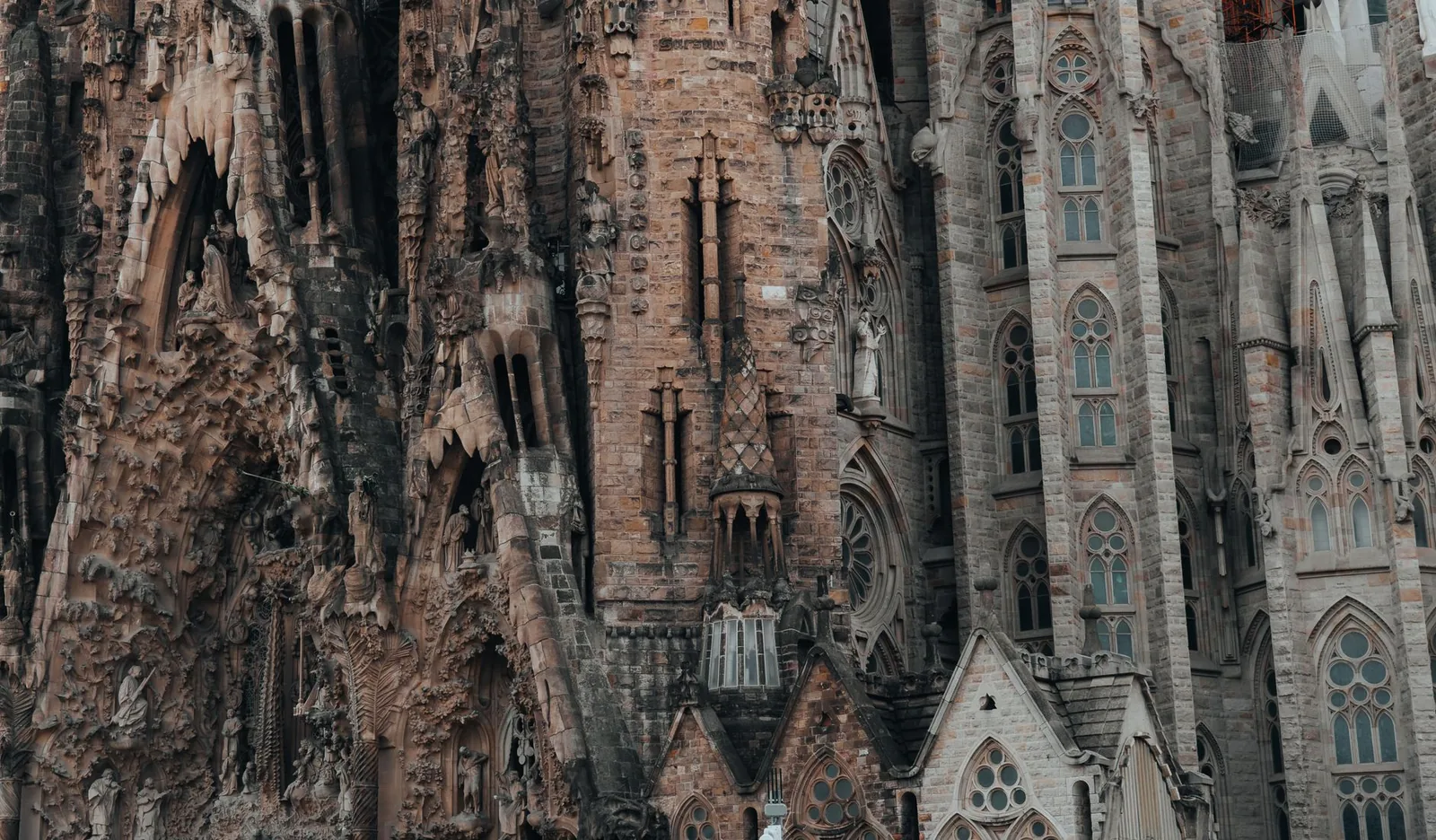
Gaudí’s unfinished basilica is Barcelona’s defining landmark. Its exterior combines the highly detailed Nativity façade with the more austere Passion façade, while the interior is known for its tree-like columns and shifting colored light. The associated museum helps explain the building’s design and construction.
Entry is timed, and tickets are nominative, so book through the official system and carry the identification required for your visit. Opening times can change by season or because of special events. Keep your digital ticket accessible on your phone; the official app is also used for ticket management and audioguide functions.
The Sagrada Família pairs naturally with the Recinte Modernista de Sant Pau. The two sites are connected by Avinguda de Gaudí, making them a logical half-day route rather than separate cross-city visits.
Explore Park Güell
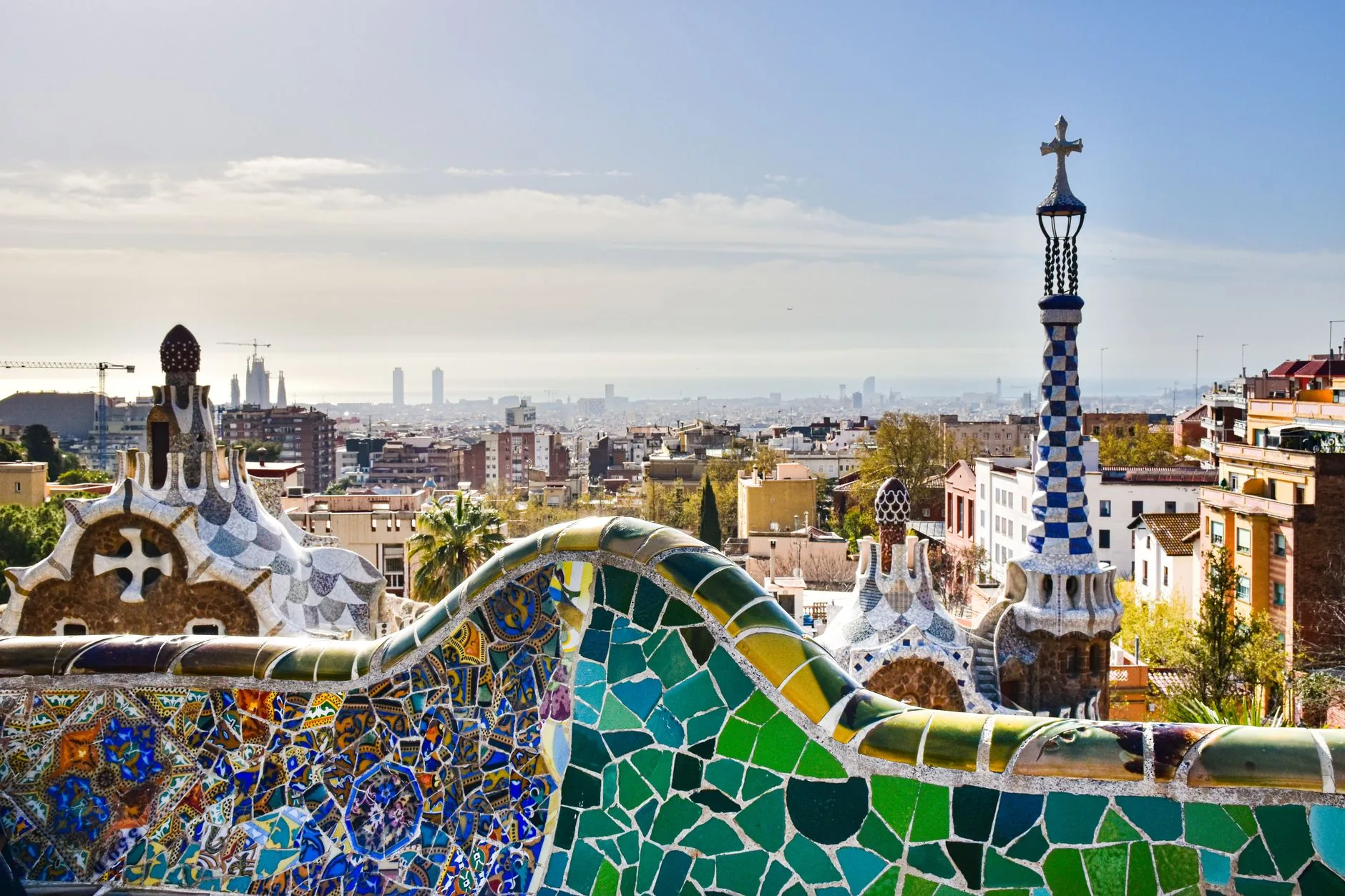
Park Güell combines gardens, mosaic work, architectural structures and broad views across Barcelona. The monumental area contains many of Gaudí’s best-known features and is ticketed, while other parts of the park are publicly accessible. Check the current access map and timed-entry arrangements before setting out.
Do not underestimate the hills. Some approaches involve steep streets and stairs, and the heat can be intense in summer. Comfortable footwear, water and an early or late visit make the experience easier. Gràcia is a useful base for exploring the park and provides a pleasant neighborhood setting for a meal afterward.
Follow the Modernisme route through the Eixample
The Eixample’s geometric street plan makes it one of the easiest areas in Barcelona to explore independently. Passeig de Gràcia is the principal address for Casa Batlló and Casa Milà-La Pedrera, two of Gaudí’s most distinctive residential buildings.
Casa Batlló is recognized for its sculptural façade, imaginative interior and unusual use of light and color. Casa Milà, commonly known as La Pedrera, is notable for its curving stone exterior, courtyards, attic and sculptural rooftop. Both attractions use changing ticket products and timed-entry arrangements, so check current details before visiting.
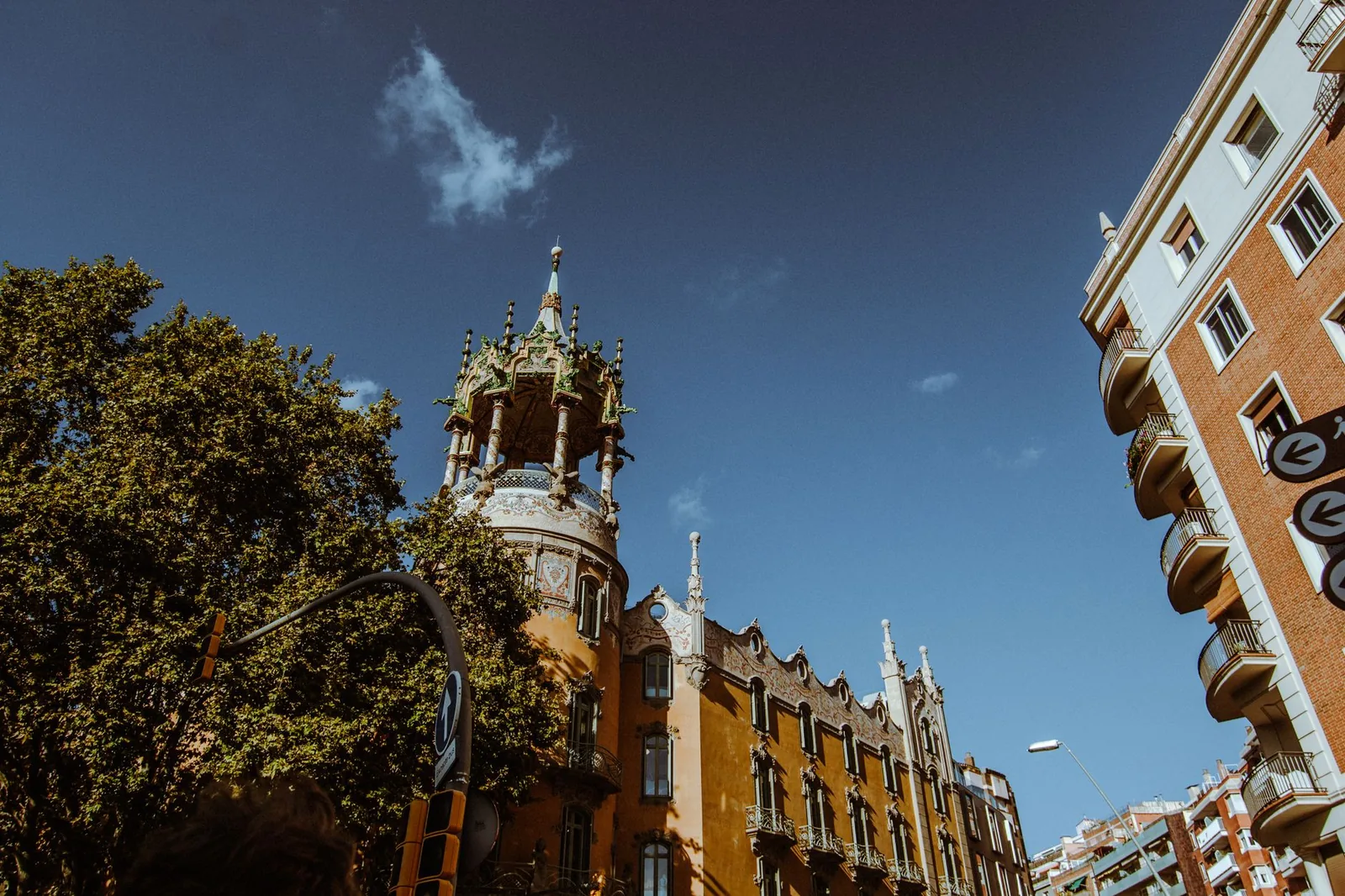
Look beyond the two headline buildings. Eixample is filled with Modernista façades and offers a useful contrast to the narrow streets of the old city. It is also one of the most convenient areas for restaurants, cafés and accommodation.
Wander through the Gothic Quarter and El Born
The Gothic Quarter is Barcelona’s historic core, with Roman Barcino remains, medieval lanes, churches, squares and the Cathedral area. It is compact but easy to lose time in, particularly if you explore away from the busiest routes. Go early if you want a quieter atmosphere, and expect uneven paving and crowded streets in the middle of the day.
Nearby El Born has a different rhythm. Its historic streets are lined with independent shops, restaurants and cultural venues, including the Picasso Museum, Santa Maria del Mar and the Born Centre Cultural. The Picasso Museum is especially valuable for understanding the artist’s formative relationship with Barcelona and his early work.
A guided walking tour can be worthwhile here because the city’s Roman and medieval layers are not always obvious from street level. If you explore independently, combine the Gothic Quarter and El Born rather than trying to cover the entire old city in a single rushed morning.
Visit Barcelona’s major museums
The Picasso Museum is one of the city’s essential art visits, with more than 4,000 works and a particular focus on Picasso’s early relationship with Barcelona. Plan ahead because seasonal hours, ticket arrangements and temporary exhibitions can change.
The Museu Nacional d’Art de Catalunya, or MNAC, presents major Catalan collections, including important Romanesque art, Modernisme material and other periods of Spanish and Catalan art. Its setting in the Palau Nacional on Montjuïc also provides panoramic views. Combine it with other attractions on the hill to make the journey worthwhile.
For contemporary culture, El Raval is close to MACBA and CCCB, as well as independent galleries, cafés and cultural venues. This part of the city rewards visitors who prefer a less traditional museum route.
Spend time on Montjuïc
Montjuïc is a hill rather than a single attraction. Its gardens, museums, Olympic venues, viewpoints and castle area can easily occupy half a day. The MNAC, Fundació Joan Miró, Poble Espanyol and Olympic ring are among the better-known stops.
Distances and slopes are greater than they appear on a map. Check the operating status of the funicular, cable cars, fountains and individual venues before you go, particularly outside the main season. Plan a route instead of arriving without an idea of which areas you want to see.
Montjuïc is also a good place to slow down. Even if you skip the museums, the hill provides a change of pace from the dense streets of central Barcelona and offers several viewpoints over the city and port.
Walk the waterfront
Barceloneta, Port Vell and the Olympic waterfront show Barcelona’s maritime side. You can move from the old harbor to beach promenades, restaurants and urban beaches without needing a detailed itinerary. The area is particularly pleasant for a late afternoon walk.
Beach services, lifeguard coverage, flags and sea conditions vary seasonally. Follow posted safety guidance, protect valuables and do not assume that a beach day will have the same facilities throughout the year. For seafood and a maritime atmosphere, Barceloneta is a natural choice, although it is worth comparing menus and looking beyond the busiest tourist-facing streets.
Which Barcelona experience would you most want to build your trip around?
When to Visit Barcelona
Barcelona has a temperate Mediterranean climate, with mild winters and hot summers. Late spring and early autumn usually offer the best balance for walking, sightseeing and some time by the sea, although spring and autumn are also among the wetter periods. Weather, crowds, events and attraction availability vary from year to year, so check conditions for your dates.
Spring
March to May is generally mild and well suited to architecture, museums and long walks. Rain can arrive unexpectedly, especially in March and April, so pack a light waterproof layer. May is warmer and often works well for combining city sightseeing with the waterfront.
Summer
June to August is hot, with average maximum temperatures around 29°C in July and 30°C in August according to official tourism climate information. Start outdoor visits early, seek shade during the hottest part of the day and leave exposed routes such as Park Güell or Montjuïc for the morning or late afternoon. Summer is the strongest season for travelers prioritizing beaches and long daylight, but it is also a busy period.
Autumn
September remains relatively warm, while October can be comfortable for sightseeing. Rain is more likely than in summer, so bring a light layer and remain flexible. Autumn is also a good time to explore Catalan wine culture, including harvest-related experiences in the Penedès area.
Winter
December to February brings the coolest conditions but generally mild afternoons. Winter suits visitors focused on museums, architecture, food and city walks rather than swimming. Check daylight hours, holiday closures and seasonal schedules before building a detailed itinerary.
Local Food and Drink
Barcelona is a good place to explore Catalan food rather than relying only on generic tapas. Start with pa amb tomàquet, bread rubbed with tomato and finished with olive oil and salt. Escalivada, made with roasted vegetables such as eggplant and peppers, is another simple Catalan staple.
Near the coast, look for suquet de peix, a traditional fish stew, or fideuà, a seafood dish made with short noodles and commonly served with allioli. Seasonal calçots with romesco are associated with the calçotada season and may not be available throughout the year.
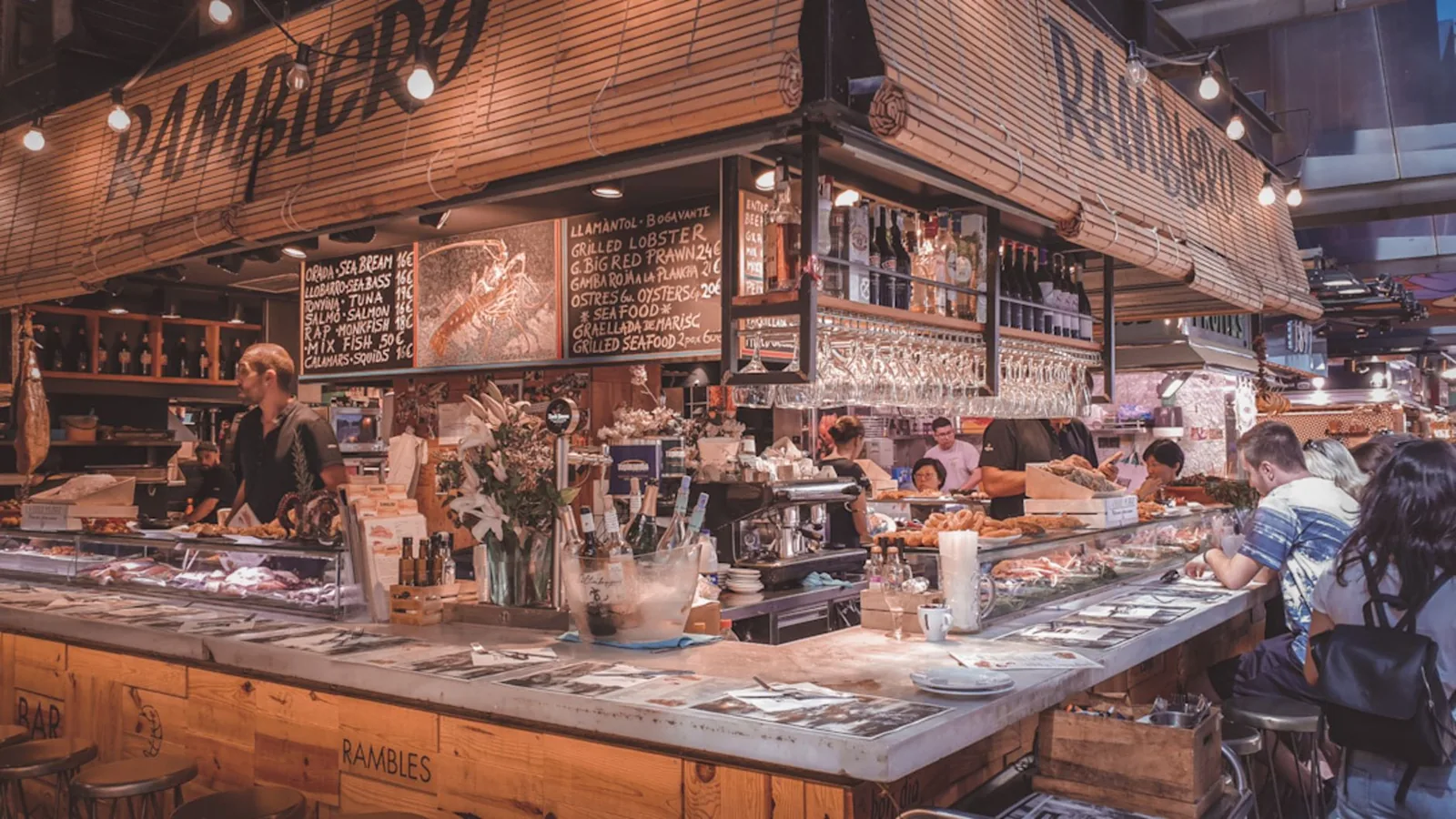
La Boqueria is useful for seeing market produce and sampling snacks, but treat it as one stop rather than your entire food itinerary. Visit respectfully, follow stall rules and expect busy periods. El Born, Eixample, Gràcia and Barceloneta all offer plenty of alternatives.
For dessert, try crema catalana, a custard with a caramelized sugar top. Barcelona also has a strong vermouth culture: order it as an aperitif with olives or small snacks. Regional drinks include cava and wines from the nearby Penedès area, making a wine tasting or vineyard excursion a natural addition to a longer stay.
Places to Visit Beyond Barcelona
Montserrat
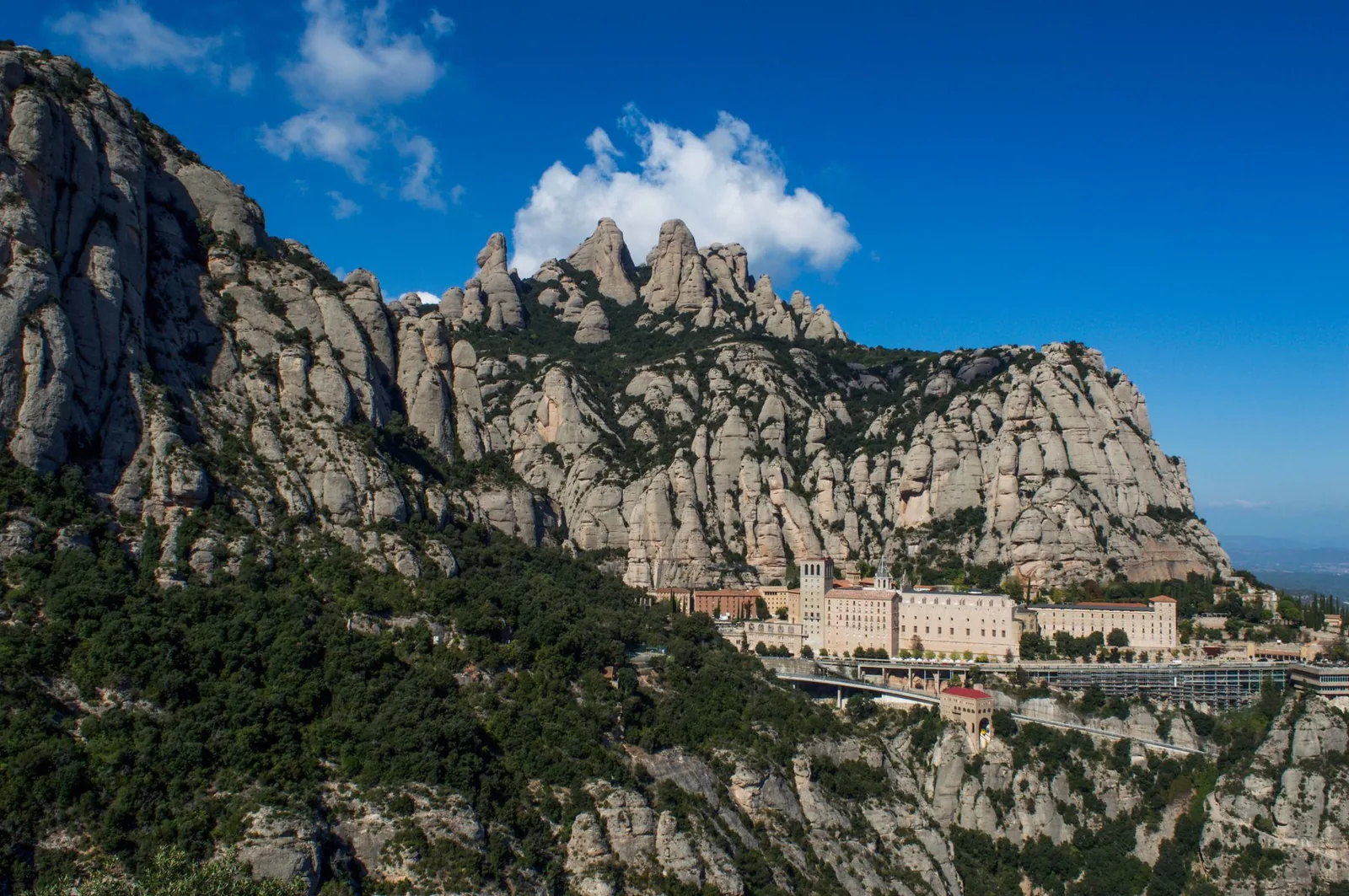
Montserrat combines a Benedictine monastery and shrine with serrated rock formations, hiking routes and panoramic views. Train connections can be combined with a rack railway or cable-car option, but operating schedules can change. Check the complete transport arrangement before leaving and allow enough time for the mountain rather than treating it as a quick photo stop.
Girona
Girona is one of the easiest historic excursions from Barcelona. Its compact old quarter includes medieval streets, Jewish Quarter heritage and cathedral views. Direct rail services make it practical for an independent day trip, with the station centrally located. Confirm current train times and fares before departure.
Figueres
Figueres is best known for the Dalí Theatre-Museum and its connection with Salvador Dalí. It can be combined with Girona on an organized excursion, although visiting both independently requires careful planning around rail connections and museum arrangements.
Sitges
Sitges is a coastal town south of Barcelona with beaches, Modernista architecture, museums, terraces and a lively cultural calendar. It is a good choice when you want a change of scene without committing to a mountain or full-day inland itinerary.
Penedès wine country
The Penedès area is suited to travelers interested in cava, regional wine and vineyard landscapes. Winery visits usually need advance arrangements, and transport logistics can be less convenient than traveling with an organized tour. Check the visit conditions and return arrangements before booking.
Colònia Güell
Close to Barcelona, Colònia Güell offers a quieter architectural experience centered on a former workers’ colony and Gaudí’s crypt. It complements the city’s central Gaudí sites and is useful for travelers who want to see a less crowded part of the architect’s work.
Best Areas to Stay in Barcelona
Gothic Quarter
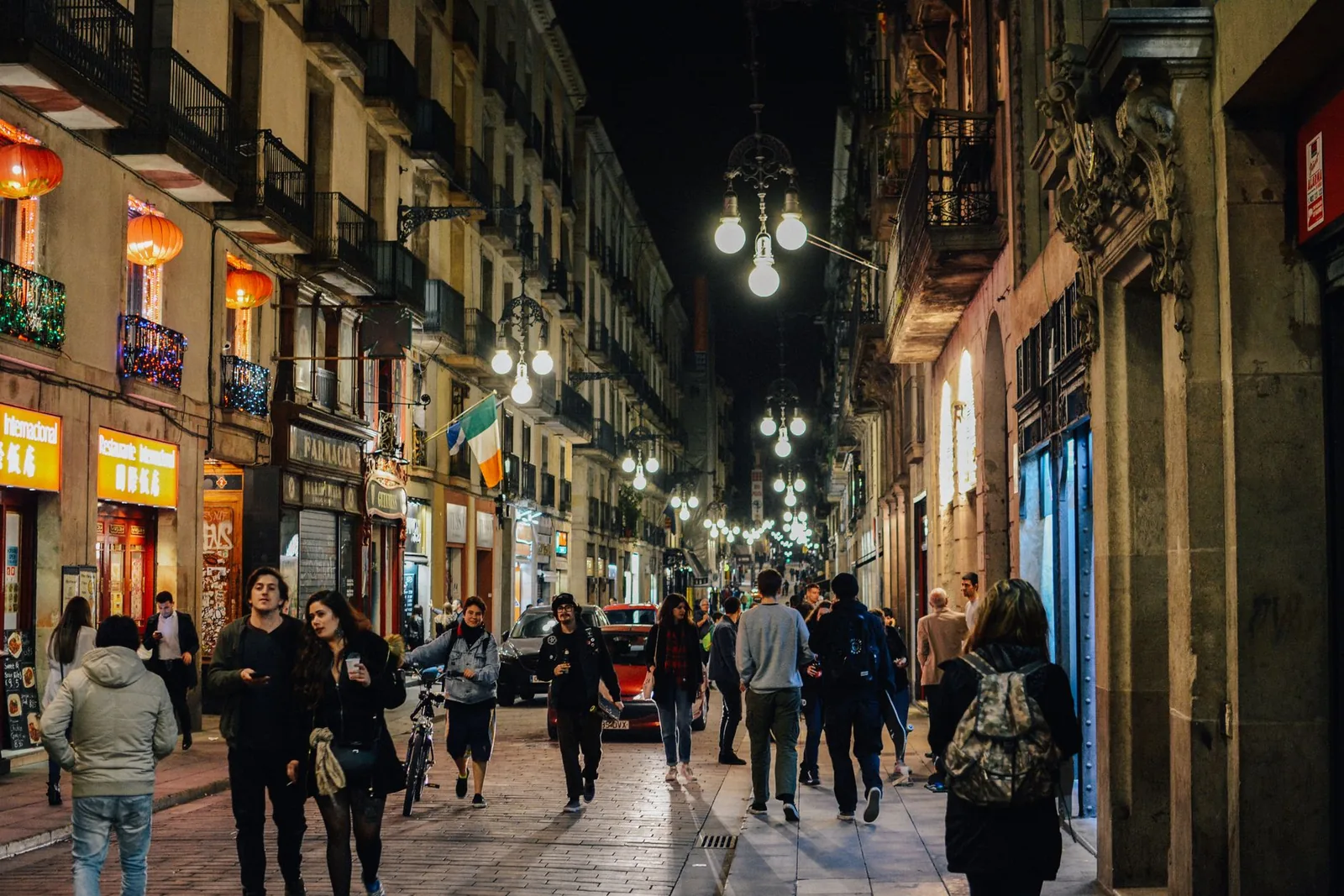
Choose the Gothic Quarter for historic atmosphere and central access. You will be close to Roman remains, the Cathedral area, La Rambla, El Born and the waterfront. Streets can be noisy and crowded, and the old buildings and narrow lanes are not always the easiest choice for travelers with mobility concerns.
El Born
El Born is a strong option for restaurants, independent shops, historic streets and cultural attractions. It feels central without being as dominated by the main promenade routes, and it puts the Picasso Museum, Santa Maria del Mar and the waterfront within easy reach.
Eixample
Eixample is one of the most practical bases for a first visit. Its broad streets, regular layout and public transport connections make navigation straightforward. Casa Batlló, Casa Milà and many Modernista façades are nearby, while restaurants and cafés are plentiful.
Gràcia
Gràcia has a more local, neighborhood-oriented atmosphere, with plazas, restaurants and smaller streets. It is convenient for Park Güell and suits travelers who prefer to stay outside the busiest historic-center routes. Reaching some central sights may take a little longer.
Barceloneta and Port Vell
Stay here if the waterfront, beach walks and harbor atmosphere matter more than immediate access to every museum. The area is well placed for maritime attractions and seafood dining, but it can be busy and lively, particularly during warmer months.
El Raval
El Raval is central and culturally diverse, close to MACBA, CCCB, La Rambla and several food and cultural venues. It offers a more urban atmosphere than Eixample or Gràcia, so choose accommodation carefully and use normal big-city awareness at night.
Montjuïc and Poblenou
Montjuïc suits travelers who value museums, gardens, views and a quieter setting, although hills and distances make it less convenient for an itinerary focused on the Gothic Quarter and Eixample. Poblenou and Diagonal Mar offer a newer waterfront, beaches and former industrial character, with a less historic atmosphere.
Getting Around Barcelona
Barcelona is easiest to explore through a mixture of walking and public transport. Group nearby attractions together: the Gothic Quarter, El Born and waterfront form one natural route; Eixample covers the main Modernisme buildings; and Montjuïc deserves its own block of time.
The integrated network includes metro, buses, commuter and regional rail services, with travel products managed through T-mobilitat. Available products include single tickets, multi-journey options and Hola Barcelona travel cards. Validity, airport exclusions and fare rules differ, so check the current conditions before buying. Do not assume that every city transport ticket covers the airport metro.
Walking is highly rewarding in the old city, Eixample, El Born, the waterfront and parts of Gràcia. Wear comfortable shoes on uneven historic streets and allow extra time for the hills around Park Güell and Montjuïc.
Licensed taxis are useful for late arrivals, luggage, mobility needs and hillier destinations. Airport supplements, payment rules and app availability can change. A car is generally unnecessary in central Barcelona and can create parking and congestion problems. Consider hiring one only for a wider Catalonia itinerary or rural destinations that are difficult to reach by public transport.
Arriving from Barcelona-El Prat Airport
Josep Tarradellas Barcelona-El Prat Airport, code BCN, is connected with the city by metro line L9 Sud, Aerobús, conventional buses, night buses and the R2 train service. The airport metro connects terminals T1 and T2 with the city, while Aerobús services run from both terminals toward Plaça Catalunya. Line 46 connects with Plaça Espanya, and the R2 train is another option depending on your terminal and destination.
The best choice depends on your arrival time, luggage, terminal and the transport ticket you plan to use. Check current operating hours, fares, terminal arrangements and service status immediately before traveling. For families, groups or late arrivals, a pre-arranged transfer may be convenient; for many daytime arrivals, public transport is straightforward.
Good to Know Before You Go
- Reserve timed-entry attractions in advance, especially the Sagrada Família and Park Güell.
- Use official attraction websites when checking ticket types, opening times and temporary closures.
- Check whether your transport product is valid to and from the airport before boarding.
- Keep your phone charged for digital tickets, maps and attraction audioguides.
- Carry rain protection in spring and autumn and stay hydrated during summer sightseeing.
- Use normal big-city precautions around La Rambla, busy public transport, markets and beaches.
- Follow beach flags, lifeguard instructions and posted sea-safety guidance.
- Dress respectfully when visiting religious sites and check photography or bag rules.
- Book restaurants, concerts and popular guided tours ahead for weekends and peak periods.
- Check Montjuïc cable cars, funiculars, fountains and individual venue schedules before visiting.
- Do not use old blog posts as a reliable source for prices, opening hours, transport rules or temporary events.
A common mistake is trying to visit every Gaudí attraction in one day. Group sites by area and leave space between timed entries. Another is treating Park Güell as a flat park or assuming Montjuïc’s attractions are close together. Barcelona rewards a measured itinerary more than a rushed one.
Barcelona Travel FAQ
How many days do you need in Barcelona?
Three full days is a practical minimum for the main Gaudí landmarks, historic center, waterfront and one museum or Montjuïc visit. Four to five days allows a slower pace, more museums and a day trip.
What is the best time to visit Barcelona?
Late spring and early autumn are strong all-round periods for walking and sightseeing. Summer is best if beaches and long daylight are priorities, while winter suits museums, architecture and food. Spring and autumn are wetter, and summer is hot.
Is Barcelona walkable?
Yes. The Gothic Quarter, El Born, Eixample, waterfront and parts of Gràcia are particularly rewarding on foot. Use public transport for Park Güell, Montjuïc, longer cross-city journeys and airport transfers.
How do you get from Barcelona airport to the city?
Options include metro line L9 Sud, Aerobús, Line 46, night buses and the R2 train service. Your best choice depends on the terminal, destination, arrival time, luggage and ticket type.
Do you need to book the Sagrada Família in advance?
Advance booking is strongly advisable because admission is timed and availability depends on occupancy. Check the selected time carefully and bring any required identification.
Is Park Güell free?
The park includes public areas and a ticketed monumental area containing most of Gaudí’s best-known features. Check the current access map and ticket rules before visiting.
Which day trip is easiest from Barcelona?
Montserrat is the standout mountain and monastery excursion, Girona is particularly convenient by direct rail, and Sitges is a straightforward coastal option. Confirm current schedules before departure.
Is Barcelona suitable for families?
Yes. Families can combine beaches, parks, museums, public transport and family-oriented attractions. Plan around heat, hills, crowds and timed admissions, particularly at the Sagrada Família and Park Güell.
Final Thoughts
Barcelona is at its best when you combine its famous architecture with the details between the landmarks: a Roman wall in the old city, a Modernista façade on an ordinary street, a long lunch in Eixample, an evening walk beside the port or vermouth in a neighborhood square.
Plan the essential attractions in advance, but do not fill every hour. Three days can cover the highlights; four or five lets the city breathe and leaves room for Montjuïc, museums, beaches or a day beyond Barcelona. With sensible planning, Catalonia’s capital offers an unusually rich mix of art, history, food, architecture and Mediterranean city life.
Inspired? Start planning your trip.
Move from inspiration to planning with BookingTabs — explore hotels, tours and travel options in one place.
Join the conversation
Ask a question, share a travel tip, or help another traveler plan with confidence.
Leave a comment
No account or email required.