Lakeside Journeys: Touring Austria’s Alpine Lakes and Charming Towns
Austria’s alpine lakes carve mirror‑bright pockets into mountain landscapes, each bordered by a town with its own history and rhythms. From the salt‑mining heritage that shaped Hallstatt to the steepled silhouette of St. Wolfgang against Wolfgangsee, these lakes offer a mix of photogenic viewpoints, hiking trails and low‑key seaside town life in the high country. Whether you want to paddle at dawn, ride a nostalgic steamboat, climb to a glacier viewpoint or linger over fresh fish at a lakeside tavern, the Salzkammergut and surrounding regions present a compact loop of unforgettable scenery. This guide focuses on the most iconic alpine lakes and towns, with practical local tips to help you plan each stage of a lakeside journey across Austria’s mountainous heart.
Must-See Attractions
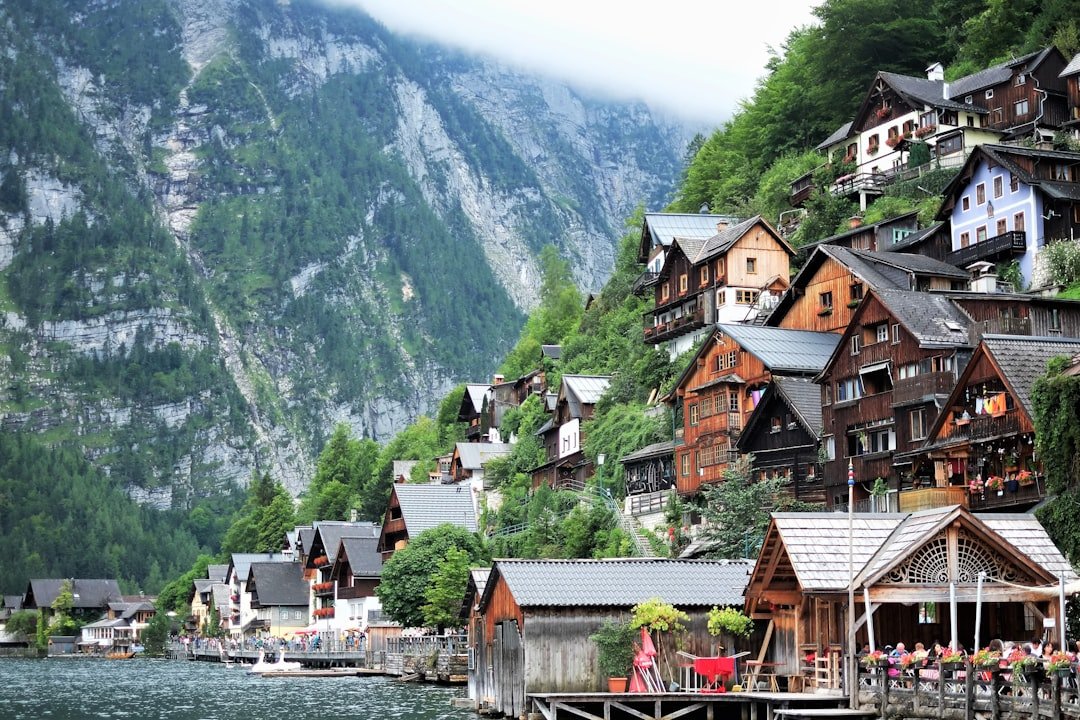
Start in Hallstatt: the Hallstätter See skirts a picture‑postcard village whose 16th‑century houses hug the steep shore beneath the Dachstein cliffs. Visit the Hallstatt Skywalk for sweeping panoramas, stroll the salt‑mine museum if you want the town’s full historical context, and take a short ferry across the lake for quieter views from the opposite bank.
Wolfgangsee and St. Wolfgang: take the old paddle steamer on Wolfgangsee to appreciate the jagged shoreline and alpine meadows. The pilgrim church in St. Wolfgang and the Schafberg cog railway—climbing to 1,783 meters—are the highlights for sweeping vistas over multiple lakes.
Traunsee and Gmunden: Traunsee’s emerald depths and the Traunstein cliff make for dramatic photography. Gmunden’s ceramic tradition is visible in shopfronts and the town’s lakeside promenades; a boat trip to Ort Castle (Schloss Ort) is a classic stop.
Achensee: often called the ‘Tyrolean Sea,’ Achensee is the largest alpine lake in Tyrol. Its clear turquoise water is backed by steep ranges and has a strong wind for sailing; ride the historic Achensee cog railway for a vintage approach.
Zell am See and Zeller See: this compact alpine town pairs a lively pedestrian center with an accessible lakeshore. In winter the frozen lake becomes a skating stage; in summer the Kaprun reservoirs and nearby lifts open up glacier hiking.
Fuschlsee and Mondsee: both are quieter (especially Fuschlsee) and ideal for swimming and cycling. Mondsee is also close to the basilica known from pop culture and offers pleasant lakeside promenades.
Best Time to Visit
Seasons and weather: late spring to early autumn (May–September) is the prime season for lake activities—waters are warmer from July to August, wildflowers bloom in late May and June, and mountain lifts and boats operate on full schedules. Summer days are warm (20–25°C/68–77°F) but evenings cool near the water.
Crowds: July and August are the busiest months, especially in Hallstatt and St. Wolfgang. Visit in late May–early June or September–early October for thinner crowds, pleasant weather and autumnal colors on the slopes.
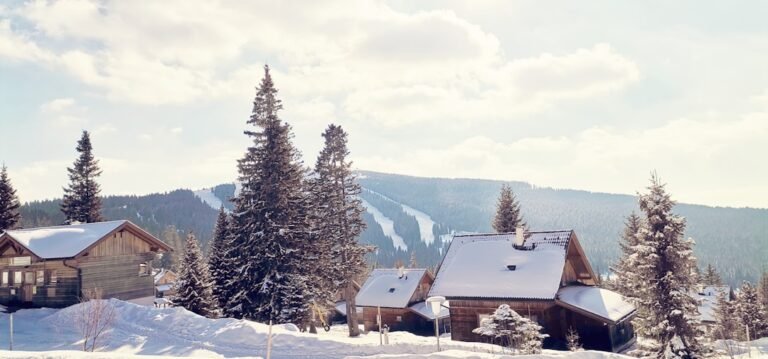
Winter travel: December–March suits travellers who want snowy alpine scenery, winter sports in Zell am See–Kaprun, or the novelty of partially frozen lakes. Some lakeside services and boat lines operate limited schedules in winter, so plan ahead.
Best months: May–June for spring blooms and quieter roads; July–August for full lake swimming and events; September for calm waters, harvest colors and still warm daytime temperatures.
Essential Travel Tips
Transportation: rent a car for the greatest flexibility—many alpine roads are narrow but well maintained—or use Austria’s efficient regional trains and buses. Hallstatt is accessed via train to Hallstatt Bahnhof followed by a short ferry across the lake; boat timetables are seasonal so check ahead. The ÖBB (Austrian Federal Railways) and regional bus lines link major towns.
Money and costs: Austria uses the euro. Card payments are widely accepted in towns and restaurants, but carry some cash for small markets, ferry fares and rural cafés.
Safety: mountain weather changes quickly. Check local forecasts before hikes, carry layers, and inform someone of longer routes. Swimming in alpine lakes is rewarding but temperatures can remain cool; enter gradually and avoid long solo swims.
Packing: bring waterproof layers, sturdy walking shoes, a sun hat and sunscreen for alpine sun. A lightweight daypack, refillable water bottle, and a compact first‑aid kit are useful. For photography, include a lens with a wide angle for landscapes and a polarizing filter to reduce water glare.
Local etiquette: Austrians value politeness and punctuality. Greet shopkeepers and service staff with a friendly ‘Grüß Gott’ in the German‑speaking regions, or a simple ‘Hallo.’ Respect quiet hours in residential areas and keep noise low in the evenings.
Frequently Asked Questions
How do I get to Hallstatt from Salzburg?
Take a regional train from Salzburg to Attnang‑Puchheim, transfer to the line toward Bad Ischl or Stainach‑Irdning, then exit at Hallstatt Bahnhof and cross the lake by ferry to the village. Total travel time is around 2–2.5 hours depending on connections.
Are alpine lakes safe for swimming?
Yes—many lakes are safe for swimming, but water temperatures can be cool except in midsummer. Swim at designated beaches or supervised areas when possible, watch for sudden weather shifts, and avoid swimming alone in remote spots.
Can I visit multiple lakes in one trip?
Absolutely. The Salzkammergut region concentrates several lakes within short driving distances—Hallstatt, Wolfgangsee, Mondsee and Fuschlsee can be combined into a multi‑day loop. Public transport links work too, though a car speeds up connections.
Is English widely spoken?
Yes. In tourist towns and service industries English is commonly understood, though learning a few German phrases is appreciated and useful for rural interactions.
Do I need to book boat rides and mountain railways in advance?
During high season it’s wise to check schedules and reserve seats for popular services like the Schafberg cog railway or weekend steamer crossings. Many services operate on a first‑come, first‑served basis but fill quickly on peak days.
Conclusion
A lakeside journey through Austria’s alpine regions blends dramatic scenery, historical towns and approachable outdoor life. From the heritage and panoramas of Hallstatt to the windswept turquoise of Achensee and the promenades of Gmunden and Zell am See, each lake offers a distinct mood and set of activities. Plan around seasonal schedules, prioritize a few towns so you can savor local food and waterside time, and allow detours up a peak or across a ferry for perspectives that linger long after you leave the shore. These lakes reward slow travel: arrive early, stay present, and let the mountain light set the pace.