Alpine Reflections: A Traveler’s Guide to Austria’s Most Beautiful Lakes and Towns
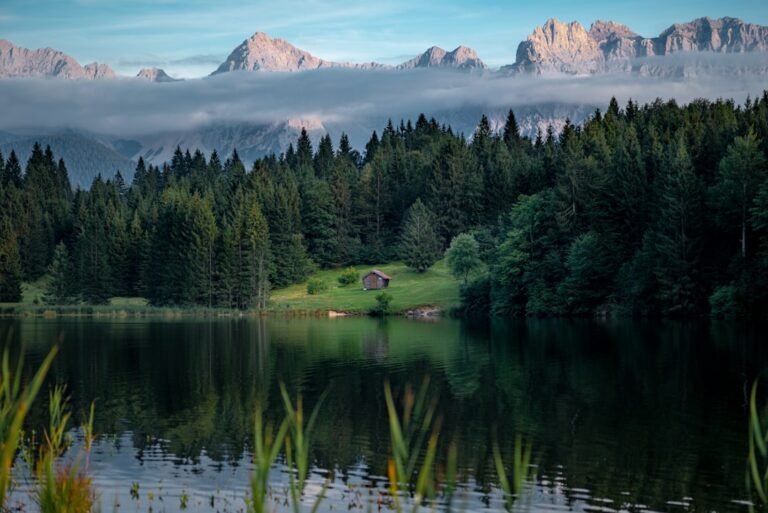
Austria’s alpine lakes are more than postcard-perfect water and peaks; they are living landscapes shaped by centuries of salt trade, mountain farming and lake-steeped traditions. From the emerald shallows of the Salzkammergut to the broad turquoise of Tyrol’s Achensee, each lake hosts a nearby town where lakeside promenades, steepled skylines and age-old customs meet modern hospitality. This guide takes you on a lakeside journey through Hallstatt’s fairy-tale alleys, the boating culture of Wolfgangsee, the elegant lakeside promenade of Gmunden on Traunsee and the outdoor playgrounds around Achensee and Zell am See. Expect practical travel advice, local experiences — food, markets and viewpoints — and clear tips so you can plan an authentic alpine itinerary that balances must-see sights with quieter corners.
Must-See Attractions
The lakes of Austria are dotted with iconic sights that reveal the country’s natural beauty and cultural depth.
- Hallstatt and Hallstätter See: The UNESCO-listed village of Hallstatt is one of Austria’s most photographed towns. Wander the narrow streets, visit the Hallstatt Museum to learn about prehistoric salt mining, and view the town from the Skywalk for a sweeping panorama of the lake and Dachstein massif.
- Schloss Ort on Traunsee (Gmunden): This fairy-tale castle sits on a small island connected by a wooden bridge. Stroll Gmunden’s lakeside promenade and visit local ceramics workshops—Gmunden pottery has a long tradition.
- St. Wolfgang and Wolfgangsee: The pilgrimage town of St. Wolfgang boasts a richly carved white-and-gold parish church and a lakeside promenade. Take a historic steamboat across Wolfgangsee for postcard-perfect views.
- Achensee: Known as the ‘Tyrolean Sea,’ Achensee is the largest lake in Tyrol. The Achensee steam cog railway and the lakeside villages of Pertisau and Maurach provide access to hiking trails and boat excursions.
- Zell am See–Kaprun (Lake Zell): Lake Zell’s deep-blue water and the nearby Kitzsteinhorn glacier make this area year-round. The lakeside town of Zell am See has lively cafés and walking paths; in winter it becomes a snowy gateway to glacier skiing.
- Attersee and Mondsee: Popular for sailing and windsurfing, Attersee’s clear water and Mondsee’s historic town (with its basilica) offer differing but complementary lake experiences in the Salzkammergut.
- Fuschlsee and Fuschl: Close to Salzburg, Fuschlsee is small and intimate. The lakeside walk and historic hotels make it ideal for short stays while exploring the wider region.
Best Time to Visit
Seasonality matters when planning a lakeside trip: each season offers distinct benefits.
- Late spring (May–June): Wildflowers and falling crowds. Temperatures rise, snow melts from lower trails, and many boat services resume. This is excellent for hiking and quieter sightseeing.
- Summer (July–August): Peak season — warm water for swimming, full cultural calendars, and frequent boat services. Expect larger crowds in Hallstatt and St. Wolfgang and book accommodation in advance.
- Early autumn (September–October): Crisp air, early autumn colors and fewer tourists. Water is cooler but landscapes glow with golden light—ideal for photography and moderate hikes.
- Winter (November–March): Some lakes become very quiet; however, towns like Zell am See and nearby Kaprun offer winter sports and snowy lakeside scenes. Hallstatt is atmospheric with fewer visitors, but some boat services and mountain lifts may be reduced.
For the best balance of weather and crowd levels, late May–early July and September are prime months to visit.
Essential Travel Tips
Practical advice for enjoying Austria’s lakes with ease and comfort.
- Getting around: Regional trains and buses link major lakes and towns—Salzkammergut and Tyrol have reliable public transport networks. Renting a car gives flexibility for smaller lakes and remote trailheads, but parking in popular villages like Hallstatt can be limited.
- Boat services: Many lakes operate regular passenger ferries and historic steamboats in summer. Check local timetables online before planning day trips; some services scale back outside peak season.
- Money and payments: Cash is still useful in small cafes and markets, though cards are widely accepted. ATMs are available in towns; larger restaurants and hotels accept major credit cards.
- Safety and swimming: Lakes are generally safe, but water temperature can be deceptively cold even in summer at higher-altitude lakes—enter the water cautiously. Wear life jackets for small boats and follow local signage for currents or restricted areas.
- Packing: Layered clothing is essential—mornings can be cool and afternoons warm. Bring waterproof outerwear, sturdy walking shoes for uneven trails, a sun hat, and insect repellent for late summer evenings.
- Local etiquette: Austrians value punctuality and quiet respect in small towns. Keep noise levels down in residential areas, follow posted rules at swimming spots, and greet shopkeepers or servers politely. When entering churches, dress modestly and observe any photography restrictions.
- Connectivity and planning: Mobile coverage is generally good, but some alpine trails have limited signal. Download maps and timetables ahead of remote excursions. For popular viewpoints and boat trips, reserve tickets where possible during high season.
Frequently Asked Questions
Which lake is the most photographed in Austria?
Hallstätter See (Hallstatt) is often cited as Austria’s most photographed lake, thanks to its narrow valley setting, traditional architecture and dramatic Dachstein backdrop.
Can I swim in alpine lakes year-round?
Swimming season typically runs from late May to September, depending on weather. High-altitude lakes stay cool even in summer; glacier-fed lakes are especially cold. Lifeguards are rare—swim cautiously.
Are boat cruises necessary to enjoy the lakes?
Boat cruises enhance the experience by showing towns from the water and linking lakeside villages. Many lakes offer short round trips or longer connections, but you can also enjoy promenades, viewpoints and hikes without taking a boat.
What are good base towns for exploring multiple lakes?
Salzburg or the town of Gmunden are convenient bases for Salzkammergut lakes; St. Gilgen and St. Wolfgang provide direct access to Wolfgangsee. Innsbruck or Pertisau suit Achensee and Tyrol, while Zell am See is ideal for southern Salzburg lakes and winter sports.
How crowded do the lakes get in summer, and how can I avoid crowds?
July and August bring the largest crowds, particularly to Hallstatt, St. Wolfgang and accessible lakes near Salzburg. To avoid crowds, visit early morning or late afternoon, choose less-famous lakes like Fuschlsee or Attersee side towns, and travel in shoulder seasons (late spring or early autumn).
Conclusion
Austria’s alpine lakes combine easygoing lakeside life with dramatic mountain scenery, offering something for hikers, food lovers and photographers alike. Whether you crave the bustling atmosphere of Hallstatt’s narrow streets, the historic steamers of Wolfgangsee, the outdoor access around Achensee or the elegant promenades of Gmunden on Traunsee, plan for a mix of boat time, walks and local meals to make the most of each place. With seasonal timing and a few practical preparations—layered clothing, boat timetables and local-market stops—you can experience the lakes’ bright reflections, alpine traditions and quieter corners on a memorable itinerary.