
Canadian Rockies Essentials: Top Mountains, Lakes, and Scenic Drives
The Canadian Rockies are a compact sweep of dramatic peaks, turquoise lakes, and wide alpine valleys that reward both the casual sightseer and the serious backcountry traveler. Stretching from Banff and Lake Louise in Alberta through Yoho and Kootenay in British Columbia up to Jasper, this region packs iconic vistas, accessible glaciers and world-class wildlife viewing into a road-trip-friendly network. Expect jaw-dropping viewpoints along the Icefields Parkway, canoe mornings on ice-blue lakes, and evening skies punctuated by first-rate stargazing in designated dark-sky preserves. Whether you’re planning a short escape or a multi-day exploration, this guide focuses on the must-sees and authentic experiences that define the Canadian Rockies, plus practical planning tips so you make the most of every mountain mile.
Must-See Attractions
The Canadian Rockies’ highlights are concentrated and reachable via a few key corridors. Start in Banff National Park, where Lake Louise’s shoreline and Moraine Lake’s Valley of the Ten Peaks deliver the region’s most-photographed scenes. Walk the Lake Louise lakeside trail early to beat crowds and catch the water’s glassy reflections.
Follow the Icefields Parkway (Highway 93) north from Lake Louise to Jasper National Park; this drive is consistently ranked among the world’s best. Stop at Peyto Lake viewpoint, Bow Lake and the Columbia Icefield. At the Columbia Icefield, the Glacier Adventure operator offers guided vehicle trips onto the Athabasca Glacier and the Glacier Skywalk provides a dramatic cantilevered glass viewpoint above the Sunwapta Valley.
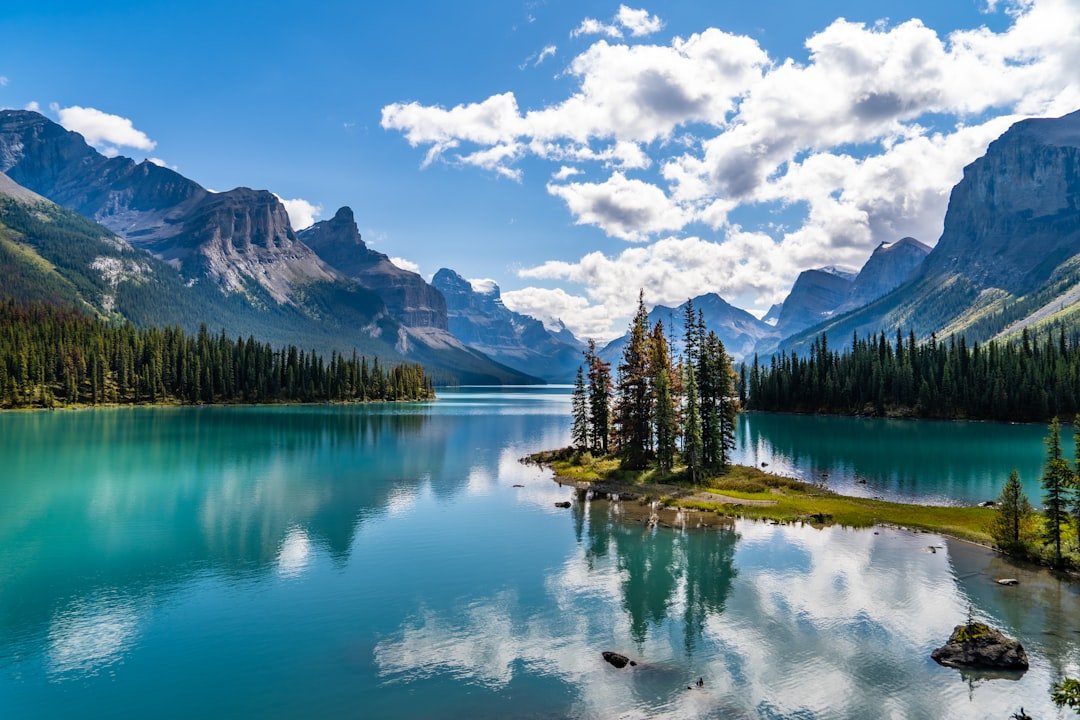
Jasper’s Maligne Lake and Spirit Island are essential—daily cruises bring visitors to the iconic channel framed by peaks. Nearby Maligne Canyon is an accessible slot canyon with boardwalks that showcase powerful winter ice formations and spring runoff.
In Yoho National Park (British Columbia), see Takakkaw Falls and Emerald Lake; both offer short, flat walks and dramatic vistas. For a quieter alternative, Kananaskis Country, south of Banff, has expansive trails, fewer crowds and excellent mountain scenery close to Calgary.
Local Experiences
Food: Mountain towns serve hearty, locally influenced cuisine—think elk or bison dishes, fresh trout, and craft beers from regional microbreweries. Banff and Jasper both have café and bistro scenes centered on local produce and game; reservations are recommended in peak season.
Markets & festivals: In summer, seasonal farmers’ markets and arts markets pop up in Banff and Canmore. Festival highlights include the Banff Mountain Film and Book Festival in autumn and Jasper’s Dark Sky Festival in October, where guided astronomy events complement crisp mountain nights.
Viewpoints & neighborhoods: Stroll Banff Avenue for local shops and galleries, then ride the Banff Gondola to Sulphur Mountain for panoramic views and boardwalk access. In Lake Louise village, lakeside paths and easy lookout points make grand scenery accessible to all ages.
Outdoor activities: Canoeing on Lake Louise or Emerald Lake at dawn is an essential quiet moment. Hiking ranges from short interpretive trails—Peyto Lake viewpoint, Johnston Canyon—to all-day hikes such as the Plain of Six Glaciers. In winter, world-class skiing at Sunshine Village and Lake Louise Ski Resort attracts alpine and backcountry skiers alike. For glacier experiences, guided ice walks and the Columbia Icefield tours provide safe access to otherwise hazardous terrain.
Best Time to Visit
Seasons and weather determine what you can do. Summer (late June through August) offers the warmest weather, full access to trails and long daylight hours; it’s also the busiest period, especially at Lake Louise and Moraine Lake. Shoulder seasons—late May to early June and September to mid-October—bring fewer crowds, dramatic light and lower prices, but be prepared for variable weather and some seasonal road or facility closures.
Winter (December to March) transforms the Rockies into a ski and snow-adventure playground; expect subfreezing temperatures and excellent snow conditions at higher elevations. Spring is early-melt season in lower valleys but can still be snowy at trailheads. Best months for hiking and road touring are July through September, while January to March is prime for skiing and winter festivals.
Essential Travel Tips
Transportation: Many visitors arrive via Calgary International Airport (YYC) and rent a car—driving gives maximum flexibility for scenic stops along the Icefields Parkway. Shuttle services connect Calgary to Banff, Lake Louise and Jasper, and local shuttle operators run routes in peak season. Expect limited cell coverage on remote sections of the Icefields Parkway; download maps and confirm fuel availability before long stretches.
Money & reservations: Use Canadian dollars (CAD). Credit cards are widely accepted; carry some cash for small vendors. Book lodging, campsite permits and popular activities (lake canoe rentals, gondola rides, glacier tours) well in advance—peak summer fills up quickly.
Safety & wildlife: Follow Parks Canada guidance: store food securely, keep a respectful distance from wildlife (never approach bears or elk), and carry bear spray when hiking in backcountry areas. Familiarize yourself with basic mountain-first-aid protocols and leave an itinerary with someone if you venture into remote zones.
Packing & clothing: Layers are essential—pack a waterproof shell, insulating mid-layer, warm hat and gloves even in summer for higher-altitude hikes. Sturdy hiking boots with ankle support are recommended, as trails can be rocky and wet. Sunscreen and sunglasses are crucial; alpine sun and reflection off lakes and snow increase UV exposure.
Permits & etiquette: Buy a Parks Canada pass for national-park access. Respect trail closures—many protect sensitive alpine ecosystems and wildlife. If backcountry camping or multi-day trekking is on your plan, secure permits and practice Leave No Trace principles.
Frequently Asked Questions
Do I need a Parks Canada pass to visit the main attractions?
Yes. Visitors driving into Banff, Jasper, Yoho and Kootenay national parks require a valid Parks Canada pass which can be purchased online or at park gates and visitor centers.
How long should I allocate to explore the Canadian Rockies?
For a meaningful trip, plan at least 4–7 days to cover Banff, Lake Louise and the Icefields Parkway to Jasper at a steady pace. Longer for more hiking, side trips to Yoho/Kananaskis, or slow travel.
Are the major lakes accessible year-round?
Yes, but conditions vary. Lakes such as Lake Louise and Moraine Lake are accessible in winter but often frozen; some roads and parking areas may be closed until spring. Summer provides full access for canoeing and shoreline walks.
Can I see wildlife safely from viewpoints and roads?
Many animals are visible from roads and pullouts, particularly at dawn and dusk. Stay in your vehicle if animals are close to roadways, never feed wildlife, and maintain a safe distance—use binoculars or a telephoto lens for photos.
Is public transport sufficient to get around the parks?
Public transport exists between major hubs (Calgary–Banff, Banff–Lake Louise, Jasper), and shuttle services operate seasonally, but a rental car offers the greatest flexibility for scenic stops and early starts to avoid crowds.
Conclusion
The Canadian Rockies combine iconic alpine panoramas with accessible outdoor experiences, from easy lakeside walks to glacier encounters and extended backcountry routes. Prioritize a mix of the region’s headline attractions—Lake Louise, Moraine Lake, the Icefields Parkway and Maligne Lake—while carving out time for quieter hikes, sunrise canoeing and local food scenes in Banff or Jasper. With careful planning around seasons, permits and safety, you’ll experience the landscape’s dramatic contrasts: turquoise waters, glacier-fed rivers, rugged peaks and abundant wildlife. Those prepared for variable mountain weather and who respect park rules will find the Rockies both welcoming and unforgettable.
Inspired? Start planning your trip.
Move from inspiration to planning with BookingTabs — explore hotels, tours and travel options in one place.
Join the conversation
Ask a question, share a travel tip, or help another traveler plan with confidence.
Leave a comment
No account or email required.