
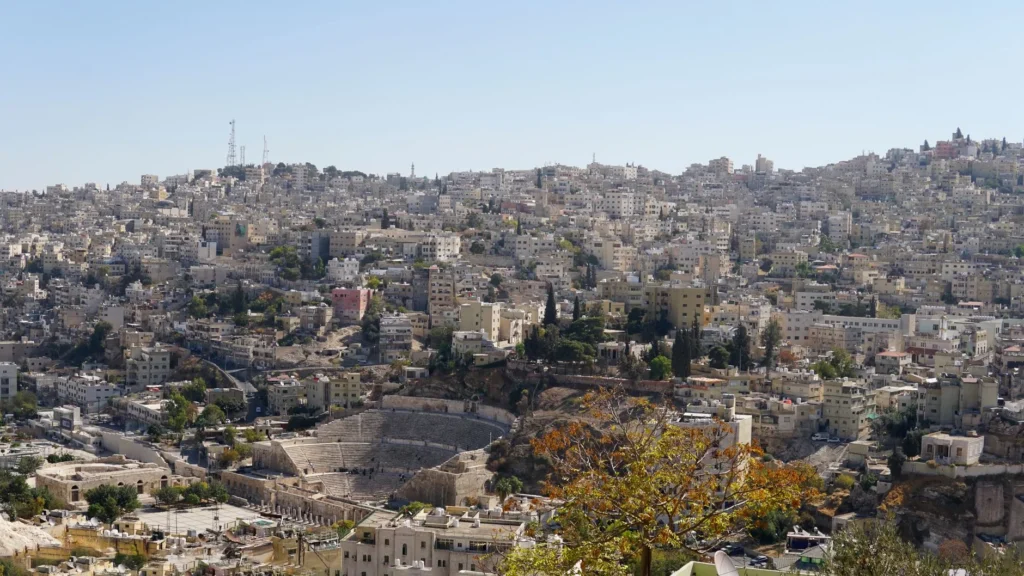
Amman is a city of hills, archaeological layers and contrasting neighborhoods. Roman ruins rise above a busy downtown, cafés occupy old residential streets, and contemporary galleries sit alongside traditional markets. As Jordan’s capital and main urban transport hub, it is also one of the country’s most useful bases for exploring farther afield.
Allow two full days for the main sights. Three days gives you more time for museums, galleries, long meals and neighborhood wandering, while four or five nights works well if you plan day trips to Jerash, Madaba, the Dead Sea or other parts of central Jordan. Amman is not a city to rush across on foot: distances can look modest on a map, but steep roads, traffic and uneven pavements make journeys slower than expected.
What Makes Amman Special
Amman brings together several of Jordan’s most accessible experiences in one city. At the Citadel, you can look across the modern capital from an archaeological site containing Umayyad, Roman and Byzantine remains. Below it, the Roman Theatre and downtown souqs provide a very different kind of experience: busy, social and firmly connected to everyday city life.
The capital is also a strong introduction to Jordanian cuisine. A simple breakfast of falafel and hummus, a plate of mansaf or maqluba, and a stop for syrupy knafeh can form the backbone of an excellent food-focused visit. Downtown is especially useful for casual eating, while Jabal Amman, Jabal Al-Lweibdeh and Abdali offer a wider choice of restaurants and cafés.
Amman suits travelers interested in archaeology, museums, contemporary Arab art and urban culture. It is also practical for first-time visitors to Jordan because guided excursions, rental cars and private drivers for major day trips are easy to arrange from the capital. The city itself is worth exploring, rather than treating it only as a place to sleep between visits to Petra and Wadi Rum.
Best Things to Do in Amman
Visit the Amman Citadel
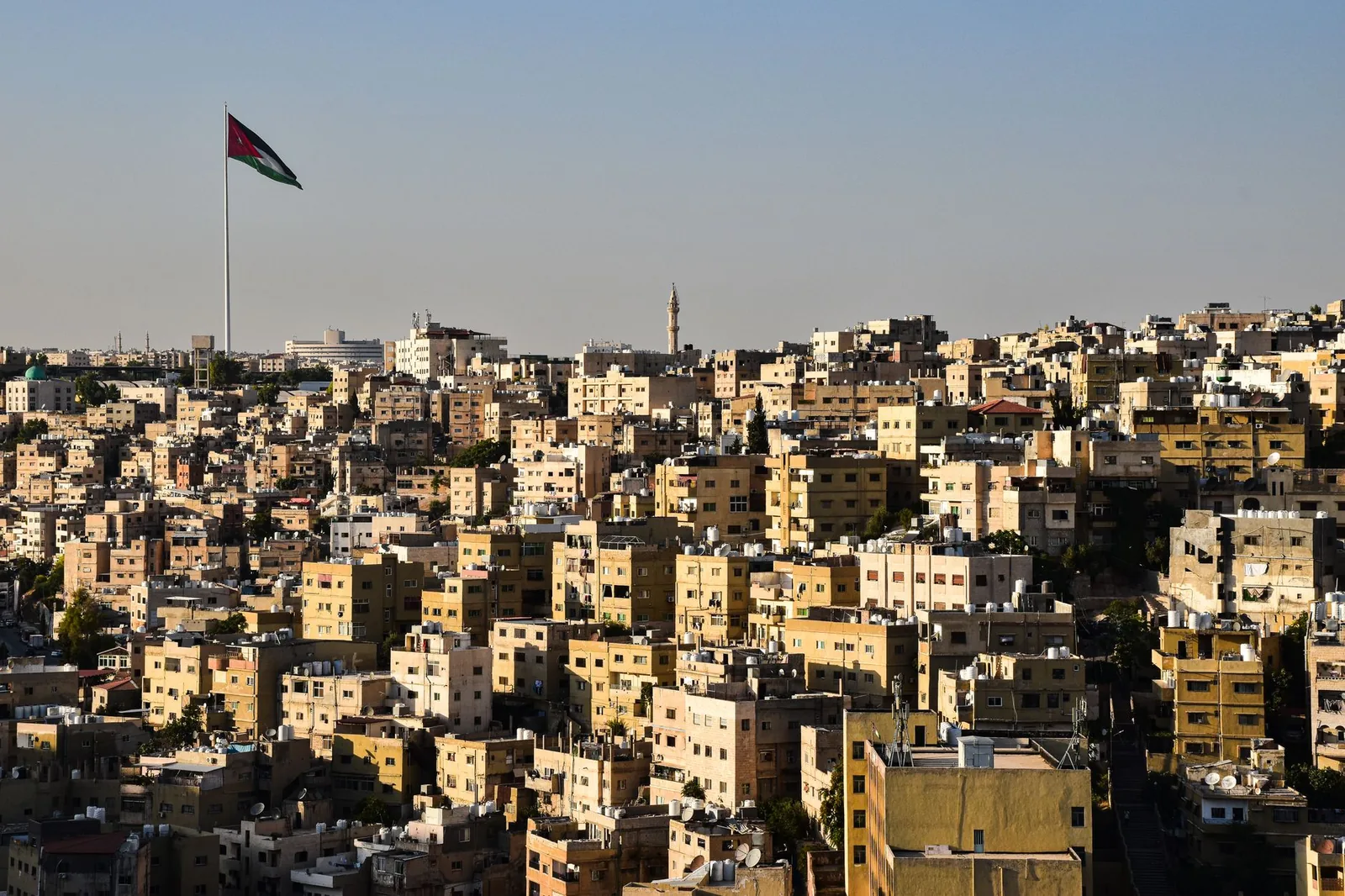
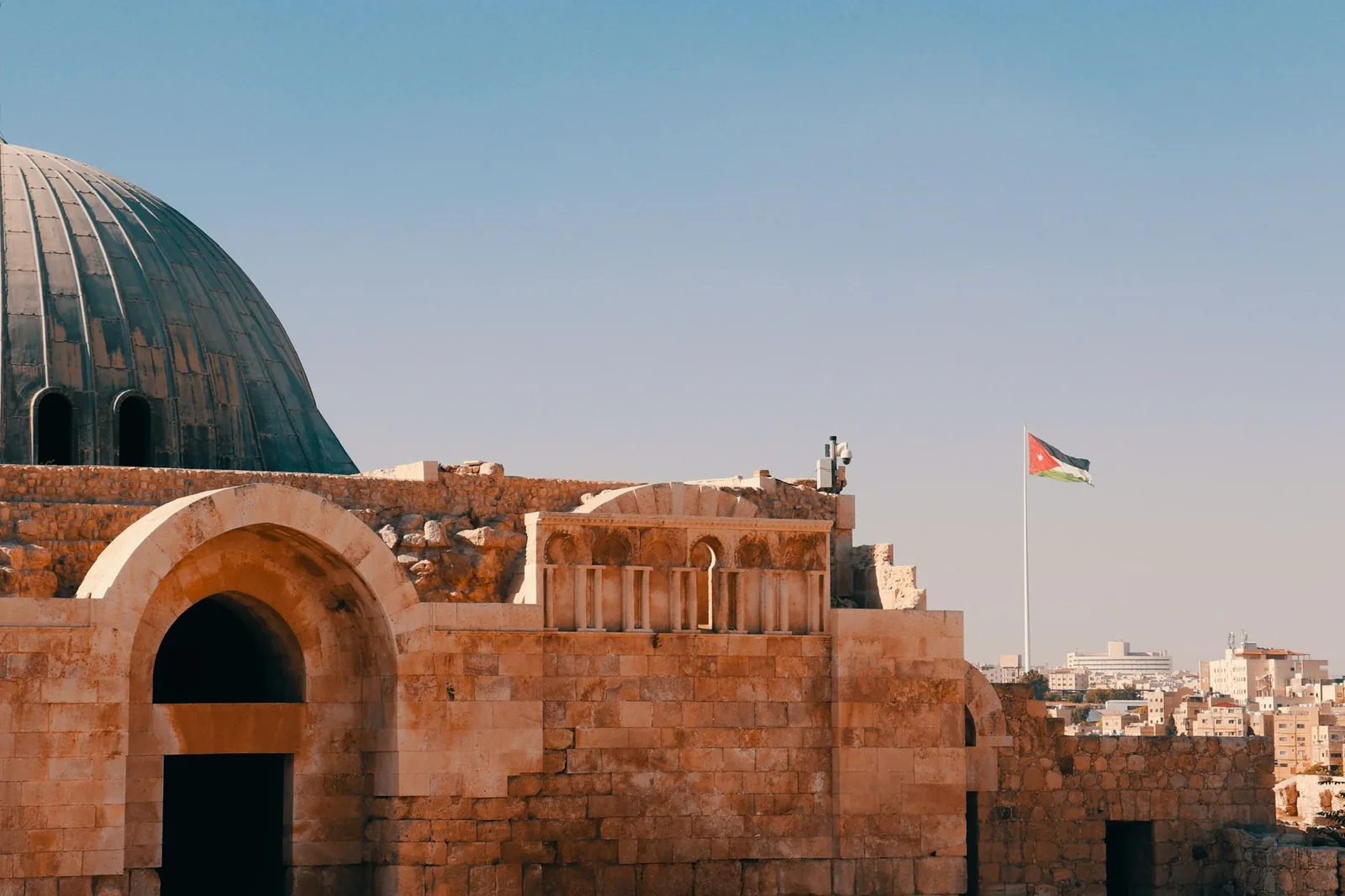
The Amman Citadel, or Jabal Al-Qal’a, is the essential starting point for understanding the city. Set on a prominent hill, the site contains remains from several periods, including the Umayyad Palace complex, the Temple of Hercules and a Byzantine Church. Its elevated position also gives you broad views across Amman’s dense white-stone neighborhoods.
The Citadel is best visited earlier in the day, when the light is softer and temperatures are easier for walking. Surfaces are uneven, slopes can be exposed to the sun and there are steps in parts of the complex, so wear shoes with good grip and bring water. The Jordan Archaeological Museum is within the Citadel area and makes a useful companion to the ruins, although its opening arrangements should be checked before you go.
Combine the Citadel with the Roman Theatre and downtown rather than trying to fit it between museums in western Amman. The three sites form the most coherent historic walk in the city, even though the hills and traffic mean that some sections are easier by taxi than on foot.
See the Roman Theatre and Odeon
Built into a hillside in the 2nd century AD, the restored Roman Theatre is one of Amman’s most recognizable landmarks. Its steep seating rises dramatically above the performance space, while the nearby Odeon is a smaller ancient venue. Climbing the theatre’s steps gives you a clear sense of how the historic center is shaped by the city’s terrain.
The site also contains the Jordan Museum of Popular Traditions and the Folklore Museum. These smaller collections can add context to a visit, but current opening arrangements may vary. The theatre’s steep steps are difficult for some visitors with limited mobility, and there is little reason to hurry: take time to look back over downtown and observe how closely the modern city surrounds the ancient structure.
Explore Downtown Amman and the souqs
Downtown is where Amman feels most immediate. The area around the Roman Theatre and Grand Husseini Mosque includes produce markets, spice shops, traditional cafés, food stalls and busy pedestrian streets. It is a good place to browse without a fixed agenda, especially in the cooler parts of the day.
Expect uneven paving, crowded streets, stairways and constant traffic. Small Jordanian-denar notes and coins are useful for snacks, small purchases and taxis. The downtown markets are more about atmosphere and everyday commerce than polished sightseeing, so dress comfortably and be prepared for a little noise and congestion.
A short food crawl works particularly well here. You can stop for falafel and hummus at Hashem Restaurant, then visit Habiba Sweets for Nabulsi-style knafeh. Both are well-known names, so queues and operating details can change; check locally rather than assuming a particular branch or schedule.
Walk Rainbow Street and Jabal Amman
Rainbow Street runs through Jabal Amman and is one of the city’s most convenient evening areas. Cafés, restaurants, independent shops and small galleries line or surround the street, while nearby residential lanes reveal older Amman houses and steep stone stairways.
Rainbow Street is an urban district rather than one single attraction. It works best as part of a relaxed afternoon or evening, perhaps after downtown, with time for a meal and a slow walk. Restaurant hours, parking and seasonal events vary, so avoid building a tightly timed itinerary around one venue.
Jabal Amman is also a useful base for visitors who want to be close to the historic center without staying directly in the busiest part of downtown. The area is still hilly, but its cafés and restaurants make it easy to spend an evening without crossing the city.
Discover Amman’s galleries and cultural spaces
Jabal Al-Lweibdeh is Amman’s main arts district, with galleries, independent cultural spaces, cafés and the Jordan National Gallery of Fine Arts area. It is a good choice when you want a slower, more contemporary counterpoint to the archaeological sights.
Darat Al-Funun occupies historic houses overlooking downtown and hosts contemporary exhibitions, cultural events, gardens and an art library. Its setting is part of the appeal, although the historic buildings may involve steps and uneven surfaces. Exhibition schedules change, so check current information before making a special journey.
The Jordan National Gallery of Fine Arts focuses on modern and contemporary art from Jordan, the wider region and beyond. Its collection includes works from numerous countries, making it a worthwhile stop for travelers interested in Arab art rather than only ancient history. Allow more time than you might expect if you plan to visit both the gallery and the surrounding neighborhood.
Visit the Jordan Museum
In Ras Al-Ayn, the Jordan Museum presents the country’s history and cultural heritage through chronological and thematic displays. It is particularly useful early in a Jordan itinerary because it provides background for sites such as Jerash, Madaba, Petra and Umm er-Rasas.
The museum can be combined with nearby cultural facilities, but it is better not to force it into the same short window as the Citadel and Roman Theatre. Opening hours, admission and exhibitions can change, so confirm current details before visiting.
See the Royal Automobile Museum
The Royal Automobile Museum, in the King Hussein Park area of western Amman, presents more than a century of Jordanian automotive and royal history through a collection of cars and motorcycles. It offers a different perspective on the country from the archaeological museums and is especially appealing to families and visitors interested in design, engineering or modern history.
The museum is away from central Amman, so plan to use a taxi or ride-hailing service. It pairs naturally with the Children’s Museum and other attractions in the King Hussein Park area. Check current admission, opening hours and any audio-guide arrangements before going.
See King Abdullah I Mosque
The blue-domed King Abdullah I Mosque is one of Amman’s most recognizable religious landmarks. Its architecture provides a useful introduction to the modern Islamic character of the capital and it can be visited alongside the newer districts and western neighborhoods.
Dress modestly and follow instructions about photography and visitor access. Non-worshipper access and visiting times may be restricted or changed, so verify arrangements before arriving.
Stop at the Hejaz Railway Station
Amman’s Hejaz Railway Station connects the city with the history of the Ottoman-era railway and the Great Arab Revolt. Locomotives and railway exhibits provide a compact historical stop, particularly for visitors interested in transport and the development of the region.
It is not usually a full-day attraction. Confirm museum access and opening times before going, and combine it with other plans in the eastern or central part of the city.
Where to Stay in Amman
Find places to stay. Search stays on VibrantGateways →
Downtown Amman
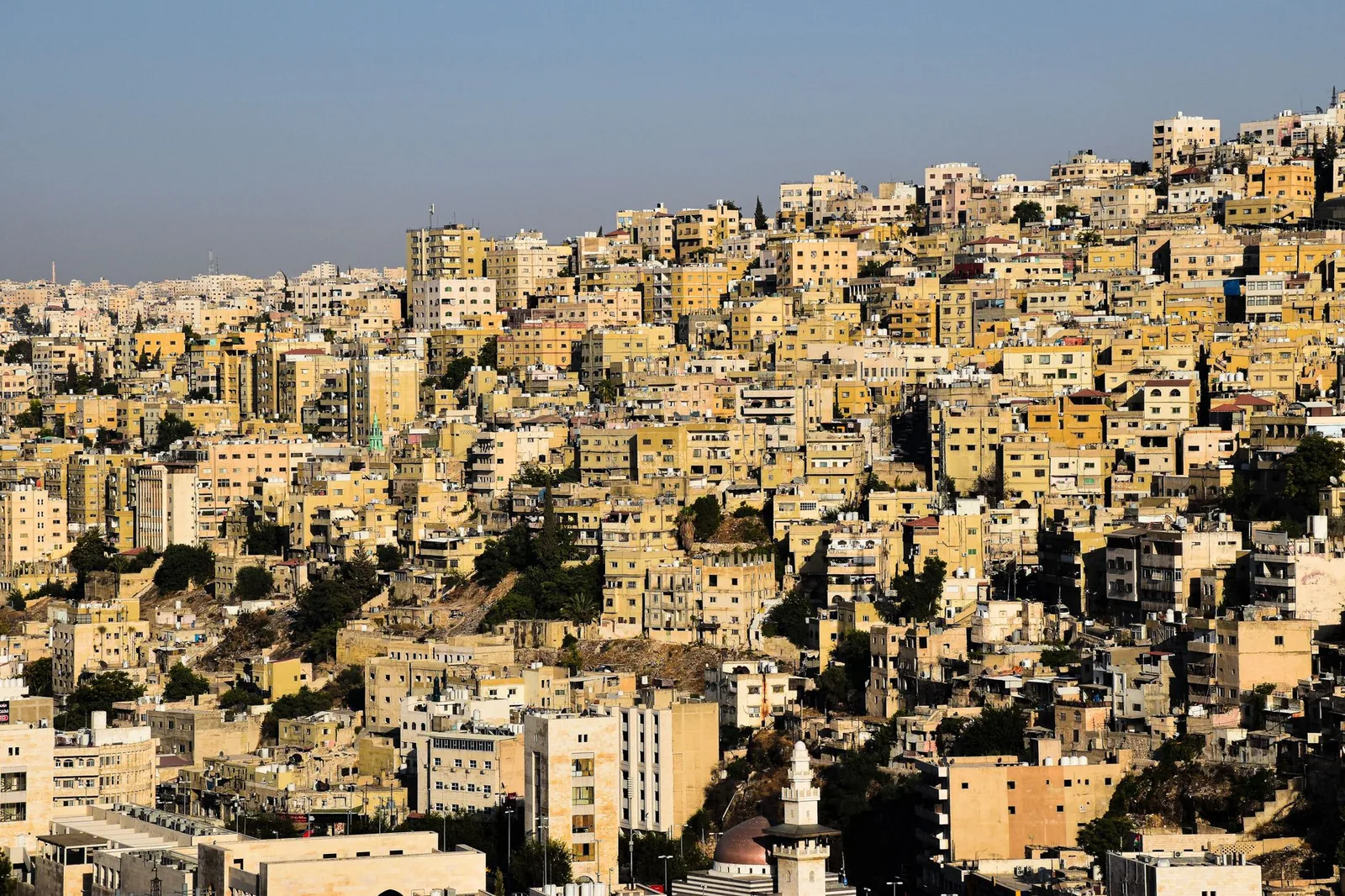
Choose downtown if you want immediate access to the Roman Theatre, Grand Husseini Mosque, traditional markets, casual restaurants and street food. It is the most atmospheric choice for a short first visit, though it can be noisy, busy and less convenient for parking.
Jabal Amman
Jabal Amman is a good all-round base for travelers who want cafés, restaurants and an evening atmosphere within reach of downtown. Staying near Rainbow Street gives you access to dining and galleries, while the surrounding historic streets offer more character than the modern business districts. Hills and stairs are part of the experience.
Jabal Al-Lweibdeh
Jabal Al-Lweibdeh suits visitors interested in galleries, cultural spaces, independent cafés and a more residential setting. It is well placed for the National Gallery area and can be a pleasant choice for a longer stay, although journeys to western Amman still require a taxi or other transport.
Ras Al-Ayn
Ras Al-Ayn is useful for travelers who want to be near the Jordan Museum and civic or cultural facilities. It is less centered on evening tourism than Rainbow Street, but its location can work well for a museum-focused itinerary.
Abdali
Abdali is Amman’s modern commercial and business district, with newer architecture, hotels, restaurants and shopping. It offers a more contemporary city experience and may be convenient for business travelers or visitors who prefer modern facilities. It is less atmospheric than downtown for traditional markets and historic sightseeing.
King Hussein Park and western Amman
Western Amman and the King Hussein Park area are practical for families and visitors planning to see the Royal Automobile Museum or Children’s Museum. The area is more spacious and modern, but you will generally rely on taxis or ride-hailing services to reach the historic center.
What to Eat in Amman
Amman is one of the best places in Jordan to build an itinerary around food. Start with falafel and hummus, especially for breakfast or a quick downtown meal. Shawarma is another practical choice when you want something fast, filling and widely available.
Mansaf is Jordan’s best-known traditional dish: lamb and rice served with jameed, a fermented dried-yogurt sauce. It is strongly associated with hospitality and communal meals. Maqluba, an upside-down rice dish often prepared with vegetables and served with salad or yogurt, is another important dish to seek out.
Knafeh is the dessert to make room for. The combination of cheese, pastry and syrup is rich, sweet and particularly associated with Nabulsi-style preparations. Habiba Sweets in downtown is a well-known stop, often paired with a visit to Hashem Restaurant for falafel and hummus. Check current branch details, queues and opening hours locally.
Zarb, meat or chicken cooked in an underground oven, is more closely associated with Bedouin and desert traditions than with everyday central-Amman dining. You are more likely to encounter it on a regional or desert excursion than in a standard city restaurant.
For drinks, cafés range from traditional downtown establishments to modern venues in Jabal Amman, Jabal Al-Lweibdeh and Abdali. Restaurant styles and payment options vary, so keep some Jordanian dinars with you even if you normally rely on cards.
Best Time to Visit Amman
Spring and autumn are generally the most comfortable seasons for walking around Amman and taking day trips. March to May brings increasingly warm days, although early spring can still be cool or wet. Late spring is warmer, so plan outdoor visits around the morning or late afternoon. Popular Jordan-wide tours and accommodation can be in demand during the main spring travel period.
June to September is hot and dry, with summer temperatures commonly reaching around 32°C. Sightsee early or later in the day, carry water and use sun protection. The heat is manageable if you avoid packing too many exposed archaeological sites into the middle of the afternoon.
October and November are often excellent months for sightseeing. Temperatures become cooler in November and rain becomes more likely, but conditions are usually well suited to exploring the city and surrounding areas.
December to February is cooler and can be rainy. Snow is occasionally possible in elevated western parts of Jordan. Bring warm, waterproof layers and check the forecast before planning long excursions. During Ramadan and public holidays, restaurant, museum, attraction and transport schedules may differ from normal.
Getting Around Amman
Amman is spread across hills, and a short distance on a map can translate into a slow journey. The most practical approach for most visitors is to walk between the Citadel, Roman Theatre, downtown markets and nearby sights, then use taxis or ride-hailing services for cross-city trips.
Walking is rewarding in compact historic areas, but expect steep roads, stairs, uneven paving, limited shade and busy crossings. Comfortable shoes are essential. Avoid assuming that a neighborhood described as “nearby” will be an easy walk, particularly in summer or with luggage.
The city has regular buses as well as Amman Bus and Bus Rapid Transit services. Route planning and real-time information may be available through Google Maps, but routes, fares, payment methods and operating conditions can change. Check the current details on the day you travel.
Yellow taxis are widely available. Ask for the meter to be used and keep cash available, as not every taxi will accept cards or have change. Ride-hailing services including Uber, Careem, Jeeny and TaxiF operate in major Jordanian cities, but airport pickup rules and availability can differ.
A rental car is more useful for day trips and a wider Jordan itinerary than for central Amman. Traffic can be heavy, parking is difficult in older districts and navigating steep streets can be stressful. Jordan drives on the right. Check both your rental company’s requirements and current driving guidance before booking.
Arriving from Queen Alia International Airport
Queen Alia International Airport, code AMM, is Jordan’s main international airport, approximately 35 kilometres south of Amman. The airport lists official taxis, Sariyah buses, an Airport Express Bus and transportation apps among the available options. The journey to central Amman is often described as taking around 30 to 45 minutes, although traffic and your final neighborhood can change that considerably.
Use the official airport taxi service, designated bus arrangements or a confirmed app pickup rather than accepting an unverified offer in the terminal. Airport fares, routes and operating times can change, so check current information shortly before arrival.
Which Amman experience would you most want to build your trip around?
Places to Visit Beyond Amman
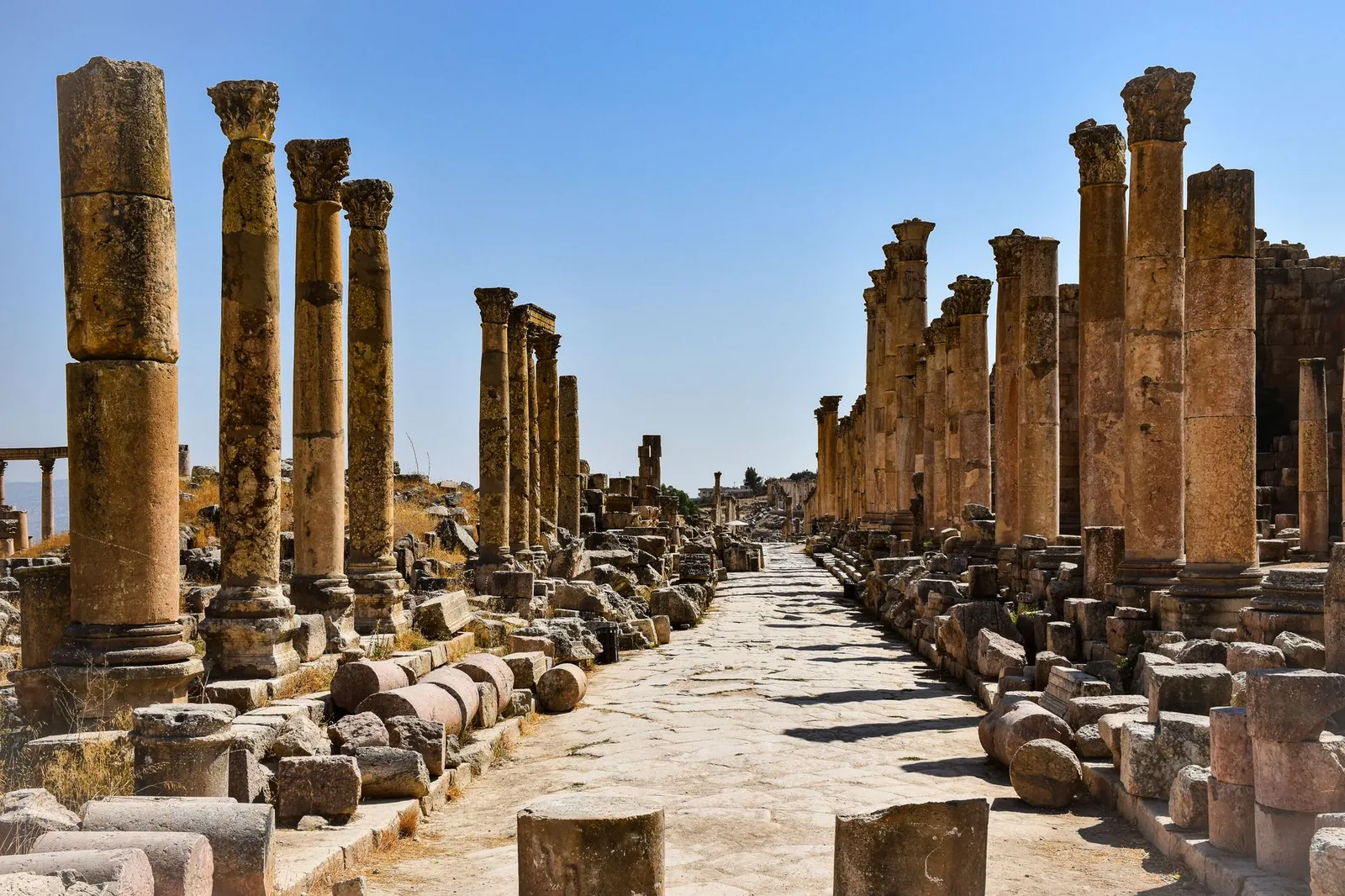
Jerash
Around 40 kilometres north of Amman, Jerash is one of Jordan’s most important Roman archaeological sites. Colonnaded streets, theatres, temples, baths and a nymphaeum make it a rewarding full-day or substantial half-day excursion. A private car, driver or organized tour is usually the simplest option.
Madaba and Mount Nebo
Madaba is known for Byzantine and early Christian mosaics, while Mount Nebo offers religious significance and expansive views. The two are commonly combined in a central Jordan excursion. Check current opening hours and transport arrangements before setting out.
The Dead Sea
West of Amman, the Dead Sea combines striking landscapes, low elevation, mineral-rich water and resort facilities. It works well as a day trip, although the experience is more relaxed if you allow time rather than treating it as a quick photo stop. Resort access and day-visitor arrangements vary.
Ajloun
Ajloun combines a medieval Islamic castle with greener northern hill landscapes. It is best reached by private car, driver or organized tour because public transport is less convenient for fitting the castle and surrounding area into one excursion. Travel times depend on traffic and route conditions.
Iraq Al-Amir
Southwest of Amman, Iraq Al-Amir is a rural valley with the Hellenistic Qasr Al-Abd, hillside caves, olive groves and a women’s handicraft cooperative. It offers a quieter contrast to the capital and is most enjoyable with enough time to appreciate the landscape and local initiatives.
As-Salt
The historic hill town of As-Salt is known for Ottoman-era architecture, local hospitality and its UNESCO-listed cultural heritage. Steep streets are common, so wear sturdy shoes. You can visit independently or with a local guide, depending on how much historical context you want.
Bethany Beyond the Jordan
Bethany Beyond the Jordan is a significant Christian pilgrimage site on the Jordan River. Current access, security arrangements and site procedures should be checked before travel. Dress respectfully and allow extra time for transport and entry arrangements.
Umm er-Rasas
About 60 kilometres south of Amman, Umm er-Rasas contains Roman, Byzantine and early Islamic remains, including notable church mosaics. It is relatively remote and is best visited with a private vehicle or organized excursion rather than as an improvised public-transport trip.
Petra
Petra is approximately three hours south of Amman and can technically be visited in a very long day, but the return journey is tiring and the archaeological site requires substantial walking. If Petra is central to your Jordan itinerary, staying overnight near the site is more practical than treating it as a casual day trip from the capital.
Practical Tips for Visiting Amman
- Carry Jordanian dinars in small denominations. Souqs, smaller shops and many taxis may prefer cash.
- Wear shoes with good grip. Hills, stairs and uneven stone surfaces are common around Amman’s historic areas.
- Dress modestly, especially near mosques, churches, religious sites and conservative neighborhoods. Covering shoulders and knees is a sensible default.
- Ask permission before photographing people, particularly vendors, children and residents.
- Conserve water. Jordan is a water-scarce country, and visitors are encouraged to avoid waste.
- English is widely spoken in Jordanian cities. A basic Arabic greeting or “shukran” can make everyday interactions more pleasant.
- During Ramadan, avoid eating, drinking or smoking openly in public during daylight hours unless you are in an appropriate designated venue. Restaurant and attraction schedules may change.
- Allow extra time for journeys across the city. Hills, congestion and the road layout can make travel slower than expected.
- Check official attraction information shortly before visiting for opening hours, ticket prices, closures and special events.
- Verify visa requirements for your nationality, including any conditions connected with the Jordan Pass.
- Check current travel advisories and local operator information before planning remote day trips.
- Jordan’s unified emergency number is listed as 911, but confirm local emergency guidance and keep your travel insurance details accessible.
Frequently Asked Questions
How many days should I spend in Amman?
Two full days cover the main historic sights and a food-focused evening. Three days allows a more relaxed mix of archaeology, museums, galleries and neighborhoods. Add extra nights if you want to use Amman as a base for day trips.
Is Amman easy to explore without a car?
Yes, for the Citadel, Roman Theatre, downtown, Rainbow Street and parts of Jabal Amman. Walking combined with taxis is usually enough for the city highlights. A car, private driver or organized tour is more convenient for Jerash, Madaba, the Dead Sea and other excursions.
What is the main airport for Amman?
Queen Alia International Airport, IATA code AMM, is Jordan’s principal international airport. It is about 35 kilometres south of Amman.
How do I get from Queen Alia Airport to Amman?
The airport lists official taxis, Sariyah buses, an Airport Express Bus and transportation apps. The journey to central Amman is commonly around 30 to 45 minutes, but traffic and your destination affect the time. Confirm current fares and operating hours before travel.
What should I eat in Amman?
Try mansaf, falafel, hummus, shawarma, maqluba and knafeh. Downtown is particularly useful for casual food, including the well-known Hashem Restaurant and Habiba Sweets, although current operating details should be checked.
Is Amman expensive?
Costs vary considerably by neighborhood, hotel category, restaurant and excursion style. Local food and taxis can be relatively affordable, while international hotels, private drivers and organized day trips cost more. Check current prices rather than relying on old budget figures.
Is Amman suitable for families?
Yes. The Citadel, Roman Theatre, museums, parks and Children’s Museum provide several family-friendly options. The city is hilly and busy, so strollers and young children require extra planning.
What currency is used in Amman?
The currency is the Jordanian dinar, commonly abbreviated JOD or JD. Cards are accepted at many hotels, larger restaurants and shops, but cash remains important for smaller businesses, souqs and taxis.
Planning Your Amman Trip
Amman is more than a convenient arrival point for Jordan. Its archaeological hills, downtown food culture, art spaces and sharply contrasting neighborhoods make it a rewarding destination in its own right. Give the city at least two full days, plan around its terrain and leave room for unhurried meals and unexpected stops.
For a first visit, combine the Citadel, Roman Theatre and downtown with one museum or arts district, then use a second or third day for western Amman, Rainbow Street and a carefully chosen excursion. That balance reveals both sides of the capital: the ancient city visible in its stone ruins and the modern, energetic Jordanian city continuing around them.
Find your stay with VibrantGateways.
Choose your travel dates and explore accommodation options for your destination.
Join the conversation
Ask a question, share a travel tip, or help another traveler plan with confidence.
Leave a comment
No account required.