
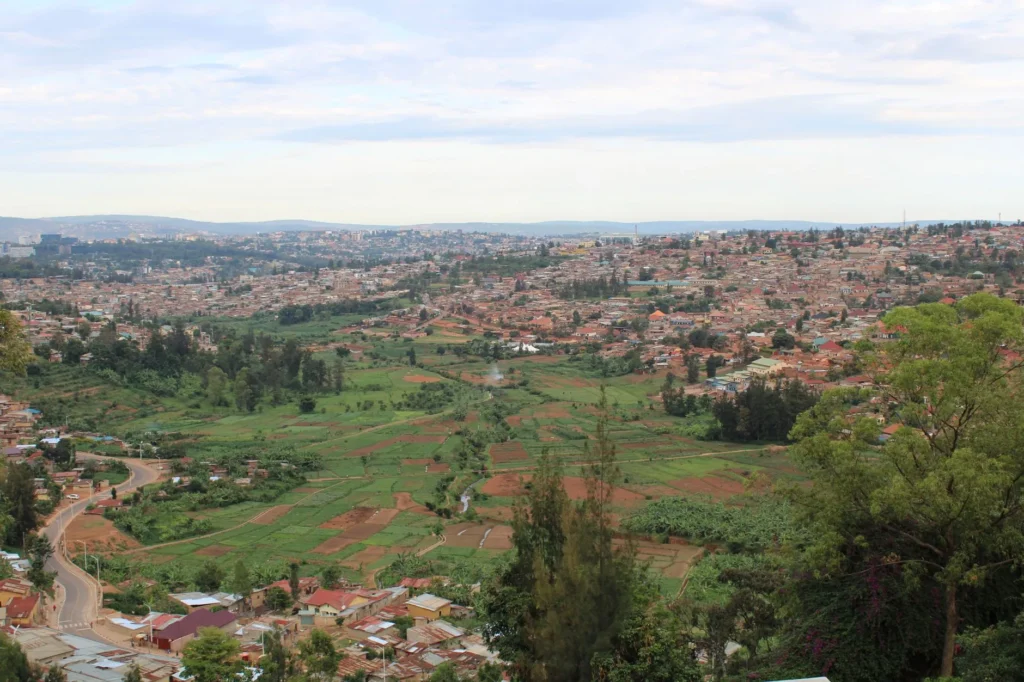
Kigali is a city of hills, broad views and contrasting experiences. Rwanda’s capital combines a relatively calm urban atmosphere with a growing arts, coffee and dining scene, while its memorials and museums provide essential context for understanding the country’s recent history. It is also Rwanda’s principal international gateway and a practical starting point for journeys to Akagera, Nyungwe, Volcanoes National Park, Lake Kivu and southern Rwanda.
Allow two to three full days for Kigali itself. A shorter stay can cover the principal memorial, a museum, a market and dinner, but an extra day makes room for Nyamirambo, contemporary art, coffee, urban nature and a less hurried look at the city. Kigali is spread across hills and valleys, so plan by neighborhood rather than assuming that every attraction is close together.
What Makes Kigali Special
Kigali works well as both a destination and a first stop in Rwanda. The city offers a thoughtful introduction to the country, from its history and memorial culture to its food, design, crafts and everyday urban life.
The Kigali Genocide Memorial is the most important historical visit in the city. It commemorates victims of the 1994 Genocide against the Tutsi and includes exhibitions, gardens, burial sites and educational material. Other sites, including Camp Kigali Belgian Peacekeepers Memorial, add further perspective, although all memorial visits should be approached with care and respect.
Kigali is also a good city for contemporary culture. Galleries and studios showcase painting, sculpture, mixed media, fashion and craft, while markets offer fabrics, clothing, produce and Made-in-Rwanda gifts. The city’s specialty coffee scene is another highlight, with cafés and tasting experiences focused on Rwandan Arabica beans.
For travelers who enjoy outdoor time without leaving the city, Kigali has restored wetlands, birding sites, viewpoints and cycling or walking routes. Nyandungu Eco-Park, Umusambi Village, Nyarutarama Lake and Mount Kigali each offer a different way to see the greener side of the capital.
What to See and Do in Kigali
Visit the Kigali Genocide Memorial
Begin with the Kigali Genocide Memorial in Gisozi. Its exhibitions explain the 1994 Genocide against the Tutsi and place Rwanda’s history within a wider international context. The site includes memorial gardens and burial areas as well as educational displays.
This is not a quick sightseeing stop. Allow at least 90 minutes, and longer if you want time to absorb the exhibitions. Dress respectfully, keep your voice low and follow the site’s photography guidance. The memorial’s opening arrangements can change around national commemorations, holidays and Umuganda, the monthly community work period, so check current details before visiting.
The memorial is emotionally demanding. It is best scheduled when you have time afterward to reflect rather than immediately before a busy afternoon of shopping or nightlife.
Explore Kigali’s museums and heritage sites
Kandt House Museum explores precolonial Rwandan life, the colonial period and Kigali’s early history. The museum occupies the former home associated with Richard Kandt and offers useful context for visitors who want to understand how the capital developed.
The Rwanda Art Museum is a natural choice for travelers interested in the country’s contemporary creative scene. It occupies the former Presidential Palace Museum and displays art from Rwanda and abroad. The presidential aircraft debris remains in the garden as a heritage feature.
Camp Kigali Belgian Peacekeepers Memorial is a smaller and more solemn site commemorating the ten Belgian United Nations peacekeepers killed at the beginning of the 1994 genocide. Confirm current access arrangements locally, as visitor information can be limited and may change.
The Ethnographic Museum is one of Rwanda’s most significant cultural museums, but it is in Huye rather than central Kigali. It covers subjects including geography, archaeology, agriculture, cattle, pottery, weaving, clothing, architecture, beliefs and oral traditions. Include it on a southern Rwanda itinerary rather than trying to fit it into a short city visit.
See Kigali’s contemporary art and design scene
Kigali’s gallery and studio scene is developing quickly. Inema Arts Center and other contemporary spaces are associated with painting, sculpture, mixed media, fashion and craft. Visiting a gallery is a good way to see a side of Rwanda that is not represented by museums alone.
Schedules can be irregular, and some studios may require advance arrangements for visits or workshops. Check that a gallery is open before crossing the city, particularly during exhibition changes or public holidays. If you want deeper context, consider arranging a guided art walk or studio visit.
The Kigali Cultural Village is another useful stop for local crafts, food vendors, workshops, festivals and music. Vendor availability and event programming vary, so treat it as a flexible part of an itinerary rather than a fixed-time attraction.
Browse Kimironko Market
Kimironko Market provides a lively view of everyday commerce in Kigali. Stalls sell fruit, vegetables, fabrics, clothing, crafts and other household goods. It is a practical place to see the city beyond its hotels and business districts, and a useful stop for travelers looking for fabrics or small Made-in-Rwanda souvenirs.
Bring small denominations of Rwandan francs and ask before photographing people, stalls or individual products. A local guide can make the visit easier if you want help navigating, shopping or understanding the produce and fabrics on display.
Markets are working environments rather than staged attractions. Take your time, avoid blocking walkways and negotiate politely where appropriate.
Walk, cycle or birdwatch in Kigali’s wetlands
Nyandungu Eco-Park is one of the city’s strongest urban-nature experiences. The restored wetland has walking and cycling paths, viewpoints, picnic areas and a restaurant, with a focus on biodiversity and ecological restoration. The destination guide describes a network of approximately 10 kilometres of paths.
Umusambi Village offers a quieter experience centered on wetland conservation and birdwatching. Visitors may see rescued Grey Crowned Cranes and other wetland species. It is a particularly good choice for travelers who want nature without committing to a national-park excursion.
Nyarutarama Lake, also known as Lover’s Lake, is another urban birding area. Its surroundings are associated with the golf course and leafy northern Kigali, although access to particular paths or private facilities should be confirmed locally.
Rain can make outdoor paths muddy, so carry shoes with a good grip and keep a flexible plan during the wetter seasons.
Take in the views from Mount Kigali
Kigali’s hills are part of its character, and Mount Kigali offers elevated views over the city. Fazenda Sengha, on or around Mount Kigali, is associated with outdoor activities including horseback riding and other recreational experiences.
Availability, safety requirements, age limits, prices and weather closures vary by operator. Confirm details directly before making the journey. Even without booking an activity, the area can be a useful addition for travelers who want a more open, outdoor setting after several museum visits.
Spend time in Nyamirambo
Nyamirambo is one of Kigali’s liveliest neighborhoods, known for local restaurants, shops, tailoring, mosques and a culturally diverse community. It offers a different perspective from the office districts, hotel areas and newer commercial developments elsewhere in the capital.
A guided walking or cooking experience can add context to the neighborhood, particularly if you want to learn about local food and daily life. Dress respectfully, ask permission before taking photographs and avoid treating residential streets as a backdrop.
Where to Base Yourself in Kigali
Find places to stay. Search stays on VibrantGateways →
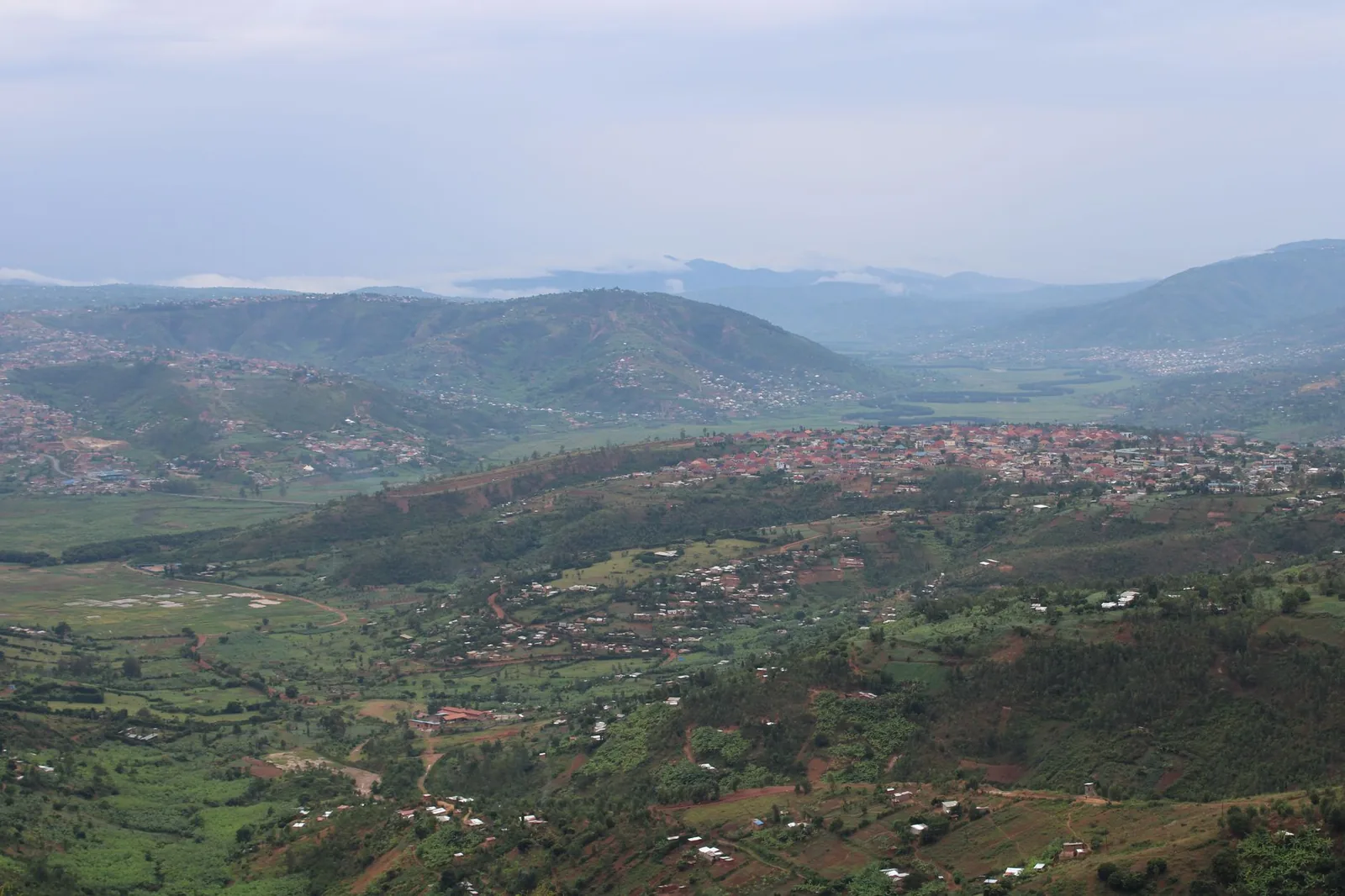
Choose your base according to the kind of stay you want. Kigali’s neighborhoods have noticeably different functions, and map distances can be misleading because of the hills.
Nyarugenge and the central business district
The central business district sits on Nyarugenge Hill and is convenient for offices, banks, shops, hotels and main downtown transport connections. It is a practical choice for first-time visitors who want a central base and easy access to the commercial core.
Kiyovu
Leafy Kiyovu is associated with hotels, embassies, restaurants and bars. It is useful for travelers who want central access combined with a calmer setting and a strong choice of places to eat.
Kacyiru
Kacyiru is the government and administrative quarter, with embassies, offices, cultural venues and access to the Kigali Convention Centre area. It suits business and conference travelers, as well as visitors who prefer a quieter, more polished neighborhood.
Kimihurura
Kimihurura is a popular dining and café area near the convention district. It works well for visitors who expect to eat out in the evenings or want convenient access to business areas without staying directly in the busiest part of downtown.
Nyamirambo
Nyamirambo offers a more local, energetic atmosphere, with restaurants, shops, tailoring and community-based experiences. It can be a rewarding base for travelers who value neighborhood character, although it is less suited to those seeking a quiet business-hotel environment.
Nyarutarama
Nyarutarama is a greener northern area near the golf course and lake. It has hotels, serviced accommodation and restaurants, and is practical for longer stays or travelers who prefer quieter surroundings.
Remera and Kanombe
Remera and Kanombe are useful for access to Amahoro Stadium, airport approaches, accommodation and everyday restaurants. Traffic can be heavier than in some hill neighborhoods, but the location may be convenient for early departures or particular business and sporting events.
What to Eat in Kigali
Kigali’s food scene ranges from local buffets and neighborhood grills to international restaurants and specialty cafés. It is easy to combine traditional Rwandan dishes with Ethiopian, Indian, Middle Eastern, European and vegetarian options, particularly around Kiyovu, Kimihurura, Kacyiru and central Kigali.
Start with brochettes, grilled skewers commonly made with goat or beef and sometimes fish or other meats. They are popular in casual restaurants and evening venues. Choose busy establishments where food turnover is high.
Isombe, made with cassava leaves, is often served as part of a broader Rwandan meal. Ubugali is a firm maize- or cassava-based staple usually accompanied by vegetables, beans, meat or sauces. Beans, plantains and local buffet meals are also useful introductions to everyday food. Look for a buffet or mélange if you want to sample several dishes in one sitting.
Kimironko Market and other markets offer fresh produce, mandazi, sambusa and casual snacks. Ask vendors about ingredients if you have dietary restrictions, and request permission before taking photographs.
Rwandan coffee deserves a place in any Kigali itinerary. Specialty cafés offer Arabica coffee, tastings and cupping sessions, with Question Coffee, Kivu Noir and Rubia Café associated with coffee experiences in the city. Session times and reservations can change, so check directly before visiting.
When to Visit Kigali

Kigali can be visited throughout the year. Rwanda has two broadly recognized rainy seasons: approximately mid-February to May and mid-September to mid-December. The principal drier period runs from June to mid-September, although short showers can occur at any time.
Kigali has a relatively mild highland climate, with an average daily temperature of about 21°C and limited month-to-month variation. Mornings and evenings can feel cool, while midday sun can be strong. A light rain jacket, sunscreen and comfortable walking shoes are useful year-round.
June to August is generally one of the easiest periods for city walks, road travel and outdoor excursions. March to May is wetter but often greener, and flexible planning makes it possible to enjoy the city between showers. October and November bring another rainy period, while December can also be wet. January and early February are often comparatively drier, but conditions vary.
Check current forecasts before planning cycling, wetland walks or longer road journeys. Rain can affect paths and travel times even when conditions in central Kigali appear comfortable.
Transport in Kigali
Kigali is not a flat, compact city. It spreads across hills and valleys, and a short distance on a map may involve steep roads, traffic or a circuitous route. Organize sightseeing by area where possible.
City buses use the Tap&Go smart-card system. Shared minibuses are also widely used, although routes and payment procedures can be less intuitive for first-time visitors. Check locally where cards can be purchased or topped up, and verify current routes and fares.
Walking works well for short journeys within neighborhoods such as central Kigali, Kiyovu and Kimihurura. It is less practical for crossing the city between distant attractions, particularly during midday heat or rain.
Licensed taxis, ride-hailing services and motorcycle taxis are the main alternatives. Active ride-hailing providers, coverage and payment methods can change. For motorcycle taxis, use an officially identified operator and ensure that both rider and passenger wear properly fastened helmets. Agree how the fare will be calculated before setting off.
For multi-stop sightseeing or travel beyond Kigali, a hired car with driver is generally easier than self-driving. Rwanda’s roads, hills, traffic patterns and weather can make unfamiliar routes demanding. Allow extra time for journeys outside the city.
Arriving at Kigali International Airport
Kigali International Airport, code KGL, is Rwanda’s principal international gateway and is approximately 10 kilometres from the city centre. You can arrange a hotel or tour transfer in advance, use an official taxi or check the current ride-hailing options available at the airport.
Verify pickup rules and current fares before arrival, especially if landing late or continuing directly to a safari lodge. Immigration and customs operate continuously according to the airport’s aeronautical information, but allowing extra time during busy periods is sensible.
Which Kigali experience would you most like to build your trip around?
Easy Day Trips from Kigali
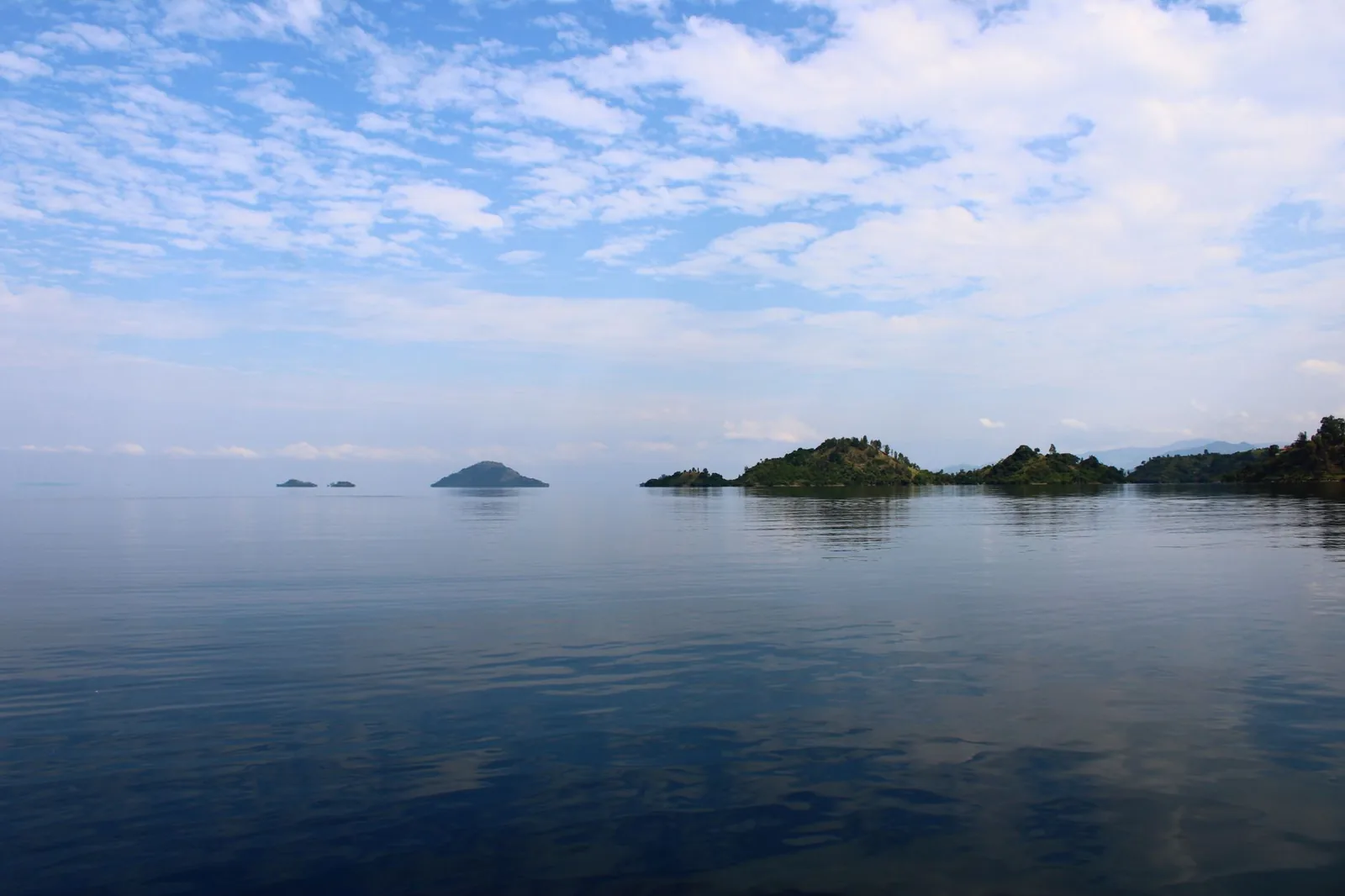
Kigali is a useful base for reaching other parts of Rwanda, but not every major attraction makes sense as a day trip.
Akagera National Park
Akagera’s savannah, wetlands and lakes provide a very different landscape from Kigali, with game drives and boat trips offering opportunities to see major wildlife including lions and rhinos. A full-day journey from Kigali is possible but demanding. An overnight stay is more comfortable and allows more time in the park.
Nyamata and Ntarama memorial sites
South of Kigali, the memorial sites at Nyamata and Ntarama provide deeper context on the 1994 Genocide against the Tutsi. Nyamata is approximately 30 kilometres south of the capital according to tourism and heritage information. Visits are emotionally intense and should be planned respectfully. Confirm current access and guided-visit arrangements before going.
Nyanza and the King’s Palace Museum
Nyanza offers insight into Rwanda’s royal history, including a reconstructed traditional King’s Palace. It is best combined with Huye and the Ethnographic Museum as a long southern Rwanda day or, preferably, an overnight itinerary.
Huye and the Ethnographic Museum
Huye is an academic and cultural city in southern Rwanda. Its Ethnographic Museum is one of the country’s principal museums, but the journey from Kigali makes this a long day trip. Check road conditions and museum hours before setting out.
Lake Kivu
Karongi and Rubavu provide access to Lake Kivu’s lakeside scenery, boat activities, hiking, cycling and coffee or tea experiences. Neither is a casual excursion from Kigali; plan at least one overnight stay and allow for the road journey.
Volcanoes National Park and Musanze
Musanze and Volcanoes National Park are the bases for gorilla and golden-monkey tracking, mountain hikes and other volcano-area activities. The region is too far for a sensible day trip from Kigali. Arrange several days and secure permits or activities in advance.
Nyungwe National Park
Nyungwe offers rainforest hiking, primate tracking and the Canopy Walkway. The park is roughly six hours by road from Kigali for a Canopy Walkway-focused itinerary, so it requires a multi-day trip rather than a day excursion.
Good to Know Before You Go
- Check current visa rules for your passport through Rwanda’s official immigration authorities. Visa availability, fees, validity and documentation requirements can change.
- Carry some Rwandan francs for markets, small vendors, transport and tips, while keeping a backup payment method.
- Rwanda prohibits plastic bags at entry points, so pack reusable bags instead.
- Dress respectfully at memorials, religious sites and in residential neighborhoods.
- Do not photograph people, security facilities, police, military or official buildings without permission.
- Plan around Umuganda, generally held on the last Saturday of each month. Museums and memorials may open later, and business or transport arrangements can be affected.
- Pack sunscreen, insect repellent, comfortable shoes and a light rain jacket.
- Consult a travel-health professional about malaria prevention, yellow-fever requirements and any recommended vaccinations before departure.
- If continuing to Uganda or Kenya, check those countries’ separate entry and health requirements.
- Use identified motorcycle-taxi operators and wear a properly fastened helmet.
- Keep paper and digital copies of your passport, visa approval, accommodation details, travel insurance and emergency contacts.
- Check attraction hours immediately before visiting, especially around April 7 commemorations, public holidays, maintenance periods and special events.
Frequently Asked Questions
How many days do you need in Kigali?
Two to three full days is a useful range for Kigali itself. One day can cover the principal memorial, a museum or gallery, a market and dinner. Two or three days allow time for neighborhoods, coffee, urban nature and a slower pace.
Is Kigali a good base for visiting Rwanda?
Yes, particularly for arrival, departure, business and short cultural stays. Kigali is also a transport hub, but major destinations such as Volcanoes National Park, Nyungwe National Park, Lake Kivu and much of Akagera are better handled as separate multi-day itineraries.
What is the main airport for Kigali?
Kigali International Airport, IATA code KGL, is Rwanda’s principal international gateway and is about 10 kilometres from central Kigali.
Can you use public transport in Kigali?
Yes. City buses use the Tap&Go smart-card system, and shared minibuses are common. Motorcycle taxis, conventional taxis and ride-hailing services are also practical for many visitors. Verify current card purchase points, fares, routes and ride-hailing availability locally.
Is Kigali walkable?
Parts of Kigali are walkable, especially within individual neighborhoods. However, the city is hilly and attractions are spread out, so walking between distant areas can be tiring during rain or midday heat.
When is the rainy season in Kigali?
Rwanda generally has rainy periods from around mid-February to May and mid-September to mid-December. June to mid-September is the main drier period, although short showers remain possible.
What should visitors eat in Kigali?
Try brochettes, isombe, ubugali, beans, plantains, local buffet dishes and Rwandan coffee. Kigali also has extensive international dining, particularly around Kiyovu, Kimihurura, Kacyiru and the city centre.
Are the Kigali Genocide Memorial and museums free?
The Kigali Genocide Memorial is listed by official tourism information as having no entry fee, although audio guides and other services may have separate arrangements. National museum admission categories and prices can change, so verify current information directly before visiting.
Planning Your Kigali Trip
Kigali rewards travelers who give it more than a brief airport stop. Its memorials and museums provide essential historical context, while its galleries, markets, cafés and neighborhoods reveal a contemporary capital with a distinct identity. Wetlands, birding areas and hilltop viewpoints add outdoor variety without requiring a long journey.
Two or three days is enough to experience the city thoughtfully. From there, continue outward with realistic expectations: Akagera may work as a demanding long day, but Volcanoes National Park, Nyungwe, Lake Kivu and southern Rwanda deserve their own time. Kigali is the gateway, but it is also a worthwhile destination in its own right.
Find your stay with VibrantGateways.
Choose your travel dates and explore accommodation options for your destination.
Join the conversation
Ask a question, share a travel tip, or help another traveler plan with confidence.
Leave a comment
No account required.