
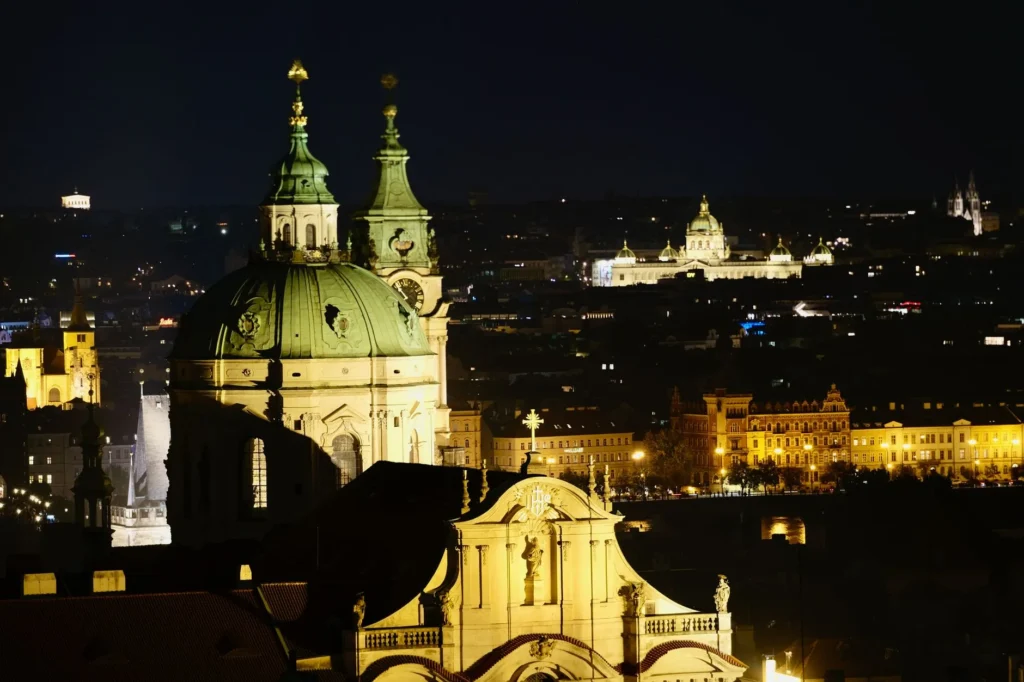
Prague is one of Europe’s most rewarding cities for a first visit. Its historic centre gathers Romanesque, Gothic, Baroque, Art Nouveau and modern architecture around the Vltava River, while lively residential districts add cafés, galleries, restaurants and parks beyond the main tourist routes. Most headline sights can be explored on foot, and an integrated network of metros, trams, buses, trains and ferries makes the wider city easy to reach. Three full days is a sensible minimum; four or five allows time for museums, neighbourhoods and a day trip.
Why Visit Prague
Prague’s appeal lies in its concentration. Prague Castle, St. Vitus Cathedral, Charles Bridge, Old Town Square, the Astronomical Clock and Josefov are all within a relatively compact central area. The Historic Centre of Prague has been a UNESCO World Heritage Site since 1992, and its architectural variety is visible almost everywhere you walk.
The city also works well for different kinds of travellers. History and architecture enthusiasts can spend days moving between churches, towers, palaces and historic streets. Couples have atmospheric evening walks and river views; families have parks, the zoo and straightforward public transport; and food-focused visitors can choose between traditional Czech cooking, modern restaurants, cafés, bakeries, beer halls and wine bars.
Prague is best experienced at more than one pace. Spend a morning among major monuments, then leave space for a slow coffee in Vinohrady, a walk through Letná or a quieter afternoon at Vyšehrad. The centre can be busy, but the city becomes noticeably more local once you move beyond the busiest routes.
Best Things to Do in Prague
Explore Prague Castle and St. Vitus Cathedral
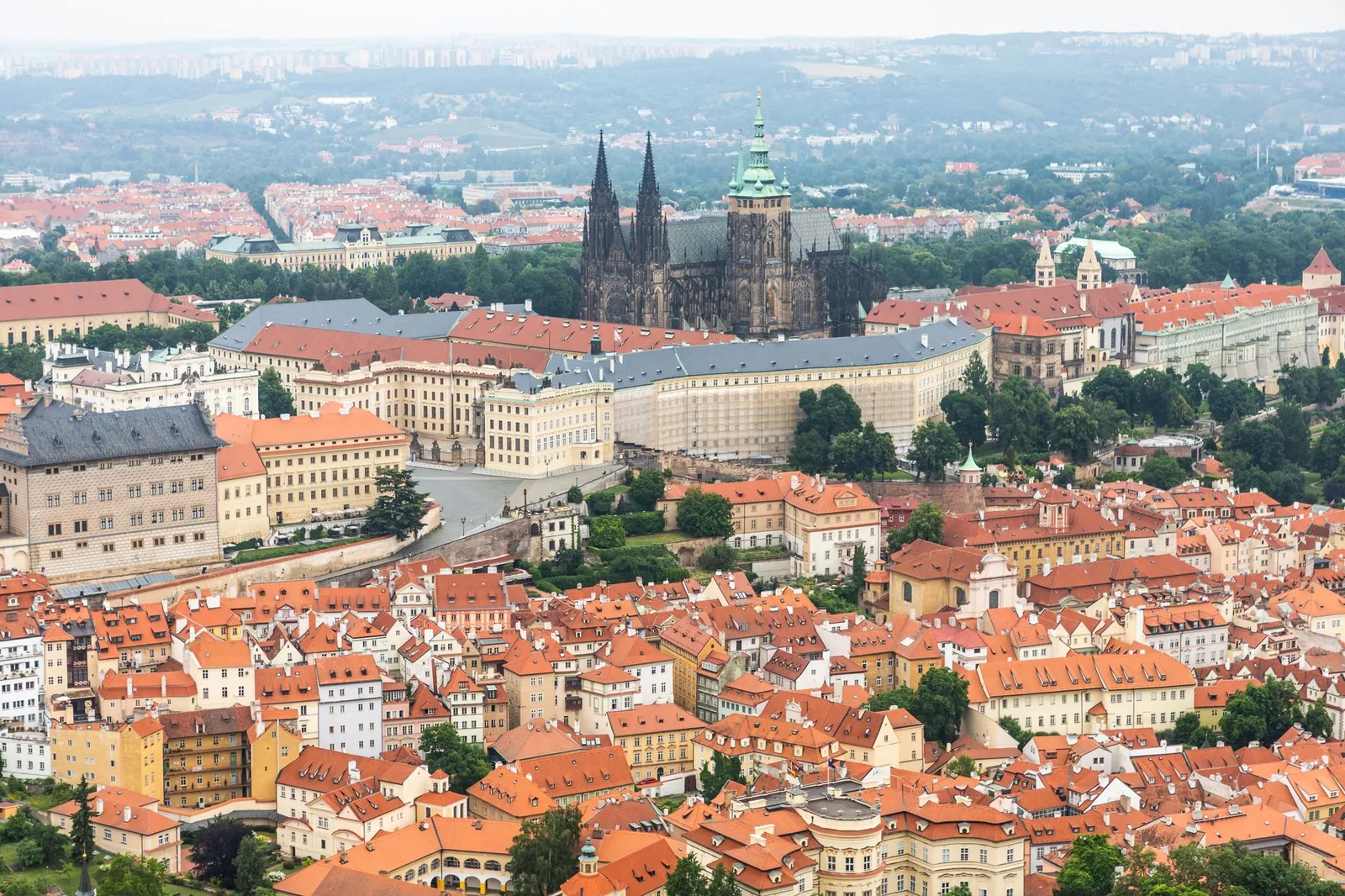
Prague Castle is a large complex rather than a single attraction. Its grounds contain St. Vitus Cathedral, the Old Royal Palace, St. George’s Basilica, Golden Lane and other historic buildings and exhibitions. The complex occupies a high position above the city, making the approach as rewarding as the interiors.
Plan your visit carefully. The grounds and individual buildings have different operating arrangements, seasonal hours and ticket circuits. St. Vitus Cathedral also has different arrangements on Sundays. Check the current official schedule, admission details and last-entry times before setting out, particularly if you want to see several interiors.
Approach from Malá Strana if you want a scenic walk, or use public transport to reduce the uphill section. Allow several hours rather than treating the castle as a quick stop.
Walk across Charles Bridge
Charles Bridge links Old Town with Malá Strana and is one of Prague’s essential pedestrian routes. Its Gothic structure, Baroque statues and views along the Vltava make it memorable at almost any time of day. From the bridge, you can continue into the narrow streets of Malá Strana or climb towards Prague Castle.
The bridge is a public route, while the Old Town Bridge Tower and Lesser Town Bridge Tower are separate paid attractions. If you want panoramic views from either tower, check current opening arrangements and allow time for stairs and crowds.
The bridge is busiest in the middle of the day. An early walk offers a calmer experience, while evening brings attractive views towards the illuminated historic centre.
See Old Town Square and the Astronomical Clock
Old Town Square is the centrepiece of Staré Město. Historic façades surround the square, including the Church of Our Lady before Týn, while the Astronomical Clock is built into the Old Town Hall. The clock’s hourly apostle display is a popular viewing moment, but the square itself deserves more than a brief stop for photographs.
The public display is separate from the Old Town Hall visitor experience. Admission to the tower and interior areas involves separate arrangements, so confirm the current schedule if you want to go inside. The square is especially busy around the hourly display, and nearby streets can be crowded throughout the day.
Visit Josefov and the Jewish Museum
Josefov, the former Jewish Town, lies within the historic centre and contains the Jewish Museum’s synagogues and the Old Jewish Cemetery. The museum is a group of historic sites rather than one building, and a combined ticket is designed for visiting several locations.
Allow two to three hours for the main visitor route and approach the area with the time and attention it deserves. The museum is generally closed on Saturdays and Jewish holidays, and closure dates vary by year. Check the current calendar before planning your day; advance purchase may also help reduce queues.
Josefov is easy to combine with Old Town Square, the Klementinum and the riverfront, although it is better not to squeeze every site into one rushed morning.
Tour the Klementinum
The historic Klementinum complex is known for its Baroque Library, Astronomical Tower and views across the Old Town. Visits are generally organised through tours, which may have capacity limits and specific language options. Check tour times and photography rules in advance.
Its location makes it a convenient addition to a central walking route between Old Town Square and Charles Bridge. The visit is particularly useful on a colder or wetter day when you want to combine historic interiors with a city panorama.
Discover Malá Strana and Hradčany
Malá Strana combines Baroque streets, palaces, churches, gardens and riverside views beneath Prague Castle. It is one of the city’s most atmospheric areas, but its slopes, stairs and uneven streets can make walking slower than expected.
Continue uphill into Hradčany, the castle district, where you can combine Prague Castle with Loreto, Strahov and viewpoints over the city. The route is more enjoyable when treated as a half-day walk rather than a series of isolated attractions.
Explore New Town, Wenceslas Square and the National Museum
Nové Město, or New Town, is a broad central district focused around Wenceslas Square and Charles Square. Wenceslas Square is a major shopping, transport and event area, with the monumental National Museum at its upper end. Museums, theatres, restaurants and nightlife give this part of Prague a different character from the medieval streets of Old Town.
The National Museum includes different buildings and exhibitions, which may use separate schedules or tickets. Check the specific exhibition you want to see before visiting.
See Municipal House and the Powder Tower
At the edge of Old Town, the Art Nouveau Municipal House stands close to the Gothic Powder Tower. Together they form one of Prague’s most striking architectural pairings and sit along the historic Royal Route.
Municipal House interiors are generally accessed through guided tours, concerts or events, while the Powder Tower is a separate tower attraction. Check current tour and concert schedules if you want to go inside rather than simply admire the façades.
Take a quieter walk at Vyšehrad
Vyšehrad occupies a historic fortified position above the Vltava and offers ramparts, gardens, churches, viewpoints and the Slavín cemetery, associated with prominent Czech cultural figures. It is a good choice when the central sightseeing route begins to feel crowded.
The grounds are well suited to a relaxed walk, while individual churches, exhibitions and other sites may have separate opening arrangements. Combine Vyšehrad with a tram or metro journey rather than treating it as part of the main Old Town walking circuit.
Walk on Petřín Hill
Petřín Hill provides green space, paths and elevated views over the historic city. The Petřín Lookout Tower and Mirror Maze add paid attractions, but the hill is worthwhile even if you simply want a change of pace.
The funicular’s operation can be interrupted by maintenance, filming, events or other disruptions. Check the current transport information before relying on it, and be prepared for a walk if services are unavailable. Routes around the hill include slopes and uneven paths.
Visit Prague Zoo and Troja
Prague Zoo in Troja is a substantial family-friendly attraction and can be paired with Troja Château, gardens and riverside paths. It is outside the historic core, so allow most of a day if you want to explore properly.
The zoo can be reached by bus from Nádraží Holešovice, by walking through Stromovka or through ferry connections followed by a walk, depending on current services. Opening hours vary by month, so check the latest details before travelling.
Where to Base Yourself in Prague
Staré Město (Old Town) is the most convenient base for first-time visitors who want immediate access to Old Town Square, the Astronomical Clock, Klementinum, Charles Bridge and central museums. It is also one of the busiest areas, particularly around the main squares.
Josefov suits travellers who want to be close to the Jewish Museum, Old Town and the riverfront. Accommodation here is central, with restaurants and galleries nearby, but the district remains firmly within the main tourist zone.
Malá Strana offers historic streets, Baroque buildings, churches and easy access to Charles Bridge and the castle approaches. It is atmospheric and attractive, although some streets are steep and evening dining choices may be quieter than in New Town.
Hradčany works well for travellers prioritising Prague Castle, St. Vitus Cathedral, Strahov and panoramic views. It is less convenient for repeated late-night journeys to the opposite side of the centre, but rewarding for a historic setting.
Nové Město (New Town) is a practical all-round base with museums, theatres, shopping, restaurants, nightlife and strong public-transport connections. It can feel busier and more urban than Old Town, particularly around Wenceslas Square.
For a more residential atmosphere, consider Vinohrady, known for cafés, restaurants, wine bars, parks and late-19th- and early-20th-century architecture. Žižkov has a lively pub and restaurant scene, along with parks and views near the television tower. Karlín is popular for modern architecture, cafés, restaurants and neighbourhood nightlife, while Holešovice and Letná are useful for contemporary art, design, markets and park views.
What to Eat in Prague
Traditional Czech cooking includes goulash, roast pork, beef sirloin in cream sauce, roast duck, soups, dumplings and schnitzel-style dishes. Menus and quality vary, particularly in the most heavily visited areas, so look for transparent prices and restaurants with sustained local demand.
Beer is central to Prague’s dining culture. Alongside major Czech lager brands, you will find independent breweries, taprooms and specialist beer bars. Wine bars provide a useful alternative, with Bohemian and Moravian wines commonly available.
Make time for cafés and bakeries. Historic coffeehouses and modern specialty cafés are found in Staré Město, Malá Strana, Vinohrady, Karlín and Holešovice. Chlebíčky, Czech open-faced sandwiches, are a classic delicatessen snack and a good choice for a quick lunch or light meal.
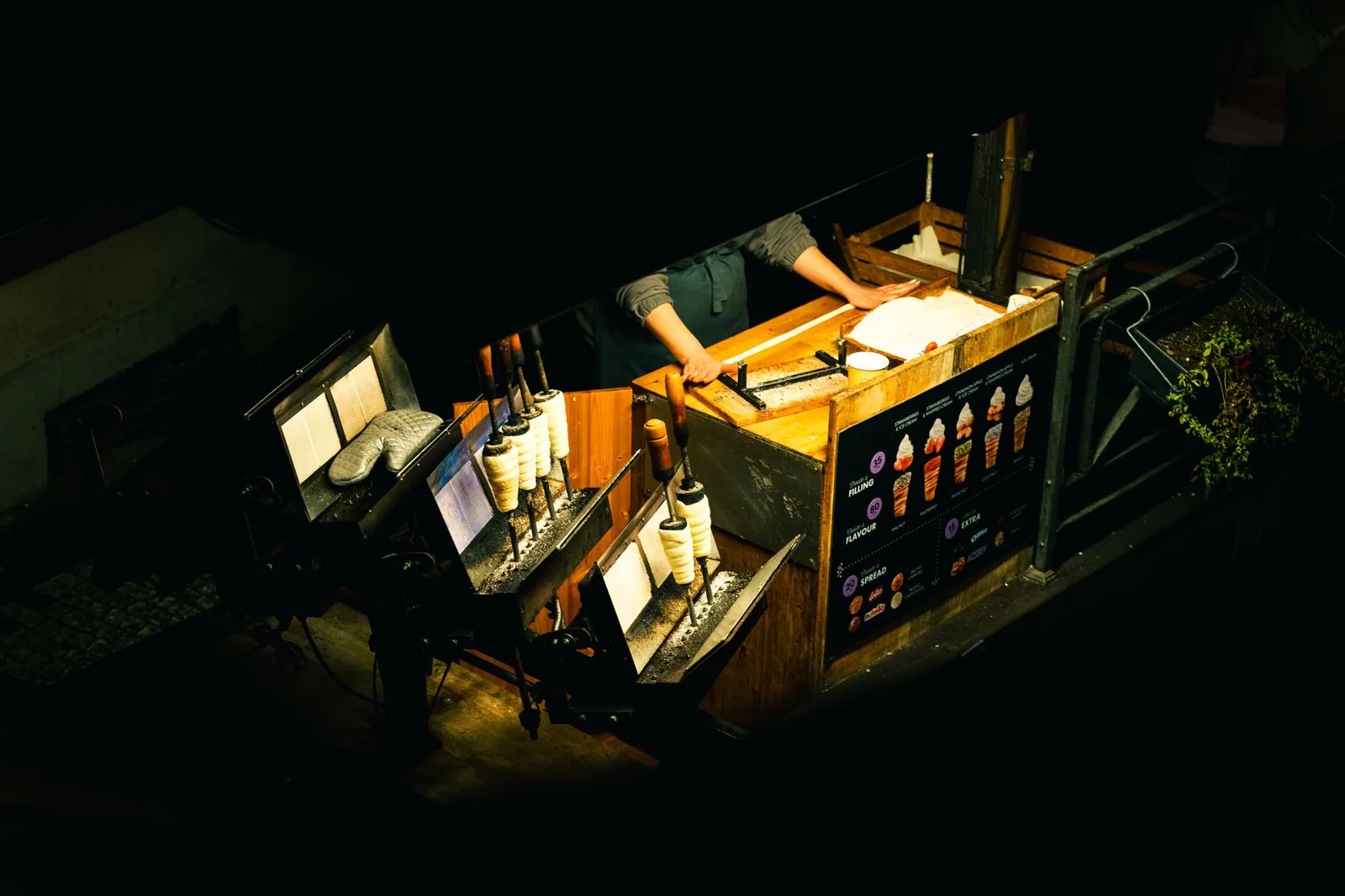
Traditional pastries and contemporary Czech desserts are widely available. Trdelník is common in visitor-heavy areas, but it should not be treated as the defining traditional dessert of Prague. The city also has a strong modern food scene, with vegetarian and vegan restaurants, international dining, contemporary Czech cooking, street food and fine dining.
Weather and the Best Time to Go
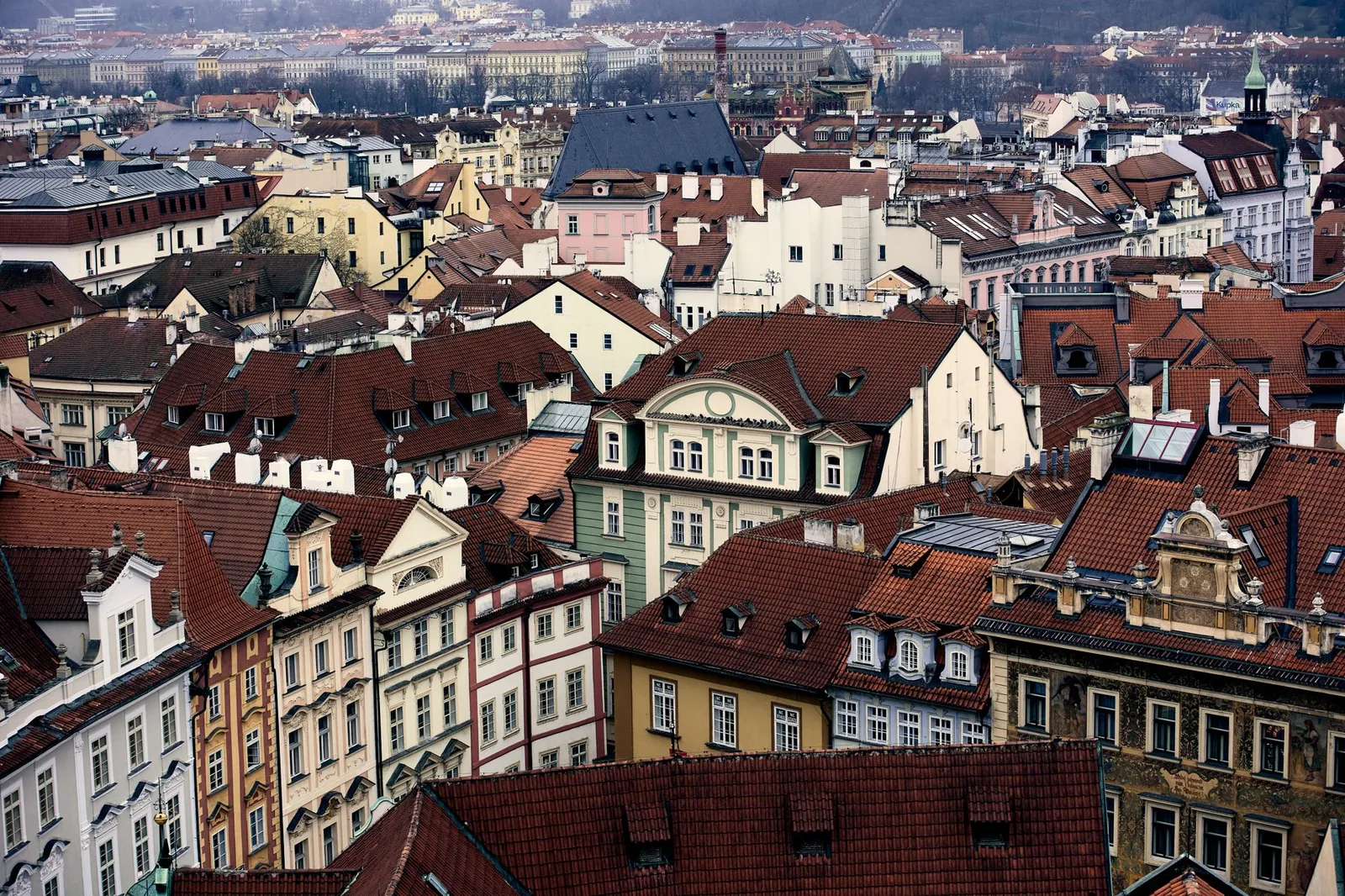
Late spring and early autumn are generally strong choices for combining comfortable walking conditions with sightseeing. Daylight is useful for exploring the castle, bridges and parks, while the historic centre is often more manageable than during the busiest summer periods.
Spring is well suited to walking, gardens and neighbourhood exploration as daylight increases. Seasonal attractions, gardens and river activities may have changing opening dates, so check details for your travel dates.
Summer brings long days and extensive outdoor programming. It is a good season for parks, river cruises and evening walks, but the main landmarks can be busy. Popular attractions and tours may require advance planning.
Autumn often offers pleasant conditions for architecture, museums, cafés and walking, particularly in early autumn. Later in the season, expect shorter days and more changeable weather.
Winter favours museums, galleries, concerts, cafés and historic interiors. Cold, rain or snow are possible, and some gardens or outdoor attractions may reduce their hours. Christmas markets and New Year events are seasonal, so verify dates for the relevant year rather than relying on an old itinerary.
Getting Around Prague
Prague’s historic core is highly walkable. A route from Prague Castle through Malá Strana, across Charles Bridge and into Old Town can cover many major landmarks, although hills, stairs, cobblestones and crowds make it slower than the map suggests. Comfortable shoes are essential.
For longer journeys, use the integrated PID/DPP network of metro, trams, buses, trolleybuses, trains, ferries and the Petřín funicular. The metro is useful for cross-city travel, while trams are particularly practical for central areas and approaches to Prague Castle. Buses and trolleybuses connect districts outside the metro network.
Short-term public-transport tickets are time-based and transferable. Options commonly include 30-minute, 90-minute, 24-hour and 72-hour products, but fares and ticket rules can change. Buy through official channels or ticket machines, and validate paper tickets when required. Keep the ticket until the end of the journey.
A car is unnecessary for most central sightseeing. Parking can be difficult and paid or restricted zones apply. Consider renting one only for selected countryside or castle excursions, after checking parking and access conditions.
Arriving from Prague Airport
Václav Havel Airport Prague has no metro or railway station directly at the terminals. The standard public-transport connection is trolleybus 59 to Nádraží Veleslavín, followed by Metro Line A. Bus 100 connects with Zličín and Metro Line B, while bus 191 travels towards Anděl. Airport Express provides a separate connection to Prague Main Railway Station and uses a special fare.
Public-transport tickets are available from airport counters, visitor facilities and ticket machines. Check current routes, fares and disruption notices before you travel. For late arrivals, families or heavy luggage, a reputable pre-arranged transfer can be convenient, but public transport is usually the more economical option.
Which Prague experience would you most want to make time for?
Best Day Trips from Prague
Karlštejn Castle is one of the easiest castle excursions. The castle was founded by Charles IV in wooded countryside southwest of Prague. Direct trains from Prague Main Station commonly take around 40 minutes, followed by an uphill walk. Check current train times and castle tour availability before travelling.
Kutná Hora combines a UNESCO-listed historic centre with St. Barbara’s Church, the Sedlec area, the Ossuary and a history shaped by medieval silver mining. The train journey is roughly an hour, but some sights require a local connection or onward transport.
Konopiště Chateau is a good choice for Habsburg history, historic interiors and landscaped grounds. It lies southeast of Prague and has seasonal opening arrangements, so check transport and tour availability in advance.
Křivoklát Castle offers a longer excursion into a wooded landscape west of Prague. Connections are less straightforward than those to Karlštejn, making timetable planning especially important.
Průhonice Park is ideal for gardens and walking close to Prague. It offers a quieter alternative to another castle or museum day, although seasonal access details should be checked.
Bohemian Paradise suits travellers who want sandstone formations, viewpoints, castles and hiking. Public-transport frequency can be limited in some areas, so plan carefully or consider a car if conditions and access arrangements make that appropriate.
Terezín is a fortress town and memorial site associated with Nazi persecution during the Second World War. Visit with attention to its commemorative and educational purpose, and confirm current museum hours and transport.
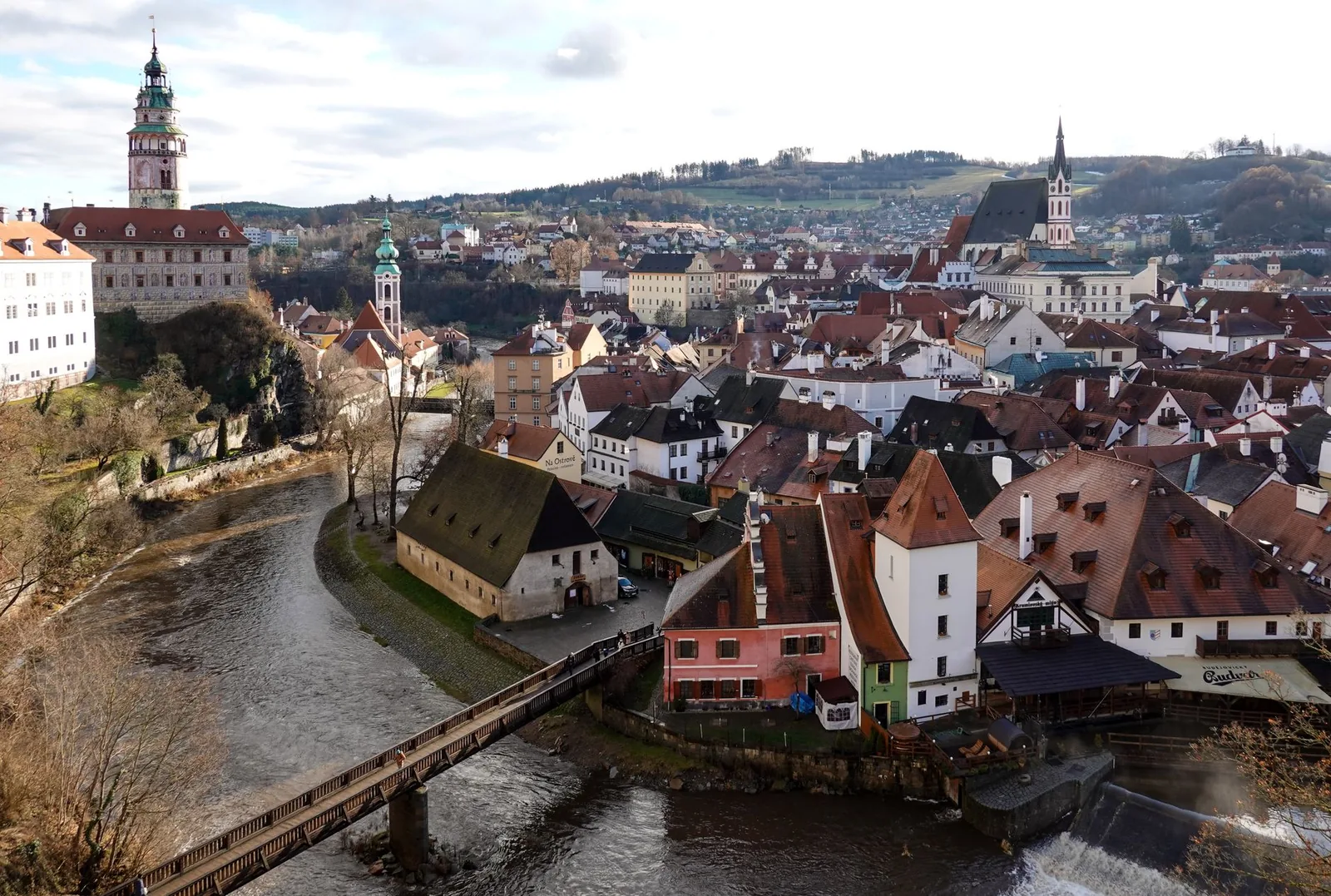
Český Krumlov has a compact medieval centre and castle, but the journey is substantially longer than the easiest Prague day trips. It is more comfortable as an overnight stay or a long, carefully planned excursion than a quick side trip.
Practical Tips for Visiting Prague
- Use Czech koruna for everyday payments and check exchange rates carefully. If a card terminal offers dynamic currency conversion, review the rate before accepting it.
- Buy public-transport tickets from official DPP or PID channels, machines or the official app. Validate paper tickets as required.
- Plan the airport bus or trolleybus-to-metro transfer before landing; the airport does not have a direct metro or train connection.
- Wear shoes suitable for cobblestones, stairs, slopes and uneven surfaces, especially around the castle, Malá Strana, Petřín and Vyšehrad.
- Check the Jewish Museum calendar before visiting. Saturdays and Jewish holidays are closure days.
- Verify attraction schedules, last admission times, seasonal hours and temporary closures immediately before travel.
- Reserve popular concerts, guided tours, fine-dining restaurants and some castle or chapel visits in advance.
- Use a live route planner for transport disruptions caused by construction, events or bad weather.
- Keep phones and bags secure on crowded trams and around major landmarks.
- Read menus and prices before ordering, particularly in heavily touristed areas.
- Do not assume the Petřín funicular is always running; check current operation before planning a route around it.
- Avoid trying to see Prague Castle, Charles Bridge, Old Town, Josefov and several museums in one day. Three full days gives the city room to breathe.
Frequently Asked Questions
How many days do you need in Prague?
Three full days is a practical minimum for the principal historic districts and major landmarks. Four or five days allows time for museums, parks, neighbourhoods and a day trip. One day is possible, but the route will be tightly packed.
Is Prague walkable?
Yes. The main historic areas are closely connected, and walking is often the best way to experience them. Expect cobblestones, stairs, hills and longer distances than the map may suggest, particularly between Malá Strana, Prague Castle and Petřín.
What is the easiest way to get from Prague Airport to the city centre?
For most travellers, take trolleybus 59 from the airport to Nádraží Veleslavín and change to Metro Line A. Bus 100 to Zličín and Metro Line B is another option. Airport Express is a separate service to Prague Main Railway Station.
Is public transport in Prague easy to use?
Yes. The metro, trams, buses and trolleybuses form a dense network, and one integrated system covers most visitor journeys. Choose a time-based ticket covering the full journey and check current fares before travel.
What is the best area to stay in Prague?
Staré Město and Josefov are convenient for first-time visitors who want immediate access to major sights. Malá Strana and Hradčany suit travellers seeking historic atmosphere, while Vinohrady, Karlín, Žižkov and Holešovice offer more residential or contemporary surroundings with good public-transport connections.
Is Prague Castle free to enter?
Access to the castle grounds is distinct from admission to the historic buildings and visitor circuits. Tickets are required for the relevant interiors and exhibitions, so check current circuits, prices and opening arrangements before visiting.
Is the Jewish Museum in Prague open every day?
No. The museum is generally closed on Saturdays and Jewish holidays. It is a multi-site visit, and the combined ticket is valid for individual visitors over three opening days. Check the current calendar for your travel year.
What are the easiest day trips from Prague?
Karlštejn Castle and Kutná Hora are among the most practical rail-based excursions. Průhonice Park, Konopiště and Křivoklát are also possible, while Český Krumlov and Karlovy Vary require longer travel and may be better as overnight trips.
Before You Go
Prague rewards a balanced itinerary. See the castle, bridge and Old Town, but leave time for Josefov, Vyšehrad, Petřín or one of the city’s less tourist-focused neighbourhoods. Public transport makes it easy to widen your route, while nearby castles, historic towns and landscapes provide excellent day-trip options. For a first visit, plan at least three full days and keep the schedule flexible enough to enjoy the city between its major sights.
Find your stay with VibrantGateways.
Choose your travel dates and explore accommodation options for your destination.
Join the conversation
Ask a question, share a travel tip, or help another traveler plan with confidence.
Leave a comment
No account required.