Timeless German Villages: A Traveler’s Guide to Scenic Small Towns
Germany’s landscape is threaded with small towns that look as if they’ve stepped out of a storybook: half-timbered houses, cobbled lanes, riverfront promenades and hilltop castles. These villages and small towns preserve centuries of architecture, local craft and culinary traditions while offering quieter alternatives to Germany’s big cities. Whether you want to stroll medieval walls, sip Riesling on the Moselle, hike through the Black Forest, or visit a UNESCO-listed old town, there’s a compact destination that fits the bill. This guide highlights the most scenic small towns across regions—from Bavaria’s alpine foothills to the rugged Eifel—explaining what to see, authentic local experiences, the best seasons to visit and practical tips for planning a memorable trip.
Must-See Attractions
These small towns pack unmistakable sights into compact historic centers. Below are the standout attractions that define each place.
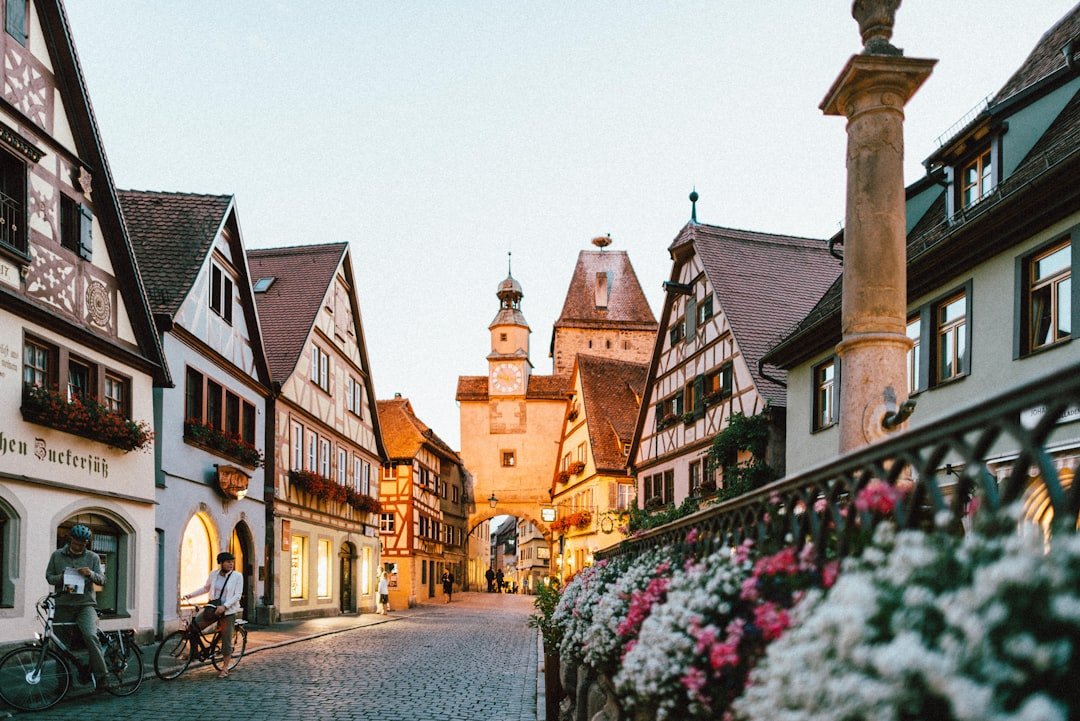
- Rothenburg ob der Tauber: Walk the intact city walls, climb the tower at Rathaus, and visit the Medieval Crime and Justice Museum to understand everyday life in a walled town.
- Bamberg: Explore the UNESCO-listed old town, see the unique Altes Rathaus perched on an island in the Regnitz River, and wander the seven hills for varied views and baroque churches.
- Quedlinburg: Admire more than 1,300 half-timbered houses and the Romanesque Quedlinburg Collegiate Church, both illustrating Saxony-Anhalt’s medieval past.
- Monschau: Stroll the narrow alleys along the Rur River, enjoy the red sandstone Monschau Castle above town, and see traditional mustard-making at local producers.
- Füssen/Schwangau: Use Füssen as the base for Neuschwanstein and Hohenschwangau castles; the town itself has a charming pedestrian Old Town and alpine lake scenery.
- Cochem: The Moselle’s vineyards rise above Cochem’s river bend; the Reichsburg Cochem castle crowns the town and offers panoramic views over steep terraces.
- Meersburg: On Lake Constance, visit the medieval Old Castle (Alte Burg) and walk the lakefront promenade with views to the Swiss and Bavarian shores.
- Dinkelsbühl: One of the best-preserved walled towns on the Romantic Road—its colorful market square and St. George’s Minster are essential.
- Triberg: Famous for Germany’s highest waterfalls in the Black Forest and clocks—visit the waterfalls and local cuckoo clock workshops.
- Wernigerode: A Harz Mountains favorite with a fairy-tale town hall, timbered houses and the hilltop Wernigerode Castle.
Best Time to Visit
Timing affects weather, scenery and crowd levels in Germany’s small towns. Choose based on what you want to experience.
- Late spring (May–June): Mild temperatures, blooming landscapes and fewer tourists than high summer. A great time for hiking in the Harz or Black Forest and enjoying outdoor cafés.
- Summer (July–August): Warmest weather and lively festivals, but expect larger crowds at castle towns like Rothenburg and Füssen—book ahead if visiting Neuschwanstein or staying by Lake Constance.
- Early autumn (September–October): Harvest season on the Moselle brings grape harvest festivals and spectacular vineyard colors. Cooler days and quieter streets make this a top choice for wine-tasting itineraries.
- Winter (November–February): Crisp air and atmospheric snows—ideal for Christmas markets in Rothenburg, Quedlinburg and many towns. Some mountain trails may be closed; off-season hotel options are often better priced.
- Crowds and best months: May–June and September–October balance pleasant weather with manageable crowds. July–August is peak season; December is popular for markets but cold and festive.
Essential Travel Tips
Practical advice for visiting Germany’s small towns efficiently and respectfully.
- Getting around: Trains and regional buses connect many towns—Deutsche Bahn regional services reach places like Rothenburg and Bamberg, while private regional lines serve mountain and lakeside towns. Rent a car for flexibility, especially if you want to visit multiple rural towns in one day.
- Money and payments: Cash remains common in small towns—carry euros for markets, cafés and small shops. Most restaurants accept cards, but always have some cash for taxis or market stalls.
- Safety: Germany is generally safe; standard precautions apply. Keep an eye on belongings in crowded marketplaces and tourist hubs. Emergency number is 112 for ambulances and fire, 110 for police.
- Packing: Pack sturdy walking shoes for cobblestones and hikes, a lightweight rain jacket, and layers for variable weather. If visiting castles or churches, modest clothing is respectful; bring a reusable water bottle for day trips.
- Local etiquette: Greet shopkeepers and hosts with a polite “Guten Tag” or “Grüß Gott” in Bavaria. Be punctual for tours and tastings. Tipping around 5–10% in restaurants is common if service is not included.
- Reservations and timing: Reserve guided tours for popular castles and book accommodations early in peak seasons. Arrive early or late afternoon to avoid peak tour groups at major attractions.
Frequently Asked Questions
Which small town is best for a first-time visitor to Germany?
Rothenburg ob der Tauber is an excellent introduction: compact, richly historic, with easy access from Nuremberg and Würzburg and a highly walkable old town that feels quintessentially “German”.
Can I visit several small towns by train?
Yes. Germany’s regional rail network and bus services link many towns. Use Deutsche Bahn to plan connections and consider a rail pass for extensive regional travel. Note that some rural routes have infrequent service—check schedules in advance.
Are these towns suitable for families with children?
Many towns are family-friendly. Castles near Füssen, the open-air museums and toy-makers in Rothenburg, and waterfall hikes in Triberg are especially engaging for kids. Choose accommodations near town centers to avoid long daily transfers.
Do small towns have English-speaking services?
Tourist-oriented businesses often have staff with English skills, but in smaller, locally run cafés or markets, English may be limited. Learning a few basic German phrases enhances interactions and is appreciated by locals.
How many days should I spend in a typical small town?
Plan 1–2 full days per town to absorb the highlights—half a day for a quick visit, a full day to explore museums, hikes and local culinary offerings. Combine nearby towns for multi-day itineraries when possible.
Conclusion
Germany’s small towns offer concentrated doses of history, scenery and regional character that reward slow exploration. From Rothenburg’s fairy-tale ramparts to Cochem’s vineyard terraces, each place showcases a different facet of German culture—architecture, cuisine, folk craft and landscape. Travel slowly, sample local specialties, and plan according to season to make the most of your visit. With modest planning and an openness to wander, you’ll find memorable views, welcoming cafés and quiet streets that reveal why these timeless villages remain favorites for travelers seeking authenticity.