
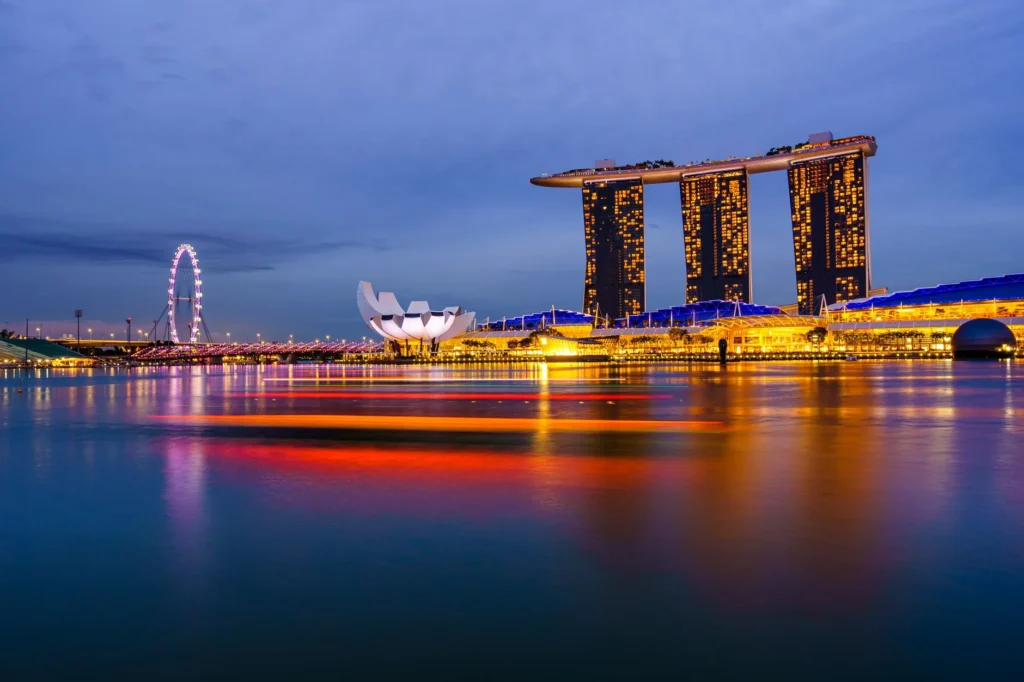
Singapore is a sovereign country and city-state in Southeast Asia, but it is best understood as more than a skyline and an airport stopover. Within a relatively compact area, you can move from glass towers and waterfront gardens to Chinese temples, Malay heritage streets, Indian eateries, Peranakan shophouses and forested island landscapes.
The country works especially well for a first visit to Southeast Asia, a short break or a longer stopover. English is widely used, the MRT and bus network is extensive, and Changi Airport is connected to public transport. Three full days covers the main central sights and food districts; four or five days gives you room for Sentosa, Mandai Wildlife Reserve, museums or a day trip to Pulau Ubin.
Singapore is hot and humid throughout the year, with frequent rain and no sharply defined dry season. The most successful itineraries alternate outdoor sightseeing with museums, covered walkways, gardens and long meals in hawker centres.
Why Singapore Is Worth Visiting
Singapore brings together several kinds of trip without requiring long journeys between them. Its modern side includes Marina Bay, Gardens by the Bay, major museums and a striking waterfront skyline. Its cultural identity is visible in Chinatown, Kampong Gelam, Little India and the Peranakan architecture of Katong and Joo Chiat.
Food is another compelling reason to visit. Hawker centres make it easy to sample local dishes such as chicken rice, laksa, char kway teow, nasi lemak and kaya toast, while chilli crab and more elaborate restaurants provide a different style of dining. The country’s hawker culture is also recognized as intangible cultural heritage.
Families have plenty to choose from, including Sentosa, Gardens by the Bay and the parks of Mandai Wildlife Reserve. Travelers interested in nature can visit the UNESCO-listed Singapore Botanic Gardens, explore the rustic landscapes of Pulau Ubin or spend a slower day among the Southern Islands.
Singapore is also an easy place to travel without a car. MRT trains and buses connect the principal visitor areas, taxis are widely useful when the weather turns, and walking works well within individual neighborhoods.
Weather and the Best Time to Go
Singapore can be visited year-round. Temperatures remain tropical, humidity is consistently high and rain is possible in every month. The main difference between periods is the likelihood and pattern of rainfall rather than a simple dry-versus-wet season.
February is generally the climatologically driest month. November through January are typically wetter, with the Northeast Monsoon running from December into early March. Late March to May and October to November are inter-monsoon periods, when afternoon or early-evening thunderstorms can be intense.
From June to August, Southwest Monsoon conditions bring short showers and thunderstorms. Sumatra squalls can occur, particularly between the predawn hours and midday. September sits toward the end of this monsoon period, while October and November tend to become wetter again.
Plan outdoor activities for mornings, late afternoons or evenings when possible. Keep an indoor alternative for every major sightseeing day, and pack breathable clothing, sun protection, comfortable shoes and a compact umbrella or light rain jacket. For the most accurate forecast, check Singapore’s Meteorological Service close to departure rather than relying only on seasonal averages.
How to Get Around Singapore
Public transport is usually the easiest way to travel around Singapore. The MRT and bus network links the principal visitor areas, and walking is effective within individual districts. Use the current LTA journey planner or MyTransport app for routes, station exits, service information and fares.
You can generally pay for MRT, LRT and bus journeys with a compatible contactless Mastercard, Visa or NETS bank card, supported mobile wallet, stored-value transport card or Singapore Tourist Pass. Tap in and tap out with the same card or device. Using a different card or phone at the end of the journey can cause fare problems.
Cash is accepted on buses, but exact fare is required and cash fares can be higher. A Singapore Tourist Pass offers unlimited travel on basic bus services and MRT and LRT trains for its validity period. Compare its current cost with pay-as-you-go fares based on your itinerary. Foreign-issued cards may attract an administrative fee.
Walking is excellent around Marina Bay, the Civic District, Chinatown, Kampong Gelam and parts of Little India. Distances between districts can be greater than they appear on a map, however, and covered walkways do not eliminate the heat. Plan breaks in air-conditioned museums, cafés or shopping centres.
Taxis and licensed private-hire vehicles are useful for airport transfers, late-night travel, heavy luggage, family journeys and places such as Mandai. Use official taxi stands or licensed apps, and check possible airport, peak-period, road or destination surcharges before booking.
A rental car is usually unnecessary for a central itinerary. Public transport is extensive, while parking, road charges and island access fees can add cost. A car may be useful for selected outlying locations or travelers with mobility needs, but verify current rental and road conditions.
Arriving from Changi Airport
Changi Airport is connected to the MRT through Changi Airport Station at Terminals 2 and 3. Travelers heading toward central Singapore normally take the train to Tanah Merah and transfer to the East West Line, or use the Expo connection for the Downtown Line. Public buses serve the terminals, and taxis and private-hire vehicles are available around the clock.
The airport estimates roughly 30 minutes to the city by taxi, but the final fare depends on destination, time and surcharges. Check current airport transport information when you arrive. For families, late-night arrivals or travelers with substantial luggage, a pre-arranged private transfer can be more convenient than changing trains.
Best Areas to Stay in Singapore
Find places to stay. Search stays on VibrantGateways →
Singapore’s transport network means you do not need to stay in the most famous district to have a convenient trip. Choose an area based on the atmosphere and activities you value most.
Marina Bay
Marina Bay suits first-time visitors who want the modern skyline, waterfront promenades, Gardens by the Bay, Marina Bay Sands and ArtScience Museum nearby. It is polished and central, with easy access to the Civic District, but it can feel less residential than other parts of Singapore.
Chinatown
Chinatown is a strong all-round base for heritage, temples, hawker food and central transport. It is convenient for the Singapore River, the Civic District and Marina Bay, while offering more neighborhood character than the business district.
Kampong Gelam and Bugis
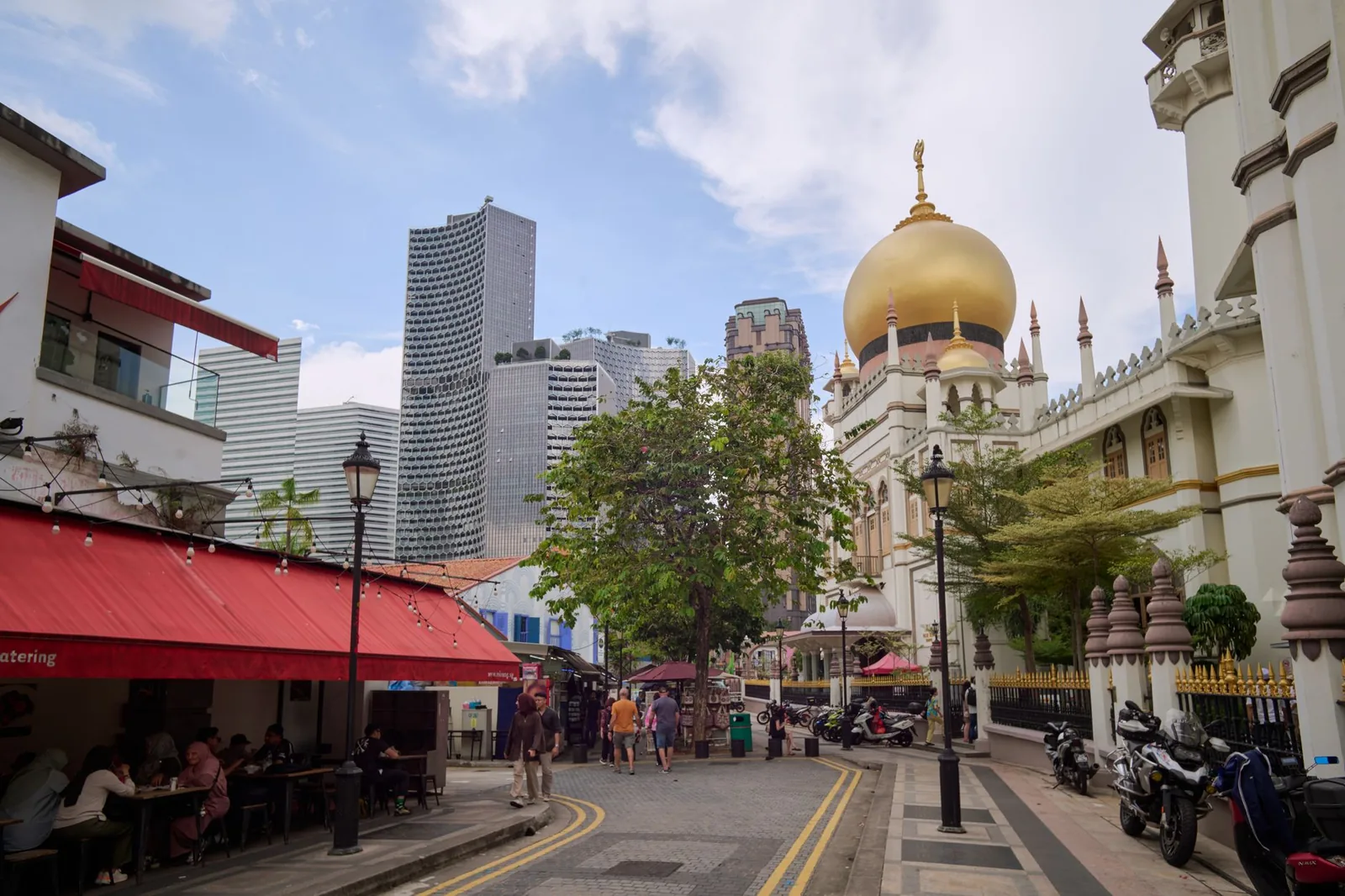
Kampong Gelam and the wider Bras Basah-Bugis area work well for travelers interested in heritage, cafés, museums, shopping and evening dining. You are close to Sultan Mosque, Haji Lane, Little India and many central cultural attractions.
Little India
Little India is a lively choice for travelers who want Indian food, temples, colorful streets and generally easy MRT access. It can be a good-value alternative to the most central business and waterfront areas, although the atmosphere is energetic rather than quiet.
Orchard Road
Orchard Road is Singapore’s main shopping corridor, with large malls, department stores, restaurants and convenient transport. It is practical for travelers prioritizing shopping or wanting a central, highly serviced base.
Katong and Joo Chiat
Katong and Joo Chiat offer Peranakan architecture, colorful shophouses and local food in a less central setting. They suit repeat visitors and travelers who prefer a neighborhood atmosphere. Allow additional travel time for some central attractions.
Tiong Bahru
Tiong Bahru is known for Art Deco public housing, cafés, independent shops and a popular local food market. It is a good choice for a slower, more local-feeling stay while remaining connected to central Singapore.
Mandai or the airport area
Staying near Mandai makes sense only if wildlife parks are the main purpose of your trip. An airport-area stay can be practical for an early flight, late arrival or short stopover, but it is less convenient for daily sightseeing in central Singapore.
Which Singapore experience would you most want to build your trip around?
Top Experiences in Singapore
Planning your activities? Explore Go City’s Singapore passes for a flexible way to visit selected attractions. Check the current inclusions, availability, prices and terms directly with the provider. See Singapore pass options →
VibrantGateways may earn a commission from qualifying purchases made through this link.
See the skyline around Marina Bay
Marina Bay is the natural starting point for a first visit. The waterfront promenade brings together Singapore’s modern skyline, the Merlion, Marina Bay Sands, ArtScience Museum and views toward Gardens by the Bay. It is particularly atmospheric in the late afternoon and evening, although the open waterfront can feel hot during the middle of the day.
Allow more time than you might expect for walking between the main sights. Marina Bay is easy to explore on foot, but heat, humidity and sudden rain can slow the pace. The area works well as part of a full day that also includes the Civic District, ArtScience Museum or the gardens.
Explore Gardens by the Bay
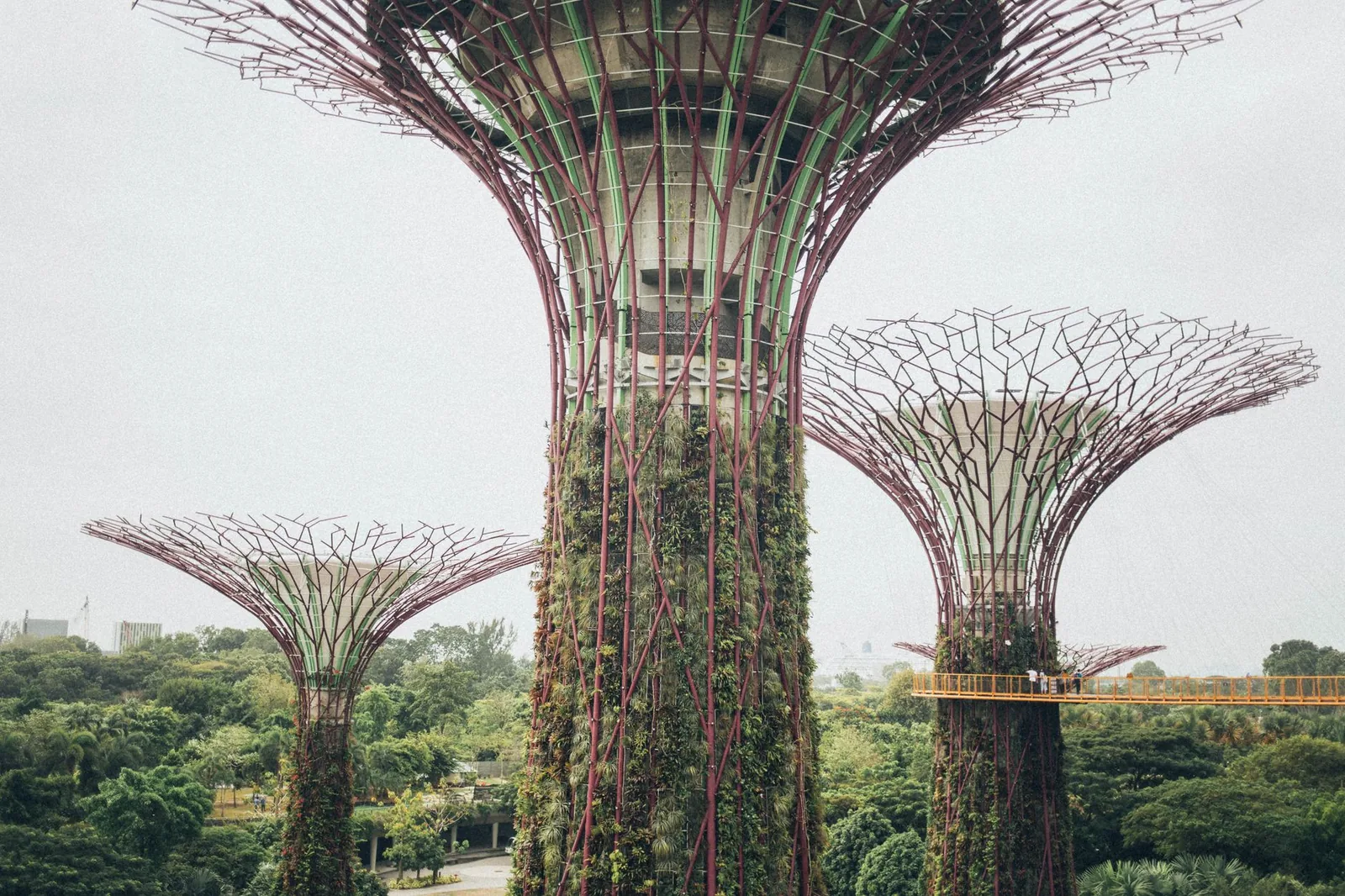
Gardens by the Bay is one of Singapore’s signature attractions. Its Supertree Grove, landscaped grounds and large conservatories create a distinctive combination of horticulture, architecture and technology. Cloud Forest and Flower Dome are particularly useful when you want a structured indoor experience during a hot afternoon or rain shower.
The conservatories require admission, and opening arrangements, ticket combinations and maintenance closures can change. Check current details before visiting, especially if your itinerary depends on seeing both domes. A practical plan is to visit the outdoor areas later in the day and allow time for the conservatories when the weather is less comfortable.
Visit the Singapore Botanic Gardens
The Singapore Botanic Gardens offers a calmer contrast to Marina Bay. This historic tropical garden is Singapore’s UNESCO World Heritage property, with landscaped grounds, plant collections and the National Orchid Garden.
Go in the morning or toward early evening, when the gardens are more pleasant for walking. Individual attractions within the grounds can have their own admission arrangements and opening times, so verify details if the National Orchid Garden is a priority. The gardens are also a good choice for travelers who want a substantial outdoor experience without leaving the central part of the country.
Discover Chinatown
Chinatown combines historic shophouses, temples, Chinese cultural institutions, restaurants and nearby hawker centres. The Buddha Tooth Relic Temple and Museum and Sri Mariamman Temple are among the best-known landmarks, while the surrounding streets reward unhurried exploration.
Combine a Chinatown walk with a meal at Maxwell Food Centre or another nearby hawker centre. The Chinatown Heritage Centre can add context to the district’s history, but attraction access and opening hours can change. Dress respectfully and follow photography or visitor instructions at religious sites.
Chinatown is also a useful base for exploring the Singapore River, the Civic District and parts of the central business district. It is one of the strongest areas for travelers who want heritage, food and convenient transport in the same neighborhood.
Walk through Kampong Gelam
Kampong Gelam is Singapore’s Malay and Arab heritage district, centred on Sultan Mosque and surrounded by colorful shophouses, cafés, boutiques, restaurants and street art. Haji Lane is popular for its compact streetscape and independent businesses, but the wider area deserves more attention than a quick photograph.
Plan to walk slowly, stopping for coffee, a meal or a look inside the local shops. Visitors entering religious sites should dress respectfully and follow current guidance. Kampong Gelam can easily be combined with Bras Basah-Bugis, Little India or the Civic District.
Spend time in Little India
Little India has a distinctive streetscape of Hindu temples, spice shops, textile stores, restaurants, murals and colorful buildings. It is one of the best districts for seeing another side of Singapore’s multicultural character.
The area is especially rewarding for food-focused travelers. Look for South Indian dishes, sweets and roti prata, while allowing time for the temples and side streets. Temple rules vary, so remove shoes where required, dress modestly and ask before taking photographs.
Explore the Civic District and National Gallery
The Civic District is the historic core of Singapore’s public and cultural life. Colonial-era buildings, the Padang, museums, performing-arts venues and the National Gallery make this a useful area for architecture and history enthusiasts.
The National Gallery is also one of the best indoor options when rain interrupts an outdoor itinerary. Exhibition schedules, admission rules and any timed-entry arrangements can change, so check before setting out. The district pairs naturally with Marina Bay, the Singapore River and Bras Basah-Bugis.
Visit ArtScience Museum
The lotus-shaped ArtScience Museum at Marina Bay Sands presents changing exhibitions at the intersection of art, science, technology and culture. It is a practical rainy-day choice and an easy addition to a Marina Bay itinerary.
Exhibitions may have separate charges or visitor rules, and current opening information should be checked before arrival. If you are traveling with children or prefer interactive displays to traditional galleries, allow enough time to see the exhibition rather than treating the museum as a brief photo stop.
Make a day of Sentosa
Sentosa is Singapore’s resort island, with beaches, attractions, cable-car views, water activities and family entertainment. It is possible to reach the island by Sentosa Express, bus, cable car, taxi, car, bicycle or on foot via the Sentosa Boardwalk from VivoCity.
Because Sentosa contains many separate attractions, choose a focus before you go. Families may prefer a combination of beaches and a major attraction, while other travelers may be more interested in coastal scenery, views or evening entertainment. Island transport and attraction tickets are separate planning considerations, and current access conditions can change.
Do not try to combine Sentosa with Mandai Wildlife Reserve and a full central sightseeing itinerary in one day. Sentosa works best as its own half-day or full-day plan.
Visit Mandai Wildlife Reserve
Mandai Wildlife Reserve is home to Singapore Zoo, Bird Paradise, River Wonders and Night Safari. It is one of the country’s main family attractions, but it also appeals to travelers with a particular interest in wildlife and conservation.
The parks are in the north of Singapore, away from the central visitor districts. Allow travel time and decide in advance how many parks you can realistically enjoy. Night Safari operates in the evening, with presentation reservations and park access rules subject to change, so check current arrangements before visiting.
Mandai can be a full-day commitment, especially if you plan to visit more than one park. It is better to see one or two places properly than to rush through several.
See Jewel Changi Airport
Jewel Changi Airport is built around the Rain Vortex and indoor gardens, with shops, restaurants and attractions. It can be useful on arrival, before departure or during a long layover.
Jewel is landside rather than inside the transit zone. Connecting passengers may need to clear immigration and meet Singapore’s entry requirements, so do not assume that every layover allows a visit. Check your terminal, baggage arrangements and available time with the airline before leaving the airport.
What to Eat in Singapore
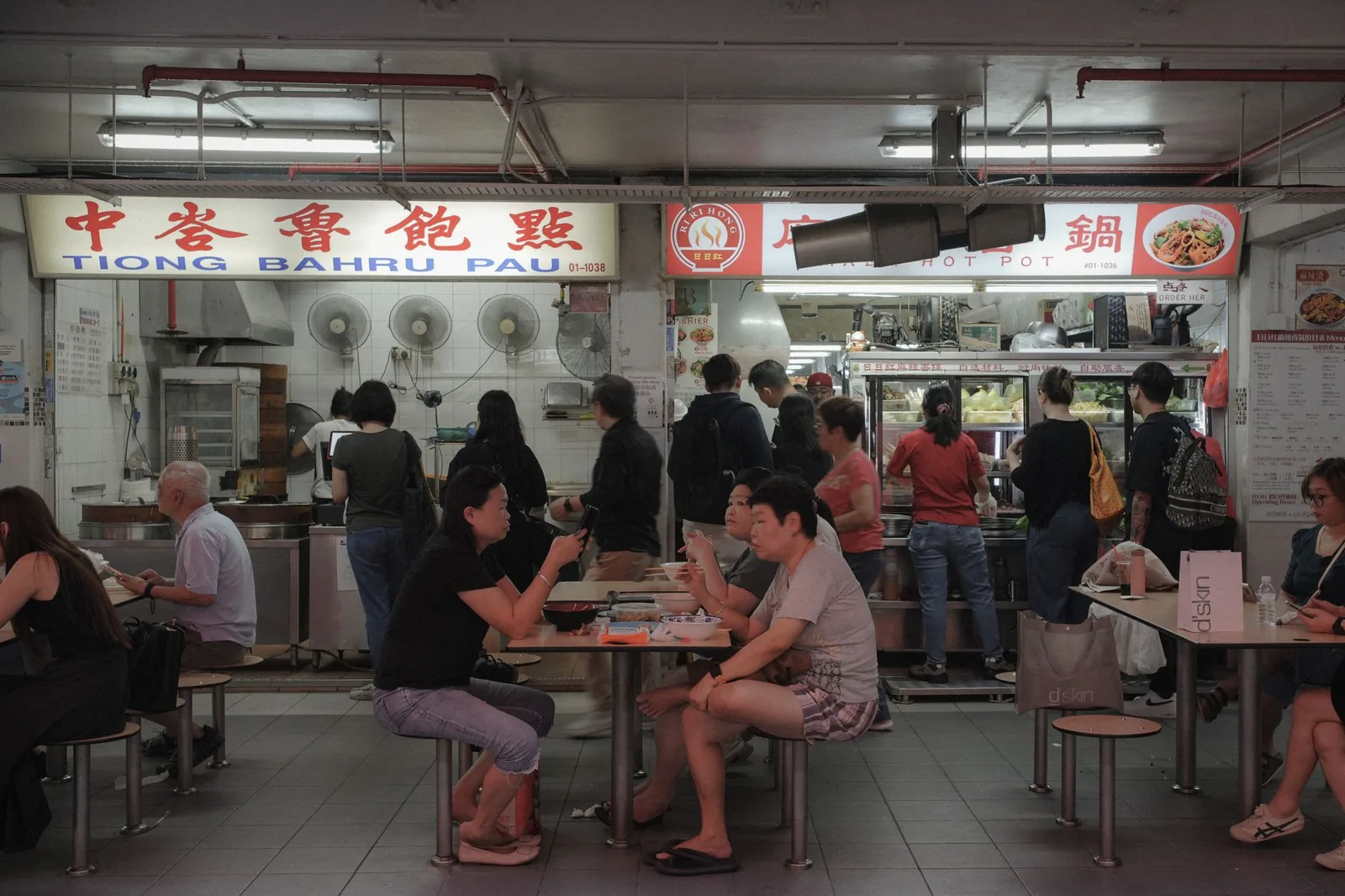
Food is central to the Singapore experience, and hawker centres are the best place to begin. These open or semi-open food centres bring together independent stalls serving local dishes at different price points. Look for busy stalls, but also choose dishes that appeal to you rather than trying to follow a rigid list.
Start with Hainanese chicken rice: poached chicken, fragrant rice, chilli and ginger-garlic condiments. Laksa combines rice noodles with a spicy, aromatic coconut-based broth, often with seafood, fish cake, tofu puffs or cockles.
Char kway teow is a smoky wok-fried noodle dish, while nasi lemak pairs coconut-milk and pandan-scented rice with ingredients such as anchovies, egg, sambal and fried chicken. Roti prata is a flaky South Indian-style flatbread served with curry, with both savory and sweet versions.
For breakfast, try kaya toast with kopi and often a soft-boiled egg. Chilli crab is a more substantial and usually more expensive meal, with crab served in a sweet-spicy sauce and fried buns used to soak it up.
Return trays, crockery and litter to designated points after eating. This is an important part of dining etiquette in Singapore, and table-littering enforcement applies at hawker centres, coffeeshops and food courts.
Easy Day Trips from Singapore
Pulau Ubin and Chek Jawa
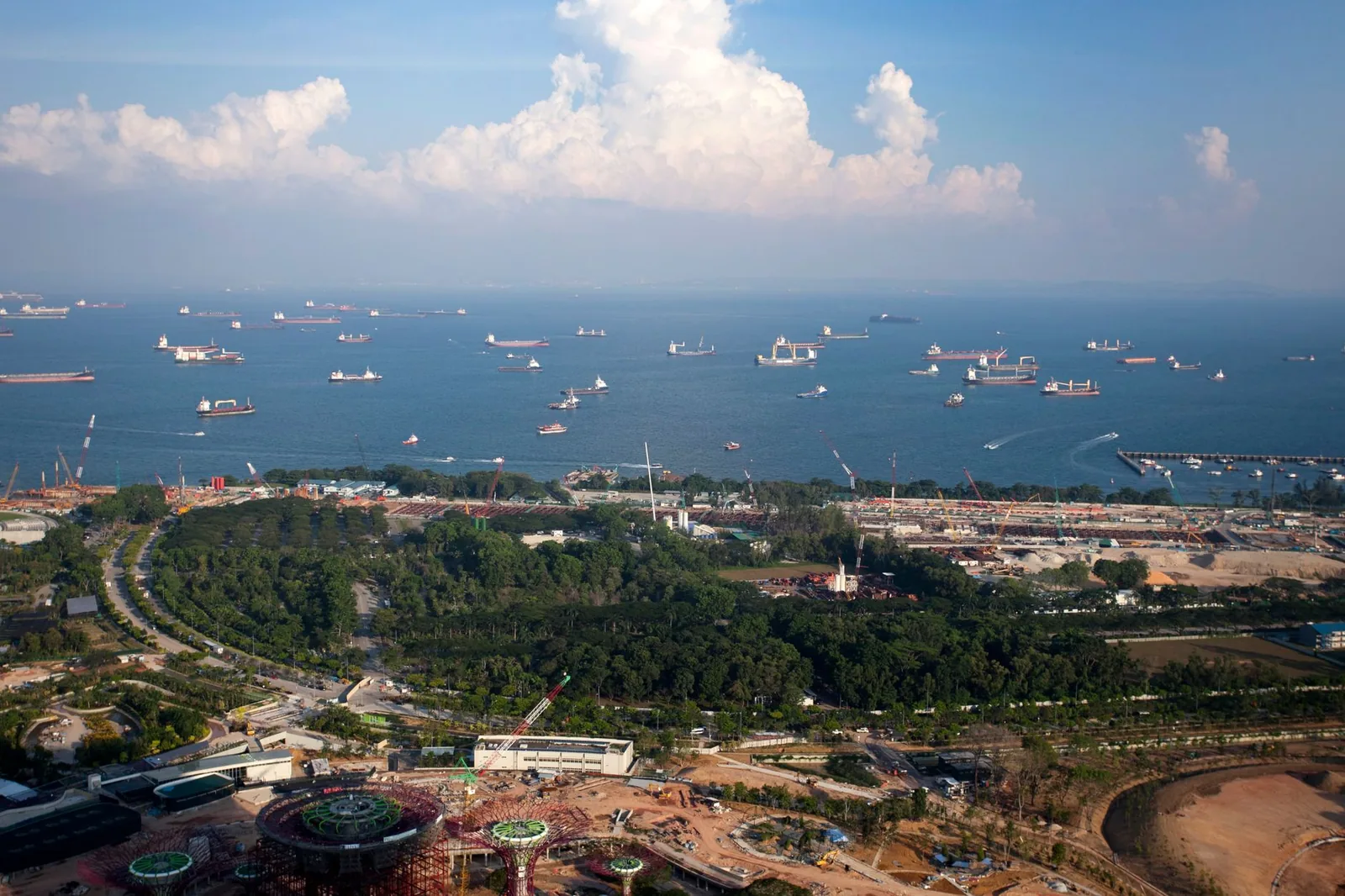
Pulau Ubin provides one of the clearest contrasts with central Singapore. Its forests, former granite quarries, village landscapes, cycling routes and wetlands feel considerably more rustic. Chek Jawa is a particular draw for travelers interested in coastal habitats and nature.
The island is reached by a privately operated bumboat from Changi Point Ferry Terminal. The crossing typically takes about 10 minutes, but fares and departure arrangements should be confirmed locally. Bring water, sun protection and comfortable clothing, and allow flexibility for weather.
The Southern Islands
The Southern Islands, including Lazarus Island, offer beaches, coastal scenery and a slower island day away from the central skyline. Ferry schedules, landing points and facilities can vary, so check current services before leaving. This is best treated as a relaxed excursion rather than a tightly scheduled sightseeing day.
Changi and the eastern coast
Changi Village, coastal walks and airport-area attractions can form a lower-intensity day, particularly for travelers staying near the airport or flying later. This outing can also be combined with access to Pulau Ubin, although luggage storage and terminal access should be confirmed if you are traveling on departure day.
Johor Bahru, Malaysia
Johor Bahru is a possible cross-border excursion for food, shopping and urban exploration in Malaysia. It requires an international border crossing, so allow for passport checks, traffic and potentially lengthy queues. Check passport validity, visa eligibility and current immigration procedures for your nationality before planning the trip.
Good to Know Before You Go
- Check Singapore’s current entry requirements with the Immigration and Checkpoints Authority before departure. Passport validity, visa eligibility and other conditions depend on nationality and travel document.
- Most foreign visitors must submit the free SG Arrival Card within three days before arrival. It is not a visa, and travelers should use the official submission channel.
- Carry a compact umbrella or light rain jacket, breathable clothes, sun protection and comfortable walking shoes.
- Schedule demanding outdoor sightseeing for the morning, late afternoon or evening where possible.
- Keep an indoor alternative available because thunderstorms can occur in every season.
- Use the same bank card, phone, watch or transport card to tap in and tap out on public transport.
- Carry a backup payment method and check whether a foreign-issued card attracts an administrative fee.
- Remove shoes and dress respectfully at temples, mosques and other religious sites.
- Check current opening hours, timed-entry rules, presentation reservations and maintenance closures shortly before visiting attractions.
- Singapore tap water is safe to drink, although some travelers prefer bottled or filtered water for convenience.
- Do not assume a short airport transit allows a landside visit to Jewel. Immigration clearance and Singapore entry requirements may apply.
- Allow additional time and check current requirements for a Johor Bahru day trip.
- Attraction prices, transport fares, tourist passes, event dates and opening arrangements can change. Use official sources for final planning.
Common Questions About Singapore
Is Singapore a city or a country?
Singapore is a sovereign country and city-state in Southeast Asia. It should be treated as a country for travel planning, even though the entire country is highly urbanized and most visitors move around one main metropolitan area.
How many days are enough for Singapore?
Three full days is a workable first visit covering Marina Bay, heritage districts, hawker food and one major attraction. Four to five days is better if you want to include Sentosa, Mandai Wildlife Reserve, museums at a relaxed pace or a day trip to Pulau Ubin.
What is the best month to visit Singapore?
There is no universally best month because Singapore is hot and humid year-round and rain can occur in every month. February is generally the driest month climatologically, while November through January are typically wetter. Events, hotel availability, prices and attraction schedules may matter as much as the weather.
Do I need a visa for Singapore?
It depends on your nationality and travel document. Check the current ICA information for your specific passport. Most foreign visitors must also submit the free SG Arrival Card within three days before arrival; this is separate from a visa.
What is the easiest way to get around Singapore?
For most visitors, MRT trains and buses are the easiest options. Pay with a compatible contactless bank card, mobile wallet, stored-value transport card or Singapore Tourist Pass. Taxis and private-hire vehicles are useful for airport transfers, late-night journeys, heavy luggage and less direct destinations such as Mandai.
Is Singapore expensive?
Costs vary widely by travel style. Hawker meals and public transport can be relatively economical, while hotels, cocktails, premium attractions, fine dining, taxis and Sentosa activities can raise the daily budget. Check current prices rather than relying on old guidebooks.
What food should I try in Singapore?
Good starting choices include chicken rice, laksa, chilli crab, char kway teow, nasi lemak, kaya toast with kopi, roti prata and Hokkien mee. Hawker centres offer the broadest opportunity to sample several dishes in one place.
Can I visit Singapore during a long airport layover?
A landside visit may be possible during a long enough layover, but you must allow time for immigration, baggage arrangements, airport transfers, security and re-entry. Confirm that you can enter Singapore and that your airline itinerary remains protected before leaving the airport.
Before You Go
Singapore rewards travelers who look beyond the most photographed skyline. Marina Bay and Gardens by the Bay are essential, but the country’s character emerges more fully in Chinatown, Kampong Gelam, Little India, Katong and Joo Chiat, as well as at a busy hawker centre.
Plan three full days for a focused first visit, or four to five for a more comfortable mix of museums, wildlife, Sentosa and nature. Use public transport, build around the heat and rain, and leave enough time for meals. That balance makes Singapore easy to navigate without making it feel rushed.
Find your stay with VibrantGateways.
Choose your travel dates and explore accommodation options for your destination.
Join the conversation
Ask a question, share a travel tip, or help another traveler plan with confidence.
Leave a comment
No account required.