
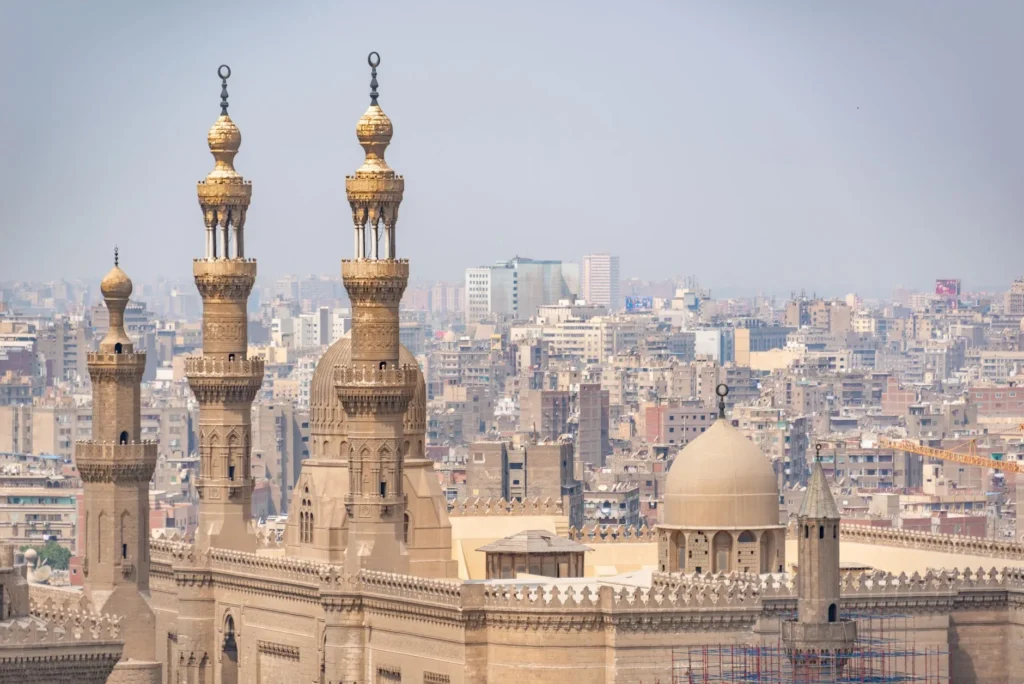
Downtown Cairo and Tahrir Square are best understood as a starting point rather than a single sightseeing attraction. This is the modern central district of Egypt’s capital: busy, densely built and full of contrasts, with the Egyptian Museum, historic commercial streets, Nile bridges, grand civic buildings and practical transport connections close together. It is also one of the most useful bases for exploring the wider city.
Spend at least one full day around Tahrir Square and central Cairo, or two days if you want to add Abdeen, the Museum of Islamic Art, Garden City, Zamalek or an evening cultural event. From here, you can also reach Old Cairo, Islamic Cairo, the Citadel and the major archaeological sites outside the city without changing hotels.
Why Downtown Cairo and Tahrir Square Is Worth Visiting
The main reason to come is the Egyptian Museum, whose original downtown building remains one of Cairo’s essential cultural stops. Around it, Tahrir Square provides an immediate sense of the capital’s civic importance, while the surrounding streets reveal a different side of Cairo: nineteenth- and twentieth-century architecture, old cinemas, cafes, bookstores, restaurants and busy local shopping streets.
The area works particularly well for first-time visitors and short cultural breaks. You can walk between the museum, Talaat Harb Square, central cafes and the Nile, then use the metro or a short car journey for attractions farther away. Sadat station connects the area with Cairo Metro Lines 1 and 2, while nearby stations provide access to Old Cairo and the Opera House.
Downtown is also a convenient base for combining different versions of Cairo. A morning at the Egyptian Museum can be followed by lunch at a koshary restaurant, a walk toward Garden City or Qasr El Nil Bridge, and an evening across the river in Zamalek. On another day, travel south to the Coptic churches and NMEC, or east toward Islamic Cairo and the Citadel.
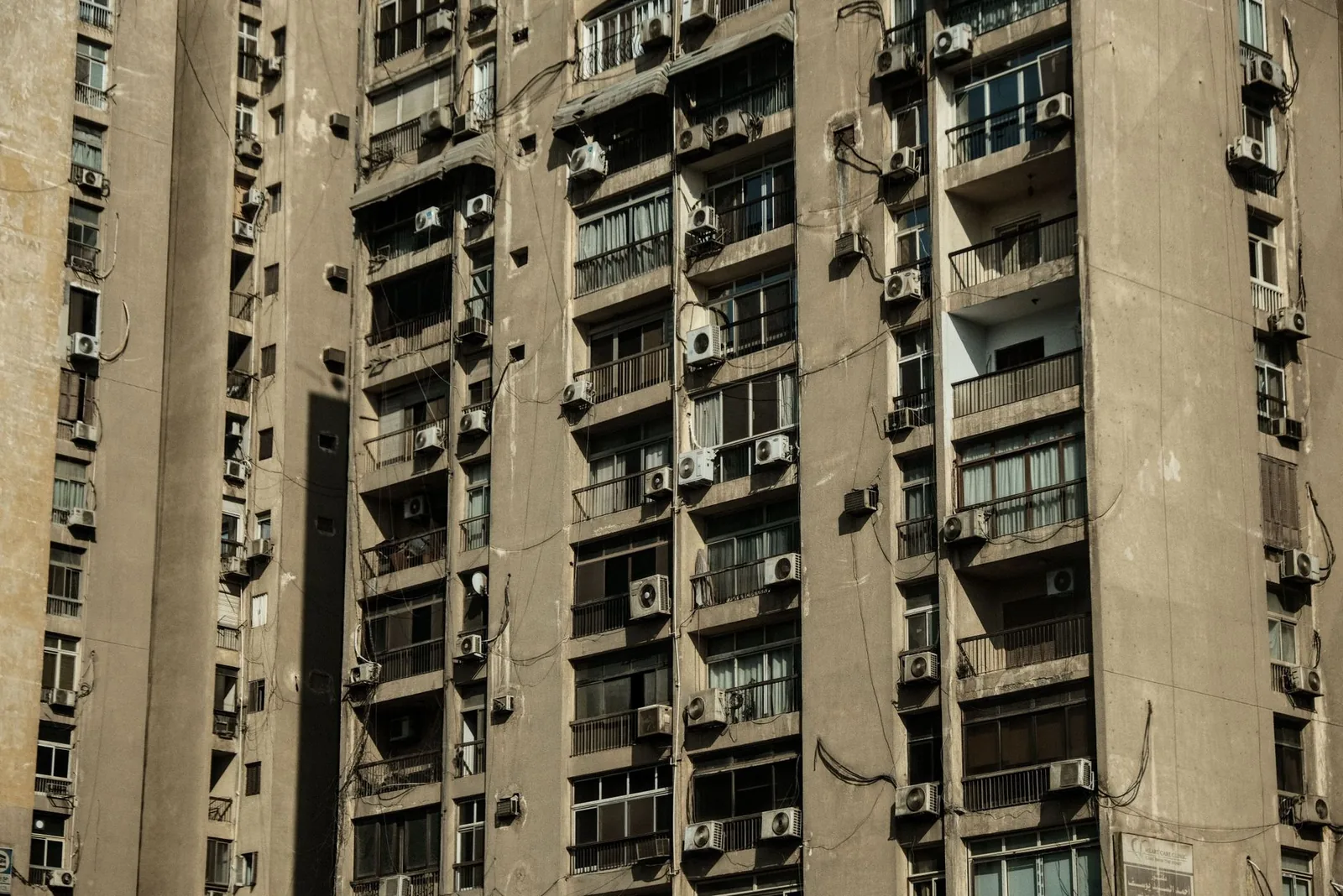
The district is not polished or especially tranquil. Roads are crowded, pavements can be uneven and crossing streets requires concentration. That energy is part of the experience, but visitors should plan realistic walking routes and allow extra time for traffic.
Top Experiences in Downtown Cairo and Tahrir Square
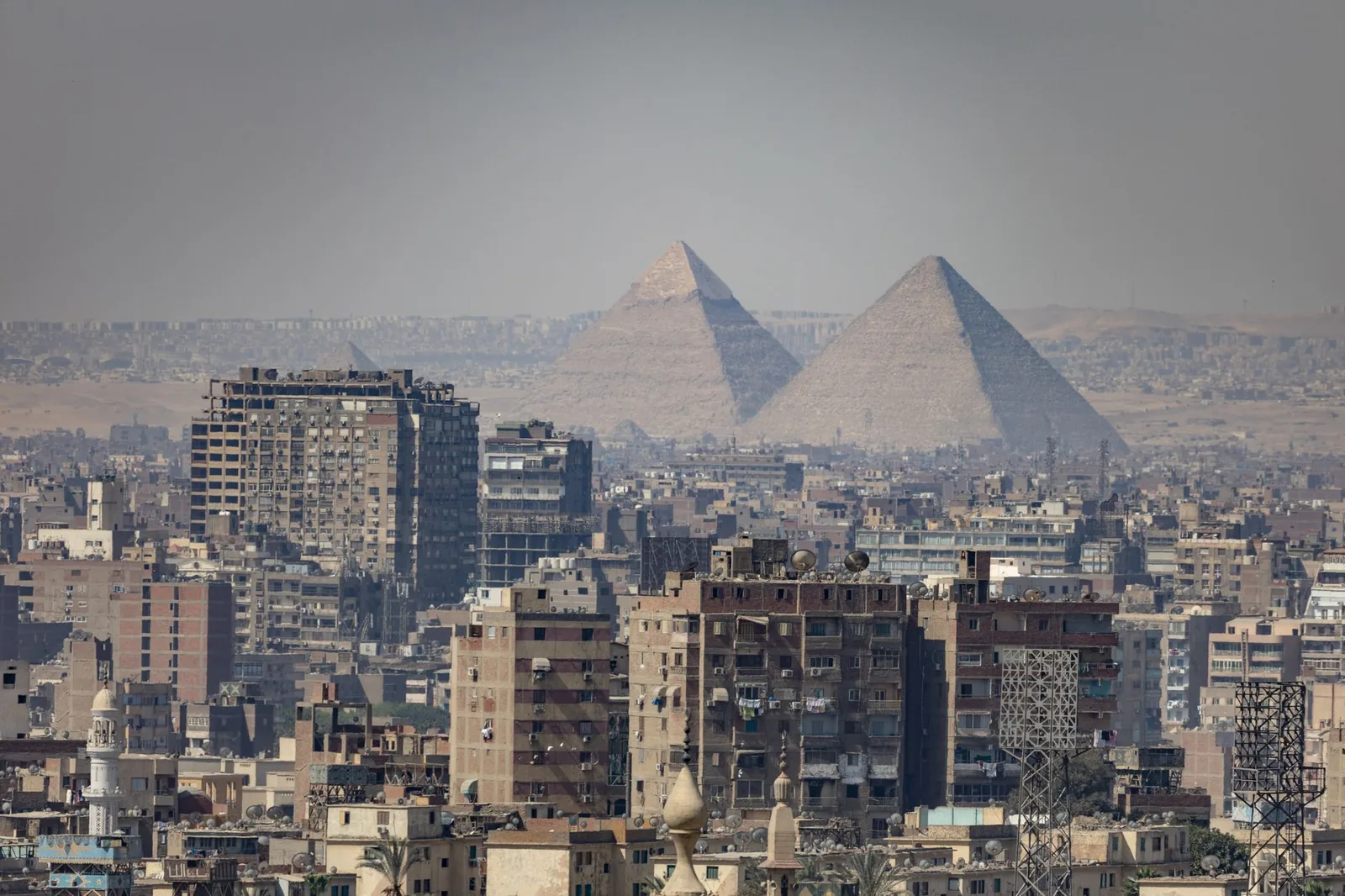
Visit the Egyptian Museum
The Egyptian Museum is the defining attraction of Tahrir Square. Inaugurated in 1902, it houses major collections of ancient Egyptian antiquities, including statues, coffins, papyri, jewelry, royal and elite burials and other objects from Egypt’s long archaeological history.
Among its notable holdings is the Narmer Palette, along with material associated with Yuya and Thuya. The museum is especially rewarding for travelers who want to see a wide range of objects in one historic setting rather than focus on a single monument or period.
Allow several hours rather than trying to squeeze it into a quick visit. The displays are extensive, and the building itself is part of the experience. Collections and famous objects can be reorganized or transferred, so check the current museum information if a particular item is central to your plans. Opening times, ticket prices, photography rules and last entry can also change.
A guide can be useful for visitors who want help understanding the chronology and significance of the objects. Independent travelers should still allow time to explore at their own pace; the museum is not a place to rush through before heading to the pyramids.
Take in Tahrir Square
Tahrir Square is one of Cairo’s best-known civic spaces and an important transport landmark. It is also the setting of the Egyptian Museum and Sadat metro station, making it almost impossible to miss when exploring central Cairo.
The square is primarily a busy traffic and security-controlled area, not a quiet pedestrian plaza. Most visitors experience it as part of a museum visit or a walking route through Downtown rather than as a destination requiring a long stop. Look around at the scale of the roads, surrounding buildings and constant movement, but take care near traffic and follow any local instructions.
Demonstrations, official events and security operations can affect access to the square or nearby streets. Avoid crowds and political gatherings, and check current local conditions before setting out.
Walk the central streets around Talaat Harb Square
The streets between Tahrir Square, Talaat Harb Square and 26 July Street are among the best places to get a feel for Downtown Cairo. Look for older commercial facades, balconies, shopfronts, cafes and the dense street life that gives the district its character.
This is a good area for an unstructured walk. Rather than setting out to find one specific monument, use the route to browse bookshops, pause for tea, watch local commerce and find a restaurant. Pavements may be crowded or interrupted by construction, parked cars and uneven surfaces, so comfortable shoes are more useful than a tightly timed itinerary.
The walk also helps explain how Downtown fits into the rest of Cairo. The area feels modern compared with Historic Cairo, yet its buildings and streets reflect the capital’s development during the nineteenth and twentieth centuries.
See Abdeen Palace and central Cairo’s royal history
Abdeen Palace is a major nineteenth-century royal complex in central Cairo. It became the official residence of Egypt’s rulers after the seat of government moved from the Citadel during the reign of Khedive Ismail.
The palace and its museums add historical depth to a Downtown itinerary, especially for travelers interested in Egypt’s modern political and royal history as well as its ancient past. It is a natural addition after the Egyptian Museum or during a walking route through Abdeen.
Visitor access can vary by museum area, opening day, ticket arrangements and security procedures. Confirm the current details before making a special journey, and allow time for screening if the site is open to visitors.
Walk toward Qasr El Nil Bridge and the Nile
Qasr El Nil Bridge links central Cairo with Gezira and provides one of the most accessible Nile viewpoints from Downtown. It is close to Garden City, Zamalek and the riverfront south of Tahrir Square.
The bridge is a useful place to understand Cairo’s geography. From here, the dense central city, the river and the island districts come together in one view. It can be particularly atmospheric toward sunset, although traffic is heavy and pedestrian conditions are not always comfortable.
Use marked pedestrian areas and take care on the bridge approaches. The Nile Corniche is also a major road rather than a continuous landscaped promenade. Some sections are suitable for a short walk, while others are better treated as places to reach by car and view from a safe stopping point.
Explore Garden City
Garden City lies south of Downtown along the Nile. Its leafy streets, embassies, hotels and residential buildings provide a quieter contrast to the commercial center, although traffic remains an issue on the main roads.
A walk around the edges of Garden City works well after the Egyptian Museum, particularly if you want to combine museum time with river views and a change of pace. The district is not a compact attraction with a fixed route, so keep expectations practical: it is best experienced through its streets, architecture and relationship with the Corniche.
Visit the Museum of Islamic Art
The Museum of Islamic Art is one of the strongest museum choices near central Cairo. Its collection covers objects from across the Islamic world, including calligraphy, ceramics, textiles, metalwork, architectural elements and items connected with science and scholarship.
It complements the Egyptian Museum by shifting the focus from pharaonic antiquity to the artistic and intellectual history of Islamic societies. Allow enough time to appreciate the range of the collection rather than treating it as a short add-on.
Check current opening days, hours, ticket arrangements and photography rules before visiting. Ramadan, public holidays and special events may alter the normal schedule.
Spend an evening in Zamalek and Gezira
Across the Nile, Zamalek and the wider Gezira district offer restaurants, galleries, cultural venues and leafy streets. The area feels different from Downtown, with more space and a stronger concentration of evening dining and arts activity.
The Cairo Opera House is the main cultural landmark. Its program includes music, dance, theatre and other events, but schedules and ticket availability change frequently. Check the current program before planning an evening around a performance.
You can combine Zamalek with Qasr El Nil Bridge, although the return journey may be more comfortable by taxi or rideshare than on foot, especially after dark or during heavy traffic.
Use Downtown as a base for Old Cairo and Islamic Cairo
Downtown is well positioned for two of Cairo’s most important historic areas, but neither should be treated as a quick walk-through extension of Tahrir Square.
Islamic Cairo includes major Fatimid, Ayyubid, Mamluk and Ottoman monuments, traditional markets and the historic lanes of Khan el-Khalili and Al-Muizz Street. The area forms part of UNESCO-listed Historic Cairo and is best explored on foot, with time to look at mosques, madrasas, sabils, workshops and market activity.
Old Cairo and Fustat offer a different route through the city’s history. Around Mar Girgis, you can visit the Coptic Museum, the Hanging Church, Abu Serga Church, Ben Ezra Synagogue and the wider Religious Complex. NMEC in Fustat adds a broader chronological view of Egyptian history and includes the Royal Mummies Gallery.
These areas are easier to handle as separate half-day or full-day outings. Wear modest clothing, expect security screening and follow local rules at religious buildings.
Best Areas to Stay in Downtown Cairo and Tahrir Square
Find places to stay. Search stays on VibrantGateways →
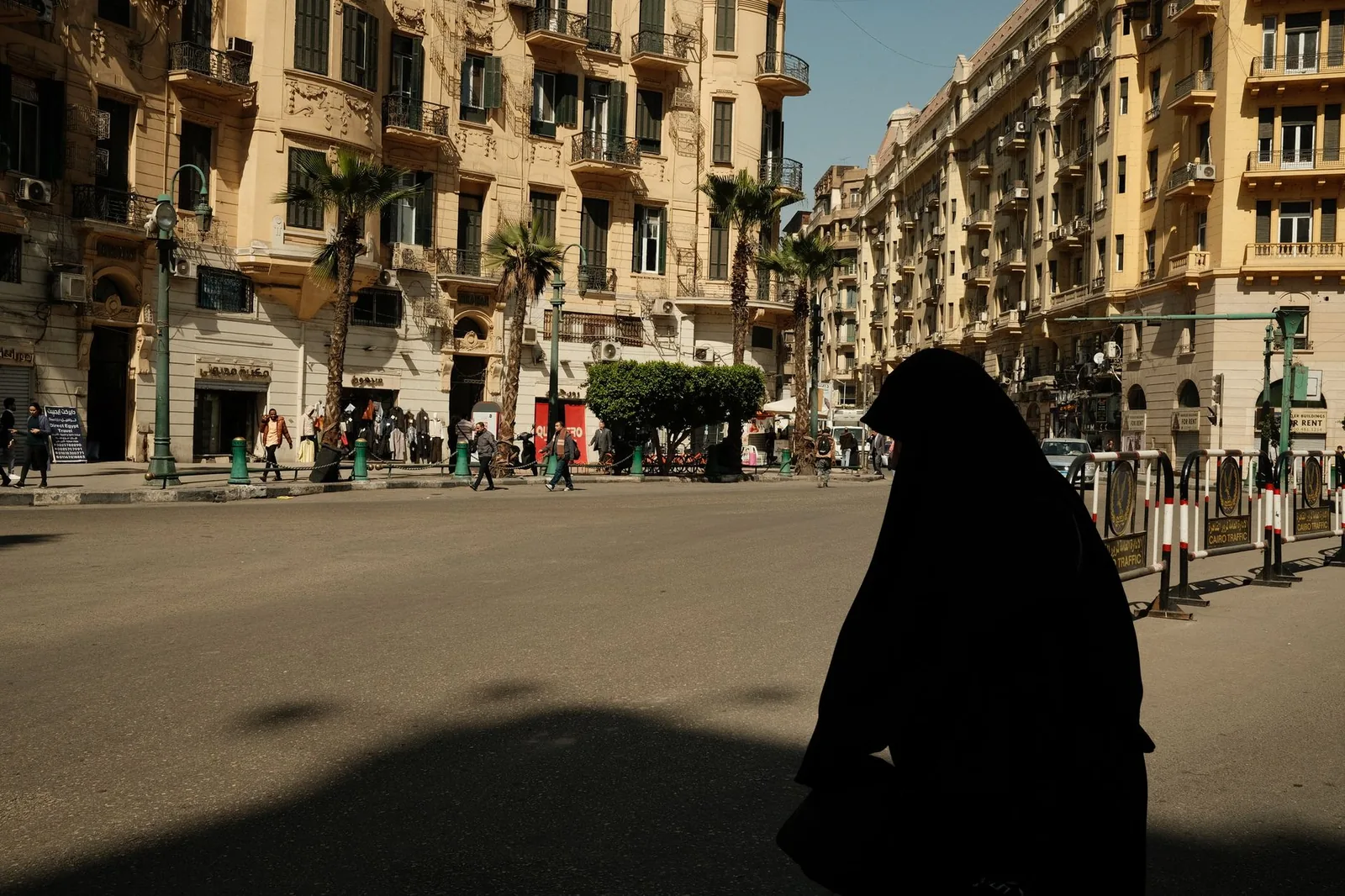
Downtown Cairo
Stay in Downtown if you want the Egyptian Museum, central restaurants, cafes and metro connections close at hand. The area is practical for first-time visitors and short stays, particularly if your itinerary includes several parts of Cairo rather than just the pyramids.
Expect a lively urban environment, street noise and busy roads. Choose accommodation based on recent guest feedback about noise, security, cleanliness and access rather than relying only on the neighborhood name.
Around Tahrir Square
Staying near Tahrir puts the museum and Sadat station within easy reach. It is convenient for travelers who want to start sightseeing early or use the metro frequently, but the square itself is busy and may be affected by security controls or temporary restrictions.
Check the exact street location before booking. A property described as being near Tahrir may still be separated from the square by large roads or difficult crossings.
Garden City
Garden City is a useful choice for travelers who prefer a more residential and leafy setting while remaining close to Downtown and the Nile. It includes hotels and embassies, with access to the Corniche and central attractions.
The area is less convenient for browsing Downtown streets on foot if your accommodation is toward its southern edge, and car journeys can still be slowed by congestion.
Zamalek and Gezira
Zamalek suits visitors looking for restaurants, cultural venues and a calmer evening atmosphere than central Downtown. It is across the river, so allow for traffic when traveling to the Egyptian Museum, the airport or attractions east and south of the center.
Abdeen
Abdeen offers a central location close to the palace and within reach of Downtown. It can work well for travelers interested in Cairo’s modern history and traditional central neighborhoods, provided they are comfortable with a busy, less tourist-oriented environment.
What to Eat and Drink
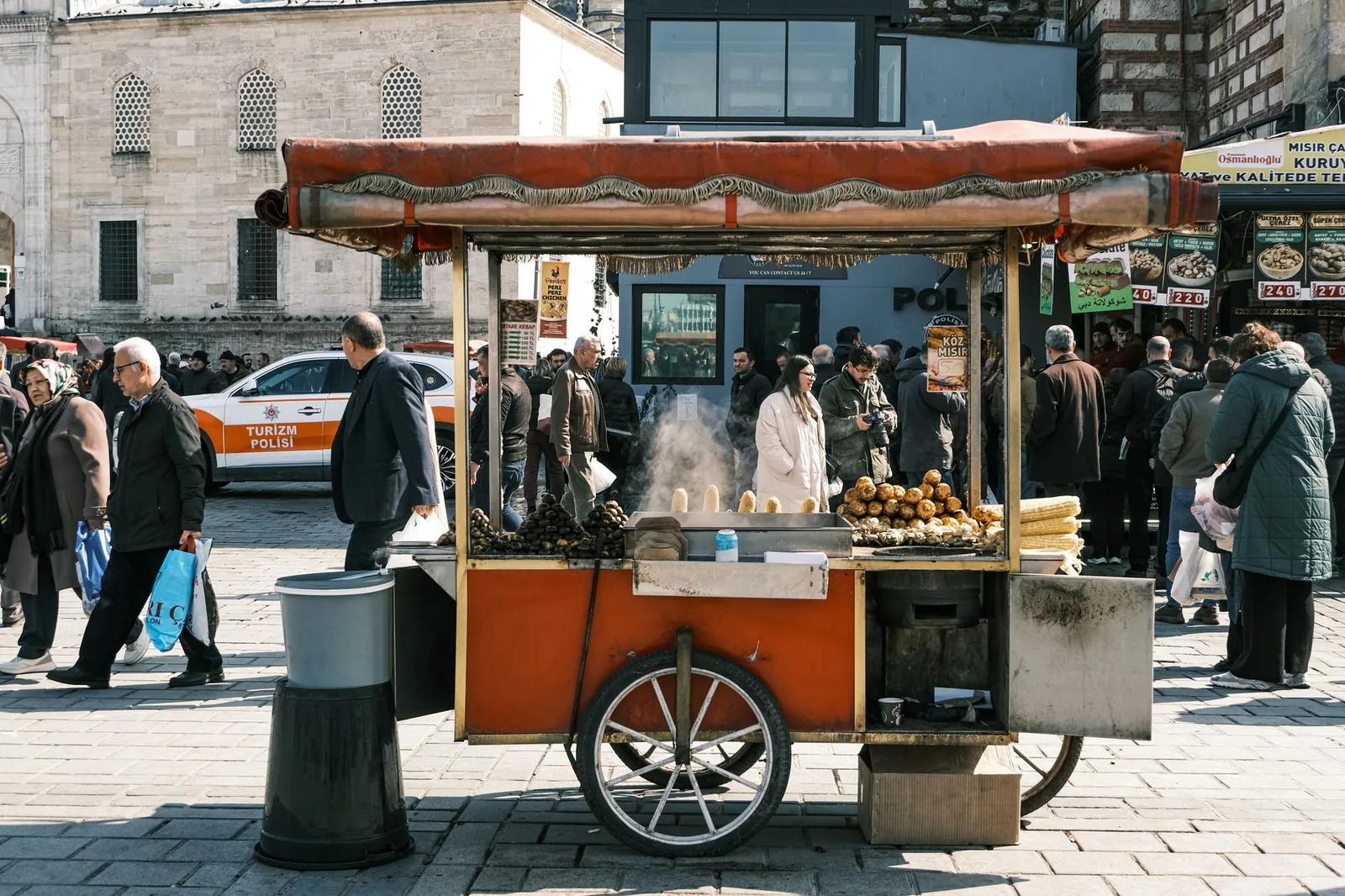
Downtown is a good place to try everyday Egyptian food rather than relying only on international hotel restaurants.
Start with foul, slow-cooked fava beans served with baladi bread and seasonings. Taameya, Egypt’s fava-bean version of a herb-filled fritter, is another common breakfast or sandwich option.
For a filling lunch, order koshary: rice, pasta, lentils, chickpeas, tomato-garlic sauce and fried onions. It is one of the most recognizable Egyptian dishes and works well as an inexpensive meal between museums.
Other dishes to look for include molokhia, grilled meats and kofta. Preparation and availability vary between restaurants, so ask about ingredients if you have dietary restrictions.
Egyptian tea and sugarcane juice are common refreshments. Choose busy, well-maintained establishments, particularly for fresh drinks, and carry bottled water during hot weather.
Weather and the Best Time to Go
Autumn, winter and spring are generally the most comfortable seasons for combining walking, museums and outdoor sightseeing. Cairo’s weather varies from year to year, so check a current forecast before departure.
Winter is often favorable for daytime exploration, although evenings can feel cool. Bring a light layer, especially if you plan to spend time beside the Nile or return late from Zamalek.
Spring is usually suitable for sightseeing, but temperatures can rise later in the season. Dusty or windy conditions are possible, particularly in March and April, so check the forecast before planning a long outdoor route.
Autumn can be a good compromise for visitors who want to walk and visit museums, although early autumn may remain hot. Summer is generally the least comfortable period for long midday walks. Plan indoor attractions during the hottest part of the day, carry water and avoid overloading your itinerary.
Ramadan, public holidays and major events can affect museum hours, restaurant schedules, metro access and traffic. Verify current arrangements shortly before visiting.
Getting Around Downtown Cairo and Tahrir Square
Metro
Sadat is the principal metro station for Tahrir Square and an interchange between Lines 1 and 2. Mohamed Naguib is another useful station for central Downtown. Mar Girgis serves the Coptic Museum and Old Cairo, while Opera is useful for the Opera House and access toward Gezira.
The metro can be more predictable than road transport during heavy congestion, but stations are busy and access may be temporarily restricted during major events or security operations. Check current fares, operating hours, payment methods and station entrances locally.
Walking
Downtown, Tahrir Square, Talaat Harb Square, the Egyptian Museum, parts of Garden City and Qasr El Nil Bridge can be combined on foot. However, Cairo walking requires patience. Expect multilane roads, difficult crossings, uneven pavements, construction, heat and constant traffic.
Walking from Downtown to the Citadel is not practical for most visitors. Use the metro for suitable routes and a reputable car service for destinations not conveniently served by rail.
Taxis and rideshares
A reputable app-based service, hotel-arranged car or clearly agreed taxi fare is generally more practical than accepting unsolicited rides. Check the vehicle and driver details before getting in, keep the destination visible in Arabic or on a map, and confirm the route.
Traffic can make a short distance take much longer than expected. Build extra time into museum visits, airport transfers and day trips.
Arriving from Cairo International Airport
Cairo International Airport is the city’s main international gateway. There is no metro station directly at the airport, so travelers heading to Downtown generally use a taxi, rideshare, hotel transfer or bus connection.
Transfer times vary substantially with terminal, traffic and time of day. Do not rely on a fixed journey duration, particularly if you have a train, flight or timed attraction booking. Current airport pickup zones, rideshare procedures and bus services should be checked on arrival.
A prearranged transfer can be worthwhile for late-night arrivals, families, travelers with substantial luggage or anyone visiting Cairo for the first time.
Which Cairo experience would you most want to build your day around?
Best Day Trips from Downtown Cairo and Tahrir Square
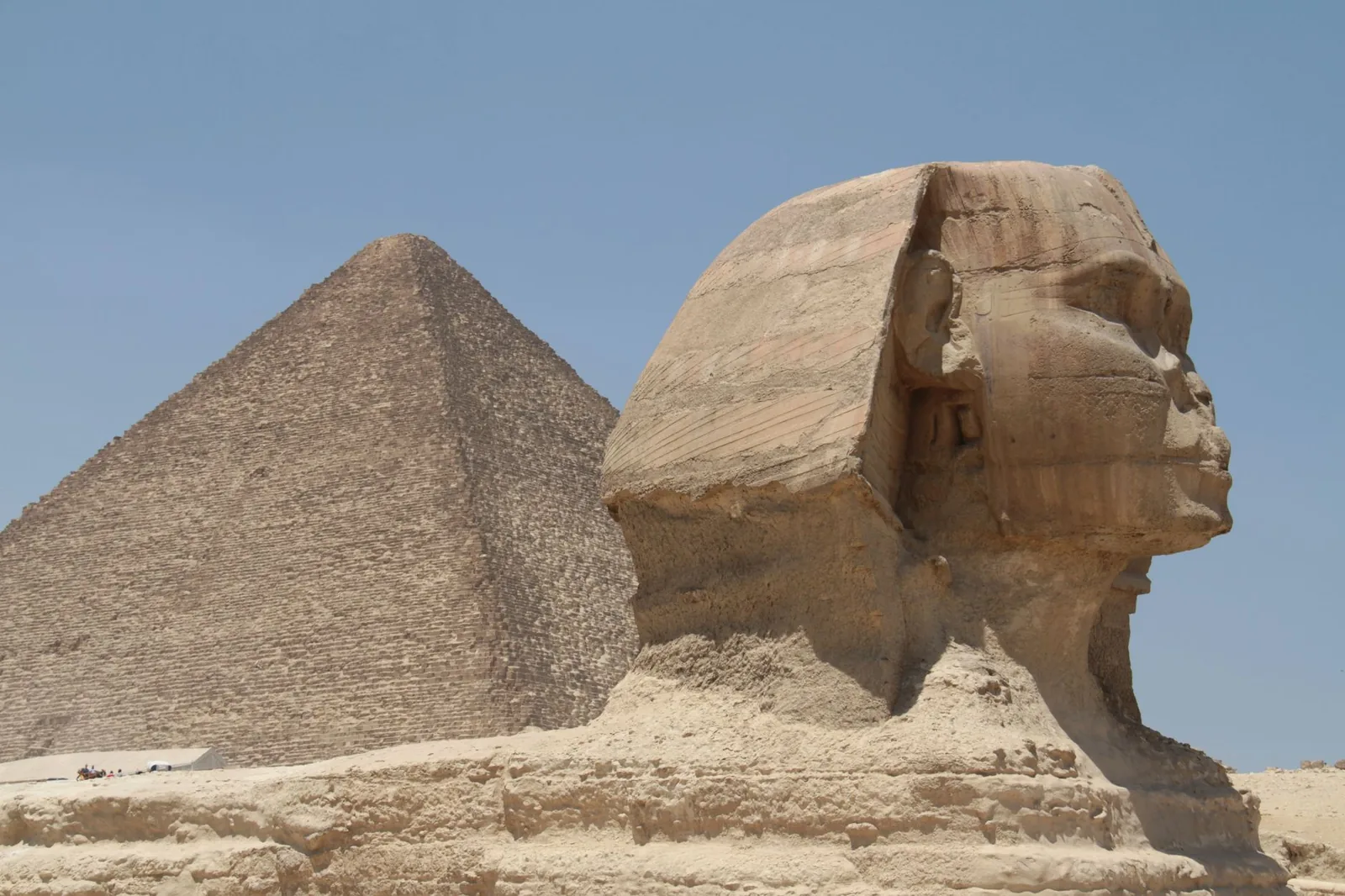
Giza Pyramids and the Sphinx
Giza is the essential excursion from a Downtown base and pairs naturally with the Egyptian Museum. Plan transport carefully because traffic between central Cairo and Giza can be heavy. Attraction access, ticket rules and opening hours should be checked before departure.
Saqqara and Memphis
Saqqara and Memphis are better choices for travelers who want a broader archaeological day. The Step Pyramid area and the ancient capital region add context beyond the most famous monuments at Giza. A licensed guide or organized private transport can make the route more efficient.
Dahshur
Dahshur can complement Giza and Saqqara with a less central pyramid-area experience. Arrange it as part of a professionally organized itinerary or private car journey, and verify current access and security conditions.
Alexandria
Alexandria offers a full-day change of scene on the Mediterranean, with Greco-Roman, modern Egyptian and coastal heritage. Train or private transport may be suitable depending on your plans, but check current schedules and attraction hours before committing to a same-day return.
Fayoum and Wadi El Hitan
Fayoum is an option for travelers with extra time who want desert landscapes, lake areas and archaeological sites. Wadi El Hitan is a more specialized fossil and desert excursion within the region. Both require prearranged transport or a reputable tour, and road, permit and weather conditions should be verified.
Practical Tips for Visiting Downtown Cairo and Tahrir Square
- Carry Egyptian pounds for small purchases, local transport and smaller restaurants, while keeping a card for hotels and larger businesses.
- Keep a paper or digital copy of your passport and visa details. Carrying the original may be required in some situations, but a copy is useful for everyday travel.
- Dress modestly at mosques, churches, synagogues and traditional neighborhoods. Cover shoulders and knees when required.
- Ask permission before photographing people, children, officials, religious services or sensitive buildings. Photography and filming rules vary by site.
- Expect security screening at museums, metro stations, religious sites and major attractions.
- Use marked crossings where possible and take particular care around multilane roads.
- Carry water, use sun protection and schedule long walks for cooler parts of the day.
- Check current museum schedules, ticket rules, Ramadan hours and photography policies shortly before visiting.
- Avoid demonstrations and large political gatherings. Follow local security instructions and your government’s current travel advice.
- Use reputable, licensed guides and tour operators for archaeological sites outside central Cairo.
- Do not assume every famous ancient Egyptian object is currently displayed at the Egyptian Museum. Museum collections can be conserved, reorganized or transferred.
- If traveling during Ramadan or a major public holiday, expect altered hours, different restaurant schedules and increased demand for transport.
Frequently Asked Questions
Is Tahrir Square worth visiting?
Yes, particularly because it is the setting of the Egyptian Museum and an important reference point for Downtown Cairo. The square itself is mainly a busy civic and transport space, so most visitors experience it as part of a museum visit and central-Cairo walk rather than as a standalone attraction.
How long should I spend in Downtown Cairo?
One full day is enough for the Egyptian Museum, Tahrir Square, central streets and a Nile-side walk. Two full days allow a more relaxed pace and time for Abdeen, the Museum of Islamic Art, Zamalek or an evening cultural event.
Can I walk from Downtown Cairo to Islamic Cairo?
Some travelers do, but it is not usually the most comfortable or efficient option. Traffic, heat, road crossings and the distance between individual monuments make the metro or a short taxi or rideshare journey more practical for most visitors.
Which metro station serves Tahrir Square?
Sadat station is the main station for Tahrir Square and an interchange between Lines 1 and 2. Access may be restricted temporarily during major events or security operations, so confirm the current situation locally.
Is Cairo safe for tourists?
Visitors should exercise increased caution, remain alert in crowded areas, avoid demonstrations and follow current government and local security guidance. Conditions can change, so review the latest travel advisory before departure and during your stay.
What should I wear at religious sites?
Wear modest clothing covering the shoulders and knees. Some mosques may require additional covering or removal of shoes, while churches and synagogues may have their own visitor rules.
Do I need to book Egyptian Museum tickets in advance?
Ticket arrangements depend on current demand and any temporary booking rules. Advance purchase may be useful during busy periods, but verify the current process through the official tourism or museum channel before traveling.
What airport should I use for Downtown Cairo?
Cairo International Airport, code CAI, is the main airport serving the city. Taxis, rideshares, hotel transfers and bus connections are the main options for reaching Downtown because there is no metro station directly at the airport.
Before You Go
Downtown Cairo and Tahrir Square are most rewarding when used as a living central district rather than checked off as one attraction. Begin with the Egyptian Museum, then allow time for the streets, cafes, Nile viewpoints and nearby neighborhoods that show how modern Cairo developed around its older foundations.
The area is also one of the city’s most practical bases. From Downtown, you can reach Zamalek, Garden City, Old Cairo, Islamic Cairo and the Citadel, while Giza, Saqqara and Alexandria remain possible day trips. Plan around traffic, heat, changing schedules and the scale of Cairo, and the district becomes a useful, culturally rich starting point for exploring the capital.
Find your stay with VibrantGateways.
Choose your travel dates and explore accommodation options for your destination.
Join the conversation
Ask a question, share a travel tip, or help another traveler plan with confidence.
Leave a comment
No account required.