
Best Things to Do in Midtown Manhattan
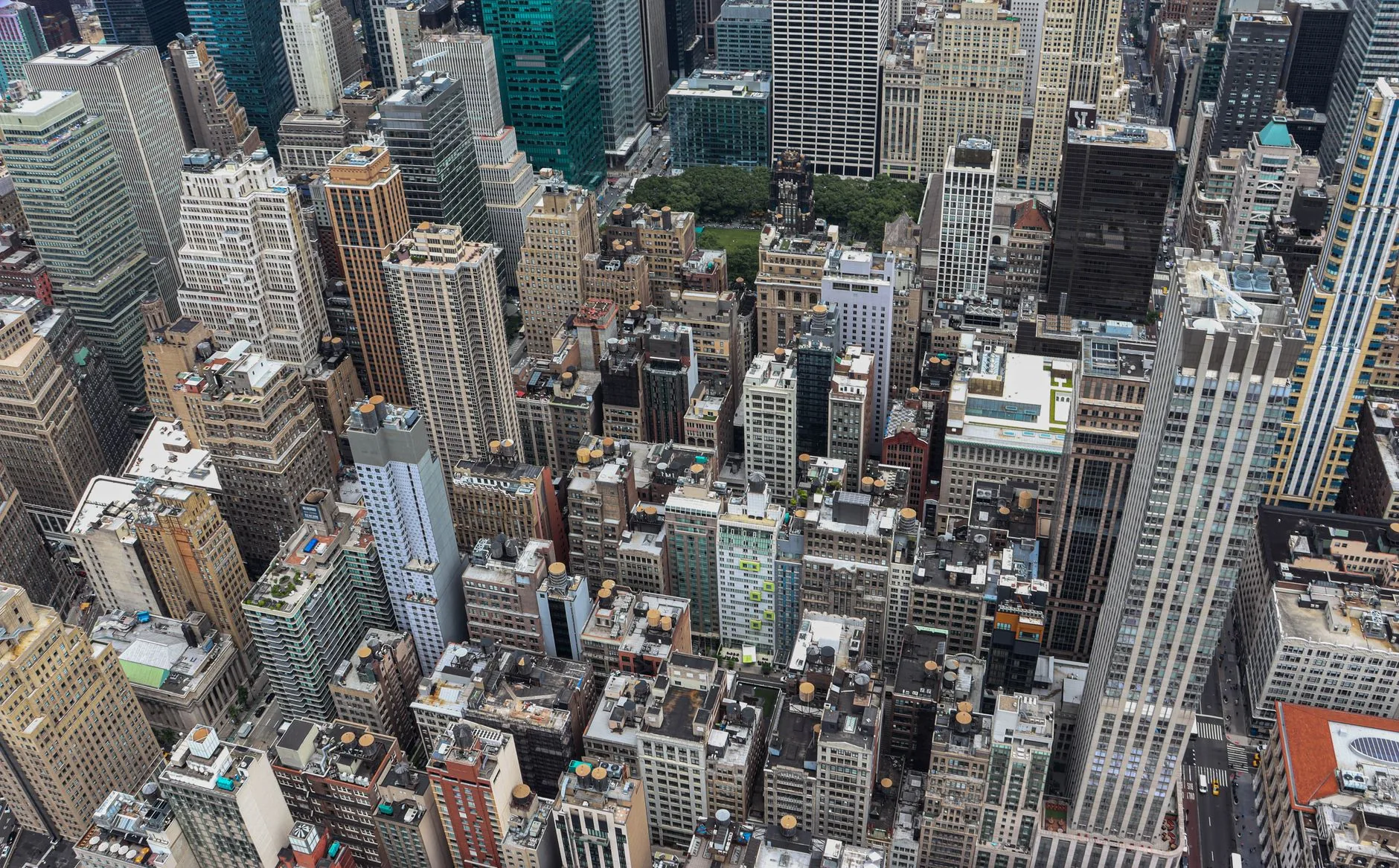
Midtown Manhattan brings together many of New York’s most recognizable sights, from Times Square and Broadway to Grand Central Terminal, Rockefeller Center, major museums, observation decks, and Hudson Yards. It is an efficient base for a first visit, but the district is larger than it looks. The best experience comes from grouping attractions by area, booking major tickets ahead, and using the subway for longer journeys.
For a first visit, allow at least two or three full days for Midtown’s main landmarks. Add more time if you want several museums, multiple observation decks, a sporting event, extensive shopping, or trips to other parts of New York City.
Why Midtown Manhattan Is Worth Visiting
Midtown is the central commercial, cultural, entertainment, and transportation district of Manhattan. Its attractions are not all within a few minutes of one another, but several useful clusters make sightseeing straightforward.
Times Square and the Theatre District are the center of Broadway and live entertainment. Rockefeller Center and Fifth Avenue combine landmark architecture, shopping, St. Patrick’s Cathedral, and Top of the Rock. Grand Central and East Midtown offer historic interiors and rail connections, while Bryant Park provides a welcome pause between busy avenues.
Farther west, Hudson Yards adds modern architecture, Edge, Vessel, restaurants, and access to the High Line. At the southern end of the district, Herald Square, Koreatown, Penn Station, and Madison Square Garden offer shopping, Korean dining, intercity rail, sports, and concerts. To the north, Columbus Circle leads into Central Park and the Upper West and Upper East sides.
Midtown suits first-time visitors, short city breaks, families, Broadway trips, museum weekends, business travel, and anyone who wants a practical base for exploring Manhattan. It is also one of the easiest parts of New York City from which to reach other districts by subway.
Weather and the Best Time to Go
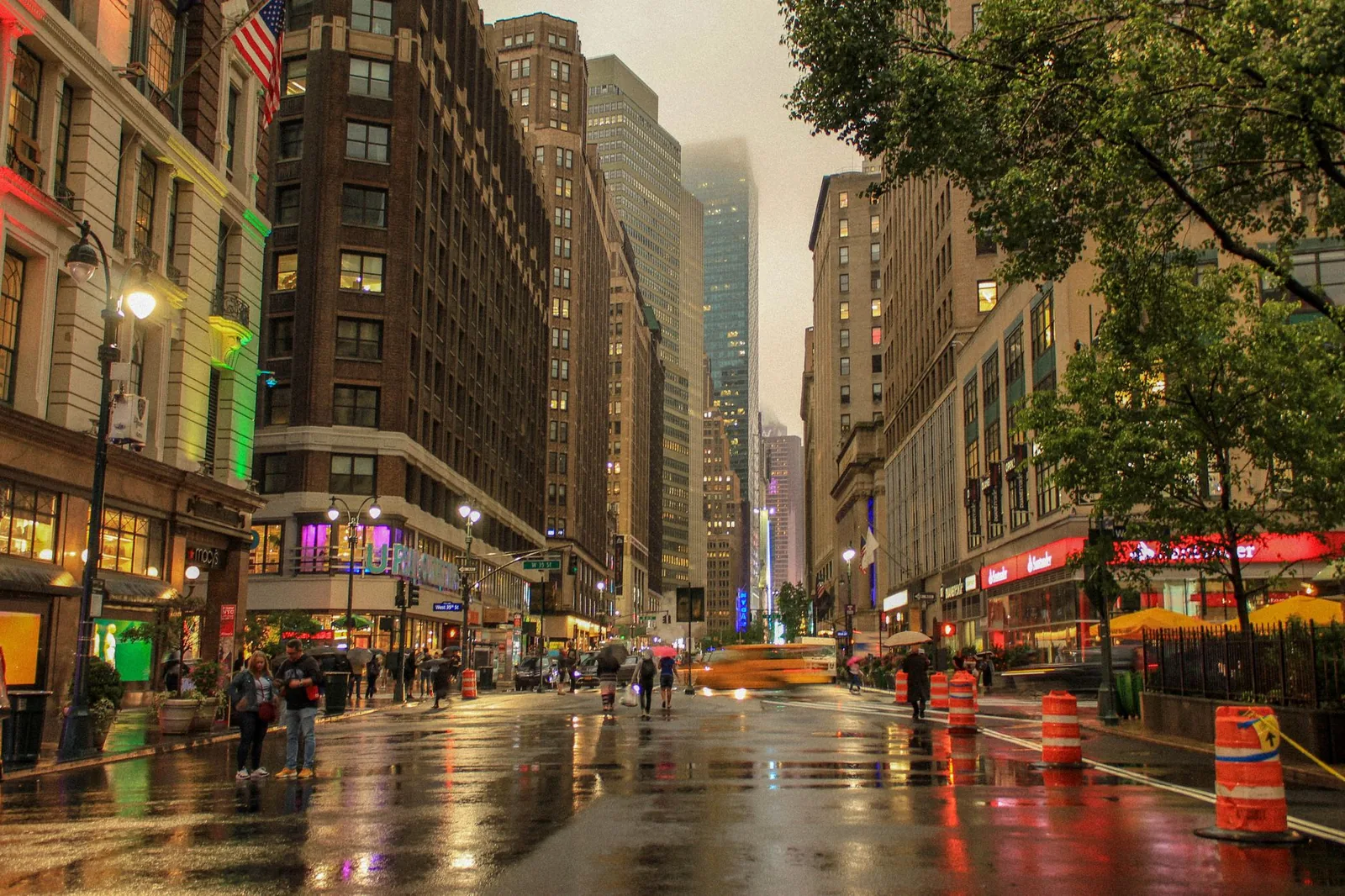
Midtown can be visited year-round. Spring and autumn are generally comfortable seasons for walking, although temperatures vary and rain is possible. These seasons are well suited to combining outdoor sightseeing with museums, Broadway, and restaurants.
Summer brings long daylight hours and a full events calendar, but heat, humidity, thunderstorms, and heavy visitor numbers can make midday walking uncomfortable. Reserve popular attractions ahead and plan indoor breaks during the warmest part of the day.
Autumn often offers favorable sightseeing conditions, although October and November can vary considerably. Demand begins rising in late November as holiday displays, shopping, seasonal skating, and winter events begin.
Winter is cold and daylight is limited, but Midtown becomes especially festive around Rockefeller Center, Fifth Avenue, Bryant Park, and the Theatre District. Holiday crowds can be substantial, and seasonal operating dates change annually. Check current attraction schedules and weather conditions before setting out.
Getting Around Midtown Manhattan
Walking and public transportation are usually the most practical ways to explore Midtown. Walking works especially well within clusters such as Times Square to Bryant Park, Rockefeller Center to Fifth Avenue, and Bryant Park to Grand Central.
The wider district is larger than it first appears. Hudson Yards, Penn Station, Times Square, Rockefeller Center, Grand Central, and Central Park are connected, but not always comfortably within one short walk. Group attractions geographically and use the subway for longer east-west or north-south journeys.
The NYC subway and local buses use OMNY contactless payment. Tap the same card or device consistently when traveling, particularly if you are aiming for any applicable fare cap. Fares, fare caps, and payment policies can change, so verify current information before travel.
Yellow taxis are widely available. App-based rideshare services are also common, but pickup arrangements vary by building and venue. Trips in Manhattan may be affected by congestion-related surcharges and traffic. A private car is generally inconvenient for sightseeing because of congestion, limited curb space, and expensive parking.
Arriving from the airports
Planning your arrival? Compare flight options on BookingTabs.
JFK is a major international gateway for Midtown visitors. Its AirTrain connects with the subway at Howard Beach or Jamaica and with the Long Island Rail Road at Jamaica. The best connection depends on your luggage, destination, arrival time, and tolerance for transfers.
LaGuardia can be practical for domestic arrivals. The free Q70 LaGuardia Link connects the terminals with subway hubs at Jackson Heights–Roosevelt Avenue and 74 St–Broadway.
From Newark Liberty International Airport, NJ TRANSIT connects Newark Liberty Airport Station with New York Penn Station. Airport AirTrain construction and temporary shuttle arrangements can affect the journey, so check current alerts before setting out.
Airport travel times vary substantially with traffic, service disruptions, luggage, and connection waits. Allow more time than a simple map estimate suggests.
Where to Stay in Midtown Manhattan
Looking for a place to stay? Compare hotels for Midtown Manhattan on BookingTabs.
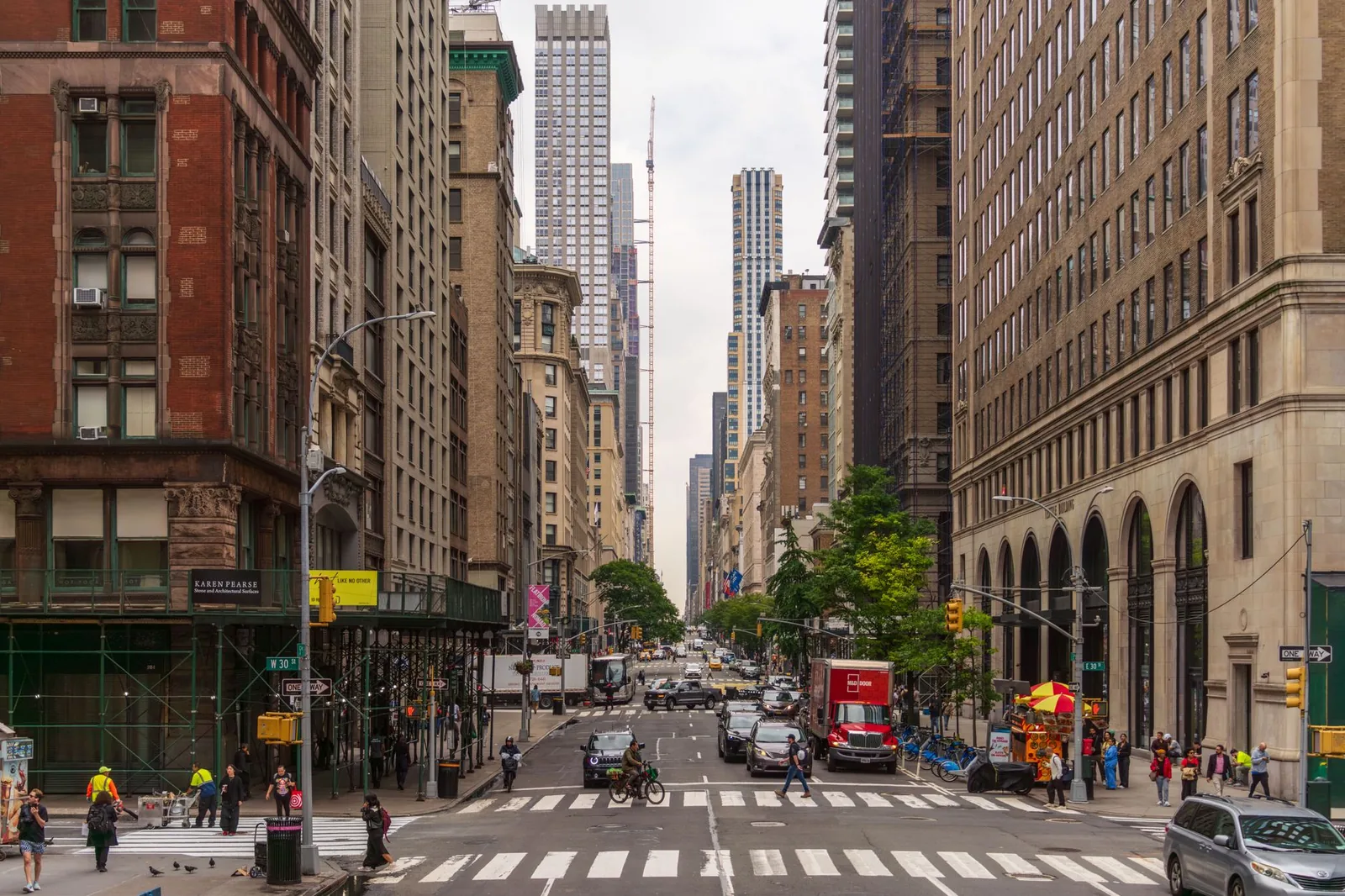
Midtown is a practical place to stay, particularly for first-time visitors, short trips, business travel, and Broadway weekends. The best area depends on the atmosphere and transport connections you want.
Times Square and the Theatre District are convenient for Broadway, bright city scenery, entertainment, and first-time New York energy. They are lively and crowded, including at night, and can feel less residential than other parts of Manhattan.
Rockefeller Center and Fifth Avenue work well for visitors who want observation decks, landmark architecture, luxury shopping, MoMA, and central access to several major attractions.
Bryant Park and the Garment District offer a central location close to Times Square, Fifth Avenue, the New York Public Library, and Grand Central. Bryant Park provides a useful green-space break in an otherwise dense area.
Grand Central and East Midtown are particularly practical for rail connections, corporate travel, historic architecture, and access to Metro-North. The area can feel quieter outside business hours than Times Square.
Herald Square, Koreatown, and Penn Station suit travelers prioritizing intercity rail, shopping, Korean dining, Madison Square Garden, or easy access to Moynihan Train Hall.
Hudson Yards and West Midtown offer modern buildings, restaurants, shopping, Edge, Vessel, and High Line access. This area is farther from Grand Central and the eastern attractions, so consider your daily routes before booking.
Hotel rates, opening policies, and facilities change frequently. Compare the exact location, subway access, noise expectations, luggage arrangements, and cancellation terms rather than choosing solely by the Midtown label.
What would you most want to experience in Midtown Manhattan?
Best Things to Do in Midtown Manhattan
See Times Square and Broadway
Times Square is Midtown’s most recognizable public space: a bright, crowded crossroads surrounded by enormous advertising screens, theatres, restaurants, and entertainment venues. It is busy at most hours, but the scale and energy are part of the experience. Visit once during the day to understand its layout and again after dark when the illuminated signs are most striking.
Times Square is also the gateway to Broadway’s Theatre District. A show is one of the defining Midtown experiences, whether you choose a major musical, a play, a revival, or a family production. Show schedules, age guidance, accessibility arrangements, rush policies, lotteries, and prices vary by production, so check current information before booking.
If your dates are flexible, same-day discounted options may be available through TKTS, rush programs, or lotteries. They are useful possibilities rather than guarantees. For a specific show, date, or seat, advance booking through an official ticketing source is the safer approach.
Allow plenty of time before a performance. Security checks, theatre entry, crowded sidewalks, and pre-show dining can all take longer than expected. Restaurant Row and the wider Theatre District offer many choices, but conventional pre-theatre dining times are popular, so reservations are sensible for well-known venues.
Explore Rockefeller Center and Fifth Avenue
Rockefeller Center is one of Midtown’s most useful sightseeing areas. The Art Deco complex includes public plazas, shops, restaurants, Radio City Music Hall, seasonal events, and access to Top of the Rock. Its location also makes it easy to combine with St. Patrick’s Cathedral, Fifth Avenue shopping, MoMA, and Times Square.
The Center is particularly atmospheric during the holiday season, when the Christmas Tree, skating rink, and seasonal decorations draw large crowds. Dates, operating arrangements, and access conditions change each year, so check current information before planning a winter visit.
Across Fifth Avenue, St. Patrick’s Cathedral is a prominent Gothic Revival landmark opposite Rockefeller Center. It remains an active place of worship, not simply a sightseeing attraction. Services, weddings, and other ceremonies can affect access, and visitors should dress and behave respectfully.
Choose an observation deck
Midtown has two of New York’s best-known observation experiences: Top of the Rock and the Empire State Building. Many visitors enjoy both, but most short trips are better served by choosing one and using the saved time elsewhere.
Top of the Rock is at Rockefeller Center and is particularly useful for skyline views that include the Empire State Building, Central Park, and the Hudson River. Its open-air viewing areas and direct sightlines make it a strong choice for photographs of the Manhattan skyline. Admission is timed, and popular periods such as sunset can fill quickly.
The Empire State Building offers the more iconic building experience. Visitors can use the open-air 86th-floor observatory, with an optional higher observatory, and explore exhibitions about the skyscraper. Reservations are required for a specific time, and operating hours vary by date and season.
The better choice depends on your priority. Choose Top of the Rock for a broad skyline composition featuring the Empire State Building; choose the Empire State Building for the history and atmosphere of standing inside one of New York’s defining landmarks. Check current schedules, ticket conditions, and weather policies before purchasing.
Visit Grand Central Terminal
Grand Central Terminal is both a functioning transportation hub and one of Midtown’s most rewarding architectural stops. The Main Concourse, celestial ceiling, grand staircases, dining areas, shops, and detailed interiors make it worthwhile even if you are not catching a train.
Look up at the famous ceiling, take time to examine the architectural details, and seek out the Whispering Gallery. The terminal is also useful for food and drinks, although individual businesses keep their own schedules. The building’s public opening hours do not mean every shop, restaurant, or tour is open at the same time.
A guided tour can add context about the terminal’s history and design. The official guided experience is approximately 90 minutes and should be booked separately. Grand Central is close to Bryant Park, the Chrysler Building area, Fifth Avenue, and the east side of the Theatre District, making it easy to include in an East Midtown walking route.
Spend time at MoMA
The Museum of Modern Art, at 11 West 53rd Street, is one of Midtown’s major cultural attractions. Its collections and exhibitions cover modern and contemporary art, film, design, photography, and internationally significant works.
MoMA works well in poor weather and can be paired with Rockefeller Center, St. Patrick’s Cathedral, Fifth Avenue, or Central Park’s southern edge. It is tempting to rush through the museum between other attractions, but its scale rewards a dedicated visit. Check current public hours, exhibition arrangements, admission rules, and any timed-entry requirements before going.
If your interests are selective, decide in advance which collections or floors matter most. That makes it easier to enjoy the museum without turning the visit into an exhausting checklist.
Take a break at Bryant Park and the New York Public Library
Bryant Park is a compact green space between 40th and 42nd Streets and Fifth and Sixth Avenues. It is one of Midtown’s best places to sit down, have a coffee or snack, and watch the city move around you.
The park pairs naturally with the Stephen A. Schwarzman Building of the New York Public Library, Grand Central Terminal, Times Square, and the Garment District. Seasonal activities can include skating, a winter market, and changing outdoor events. Park hours and programming vary by month and may be affected by weather, maintenance, or special events.
Bryant Park is especially useful when planning a busy itinerary. Rather than moving directly from one indoor attraction to another, allow time for a short pause here. It can make a crowded day feel considerably more manageable.
Discover Hudson Yards and West Midtown
Hudson Yards presents a very different side of Midtown. The modern development combines skyscrapers, public spaces, shops, restaurants, Vessel, Edge, and access to the High Line.
Vessel is a distinctive landmark at the northern end of the High Line near the 7 train’s 34th Street–Hudson Yards station. Visitor access, timed admission, and opening arrangements can change, so check current conditions before visiting.
Edge is the area’s observation deck and offers an outdoor viewing experience above the Hudson River side of Manhattan. It is convenient to combine with Vessel, Hudson Yards dining, and a walk along the High Line, although these activities cover more ground than they may appear to on a map.
Hudson Yards is also a good choice for modern architecture, shopping, and restaurants. It is farther west than Times Square and Rockefeller Center, so give it a separate half-day or combine it with Penn Station and the High Line rather than repeatedly crossing Midtown.
See Madison Square Garden
Madison Square Garden sits above Penn Station and hosts Knicks and Rangers games, concerts, family events, and other performances. If an event fits your dates, it is an easy addition to a Midtown itinerary.
Event schedules, ticket prices, bag rules, security procedures, and entry arrangements vary. The venue also offers a guided tour experience for visitors interested in its history and behind-the-scenes spaces, but availability and content can change.
The surrounding area includes Herald Square, Koreatown, Moynihan Train Hall, department stores, and many casual restaurants. Korean barbecue, soups, noodles, fried chicken, cafés, bakeries, and karaoke are concentrated around West 32nd Street, making Koreatown a particularly convenient stop before or after an event.
Walk to Central Park’s southern edge
Midtown connects directly with the southern part of Central Park around Columbus Circle, Fifth Avenue, and 59th Street. Even if you do not have time to explore the whole park, a walk through its southern section can provide a useful contrast to the dense avenues farther south.
Depending on your route, you can reach the Pond, Gapstow Bridge, The Mall, Bethesda Terrace, the Central Park Zoo area, or Columbus Circle. Central Park covers a large area, so do not underestimate distances. The park is generally open from early morning until late evening, while individual facilities, restrooms, and seasonal services keep different schedules.
A guided walk or bike tour can be useful if you want to cover more ground or understand the park’s history. Otherwise, choose one manageable section rather than trying to see every landmark in a single visit.
What to Eat and Drink
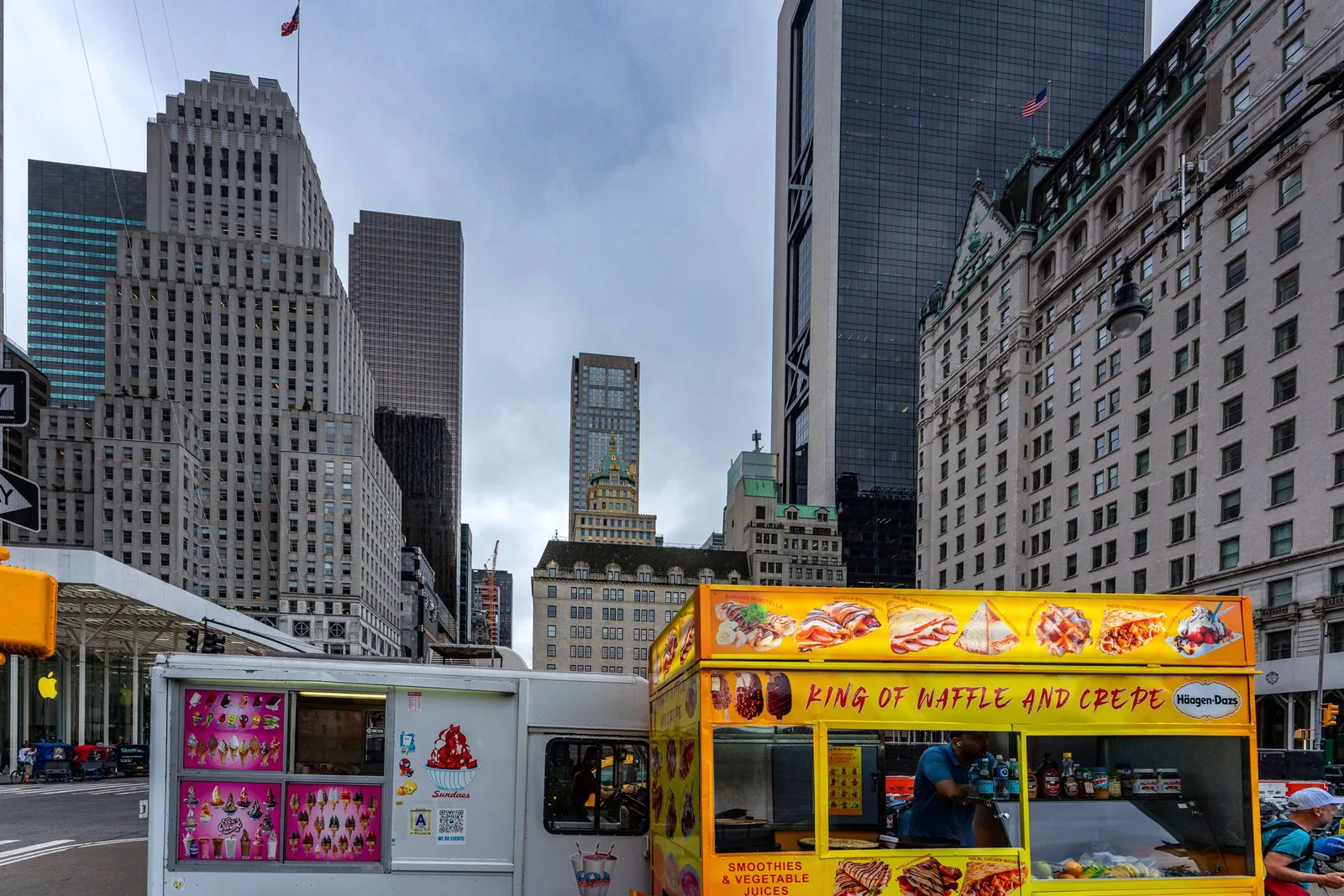
Midtown has a broad dining range, from quick meals and classic New York staples to destination restaurants and theatre-friendly venues.
Koreatown and Korea Way around West 32nd Street are the area’s most concentrated dining destinations. Korean barbecue, soups, noodles, fried chicken, cafés, bakeries, and karaoke make this a strong option for casual meals and group dining.
The Broadway area and Restaurant Row offer everything from quick pre-show food to international restaurants and more formal dining. Reserve ahead if you need to eat at a conventional pre-theatre time.
Grand Central Terminal is useful for a quick meal, food-market browsing, or a drink. Individual vendors have different opening hours, so check before relying on a particular option.
Rockefeller Center has restaurants, cafés, bars, and quick-service choices that work well before or after Top of the Rock, Radio City Music Hall, or Fifth Avenue sightseeing.
Hudson Yards offers a modern mix of casual and upscale restaurants, particularly convenient when visiting Edge, Vessel, or the High Line.
Bryant Park is useful for coffee, snacks, lunch, and seasonal outdoor eating. Vendors and activities change over time.
Midtown also has many delis, pizza shops, bagel places, and steakhouses. Quality, prices, and opening hours vary, so check current local information instead of assuming that every well-known venue is nearby or open.
Best Day Trips from Midtown Manhattan
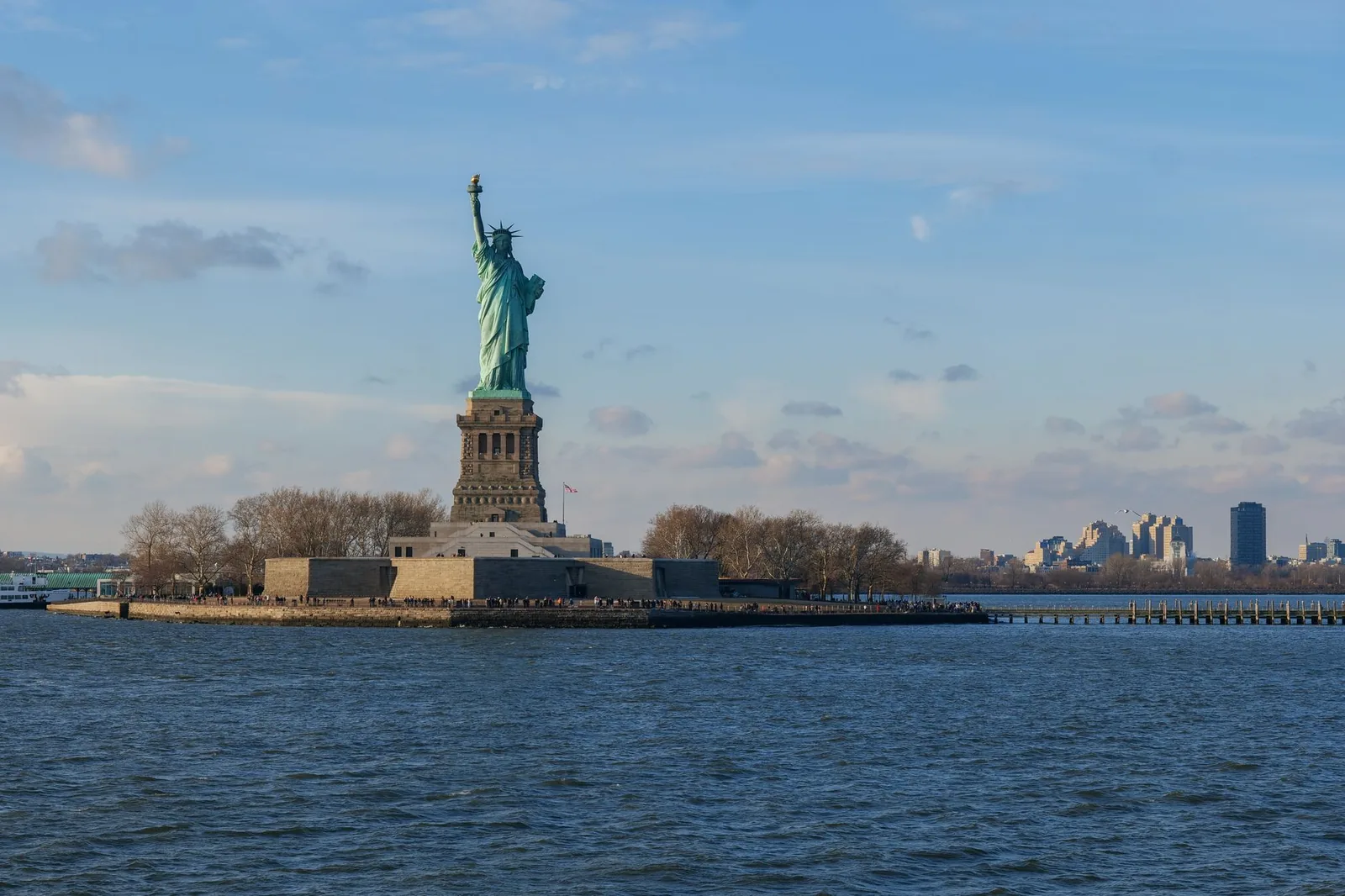
Midtown is a useful base for excursions elsewhere in New York City, although these are better understood as city outings than quick neighborhood walks.
Lower Manhattan and the Statue of Liberty can combine the Financial District, the 9/11 Memorial and Museum, One World Observatory, Battery Park, and ferry access to the Statue of Liberty and Ellis Island. Check ferry schedules and security requirements in advance.
Central Park and the Upper East or Upper West Side can fill a full day with park walks, museums, architecture, and neighborhood exploration. Start from Midtown’s southern edge and choose one side of the park rather than attempting to cover everything.
Brooklyn offers DUMBO, Brooklyn Bridge Park, Brooklyn Heights, Williamsburg, and views from across the East River. Subway connections make the borough accessible, but allow time for the journey and for walking between neighborhoods.
Roosevelt Island is a shorter outing. The Roosevelt Island Tram provides skyline views, and the island has waterfront paths and parks. Check current tram operations before traveling.
Woodbury Common Premium Outlets is a shopping-focused trip outside New York City that generally requires a dedicated bus, tour, or rental car. Verify current transport schedules and outlet policies.
The Hudson Valley is a longer regional excursion for hiking, historic estates, river scenery, and small towns. Public transport varies by destination, and an organized tour may simplify the logistics.
Good to Know Before You Go
- Group attractions by neighborhood instead of crossing Midtown repeatedly.
- Reserve observation decks, Broadway shows, and popular museum admissions before busy travel dates.
- Check official attraction websites shortly before visiting for hours, timed entry, closures, weather policies, and security rules.
- Allow extra time for airport transfers, subway delays, event crowds, security screening, and theatre entry.
- Wear supportive shoes. Midtown sightseeing often involves more walking than expected.
- Keep valuables secure in crowded areas and avoid stopping in the middle of busy sidewalks or subway entrances.
- For Broadway, compare official box-office and recognized ticketing options before buying from a reseller. Same-day discounts are possible but are not guaranteed.
- Treat Grand Central Terminal’s public hours separately from the schedules of shops, restaurants, and tours inside it.
- Check weather, park alerts, construction, and seasonal closures before planning outdoor activities.
- At St. Patrick’s Cathedral and other active religious sites, check whether services or ceremonies affect visitor access.
- Avoid driving unless you have a specific reason. Parking, traffic, tolls, and congestion charges can make a car more trouble than it is worth.
- Do not confuse Midtown with all of Manhattan. Lower Manhattan, Harlem, Brooklyn, and other districts require separate travel time.
Common Questions About Midtown Manhattan
How many days do you need for Midtown Manhattan?
Two to three full days is a reasonable range for the principal landmarks, one museum, one observation deck, Broadway, and selected neighborhood walks. Add time for additional museums, shopping, sporting events, Central Park, or excursions elsewhere in New York City.
Is Midtown Manhattan walkable?
Yes, especially within clusters such as Times Square and Bryant Park, Rockefeller Center and Fifth Avenue, or Grand Central and Bryant Park. The wider district is large, so use the subway or a taxi for longer journeys and allow for crowds, traffic lights, construction, and weather.
What is the best observation deck in Midtown?
Top of the Rock is especially useful for views that include the Empire State Building and Central Park. The Empire State Building offers the iconic experience of standing inside that landmark and viewing the city from its observatories. The better choice depends on whether you prioritize skyline composition, building history, outdoor space, or height.
Do you need Broadway tickets in advance?
Advance booking is the safest option for a specific show, date, seat, or popular performance. Same-day discounts, rush tickets, and lotteries may be available, but eligibility and availability vary by production.
What is the easiest airport for Midtown Manhattan?
There is no single best airport for every itinerary. LaGuardia can be convenient for domestic arrivals because of the free Q70 bus connection to subway hubs. Newark has rail service to New York Penn Station, while JFK has AirTrain connections to Jamaica, Howard Beach, the subway, and the Long Island Rail Road. Compare flight availability, luggage, arrival time, and current service conditions.
Can you visit Central Park from Midtown?
Yes. Midtown reaches the southern part of Central Park around Columbus Circle, Fifth Avenue, and 59th Street. The park is large, so choose a specific area or route. Individual facilities and visitor services operate on different schedules.
Is Midtown Manhattan suitable for families?
Yes. Families can combine Central Park, observation decks, Bryant Park, the New York Public Library, museums, selected Broadway productions, Rockefeller Center, and Hudson Yards. Check age policies, stroller rules, security restrictions, and timed-entry requirements before booking.
Do you need a car in Midtown Manhattan?
Usually not. The subway, buses, walking, taxis, and rideshare services are generally more practical for sightseeing. A car can help with selected trips outside New York City, but parking and congestion make it inconvenient for central Midtown attractions.
Before You Go
Midtown Manhattan is one of the most efficient places to experience New York’s famous landmarks, but it rewards planning rather than spontaneity alone. Choose a few geographic clusters, book the attractions that matter most, and leave room for meals, pauses, and unexpected detours.
A well-planned Midtown visit might include Broadway and Times Square, Rockefeller Center and an observation deck, Grand Central Terminal and Bryant Park, a museum, and a separate outing to Hudson Yards or Central Park. Use the subway for longer distances, check changing schedules close to travel, and remember that Midtown is a large district rather than a single compact square. With that in mind, it makes a practical and memorable base for exploring New York City.
Inspired? Start planning your trip.
Move from inspiration to planning with BookingTabs — explore hotels, tours and travel options in one place.






Join the conversation
Ask a question, share a travel tip, or help another traveler plan with confidence.
Leave a comment
No account or email required.