
San Diego Travel Guide
San Diego is a city of distinct experiences rather than one compact sightseeing district. You can spend the morning exploring museums in Balboa Park, the afternoon on a Pacific beach, and the evening eating fish tacos or drinking craft beer in a neighborhood brewery. The city also offers maritime history, family attractions, coastal hiking, historic districts, and easy access to Mexico, mountain towns, and the desert.
Three to four full days is a practical starting point. That allows time for Balboa Park, the downtown waterfront, a coastal neighborhood, and either Old Town, Mission Bay, or a day trip. San Diego is spread out, so a well-planned itinerary matters more here than trying to see everything spontaneously.
Why Visit San Diego
San Diego has roughly 70 miles of coastline, with a mix of ocean beaches, sheltered bays, cliffs, coves, and waterfront parks. The Pacific setting is central to the city, but San Diego is not only a beach destination.
Balboa Park is one of the country’s most concentrated cultural districts, bringing together museums, gardens, performing arts venues, Spanish Colonial Revival architecture, and the San Diego Zoo. Downtown adds the Embarcadero, historic ships, the USS Midway Museum, harbor excursions, Petco Park, and the entertainment-focused Gaslamp Quarter.
The city’s neighborhoods each have a different character. Little Italy is strong on restaurants and cafes; North Park and South Park are known for independent businesses and breweries; Barrio Logan offers important Mexican American history and the murals of Chicano Park; La Jolla combines ocean scenery with galleries, restaurants, and marine activities; and Old Town explores the city’s Spanish, Mexican, and Californio heritage.
San Diego is also a good base for wider Southern California travel. Coronado is an easy bay-crossing excursion, while Julian, Anza-Borrego Desert State Park, Temecula Valley, and the North County coast all offer a change of scenery. Travelers interested in Mexico can also plan a day in Tijuana, provided they allow time for border and documentation planning.
Top Experiences in San Diego
Planning your activities? Compare tours and activities for San Diego on BookingTabs.

Explore Balboa Park
Balboa Park should be near the top of any first visit. The park covers more than 1,000 acres and includes gardens, museums, cultural organizations, historic buildings, restaurants, and the San Diego Zoo.
It is too large to experience fully in a few hours. Choose a focus instead: combine two or three museums with a garden walk, spend a full day at the zoo, or simply explore the architecture and outdoor spaces. Museum admission is generally separate, although the Balboa Park Explorer pass may provide access to participating museums. Check current participating institutions, exhibitions, opening days, and pass terms before visiting.
The park’s free tram is useful for moving between areas, but its operation can be affected by holidays or special events. Wear comfortable shoes, particularly if you plan to combine several museums and gardens.
Visit the San Diego Zoo
Located within Balboa Park, the San Diego Zoo is one of the city’s major attractions and can easily occupy most of a day. It features animal habitats, guided bus tours, and the Skyfari aerial tram when operating.
Families should allow more time than the map may suggest, since the zoo covers a substantial area and involves hills and walking. Ticket products, prices, special events, and tram availability change, so check the official ticket information close to your visit. Current one-day products include different options by date, and the operator’s reservation rules can change.
If you are visiting Balboa Park museums as well, avoid trying to fit the zoo into the same rushed day. The zoo and the wider park are best treated as separate priorities.
Walk the Embarcadero and visit the USS Midway Museum
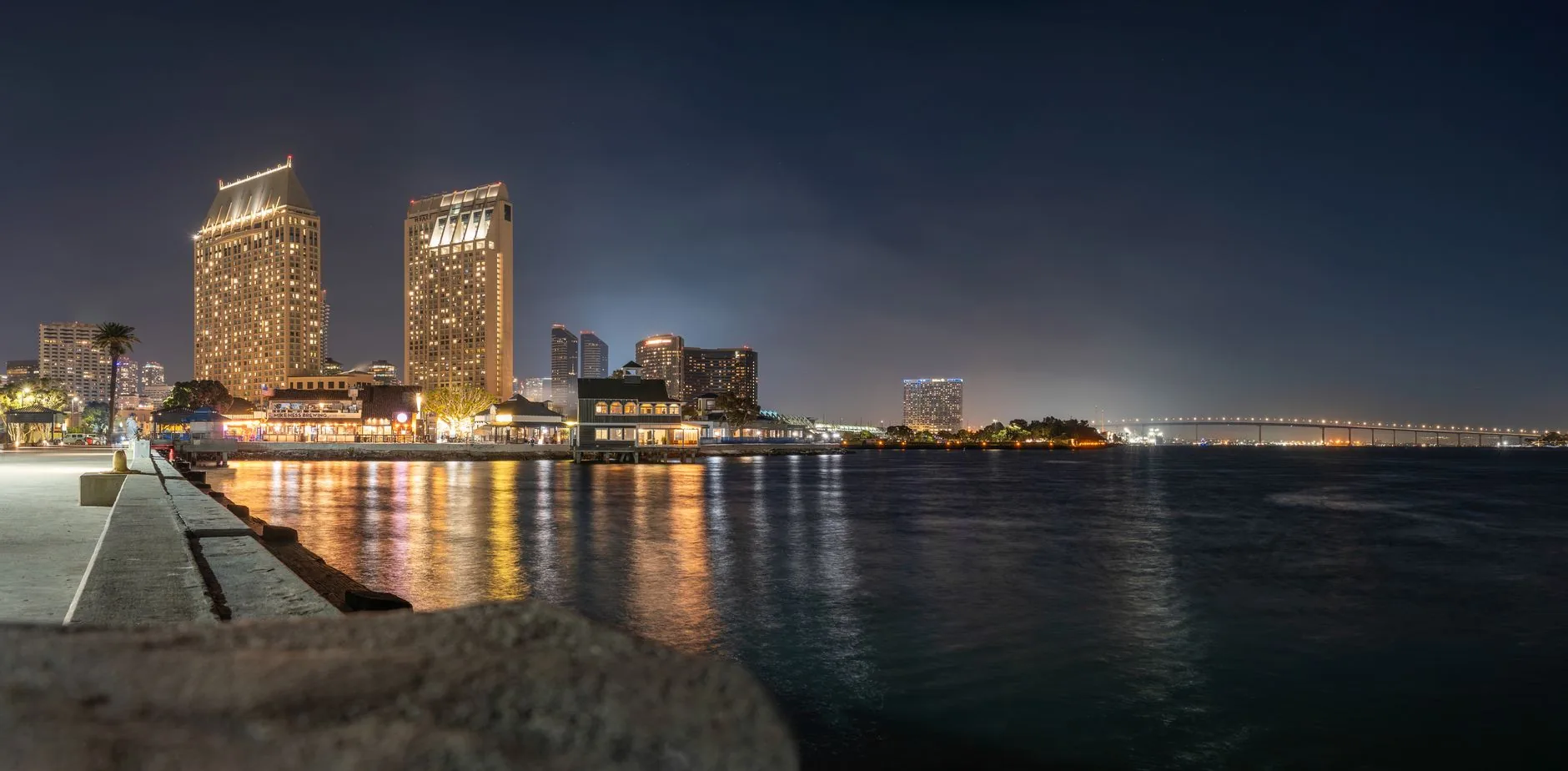
The downtown waterfront is a natural place to begin exploring San Diego’s harbor. Walk along the Embarcadero for views of the bay, naval vessels, public art, and downtown buildings, then set aside several hours for the USS Midway Museum.
The museum occupies a large aircraft carrier and includes aircraft, exhibits, ship interiors, and interpretation from veterans and volunteers. It is particularly rewarding for visitors interested in military history, aviation, engineering, or life at sea. The ship involves stairs and narrow passages in some areas, so plan accordingly.
The museum currently lists daily hours from 10 a.m. to 5 p.m., with last admission at 4 p.m., and closes on Thanksgiving and Christmas under its current schedule. Verify details before traveling, as hours and holiday arrangements may change.
Step aboard historic ships at the Maritime Museum
The Maritime Museum of San Diego offers a different perspective on the waterfront. Its collection includes historic vessels and maritime exhibits, including the Star of India, the museum’s best-known ship and a vessel described as the world’s oldest active sailing ship.
The collection also includes the Berkeley, Californian, San Salvador, and other ships. General admission typically includes the historic ships and exhibits, although individual vessels can occasionally be unavailable for maintenance or special events. Allow time to move through the ships carefully; this is more immersive than a conventional museum visit.
The Maritime Museum and USS Midway can be combined in a waterfront day, although visitors who want to explore every exhibit should not underestimate the time required.
Discover Old Town San Diego
Old Town San Diego State Historic Park interprets the area’s history from the Kumeyaay homeland and Spanish settlement through the Mexican pueblo and American periods. Restored and reconstructed buildings, museums, gardens, demonstrations, shops, and restaurants make it one of the city’s most accessible historical areas.
Old Town is particularly useful for visitors who want context for San Diego’s cultural development rather than a modern downtown experience. The historic core is walkable, and the Old Town Transit Center makes it one of the easier attractions to reach without a car.
The visitor center and selected museums currently list daytime opening hours, but individual buildings and programs can vary. Parking rules and time limits should also be checked before arrival.
Spend time around La Jolla
La Jolla is one of San Diego’s most scenic coastal communities. Its shoreline includes coves, beaches, cliffs, viewpoints, and marine-oriented activities, while the village has restaurants, galleries, shops, and cafes.
A visit can be as active or relaxed as you like. Walk along the coast, look for marine wildlife from permitted viewpoints, browse the galleries, or arrange a kayaking, snorkeling, or coastal wildlife activity when conditions allow. Marine conditions, wildlife rules, parking, and access can vary, so check local guidance rather than assuming every cove is suitable for swimming or snorkeling.
La Jolla is not close enough to downtown to treat as a casual walk between attractions. Plan transport and parking in advance, especially during summer and weekends.
Enjoy Mission Bay and Mission Beach
Mission Bay Park covers more than 4,235 acres of land and water, making it one of the city’s main recreation areas. Visitors come for cycling, walking, watersports, shoreline time, and relaxed views across the bay.
Mission Beach, on the ocean side, has a broad beach, a busy boardwalk atmosphere, casual restaurants, and Belmont Park. Pacific Beach is nearby and adds more dining, nightlife, and beach access. The historic Giant Dipper roller coaster area remains one of the best-known features of Belmont Park.
Ocean beaches and Mission Bay have different conditions, rules, and facilities. Check lifeguard guidance, posted swimming restrictions, parking conditions, and current operating information for private attractions before setting out.
See Point Loma and Cabrillo National Monument
Cabrillo National Monument sits at Point Loma and commemorates Juan Rodríguez Cabrillo’s 1542 landing. It combines coastal views with the Old Point Loma Lighthouse, exhibits, trails, and tidepools. On clear days, the site offers broad views across San Diego Bay, the Pacific, and toward Mexico.
The tidepools require careful timing. Favorable low tides are more likely during daylight in late fall and winter, but conditions vary daily. Consult the current tide chart and arrive early enough to use the tidepool area before its earlier closing time. Do not collect shells, rocks, or marine life in the protected area.
The park generally operates during daytime hours, with seasonal and holiday variations. Parking and road access can be managed when the site is busy.
Hike in Mission Trails Regional Park
For an inland change of pace, Mission Trails Regional Park offers approximately 8,000 acres and around 60 miles of trails northeast of downtown. The park includes varied landscapes, reservoirs, the Old Mission Dam, and a visitor and interpretive center.
Trail conditions differ considerably. Some routes are exposed and hot, while others involve more demanding terrain. Carry water, use shoes with good tread, check current maps and notices, and avoid treating an inland hike like a shaded coastal walk. The visitor center and gates may follow seasonal schedules.
Consider SeaWorld San Diego
SeaWorld San Diego at Mission Bay combines animal exhibits, aquariums, rides, shows, and educational programming. It can suit families who want a full-day attraction, but its operating days, show schedules, ticket types, and ride availability vary by date.
Check the current calendar before building it into a fixed itinerary. During busy periods, dated tickets and advance planning may be useful.
Which San Diego experience would you most want to build your trip around?
Weather and the Best Time to Go

San Diego is promoted as a year-round destination, with generally mild conditions. The best time depends on whether your priority is beach weather, outdoor sightseeing, lower crowds, or specific events.
Spring
Spring is well suited to gardens, museums, hiking, coastal walks, and general sightseeing. Flower displays and seasonal events can be appealing, but dates change from year to year. Bring layers, since coastal mornings may feel cool even when inland afternoons are warm.
Summer
Summer is popular for beaches, Mission Bay, outdoor attractions, baseball, and major events. It is also one of the busiest periods for beach parking and family attractions. Reserve dated or timed tickets where the operator recommends it, and allow extra travel time for traffic.
Autumn
Early autumn can offer a useful balance of comfortable coastal weather and fewer major summer crowds. It is a good period for neighborhoods, food, beaches, and outdoor activities. Fall can also bring better opportunities for daylight tidepool visits at Cabrillo, depending on the tide calendar.
Winter
Winter is usually mild by U.S. standards and works well for museums, waterfront attractions, beach walks on clear days, and tidepool planning. Late fall and winter often provide the best chance of daylight low tides at Cabrillo, but visitors still need to check the current tide chart.
Local Food and Drink

San Diego’s food identity is strongly influenced by Mexico and Baja California, as well as its coastal setting and Southern California produce.
Start with fish tacos, seafood tacos, regional Mexican dishes, salsas, and casual taquerias. The city’s proximity to Tijuana and Baja gives the food scene a character that differs from many other U.S. coastal destinations.
Try a California burrito: typically carne asada, fries, cheese, pico de gallo, guacamole, and sour cream wrapped in a flour tortilla. San Diego is closely associated with the dish, although individual origin stories vary.
Seafood is another obvious priority. Look for fresh fish, shellfish, seafood markets, and restaurants in coastal communities, the waterfront, La Jolla, and beach neighborhoods.
Craft beer is a major part of the local scene, with breweries and tasting rooms particularly prominent in North Park, Miramar, and other inland districts. Tap lists and opening hours change frequently, so check current details before making a brewery itinerary.
Little Italy, North Park, South Park, Hillcrest, and the coastal neighborhoods are also good areas for specialty coffee, bakeries, brunch, and independent restaurants. Convoy District and Kearny Mesa are especially useful for Japanese, Korean, Chinese, Vietnamese, and other Asian cuisines.
San Diego County has wineries and distilleries, while Temecula Valley makes a straightforward wine-country excursion. If you plan to taste alcohol, use a designated driver or an organized tour.
Best Day Trips from San Diego
Coronado
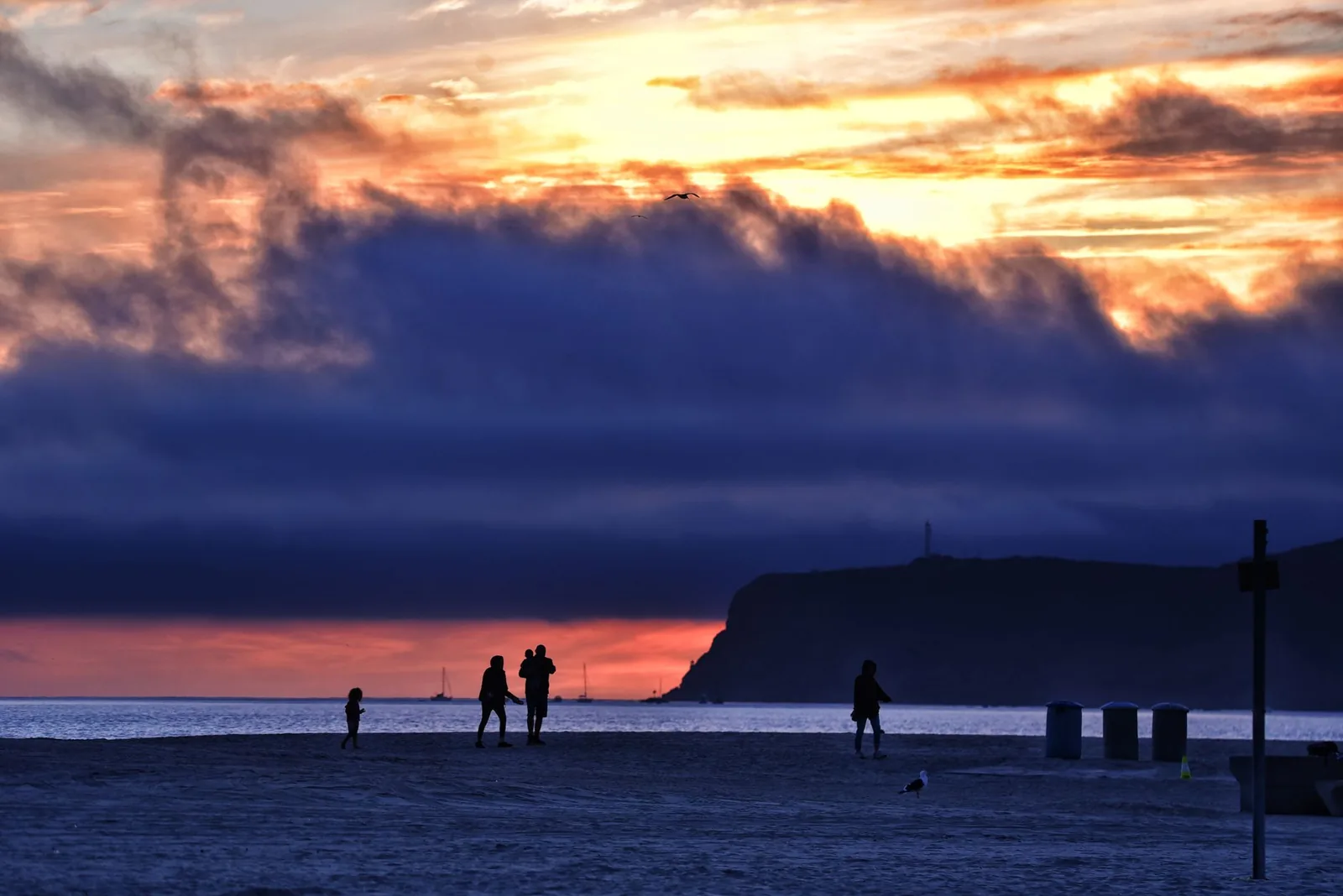
Coronado is the easiest classic excursion from San Diego. Visit the beach, explore the village, walk through parks and gardens, and see the Hotel del Coronado area while enjoying views back toward downtown. Travel by road, rideshare, or ferry where current service is available. Ferry schedules can change, so verify them before relying on that option.
Julian
Julian is a historic mountain and former gold-mining town roughly an hour or more east of San Diego, depending on traffic and route. It is known for historic streets, apple pie, cider, hiking, and seasonal mountain scenery. Autumn apple harvest is especially popular. A car is useful, although organized excursions can help visitors who do not want to drive.
Tijuana
Tijuana offers a cross-border change of scene, with markets, restaurants, arts, and urban culture. The Trolley can take travelers toward the U.S.-Mexico border, from where visitors may walk across if that suits their plans.
This is an international journey, not a casual neighborhood outing. Confirm passport, visa, entry, re-entry, insurance, transportation, and current border requirements before leaving. Border conditions can affect the return journey.
Anza-Borrego Desert State Park and Borrego Springs
East of San Diego, Anza-Borrego provides a dramatic contrast to the coast, with desert scenery, hiking, seasonal wildflowers, dark skies, and large outdoor metal sculptures near Borrego Springs. Plan carefully for heat, fuel, limited services, road conditions, and mobile coverage.
Temecula Valley
Temecula Valley is a wine-country excursion north of San Diego, with vineyards, tasting rooms, restaurants, and organized tours. It is particularly suitable for couples and food-and-drink travelers. Use a designated driver or book transportation if tasting wine.
The North County coast
Del Mar, Solana Beach, Encinitas, Carlsbad, and Oceanside extend the coastal experience north of San Diego. Expect beaches, surf culture, coastal walks, restaurants, gardens, and a series of distinct communities rather than one single attraction.
The COASTER and other regional services connect parts of North County, but schedules, station access, and onward transport should be checked before planning a car-free day.
Cuyamaca Rancho State Park
Near Julian, Cuyamaca Rancho State Park offers mountain and woodland scenery, meadows, oak and pine landscapes, creeks, hiking, and campgrounds. Conditions vary by season and weather, so check park notices before setting out.
Best Areas to Stay in San Diego
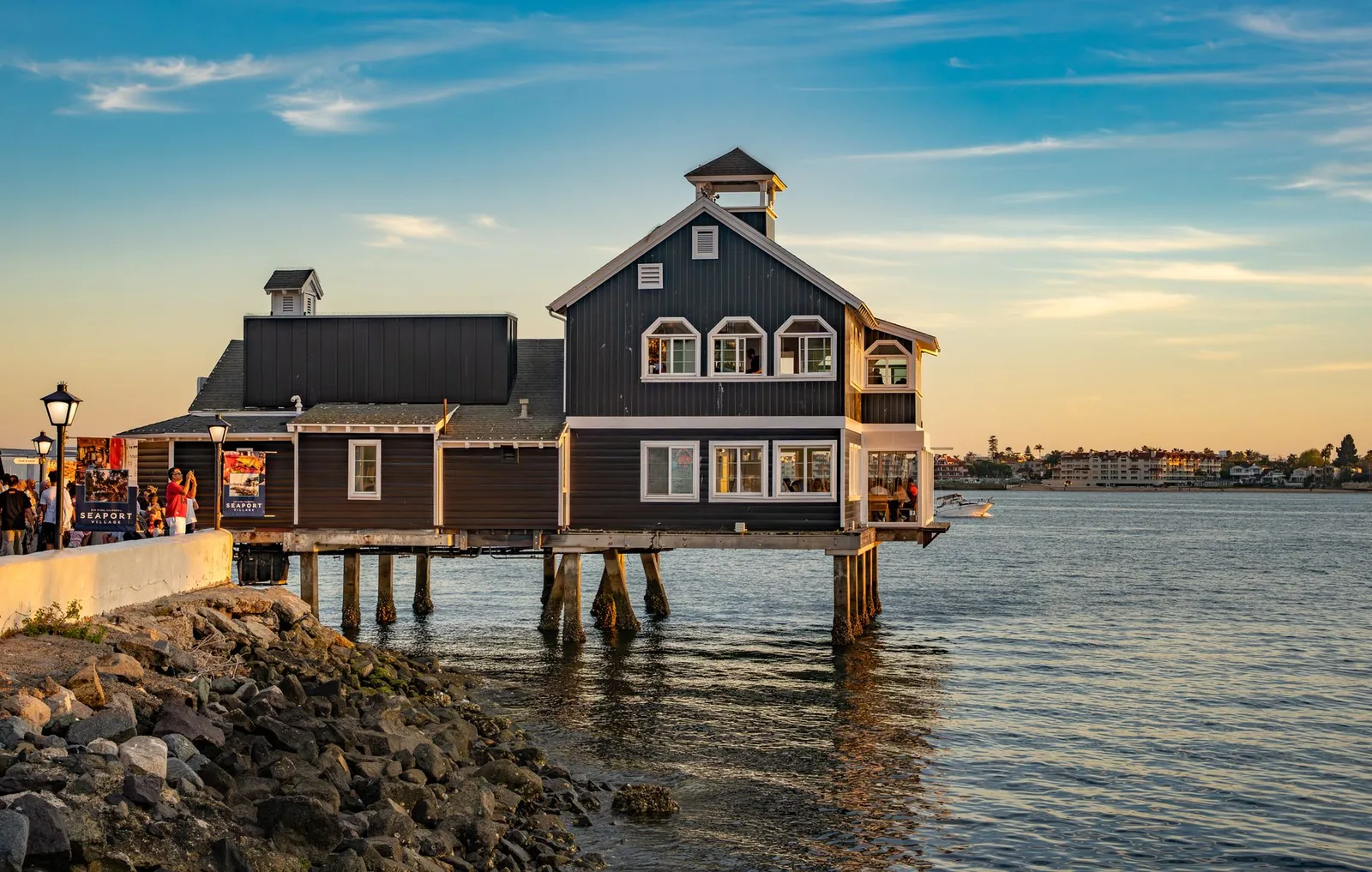
Choose your base according to the parts of the city you plan to visit. San Diego’s neighborhoods are geographically dispersed, and a central-sounding address does not necessarily mean short journeys to the coast or inland parks.
Downtown, the Embarcadero, and the Gaslamp Quarter
These areas are convenient for the waterfront, USS Midway, the Maritime Museum, harbor excursions, Petco Park, restaurants, nightlife, and convention facilities. The Gaslamp Quarter has a concentrated entertainment scene and historic Victorian-era buildings. Downtown is a practical choice for first-time visitors who want central access, although beaches and La Jolla still require transport.
Little Italy
Little Italy is a walkable downtown neighborhood with restaurants, cafes, bars, galleries, boutiques, and public spaces including Piazza della Famiglia and Amici Park. It is a strong choice for travelers who care about dining and want easy access to the waterfront and downtown attractions.
Old Town and Mission Valley
Old Town is useful for history, Mexican and Californio heritage, restaurants, and transport connections through the Old Town Transit Center. Mission Valley offers road access and shopping, but it is generally less atmospheric and less walkable than Little Italy, the waterfront, or the historic core.
La Jolla
La Jolla suits travelers who want to wake up near coves, ocean viewpoints, galleries, restaurants, and marine activities. It feels more like a coastal village than a downtown base. Choose it if the coastline is your main priority rather than if you plan to make repeated trips across the entire city.
Pacific Beach and Mission Beach
These neighborhoods are convenient for beach time, boardwalk walks or cycling, casual dining, nightlife, and Mission Bay access. Mission Beach is particularly suited to visitors who want a lively seaside setting, while Pacific Beach offers a broader selection of restaurants and evening activity.
North Park and South Park
These neighborhoods are near Balboa Park and are known for independent restaurants, coffee shops, boutiques, galleries, music venues, nightlife, and craft breweries. They are good choices for travelers seeking a local dining and nightlife atmosphere rather than a resort-style stay.
Coronado and Point Loma
Coronado offers beaches, parks, shops, restaurants, and the Hotel del Coronado area across the bay from downtown. Point Loma and Ocean Beach are useful for coastal views, Sunset Cliffs, harbor scenery, beaches, and access to Cabrillo National Monument.
Getting Around San Diego
San Diego is spread out. A car is useful for combining distant coastal communities, inland parks, and day trips, but it is not essential for every city break.
MTS operates buses and the Trolley, while NCTD operates regional services including the COASTER. The Trolley does not stop directly at San Diego International Airport. Public transport is most useful if you stay around downtown, Old Town, Balboa Park, Little Italy, or selected waterfront areas.
MTS currently lists adult one-way fares of $3 for buses, Trolley, and Rapid services, with PRONTO providing two-hour transfers under current rules. Cash fares and PRONTO fares have different transfer arrangements, and youth fare programs have specific eligibility requirements. Verify current fares and payment rules before travel.
Walking works well within Little Italy, the Embarcadero, the Gaslamp Quarter, Old Town’s historic core, North Park, and parts of La Jolla. It is not realistic to walk between most major San Diego neighborhoods.
Rideshare and taxis are practical for airport transfers, nightlife, beach neighborhoods, and destinations not directly served by rail. At the airport, use designated pickup areas and authorized or requested vehicles.
Arriving at San Diego International Airport
San Diego International Airport, known as SAN, is close to downtown. MTS Route 992 currently serves Terminals 1 and 2 and connects with downtown, Santa Fe Depot, the Trolley, COASTER, Amtrak, and other bus routes. The free San Diego Flyer connects the airport with Old Town Transit Center. Verify current schedules, terminal pickup locations, and service arrangements before departure.
Rental cars can be useful if you are continuing to Julian, Anza-Borrego, North County, or other regional destinations. If you are staying downtown and visiting central attractions, compare the cost and inconvenience of parking before hiring a car for the entire trip.
Good to Know Before You Go
- Treat San Diego as a spread-out metropolitan destination. Choose accommodation based on your priority neighborhoods and attractions.
- Bring layers. Coastal mornings and evenings can feel cooler than inland areas.
- Use sunscreen, water, and sun protection on beaches and hikes. Inland trails can be much hotter than the coast.
- Check attraction calendars for the San Diego Zoo, SeaWorld, Balboa Park museums, sports, festivals, and seasonal events.
- Check tide tables before visiting Cabrillo tidepools. Good daylight low tides are not guaranteed every day.
- Follow lifeguard guidance, rip-current warnings, posted swimming rules, and beach safety notices.
- Do not collect natural items from protected tidepool areas.
- Allow extra time for traffic around beaches, conventions, sporting events, festivals, and the international border.
- If crossing into Mexico, confirm documentation and entry requirements for both countries before departure.
- For desert and mountain excursions, check weather, road closures, fuel availability, park alerts, and mobile coverage.
- Torrey Pines State Natural Reserve is currently closed during construction, with reopening scheduled for March 2027 according to the current information. Torrey Pines State Beach remains open, but confirm the latest status before travel.
- Verify attraction hours, ticket conditions, transit fares, parking rules, and airport procedures close to your trip.
Common Questions About San Diego
How many days do you need in San Diego?
Three to four full days is a sensible starting point for first-time visitors. Add more time if you want both the major attractions and day trips to Julian, Tijuana, Anza-Borrego, or Temecula.
What is San Diego best known for?
San Diego is best known for its beaches and bays, mild climate, Balboa Park, the San Diego Zoo, coastal neighborhoods, Mexican and Baja-influenced food, craft beer, maritime and military history, and proximity to Mexico.
Do you need a car in San Diego?
Not necessarily. A downtown- or Old Town-focused trip can work with MTS buses, the Trolley, walking, and rideshare. A car becomes more useful when combining distant coastal communities, inland parks, mountain or desert destinations, and regional day trips.
How do you get from San Diego airport to downtown?
MTS Route 992 connects both airport terminals with downtown and major transit connections. The free San Diego Flyer connects SAN with Old Town Transit Center. Taxis, rideshare, hotel shuttles, and rental cars are also available through designated airport arrangements. Check current schedules and pickup points before traveling.
Is Torrey Pines State Natural Reserve open?
According to the current information, the reserve is closed to all visitors during construction, with reopening scheduled for March 2027. Torrey Pines State Beach and the North and South beach parking lots remain open, but the closure status and reopening plans should be verified before travel.
When is the best time to visit the Cabrillo tidepools?
Late fall and winter generally provide the best chance of daylight low tides during park hours. Consult the current tide chart and arrive before the tidepool area’s daily closing time.
Can you take a day trip to Tijuana from San Diego?
Yes, but it requires international border planning. Travelers should confirm passport and entry requirements, transportation arrangements, re-entry rules, and current border conditions before going.
What local foods should you try in San Diego?
Prioritize Baja-style and Mexican food, fish tacos, seafood, the California burrito, craft beer, specialty coffee, and locally produced wine. The California burrito is particularly associated with San Diego.
Before You Go
San Diego rewards travelers who balance planning with flexibility. Its most famous attractions are spread across a large city, but that variety is also the appeal: museums and historic ships downtown, gardens and culture in Balboa Park, beaches and coves along the coast, lively food neighborhoods, and desert or mountain landscapes within reach.
For a first visit, combine one major cultural day, one waterfront or historic day, and one coastal day. Add a fourth day for food-focused neighborhoods, Mission Bay, or a regional excursion. Choose your base carefully, check conditions close to departure, and leave room for the city’s best habit: slowing down beside the Pacific.
Inspired? Start planning your trip.
Move from inspiration to planning with BookingTabs — explore hotels, tours and travel options in one place.






Join the conversation
Ask a question, share a travel tip, or help another traveler plan with confidence.
Leave a comment
No account or email required.