
Algarve Travel Guide
The Algarve is Portugal’s southernmost region, stretching from the exposed Atlantic coast around Sagres and the Costa Vicentina to the Guadiana River and Vila Real de Santo António in the east. It is not one compact resort area: the region includes dramatic cliffs, long sandy beaches, barrier islands, historic towns, inland hills, golf resorts and fishing communities.
That variety is one of the Algarve’s greatest strengths, but it also affects how you plan a trip. Lagos and Sagres feel very different from Faro and the Ria Formosa, while Tavira and the eastern Algarve offer a calmer, more traditional alternative to the busier central coast. A minimum of four or five days works for one section of the region; seven to ten days gives you time to combine several bases and landscapes.
What Makes Algarve Special
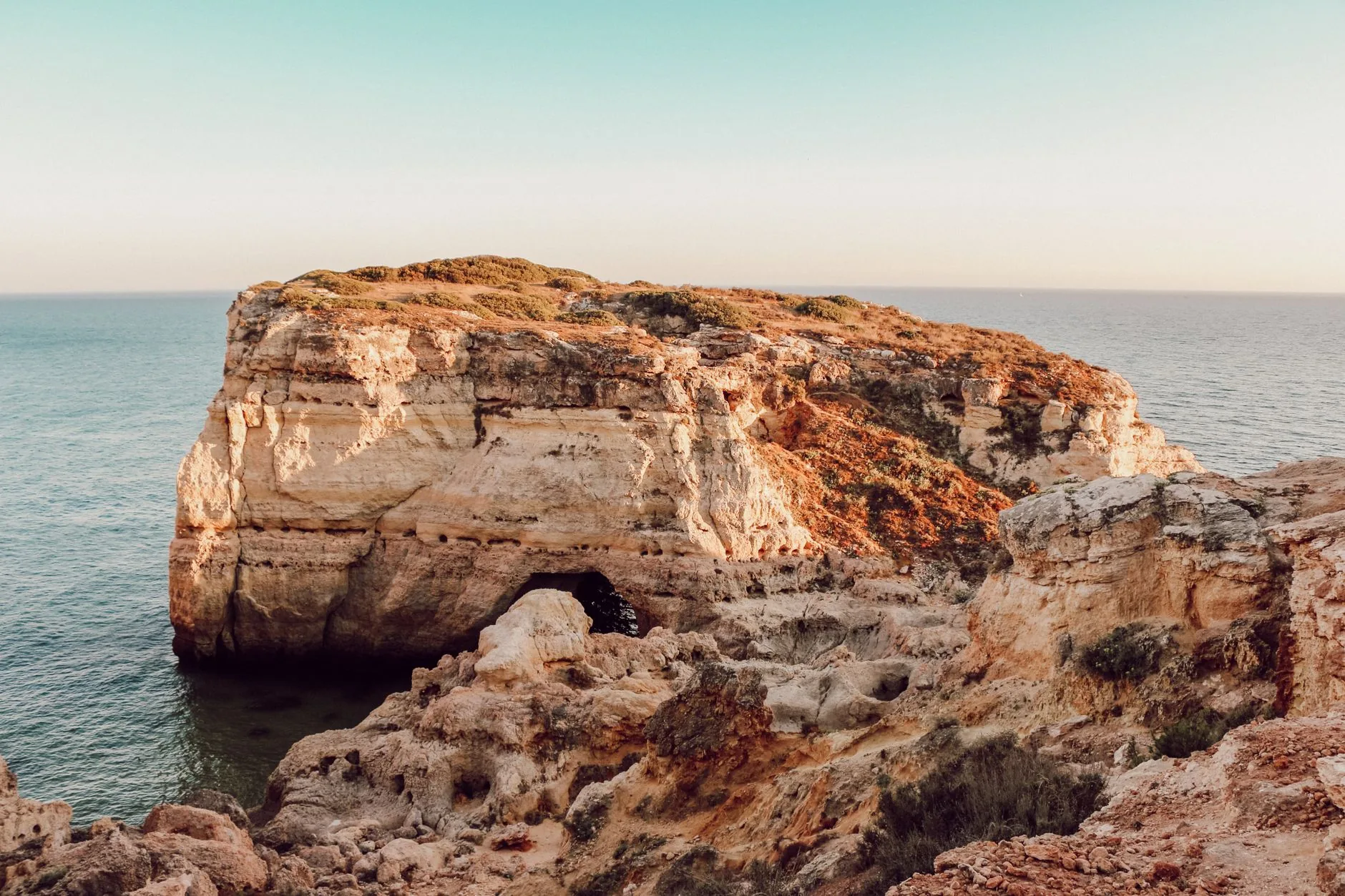
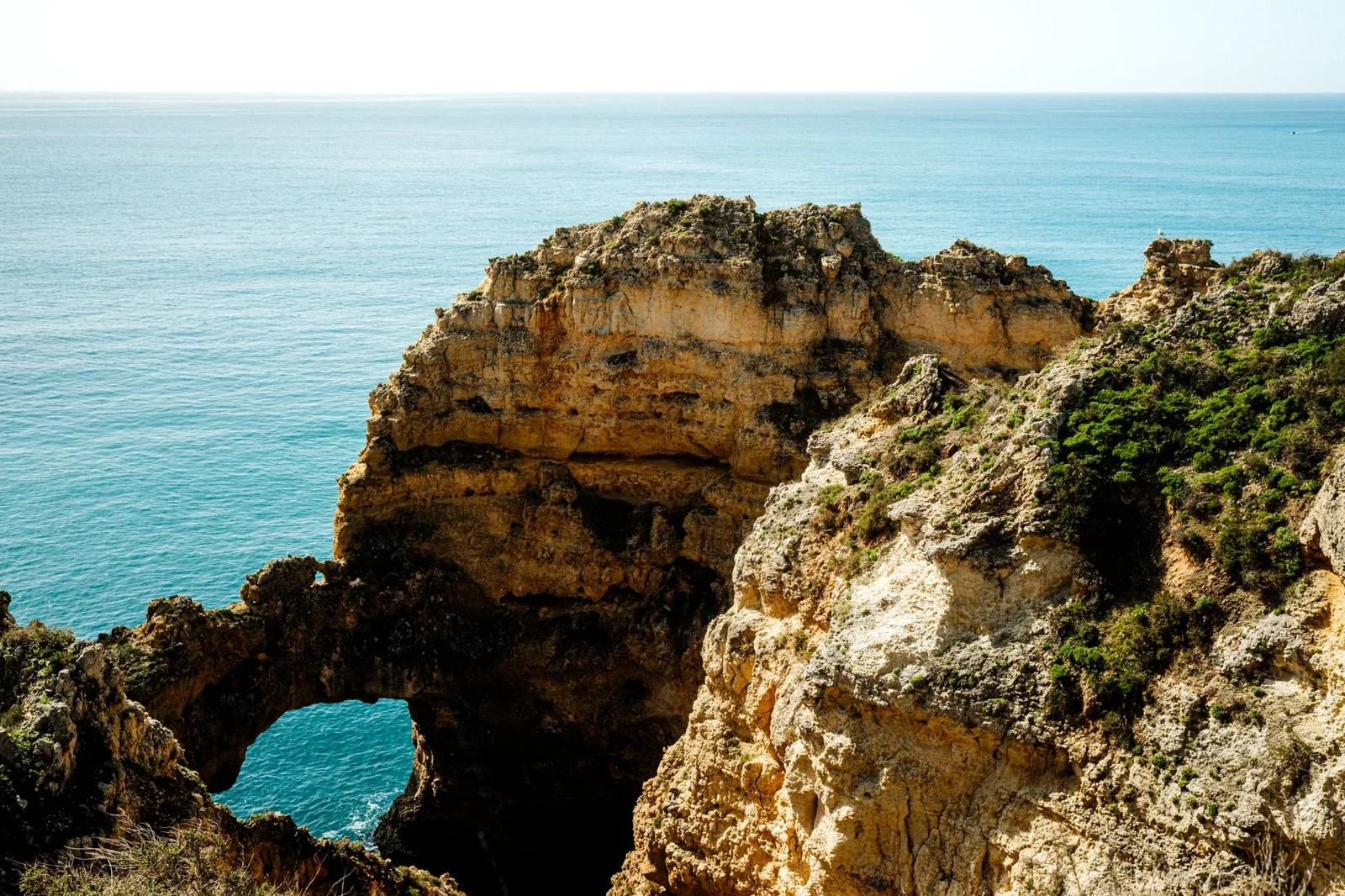
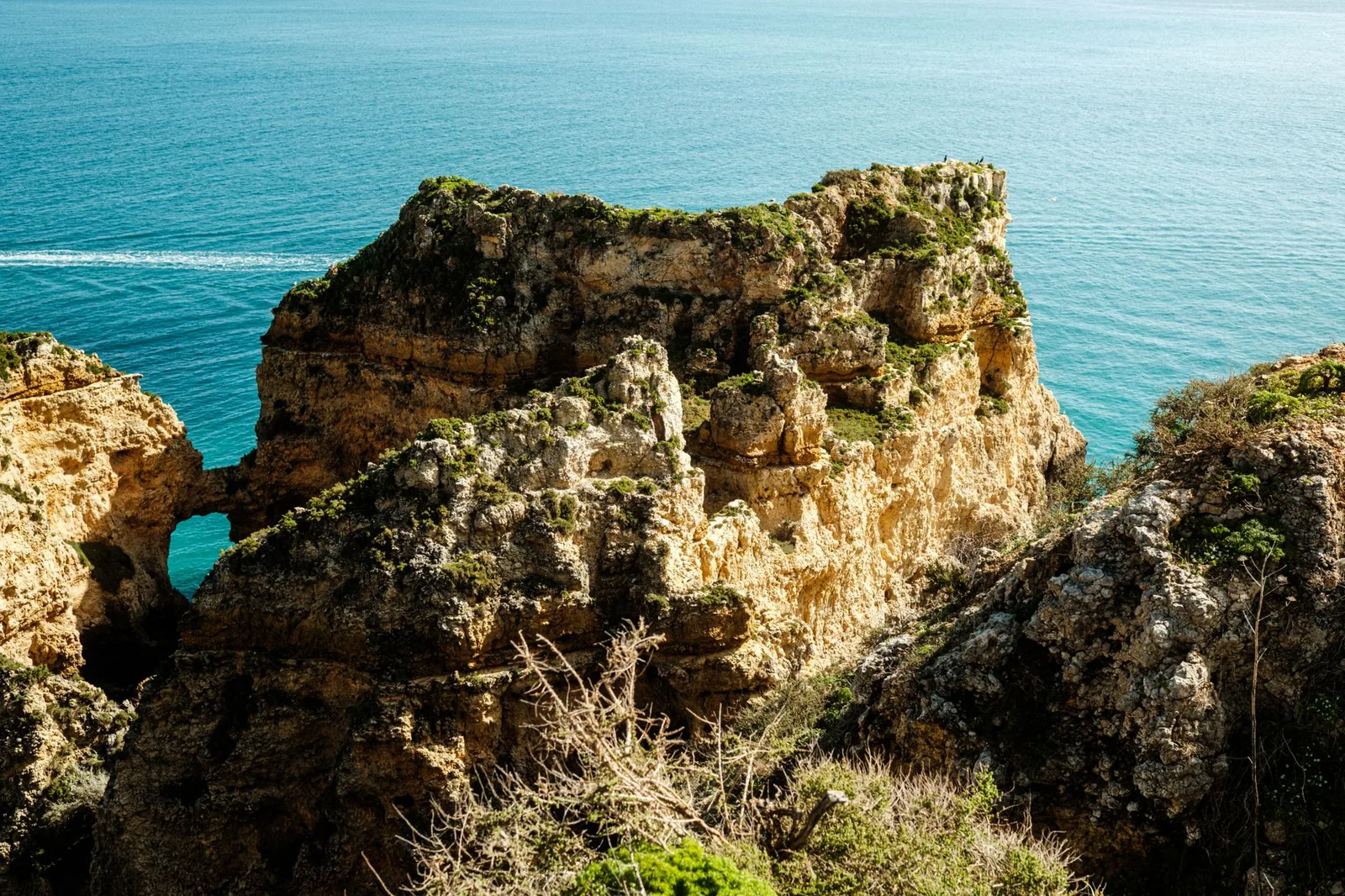
The Algarve is best known for its coastline. Along the central and western shores, limestone cliffs form arches, caves, sheltered coves and elevated viewpoints. Around Lagos, Ponta da Piedade is the classic example. Near Lagoa and Carvoeiro, beaches such as Praia da Marinha and the coast around Benagil provide some of the region’s most recognizable scenery.
The beaches themselves vary considerably. The central Algarve has developed resort beaches with restaurants, facilities and a wide choice of accommodation. The western coast is more exposed to the Atlantic and is especially popular with surfers and travelers looking for wilder scenery. In the east, barrier islands and lagoon beaches around the Ria Formosa offer a more sheltered setting.
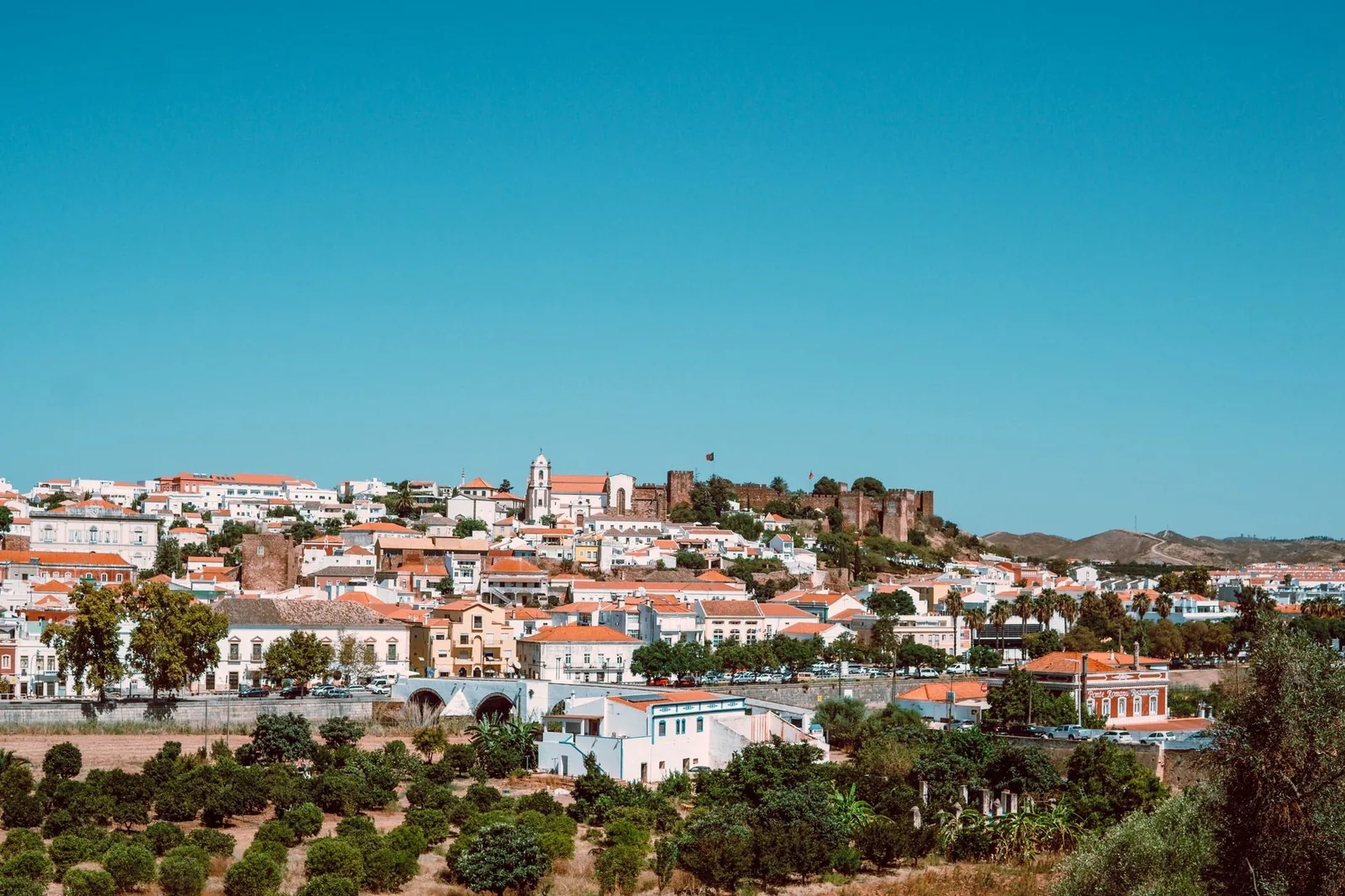
Away from the sea, the Algarve has historic towns worth building into an itinerary. Faro has a walled old town and easy access to the Ria Formosa. Lagos combines a lively historic center with major coastal attractions. Silves provides a valuable inland perspective on the region’s Islamic and medieval past, while Tavira is known for traditional architecture, churches and its connection to Tavira Island.
The region also suits active holidays. Coastal walking, surfing, golf, boat trips, birdwatching and scenic driving are all possible, depending on the season and local conditions. Add seafood-focused cuisine, mild weather across much of the year and a wide range of places to stay, and the Algarve becomes much more than a summer beach destination.
What to See and Do in Algarve
Explore Ponta da Piedade in Lagos
Ponta da Piedade is one of the Algarve’s defining landscapes. Golden cliffs rise above clear-looking coves, rock arches and sea caves, with views extending along the coast from the clifftop. The area can be visited on foot from the viewpoints and coastal paths, or from the water on a boat trip when sea conditions and operators allow.
Wear shoes with a good grip. The landscape includes steep steps, uneven surfaces and exposed sections, and the safest route is not always the most obvious one. Parking and access arrangements can change, particularly when conservation or improvement work is taking place, so check local information shortly before visiting.
Lagos itself deserves time beyond the headland. Its historic streets, waterfront and nearby beaches make it one of the most versatile bases in the Algarve, especially for travelers combining culture, scenery and boat excursions.
See Praia da Marinha and the central cliffs
Praia da Marinha is among the Algarve’s most photographed beaches, framed by eroded limestone formations and high cliffs. It is a scenic place to visit even if you do not plan to spend the day swimming. The approach and access down to the beach involve uneven ground or steps, so allow more time than the short distance on a map might suggest.
The wider coastline around Lagoa and Carvoeiro is ideal for combining viewpoints, beaches and short coastal walks. Conditions can change quickly on exposed cliff paths. Stay behind barriers, keep away from unstable edges and use marked routes rather than attempting informal descents.
Praia da Falésia, east of Albufeira, offers a different experience: a long stretch of sand below layered cliffs in shades of red, ochre and cream. There are several access points, and conditions vary between them. Check the chosen section’s parking, stairs, lifeguard coverage and facilities before setting out.
Plan a responsible visit to Benagil
Benagil is a small former fishing settlement on a cliff-lined stretch of coast known for grottoes, caves and boat-based sightseeing. Its sea cave is one of the Algarve’s most popular attractions, but access is not guaranteed. Wind, waves, tides, maritime rules and local operating decisions can all affect what is possible on the day.
Boat, kayak and other excursions may be available when conditions permit. Do not assume that entering a cave, swimming to it, landing on a beach or taking a particular type of craft is always allowed. Confirm current arrangements with an authorized operator and treat safety guidance as more important than completing a planned photograph or itinerary.
Benagil is best approached as a coastal experience rather than a guaranteed checklist attraction. If the sea is unsuitable, the surrounding cliffs and beaches still make this one of the most interesting sections of the central Algarve.
Discover the Ria Formosa Natural Park
The Ria Formosa is a protected lagoon and barrier-island system extending along the eastern Algarve. Tidal channels, dunes, wetlands, fishing communities and sandy islands create a landscape that feels markedly different from the open Atlantic coast.
You can explore parts of the area from Faro, Olhão or Tavira. Some locations are reached by footbridges or boardwalks, while others require a ferry or boat. Ilha Deserta and the other barrier islands are particularly suited to travelers looking for beaches and a nature-focused day away from resort streets.
Plan around current boat departures, tides and weather. Services vary by port and season, and a day on the islands requires more logistical planning than visiting a town beach. Use marked paths and follow protected-area guidance, especially around dunes and wetlands.
Spend time in Faro Old Town
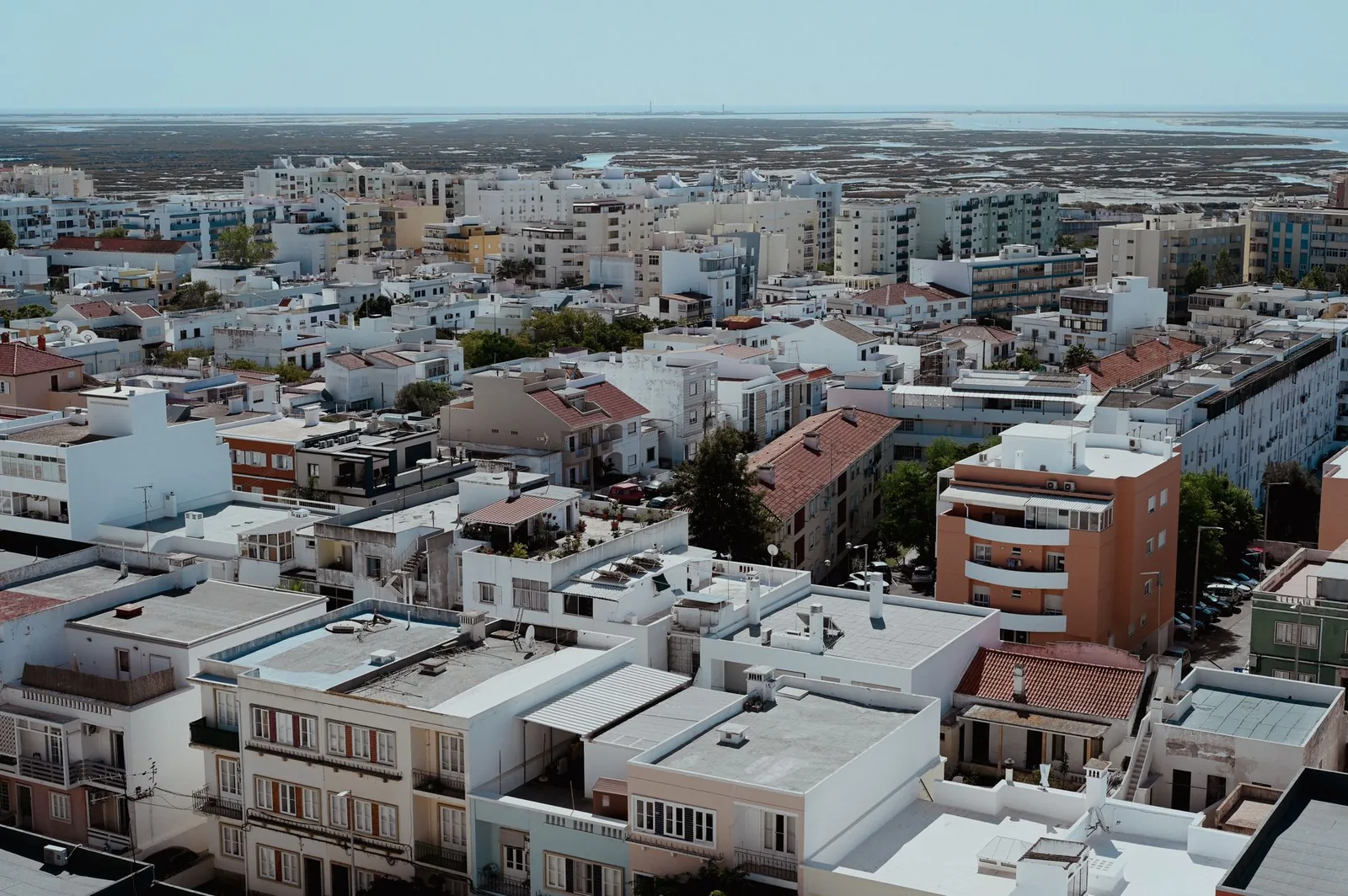
Faro is the Algarve’s regional capital and the main international gateway. It is often treated simply as an arrival point, but its walled old town is worth exploring. Traditional streets, the cathedral area and the waterfront provide a compact introduction to the region’s urban and historical side.
Faro is also a practical base for the Ria Formosa and a useful transport hub. The airport is outside the center, so allow transfer time if you are heading directly to the old town, bus station or railway station after landing. Staying in Faro works particularly well for travelers who prefer city amenities, museums and restaurants to a conventional resort setting.
Visit Tavira and the eastern Algarve
Tavira is one of the most appealing towns in the eastern Algarve. Its traditional architecture, churches, riverfront and slower pace make it a good contrast to the larger resorts farther west. It also provides access toward Tavira Island and the lagoon landscape.
Beach access from the town area may involve seasonal ferry or boat services. Check current departures and facilities before planning a beach day, particularly outside the main summer period. Nearby Santa Luzia is associated with octopus and traditional fishing culture, making the area a rewarding choice for travelers interested in both food and local atmosphere.
Step into the region’s history in Silves
Silves provides an inland counterpoint to the beach resorts. The town preserves important traces of the Algarve’s Islamic and medieval history, with its castle standing above the historic center. A visit here is easy to combine with a wider central Algarve itinerary, especially if you want a break from beaches and coastal traffic.
Allow time to walk through the town rather than visiting only the castle. Opening hours, admission arrangements and special events can change, so confirm current details before traveling.
Experience Sagres and Cabo de São Vicente
The western Algarve becomes increasingly exposed and rugged around Sagres. Sagres Fortress occupies a dramatic promontory associated with Portugal’s maritime history and offers broad Atlantic views. The site is exposed to wind and sun, and its operational hours can change, so check the official schedule before visiting.
Continue to Cabo de São Vicente, the southwestern headland near Sagres. This is a place for cliffs, ocean views and a strong sense of the Atlantic edge rather than a conventional beach stop. Keep behind safety barriers and take care near the exposed coastline.
Sagres is also one of the Algarve’s best bases for surfing and other wave-based activities. The right beach depends on swell, wind and experience, so local instructors can be especially useful for beginners.
Walk the Alvor boardwalk and wetlands
Alvor combines a traditional fishing-town atmosphere with a broad beach and lagoon scenery. The Alvor boardwalk provides access to dunes and wetlands and is a gentler nature experience than some of the cliff routes farther east or west.
Route conditions can change after storms or maintenance. Stay on marked paths and avoid entering protected dunes. Alvor is a convenient stop between Portimão and Lagos, particularly for travelers who want a quieter coastal walk without committing to a full-day hike.
Places to Visit Beyond Algarve
Ria Formosa from Faro, Olhão or Tavira
Take a lagoon-focused day for barrier-island beaches, wetlands, birdlife and fishing communities. Choose the departure point according to your base, then check current ferry or boat schedules, tides and weather.
Sagres and Cabo de São Vicente
From the central or eastern Algarve, Sagres makes a rewarding western-coast excursion. Combine the fortress, Atlantic cliffs, the headland and the surfing atmosphere, allowing extra driving time for the distance.
Silves
Silves is an easy inland change of scene from the central coast. Visit the castle and historic center, then continue with a scenic drive through the surrounding countryside if time allows.
Tavira and Santa Luzia
From western bases, Tavira and Santa Luzia provide a full-day contrast of historic architecture, lagoon access and eastern Algarve food traditions. Island transport should be checked before departure.
Lagos and Ponta da Piedade
Lagos is a strong day out from central or eastern bases, combining historic streets, beaches, coastal walks and Ponta da Piedade. Boat trips depend on sea conditions and current operating arrangements.
Costa Vicentina beaches
Travel west for a wilder Atlantic landscape around areas such as Carrapateira, Arrifana, Amoreira and Praia do Amado. These beaches are associated with surfing and open coastal scenery rather than resort-style facilities.
Monchique and the inland hills
Monchique offers a greener, cooler contrast to the coast, with mountain scenery, walking and traditional villages. Check attraction and thermal-bath availability before making specific plans.
Which Algarve experience would you most want to build your trip around?
Local Food and Drink
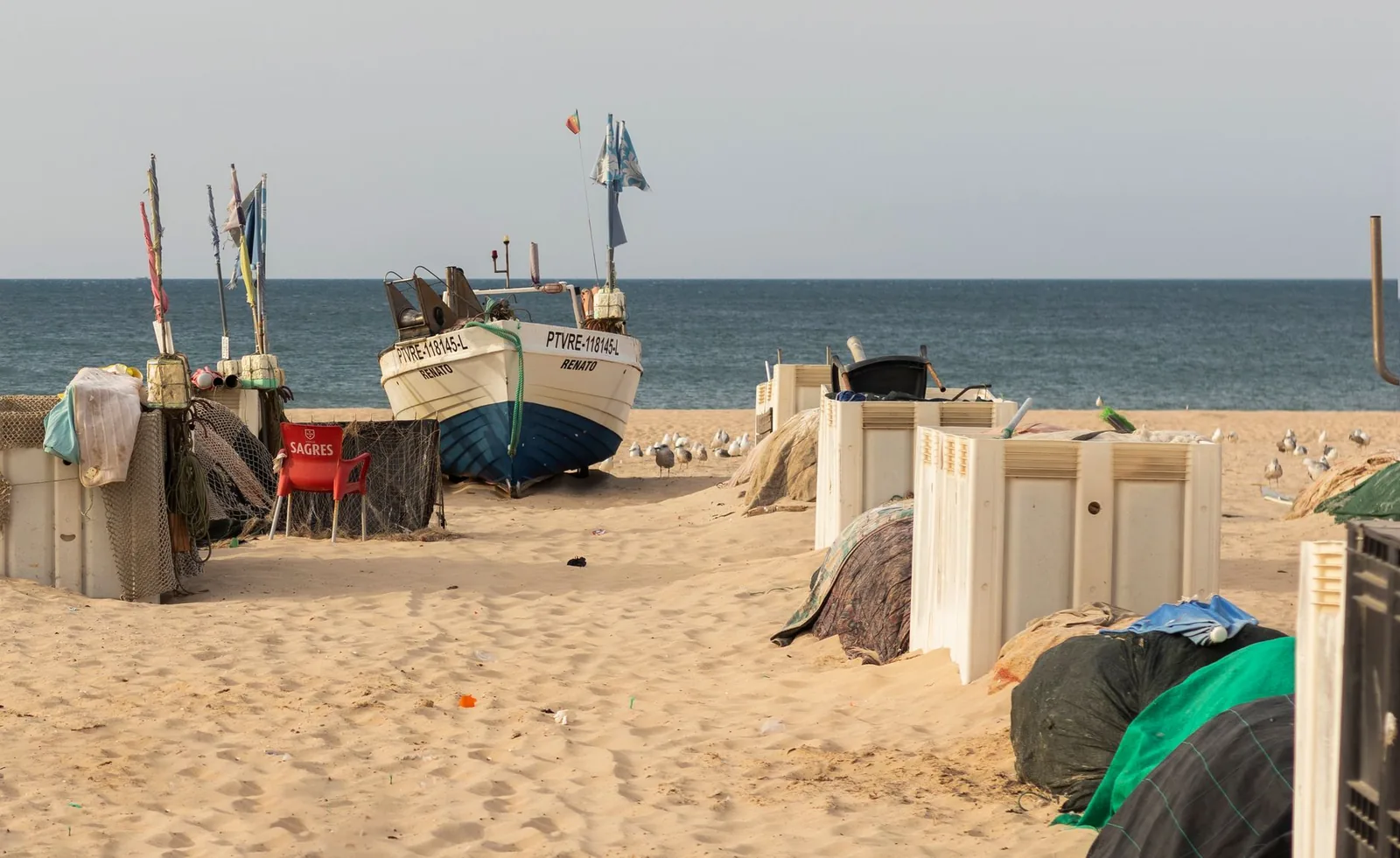
Seafood is central to Algarve cuisine, with menus shaped by local fishing communities and seasonal supply. Start with cataplana, a dish cooked in a distinctive clam-shaped copper pan and commonly prepared with clams, fish, other seafood or meat.
Look for grilled fish, shellfish, oysters, cockles and clams in coastal towns. Arroz de lingueirão, or razor-clam rice, is a particularly regional preparation. Xerém de conquilhas combines maize meal with small clams or other seafood, while açorda de marisco is a seafood dish built around bread.
Octopus is strongly associated with places such as Santa Luzia, and tuna appears in dishes connected with the eastern Algarve and Tavira area. Availability depends on season and local supply, so ask what is fresh rather than ordering only from a fixed list of recommendations.
Save room for traditional sweets made with almonds, figs, carob or citrus. Regional liqueurs and local products are also worth seeking out, particularly in markets and smaller food shops.
Best Areas to Stay in Algarve
Looking for a place to stay? Compare hotels for Algarve on BookingTabs.
Because the region is spread out, choose your base according to the places you want to visit rather than assuming every attraction is nearby.
Faro
Faro is best for airport convenience, historic streets, urban amenities and access to the Ria Formosa. It is a practical choice for a short stay, a car-free itinerary or travelers who want a city base rather than a resort.
Lagos
Lagos suits travelers prioritizing coastal scenery, Ponta da Piedade, nearby beaches, walking routes and boat trips. Its historic center has a lively feel, while the surrounding coastline provides some of the Algarve’s most memorable landscapes.
Portimão and Praia da Rocha
This area offers a broad range of accommodation, restaurants, nightlife and beaches. It is useful for central Algarve excursions and works well for travelers who want resort infrastructure with easy access to places such as Alvor and the Lagoa coastline.
Albufeira
Albufeira is one of the region’s main resort bases, with extensive accommodation, beaches, restaurants, nightlife and family-oriented activities. It is convenient, but it can feel busy in peak season. Choose it for services and variety rather than a quiet, traditional atmosphere.
Carvoeiro and Lagoa
Carvoeiro and Lagoa are well placed for Benagil, Praia da Marinha and the central cliff coast. They suit travelers who want to focus on dramatic beaches and coastal sightseeing, though a car or well-planned transport is useful for reaching scattered viewpoints.
Vilamoura and Quarteira
Vilamoura and Quarteira are developed resort areas associated with golf, boating, restaurants and accessible beaches. They are a good fit for travelers seeking organized resort facilities and a wide range of leisure options.
Tavira and the eastern Algarve
Tavira is a strong choice for traditional architecture, lagoon landscapes, calmer beaches and a less nightlife-focused stay. It works particularly well for travelers who want eastern Algarve character and are happy to plan island access around seasonal boat services.
Sagres and the western Algarve
Sagres is the natural base for surfing, exposed Atlantic scenery, coastal walks and dramatic viewpoints. The atmosphere is more rugged and outdoors-focused than in the central resort towns, and the weather can feel windier.
When to Visit Algarve
Late spring and early autumn generally offer the best balance of warm weather, outdoor conditions and lower pressure than the height of summer. July and August are the busiest and hottest months, with stronger demand for accommodation, boat trips, parking and restaurants.
Spring: Spring is excellent for walking, sightseeing, road trips and nature. Sea temperatures may still feel cool, especially earlier in the season. Easter-period demand can affect availability, and boat departures or attraction hours should be checked for exact dates.
Summer: Choose summer for classic beach holidays, swimming and water activities. Reserve accommodation and popular excursions early. Sun protection, water and sensible planning are essential, particularly on exposed cliffs and during the hottest part of the day.
Autumn: September can still feel like summer but may be less pressured than July and August. October is more variable, though it can be rewarding for walking, surfing and sightseeing. Confirm late-season tours, beach facilities and restaurant opening plans.
Winter: Winter is quieter and well suited to historic towns, coastal walks, birdwatching, golf and scenic drives. Swimming, boat trips and some resort services may be limited by cooler weather, rough seas or reduced schedules. The Algarve can be a good winter-sun destination, but it is not a guarantee of beach weather every day.
Getting Around Algarve
The Algarve is a long coastal region, so transport decisions matter. A car is usually the most flexible option for combining beaches, viewpoints, inland towns and trailheads. It is not essential for a single-town beach holiday, but public transport does not reach every coastal attraction directly.
Faro Airport is the region’s principal gateway. From the airport, travelers can use buses to reach Faro, then connect with the regional bus and railway networks. Taxis and rental cars are also available. Check current airport routes, taxi conditions, parking arrangements and rental procedures before arrival.
The Algarve railway runs between Lagos, Faro and Vila Real de Santo António, connecting several major towns along the coast. Service patterns and timetables can change because of seasonal adjustments, engineering works or disruptions, so consult the current timetable shortly before travel. Regional and intercity buses supplement the rail network, but routes and frequencies vary.
A rental car is particularly useful for the western coast, inland hills, small villages and beaches away from railway stations. Allow extra time for narrow historic-center streets, one-way systems, summer traffic, toll roads and limited beach parking. Check how the rental company handles tolls, insurance, fuel and cross-border travel before collecting the vehicle.
Historic centers such as Faro, Lagos, Tavira, Silves and parts of Albufeira are walkable. Coastal attractions are different: expect steps, loose surfaces, uneven cliff paths and exposed sections. Taxis are available in Faro and the major towns, while app-based rideshare coverage should not be assumed outside the main resort areas.
Essential Travel Tips
- Choose a base according to the part of the Algarve you want to explore.
- Allow more time than expected for summer traffic and parking around major resorts.
- Bring sun protection, water and shoes suitable for steps, cliffs and uneven paths.
- Do not rely on a single beach or boat plan; wind, waves, tides and closures can change conditions.
- Check official beach safety and lifeguard information, especially when traveling with children.
- Use marked paths and boardwalks in dunes, wetlands and protected areas.
- Reserve summer accommodation, popular boat excursions and sought-after restaurants early.
- Confirm seasonal opening arrangements for smaller restaurants, tours and attractions.
- Check the current rail timetable shortly before departure.
- Keep a payment alternative available for smaller local services where card terminals may not always work.
- Avoid trying to cover the entire region from one base in only a few days.
- Expect swimming water to feel cool outside the warmer months, even when the air is pleasant.
Common Questions About Algarve
What is the Algarve?
The Algarve is Portugal’s southernmost region, not a city. It includes the southern and southwestern coast, inland hills and towns such as Faro, Lagos, Albufeira, Portimão, Silves and Tavira.
What is the best airport for the Algarve?
Faro Airport, code FAO, is the main airport serving the region. From the airport, travelers can use buses, taxis, rental cars and connections through Faro city to reach other Algarve destinations.
How many days do you need in the Algarve?
Four to five days can cover one section of the coast. Seven to ten days is more suitable for combining western scenery, central beaches, eastern towns, nature areas and inland heritage.
Do you need a car in the Algarve?
A car is not essential for a single-town beach holiday, but it is useful for reaching scattered beaches, viewpoints, inland towns and trailheads. Rail and bus services connect major places but do not provide direct access to every coastal attraction.
Can you visit Benagil Cave independently?
Access arrangements can change because of sea conditions, maritime rules and local operating decisions. Confirm current rules and use a properly authorized operator where required. Do not assume that swimming, kayaking, landing or entering the cave is always permitted.
Is the Algarve suitable for a beach holiday in winter?
The region can work well in winter for coastal walks, scenery, historic towns, golf and quieter travel. Swimming, boat tours, beach facilities and resort services may be limited or weather-dependent.
Which part of the Algarve is best for first-time visitors?
There is no single best area. Lagos suits travelers prioritizing cliffs and coastal scenery; the central area around Carvoeiro and Albufeira suits beach and resort access; Faro and the eastern Algarve suit historic towns and the Ria Formosa; Sagres suits surfing and rugged Atlantic landscapes.
What food should you try in the Algarve?
Prioritize cataplana, grilled fish and seafood, clams, oysters, razor-clam rice, xerém, seafood açorda, octopus and regional almond-, fig- or carob-based sweets.
Final Thoughts
The best Algarve trip is rarely built around one beach or one resort. Give the region room to change character: combine the cliffs and coves around Lagos and Lagoa with Faro’s old town, the wetlands of the Ria Formosa, the history of Silves, the quieter atmosphere of Tavira or the exposed Atlantic landscapes around Sagres.
For a short visit, choose one coastal section and explore it properly. With a week or more, use two or three bases rather than treating the entire region as a single compact destination. That approach leaves time for good food, unplanned viewpoints, changing sea conditions and the slower pace that makes the Algarve memorable.
Inspired? Start planning your trip.
Move from inspiration to planning with BookingTabs — explore hotels, tours and travel options in one place.

Join the conversation
Ask a question, share a travel tip, or help another traveler plan with confidence.
Leave a comment
No account or email required.