
Best Things to Do in Al Fahidi and Bur Dubai
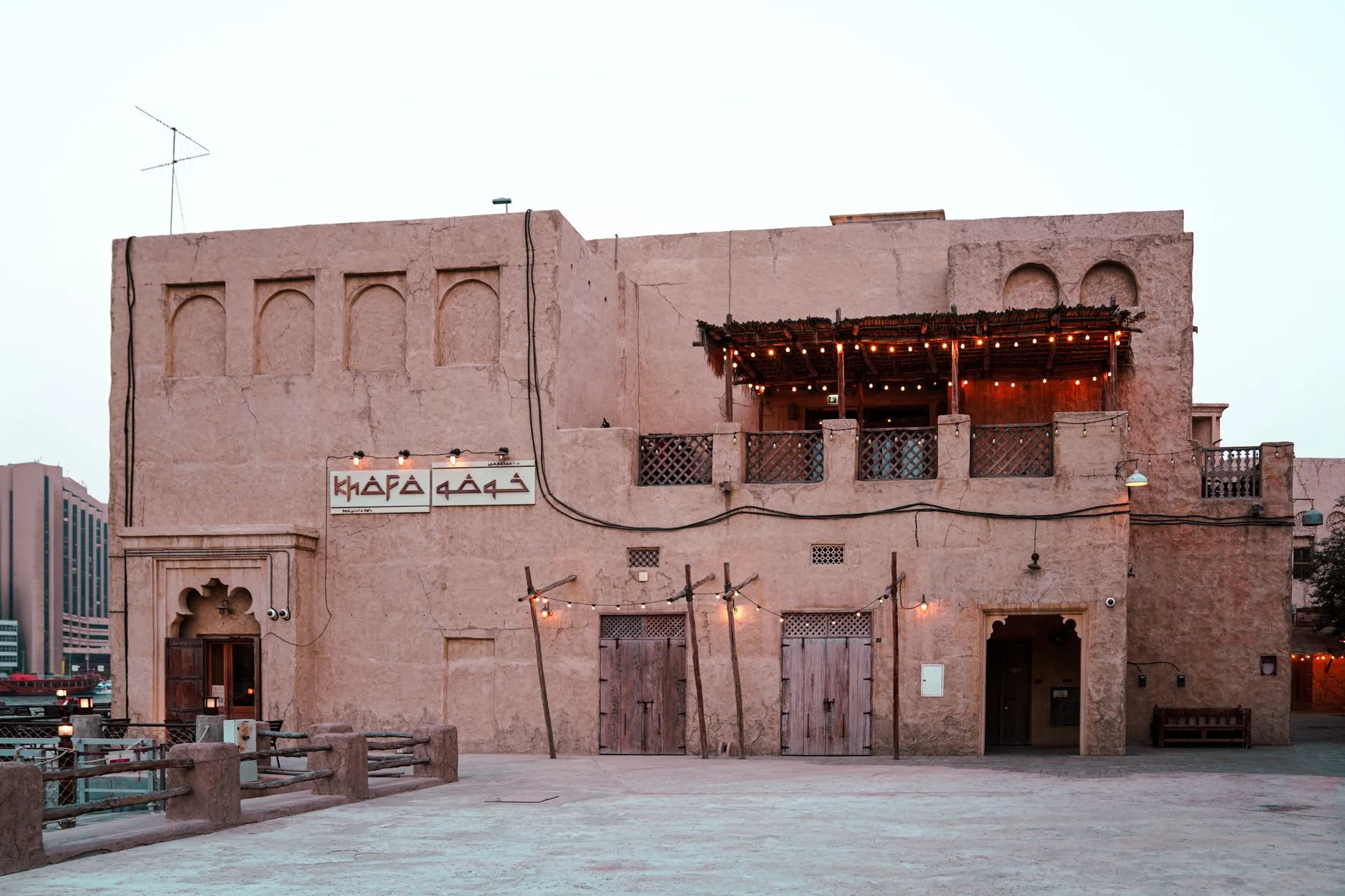
Al Fahidi and Bur Dubai are the best places in Dubai to understand what existed before the skyscrapers. On the southern side of Dubai Creek, restored wind-tower houses, narrow lanes, traditional markets, museums, mosques and waterfront promenades create a very different experience from Downtown Dubai or the Marina. The area is also one of the easiest parts of the city to explore without a car.
Plan at least one full day for the principal sights. A longer visit allows time for the Al Shindagha Museum, galleries, cafés, a traditional abra crossing and the varied restaurants of Bur Dubai. The districts are adjoining but not identical: Al Fahidi is the concentrated heritage neighbourhood, while Bur Dubai is the larger, busier area around it.
Why Al Fahidi and Bur Dubai Is Worth Visiting
Al Fahidi and Bur Dubai provide historical context for modern Dubai. The Al Fahidi Historical Neighbourhood is built around restored traditional buildings, courtyards and wind towers, with galleries, cultural venues and cafés occupying many of the old structures. It is a place for slow walking rather than a checklist of large attractions.
Bur Dubai adds a more contemporary and everyday urban character. Its streets are busy with hotels, restaurants, shops, mosques and local businesses, and its Creek waterfront connects naturally with Al Seef, Al Shindagha and Deira.
The area suits first-time visitors who want to see a cultural side of Dubai, as well as repeat visitors looking for atmospheric streets, regional food and photography. It is particularly practical for a short stopover: the main heritage district, souks and Creek can be combined in a half-day, while one full day gives the area room to breathe.
When to Visit Al Fahidi and Bur Dubai
The most comfortable period for walking is generally from November through March. Winter days are usually more manageable for exploring open-air lanes, markets and the Creek, although this is also a busy tourism period and popular tours or accommodation may need advance planning.
March can still be pleasant for outdoor sightseeing, while April and May become progressively hotter. In autumn, September can remain extremely hot, with more comfortable walking conditions usually developing later in October and November.
June through August is the most difficult period for a long daytime walk. Plan outdoor visits around sunrise or evening, and use museums, cafés and restaurants as midday breaks. Heat and humidity vary from day to day, so check the forecast rather than relying only on seasonal averages.
Ramadan, public holidays and special events can affect attraction hours, restaurant service and transport patterns. Always verify current schedules for museums, mosque tours, galleries and marine transport.
How to Get Around Al Fahidi and Bur Dubai
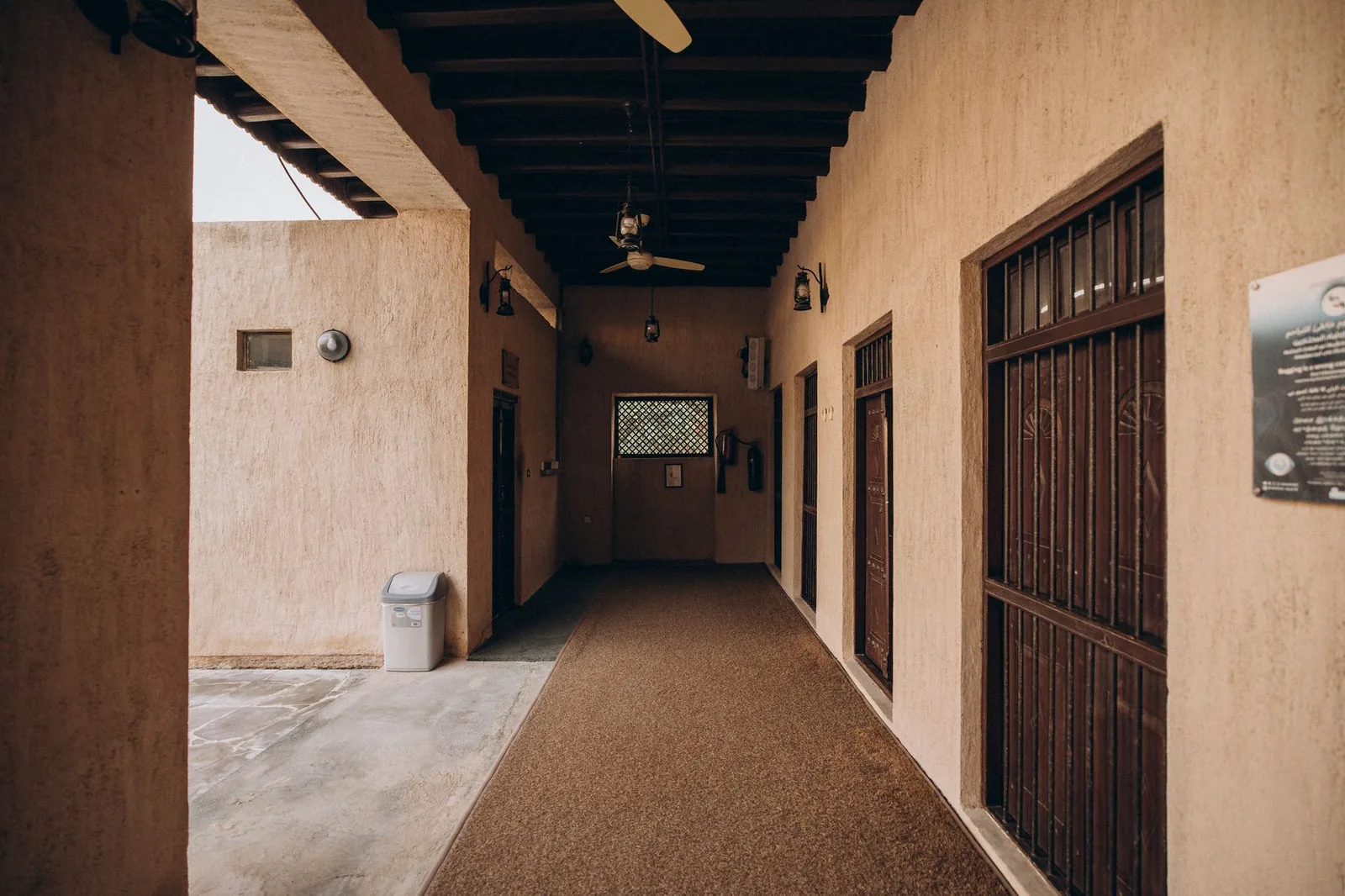
Walking is the best way to experience the central heritage area. The lanes, courtyards, galleries, souks and waterfront paths are close enough to combine, but distances feel longer in high heat. Wear comfortable shoes and allow time for unplanned stops.
The Dubai Metro Green Line serves Al Fahidi, Al Ghubaiba and nearby stations. Al Fahidi is the most directly useful station for the central neighbourhood, while Al Ghubaiba is convenient for Al Shindagha, the Creek and marine connections. Burjuman is an interchange with the Red Line and can be useful when arriving from other parts of Dubai.
A nol card is used across the Metro, buses and marine transport, including abras. Station codes, fares and operating times can change, so check the current RTA map or the S’hail journey planner.
Taxis are useful for hotels or attractions that are awkward to reach on foot. Dubai taxis are metered, and payment options can vary by service and booking method. A car is usually unnecessary for this itinerary: historic lanes are narrow, parking and drop-off arrangements vary, and public transport is generally more convenient.
Arriving from Dubai International Airport
Dubai International Airport is the main arrival point for visitors to Bur Dubai and Al Fahidi. The Green Line provides access towards Al Fahidi and Al Ghubaiba, although the best option depends on your terminal, luggage and hotel location. A taxi offers a direct transfer and may be more practical if you arrive late or are staying on a narrow side street.
DXB has Terminals 1, 2 and 3. Confirm your terminal and any transfer arrangements with your airline before travelling, then check the current RTA or airport information for the most suitable route.
Where to Stay in Al Fahidi and Bur Dubai
Looking for a place to stay? Compare hotels for Al Fahidi and Bur Dubai on BookingTabs.
Al Fahidi Historical Neighbourhood
Staying close to Al Fahidi suits travellers who want heritage architecture, cafés and early access to the old lanes. Accommodation directly inside or beside the historic area can be atmospheric, but streets may be narrow and vehicle drop-off arrangements can vary. Check the exact location rather than relying only on the district name.
Central Bur Dubai
Central Bur Dubai is the most practical choice for many visitors. It offers a broad range of accommodation, restaurants, shops and access to the Green Line, with straightforward connections to Deira and other parts of Dubai. The area is busy and highly mixed, so noise, street character and hotel quality can differ substantially from one block to the next.
Al Ghubaiba and Al Shindagha
This area works well for visitors prioritising Al Shindagha Museum, the Creek waterfront and marine transport. It is also useful for travellers who prefer to combine walking with short public-transport journeys. Check the route from the property to the nearest station, particularly if you are carrying luggage.
Al Seef
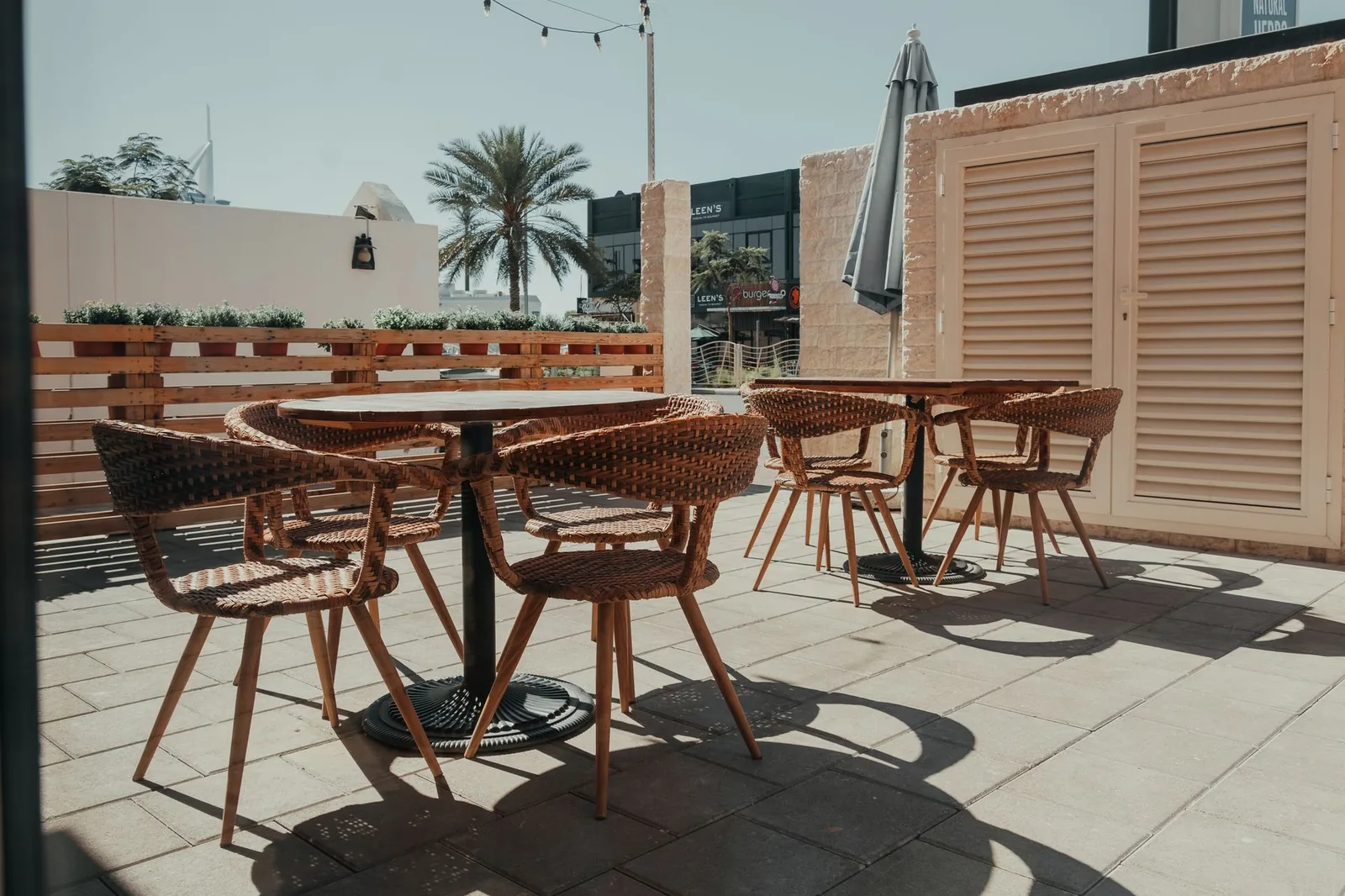
Al Seef offers a more curated waterfront setting, with restaurants, cafés and views over the Creek. It can be appealing for a leisure-focused stay, although the atmosphere and accommodation style differ from central Bur Dubai. Individual venues and access arrangements should be checked before booking.
Which Al Fahidi and Bur Dubai experience would you most like to build your day around?
Best Things to Do in Al Fahidi and Bur Dubai
Walk through the Al Fahidi Historical Neighbourhood
Begin in the Al Fahidi Historical Neighbourhood, where the narrow lanes and shaded courtyards make walking the main attraction. Look for wind towers, heavy wooden doors, textured walls and the small architectural details that reveal how older homes were designed for Dubai’s climate.
The neighbourhood contains galleries, museums, cultural houses and independent cafés. Some venues operate separately from one another, so do not assume that every courtyard or gallery is open whenever the district itself is accessible. A self-guided visit works well, but a walking tour can add useful context about architecture, trade, domestic life and the Creek.
Visit early in the day or later in the afternoon during the hotter months. The lanes offer some shade, but outdoor walking can still be demanding in summer.
Visit Al Shindagha Museum
Al Shindagha Museum is one of the most substantial cultural attractions in the historic districts. Rather than a single building, it is a collection of museum houses covering subjects including Dubai’s history, maritime life, Emirati customs, crafts, perfume, traditional jewellery, childhood and everyday life.
Allow more time than you might expect. The museum precinct is spread across several houses, and its exhibits provide a broader understanding of Emirati heritage than a short walk through Al Fahidi can provide. The official museum information has described a ticket covering all museum houses, but current prices, house availability and special programmes should be checked before visiting.
Al Shindagha is west of the central Al Fahidi lanes, close to Al Ghubaiba and the Creek. It combines well with a waterfront walk or an abra ride rather than being treated as an isolated stop.
Take a traditional abra across Dubai Creek
A traditional abra ride is one of the simplest and most distinctive experiences in Old Dubai. The crossing links the Bur Dubai side with Deira and offers a brief view of the Creek, wooden boats, waterfront buildings and the working movement of the city.
RTA operates several marine routes from stations around Bur Dubai, Al Fahidi and Al Seef. The traditional Bur Dubai–Deira Old Souq crossing is different from the longer heritage-style routes, and fares, payment methods and schedules vary by service. Check the current RTA information before setting out.
The ride is especially useful as transport. Cross to Deira, explore the souks and return by land or another marine route, depending on the current service pattern. Keep a nol card available and carry a small amount of cash in case a particular route or stall requires it.
Explore Al Seef at the Creek
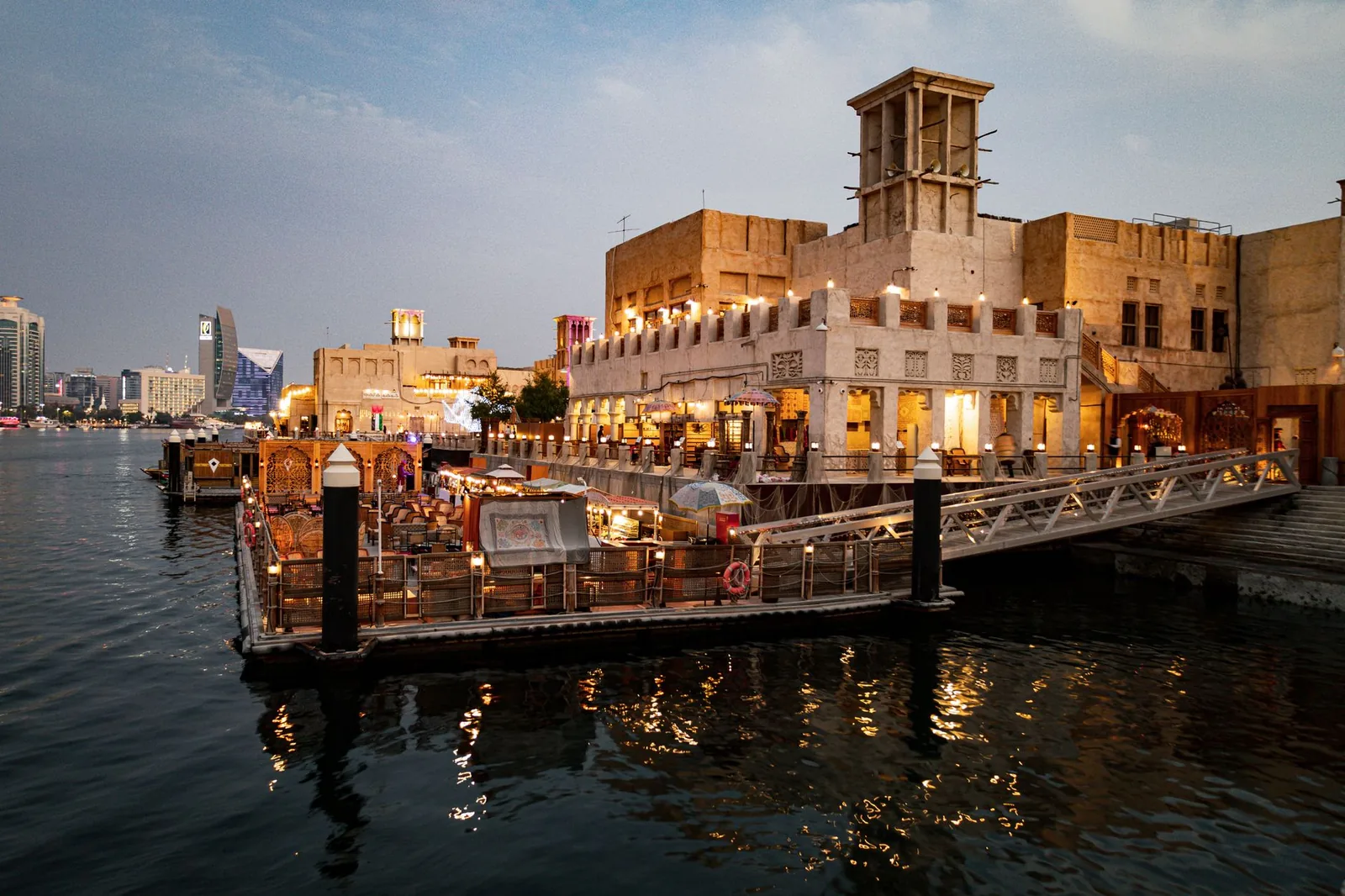
Al Seef extends the historic-district experience along the Bur Dubai side of the Creek. Its architecture is heritage-inspired, but the area is more polished and commercially planned than the original Al Fahidi lanes. Restaurants, cafés, shops and waterfront paths make it an easy place to pause after sightseeing.
The Creek views are particularly appealing around sunset and in the evening. Al Seef works well at the end of a walking route from Al Fahidi, although its restaurants and shops have individual schedules that can change.
For a balanced day, consider visiting the old lanes and museums earlier, taking a break for lunch, then returning to the waterfront in the late afternoon. This avoids spending the hottest part of the day entirely outdoors.
Browse the Textile Souk and Bur Dubai markets
The Textile Souk and surrounding traditional markets are useful for fabrics, garments, souvenirs and other traditional merchandise. They are part of a broader commercial district rather than a preserved museum environment, so the atmosphere is more active and practical than in Al Fahidi.
Compare prices before buying and clarify whether a quoted price is fixed. If you are purchasing fabric or arranging tailoring, confirm the material, measurements, delivery arrangements and final cost before committing. Market opening patterns vary, and some shops may be quieter during the hottest part of the day.
The souks are easy to combine with an abra crossing, the Creek waterfront and the Bur Dubai Grand Mosque.
See the Bur Dubai Grand Mosque
The Bur Dubai Grand Mosque is a prominent religious and architectural landmark near the Creek. Mosque tours, where available, can provide an opportunity to learn about Islamic culture and local religious traditions.
Visitor access and tour times should be confirmed before travelling. Dress modestly, follow instructions from staff and avoid treating prayer areas as ordinary sightseeing spaces. Photography rules may apply, particularly when worshippers are present.
Look for galleries and specialist museums
Al Fahidi is home to smaller cultural venues that reward visitors who enjoy browsing rather than rushing between major sights. The Coffee Museum focuses on coffee traditions, equipment and the role of coffee in regional hospitality. The Majlis Gallery occupies a restored building and provides an art-focused counterpoint to the history museums.
Because independent venues can change their opening hours, exhibitions or operating status, check current information before making either one the fixed centrepiece of your itinerary. They are best treated as flexible additions to a neighbourhood walk.
Check the status of Al Fahidi Fort and Dubai Museum
Al Fahidi Fort is one of Dubai’s most important historic landmarks and is associated with the former Dubai Museum. It has served defensive, governmental and residential purposes and is widely described as the city’s oldest surviving building.
The fort and museum have been undergoing rehabilitation. Recent official information has indicated that the site was still being prepared for reopening, so visitors should not assume that museum access, opening hours or ticketing are available. Verify the current public status directly before travelling, particularly if older itineraries describe Dubai Museum as an open attraction.
What to Eat and Drink
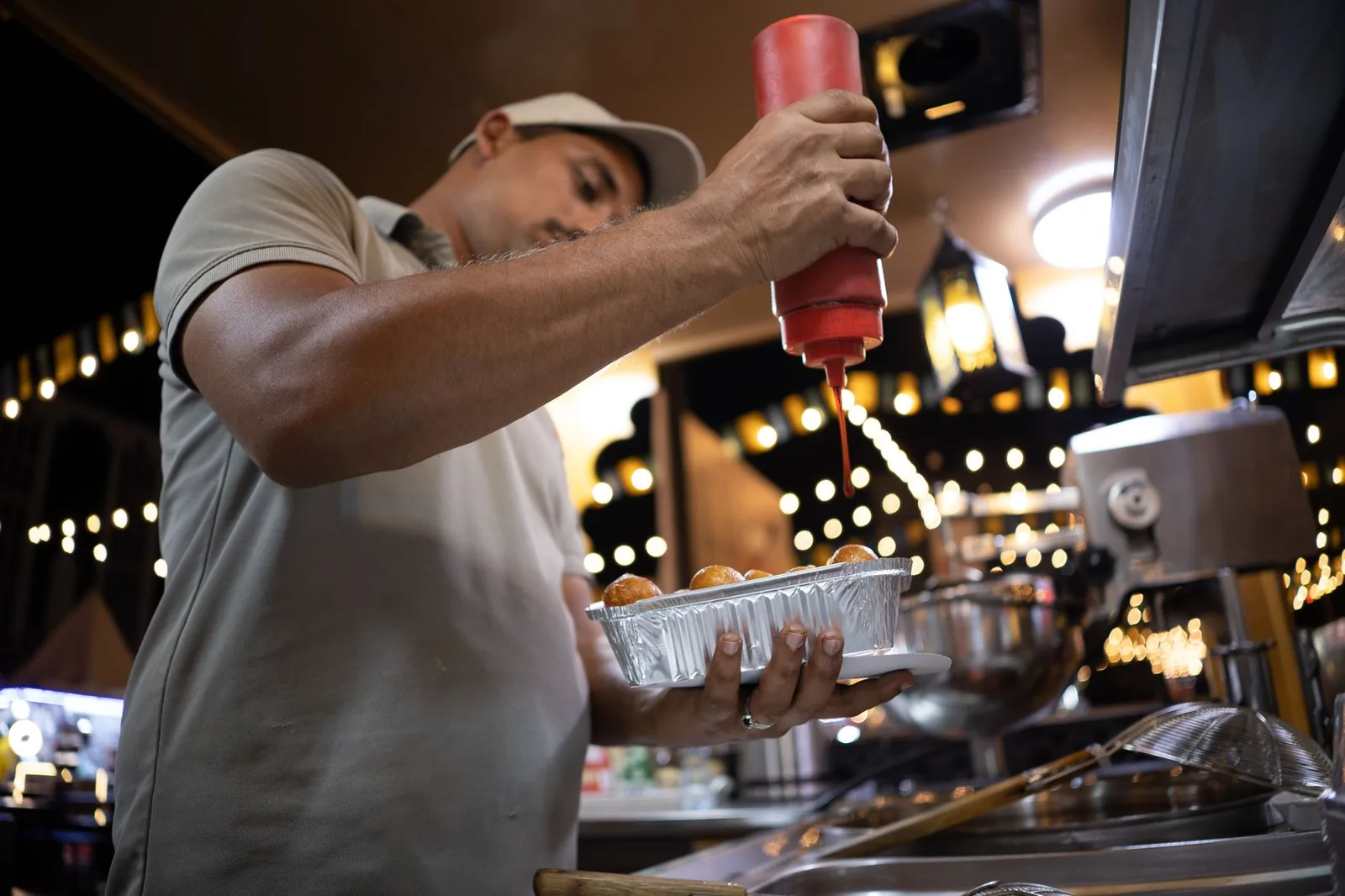
Food is one of the strongest reasons to spend time in Bur Dubai rather than simply passing through the heritage lanes. The area reflects Dubai’s international population and offers Emirati, Arabic, Levantine, South Asian and Persian cuisines within a relatively compact area.
For Emirati food, look for dishes such as machboos, harees, thareed, luqaimat, dates and Arabic coffee. Menus and availability differ by restaurant, so check directly if a specific dish is important to you.
Central Bur Dubai is particularly good for informal Arabic meals, including grilled meats, mezze, shawarma, falafel, manakish and fresh juices. The district also has a strong Indian, Pakistani and Bangladeshi food scene, with vegetarian thalis, biryani, kebabs, breads, sweets and street-style snacks.
Persian and Iranian restaurants add rice dishes, kebabs, stews, breads and tea. Around Al Fahidi and Al Seef, heritage cafés and coffeehouses are useful for Arabic coffee, karak tea, dates and pastries. Al Seef provides a more curated Creekside dining environment, while central Bur Dubai generally offers greater variety and more casual choices.
Restaurant menus, prices, reservations, alcohol policies and Ramadan hours can change. Check current details before planning a meal around a particular venue.
Best Day Trips from Al Fahidi and Bur Dubai
Deira Old Souk and Al Ras
This is the natural companion to an Al Fahidi visit. Cross the Creek by abra and explore Deira’s historic souks, including the Gold Souk and spice-market area. The contrast between the two sides of the Creek helps explain how Old Dubai functioned as a trading city.
Downtown Dubai
Combine Old Dubai with the modern city by visiting Downtown Dubai, Burj Khalifa or Dubai Mall. This is an easy contrast rather than a traditional day trip, and travel time from Bur Dubai depends heavily on traffic and the time of day.
Jumeirah Mosque and the coast
Jumeirah offers a change of scenery, with coastal views and a more modern residential character. A mosque-cultural experience may be available, but access, tour times and dress requirements should be confirmed in advance.
Dubai desert excursion
A desert excursion adds dunes, open landscapes and activities such as dune drives, camel experiences or cultural-style camps. Compare pickup times, inclusions, operator licensing, vehicle standards and cancellation conditions carefully. Many tours collect from Bur Dubai hotels, but exact pickup arrangements vary.
Hatta
Hatta is a longer excursion for mountain scenery, outdoor activities and heritage experiences outside central Dubai. Treat it as a full-day trip rather than a quick addition to an Al Fahidi itinerary, and plan transport and attraction access ahead of time.
Good to Know Before You Go
- Carry a nol card or confirm the accepted payment method before using the Metro, buses or marine transport.
- Keep some cash available for small purchases, market stalls and any abra service that specifies cash payment.
- Dress modestly when entering mosques or religious sites and follow local photography instructions.
- Visit the outdoor lanes early or in the evening during hot months.
- Allow extra time for Al Shindagha Museum if you intend to visit several museum houses.
- Check current opening hours for every museum, gallery, mosque tour and independent café.
- Use the current RTA information or S’hail for Metro, bus, taxi and abra connections.
- Ask permission before photographing residents, workers, worshippers or private homes.
- Agree on prices and product details before buying in the souks.
- Use licensed taxis or established booking platforms and retain receipts.
- Do not build an itinerary around Dubai Museum or Al Fahidi Fort without confirming their reopening status.
- Avoid trying to see Al Fahidi, Al Shindagha, Al Seef, Deira and Downtown in one rushed morning.
Common Questions About Al Fahidi and Bur Dubai
Are Al Fahidi and Bur Dubai the same place?
No. Al Fahidi is a historic neighbourhood within the wider Bur Dubai area. They are close enough to visit together, but Bur Dubai also includes larger commercial, residential, religious and waterfront districts.
How long do I need in Al Fahidi and Bur Dubai?
One full day is enough for the main heritage lanes, souks, Creek, an abra ride and one or two museums. Allow two days for a slower pace, several Al Shindagha Museum houses, galleries and longer food stops.
Can I visit Al Fahidi Fort and Dubai Museum?
Do not assume so. The fort and museum have been undergoing rehabilitation, and current public access, opening dates and ticketing should be verified directly before travel.
What is the easiest Metro station for Al Fahidi?
Al Fahidi Metro Station on the Green Line is the most direct station for the central Al Fahidi area. Al Ghubaiba is useful for Al Shindagha, the Creek waterfront and marine connections, while Burjuman provides interchange access to the Red Line.
How much does an abra ride cost?
RTA lists different fares for different abra routes. Traditional crossings and heritage-style routes do not necessarily share the same price, timetable or payment rules. Check the current route information before travelling.
Is Al Fahidi suitable for children?
Yes. Short walks, boat rides, museum displays, cafés and the Al Shindagha Museum can work well for families. Plan around the heat, uneven surfaces and the length of museum visits.
Is Bur Dubai a good area to stay?
It can be a practical base for travellers who value Metro access, diverse food, historic attractions and connections to Deira and other parts of Dubai. Review the exact hotel location because street atmosphere, noise and quality vary by block.
Can I walk between Al Fahidi, Al Seef and Al Shindagha?
Yes. These areas are connected by pedestrian routes around the historic district and Creek waterfront. The distance and comfort depend on your starting point, the weather and the number of stops you make.
Before You Go
Al Fahidi and Bur Dubai are the best parts of Dubai for travellers who want history, food and everyday urban character rather than another skyline viewpoint. Start with the Al Fahidi lanes, add a museum or gallery, walk towards the Creek, and use an abra to connect the two sides of Old Dubai. With sensible timing and current checks on attraction hours, the area makes an excellent half-day, full-day or short-stop itinerary.
Inspired? Start planning your trip.
Move from inspiration to planning with BookingTabs — explore hotels, tours and travel options in one place.


Join the conversation
Ask a question, share a travel tip, or help another traveler plan with confidence.
Leave a comment
No account or email required.