
Jamaica Travel Guide
Jamaica is large enough to reward careful planning. A week spent around Negril feels very different from a cultural stay in Kingston, an adventure-focused visit to Ocho Rios or a quieter escape on the South Coast. Across the island, you can combine resort beaches with reggae history, waterfalls, river excursions, mountain trails, historic houses and some of the Caribbean‘s most distinctive food.
The first decision is where to base yourself. Montego Bay is convenient for airport transfers and resort facilities; Negril is best for long beach days and sunsets; Ocho Rios puts major waterfall and adventure attractions within reach; Kingston is the cultural and urban center; Port Antonio offers greener scenery and a quieter pace; and the South Coast suits travelers looking for rural landscapes and smaller-scale tourism.
Five to seven nights works well for one main area with excursions. For a multi-region trip, allow eight to twelve nights and accept that road journeys can take longer than the map suggests.
What Makes Jamaica Special
Jamaica offers more variety than a conventional all-inclusive beach holiday. The island’s resort areas provide easy access to beaches, pools, restaurants and organized activities, but independent travelers can also find music history, local food, mountain scenery and communities with a strong sense of place.
The country is one of the Caribbean’s most important destinations for reggae and Jamaican cultural heritage. Kingston has museums, galleries, restaurants and music-related attractions, including the Bob Marley Museum and Trench Town Culture Yard. In the east, the Blue and John Crow Mountains combine rainforest, endemic biodiversity and the heritage of Jamaica’s Maroon communities.
Outdoor activities are equally varied. Depending on where you stay, you can climb a waterfall, swim in a river pool, go bamboo rafting, hike in the mountains, visit caves, try ziplining or take a night boat across bioluminescent water. The island’s food is another reason to travel beyond the resort buffet, from jerk cooking and Jamaican patties to ackee and saltfish, seafood, tropical fruit and rum.
Jamaica works for couples, families, first-time Caribbean visitors, music enthusiasts and travelers who want to combine a comfortable resort with a few independently arranged excursions. The key is to choose a realistic route rather than attempting to cover the entire country in a few days.
What to See and Do in Jamaica
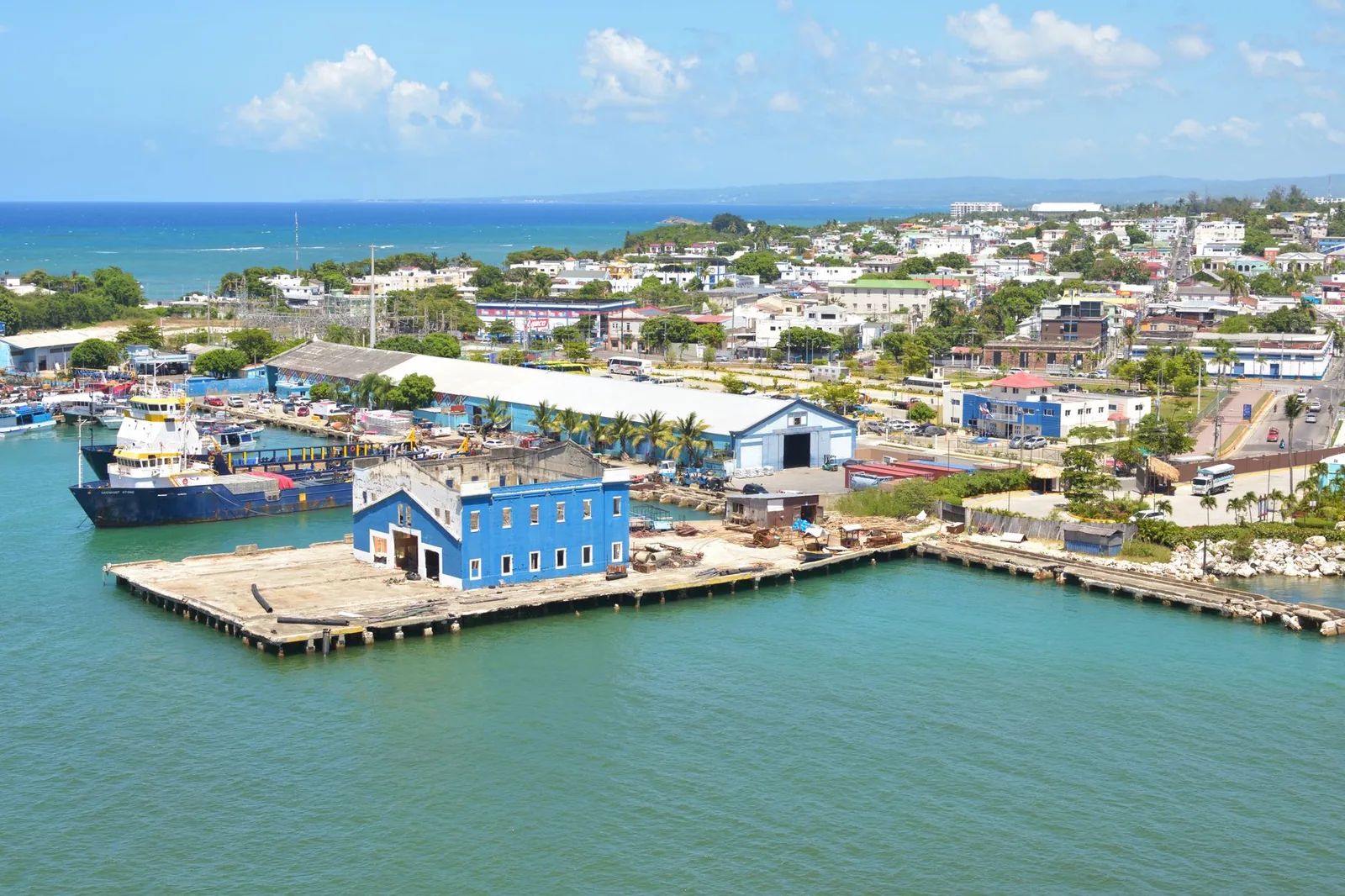
Relax on Negril’s beaches and watch the sunset from the West End
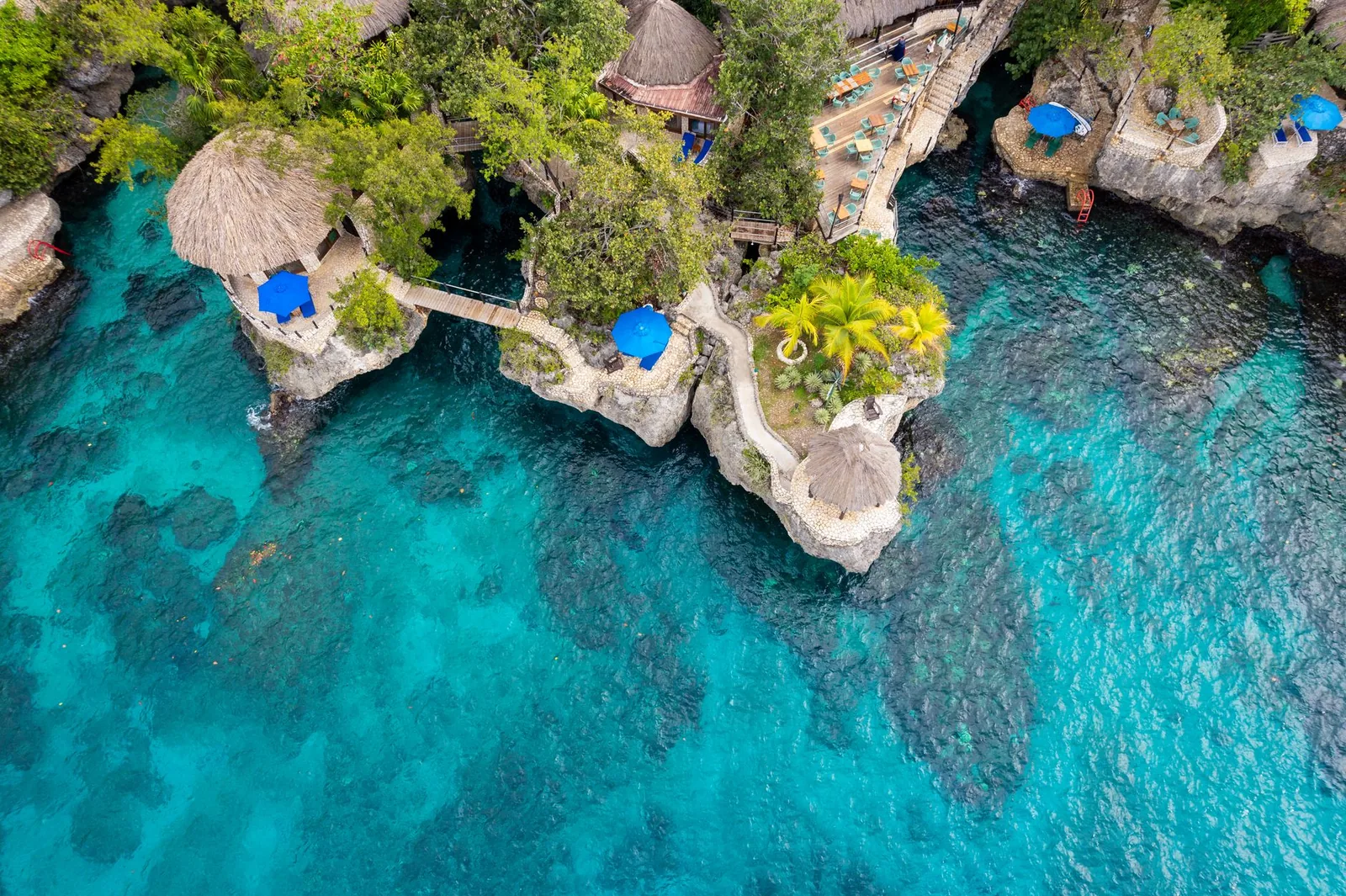
Negril is the classic choice for a beach-focused Jamaica holiday. Its long sandy coastline is suited to swimming, watersports, leisurely lunches and resort stays, while the West End has a more informal atmosphere built around rocky coastline, small hotels, restaurants and sunset views.
The cliffs are associated with venues such as Rick’s Cafe, where visitors gather to watch the sun go down. Cliff jumping is optional, not an essential part of the experience. If you choose to swim or jump, use established access points, check sea conditions and follow local safety instructions. Not every cliff edge or swimming area is supervised.
Negril can also work as a base for a day trip from Montego Bay, although the journey may feel long when combined with beach time and an evening in the West End. Staying overnight gives you more time to enjoy the area without rushing.
Visit the Bob Marley Museum in Kingston
Kingston is Jamaica’s strongest base for music, museums, galleries, restaurants and urban culture. The Bob Marley Museum occupies the musician’s former home and presents personal artifacts, rooms, recording-related history, a theatre, gift shop and café.
The visit is guided, and the house includes stairs and narrow sections. Tour arrangements, operating days, public-holiday closures and admission details can change, so check the museum’s current information before planning your day.
Kingston is also the place to explore Jamaica’s wider musical and cultural story. Trench Town Culture Yard is among the city’s best-known music-related visits, while galleries and restaurants provide a broader view of contemporary Jamaica. Attractions are spread across the urban area, so arrange transport rather than assuming you can comfortably walk between them. For neighborhood visits, a reputable guide or prearranged driver is often the most practical option.
Climb Dunn’s River Falls
Dunn’s River Falls is one of Jamaica’s best-known attractions and a major reason travelers base themselves in Ocho Rios. The terraced waterfall descends toward the sea, and visitors can join a guided climb, spend time near the beach and combine the visit with other activities around St Ann.
This is an active excursion, not simply a viewpoint. Expect wet, uneven surfaces and a climb if you participate in the ascent. Water shoes or secure footwear are useful, and you should be comfortable in moving water. Confirm current admission arrangements, visitor procedures, footwear requirements and weather policies before arrival.
Ocho Rios also provides access to river excursions, organized adventure activities, shopping and other attractions. It is a convenient base for families and travelers who want several structured activities within reach.
Explore the Blue and John Crow Mountains
The Blue and John Crow Mountains are a major natural and cultural highlight. The UNESCO-listed property protects montane rainforest and important biodiversity while also preserving landscapes associated with Windward Maroon history and the Nanny Town Heritage Route.
This is a large, rugged mountain area rather than a single attraction with one entrance. Hiking routes, roads and weather conditions vary, so use an experienced guide and confirm the practical details of any excursion. The mountains are also associated with Jamaican Blue Mountain coffee, and estate visits and tastings can add an agricultural and culinary dimension to the trip.
Kingston is the most useful base for combining the mountains with museums and city attractions, although the journey into the mountain region requires planning. Allow generous time and do not treat a mountain excursion like a quick urban outing.
See Rose Hall Great House
Rose Hall Great House, in the Montego Bay area, combines plantation-era history with the enduring legend of Annie Palmer, often called the White Witch. It is a popular choice for travelers interested in Jamaica’s historic buildings and storytelling traditions, and some tour formats take place in the evening.
Day and evening visits may operate differently. Check the current schedule, access arrangements and weather policy before making plans. The attraction works particularly well as part of a north-coast itinerary from Montego Bay, alongside Falmouth or a beach day.
Take a night boat on the Luminous Lagoon
The Luminous Lagoon near Falmouth is one of Jamaica’s most unusual evening experiences. Boat excursions take place after dark, when bioluminescent organisms can make the water appear to glow as it moves around the boat.
Visibility depends on darkness, weather and water conditions, so the effect is not identical every night. Swimming rules also vary between operators and tours. Confirm what is included and whether swimming is permitted before booking. The lagoon is particularly easy to combine with Montego Bay, Rose Hall or a north-coast road itinerary, provided you allow enough time for the return journey.
Visit the Blue Hole near Ocho Rios
The Blue Hole name can refer to more than one excursion product, so check the exact location when comparing tours. In general, these nature-adventure visits involve clear pools, river scenery, swimming and guided jumps or rope swings when conditions permit.
The experience is a good alternative for travelers who want a more informal water adventure than Dunn’s River Falls. Ask about safety equipment, age restrictions, inclusions, meeting points and weather-related changes. River levels and conditions matter, and you should follow the operator’s instructions rather than treating jumps or rope swings as compulsory.
Experience Port Antonio and Portland
Port Antonio and the wider Portland area offer a greener, quieter side of Jamaica. The region is associated with lagoons, beaches, rivers, rafting and mountain scenery, and it generally feels less concentrated around large resort complexes than Montego Bay or Ocho Rios.
Blue Lagoon is one of the area’s best-known attractions, while rafting excursions provide a slower way to experience the rivers and surrounding landscape. Attractions are spread out, and local public transport may not be convenient for visitors. A prearranged driver or guided excursion can make the area easier to explore.
Portland is especially suitable for independent travelers who value scenery and a less structured itinerary. It is not the best choice if your priority is a dense concentration of large resorts, nightlife and organized attractions.
Slow down on the South Coast
The South Coast, including Treasure Beach and the Black River area, suits travelers who want rural scenery, seafood, river experiences and smaller-scale accommodation. The pace is generally slower than in the main northwest resort zones, with more emphasis on local communities and landscape.
Possible activities include river safaris, waterfalls, offshore excursions and visits to rural food spots. YS Falls and other attractions are commonly included in South Coast itineraries, but operating conditions can change after heavy weather or storm damage. Check each attraction, boat service, road route and accommodation directly before committing to a plan.
Places to Visit Beyond Jamaica
Because Jamaica is a country rather than a single compact resort area, the best day trip depends on your base.
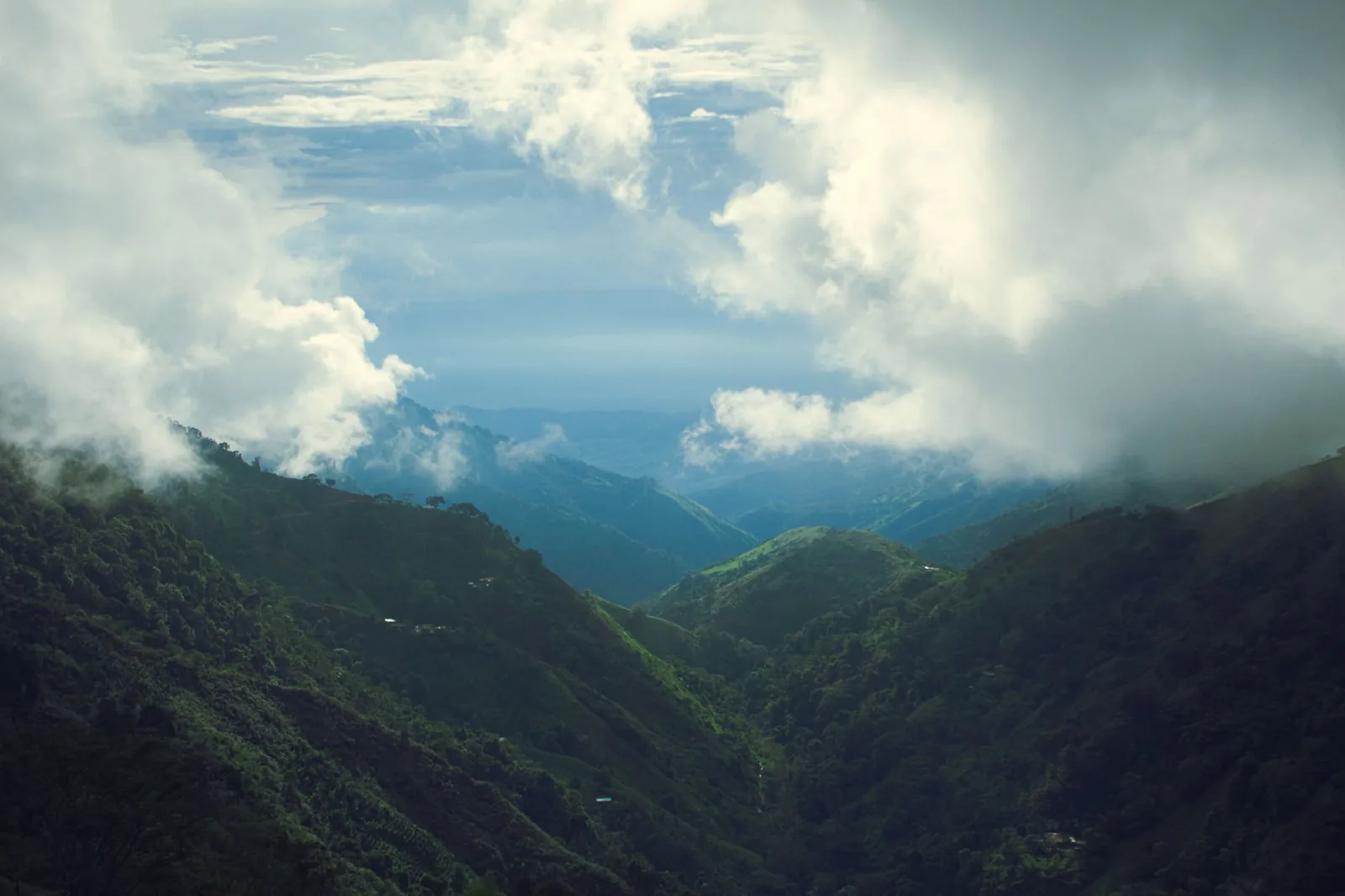
From Kingston, head into the Blue Mountains for scenery, coffee, hiking and Maroon heritage. The trip pairs well with a city stay, although mountain roads mean you should allow plenty of time.
From Montego Bay, combine Rose Hall Great House with Falmouth and an evening visit to the Luminous Lagoon. A Montego Bay to Negril excursion can also work for beach time, a West End sunset and cliffside views, although staying overnight is more comfortable.
From Ocho Rios, Dunn’s River Falls and nearby adventure attractions make an easy full-day plan. The Blue Hole, river activities and other organized excursions can be added if you want a more active itinerary.
From Port Antonio, explore the Blue Lagoon, coastal scenery and rafting areas. Confirm local access, boat services and water conditions before setting out.
From the South Coast, consider Black River, Treasure Beach, waterfalls and rural food experiences. Attraction availability and road conditions should be checked directly, particularly after periods of heavy weather.
Nine Mile is a possible music-history excursion associated with Bob Marley’s childhood and burial site. Confirm the current operator, route, inclusions and safety arrangements before booking.
Which Jamaica experience would you most want to plan?
Local Food and Drink
Jamaica’s food is a major part of the travel experience. Start with ackee and saltfish, the country’s national dish, often served at breakfast with fried dumplings, callaloo, green bananas, avocado or plantain.
Jerk chicken, pork, seafood and vegetables are seasoned with jerk spices and traditionally associated with smoky pimento-wood cooking. Portland’s Boston Bay is especially associated with jerk, but excellent versions can be found across the island. Look for busy, hygienic establishments and ask about spice levels if you prefer milder food.
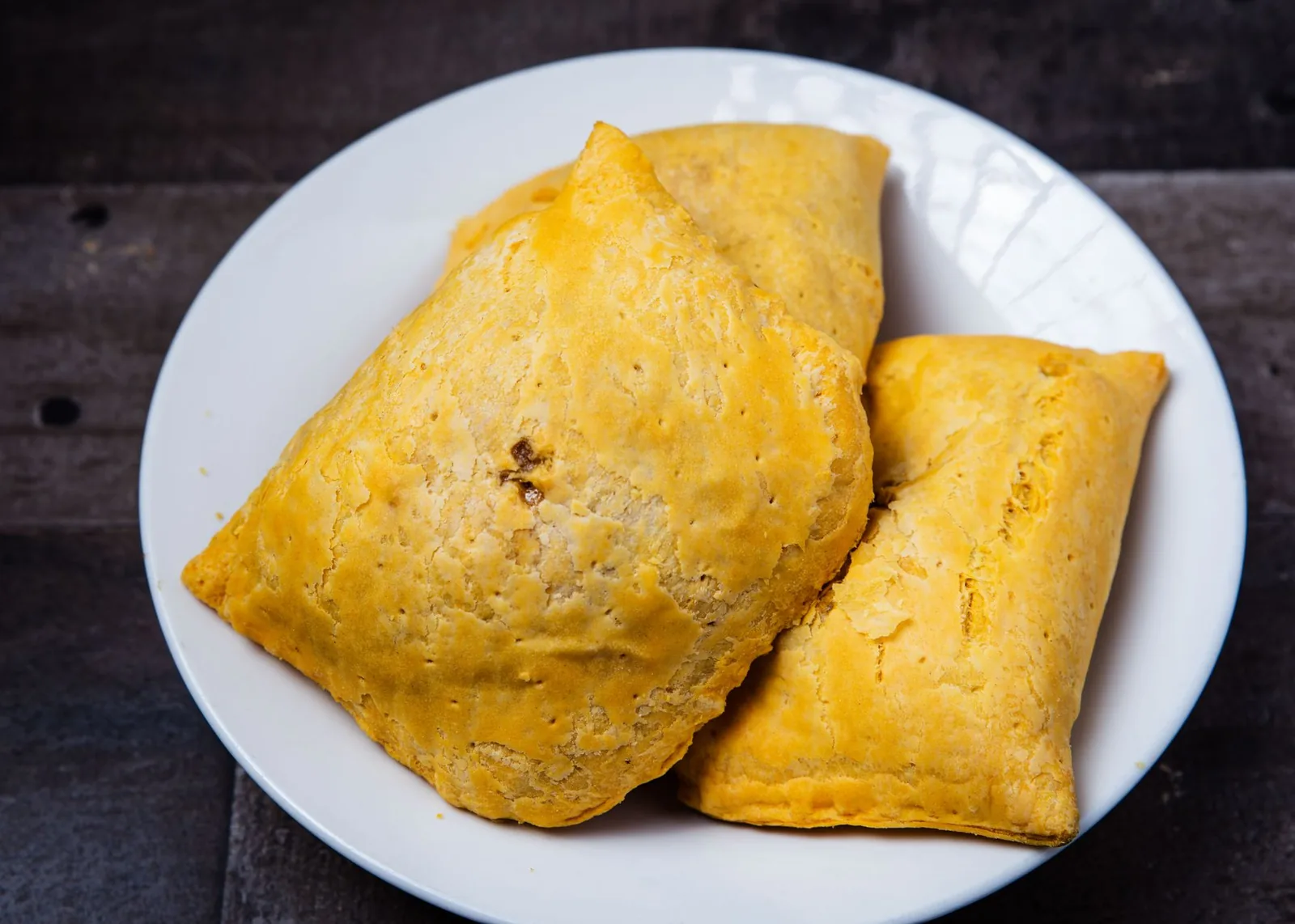
Jamaican patties are convenient pastry turnovers filled with beef, chicken, vegetables or other fillings. They make an easy snack during a road journey. Curry goat, rice and peas, escovitch fish, bammy, festival and seafood are also worth seeking out.
Blue Mountain coffee is associated with the eastern mountain region, where estate visits and tastings may be available. Jamaica’s rum culture is another reason to plan a food or drink experience, with rum-estate tours and tastings offered by producers such as Appleton and Worthy Park. Check transport arrangements and age requirements before booking.
Fresh fruit, juices, soups, seafood and roadside cooking provide alternatives to resort buffets. Eat at busy vendors, take normal food-safety precautions and carry water during hot days.
Where to Stay in Jamaica
Looking for a place to stay? Compare hotels for Jamaica on BookingTabs.
Montego Bay
Montego Bay is one of the easiest bases for a first Jamaica visit. It has a major international airport, a broad selection of hotels and resorts, beaches, restaurants, nightlife and access to Rose Hall, Falmouth and north-coast excursions. It is particularly convenient for travelers who prefer minimal transfer time after landing.
Negril
Choose Negril for long beach days, sunsets, watersports and a more casual resort atmosphere. The beach area and West End offer different experiences: the former is focused on sand and swimming, while the latter is known for cliffs, restaurants and evening views.
Ocho Rios
Ocho Rios is a practical base for Dunn’s River Falls, the Blue Hole and other organized adventures around St Ann. It suits families, cruise visitors and travelers who want a convenient selection of structured activities. The area has resort facilities, shopping and access to outdoor excursions.
Kingston
Kingston is the best choice for museums, reggae heritage, galleries, restaurants, nightlife and access to the Blue Mountains. It feels more like an urban destination than a beach resort, so choose it for culture and food rather than a traditional all-inclusive holiday.
Port Antonio and Portland
Port Antonio and Portland are suited to travelers looking for lagoons, beaches, rafting, mountain scenery and a quieter setting. Accommodation is generally more varied in scale and style than in the major resort zones, and having transport arranged can make a significant difference.
The South Coast and Treasure Beach
Treasure Beach and the South Coast work well for a slower itinerary centered on rural scenery, seafood, community tourism and river experiences. This is a good region for travelers who want to see a less concentrated side of Jamaica and do not need a large resort complex.
Weather and the Best Time to Go

Jamaica is warm throughout the year. The period from December to April is generally drier and is widely considered the most favorable time for beach weather. It is also a popular travel period, so arrange accommodation, airport transfers and major excursions in advance where possible.
March and April are usually warm and relatively dry. May can mark a shift toward wetter conditions, with May and June identified as one of the island’s wetter periods. Rain may be brief and localized, but it can still affect mountain roads, river activities and outdoor attractions.
June to August is hot and tropical, with a greater possibility of rain and storm disruption. The Atlantic and Caribbean hurricane season officially runs from June 1 to November 30. September to November can be particularly wet, while August to October is generally the most active period for Atlantic hurricanes.
Traveling during the wetter months may offer more flexibility and lower demand, but book with care. Check weather forecasts, official travel alerts, airline policies and accommodation cancellation terms close to departure. Heavy rain and storms can affect flights, roads, beaches and attraction operations even when conditions at your resort appear calm.
How to Get Around Jamaica
Jamaica is not a compact resort island. Travel between Kingston, Montego Bay, Negril, Ocho Rios, Port Antonio and the South Coast can be tiring, especially when traffic, mountain roads, weather or road conditions are involved. Choose your airport and base according to the region you most want to explore.
Sangster International Airport in Montego Bay, known as MBJ, is the principal tourism gateway. It is convenient for Montego Bay, Negril, much of the north coast and routes toward Ocho Rios. Airport ground-transport options include rental cars, hotel shuttles, taxis and connections to domestic air services.
Norman Manley International Airport in Kingston, or KIN, is generally more convenient for Kingston, the Blue Mountains and eastern or southeastern Jamaica. Domestic flights and smaller aerodromes may reduce some long journeys, but routes and schedules change and must be verified before relying on them.
Licensed taxis, prebooked airport transfers and organized tours are the easiest options for many visitors. Agree the fare and destination before departing, and avoid unmarked vehicles. Hotel-recommended transport is useful when you are uncertain about local arrangements.
Public transport is available in major towns through buses and taxis. The government-owned JUTC operates yellow buses on set routes in Kingston and surrounding areas. Public transport is less straightforward for cross-island sightseeing, and current government guidance advises travelers to avoid public buses because of safety concerns.
Rental cars offer flexibility for experienced drivers. Jamaica drives on the left, and roads can be winding, congested, poorly lit or rough away from main resort corridors. Avoid night driving and check insurance, roadside assistance, license requirements and current road conditions. A rental car is not automatically the best option for a short resort stay.
Walking is practical in compact resort strips, beachfront areas and some central neighborhoods, but many attractions are separated by busy roads, hills or long distances. Avoid isolated areas and walking after dark.
Good to Know Before You Go
- Complete Jamaica’s online C5 Passenger Declaration before arriving by air or cruise ship.
- Check visa requirements for your nationality, passport type and intended length of stay with Jamaica’s official immigration authorities.
- Carry valid travel documents and proof of onward or return travel where required.
- Choose your airport according to your itinerary. MBJ is usually more convenient for Montego Bay, Negril and much of the north coast; KIN is more useful for Kingston and the Blue Mountains.
- Use licensed taxis, reputable tour companies and prearranged transfers, especially for airport and intercity travel.
- Carry some Jamaican dollars for local purchases. U.S. dollars may be accepted in many tourism businesses, but rates and acceptance vary.
- Pack light clothing, walking shoes, water shoes, insect repellent, water-resistant sunscreen and a reusable bottle.
- Allow generous time for road journeys. Mountain roads, traffic, weather and surface conditions can make travel slower than expected.
- Avoid walking alone in isolated areas or after dark, keep valuables discreet and follow current local safety advice.
- Check hurricane, heavy-rain and flash-flood forecasts between June and November.
- Confirm attraction opening hours, admission rules, meeting points, weather policies and reopening status before booking.
- Respect local communities, ask before photographing people and avoid entering private property.
- Do not bring firearms, ammunition or spent shells into Jamaica; penalties can be severe.
One of the most common planning mistakes is trying to see every major base in a single week. Montego Bay, Negril, Ocho Rios, Kingston, Port Antonio and the South Coast all offer distinct experiences, but combining them too quickly can turn a holiday into a sequence of long transfers. It is usually better to choose one primary region and add one carefully selected excursion or secondary base.
Jamaica Travel FAQ
What is the best area to stay in Jamaica?
Choose Montego Bay for airport convenience and resort facilities, Negril for beaches and sunsets, Ocho Rios for waterfalls and organized activities, Kingston for culture and museums, Port Antonio for scenery and a quieter atmosphere, or the South Coast for rural and community-oriented travel.
How many days do you need in Jamaica?
Five to seven nights is suitable for one principal area with excursions. Eight to twelve nights gives you a better pace for combining several regions. The longer itinerary is especially useful because cross-island road travel can be slow.
Do I need a visa for Jamaica?
Visa requirements depend on nationality, passport type, purpose and length of stay. Check the current country-specific guidance from Jamaica’s Passport, Immigration and Citizenship Agency before booking.
Do I need to complete an online form before arriving?
Yes. Passengers arriving by air or cruise ship must complete the online C5 Passenger Declaration. Use the official Jamaica entry process and complete it before travel.
Is Jamaica safe for tourists?
Many travelers visit safely, particularly when staying in established tourism areas and using reputable transport, but crime risks exist. Current government advisories recommend increased caution and may identify specific areas, transport options and nighttime activities to avoid. Check your own government’s latest advice before departure.
Can you get around Jamaica without renting a car?
Yes. Hotel transfers, licensed taxis, organized tours, buses and limited domestic flights can all be used. Independent cross-island travel without a car is possible but requires more planning, and public transport is not equally convenient in every tourism area.
What currency is used in Jamaica?
The Jamaican dollar is the national currency. U.S. dollars are commonly used in tourism settings, but exchange rates and acceptance vary. Use licensed cambios or banks and check the rate before exchanging money.
When is hurricane season in Jamaica?
The Atlantic and Caribbean hurricane season officially runs from June 1 through November 30, with peak activity generally from August through October. Tropical weather can affect flights, roads, beaches and attractions, so monitor official forecasts and Jamaica travel alerts.
Planning Your Jamaica Trip
Jamaica is at its best when you match the region to the kind of trip you want. Choose Negril for beach time, Montego Bay for convenience, Ocho Rios for waterfalls and activities, Kingston for music and culture, Port Antonio for scenery or the South Coast for a slower, more local-feeling itinerary.
A resort-only holiday can be easy and enjoyable, but Jamaica rewards travelers who leave room for its food, music, mountains and communities. Build a realistic route, arrange reliable transport, verify details close to departure and allow the island’s pace to shape your plans.
Inspired? Start planning your trip.
Move from inspiration to planning with BookingTabs — explore hotels, tours and travel options in one place.

Join the conversation
Ask a question, share a travel tip, or help another traveler plan with confidence.
Leave a comment
No account or email required.