Coastal Gems of Southern France: From Nice Promenades to Collioure’s Catalan Charm
The Mediterranean coastline between Nice and Collioure stitches together a sequence of towns where sea-splashed promenades, pastel façades and centuries-old harbors create an instantly recognizable Riviera rhythm. This route takes you from the cosmopolitan bustle of Nice — with its Promenade des Anglais and shaded markets — through glossy Yachting hubs, sheltered fishing ports and fragrant vineyards, finishing in Collioure where Catalan influences and Fauvist art linger in the sunlight. Whether you’re chasing iconic landmarks, tiny secret beaches, or markets brimming with Provençal produce, this stretch of southern France offers a layered travel experience: seaside glamour side-by-side with intimate local life. Read on for the must-see stops, authentic experiences, practical advice and answers to common travel questions for planning a memorable coastal itinerary.
Must-See Attractions
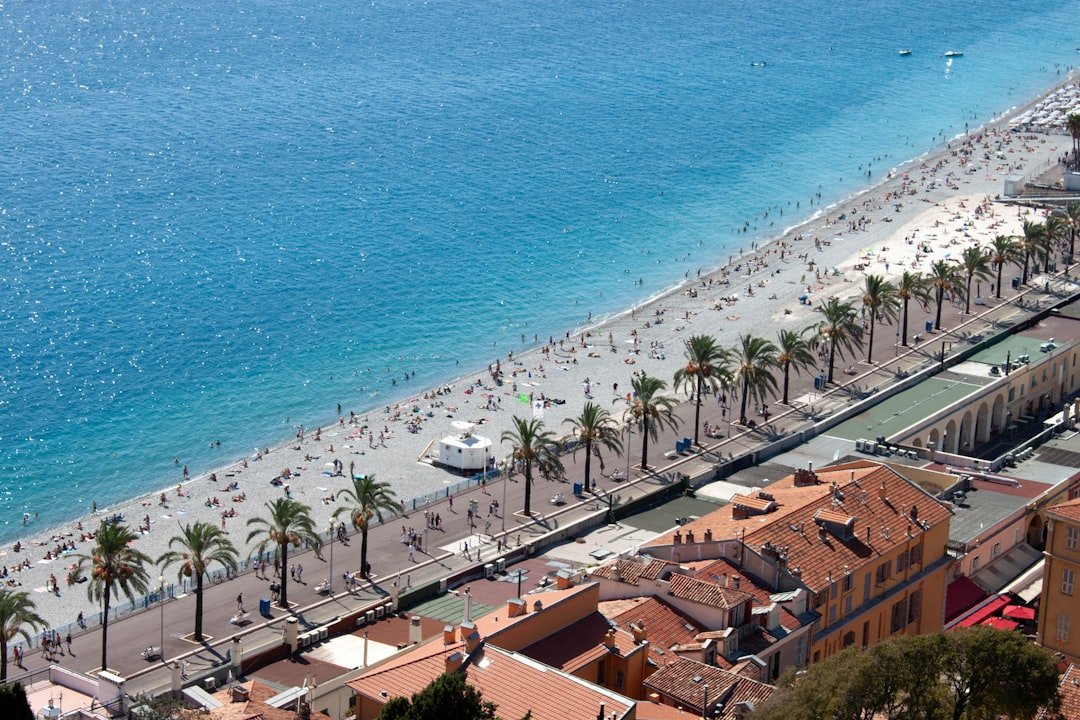
Nice: Promenade des Anglais and Vieux-Nice are essential. Stroll the palm-lined seafront, enjoy views from the pebbled beach, and weave through the terracotta streets of the old town where Baroque churches and artisan shops cluster. Climb Castle Hill (Colline du Château) for panoramic views over the Baie des Anges.
Villefranche-sur-Mer and Cap-Ferrat: The sheltered harbor of Villefranche is one of the Mediterranean’s most photogenic, while the Cap-Ferrat peninsula offers secluded villas and the coastal walk to the Villa Ephrussi de Rothschild gardens (note: gardens are the attraction; villa interior visits depend on opening times).
Antibes & Juan-les-Pins: Antibes’ old town and the Picasso Museum (inside Château Grimaldi) reveal a quieter Riviera past. Juan-les-Pins is known for sandy beaches and the long-running Jazz à Juan festival in summer.
Cannes: The Croisette boulevard and the Palais des Festivals (home of the Cannes Film Festival) embody international glamour. Explore Le Suquet for narrow lanes and sea views.
Saint-Tropez & Hyères: Saint-Tropez’s Vieux Port, painted houses and the Annonciade Museum capture the town’s blend of fishing village and jet-set playground. Hyères and its nearby Iles d’Hyères offer medieval streets and wild island escapes.
Cassis & Marseille: Cassis is a gateway to the Calanques — steep limestone inlets best seen by boat or hike — and the dramatic Cap Canaille viewpoint. Marseille, France’s second city, showcases the Vieux-Port, Le Panier neighborhood, and the hilltop Basilique Notre-Dame de la Garde, with gritty charm and strong maritime culture.
Along the Languedoc and Roussillon: Towns such as Sète, Agde and Narbonne bring fishing-harbor character and seafood specialties. Perpignan’s Catalan flavor is a prelude to Collioure, whose Château Royal and Notre-Dame-des-Anges church anchor the harbor. Collioure’s colorful quay and artist legacy (Derain, Matisse) make it a poignant endpoint.
Best Time to Visit
Spring (April–June) and early autumn (September–October) are the best months to travel this coast. During these shoulder seasons you’ll enjoy warm, comfortable temperatures, blossoming landscapes in spring and still-warm seas in early autumn, while avoiding the height of tourist crowds.
Summer (July–August) brings reliably hot weather and long beach days, but expect high temperatures, crowded beaches, and premium prices for hotels and restaurants. Winter is mild compared with northern Europe; many attractions remain open but some smaller coastal businesses close for the low season, and ferry or boat services can be reduced.
If you prioritize festivals or nightlife, book well in advance for May and July–August events. For hiking and sightseeing under pleasant skies, late May–June and September are ideal.
Essential Travel Tips
Getting around: The region is served by TER regional trains connecting Nice, Antibes, Cannes, Marseille and towns to the west; high-speed TGV links reach Nice from Paris. For exploring hidden coves, headlands and smaller towns between scheduled trains, a rental car is invaluable — be prepared for narrow coastal roads and limited parking in peak season. Ferries and local boats link some harbors (Nice–Villefranche, Marseille–Frioul, Cassis calanques tours).
Money and payments: Euro is used everywhere. Credit and debit cards are widely accepted in urban and tourist areas; carry small cash for market stalls, ferries and remote cafés. Inform your bank about travel to avoid card blocks.
Safety: Petty theft, especially pickpocketing, is the most common issue in busy tourist zones and on trains. Keep valuables secure, use a money belt or zipped bag, and be cautious on crowded promenades. The sea is generally safe, but heed local flags and warnings about currents in open areas and the Calanques.
Packing and gear: Bring layers, a light rain jacket for spring evenings, sturdy walking shoes for cobbled streets and hikes, reef-safe sunscreen, a hat, and a reusable water bottle. If you plan boat trips, a small dry bag for valuables is useful.
Local etiquette: A few French phrases (bonjour, merci, s’il vous plaît) go a long way. Greet shopkeepers and restaurant staff with a polite bonjour before asking questions. Tipping is modest; a few euros for good service in restaurants or rounding up for taxis is appreciated but not mandatory.
Frequently Asked Questions
Q: How many days should I spend traveling from Nice to Collioure?
A: Allow at least 7–10 days to move at a measured pace, visiting key stops like Nice, Antibes, Cannes, Saint-Tropez or Marseille, and finishing in Collioure. Add time if you plan side trips to the Calanques or wine regions.
Q: Is it easy to travel this route by public transport?
A: Major towns are linked by reliable TER trains and some long-distance services, but smaller coastal villages and sheltered coves are best reached by car or boat. Ferries serve several harbors in summer.
Q: Are the beaches sandy all the way along the coast?
A: No. Beaches vary from pebbled shores in Nice to sandy stretches in Cannes, Juan-les-Pins and parts of Saint-Tropez. Many scenic coves, especially in the Calanques near Cassis and rocky coves around Cap Canaille, are pebbly or cliff-lined rather than sandy.
Q: Is Collioure worth visiting as a day trip from Perpignan?
A: Yes. Collioure is a compact town with a picturesque harbor, castle and churches that can be enjoyed in a day. Staying overnight lets you enjoy quieter evenings after day-trippers depart and see the town in softer light.
Q: What local specialties should I try along the coast?
A: Try Socca in Nice, bouillabaisse in Marseille, seafood and oysters in Sète, fresh Mediterranean fish in harbor towns, and regional wines such as Bandol and Cassis whites. Don’t miss rosé from Provence and Catalan-influenced dishes near Collioure.
Conclusion
The coastal stretch from Nice to Collioure is a layered ribbon of seaside life: cosmopolitan promenades, quiet fishing harbors, rugged calanques, and a cultural crossroads shaped by Provençal and Catalan influences. Travel here at a relaxed pace to balance iconic sights with small pleasures — morning markets, harbor-side lunches, late-afternoon viewpoints and short coastal hikes. With a mix of trains, boats and a rental car for out-of-the-way coves, you can curate an itinerary that blends glamour and local authenticity. Pack thoughtfully, respect local rhythms, and leave room for unplanned stops: some of the coast’s most memorable moments are discovered off the main road.