Streets of Memory: 10 Italian Towns That Tell the Nation’s Story
Italy is a layered narrative of empires, city-states and coastal republics, and its smaller towns often keep the clearest chapters. Rather than the crowded boulevards of big cities, these ten towns offer compact stories told in stone: medieval towers, baroque facades, ancient dwellings carved into rock and waterfront lanes where trade once flowed. Each town represents a different era and region—Tuscany’s civic pride, Umbria’s spiritual calm, Puglia’s dry-stone ingenuity, and Campania’s volcanic drama. Traveling through them is less about checking landmarks off a list and more about reading continuity: how medieval guilds shaped marketplaces, how religious orders left fresco cycles, how seafaring merchants stitched together coastal culture. This guide highlights must-see sites, authentic local experiences, practical timing and tips so you can experience Italy’s past without the rush.
Must-See Attractions
These ten towns each preserve signature attractions that explain their historical importance.
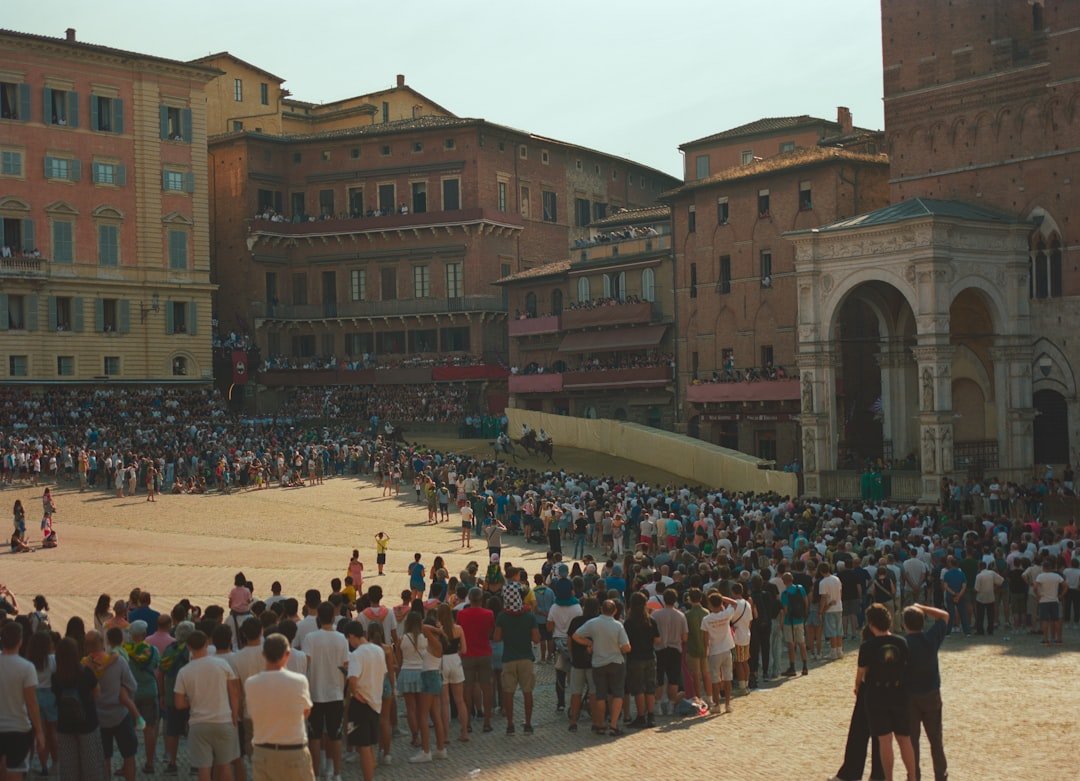
- Siena (Tuscany): Piazza del Campo, the shell-shaped medieval square that hosts the Palio, and the Duomo with its striped black-and-white marble façade and Piccolomini Library frescoes.
- San Gimignano (Tuscany): The skyline of medieval towers—the best-preserved example of a fortified medieval hill town—plus the Collegiate Church of Santa Maria Assunta with important fresco cycles.
- Assisi (Umbria): The Basilica of San Francesco, whose Lower and Upper Churches house Giotto and Cimabue frescoes central to understanding early Italian painting and Franciscan spirituality.
- Orvieto (Umbria): The Duomo with its mosaic façade and the Etruscan underground network that reveals the town’s pre-Roman roots.
- Pompeii (Campania): The remarkably preserved Roman town frozen by Vesuvius in 79 AD; walk streets, see frescoed homes and public baths for a vivid glimpse of daily Roman life.
- Amalfi & Ravello (Campania): Amalfi’s 9th–11th-century maritime republic heritage shown in the Cloister of Paradise and Cathedral; Ravello’s villa gardens (Villa Rufolo and Villa Cimbrone) with views that inspired composers and painters.
- Matera (Basilicata): The Sassi, ancient cave dwellings and rock-cut churches clustered in a UNESCO-listed landscape that traces human habitation back millennia.
- Alberobello (Puglia): The Trulli—white conical-roofed stone houses—concentrated in Rione Monti, a unique vernacular architecture adapted to local limestone and dry-stone building methods.
- Verona (Veneto): A compact Romano-medieval center with an intact Roman arena still used for opera, and a medieval piazza system that demonstrates the city’s role as a trading crossroads.
- Vernazza (Cinque Terre, Liguria): One of five coastal villages where narrow lanes, terraced vineyards and the tiny harbor exemplify the Ligurian fishing and viniculture tradition.
Best Time to Visit
Timing affects weather, crowds and local rhythms across these regions. Consider your priorities:
- Spring (April–June): Often the best window—mild weather, blooming landscapes in Tuscany and Umbria, and before the full summer crowds arrive. Ideal for hiking and touring outdoor sites.
- Early autumn (September–October): Warm seas on the Amalfi Coast and Liguria, grape harvests and truffle season inland. Temperatures are comfortable and crowds thin after August.
- High summer (July–August): Busy, especially coastal towns and Siena during the Palio. Inland hill towns get hot but mornings and evenings remain pleasant; book lodging well in advance.
- Winter (November–March): Quietest time for cultural visits; some coastal ferry services may be reduced, and small businesses in Cinque Terre or Amalfi can close seasonally. Matera and Verona are atmospheric in low season with fewer tourists.
Essential Travel Tips
Practical advice to keep your trip smooth and respectful of local life.
- Transportation: Many towns are best reached by train or regional bus—Verona, Siena (bus from Florence), Orvieto and Pompeii are on rail corridors. Rent a car for flexibility in Puglia and Basilicata, but expect narrow medieval streets and limited parking zones (ZTL) in town centers.
- Money: Credit cards are widely accepted in larger towns, but carry cash for markets, small cafés and remote villages. ATMs are common in main squares; notify your bank of travel plans.
- Safety: Italy’s towns are generally safe; watch for pickpockets in crowded squares and trains. Follow local signage—some archaeological sites restrict access for preservation.
- Packing: Comfortable walking shoes for cobblestones and uneven steps are essential. Bring layered clothing for hill towns where temperatures swing between day and night. A reusable water bottle is handy—many towns have public fountains with potable water.
- Local etiquette: Dress modestly when visiting churches; observe silence during services. Learn a few phrases in Italian—simple greetings and thank-yous are appreciated. Respect opening hours; many shops close for a midday riposo in smaller towns.
Frequently Asked Questions
Which of these towns require advance booking for major sites?
Pompeii’s excavations and Matera’s guided Sassi tours can be busy—book tickets ahead in high season. Also reserve Siena Palio viewpoints far in advance if visiting during race periods.
Can I visit multiple towns in one day?
You can pair nearby towns—Siena and San Gimignano or Amalfi and Ravello—but plan realistically: travel time and walking between sites mean one or two towns per day is more enjoyable.
Are these towns family-friendly?
Yes. Many have open squares and parks. Pompeii is compelling for older children; however, narrow streets and stairs in hill towns may be challenging with strollers.
How accessible are historic centers for mobility-impaired travelers?
Accessibility varies. Towns with medieval cores have cobblestones and steps; some museums and key attractions provide ramps or alternative routes but check individual site accessibility in advance.
Where should I stay to get an authentic experience?
Choose a small guesthouse or family-run B&B within or just outside the historic center to wake to local rhythms. In Matera and Alberobello, staying in converted traditional dwellings (where available) adds authenticity, but verify modern amenities first.
Conclusion
Italy’s small historic towns condense centuries into walkable neighborhoods where architecture, food and ritual remain closely intertwined. From the Roman streets of Pompeii to the cave quarters of Matera, each place offers a distinct chapter in Italy’s past and a chance to engage with living traditions. Travel slowly here—let piazzas, markets and local conversations frame the monuments. That unhurried approach reveals the connective tissue between regions: how trade routes shaped facades, how faith shaped frescoes, and how local materials shaped homes. These ten towns are starting points; explore them with curiosity and you’ll leave with a deeper sense of how Italy’s past continues to inform the present.