Beyond Barcelona and Madrid: 8 Delightful Small Towns in Spain to Explore
Spain’s cities—Madrid, Barcelona, Seville—are magnetic, but the country’s soul often hides in small towns where stone streets, local markets and centuries of history meet relaxed rhythms. This guide takes you off the beaten path to eight towns that reward the curious traveler: cliff-top plazas, medieval bridges, whitewashed lanes, intimate fishing harbors and hilltop monasteries. Each place is compact enough to explore on foot yet rich in sights and experiences that speak to regional diversity, from Catalonia’s coast to Andalusia’s mountains and Asturias’s Atlantic coves. Whether you have a week or a long weekend, these towns make excellent escapes from urban bustle and offer authentic encounters with food, landscape and local life.
Must-See Attractions
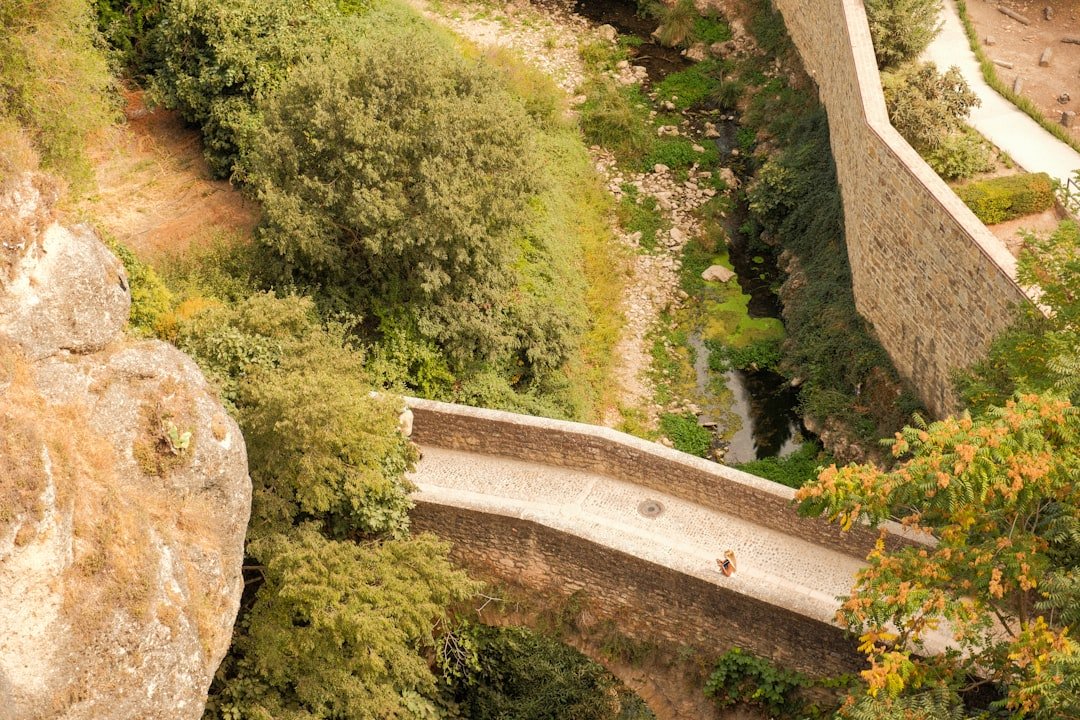
Ronda: Perched above a dramatic gorge, Ronda’s Puente Nuevo is the town’s defining sight—an 18th-century stone bridge that frames views into El Tajo gorge. Nearby, the Plaza de Toros, one of Spain’s oldest bullrings, and the Arab baths (Baños Árabes) reflect layers of Andalusian history.
Cadaqués (and Portlligat): The whitewashed streets and sheltered harbor of Cadaqués are picturesque in themselves. A short walk to Portlligat reveals the Salvador Dalí House-Museum (Casa-Museu Dalí), where the surrealist artist lived and worked; booking ahead is advised.
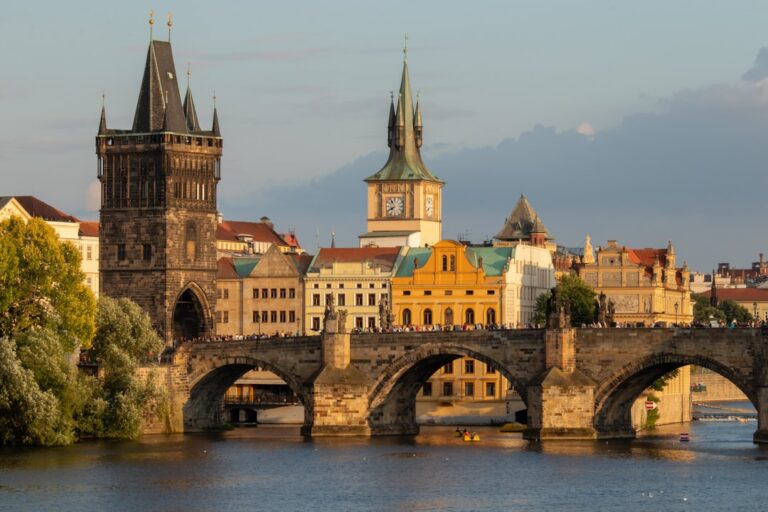
Besalú: This 10th–12th-century Catalan town is known for its spectacular Romanesque bridge spanning the Fluvià River and cobbled Jewish quarter. The medieval architecture makes the whole town feel like an open-air museum.
Cudillero: A compact fishing village on Asturias’s coast, Cudillero spreads up a hillside in concentric streets with colorful houses. The harbor and viewpoints above the town offer classic Atlantic vistas; the seafront fish restaurants are a highlight.
Alquézar: Situated in the Sierra de Guara, Alquézar’s Collegiate Church of Santa María and its fortified old quarter perch above the Vero River gorge. The surrounding canyon network is a draw for walkers and canyoning enthusiasts.
Frigiliana: This inland Andalusian village northeast of Málaga is celebrated for its well-preserved Moorish quarter, narrow lanes and floral facades. Scenes of whitewashed houses against terraced hillsides are quintessential Andalusia.
Santillana del Mar: Often called one of Spain’s prettiest villages, Santillana del Mar in Cantabria features medieval architecture concentrated around the Collegiate Church of Santa Juliana. Its cobbled streets and historic houses transport visitors back in time.
Mojácar: On Almería’s coastline, Mojácar Pueblo sits high on a hill above the sea, its whitewashed buildings and panoramic terraces capturing light and sea views. The nearby beaches and the town’s Paseo de las Golondrinas are popular for sunset.
Best Time to Visit
Spring (April–June) and autumn (September–October) are the best overall months: mild temperatures, flourishing landscapes and fewer crowds than summer. For coastal towns like Cadaqués, Cudillero and Mojácar, late spring and early autumn offer warm sea weather without peak-season congestion. Inland and hilltop towns—Ronda, Alquézar and Frigiliana—are pleasant in spring and autumn; summers can be hot in Andalusia, with July and August seeing locals head to higher elevations or the coast.
Winter can be atmospheric and quieter—Santillana del Mar and Cudillero are charming with a bracing Atlantic feel—but some attractions and restaurants may operate reduced hours. If you want festivals, summer is busiest for local celebrations, but plan ahead for accommodation in July and August.
Essential Travel Tips
Transportation: Small towns are best reached by a mix of regional trains and buses; rental cars offer the most flexibility, especially for reaching remote villages like Alquézar. Keep an eye on bus timetables—connections can be infrequent. In Catalonia and Andalusia, RENFE and regional operators link larger hubs to nearby towns, but the final leg often requires a bus or taxi.
Money: Spain uses the euro. Many small shops and restaurants accept cards, but some rural vendors remain cash-preferred; carry small bills and coins for markets and village services.
Safety: These towns are generally safe. Standard precautions apply—watch belongings in crowded squares and avoid leaving valuables visible in parked cars. Coastal cliffs and steep streets require attention, especially with children.
Packing: Bring comfortable walking shoes for cobbled streets and stairways. Layered clothing is useful—mornings can be cool and afternoons warm. If visiting coastal towns, pack sun protection and a light windbreaker for evenings. For outdoor activities in Alquézar, bring sturdy hiking shoes and a refillable water bottle.
Local etiquette: Greet shopkeepers and neighbors with a simple “buenos días” or “buenas tardes.” Meal times are later than in some countries—lunch around 2pm and dinner often after 9pm in summer. Respect quiet hours, especially in small towns where nightlife may be limited.
Frequently Asked Questions
How much time should I spend in each town?
A day is sufficient for highlights in most towns, but staying overnight lets you soak up atmosphere, enjoy sunset views and sample local dining. Plan two nights for Ronda or Cadaqués to explore surroundings and nearby attractions.
Are these towns family-friendly?
Yes. Most towns are walkable and family-friendly, though steep streets and cobbles can be challenging with strollers. Choose centrally located accommodation to minimize uphill walks.
Can I visit these towns using public transportation?
Yes, but connections vary. Besalú and Cadaqués are accessible via Girona; buses reach Cadaqués from Figueres and Cadaqués’ small port area. Cudillero and Santillana del Mar are served by regional bus networks. A car gives the greatest freedom, especially for Alquézar and remote viewpoints.
Are there guided tours available?
Guided walking tours and local guides are available in many towns, particularly in Ronda, Cadaqués and Santillana del Mar. Booking locally or through regional tourist offices ensures accurate timing and language options.
What should I eat in these regions?
Try regional specialties: Andalusian gazpacho and small plates in Ronda and Frigiliana; seafood and cider-based dishes in Asturias; Catalan seafood and cured meats in Besalú and Cadaqués; hearty mountain stews near Alquézar and Cantabrian cheeses in Santillana del Mar.
Conclusion
Spain’s small towns reveal layers of history, landscape and culinary tradition that large cities can’t fully capture. From Ronda’s dramatic gorge to Cadaqués’ luminous coast, each village offers a distinct regional flavor—medieval bridges, whitewashed alleys, coastal harbors and mountain gorges. Travel slowly, sample local foods, and let time stand still on a plaza or viewpoint. These eight towns are ideal invitations to step away from urban itineraries and discover quieter, memorable corners of Spain.